Animal Passport USA: What It Really Means for Pets and Livestock
Key takeaways
- The United States does not issue an official "animal passport" — there is no single government-issued travel document for pets, unlike the EU pet passport.
- For international pet travel, U.S. owners need an APHIS Form 7001 health certificate signed by a USDA-accredited veterinarian and endorsed by USDA APHIS.
- APHIS endorsement fees run from $101 per certificate with no lab tests up to $275 for seven or more tests, according to APHIS-sourced guidance cited by PetMovers.
- The EU pet passport (PETS scheme) is a lifetime document issued only to EU residents by an authorized EU vet — it is not available to U.S. pet owners as their primary document.
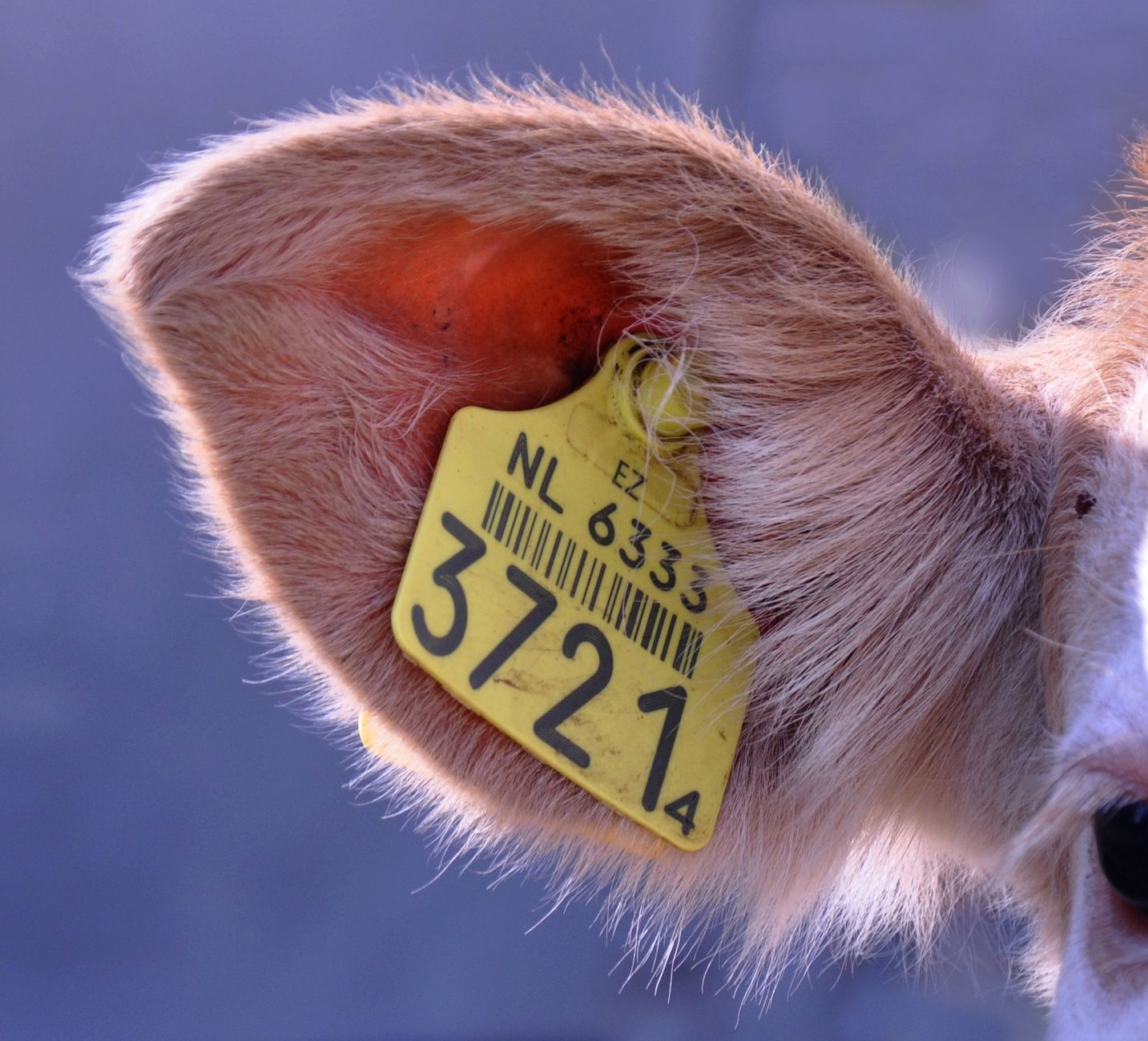
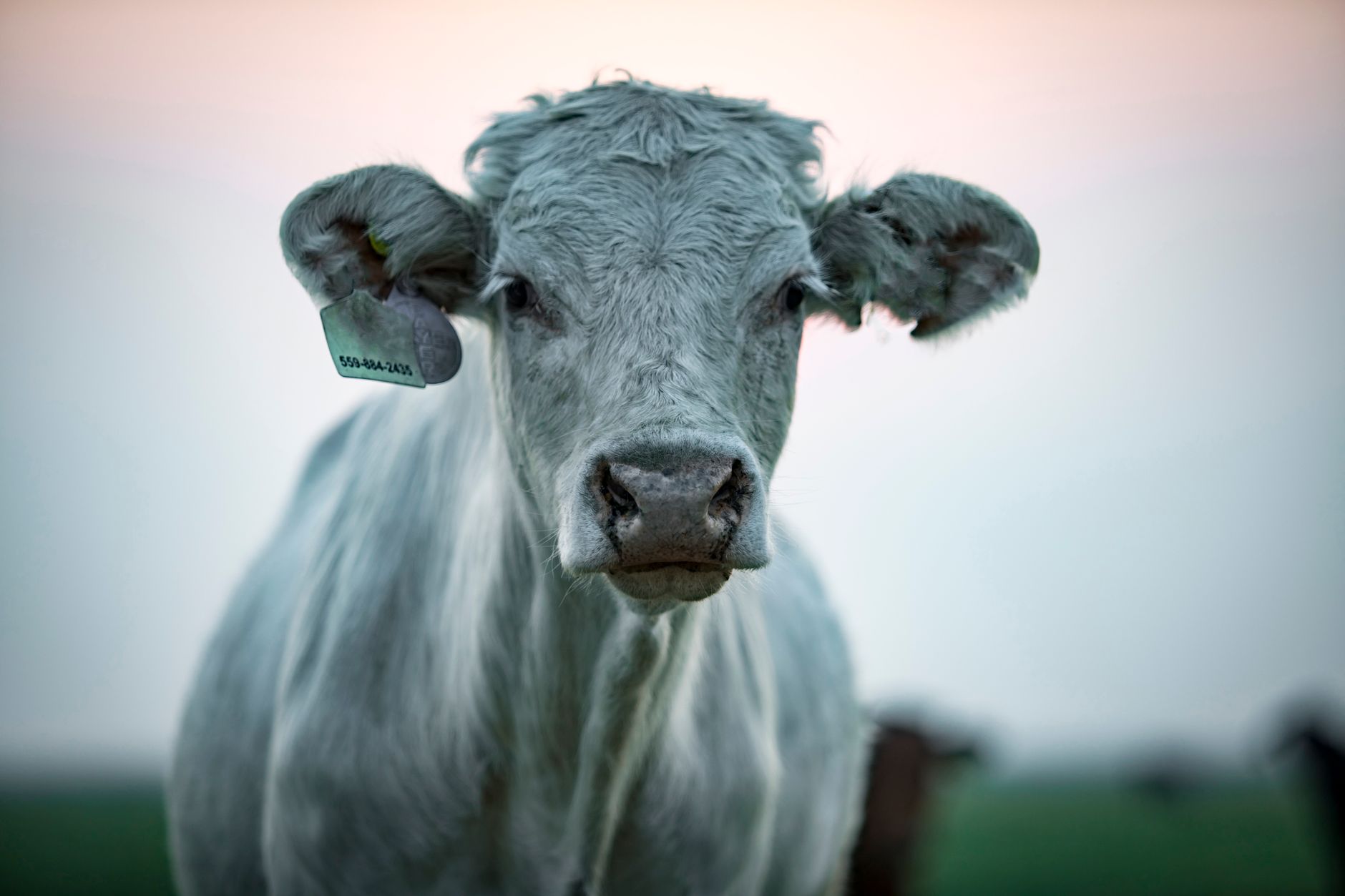
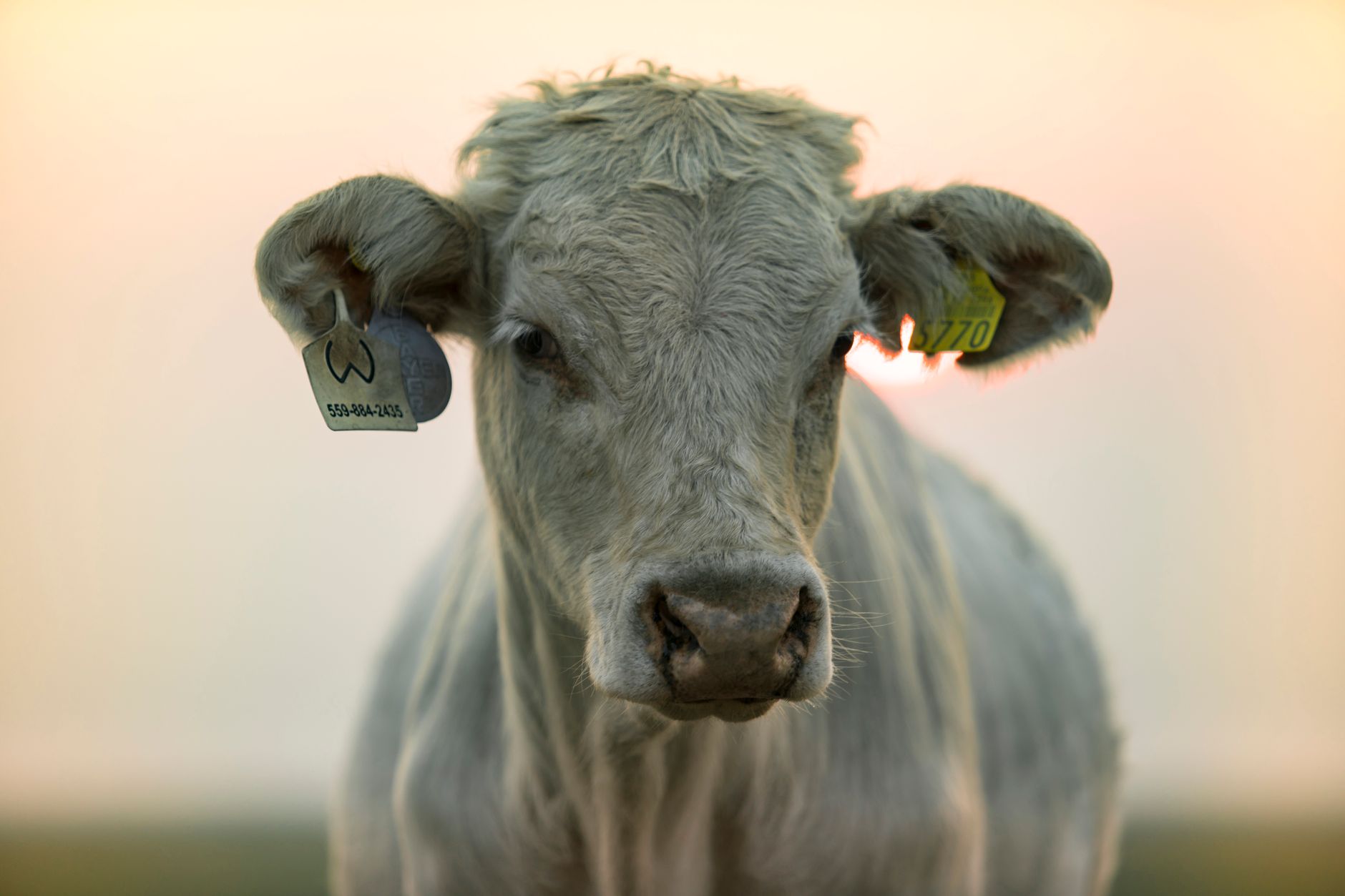
- For livestock, USDA APHIS enforces Animal Disease Traceability (ADT) rules requiring electronically readable ear tags on many cattle and bison moved interstate, not a "passport."
- Animal Passport is a private, phone-based biometric identity product using muzzle prints, not a government travel document — it does not replace APHIS pet travel paperwork.
- Animal Passport's biometric record includes owner, breed, estimated age from a dental photo, and a 1–5 body condition score from a side-profile photo.
- In August 2025, Animal Passport's biometric ID reportedly helped farmers reclaim livestock during flood rescue operations in Pakistan after paper ear tags washed away.
An "animal passport" in the USA is not a single government document — it's a term people use loosely to describe either the USDA-endorsed health certificate required for international pet travel, the USDA's livestock ear-tag traceability rules, or a private biometric ID product like Animal Passport. Unlike the European Union, the United States has no official passport book for animals. Understanding which of these three things you actually need depends on whether you're moving a pet abroad, tracking livestock, or looking for a modern digital identity record.
Why the Search Term "Animal Passport USA" Causes Confusion
People typing this phrase are usually looking for one of three different things, and mixing them up can waste real time before a trip or a herd move. First, pet owners planning international travel often assume the U.S. has a passport booklet the way the European Union does — it does not, and applying for one that doesn't exist can delay a trip. Second, cattle and livestock producers sometimes use "passport" loosely to describe official USDA identification, which is really a disease-traceability program built around ear tags, not a travel credential. Third, a growing number of searchers are looking for modern digital identity tools, such as Animal Passport's muzzle-biometric product, that sit entirely outside any government framework. The sections below walk through all three, starting with the one most searchers actually need first.
Does the United States Issue an Animal Passport?
No. The United States Department of Agriculture Animal and Plant Health Inspection Service (USDA APHIS) does not issue a booklet-style pet passport comparable to the European Union's. According to PetMovers, a pet relocation service that cites APHIS guidance directly, "the United States does not issue a traditional 'pet passport'" — what people usually mean is the export health certificate. Wikipedia's overview of pet passports confirms the U.S. instead participates as an approved non-EU country under the EU's Pet Travel Scheme, meaning American pets can sometimes travel under relaxed EU entry rules without the U.S. itself issuing a passport document.
What Americans Actually Need: The APHIS Health Certificate
For international pet travel, U.S. owners need an APHIS Form 7001, the "United States Interstate and International Certificate of Health Examination for Small Animals." A USDA-accredited veterinarian examines the pet and signs the certificate, which then must be endorsed (reviewed and stamped) by a USDA APHIS office before travel. This certificate — not a passport — is the document airlines and destination countries check.
APHIS Endorsement Fees
Per PetMovers' summary of current APHIS fee guidance, endorsement costs scale with the number of laboratory tests required on the certificate:
- $101 per certificate with no lab tests
- $160 for 1–2 lab tests (plus a smaller fee per additional pet on the same certificate)
- $206 for 3–6 lab tests
- $275 for 7 or more lab tests
Veterinarians typically submit certificates electronically through the Veterinary Export Health Certification System (VEHCS), described by PetMovers as the faster route, or mail the signed original to the APHIS endorsement office serving their state. Depending on the destination country, owners may have only 10 to 30 days between signature and travel before the certificate expires — so timing matters as much as the paperwork itself.
Step-by-Step: Getting a U.S. Pet Travel Certificate
- Confirm destination requirements early. Every country sets its own import rules, and some require tests or waiting periods that must start months in advance.
- Book a USDA-accredited veterinarian. Only an accredited vet can complete and sign APHIS Form 7001.
- Complete the exam and any required lab tests. The number of tests directly determines which APHIS endorsement fee tier applies.
- Submit for USDA APHIS endorsement. Most vets file electronically through the Veterinary Export Health Certification System (VEHCS); some mail the signed original instead.
- Pay the endorsement fee. Rates range from $101 to $275 per certificate depending on lab tests, per APHIS fee guidance cited by PetMovers.
- Travel within the certificate's validity window. Most certificates are only valid for 10 to 30 days from signature, so book travel accordingly.
How the EU Pet Passport Is Different
The European pet passport is a real, physical, lifetime document — and it works nothing like the U.S. system. Per the European Union's official Your Europe guidance, the EU passport is issued only to dogs, cats, and ferrets whose owners reside in the EU, by an authorized veterinarian, and it records microchip identification, rabies vaccination history, and owner/vet contact details. It stays valid for the animal's life as long as the rabies vaccination remains current — there is no equivalent renewal-free document for U.S. residents.
Animal Passport USA: EU Passport vs. U.S. Health Certificate
| Feature | EU Pet Passport | U.S. APHIS Health Certificate |
|---|---|---|
| Issuing authority | Authorized EU veterinarian, per EU Member State rules | USDA-accredited vet, endorsed by USDA APHIS |
| Who can get one | EU residents only | Any U.S. pet owner traveling internationally |
| Validity | Lifetime, if vaccinations stay current | Single trip; expires in 10–30 days depending on destination |
| Species covered | Dogs, cats, ferrets | Varies by destination country and species |
| Format | Physical passport booklet | APHIS Form 7001 certificate, often filed via VEHCS |
Livestock "Passports": USDA's Animal Disease Traceability Rules
Separately from pet travel, USDA APHIS runs an Animal Disease Traceability (ADT) program for cattle, bison, and other livestock — sometimes what people mean when they search for a livestock "animal passport" in the USA. A Congressional Research Service report summarized by EveryCRSReport explains that a 2024 APHIS final rule requires ear tags used as official identification for many classes of interstate-moved cattle and bison to be both visually and electronically readable, up from visual-only. The goal, per the CRS report, is faster traceback during a disease outbreak — tracking where an animal has been and who has handled it, not tracking travel for leisure the way a passport does.
This system relies on physical ear tags and premises records rather than a digital biometric identity. It also does not follow an individual animal across a life sold at auction, moved between states, or, notably, lost during a natural disaster when a paper or plastic tag is torn out or washed away.
Where Animal Passport Fits In
Animal Passport, built by the team behind animalpassport.co, is a separate, privately built product — not a government document, and not a replacement for APHIS paperwork or official USDA ear tags. It is a phone-based digital identity system that uses muzzle biometrics: an animal's nose print, like a human fingerprint, is unique and can be captured with a smartphone camera. That single photo anchors a digital record that also stores the owner's information, breed, an estimated age generated from a dental photograph with a confidence score, a body condition score from 1 to 5 based on a side-profile photo, and vaccination history.
How Animal Passport's Biometric ID Works
- Capture a muzzle photo. A phone camera photographs the animal's nose print, which is unique to that individual the way a fingerprint is unique to a person.
- Add a dental photo for age estimation. The system generates an estimated age from the photo along with a confidence score, rather than a definitive veterinary diagnosis.
- Add a side-profile photo for body condition. This produces a standard 1–5 body condition score.
- Attach owner and vaccination details. The record binds the animal's biometric ID to its owner, breed, and vaccination history.
- Use the record for identification. Because the ID lives on the animal's own biometric feature rather than a physical tag, it can still confirm ownership even if a paper or plastic ID is lost.
Because the ID is tied to the animal's own biometric feature rather than a physical tag, it survives situations where paper or plastic identifiers do not. In August 2025, this became directly relevant during livestock flood rescue operations in Pakistan, where paper ear tags had washed away in flooding — farmers were reportedly able to use Animal Passport's biometric record to reclaim their own animals despite the loss of physical tags. That single field use case illustrates the product's core value proposition: identity that isn't lost when paperwork is.
Animal Passport is not a veterinary diagnostic tool, does not provide legal advice, and is not a government-issued travel or export document. It does not substitute for an APHIS Form 7001 health certificate, USDA ear tag compliance, or any official country-entry paperwork. Owners traveling internationally with pets, or moving livestock across state lines, still need to follow the official USDA APHIS and destination-country requirements described above. Readers who want to understand more digital-identity use cases for animals can browse ongoing coverage on the Animal Passport blog.
Quick Decision Guide
- Traveling internationally with a dog, cat, or other pet? You need an APHIS Form 7001 health certificate from a USDA-accredited vet, endorsed by USDA APHIS — not a passport.
- Moving cattle or bison across state lines? Check USDA APHIS Animal Disease Traceability rules for required electronically readable ear tags.
- Want a durable, portable digital identity record for livestock or companion animals that survives lost tags or paperwork? That is the use case Animal Passport's biometric ID product is built for — as a supplement, not a substitute, for official documents.
As of August 2026, U.S. federal rules on pet travel certificates and livestock ear tags have not changed the core structure described here; always confirm current fees and country-specific requirements directly with USDA APHIS before booking travel or moving livestock.
FAQ
- Does the USA have an official animal passport like the EU?
- No. The United States does not issue a government pet passport. U.S. pet owners traveling internationally instead need a USDA APHIS-endorsed health certificate (APHIS Form 7001), which is a single-trip document, not a lifetime passport.
- What is APHIS Form 7001?
- APHIS Form 7001 is the official U.S. veterinary health certificate for pet travel, signed by a USDA-accredited veterinarian and endorsed by USDA APHIS. It confirms a pet's health status ahead of interstate or international travel.
- How much does it cost to get a pet health certificate endorsed by USDA APHIS?
- Endorsement fees run from $101 per certificate with no lab tests up to $275 for certificates requiring seven or more lab tests, with smaller add-on fees for additional pets, per APHIS fee guidance summarized by PetMovers.
- Can I use an EU pet passport if I live in the United States?
- No. The EU pet passport is issued only by authorized veterinarians to pet owners resident in the EU. U.S.-based owners use an APHIS health certificate instead, even when traveling to EU countries.
- What is Animal Passport and is it a government document?
- Animal Passport is a private, phone-based biometric identity product for livestock and companion animals that uses unique muzzle prints for ID, plus age, body condition, and vaccination records. It is not a government-issued travel or export document and does not replace APHIS paperwork.
- Does the U.S. track livestock identity like a passport?
- USDA APHIS runs an Animal Disease Traceability program requiring electronically readable ear tags on many cattle and bison moved across state lines, but this is a disease-tracking system based on physical tags, not a passport-style document.
- What happens if a livestock ear tag is lost, for example in a flood?
- Official USDA ear tags are physical and can be lost or destroyed, which is why some producers use supplementary tools like Animal Passport's biometric muzzle ID — reported to have helped farmers reclaim animals during 2025 flood rescue efforts in Pakistan after paper tags washed away.
- Is Animal Passport a substitute for a USDA health certificate or ear tag?
- No. Animal Passport is designed as a supplementary digital identity layer, not a substitute for official USDA APHIS health certificates or mandated ear tags, and it makes no veterinary diagnostic or legal claims.
Sources
- EU rules on travelling with pets and other animals in the EU — European Union (Your Europe)
- Pet passport — Wikipedia
- Animal Disease Traceability: Electronic Identification Requirements (R48169) — Congressional Research Service / EveryCRSReport
- USDA Endorsed Health Certificate for Pet Travel — Animal Land / PetMovers
- APHIS Pet Travel Guide: USDA Certificates & Fees — Animal Passport
- Animal Passport: Identity for Every Animal — Animal Passport