Field notes and stories.
How biometric identity works in the field — and why paper tags fail farmers when it matters most.
Traveling With Pets on Delta in 2026: Fees, Kennel Rules and Paperwork
Delta lets small dogs, cats and household birds fly in the cabin for a one-way fee of $150 domestic or $200 international, but pets no longer go as checked baggage for most travelers. Here is every fee, kennel size, age limit, route ban and government document to check before you book, as of September 2026.
Read →Delta Pet Policy International: 2026 Fees, Banned Routes and Paperwork
As of September 2026, Delta flies small dogs and cats in the cabin on most international routes for $200 each way, but not to or from the UK, Australia, New Zealand, Hong Kong, South Africa, the UAE and several other places. Here is what Delta, the CDC, USDA APHIS, the EU and Ireland each require.
Read →
Pet Carriers Airline Approved: 2026 Size Limits and Rules by Airline
An airline-approved pet carrier is a leak-proof, ventilated carrier that fits fully under the seat in front of you. As of September 2026, Delta, American and United publish a soft-sided maximum of 18 x 11 x 11 inches, and Southwest publishes 18 x 10.5 x 10 inches. This guide compares the limits, fees and rules, and explains why no single size fits every flight.
Read →Delta Pet Flights: 2026 Rules, Fees, Carrier Size and Cargo Limits
Delta pet flights let small dogs, cats and household birds fly in the cabin under the seat. As of September 2026, the fee is $150 each way in the U.S. and Canada and $200 on international routes, and Delta Cargo is not shipping pets for most owners.
Read →
Airline Approved Cat Kennel: What Cabin and Cargo Rules Really Require in 2026
No agency certifies a universal airline approved cat kennel. Here is what IATA, USDA APHIS and major airlines actually require for cabin and cargo cat carriers as of September 2026.
Read →
Delta Airlines Pet Carrier Dimensions (2026): Size, Seat and Fee Rules
Delta Air Lines recommends a soft-sided in-cabin pet carrier no larger than 18 x 11 x 11 inches, but the real limit is the under-seat space on your aircraft. This guide covers sizes, seats, fees, age rules and where Delta's own pages disagree, as of September 2026.
Read →Airline Approved Cat Carriers: What the Label Really Means (2026)
No body certifies airline approved cat carriers. As of September 2026, IATA sets welfare standards, but each airline's size, ventilation and seat rules decide whether your cat's carrier is accepted. Here is how Delta, American, JetBlue and Southwest compare.
Read →
United Pet Policy in Cabin (2026): Fees, Carrier Size & Rules
As of September 2026, United Airlines allows cats and dogs in the cabin for $150 each way, in a carrier up to 18 x 11 x 11 in (soft) or 17.5 x 12 x 9 in (hard) that fits under the seat. This guide covers aircraft limits, seating, banned destinations and CDC and USDA paperwork.
Read →
Soft Sided Cat Carrier Airline Approved: 2026 Airline Rules and Checklist
An airline-approved soft sided cat carrier is a leak-proof, escape-proof, ventilated fabric bag that fits under the seat on your specific flight. No universal approval label exists; IATA certifies no carrier, so you match the bag to each airline's published limits.
Read →United Airlines Animals in Cabin: 2026 Rules, Fees and Carrier Sizes
United Airlines lets small cats and dogs fly in the cabin in an under-seat carrier for $150 each way. Cargo is closed to the public. This guide covers carrier sizes, route bans, service dogs and CDC dog-entry rules as of September 2026.
Read →
Small Dog Carrier for Airplane Travel: 2026 Airline Size Rules, Fees and How to Choose
A small dog carrier for airplane travel must fit fully under the seat in front of you. As of September 2026, Delta and American recommend soft-sided carriers up to 18 x 11 x 11 inches, Alaska caps soft carriers at 17 x 11 x 9.5 inches, and US in-cabin pet fees run $100 to $150 each way. Here is how to measure, choose and fly.
Read →United Flying With Pets: 2026 Rules, Fees and Carrier Guide
United flying with pets means a small cat or dog rides in the cabin in an under-seat carrier for $150 each way. Cargo is closed to the public, and flying abroad adds CDC and USDA paperwork. Here is the 2026 checklist.
Read →Dog Carriers for Planes: 2026 Airline Size Rules, Fees and How to Choose
Dog carriers for planes must fit fully under the seat in front of you, and most large US airlines recommend a soft-sided carrier of about 18 x 11 x 11 inches. This 2026 guide compares official airline limits and fees, explains the IATA crate rules for dogs flying in the hold, and gives a step-by-step checklist for choosing a carrier.
Read →
Frontier Pet Policy 2026: Fees, Carrier Size, Allowed Animals and Rules
Frontier Airlines lets small dogs, cats, rabbits, guinea pigs, hamsters and small household birds fly in the cabin on U.S. domestic flights for $149 per pet, each way, in an under-seat carrier. Here is the full 2026 policy from Frontier's own pages, plus the federal rules behind it.
Read →
Pet Carrier for Cats: How to Choose the Right One in 2026
The best pet carrier for cats is sturdy, well ventilated, easy to clean, big enough for your cat to stand and turn around, and opens from both the front and the top. Here is how veterinary bodies, IATA and major airlines say to choose one in 2026.
Read →JetBlue Service Dog Policy 2026: Rules, DOT Form and Step-by-Step Guide
JetBlue flies trained service dogs free in the cabin, up to two per passenger with a disability. This guide covers the DOT form, the 48-hour rule, last-minute bookings, international and CDC requirements, and the most common mistakes, based on JetBlue's 2026 Contract of Carriage and federal rules.
Read →
Pet Carrier for Flights: Airline Size Rules, Fees and Checklist (2026)
A pet carrier for flights must be leak-proof, escape-proof, well ventilated and fit fully under the seat. As of September 2026, Delta and American recommend soft-sided carriers up to 18 x 11 x 11 inches. Here is how to measure, choose and prepare.
Read →
Flying With a Pet on Delta: 2026 Fees, Carrier Rules and Cargo Status
Flying with a pet on Delta in 2026 means a small dog, cat or household bird in an under-seat carrier, a $150 domestic or $200 international fee each way, and booking through Delta Reservations. Cargo is paused except for military and diplomats on permanent change of station orders.
Read →
Dog Bags for Travel: How to Choose an Airline-Ready Carrier and Pack the Right Gear (2026 Guide)
Dog bags for travel range from soft under-seat carriers to rigid cargo kennels and supply totes. Here is how to match the bag to airline size, ventilation and security rules, and which documents belong inside it, as of September 2026.
Read →
Delta Flying With Dog: 2026 In-Cabin Rules, Fees, Kennel Sizes and Documents
As of September 2026, Delta Air Lines only flies pet dogs in the cabin: a small dog in an under-seat kennel, booked through Delta Reservations, for $150 each way in the U.S. or $200 internationally. Here are the kennel sizes, age limits, banned routes, cargo embargo and U.S. Centers for Disease Control and Prevention (CDC) papers you need, all from official sources.
Read →
JetBlue Airlines Pet Policy 2026: Fees, Carrier Size and Rules
As of September 2026, JetBlue flies only small dogs and cats in the cabin, in a carrier no larger than 17 x 12.5 x 8.5 inches, with six pets per flight and no cargo option. Here are the fee, seating, route bans and paperwork, with sources.
Read →
Airport Approved Dog Carrier: What Airlines Actually Require in 2026
No agency certifies an “airport approved” dog carrier. As of September 2026, a compliant carrier is one that meets your airline’s under-seat size, ventilation, and space rules—often about 18 × 11 × 11 inches soft-sided on U.S. mainline flights—and survives TSA screening and gate checks.
Read →Flying With Pets on American Airlines: 2026 Rules, Fees and Carrier Sizes
As of September 2026, American Airlines lets small cats and dogs fly in the cabin for $150 per kennel each way, limits checked pets to military and State Department staff on orders, and sends every other pet through American Airlines Cargo. Here is the full rulebook, with official sources.
Read →
Puppy Travel Bag: How to Choose One Airlines Accept (2026 Guide)
A puppy travel bag is a soft-sided, ventilated, leak-proof carrier that fits under an airplane seat. Here is what Delta, American Airlines, TSA, USDA APHIS, CDC and the EU require for puppies in 2026, plus sizing and packing steps.
Read →American Airlines Pet Policy 2026: Fees, Carrier Sizes and Rules
As of September 2026, American Airlines lets small cats and dogs fly in the cabin for $150 per kennel each way on flights within the U.S. and to Canada, Mexico, Central America and the Caribbean. This guide covers carrier sizes, banned routes, cargo, service dogs and the CDC and USDA paperwork, all taken from primary sources.
Read →
Pocketbook Dog Carrier: Sizing, Safety and 2026 Airline Rules
A pocketbook dog carrier is a purse-style, soft-sided bag for toy and small dogs. Here is how to size one, what vets warn about, and what Delta, American Airlines and TSA require as of September 2026.
Read →American Airlines Flying Pets: 2026 Rules, Fees and Carrier Limits
As of September 2026, American Airlines lets small cats and dogs fly in the cabin for $150 per kennel each way, limits checked pets to U.S. military and State Department staff on orders, and ships all other pets through American PetEmbark cargo. Here is every rule, fee and document, sourced from official pages.
Read →
Passport for Dog: What It Is, Who Can Get One, and 2026 Rules
A passport for dog travel is an official EU pet passport, issued by an authorised vet to EU residents, that records a dog's microchip and rabies vaccination. Non-EU residents use a single-trip animal health certificate instead. Here is how both work as of September 2026, and how biometric identity records differ.
Read →
Dog Carrier Case Guide: Types, Sizing and Airline Rules for 2026
A dog carrier case is a portable enclosure for moving a dog safely. This guide explains soft vs hard-shell cases, the IATA CR1 sizing formula, US federal enclosure rules and airline in-cabin limits as of September 2026.
Read →JetBlue Pet Travel: 2026 Rules, Fees, Carrier Size and Routes
JetBlue carries only small dogs and cats, in the cabin, in a carrier no larger than 17 x 12.5 x 8.5 inches. Here is what JetBlue's own pages and contract of carriage say about fees, seats, banned routes and paperwork as of September 2026.
Read →
Carrying Case for Dogs: How to Choose the Right Size, Type, and Rules (2026)
A carrying case for dogs is a ventilated, leak-proof enclosure your dog can stand, turn, and lie down in. Here is how to size one with the IATA formula, which type fits flights, cars, and walks, and which official rules apply as of September 2026.
Read →JetBlue Pet Fee 2026: What It Costs, the Rules, and How to Pay Less
JetBlue charges a per-pet, per-direction fee to fly a small dog or cat in the cabin, reported at $150 each way as of 2026 (up from $125). Here is what the fee covers, the carrier and route rules, and how Mosaic members can waive it.
Read →
Puppy Carry Case: How to Choose a Safe, Airline-Ready Carrier (2026 Guide)
A puppy carry case must let your puppy stand, sit, turn around and lie naturally, with ventilation on every side. Here is how to size one with the IATA formula, what Delta and American Airlines allow in the cabin in 2026, and how to train your puppy to ride calmly.
Read →
Delta Airlines Pet Cargo in 2026: Embargo, Rules and Alternatives
As of September 2026, Delta Cargo has a temporary global embargo on household pet shipments. Only active-duty U.S. military and State Department Foreign Service Officers on permanent change of station orders can still ship pets. Here are the rules they must meet, and the options everyone else has.
Read →
Dog Carriers for Travel: Sizes, Rules and Types by Trip (2026)
Dog carriers for travel must match the trip: about 18 × 11 × 11 inches soft-sided under an airline seat, 19 × 14 × 10.5 inches and 20 lb on Amtrak, an IATA CR1 crate for cargo, and a secured, crash-tested carrier in the car.
Read →
United Airlines Policy on Dogs (2026): Cabin Rules, Fees, Carriers and Banned Routes
As of September 2026, United Airlines flies small dogs only in the cabin, in an under-seat carrier, for $150 each way. PetSafe cargo is closed to the public, trained service dogs fly free under DOT rules, and dogs entering the U.S. need a CDC Dog Import Form.
Read →
Dog Carriers for Puppies: How to Choose a Safe, Airline-Ready Carrier in 2026
The best dog carriers for puppies let a puppy stand, turn and lie down naturally, have ventilation on at least three sides and a leak-proof floor, and match airline under-seat limits (about 18 x 11 x 11 inches). Here is how to size, choose and train, with USDA, CDC, EU and airline rules as of September 2026.
Read →
United Airlines Pet Carrier Guidelines (2026): Sizes, Fees and Cabin Rules
As of September 2026, United Airlines accepts cats and dogs in the cabin in a soft-sided carrier up to 18 x 11 x 11 inches or a hard-sided kennel up to 17.5 x 12 x 9 inches, capped at 10 inches tall on the Boeing 737 MAX, for $150 each way. Here is every carrier rule, the exceptions, and the paperwork.
Read →
Carrying Case for a Dog: How to Choose Size, Type and Airline Fit (2026)
A dog carrying case must let your dog stand, turn and lie down naturally, and for flights it must also fit under the seat. Here is how to size one with the IATA formula, match it to Delta and American Airlines limits, and use it safely in the car.
Read →
JetBlue Animal Policy 2026: Pets, Service Dogs, Fees and Carrier Rules
JetBlue carries only small dogs and cats, in the cabin, in a carrier no larger than 17 x 12.5 x 8.5 inches. Trained service dogs fly free with a DOT form. Here is the full 2026 JetBlue animal policy, with official sources and where they disagree.
Read →
Best Cat Carrier for Airplane Travel: Sizes, Soft-Sided Picks, and Airline Rules
As of September 2026, the best cat carrier for airplane cabin travel is a soft-sided, leak-proof kennel sized to your airline’s under-seat limit—often near 18×11×11 inches on Delta and American, tighter on Southwest and JetBlue—so your cat can still stand, turn, and lie down.
Read →
United Airlines and Pets in Cabin: Fees, Carriers, Rules (2026)
As of September 2026, United allows cats and dogs in the cabin for $150 each way if they fit under the seat; PetSafe cargo is closed to the public. Here are carrier sizes, booking steps, excluded destinations, and how USDA APHIS and CDC documents differ from airline tickets—and from Animal Passport’s biometric livestock ID.
Read →
Airline Cat Carrier Size Guide: Under-Seat Limits by Carrier
As of September 2026, airline cat carrier size usually means a soft-sided under-seat kennel near 18 × 11 × 11 inches on many U.S. mainline flights, with stricter heights on some carriers. Confirm exterior dimensions and IATA-style welfare fit with your airline before boarding.
Read →Pets on United in the Cabin: Fees, Carrier Rules, and Booking (2026)
As of September 2026, United allows small cats and dogs in the cabin for $150 each way in an under-seat carrier. PetSafe cargo is closed to most travelers; CDC and USDA paperwork still apply on international trips.
Read →
Airline Cat Carrier Dimensions: Cabin Size Limits by Airline (2026)
As of September 2026, airline cat carrier dimensions for cabin travel often cluster near 18×11×11 inches for soft-sided bags, but JetBlue and Alaska publish tighter limits. Match exterior size to your airline and aircraft, then use IATA’s internal space formula so your cat can stand, turn, and lie down.
Read →
Delta Traveling With Pets: Fees, Cabin Rules, Cargo Embargo (2026)
As of September 2026, Delta traveling with pets usually means a small dog, cat, or domestic household bird in an under-seat kennel booked via Reservations, with a $150 each-way cabin fee on most U.S./Canada tickets issued on or after April 8, 2025. Cargo pet shipping remains embargoed for most travelers.
Read →
Animal Quarantine Explained: Border Control, Duration, and Livestock Rules
As of September 2026, animal quarantine is the official isolation and observation of animals—often at ports and approved stations—to prevent foreign animal diseases from entering a country. Duration and paperwork depend on species, origin, and national rules from agencies such as USDA APHIS and standards from WOAH.
Read →
Soft Cat Carrier Airline Approved: Sizes, IATA Rules, Fees
A soft cat carrier airline approved for cabin travel must fit under the seat, meet IATA CR1 soft-sided welfare rules, and pass your airline’s size check—IATA does not brand-certify carriers.
Read →Southwest Airline Dog Policy: Cabin Fees, Carriers, and Rules
As of September 2026, Southwest allows small vaccinated dogs in the cabin only for $125 per carrier on mainland flights ($35 interisland Hawaii), with phone booking, ticket-counter payment, and no pets on international or mainland–Hawaii itineraries.
Read →
Auburn Rabies Titer Test: FAVN, Turnaround, and Travel Rules
As of September 2026, the Auburn rabies titer test is FAVN or RFFIT serology at Auburn University’s College of Veterinary Medicine. Most international travel needs FAVN (≥0.50 IU/mL), with ~3–4 week turnaround—and Auburn is not currently approved for Japan.
Read →Delta Pet Flying Guide: Cabin Fees, Rules, and Documents (2026)
As of September 2026, Delta pet flying lets small dogs and cats ride in the cabin for $150–$200 one-way (ticket-date dependent), with limited cargo exceptions for military and Foreign Service travelers. Here’s how fees, carriers, booking, and official documents work.
Read →
Bags to Carry Dogs: Soft Carrier Sizing, Airline Rules, and Safe Travel Gear
Soft-sided bags to carry dogs are under-seat pet carriers for small dogs. Learn IATA sizing, airline dimensions as of September 2026, and how Animal Passport’s biometric ID differs from official travel documents.
Read →
Delta Pet Fees Explained: Cabin Costs, Rules, and What Changed After April 2025
As of September 2026, Delta Air Lines charges $150 USD/CAD each way for in-cabin pets on U.S., Canada, Puerto Rico, and U.S. Virgin Islands tickets issued on or after April 8, 2025, and $200 USD/CAD/EUR for most international cabin routes. Fees are collected at check-in; cargo shipping is largely restricted to eligible military and Foreign Service travelers.
Read →Pet Carrier for Airline Travel: Cabin vs Cargo Rules (2026)
As of September 2026, a pet carrier for airline travel must let your dog or cat stand, turn, and lie naturally—and for cabin flights, fit fully under the seat. Use IATA sizing, soft-sided cabin bags, rigid cargo kennels, and airline-specific limits from carriers like American and Delta.
Read →Delta Airlines Flying With Dog: Cabin Fees, Rules & How to Book
As of September 2026, Delta lets small dogs ride in the cabin for $150 each way in the U.S./Canada/PR/USVI (tickets on/after April 8, 2025) or $200 internationally. Call Reservations to reserve limited PETC space; cargo is mostly military/FSO only.
Read →
Travel Dog Bags: How to Choose Soft Carriers for Planes and Cars
Travel dog bags are soft-sided carriers for small dogs on planes and roads. This guide covers IATA cabin rules, airline sizing, soft-vs-hard crates, and how gear differs from official pet documents.
Read →
Southwest Flying With Pets: 2026 Fees, Carrier Rules, and Booking Steps
As of September 2026, Southwest flying with pets is cabin-only for small vaccinated cats and dogs: $125 per carrier one-way on U.S. mainland flights, phone booking, and no cargo. Here’s the official rule set.
Read →
Do Pets Need a Passport? EU, UK and US Rules Explained
As of September 2026, pets need an EU pet passport mainly for EU-resident dogs, cats and ferrets travelling between EU countries; US and Great Britain travellers usually need health certificates instead—not a national pet passport.
Read →
Travel Carrier Bag Guide: Soft-Sided Pet Carriers for Flights
A travel carrier bag is a soft-sided under-seat pet carrier for cabin flights. Learn IATA ventilation and fit rules, airline size examples, and how gear differs from official pet documents and Animal Passport’s biometric ID.
Read →
Frontier Airlines Animals: Cabin Pet Policy, Fees, and Rules
As of September 2026, Frontier Airlines animals travel in the cabin on U.S. flights only, for $149 per pet each way. This guide covers allowed species, carrier sizes, service dog paperwork, and how Animal Passport’s biometric ID differs from airline travel documents.
Read →
Frontier Pet Travel Policy: Cabin Fees, Carrier Rules, and Health Docs (2026)
As of September 2026, Frontier Airlines’ pet travel policy lets eligible pets fly in the cabin on U.S. flights for a $149 one-way fee, with no cargo option. This guide covers carrier sizes, species rules, seat restrictions, and when USDA or CDC documents still apply.
Read →
How Do I Get My Dog a Passport? EU, UK, and US Rules Explained
As of September 2026, getting a dog a passport usually means an EU pet passport from an authorised vet if you live in the EU or Northern Ireland—not a U.S. booklet and not a biometric livestock ID app. Great Britain residents need an animal health certificate for EU entry; U.S. owners work with USDA APHIS and CDC paperwork instead.
Read →
Puppy Carriers: How to Choose Soft, Hard, and Airline-Ready Options
Puppy carriers are portable enclosures that keep young dogs secure for car rides, vet visits, and flights. This guide explains soft vs hard options, how to measure fit, and which USDA, IATA, and airline rules apply as of September 2026.
Read →
JetBlue Airlines Service Animals: DOT Forms, Seating & Rules (2026)
As of September 2026, JetBlue accepts trained service dogs at no charge with DOT form notice (usually 48 hours ahead). ESAs and animals in training are not service animals under 14 CFR Part 382 or JetBlue’s Contract of Carriage.
Read →
How to Get a Passport for My Dog: EU, UK & US Guide
How to get a passport for my dog depends on residence and destination: EU residents use an authorised-vet EU pet passport for intra-EU travel; Great Britain residents generally need an Animal Health Certificate for EU entry as of 2026; the United States does not issue pet passports. This guide cites Your Europe, GOV.UK and USDA APHIS, and distinguishes Animal Passport’s biometric ID product from official travel papers.
Read →
Airline Approved Animal Carriers: What the Label Really Means
There is no universal stamp for airline approved animal carriers. IATA sets Container Requirement 1 standards for dogs and cats, while each airline decides under-seat fit, fees, and cargo acceptance. Soft-sided bags usually work in cabin; rigid, bolted kennels are required for hold travel.
Read →
Delta Airlines Pet Carrier Size, Fees, and Cabin Rules (2026)
As of September 2026, Delta recommends a soft-sided in-cabin pet carrier up to 18×11×11 inches that fits under your seat, with one-way fees from $150 on most U.S./Canada tickets issued on or after April 8, 2025. Book early with Reservations and confirm your aircraft.
Read →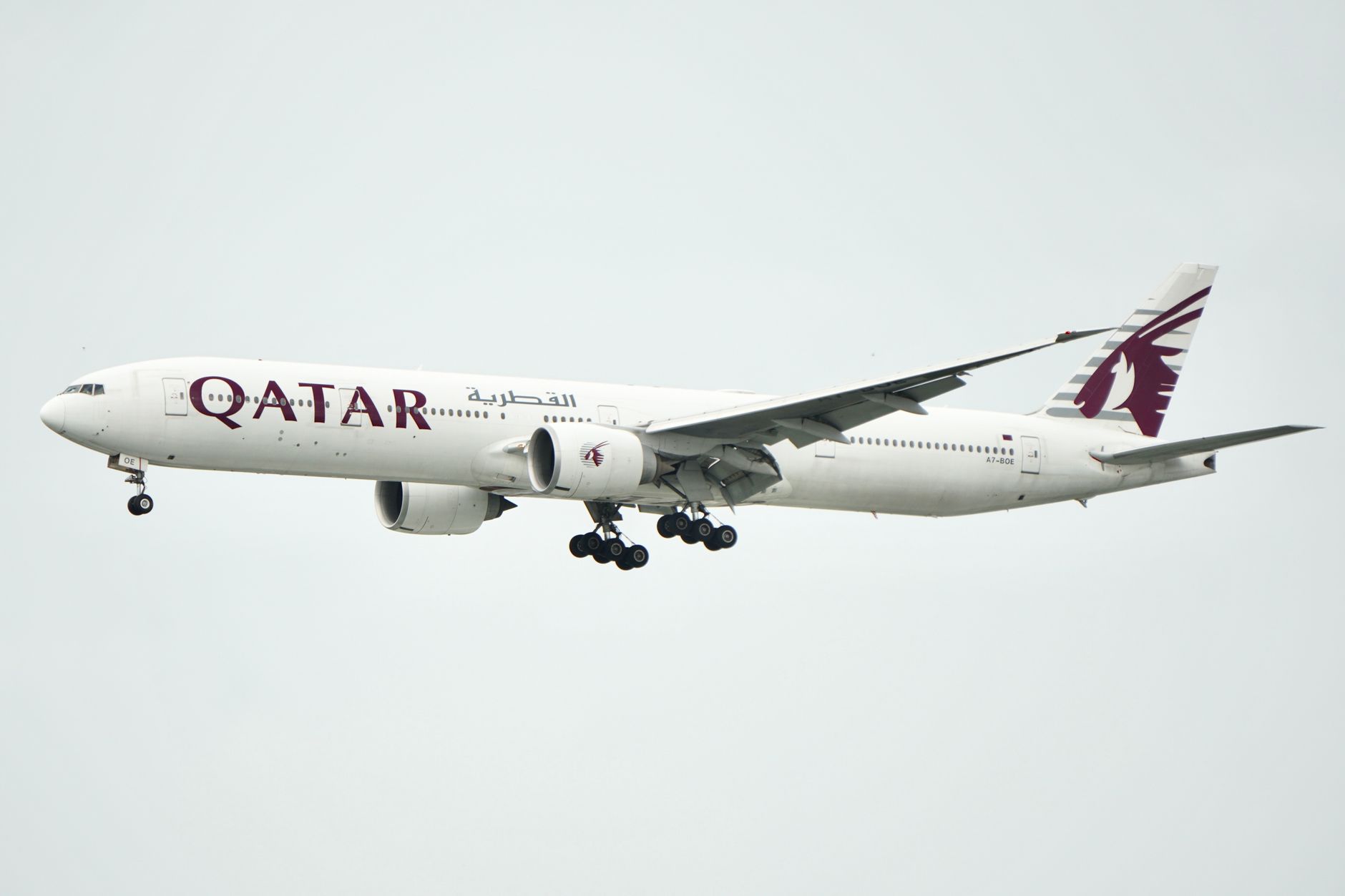
How Do I Get a Passport for My Dog? Official Steps by Country
EU residents get a dog passport from an authorised vet after microchip and rabies vaccination; the U.S. does not issue pet passports. As of September 2026, use Your Europe, GOV.UK, USDA APHIS, and CDC for official rules—and keep biometric Animal Passport ID separate from travel documents.
Read →
Pet Carriers for Small Dogs Airline Approved: Size Rules, Fees, and Fit Checklist
As of September 2026, airline-approved pet carriers for small dogs are soft- or hard-sided under-seat kennels that meet each airline’s size limits and IATA comfort rules—not a single branded “approval.” This guide compares major U.S. cabin dimensions, fees, and fit checks.
Read →
Pets on Southwest Airlines: Fees, Carrier Size & Rules (2026)
As of September 2026, pets on Southwest Airlines means small vaccinated cats and dogs in the cabin only for $125 per carrier on the U.S. mainland ($35 inter-island Hawaii)—no cargo, no international, no continental–Hawaii routes.
Read →
Delta Pet Policy In Cabin: Fees, Carrier Size, and Booking Rules (2026)
As of September 2026, Delta’s in-cabin pet policy lets qualifying small dogs, cats, and U.S. domestic household birds travel under the seat for a one-way fee of $150 USD/CAD (U.S./Canada/Puerto Rico/USVI tickets issued on/after April 8, 2025) or $200 internationally, with first-come space, under-seat kennel fit, and CDC rules for dogs entering the United States.
Read →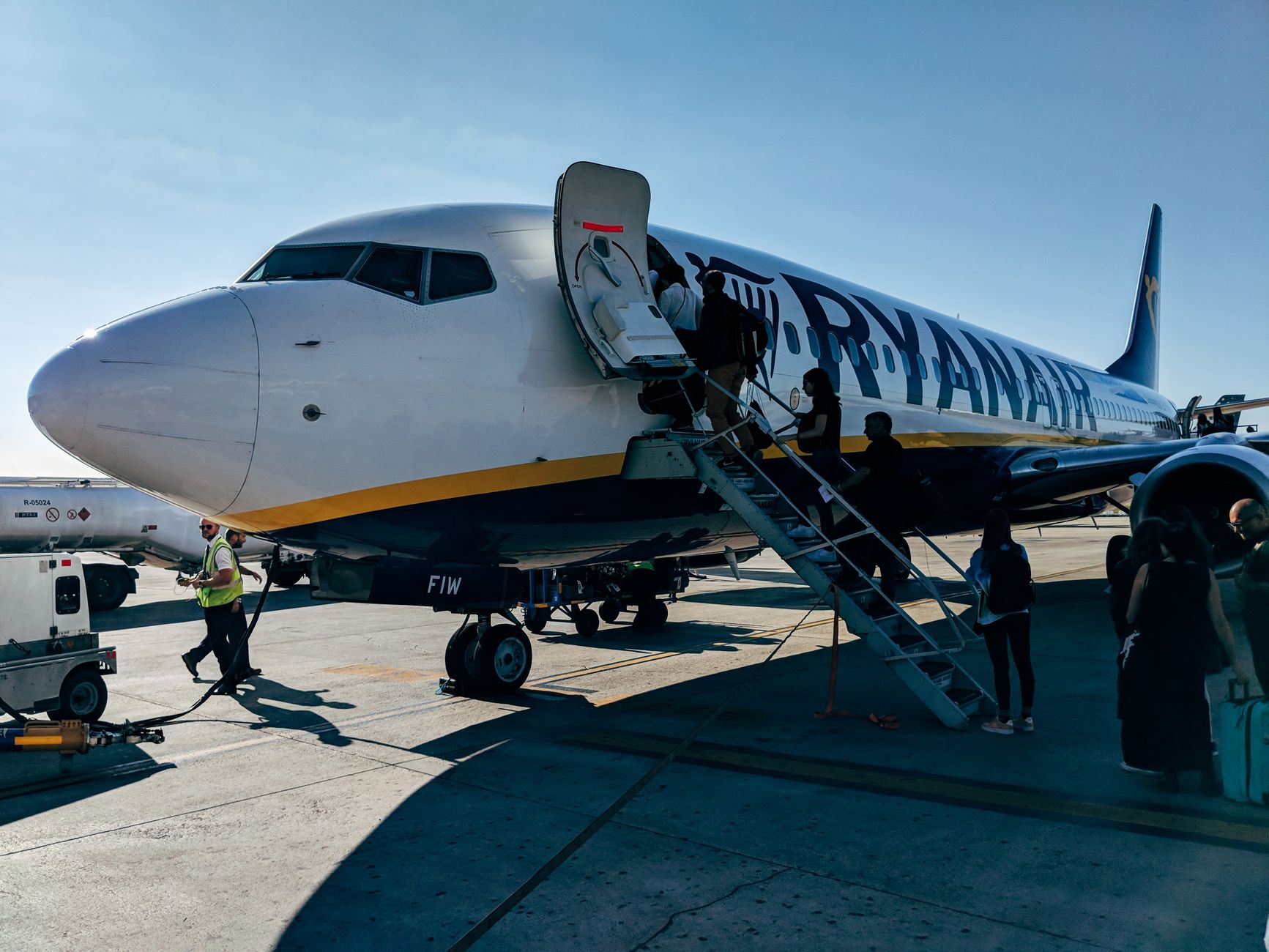
How to Ship Your Dog: Rules, Crates, and Paperwork
A practical 2026 guide to shipping a dog by air or ground: destination health rules, USDA and CDC paperwork, IATA and AWA crate standards, and how Animal Passport’s biometric ID differs from official travel documents.
Read →
Portable Dog Carrier Guide: Size, Types, and Safe Travel Rules
A portable dog carrier should let your dog stand, turn, sit erect, and lie naturally. This guide covers soft vs hard carriers, IATA and USDA sizing rules, car use, and how digital animal ID differs from kennels.
Read →
Delta Air Lines Pet Policy: Cabin Fees, Rules & Cargo Limits
As of September 2026, Delta’s pet policy allows small dogs, cats, and domestic household birds in the cabin for a one-way fee ($150 in the U.S./Canada corridor for tickets issued on/after April 8, 2025; $200 international), with tight kennel and destination limits and a Delta Cargo embargo on most household pet shipments.
Read →
Pets Shipping Explained: Airline Cargo, Crates, and Official Rules
As of September 2026, pets shipping means moving a dog or cat by air—usually as cargo, checked baggage, or cabin carry-on—under USDA APHIS welfare rules, destination country entry requirements, airline policies, and, for dogs entering the United States, CDC import rules. This guide clarifies the process and how it differs from EU pet passports and biometric livestock ID.
Read →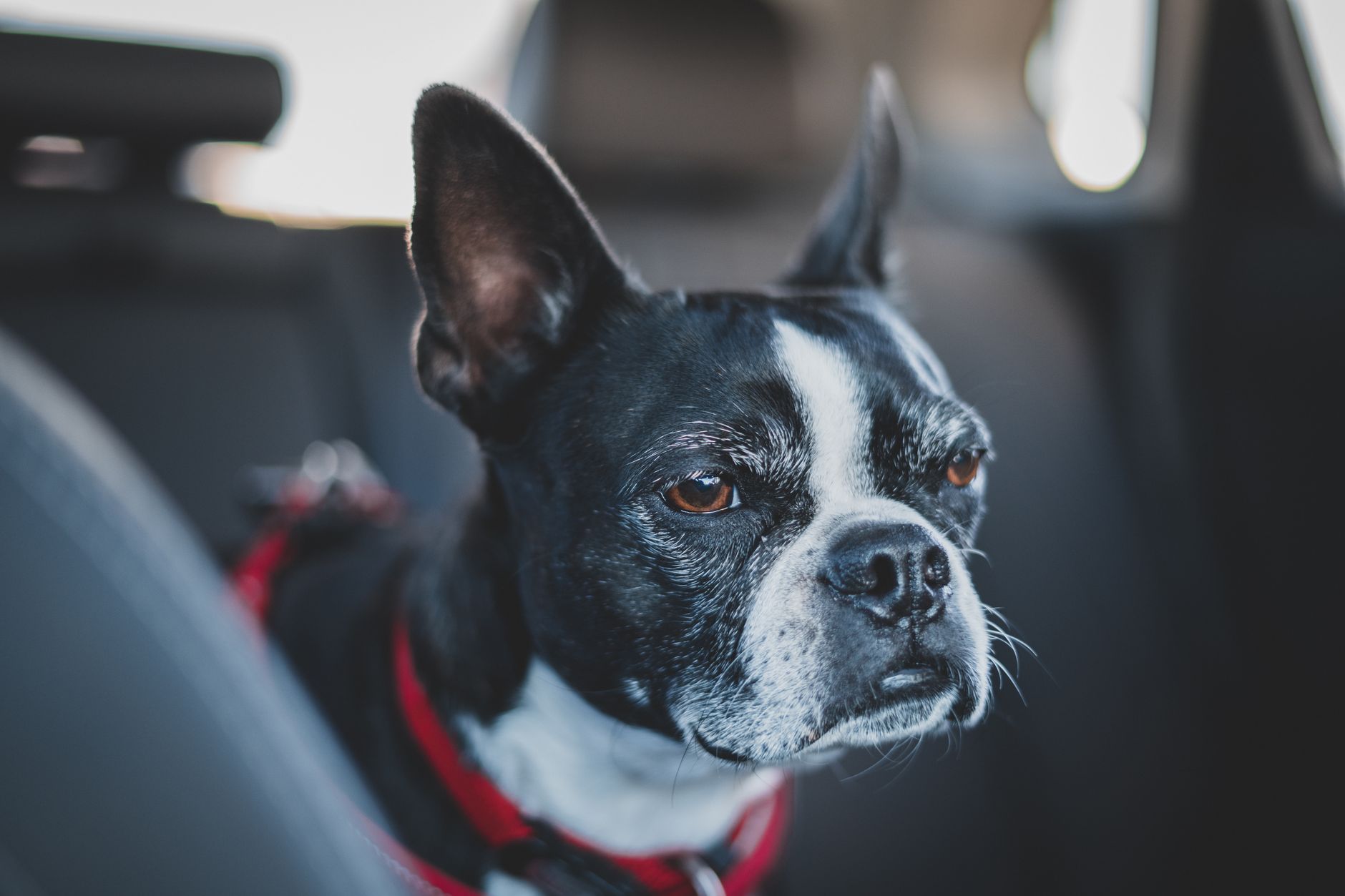
Carrier for Dogs: How to Choose Size, Type, and Travel Gear
Learn how to choose a carrier for dogs by measured size and trip type—soft cabin bags versus hard cargo kennels—using IATA CR1 and USDA APHIS standards as of September 2026.
Read →
Spirit Airlines Pet Policy Fee: $125 Cabin Rules Explained
As of September 2026, Spirit’s widely reported in-cabin pet fee was $125 per carrier each way—but Spirit wound down passenger operations on May 2, 2026. This guide records the last Contract of Carriage pet rules and how that fee compared with other U.S. airlines.
Read →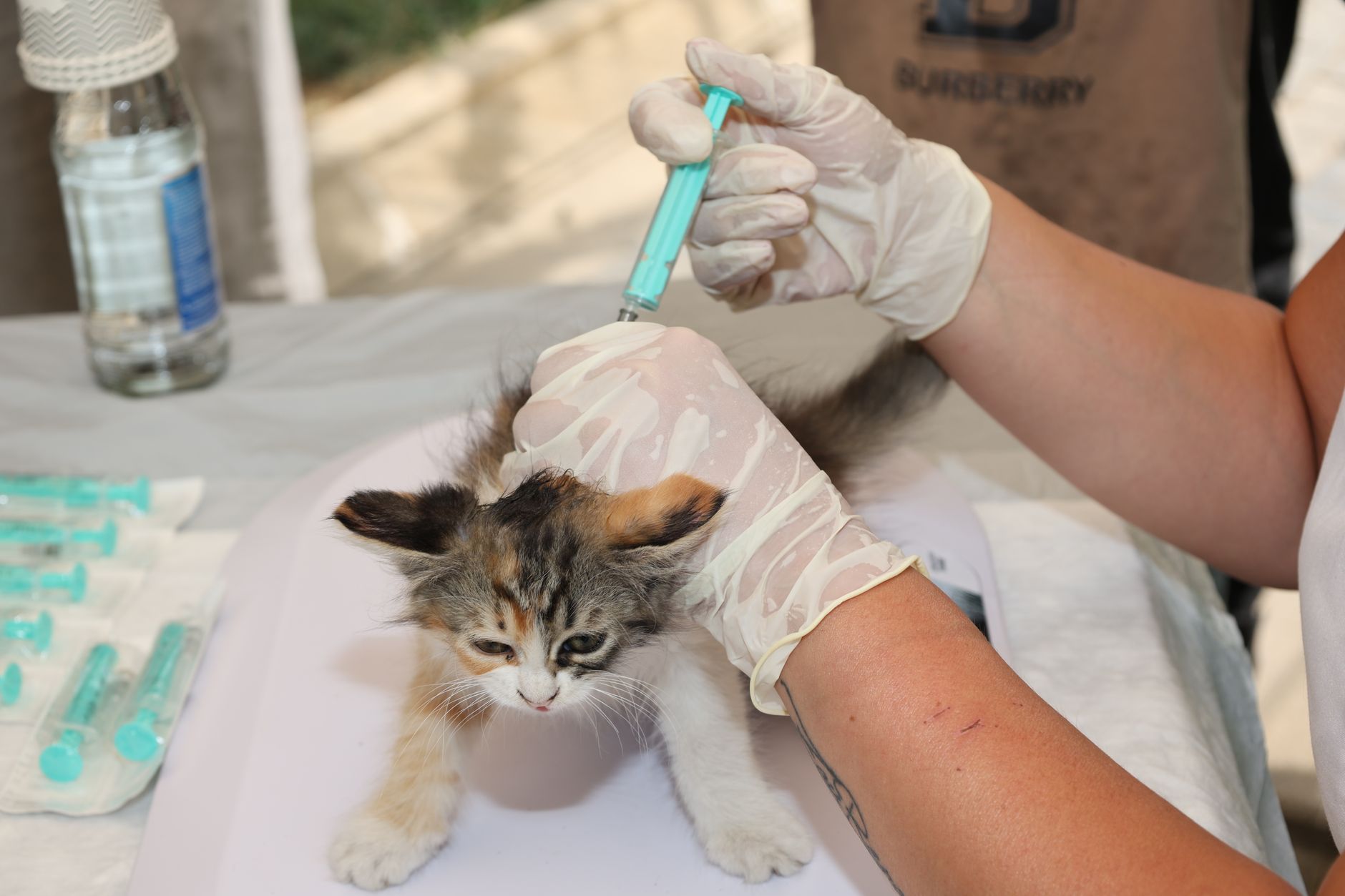
Pet Movers International: How Cross-Border Pet Relocation Works
Pet movers international coordinate veterinary timing, government health certificates, airline transport, and customs for cross-border dog and cat moves. Learn the USDA APHIS, CDC, IATA, and EU rules they follow—and how biometric ID differs from official travel documents.
Read →
Best Dog Carriers: How to Choose for Cabin, Cargo, and Car
The best dog carriers match the trip: soft-sided under-seat bags for cabin flights, rigid IATA Container Requirement 1 kennels for cargo, and crash-tested crates for cars. This guide explains sizing formulas, federal rules, and airline examples so you can buy once and pass check-in.
Read →
JetBlue Dog Policy: Cabin Rules, Fees, and Carrier Limits
As of September 2026, JetBlue’s dog policy allows only small dogs (and cats) in the cabin in an approved under-seat carrier—no checked pets or large dogs. This guide covers fees, carrier limits, seating rules, service-animal differences, and destination paperwork from JetBlue, USDA APHIS, CDC, and DOT primary sources.
Read →
Pet Quarantine Explained: Rules, Duration, and How to Avoid It
Pet quarantine is official isolation of dogs, cats, and other pets at borders to manage rabies and related disease risk. This guide summarises how long it lasts, when it can be waived, and how official travel documents differ from private biometric ID tools.
Read →
How to Move Across the Country with Cats: State Rules, Flights, and Road Plans
As of September 2026, learning how to move across the country with cats starts with your destination state’s animal-health rules—not a single federal pet passport. This guide explains certificates of veterinary inspection, rabies proof, Hawaii quarantine, flying versus driving, and how digital identity records differ from official travel documents.
Read →
Dog Travel Bag Airline Approved: Cabin Size Rules That Matter
An airline-approved dog travel bag is an under-seat carrier that meets your airline’s size, ventilation, and fit rules—not a universal IATA brand stamp. Compare cabin limits and paperwork before you buy.
Read →
Southwest Airline Pet Policy: Cabin Fees, Carrier Rules, and Booking Steps
As of September 2026, Southwest Airlines allows small vaccinated cats and dogs in the cabin only for $125 per carrier each way on U.S. mainland flights ($35 between Hawaiian Islands), with a six-carrier flight limit and bans on cargo, international itineraries, and continental U.S.–Hawaii pet travel.
Read →
Rabies Titer Test at Kansas State University: FAVN Guide for Pet Travel
As of September 2026, the Kansas State University Rabies Laboratory runs FAVN rabies antibody testing for pet travel and RFFIT for non-travel vaccine-response checks. A result of at least 0.50 IU/mL is the common pass threshold for rabies-free destinations. Confirm destination rules with USDA APHIS or the CDC before you ship serum.
Read →
USDA Health Certificate for Dogs: Export Rules, Forms, and Timelines
A USDA health certificate for dogs is destination-specific export paperwork issued by a USDA-accredited veterinarian and endorsed by APHIS when required—not one universal form for every country.
Read →
How to Move a Cat Across Country: State Rules, Air Travel, and Safety
Interstate cat moves follow destination state rules—not one federal checklist. Plan CVIs, rabies proof, carrier training, and Hawaii timelines with USDA APHIS and HDOA sources.
Read →
Travel Crate for Cats: Sizing, Airline Rules, and What Actually Gets You Through the Airport
A cat travel crate must match cabin or cargo rules, IATA sizing for hold travel, and separate EU or USDA health documents—not livestock biometric ID apps.
Read →
American Airlines Pets: Cabin Fees, Carrier Rules, and Cargo Options
American Airlines allows cats and dogs as carry-on pets in under-seat carriers on select routes for $150 per kennel each way, while checked pets are limited to eligible military and State Department travelers and larger animals ship via cargo.
Read →
Best Airline Approved Cat Carrier: Size, Fit, and Fee Guide
As of September 2026, the best airline approved cat carrier is a soft-sided, leak-proof kennel that fits under your seat and still lets your cat stand and turn. Compare official U.S. airline size limits and fees before you buy.
Read →
United Airlines Pet in Cabin: Fees, Carrier Size, and Routes
As of September 2026, a United Airlines pet in cabin is a cat or dog in a closed under-seat carrier. Pet Travel Inc. lists $150 each way, with Hawaiʻi and many countries excluded, and CDC dog-entry rules are stricter than the airline age.
Read →
Does a Dog Need a Passport to Travel? Official Rules by Country
As of September 2026, whether a dog needs a passport to travel depends on residence and destination: EU pet passports for many intra-EU trips, USDA health certificates for U.S. exports, and Animal Health Certificates for Great Britain–to–EU travel—not a biometric livestock ID app.
Read →
How Do I Ship a Dog Across Country? A 2026 Guide
Learn how to ship a dog across country with destination-state health rules, IATA kennel standards, airline cabin vs. cargo options, and USDA-registered transporters—updated September 2026.
Read →
Airline Cat Crate Guide: Cabin vs Cargo Requirements
An airline cat crate is the carrier or kennel your cat must travel in on a plane. This guide explains IATA Container Requirement 1, cabin under-seat limits, cargo kennel standards from USDA APHIS, and how major U.S. airlines apply those rules as of September 2026.
Read →
Airline Pet Fees in 2026: Costs, Rules, and Hidden Charges
As of September 2026, airline pet fees for U.S. in-cabin cats and dogs usually fall between $100 and $150 each way, with international and cargo options costing more. This guide compares verified airline charges, explains USDA APHIS paperwork costs, and separates official EU pet passports from Animal Passport’s biometric livestock ID.
Read →
Does a Dog Need a Passport? Rules by Country in 2026
As of September 2026, does dog need passport depends on the border. EU travel uses an official pet passport; Great Britain uses an animal health certificate; the United States uses health certificates and a CDC import form.
Read →
Animal Relocation: How Pet Shipping and Livestock Moves Work
Animal relocation is the planned move of a pet or livestock animal, plus the health papers and transport the destination requires. As of September 2026, U.S. interstate pet rules are set by the receiving state, not USDA APHIS.
Read →
FAA Approved Dog Carrier: What the Rules Actually Mean
There is no FAA approved dog carrier. The FAA treats a cabin pet carrier as carry-on baggage that must fit under the seat, and each airline sets its own size, fee, and health rules.
Read →
Delta Airlines Service Animal Rules: Forms, Fees, and Cabin Access
As of September 2026, a Delta Airlines service animal is a task-trained dog that flies in the cabin without a pet fee when the U.S. Department of Transportation forms are complete. Emotional support animals travel as pets.
Read →
How to Take a Dog to Canada From the US: USDA, APHIS, CFIA, and CDC Forms
As of September 2026, most personal dogs entering Canada from the United States need a valid English or French rabies vaccination certificate—not a USDA-endorsed health certificate. Plan the CDC Dog Import Form, microchip, and six-month age rule before you return.
Read →
How to Get My Dog a Passport: Official Travel Steps Explained
How to get my dog a passport depends on residence: EU pet passport from an authorised vet, Great Britain Animal Health Certificate for EU trips, or USDA APHIS-endorsed health certificates from the United States—distinct from Animal Passport biometric ID.
Read →
Cheap Pet Transport: Lowest-Cost Ways to Move Dogs and Cats Safely
Cheap pet transport starts with matching pet size to the lowest legal mode—self-drive, in-cabin or rail, then shared ground—while budgeting verified USDA APHIS and airline fees.
Read →
Airline Approved Dog Carriers Small Enough for Cabin Travel
As of September 2026, airline approved dog carriers small enough for cabin use must fit under the seat, meet IATA Live Animals Regulations Container Requirement 1 welfare standards, and match each airline’s published dimensions and fees—not a retail “approved” sticker alone.
Read →
Bringing a Dog From Canada to USA: CDC and USDA Forms
As of September 2026, most personal pets with only low-risk travel history need a free CDC Dog Import Form receipt, a six-month minimum age, a universal microchip, and a healthy appearance—plus any USDA APHIS or state rules that apply.
Read →
How Can I Get a Passport for My Dog? Official Steps by Country
As of September 2026, getting a passport for your dog means an EU pet passport if you are an EU resident, an Animal Health Certificate for most Great Britain–to–EU trips, or destination-specific USDA and CDC paperwork in the United States—not a private biometric livestock app.
Read →
Cat Transportation Services: How Professional Pet Shipping Works
Cat transportation services are professional ground or air moves that take custody of your cat, coordinate health documents, and deliver door-to-door or airport-to-airport. As of September 2026, commercial U.S. shippers fall under USDA APHIS Animal Welfare Act rules, while airlines follow IATA Live Animals Regulations and destination country entry requirements.
Read →
Cheap Pet Carriers for Cats: Size, Safety, and the Fee Trap
Cheap pet carriers for cats are everyday soft bags or plastic kennels that still must let the cat stand, turn, and lie down. Airline fees, cabin inches, and crash tests decide whether the bargain holds.
Read →
United Airlines Pet Carrier Size: Cabin Limits That Fit Under the Seat
United Airlines pet carrier size, from the airline’s page archived December 22, 2025, is 17.5 by 12 by 9 inches hard-sided and 18 by 11 by 11 inches soft-sided, with a 10-inch height cap on the Boeing 737 MAX.
Read →
Southwest Airlines Pet Carrier Size: Official Limits, Fees, and Fit Rules
As of September 2026, Southwest Airlines lists a maximum pet carrier size of 18 inches long by 10.5 inches wide by 10 inches high for most carriers, with its branded soft carrier at 15 × 10 × 10 inches. Pets fly in the cabin only; the mainland Pet Fare is $125 one way per carrier.
Read →
Pet Travel International: USDA APHIS and CDC Forms Explained
Pet travel international is cross-border movement of a privately owned companion animal under the destination country's rules. As of September 2026, USDA APHIS endorses the required health certificate, and every dog entering or returning to the United States needs a CDC Dog Import Form receipt.
Read →
Affordable Pet Transport: What It Costs and How to Keep It Safe
Affordable pet transport is the lowest lawful cost of moving a companion animal. As of September 2026, Southwest lists $125 one way for a U.S. mainland carry-on pet, while Delta and American list $150 on many routes.
Read →
Cheap Cat Carrier: How to Buy One That Is Still Safe
A cheap cat carrier is a low-priced kennel or bag that is safe only if the cat can stand, turn, and lie down and the door stays shut. As of September 2026, hard-sided carriers suit cars, while soft bags near 18 by 11 by 11 inches suit many airline cabins.
Read →
Delta Airlines Flying With Pets: Cabin Fees, Kennels, and Banned Routes
As of September 2026, Delta Airlines flying with pets means a small dog, cat, or household bird in a kennel under the seat. The cabin fee is $150 each way on U.S., Canada, Puerto Rico, and U.S. Virgin Islands tickets issued on or after April 8, 2025, and $200 on most international routes.
Read →
Cat Import Rules: United States, EU, and Great Britain
Cat import rules are set by the destination, not by a single global pet passport. As of September 2026, CDC does not require a rabies certificate for U.S. entry, while the EU and Great Britain require a microchip, rabies vaccination, and a travel document.
Read →
Cost of a Rabies Test for a Dog: Lab Fees, Titer Rules, and Bite Testing
As of September 2026, a dog rabies export titer is $79 at the University of Missouri, while a Minnesota postmortem DFA test is $33 before clinic, shipping, and quarantine fees.
Read →
USDA Dog Travel: APHIS Certificates, CDC Rules, and the Right Form
USDA dog travel is not one passport. USDA APHIS endorses the destination country’s health certificate for export, and CDC sets the rabies rules for bringing a dog back into the United States.
Read →
International Pet Shipping Services: Rules, Fees, and How to Book
International pet shipping services arrange crates, flights, and government papers, but the destination country sets the entry rules. As of September 2026, USDA APHIS, CDC, the European Commission, and IATA each control a different part of the move.
Read →
Travel Dog Carrier: What Fits Under the Seat in 2026
A travel dog carrier is the leak-proof container a dog travels in, usually under an airplane seat. As of September 2026, IATA requires the dog to stand, sit, turn, and lie down, while American Airlines and Delta Air Lines cap most soft cabin bags at 18 x 11 x 11 inches.
Read →
Southwest Dog Flying: Cabin Fees, Carrier Rules, and Banned Routes
Southwest dog flying is cabin-only: small vaccinated dogs at least eight weeks old, a $125 one-way mainland pet fare as of September 2026, no cargo, and no flights between the continental United States and Hawaii.
Read →
USDA Dog Health Certificate: Form 7001, Endorsement, and Travel Rules
A USDA dog health certificate is the veterinary export document—often a country-specific form endorsed by USDA APHIS, or sometimes APHIS Form 7001—that proves a dog was examined and meets travel rules. This guide covers how to get one, endorsement fees, Form 7001 validity, and how CDC rabies paperwork differs for U.S. re-entry.
Read →
Moving Pets Overseas: Requirements, Timelines, and Documents
As of September 2026, moving pets overseas means meeting destination health rules, airline crate standards, and—for U.S. dog returns—CDC import forms, starting months ahead with microchip and rabies timing.
Read →
Away Dog Carrier Guide: Specs, Airline Fit, and Buying Tips
An Away dog carrier is Away’s soft-sided Pet Carrier for pets up to 18 lb (18.7" × 10.8" × 10.75"), with CPS 5-star testing. Compare airline under-seat limits, fees, and IATA/USDA welfare rules before you fly.
Read →
American Airlines Pet Flights: Fees, Cabin Rules, and Cargo Options (2026)
As of September 2026, American Airlines pet flights usually mean a $150 under-seat cabin kennel for eligible cats and dogs, checked pets only for qualifying military and State Department travelers, or American Airlines Cargo PetEmbark for everyone else—plus CDC and USDA paperwork when crossing borders.
Read →
Titer Test Rabies Explained: FAVN, RFFIT, and Travel Rules
A titer test rabies is a blood assay of neutralizing antibodies after vaccination. Most travel rules use ≥0.5 IU/mL; FAVN is usually required for rabies-free destinations, while CDC and EU pathways differ on timing and waiting periods.
Read →
Animal Quarantine and Certification Service: How Border Controls Work
An animal quarantine and certification service is the government system that detains, tests, and clears livestock at borders and issues official export health certificates. This guide explains India's AQCS, USDA APHIS import centers, and WOAH standards—and how biometric livestock ID differs from government travel documents.
Read →
US Customs for Dogs: CDC Forms, APHIS Rules, and Border Entry
As of September 2026, US customs for dogs centers on the CDC Dog Import Form plus microchip, age, and health checks—with extra USDA APHIS rules for screwworm or foot-and-mouth disease countries.
Read →
Moving Internationally with Pets: Documents, Timelines, and Airline Rules
A primary-source guide to moving internationally with pets—covering USDA APHIS export certificates, CDC dog import rules, EU pet passports and Great Britain Animal Health Certificates, IATA airline standards, and how these differ from Animal Passport’s biometric livestock ID.
Read →
Pet Carrier Airplane Guide: Cabin Sizes, IATA Rules, Soft vs Hard
As of September 2026, a pet carrier airplane kennel must fit under the seat (or airline-designated space), let the pet stand, sit, turn, and lie naturally, and meet IATA CR1 plus your airline’s tighter limits—often near 18×11×11 inches soft-sided on major U.S. carriers.
Read →
AA Pet Policy 2026: Cabin Fees, Cargo Rules, and Documents
As of September 2026, American Airlines’ AA pet policy charges $150 per kennel each way for eligible in-cabin cats and dogs, restricts checked pets to certain military and State Department travelers, and routes most larger pets through American PetEmbark® cargo—alongside separate CDC and USDA entry rules.
Read →
Pet Travel Documents: USDA APHIS and CDC Forms Explained
As of September 2026, U.S. pet travel documents center on destination-specific USDA APHIS health certificates for export and the free CDC Dog Import Form for every dog entering or returning—plus rabies certifications when high-risk countries are involved.
Read →
Pet Travelling Services: How Shipping and Relocation Work in 2026
Pet travelling services cover accompanied airline travel, door-to-door pet shipping, and relocation paperwork. As of September 2026, destination governments set health rules while IATA and carriers set crate standards—and an EU pet passport is not Animal Passport’s biometric livestock ID.
Read →
Airline Approved Pet Carrier for 30lb Dog: Cabin vs Cargo Rules
As of September 2026, most 30 lb dogs cannot use under-seat cabin carriers. Learn airline size limits, IATA welfare fit tests, fees, and when a hard cargo kennel is required.
Read →
United Support Animals: Service Dogs, ESAs, and Pet Rules
As of September 2026, United Airlines treats only task-trained service dogs as service animals. Emotional support and therapy animals fly as pets under carrier and fee rules shaped by the U.S. Department of Transportation’s 2021 Air Carrier Access Act update.
Read →
Animal Quarantine Meaning: Definition, Rules, and Border Control
Animal quarantine means separating animals believed exposed to disease—but not yet ill—for observation, testing, or treatment so pathogens do not spread. Here is how WOAH, USDA APHIS, and U.S. regulations define it as of September 2026.
Read →
Do My Dog Need a Passport? Official Rules by Destination
Whether your dog needs a passport depends on the border you cross. This guide explains EU pet passports, Great Britain documents, CDC U.S. entry forms, and how Animal Passport’s biometric ID differs from official travel paperwork.
Read →
Interstate Health Certificate for Dogs: USDA Forms, State Rules, and How to Get One
An interstate health certificate for dogs—also called a Certificate of Veterinary Inspection (CVI)—is a veterinarian-issued document that many U.S. states and airlines require when a dog crosses state lines. As of September 2026, USDA APHIS does not set owner interstate pet rules; the destination state does. This guide explains Form 7001, commercial vs. private travel, and how Hawaii, California, and Florida differ.
Read →
Pet Relocation Services USA: How Professional Pet Shipping Works
Pet relocation services USA coordinate crates, routes, and paperwork for interstate or inbound pet moves. As of September 2026, destination states set most owner-travel rules while USDA APHIS regulates for-hire transporters under the Animal Welfare Act.
Read →
Dog Carrier Airline Guide: Cabin Sizes, Fees, and IATA Rules
As of September 2026, a dog carrier airline setup means a leak-proof under-seat cabin bag or an IATA CR1 hold kennel sized so your dog can stand and turn. Compare major U.S. carrier dimensions and fees, and learn why IATA does not certify retail brands.
Read →
United Airlines Service Animal Policy: Rules, Forms, and Fees Explained
As of September 2026, United Airlines accepts only task-trained service dogs—up to two per passenger, free of pet fees—after DOT forms are filed. Emotional support animals fly as pets. Here is how federal ACAA rules and United’s process work.
Read →
Moving Abroad with Pets: Documents, Timelines, and Airline Rules
A practical, source-backed guide to moving abroad with pets: official documents, waiting periods, airline rules, and how government pet passports differ from biometric livestock ID.
Read →
Carrier for Cats: How to Choose Soft, Hard, and Airline-Ready Options
A carrier for cats is a secure travel enclosure sized so a cat can stand, sit erect, turn around, and lie down naturally. This guide compares soft and hard carriers, covers sizing and training, and summarizes car and airline rules from feline veterinary groups, the International Air Transport Association (IATA), and U.S. federal transport standards.
Read →
United Airlines Pet Carrier Dimensions: Soft vs Hard Sizes (2026)
As of September 2026, United Airlines pet carrier dimensions center on under-seat fit—commonly about 18×11×11 inches soft-sided—with a 10-inch height cap on Boeing 737 MAX 9 and a $150 each-way cabin fee.
Read →
Auburn University Rabies Titer: FAVN Test Guide for Pet Travel
As of September 2026, an Auburn University rabies titer is the USDA-recognized, EU-designated FAVN rabies antibody test run by Auburn’s Serology-Virology Lab for pet export. Learn turnaround times, the 0.5 IU/ml threshold, how clinics submit samples, and why Japan travel is not currently covered.
Read →
Animal Quarantine Malaysia: Pets, Livestock & MAQIS Rules
Animal quarantine Malaysia is compulsory post-import isolation under DVS and MAQIS rules. As of September 2026, non-scheduled dogs and cats usually need at least seven days’ quarantine; livestock protocols can require weeks. Here is how permits, stations, and country lists work.
Read →
How Do I Get a Dog Passport? Official Steps for EU, UK, and US Travel
As of September 2026, getting a dog passport means following your residency rules: EU pet passports for EU residents, Animal Health Certificates for most Great Britain–to–EU trips, and USDA/CDC paperwork for U.S. travelers—not a biometric livestock app.
Read →
Bringing a Dog from Canada to the US: CDC Dog Import Form and USDA APHIS Rules
As of September 2026, personal pets bringing a dog from Canada to the US after only low-risk travel generally need the free CDC Dog Import Form, a six-month minimum age, a universal microchip, and a healthy appearance—while USDA APHIS and state rules apply in specific cases.
Read →
Pet Relocation Services International: What They Cover and How to Plan
International pet relocation is a compliance project, not a simple booking. This guide explains what pet relocation services international providers coordinate, which government rules apply, how EU and UK travel documents differ from biometric ID tools, and how to start months before departure.
Read →
Pet Carrier Cats: Soft vs Hard, Size Guide, and Airline Rules
A pet carrier for cats is a ventilated, secure enclosure sized so your cat can stand, turn, and lie down—essential for vet trips, cars, and under-seat cabin flights. This guide compares soft vs hard carriers, airline dimensions from Delta and JetBlue, and carrier-training steps from humane societies.
Read →
Southwest Airlines Pet Carrier Dimensions: Official Size Limits (2026)
As of September 2026, Southwest Airlines lists maximum pet carrier dimensions of 18" L × 10.5" W × 10" H for most carriers (15" × 10" × 10" for its branded model). Soft-sided, leak-proof, under-seat fit is required for small vaccinated cats and dogs on domestic flights only.
Read →
FAA Approved Cat Carrier: Cabin Rules, Sizes, and Buying Guide
An FAA approved cat carrier is not a federal product seal—it is a kennel that meets FAA under-seat carry-on rules and your airline’s dimensions so your cat can fly in the cabin. Compare major U.S. carrier sizes and fees, IATA container standards, and TSA screening steps.
Read →
How to Fly a Dog on Delta: Cabin Fees, Carrier Size, and Cargo Limits
As of September 2026, flying a dog on Delta usually means a small dog in an under-seat carrier for a one-way cabin fee, reserved first-come, first-served. Larger dogs are generally limited to military or State Department cargo exceptions. Confirm fees, destination bans, and CDC paperwork before you book.
Read →
Animal Import Guide: Pets, Livestock, and Cross-Border Rules
As of September 2026, animal import is the regulated movement of live pets or livestock across national borders. This guide summarizes U.S. CDC and USDA APHIS requirements, EU pet travel documents, and how Animal Passport’s biometric livestock ID differs from government travel passports.
Read →
Rabies Test for Dog: Diagnosis vs Titer Explained
A rabies test for dog is either postmortem brain diagnosis (usually DFA) or a blood antibody titer for travel—not the same test. Here’s how CDC, WOAH, and NASPHV define each pathway as of September 2026.
Read →
Animal Quarantine Japan: AQS Rules for Pets and Livestock
As of September 2026, animal quarantine in Japan is run by MAFF’s Animal Quarantine Service. Compliant dogs and cats are usually cleared within 12 hours; incomplete paperwork can mean detention for up to 180 days. This guide covers designated vs non-designated pet pathways, livestock import quarantine, and meat-product bans—and clarifies that Animal Passport is a biometric livestock ID product, not a government travel document.
Read →
How to Fly a Dog With You: Cabin, Cargo, and Documents
As of September 2026, learning how to fly a dog with you means booking an airline pet slot, using a carrier that fits under the seat, clearing TSA without X-raying your dog, and meeting CDC or EU entry rules when you cross borders—separate from Animal Passport’s biometric livestock ID product.
Read →
CDC Dog Import Form: How to Complete It and What Documents You Need
Every dog entering or returning to the United States needs a CDC Dog Import Form receipt. Learn how to file the free online form, when high-risk rabies documents apply, and how USDA rules differ—as of September 2026.
Read →
Shipping Pets: Rules, Routes, and How Relocations Work
Shipping pets is the process of relocating a companion animal by air cabin, air cargo, or ground transport under destination, airline, and IATA rules. As of September 2026, U.S. exports usually need a USDA-accredited veterinarian; dog imports into the United States are governed primarily by the CDC.
Read →
Small Pet Carriers for Cats: Size, Soft vs Hard, Airline Rules
As of September 2026, small pet carriers for cats should let your cat stand, turn, and lie down while meeting under-seat airline limits—often near 18×11×11 inches for soft-sided cabin bags on Delta and American. Here’s how to measure, compare soft vs hard, and separate gear rules from official pet travel documents.
Read →
Southwest Airlines Dog Flying: Fees, Carriers, and Rules (2026)
As of September 2026, Southwest Airlines dog flying is cabin-only for small vaccinated dogs in under-seat carriers, with a $125 mainland Pet Fare per carrier and a six-carrier flight limit—book by phone and pay at the ticket counter.
Read →
Cat Carrier for Kittens: Size, Safety, and Buying Guide
A practical, source-backed guide to choosing a cat carrier for kittens—covering adult-ready sizing, hard vs soft carriers, car placement, USDA and IATA transport rules, and carrier training that starts at home.
Read →
United Airline Pet Policy: Cabin Fees, Carriers, and Cargo Rules (2026)
As of September 2026, United Airlines’ pet policy allows small cats and dogs in the cabin for $150 each way in an under-seat carrier. PetSafe cargo is closed to most travelers; military and State Department exceptions, destination bans, and CDC/USDA paperwork still apply.
Read →
How to Get a Pet Passport USA: USDA APHIS Health Certificates Explained
As of September 2026, how to get a pet passport USA means arranging a destination-specific international health certificate through a USDA-accredited veterinarian—not a U.S. national pet passport. USDA APHIS endorses certificates when required; CDC rules apply separately when dogs return. This guide separates official travel paperwork from digital livestock identity tools.
Read →
Does a Pet Need a Passport to Travel? Official Rules Explained
As of September 2026, pets need an official travel document on many international routes—often an EU pet passport or animal health certificate—but not a human passport. The United States uses health certificates and CDC dog import forms instead. This guide answers the search question with primary government sources and separates those schemes from digital livestock identity tools.
Read →
NZ Dog Quarantine: MPI Rules, 10-Day Stay, and Facilities
As of September 2026, NZ dog quarantine means a minimum 10-day stay at an MPI-approved transitional facility for Category 2 and 3 dogs, while compliant Australian dogs are usually cleared at the border. Here is how New Zealand’s Import Health Standard, facilities, fees, and transition rules work.
Read →
Canine Rabies Titer Test: Pass Marks, Timing, and Travel Rules
A canine rabies titer test measures post-vaccination neutralizing antibodies, usually with a ≥0.5 IU/mL pass mark under WOAH-aligned travel rules. Timing and approved laboratories differ by destination—EU, CDC, and Australia are not identical.
Read →
International Health Certificate USDA: What It Is and How to Get One
An international health certificate USDA process is how U.S. pets and livestock document health for export: a USDA-accredited veterinarian issues the certificate, and USDA APHIS often endorses it before travel. This guide covers forms, fees, VEHCS, and how official certificates differ from biometric livestock ID.
Read →
Dogs Into UK: How to Bring a Dog to Great Britain
As of September 2026, bringing dogs into UK Great Britain requires an approved route, microchip before rabies vaccination, at least 21 days’ wait, the right travel document, and usually tapeworm treatment 24–120 hours before arrival—or risk quarantine.
Read →
Cat Cage Carrier Guide: How to Choose, Size, and Travel Safely
A cat cage carrier is a rigid, ventilated enclosure that keeps a cat secure for vet visits, car travel, and airline hold transport. This guide explains how to size one, when soft carriers are better, and how IATA and U.S. rules differ from EU pet passports—and from Animal Passport’s biometric livestock ID tool.
Read →
United Pet Travel: Cabin Fees, Carrier Rules, and Documents (2026)
United pet travel is United Airlines’ in-cabin program for small dogs and cats—about $150 each way under the seat—while PetSafe cargo stays limited to qualifying military and State Department travelers. This September 2026 guide covers fees, carriers, seating, TSA screening, and CDC/USDA paperwork.
Read →
Plane Dog Carriers: Cabin vs Cargo Sizing and Rules
As of September 2026, plane dog carriers are soft cabin bags or rigid IATA CR1 kennels sized so a dog can stand, sit, lie, and turn—while fitting under-seat space or cargo rules. Soft “airline-approved” labels are not IATA certification.
Read →
Delta Airlines Pet Policy Fee: 2026 Cabin Costs and Rules
As of September 2026, Delta’s in-cabin pet fee is $150 each way for U.S./Canada/Puerto Rico/U.S. Virgin Islands tickets issued on or after April 8, 2025, and $200 internationally—paid at check-in if your pet meets size, seat, and destination rules.
Read →
DFA Test Rabies: How Labs Confirm Infection After Death
The dfa test rabies assay (direct fluorescent antibody / FAT) detects rabies virus antigen in brain tissue after death. As of September 2026 it remains the gold-standard postmortem test recommended by WHO, WOAH, CDC, and NASPHV—distinct from vaccine titer tests and digital livestock ID records.
Read →
Pet Transport Services Cost: What You’ll Pay in 2026
As of September 2026, pet transport services cost ranges from about $40 for a short local taxi hop to several thousand dollars for cross-country or international relocation. This guide separates market transport quotes from official USDA APHIS and airline fees so you can budget accurately.
Read →
Animal Quarantine Ireland: When Pets Are Isolated at the Border
As of September 2026, animal quarantine Ireland is not routine for compliant dogs, cats and ferrets. DAFM allows entry without quarantine when microchip, rabies, documents and (for most dogs) tapeworm rules are met; failed checks can mean refusal or official isolation at the owner’s cost.
Read →
Do I Need a Passport for My Dog? Official Travel Rules
Whether you need a passport for your dog depends on residency and destination. EU residents usually need a European pet passport; Great Britain travellers need an Animal Health Certificate; the U.S. does not issue pet passports and uses health certificates instead.
Read →
Health Certificate for Dogs to Mexico: USDA and SENASICA Rules
As of September 2026, Mexico no longer relies on a classic general health certificate for U.S. pet dogs. Dogs that stayed in the United States need a New World Screwworm inspection certificate signed by a USDA-accredited veterinarian within five days of arrival, then SENASICA inspection at the border or airport.
Read →
Pet Relocator Explained: Costs, Rules, and When to Hire One
A pet relocator is a professional service that manages end-to-end pet shipping—import rules, vet timelines, IATA crates, flights, and customs. Here’s how costs, CDC/EU rules, and hiring decisions work as of September 2026.
Read →
Best Airline Cat Carrier: Soft-Sided Picks That Fit Under Seat
The best airline cat carrier is a soft-sided, escape-proof under-seat kennel that fits your airline’s aircraft limits and lets your cat stand, turn, and lie naturally—backed by IATA CR1 standards and current U.S. airline size and fee tables.
Read →
JetBlue Service Animal Policy: Forms, Rules & Requirements (2026)
As of September 2026, JetBlue lets a qualified passenger with a disability fly with up to two trained service dogs free in the cabin when the DOT Service Animal Air Transportation Form is filed—normally 48 hours ahead. Emotional support animals no longer qualify; only task-trained dogs do.
Read →
Kitten Carriers: How to Choose, Size, and Train for Safe Trips
Kitten carriers are portable enclosures that let a young cat stand, turn, and lie down safely during transport. This guide covers sizing, soft versus hard designs, carrier training, and how International Air Transport Association (IATA) and United States Department of Agriculture (USDA) rules apply when you fly.
Read →
How Much Is a Dog Passport? 2026 Cost Guide by Document Type
A 'dog passport' means different things in different countries, and the price ranges from a $6 paper booklet to a $600 international travel package. Here's what each option actually costs, sourced from GOV.UK, the European Commission, and USDA APHIS.
Read →
Animal Quarantine in India: AQCS Rules, Ports, and Import Steps Explained
A plain-English guide to how animal quarantine works in India: the Animal Quarantine and Certification Service (AQCS), the Livestock Importation Act, 1898, pet baggage rules, and how digital livestock identity tools fit alongside — not instead of — official clearance.
Read →
Bringing a Dog from Canada to the US: 2026 CDC and USDA Rules
Bringing a dog from Canada to the US requires meeting Centers for Disease Control and Prevention (CDC) rules, not a passport: a free CDC Dog Import Form, a universal-scanner microchip, and a minimum age of 6 months. Since Canada is classified as dog-rabies-free/low-risk, no rabies certificate is required. Here is the exact 2026 checklist, straight from CDC and USDA APHIS.
Read →
How to Get a Pet Passport for a Dog (2026 Rules Explained)
A pet passport for a dog is an EU travel document issued only to EU-resident owners after microchipping and rabies vaccination. Here is the exact process, who no longer qualifies as of April 2026, and how it differs from a UK Animal Health Certificate or a USDA/CDC export certificate.
Read →
Pet Transporters: How to Choose a Safe, Legal Pet Shipping Company (2026)
Pet transporters are licensed companies that manage the crating, paperwork, and travel logistics of moving a pet domestically or internationally. Here's how professional pet shippers work, what USDA APHIS and CDC actually require, what it costs in 2026, and how to avoid scams.
Read →
Cat Carrier for Cats: How to Choose the Right Size, Type, and Safety Features
A cat carrier for cats is a ventilated, secure container sized so the cat can stand, turn around, and lie down comfortably. This guide covers hard-sided vs. soft-sided designs, crash-tested safety, airline sizing rules from IATA, and a step-by-step buying checklist backed by veterinary and aviation sources.
Read →
Pet Carrier Dimensions for Southwest Airlines: Official 2026 Size Limits
Southwest Airlines caps in-cabin pet carriers at 18" L x 10.5" W x 10" H for standard carriers, or 15" x 10" x 10" for its branded carrier. Here's what Southwest's own policy pages say, why some blogs list different numbers, and how to measure your carrier correctly before you book.
Read →
Flying Animals on Southwest Airlines: 2026 Pet Rules, Fees & Carrier Sizes
Southwest Airlines allows small, vaccinated domestic cats and dogs to fly in the cabin only — never as checked baggage or cargo — for a $125 one-way pet fare on U.S. mainland flights. Here is what Southwest, the USDA, and the DOT actually require, as of September 2026.
Read →
Dog Shipping Services Cost: 2026 Price Guide by Distance, Airline & Country
Dog shipping services cost between $200 and $2,000 for most U.S. domestic moves, and $1,000 to $12,000+ for international relocation, depending on distance, dog size, airline cargo fees, government paperwork, and whether the destination requires quarantine.
Read →
Can I Buy a Pet From Another Country? Rules, Costs & Steps (2026)
Buying a pet from another country is legal almost everywhere, but the animal must clear the destination country's import rules — vaccination, microchipping, health certificates and sometimes a permit — before it can enter. Requirements vary sharply by species, origin country and destination, and airlines add their own rules on top.
Read →
Quest Rabies Titer Test: What It Measures and Who Needs One
A Quest rabies titer test is a human blood test — not a pet travel document. Here's what it measures, who needs one, the protective antibody threshold, and how it differs from the FAVN test airlines and countries require for dogs and cats.
Read →
Animal Quarantine in Germany: Pet, Livestock, and Import Rules Explained
Animal quarantine in Germany is not routine — it is a fallback for pets that fail EU entry rules, and a disease-control tool for livestock during outbreaks like the 2025 foot-and-mouth event in Brandenburg. Here is what actually triggers it, and how it differs from an EU pet passport.
Read →
How to Fly With My Dog: A Step-by-Step Guide for Cabin, Cargo, and International Travel
Flying with a dog means choosing an eligible small pet for the cabin or arranging cargo/ground transport for larger dogs, getting a USDA-endorsed health certificate for international trips, and following airline-specific carrier and fee rules. This guide walks through every step, from booking to landing.
Read →
CDC Cat Import Form: Does It Exist, and What Do You Actually Need?
Searching for a "CDC cat import form"? There isn't one. The Centers for Disease Control and Prevention (CDC) requires a specific import form only for dogs, under its 2024 rule. Cats face lighter federal rules: CDC requires only that a cat appear healthy at the port of entry, with no CDC-mandated rabies certificate or import form as of 2026.
Read →
International Pet Relocation Services: What They Do, What They Cost, and How to Choose One
International pet relocation services coordinate the health certificates, airline bookings, and customs paperwork required to move a dog, cat, or other pet across borders. This guide explains what these services actually do, how much they cost, and which government rules — USDA APHIS, CDC, and EU regulations — govern every move.
Read →
Soft Dog Carriers: Sizing, Airline Rules, and Safety Guide (2026)
A soft dog carrier is a collapsible, fabric-sided bag used to hold a small dog for air travel, car rides, or everyday errands. This guide covers correct sizing, TSA and airline rules, crash-test safety findings, and how to choose one that keeps your dog secure.
Read →
Flying a Pet on Southwest Airlines: 2026 Fees, Carrier Rules & Booking Steps
Flying a pet on Southwest Airlines means bringing a small, vaccinated cat or dog in an under-seat carrier on a domestic flight for a $125 each-way pet fare. Here is what Southwest's own policy pages require, from carrier size to booking and airport check-in.
Read →
USA Pet Passport: Does the U.S. Issue One? USDA APHIS Rules Explained (2026)
The United States does not issue a pet passport. USDA APHIS confirms that international pet travel instead runs on destination-specific health certificates, USDA endorsement, and — for dogs entering the U.S. — a separate CDC Dog Import Form.
Read →
Cost to Fly a Cat on a Plane: 2026 Airline Fees, Vet Certificates & Total Budget
Flying a cat on a plane costs $95-$200 each way in airline pet fees for most U.S. carriers, plus a carrier, and, for international trips, a veterinary health certificate that can add $100-$560 or more. Here is what each cost covers and how the total changes for domestic versus international travel.
Read →
Pet Passport for Travel: What It Is and How to Get One (2026 Rules)
A pet passport for travel is an official document, issued by an authorised veterinarian, that records a pet's microchip number and rabies vaccination so it can move between countries. As of April 22, 2026, EU pet passports are reserved for EU residents only — everyone else now needs an Animal Health Certificate.
Read →
Animal Importers: Who Regulates Pet and Livestock Imports
An animal importer is the person or business legally responsible for bringing a live animal across a border and meeting every agency's entry rules. Here's how U.S. and EU import regulation actually works, agency by agency.
Read →
Australia Dog Quarantine: 2026 Rules, Mickleham Costs & Timeline
Australia dog quarantine means every dog entering the country, except from New Zealand and a few nearby islands, must spend at least 10 to 30 days in the government's Mickleham post-entry quarantine facility near Melbourne. The exact stay depends on the dog's country-risk group and whether pre-export paperwork, including a rabies titre test, was filed correctly.
Read →
Dog Rabies Titer Test: Cost, Timing, and How to Read the Results
A dog rabies titer test (FAVN or RFFIT) measures rabies-neutralizing antibodies in a vaccinated dog's blood. Here is what the 0.5 IU/mL threshold means, when countries require it, and how the test differs from a rabies vaccine or an EU pet passport.
Read →
How to Import a Dog to the USA: CDC and USDA APHIS Rules Explained (2026)
Importing a dog to the USA means clearing two separate federal checkpoints: the CDC's rabies-prevention rules and USDA APHIS's animal-health rules. This guide breaks down the forms, microchip and age requirements, and country risk categories in effect as of September 2026.
Read →
Professional Pet Transportation Service: What It Is, What It Costs, and How to Vet One (2026)
A professional pet transportation service is a company that physically moves an animal between locations by climate-controlled van, commercial air cargo, in-cabin carrier, or private charter, while managing crates, health certificates, and customs paperwork. Here's what it costs, which credentials matter, and how the rules differ from an EU pet passport.
Read →
Airline-Compliant Dog Carrier: IATA Rules, Sizes & Airline Requirements (2026)
An airline-compliant dog carrier is one that satisfies both the International Air Transport Association's Live Animals Regulations and the individual carrier's own cabin or cargo policy. This guide breaks down the IATA CR1 standard, real airline dimensions, and the health paperwork that carrier compliance does not cover.
Read →
Airfare for Dogs on Southwest: 2026 Pet Fees, Carrier Rules & Booking Steps
Southwest Airlines charges $125 each way to fly a small dog in-cabin on mainland U.S. routes, or $35 each way between Hawaiian islands, according to Southwest's official Optional Travel Charges page. Here is what that fare buys, how carrier limits work, and how it differs from flying a trained service dog for free.
Read →
International Pet Passport: What It Is and How It Differs From Health Certificates
An international pet passport is usually a government veterinary travel document—most famously the EU pet passport for dogs, cats and ferrets—proving microchip identity and rabies compliance. As of September 2026, EU residence rules and Animal Health Certificates matter as much as the booklet itself.
Read →
Animal Import License Explained: Permits, Pets, and Cross-Border Rules
An animal import license is official government approval to bring certain animals or wildlife across a border. This guide compares USDA APHIS permits, USFWS licenses, UK authorisations, and EU pet documents—and clarifies how they differ from digital livestock ID.
Read →
Hungarian Pet Passport: EU Travel Rules for Dogs, Cats and Ferrets
A Hungarian pet passport is an EU Pet Passport issued in Hungary for non-commercial travel with dogs, cats or ferrets. As of September 2026, the core rules remain microchip identification, valid rabies vaccination, and a passport from an authorised veterinarian—distinct from digital biometric livestock ID tools.
Read →
Animal Transport Services Cost: 2026 Price Guide for Pets and Livestock
Animal transport services cost anywhere from $100 for a short local pet ride to $12,000+ for international relocation with quarantine, driven mainly by distance, species, and regulatory paperwork. This guide breaks down 2026 pricing for pet couriers, ground shippers, airline cargo, and livestock haulers, with figures sourced from USDA APHIS, IATA, and Delta Air Lines.
Read →
Animal Quarantine for Rabies: Rules, Timelines, and Global Standards (2026)
Animal quarantine for rabies covers three very different timelines: a 10-day observation for a pet that bites someone, a 4-to-6-month confinement for an unvaccinated animal exposed to rabies, and country-specific import quarantine for cross-border travel. This guide breaks down each rule using CDC, USDA APHIS, European Commission, and WOAH sources, and explains where digital vaccination records fit in.
Read →
Rabies Antibody Titer Test: What 0.5 IU/mL Means for Pet Travel
A rabies antibody test measures rabies virus-neutralizing antibodies (RVNA) in blood to confirm a vaccine “took.” WOAH, the CDC, and the EU all use the same pass mark — 0.5 IU/mL — but timing rules for pet travel differ by destination.
Read →
Dog Health Certificate for Mexico: 2026 USDA, APHIS & CDC Requirements
Mexico does not require a traditional USDA health certificate for pet dogs, but a new USDA-APHIS-signed screwworm inspection certificate became mandatory on August 3, 2026. Here's exactly what paperwork you need going in and coming back, sourced from USDA APHIS, CDC, and Mexico's SENASICA.
Read →
Relocating a Dog: A Complete 2026 Step-by-Step Guide
Relocating a dog is the process of moving a pet dog to a new home — across a state, the country, or internationally — while meeting health, identification, and transport requirements. This guide walks through the timeline, paperwork, transport options, and costs using CDC, USDA APHIS, IATA, and European Commission sources.
Read →
Dog Carrier for Dogs: How to Choose the Right Size and Type in 2026
A dog carrier for dogs is a ventilated, escape-proof container used to transport a dog by hand, car, or airplane. This guide covers how to size one correctly, the difference between soft-sided, hard-sided, and backpack styles, and what TSA, IATA, and airlines like Delta actually require in 2026 — plus how carriers relate to (and differ from) official pet travel paperwork.
Read →
United Airlines Service Dog Policy: Rules, Forms & Requirements (2026)
United Airlines lets a qualified passenger with a disability fly with up to two trained service dogs free in the cabin, provided the DOT Service Animal Air Transportation Form is filed at least 48 hours before departure. Here is what the DOT's 2020 rule and United's own policy require, and how it differs from an emotional support animal or a pet.
Read →
Animal Import Export Guide: Pets, Livestock, and Documents
As of September 2026, animal import export means moving live animals across borders under destination health rules—not one universal passport. This guide separates official pet travel schemes from livestock permits and explains where biometric identity records fit.
Read →
US Dog Passport: Does the USA Issue One? APHIS and CDC Rules Explained
There is no official US dog passport. USDA APHIS confirms the United States does not issue pet passports for international travel — dogs leaving the US need a USDA-endorsed health certificate, and dogs entering or returning need a CDC Dog Import Form receipt. Here is what actually applies, how it differs from the EU pet passport, and where digital biometric identity fits in.
Read →
Animal Shipping Service Cost: 2026 Price Guide for Pet & Livestock Transport
Animal shipping service cost typically runs $200–$800 for domestic ground transport, $300–$1,500 for domestic air cargo, and $1,000–$6,000+ for international relocation, before government fees, crates, and health certificates are added. This guide breaks down every line item using 2026 USDA APHIS, IATA, and EU figures.
Read →
Is There a Test for Rabies in Dogs? What CDC and WOAH Actually Say
Yes, a test for rabies in dogs exists, but it can only be performed after death by examining brain tissue. There is no reliable way to test a living dog, which is why the CDC recommends a 10-day observation period for dogs that bite a person instead of testing.
Read →
Animal Quarantine Certificate: Requirements, Types & How to Get One (2026)
An animal quarantine certificate is an official veterinary document certifying that an animal has been inspected, tested, or isolated to meet disease-control requirements before it moves across a state or national border. The exact form, issuing authority, and validity period depend on the species, destination, and whether the movement is domestic or international.
Read →
Does My Dog Need a Passport? Travel Documents vs. Digital ID Explained
No country issues your dog an actual passport booklet. What dogs need instead are a microchip, rabies vaccination, and a health certificate — the specific paperwork depends on where you're going, per USDA APHIS, the CDC, and the UK government.
Read →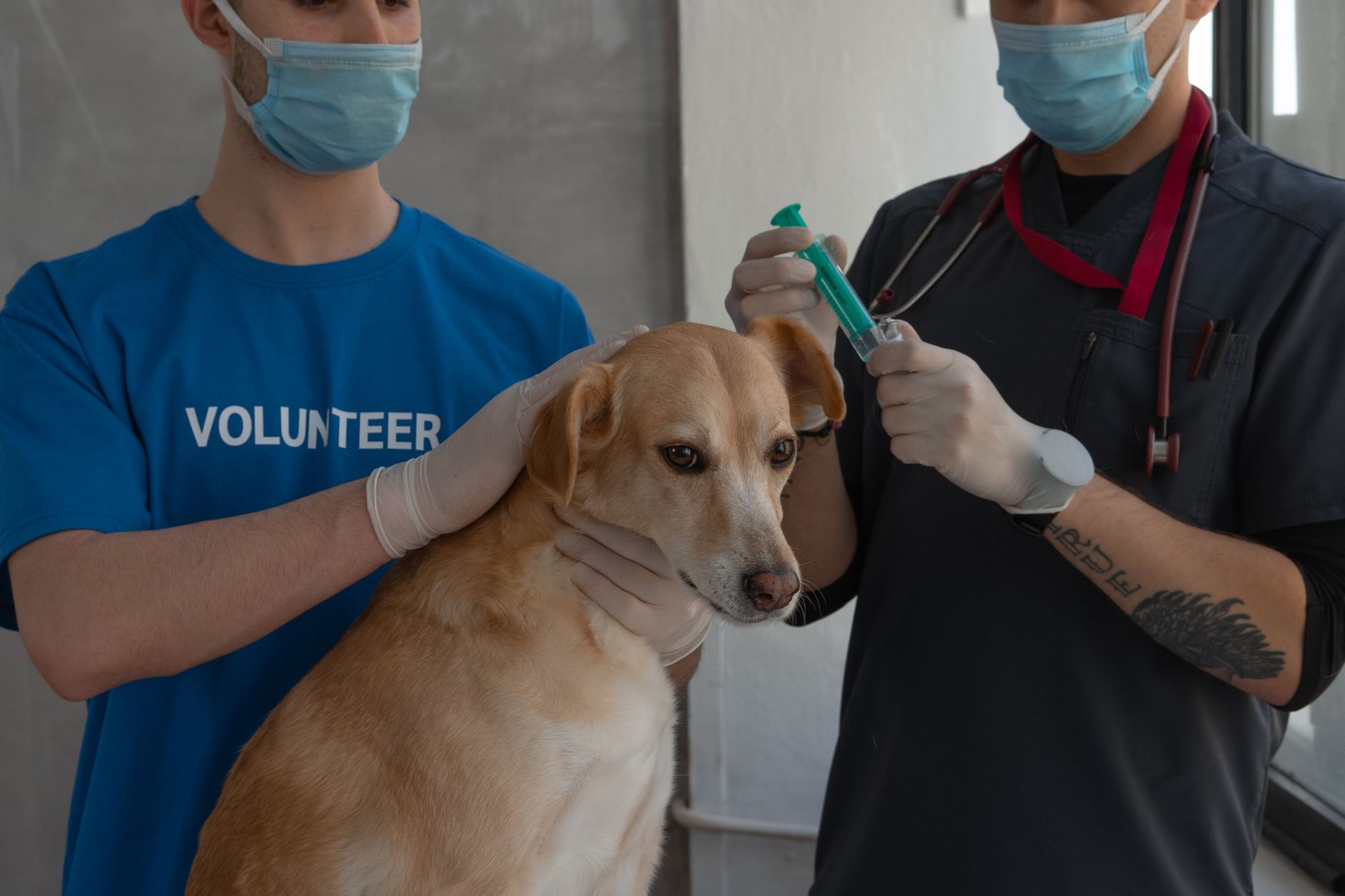
How to Bring a Dog From Canada to the USA (2026 CDC & USDA Rules)
Bringing a dog from Canada to the USA in 2026 requires a free CDC Dog Import Form receipt, a microchip, and a healthy dog at least 6 months old — but no rabies certificate, if the dog has stayed only in Canada, Mexico, or the US for the past 6 months, per CDC.
Read →
How Do You Move a Cat Across Country? A Step-by-Step Relocation Guide
Moving a cat across country means managing state entry rules, carrier safety, and stress reduction over a long car trip or flight. Here is the step-by-step process, backed by USDA APHIS, IATA, and airline sources, plus a pre-move checklist.
Read →
Cat Travel Crate Guide: IATA Sizing, Airline Rules & Required Documents
A cat travel crate is a rigid or soft-sided container built to let a cat stand, turn, and lie down naturally, sized to the International Air Transport Association (IATA) formula and, for cabin travel, to your airline's under-seat limit. Here is how to size, choose, and document one for 2026 travel.
Read →
United Airlines Pet Fares 2026: Fees, Carrier Rules & What's Included
United Airlines pet fares are $150 each way to bring a small dog, cat, or rabbit in the cabin, with an extra $150 if a layover runs long. United closed its PetSafe cargo program to the public in 2018, so in-cabin is the only option for most travelers. Here's the full 2026 fee breakdown, carrier rules, and the paperwork airlines don't handle.
Read →
Can You Bring Your Cat on a Plane? Cabin Rules and Fees
Most U.S. airlines let you bring a cat in the cabin in an under-seat carrier. Here is how FAA, TSA, airline fees, and USDA or EU papers fit together as of September 2026—and how that differs from Animal Passport’s biometric ID product.
Read →
How Do I Get a Pet Passport? EU, UK, and US Steps Explained
As of September 2026, getting a pet passport depends on where you live: EU residents use an authorised vet for a European pet passport; Great Britain residents need an Animal Health Certificate for EU travel; the United States does not issue pet passports at all.
Read →
Animal Quarantine in Canada: CFIA Rules for Pets, Livestock, and Imports
Animal quarantine in Canada is not automatic — most healthy, vaccinated pets clear the border without it. The Canadian Food Inspection Agency (CFIA) reserves mandatory quarantine for non-compliant animals, certain commercial dog imports, and high-risk livestock. Here is what actually triggers it, how long it lasts, and how it differs from travel-document schemes like the EU pet passport.
Read →
Rabies Titer Testing: What It Is, Who Needs It, and How the 0.5 IU/mL Rule Works
Rabies titer testing is a blood test that measures the level of rabies-neutralizing antibodies in a dog, cat, or person after vaccination, most often using the FAVN or RFFIT method against a 0.5 IU/mL reference threshold set by the World Health Organization in 1977.
Read →
How Much Does It Cost for a Dog to Fly? 2026 Price Breakdown
Flying with a dog costs $95 to $200 each way in the cabin, $200 to over $1,500 in cargo, plus $101 or more for USDA health certificate endorsement. Here is the full 2026 cost breakdown, sourced from airlines, USDA APHIS, and IATA.
Read →
How Do I Fly With My Dog? A Step-by-Step Guide (2026)
Flying with a dog means booking a pet-approved flight early, buying an airline-compliant carrier, getting a veterinary health certificate if required, and following TSA and IATA rules at the airport. Most dogs under about 20 lbs (9 kg) combined with their carrier can fly in-cabin on major U.S. airlines for $95–$200 each way; larger dogs generally need cargo or ground transport instead.
Read →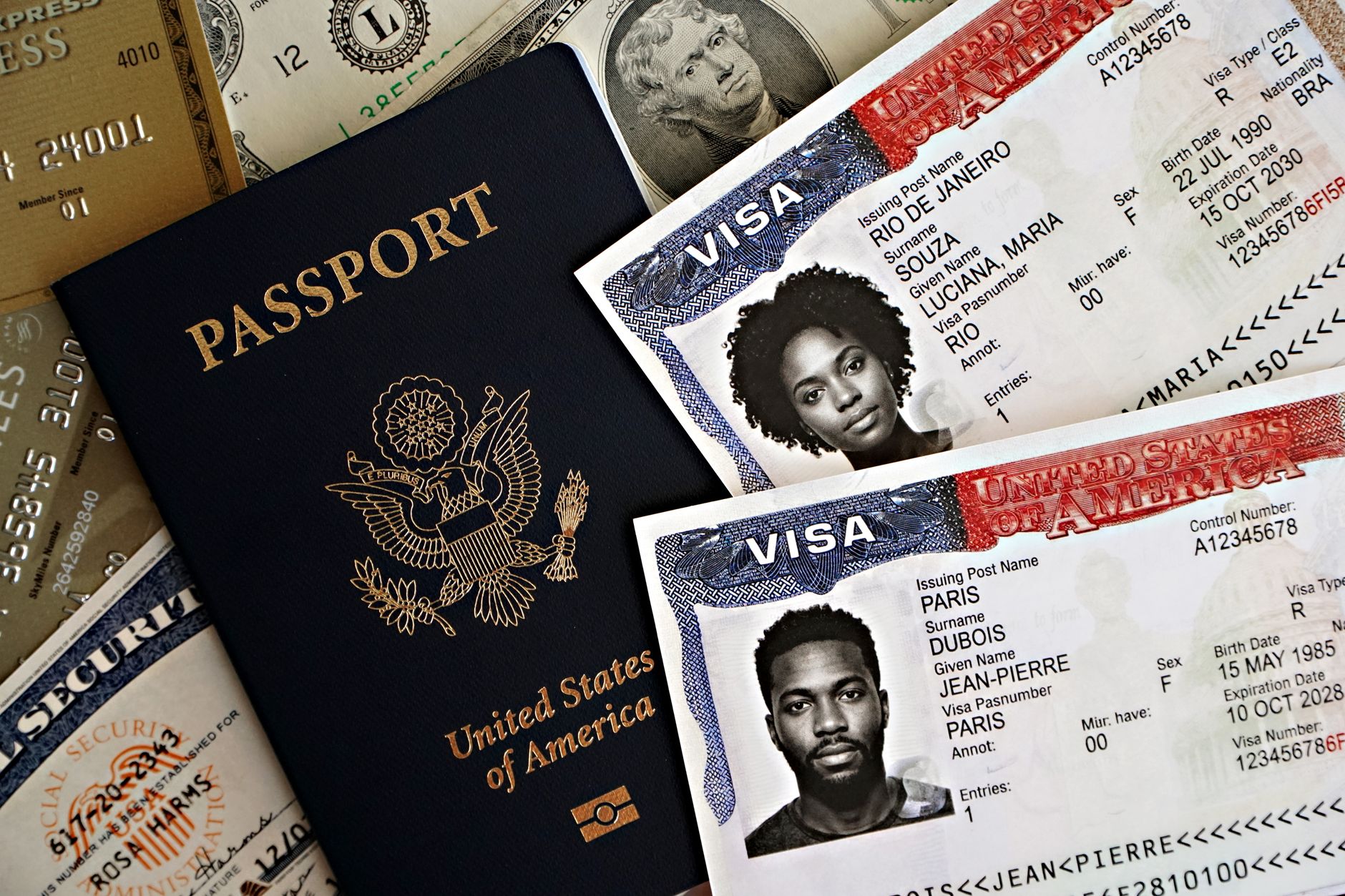
CDC Animal Import Form: How to Complete the Dog Import Form and Meet 2026 Requirements
The CDC animal import form most people mean is the CDC Dog Import Form — a free online submission required for every dog entering the United States since August 1, 2024. Here is who must file it, what it asks for, and how requirements differ for high-risk rabies countries.
Read →
Dog Movers: How Professional Pet Relocation Services Work in 2026
Dog movers are professional pet relocation companies that handle health certificates, airline booking, customs clearance, and door-to-door transport for dogs moving domestically or internationally. This guide explains how they work, what USDA, CDC, and IATA actually require, what it costs, and how to tell a legitimate shipper from a risky one.
Read →
Cat Carrier for Flying: Airline Size Rules, IATA Standards, and What to Buy
A cat carrier for flying is a soft- or hard-sided container that lets a cat stand, turn around, and lie down, sized to fit under an airline seat. Requirements come from IATA's Live Animals Regulations and each airline's own cabin-pet policy, so the same carrier is not automatically approved on every flight.
Read →
Flying Delta With a Dog: 2026 Rules, Fees, and Documents You Need
Delta Air Lines allows small dogs in the cabin for a $150–$200 fee, but checked cargo shipping is paused for the general public and several countries ban pets entirely. Here is what Delta, USDA APHIS, and the CDC actually require.
Read →
Animal Import Center Explained: USDA Quarantine for Birds, Horses, and Livestock
As of September 2026, a U.S. animal import center is a federal USDA APHIS quarantine facility that holds and tests certain imported birds, poultry, equines, ruminants, swine, and zoo animals before release. Dogs and cats follow CDC pathways, not these centers.
Read →
Cat on Airplane Cost: Airline Fees and Total Budget (2026)
As of September 2026, cat on airplane cost is usually a $99–$150 each-way in-cabin airline fee on major U.S. carriers, or about $200–$300 round trip before carrier, vet, and export paperwork—confirm your airline and ticket date.
Read →
Pet Relocation Services Cost: 2026 Price Guide by Route and Destination
Pet relocation services cost anywhere from about $200 for a short domestic drive to more than $10,000 for an international move with quarantine. This guide breaks down every fee — vet certificates, crates, airline charges, and government permits — using 2026 figures from USDA APHIS, IATA, the European Commission, and licensed pet shippers.
Read →
Dog in Quarantine: How Long It Lasts and Why, by Country and Cause
A dog in quarantine is typically isolated for one of two reasons: a 10-day rabies-observation hold after biting someone, or a border-control hold ranging from 10 days to 4 months when entering a country like the UK, Australia, or Hawaii without meeting import rules. This guide breaks down both, by name, with the government agency that sets each rule.
Read →
Do Pets Need a Passport to Travel? The Official Rules Explained
Whether pets need a passport to travel depends entirely on where they're going. The EU issues a real pet passport for intra-EU trips, but the United States does not issue pet passports at all — it uses USDA-endorsed health certificates instead. Here's what each authority actually requires.
Read →
Titer Test for Rabies: What It Is, When It's Required, and How It Works
A rabies titer test measures the level of rabies-neutralizing antibodies in a blood sample to confirm a vaccine took effect. It is required by the CDC for dogs entering the U.S. from high-risk countries and by the European Union for pets from unlisted countries, using a threshold of 0.5 IU/mL set by international animal health standards.
Read →
Bringing a Dog Into the United States: CDC and USDA APHIS Rules Explained (2026)
Bringing a dog into the United States means meeting rules set by the Centers for Disease Control and Prevention (CDC), not a single unified "pet passport." Every dog needs a CDC Dog Import Form receipt, a microchip, and to be at least 6 months old; dogs arriving from countries the CDC classifies as high-risk for dog rabies face extra vaccination, titer, and port-of-entry requirements.
Read →
What Is a Pet Transporter? Costs, Services, and Rules for 2026
A pet transporter is a licensed individual or company that moves companion animals between locations by ground vehicle or air, handling crating, paperwork, and airline or government requirements on the owner's behalf. Here is what one costs in 2026, which rules govern the industry, and how to check a shipper before you book.
Read →
Cat Carrier for Flights: Airline Rules, Sizing, and TSA Screening Explained
A cat carrier for flights is a ventilated, leak-proof, under-seat container that meets both your airline's dimensions and IATA's live-animal container standards. Here is what airlines, the TSA, and IATA actually require, plus how it differs from official pet travel documents and from Animal Passport's biometric livestock ID.
Read →
United Airlines Flying With Pets: 2026 Rules, Fees & Requirements
United Airlines flying with pets in 2026 means cats and dogs can ride in-cabin for $150 each way in a carrier that fits under the seat, but the airline no longer ships pets as general cargo. Here is what United, the U.S. Department of Transportation, USDA APHIS, and the CDC actually require.
Read →
How to Import Reptiles Legally: Permits, CITES, and Agency Rules
To import reptiles legally, you must satisfy wildlife declaration, CITES (when listed), and destination health rules—not a single pet passport. This guide maps USDA APHIS, USFWS, CDC, and international requirements as of September 2026.
Read →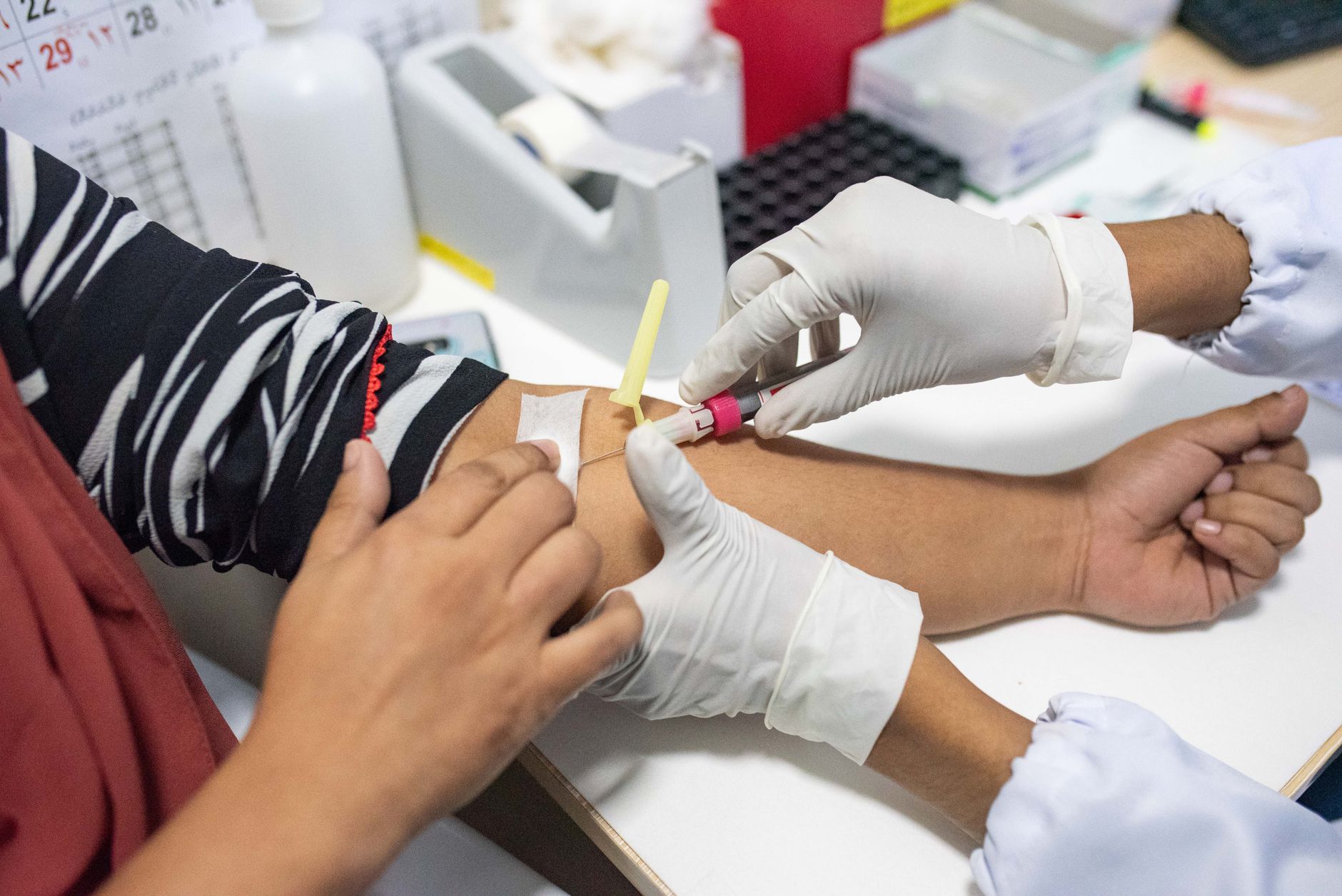
FAVN Rabies Antibody Test: What It Is, Who Needs One, and How It Works (2026 Guide)
The FAVN (Fluorescent Antibody Virus Neutralization) test is a blood test that measures how much rabies-neutralizing antibody a vaccinated dog or cat is carrying. A result of 0.5 IU/mL or higher, the threshold set by the World Organisation for Animal Health (WOAH), is treated as proof of adequate immunity for international pet travel, CDC dog importation, and Hawaii entry.
Read →
Chicago Import Quarantine: USDA Horse Import Rules at O'Hare Explained
Chicago Import Quarantine (CIQ) is a USDA-approved private horse quarantine facility near O'Hare International Airport. Here's how the federal quarantine, testing, fee, and Illinois entry-permit process actually works, straight from USDA APHIS and CIQ's own published rules.
Read →
Shipping Pets Overseas Cost: 2026 Price Breakdown by Country
Shipping a pet overseas typically costs $1,000 to $6,000, and can exceed $12,000 for destinations with mandatory quarantine like Australia. The total depends on pet size, destination country, airline or relocation service, health certification fees, and crate and quarantine requirements.
Read →
Can You Fly Cats on a Plane? Airline Rules, Costs, and Requirements
Yes, most airlines let you fly cats on a plane, typically in an approved soft-sided carrier stowed under the seat in front of you for a fee of roughly $150 to $200 each way. This guide covers carrier sizing, TSA screening, health paperwork, and how domestic rules differ from international and EU travel.
Read →
Do Dogs Have Passports? The Real Answer (2026 Update)
Dogs can have a real, government-issued passport — but only inside the European Union, and only since owners meet strict residency rules. Everywhere else, including the United States and post-Brexit Great Britain, 'dog passport' is shorthand for a health certificate, not an actual passport booklet.
Read →
How to Bring a Dog Into the US: CDC and USDA APHIS Rules Explained (2026)
Every dog entering or returning to the United States needs a CDC Dog Import Form, a scannable microchip, and to be at least 6 months old and appear healthy. Dogs arriving from roughly 150 countries the CDC classifies as high-risk for dog rabies face extra paperwork, including a veterinarian-endorsed vaccination certificate and a rabies titer test.
Read →
How to Transport Cats Across Country: Car, Plane, and Pet Shipping Compared
Transporting a cat across the country means choosing between driving, flying, or a professional pet shipper, then meeting your destination state's health-certificate rules and keeping your cat secured in an acclimated carrier for the whole trip. Here is the step-by-step process, backed by USDA APHIS, AVMA, ASPCA, and IATA guidance.
Read →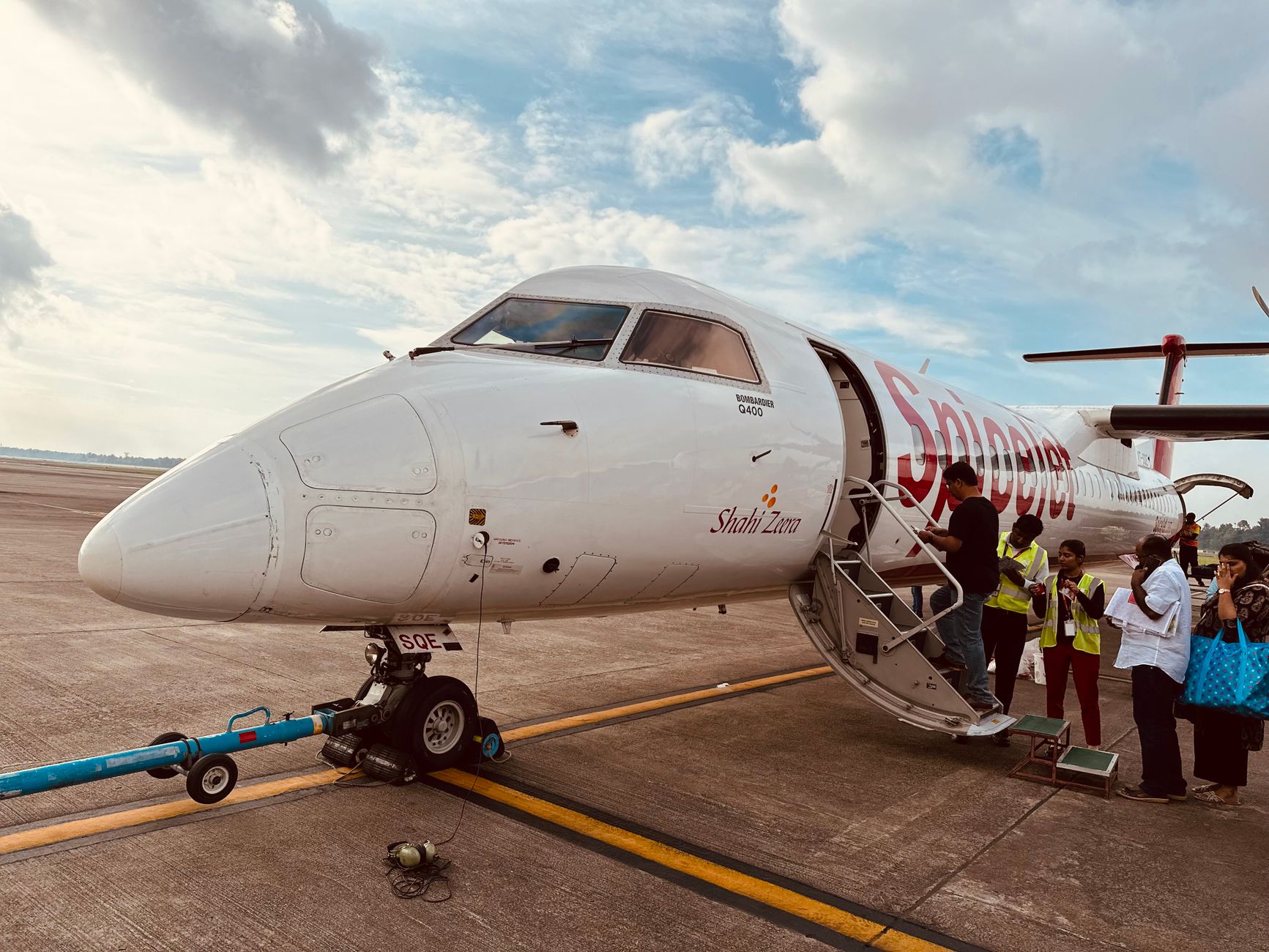
Airline Approved Cat Crate: IATA Rules and Airline Requirements (2026)
There is no single government stamp that makes a carrier "airline approved." Instead, the International Air Transport Association (IATA) sets baseline container standards, and each airline layers its own size, material, and fee rules on top. Here's how to choose a crate that clears both.
Read →
United Airlines Animal Policy: Pets, Service Animals & Cargo Rules Explained
United Airlines' animal policy has three separate tracks: paid in-cabin pets, fee-free trained service dogs, and a cargo pet program that has been closed to the general public since 2018. Here is how each track works, who qualifies, and what documents United and federal regulators require.
Read →
What Is a Foreign Animal? Definition, Import Rules, and Cross-Border ID
A foreign animal is any pet or livestock animal brought into a country from another nation, subject to import permits, health inspection, and quarantine rules set by agencies like USDA APHIS and CDC. The term also has a stricter regulatory meaning — "foreign animal disease" (FAD) — used by USDA and WOAH for diseases not native to a country.
Read →
Dog Passport EU: 2026 Rules, Requirements, and What Changed for GB Owners
An EU dog passport is an official booklet, issued by an authorised vet, that records a dog's microchip number, rabies vaccination, and owner details for non-commercial travel between EU countries. Since 22 April 2026, only owners whose main residence is in the EU can get or use one — Great Britain residents now need an Animal Health Certificate instead.
Read →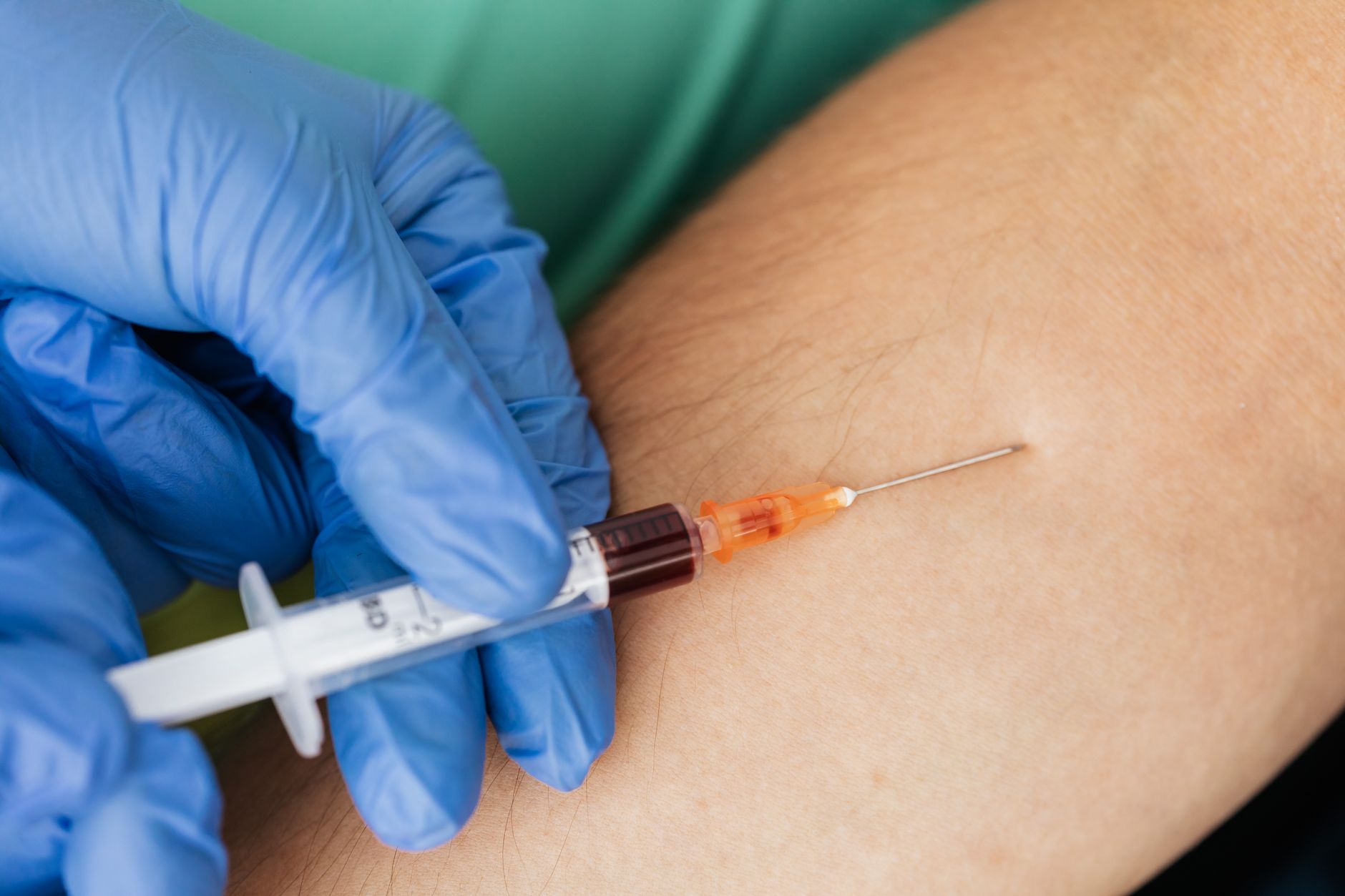
Rabies Blood Test: What It Measures, Who Needs One, and What It Can't Tell You
A rabies blood test, formally the Rabies Neutralizing Antibody Titer Test (RNATT) or FAVN test, measures how much rabies antibody a vaccinated animal has in its blood. It does not diagnose active rabies infection and cannot replace brain-tissue testing after a bite.
Read →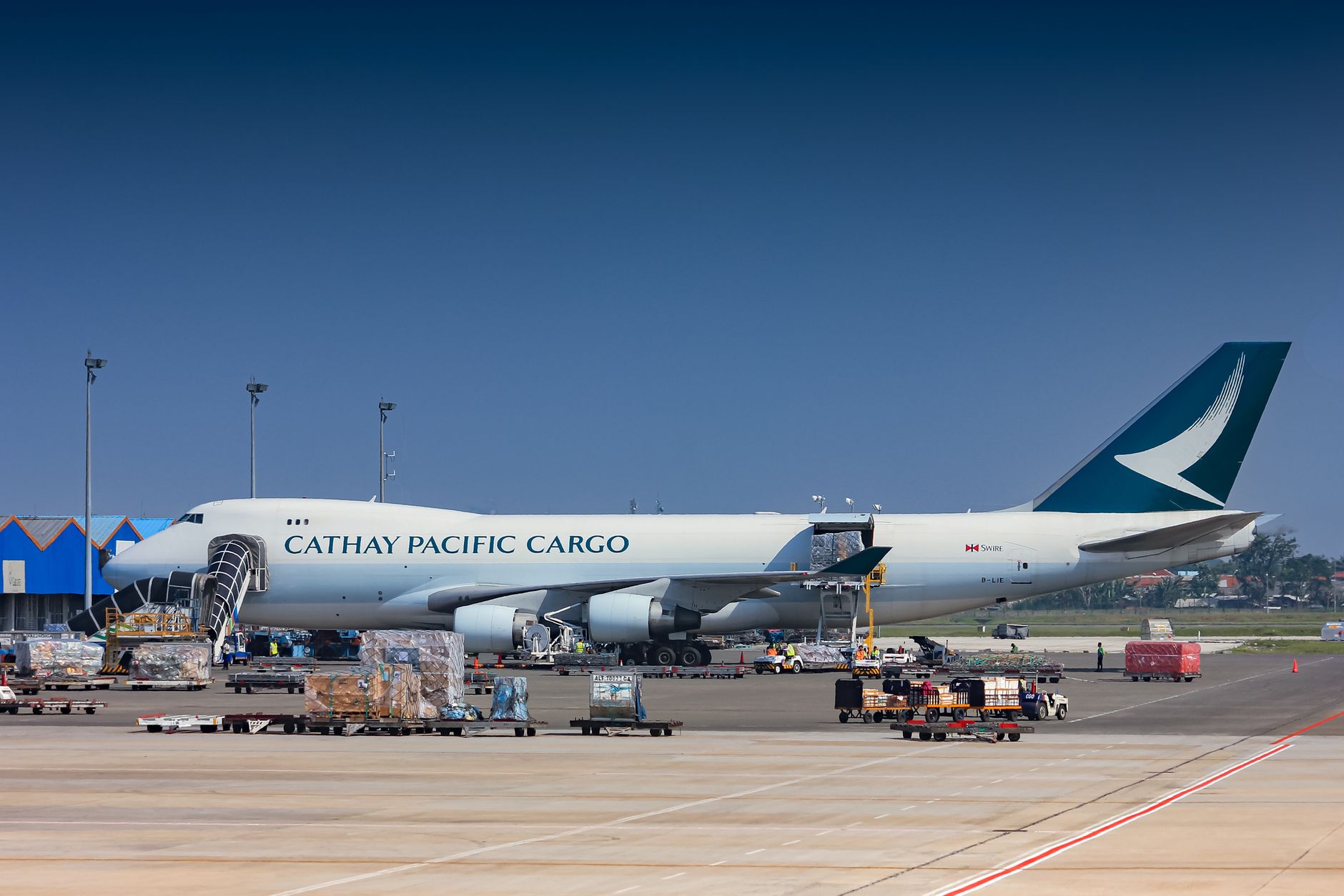
Pet Shipping Prices in 2026: What It Really Costs to Ship a Dog or Cat
Pet shipping prices in 2026 span from roughly $200 for a short ground transport to $6,000 or more for an international relocation. This guide breaks down real cost ranges by transport method, distance, and destination country, using figures from USDA APHIS, IPATA, and airline fee pages, plus the hidden costs owners forget to budget for.
Read →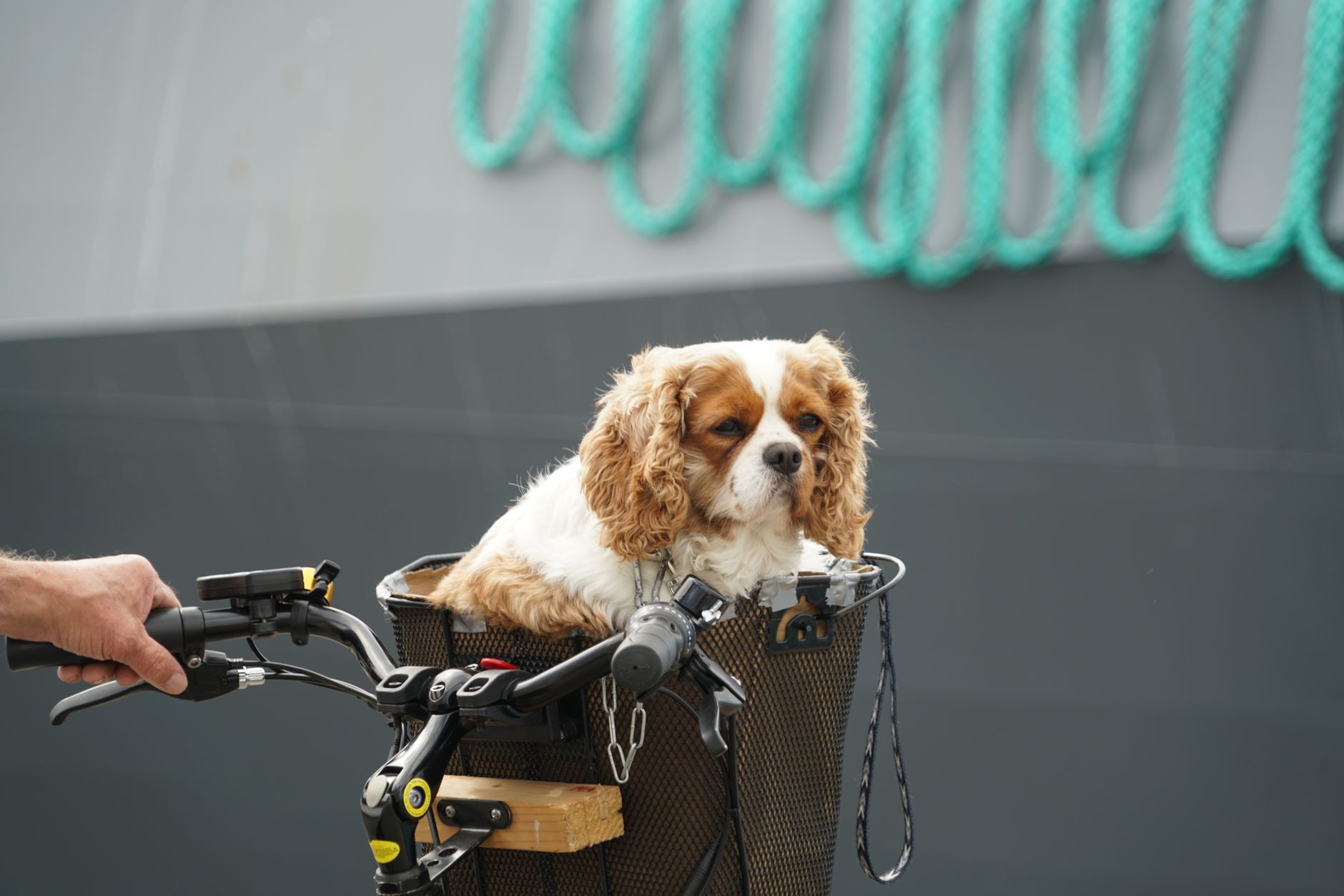
Quarantine for Dogs UK: When It's Required and How to Avoid It (2026)
Most dogs entering Great Britain in 2026 do not need quarantine if they meet the Pet Travel Scheme's microchip, rabies vaccination and tapeworm treatment rules. Dogs that don't comply can be held for up to four months at the owner's expense, per DEFRA (GOV.UK).
Read →
Dog Passports Explained: EU Pet Passports vs. Digital Biometric ID (2026)
A dog passport most often means the official EU pet passport used for travel between EU countries, but the term is also used for newer digital identity records built on biometrics. This guide explains the official travel document from primary sources and clearly separates it from Animal Passport's biometric livestock and animal ID product.
Read →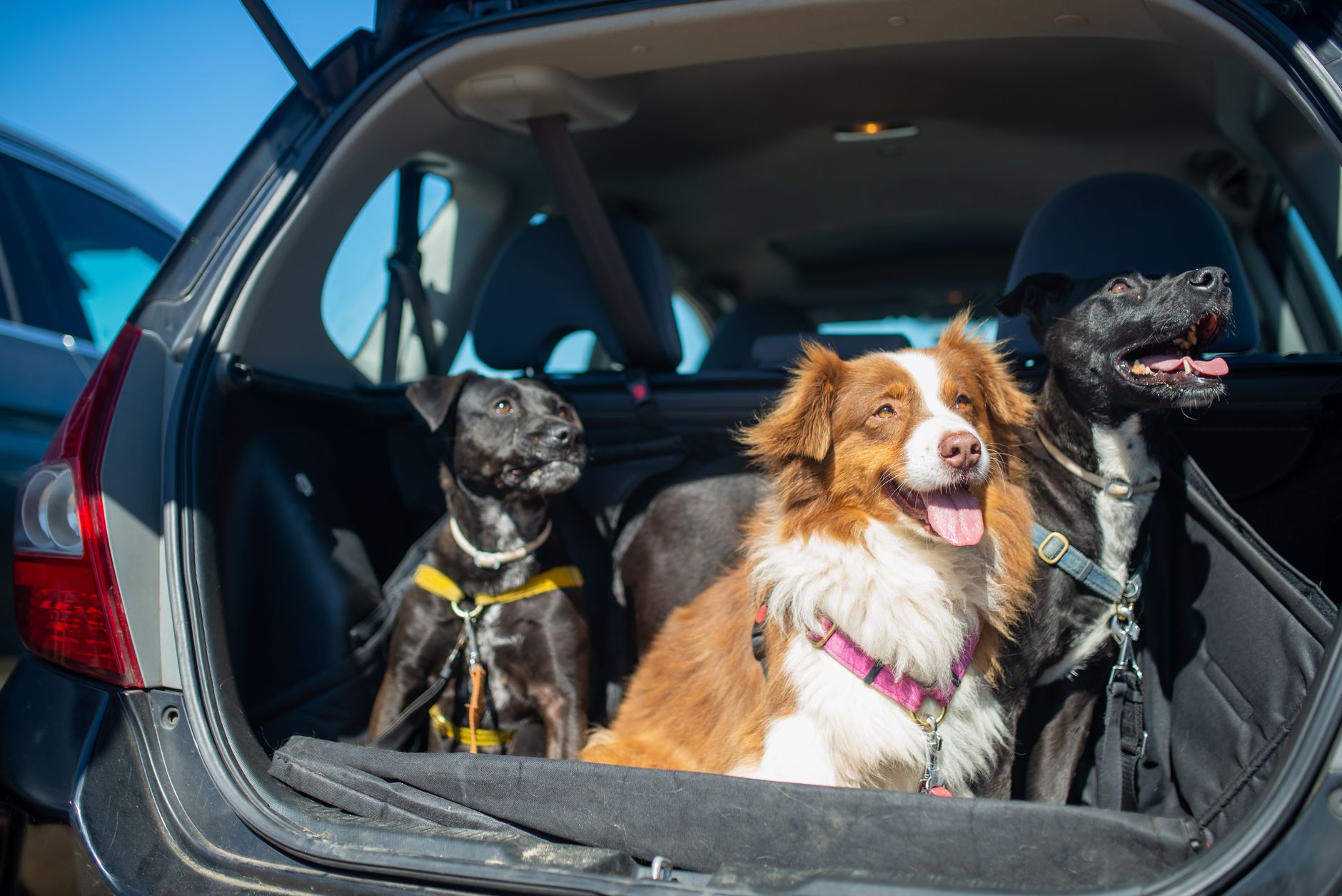
How to Bring a Dog from Canada to the US (2026 CDC & USDA Rules)
Bringing a dog from Canada to the US requires a free CDC Dog Import Form, a universal microchip, and a dog at least 6 months old — no rabies certificate is needed if the dog has stayed only in Canada, the US, or Mexico for the past 6 months.
Read →
How to Move With a Cat Across Country: A Step-by-Step 2026 Checklist
A cross-country move with a cat comes down to three things: a carrier your cat trusts, current identification, and the right transport plan. Here is the full timeline, the interstate paperwork rules people get wrong, and how car travel compares to flying.
Read →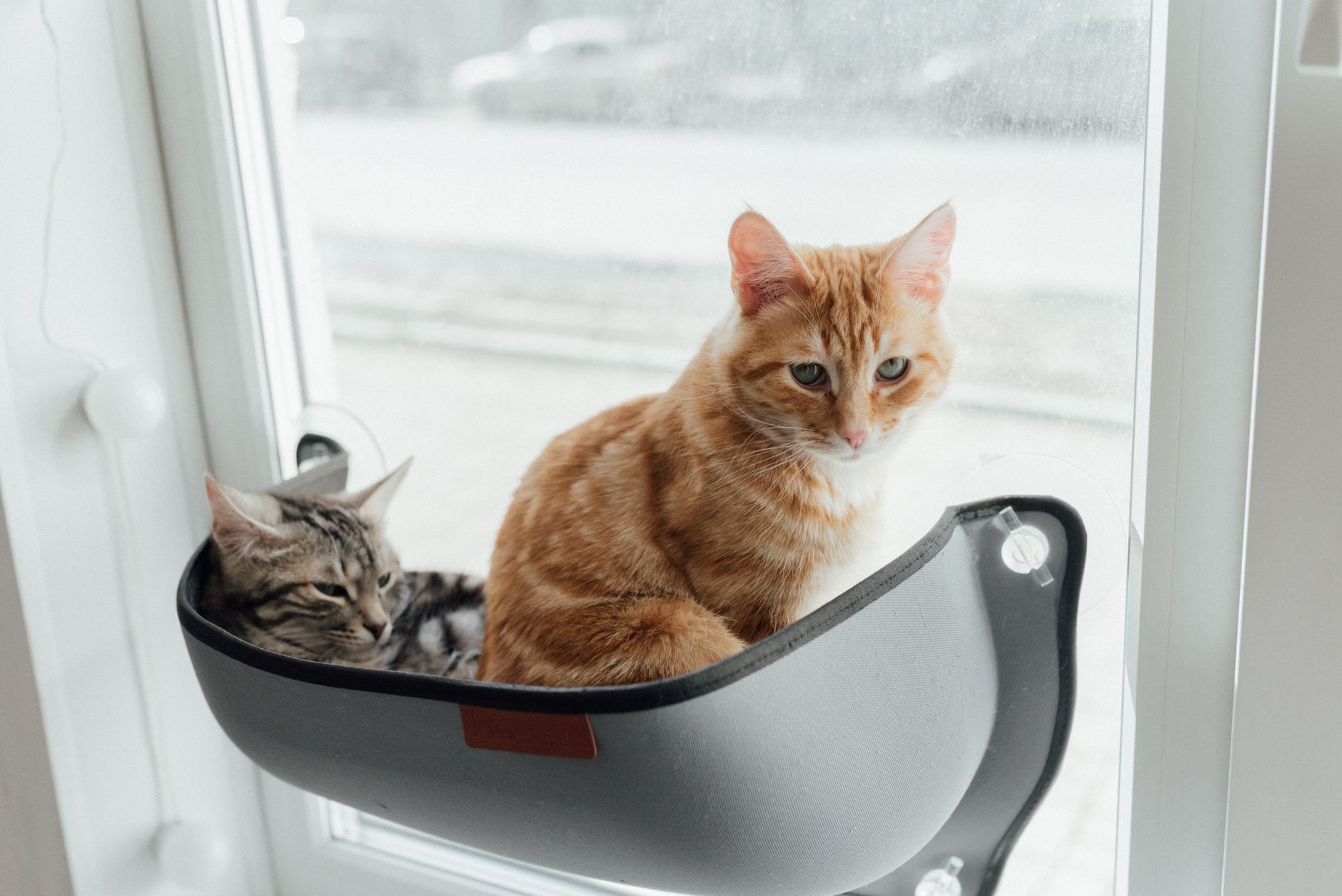
Affordable Cat Carriers: 2026 Buying Guide to Safe, Budget-Friendly Options
Affordable cat carriers typically cost between $15 and $60, and price alone does not determine safety. This guide explains what the ASPCA, TSA, and major airlines require, plus how to choose a budget carrier that meets those standards without overspending.
Read →
Travel With Pets on United Airlines: 2026 Rules, Fees, and Documents
Travel with pets united queries usually mean one thing: how to fly a cat or dog on United Airlines. Here is the 2026 in-cabin fee, carrier rules, cargo restrictions, and the USDA APHIS paperwork needed for international trips, plus how airline pet travel differs from EU pet passports and biometric livestock ID.
Read →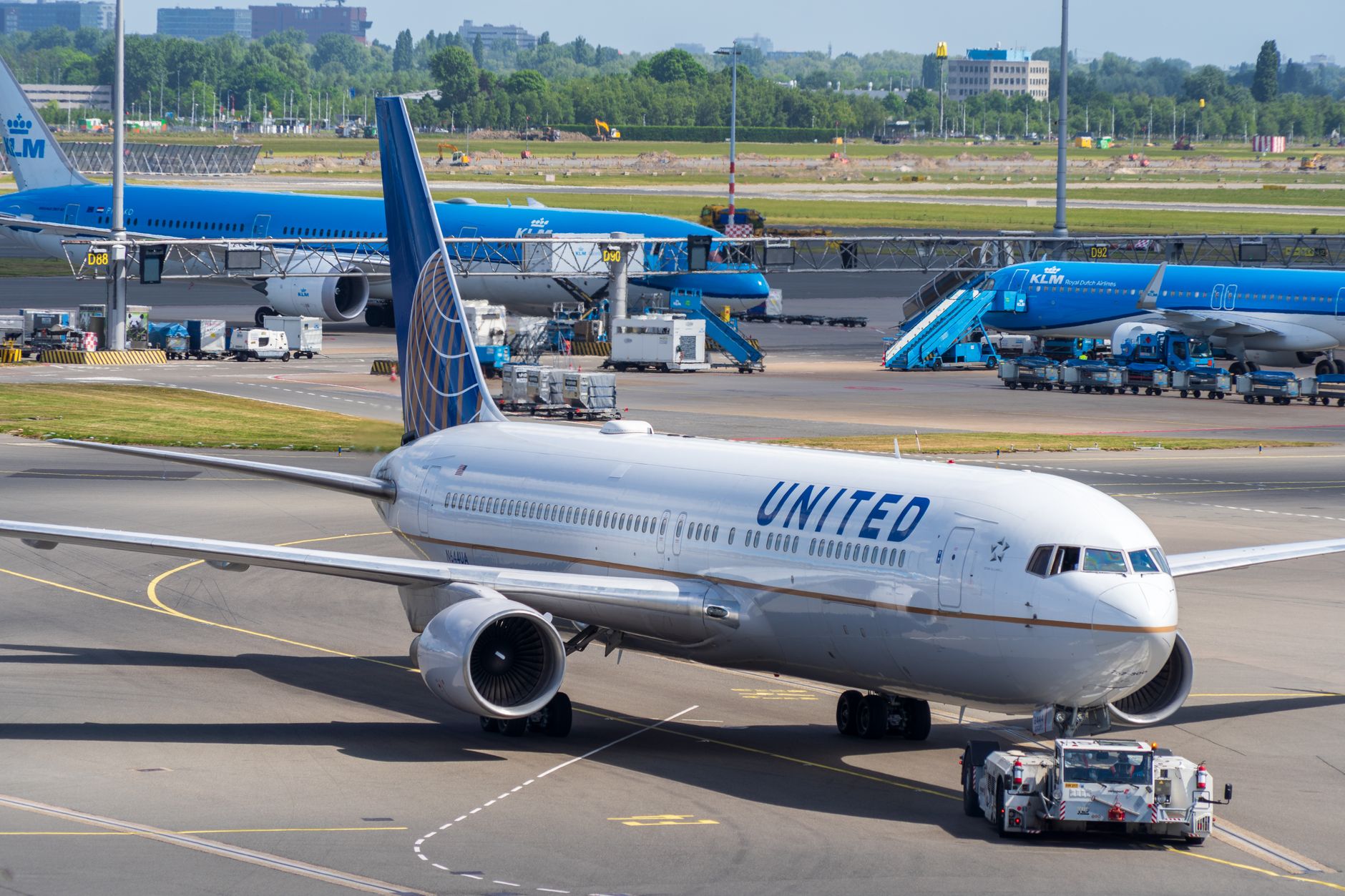
Animals From Other Countries: Cross-Border Pet Import Rules
As of September 2026, moving animals from other countries means meeting destination health, ID, and airline rules—CDC Dog Import Form for U.S. dogs, EU animal health certificates for most non-EU pets—not a single global passport. This Animal Passport guide separates official travel schemes from biometric livestock identity.
Read →
Cat Quarantine: Rules, Duration, and How to Avoid It (2026 Guide)
Cat quarantine is the mandatory isolation period some countries impose on incoming cats to stop rabies from spreading. Requirements range from none at all (US mainland) to 10-30 days (Australia) to four months (UK, if paperwork fails). Here's how the rules differ, and how most owners avoid quarantine entirely with the right documents.
Read →
Can I Bring a Cat on a Plane? Airline Rules, Fees & Documents (2026)
Yes, most airlines let you bring a cat on a plane in the cabin, in an approved carrier under the seat, for roughly $150 each way. Here is what U.S. airlines, USDA APHIS, TSA, and IATA actually require in 2026 — plus how a health certificate differs from an EU pet passport.
Read →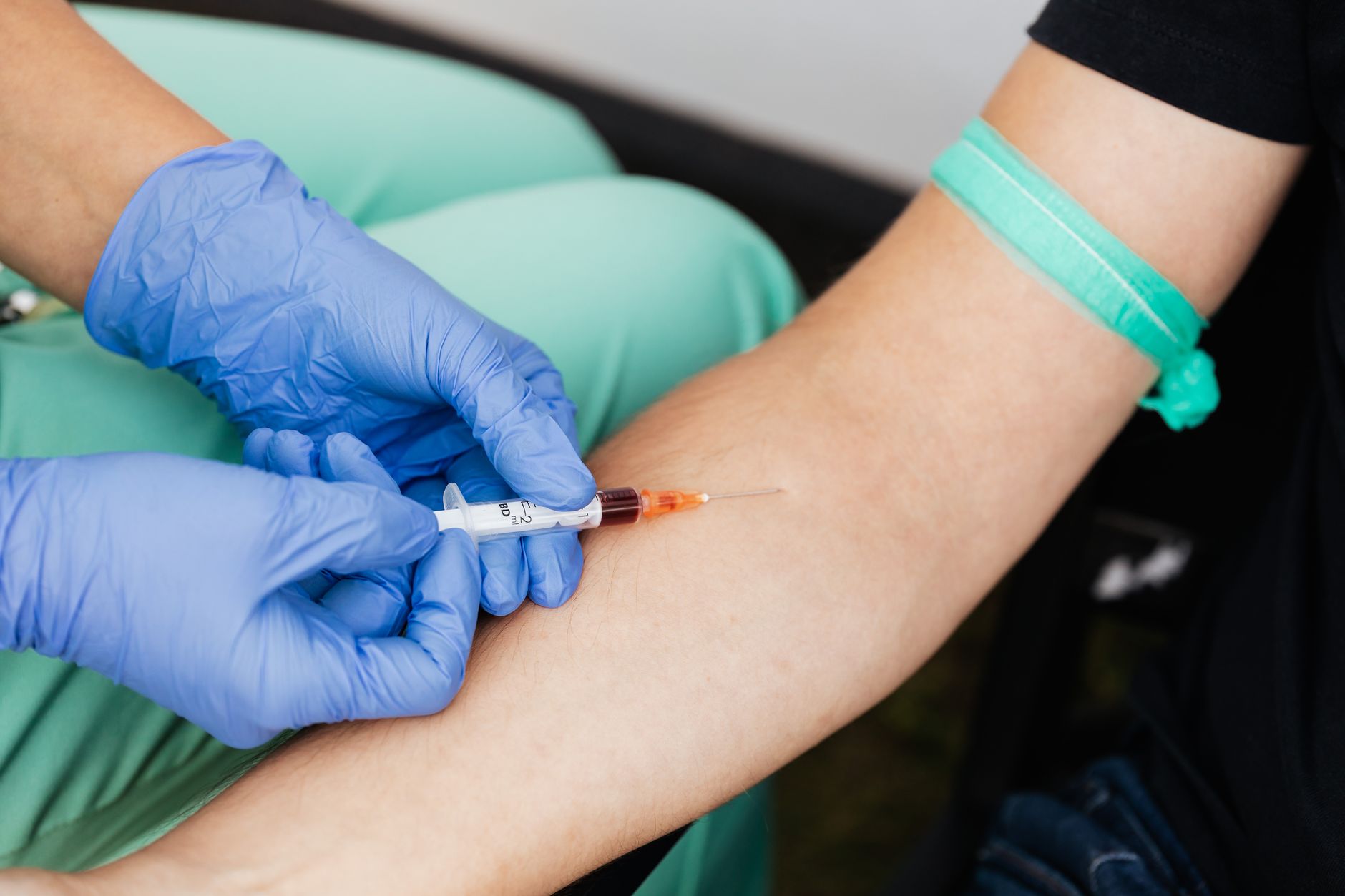
Rabies Titre Test: Requirements, Cost, and Timing for Pet Travel (2026)
A rabies titre (or titer) is a blood test that measures the level of rabies-neutralizing antibodies in a vaccinated animal's blood, expressed in IU/mL. Most rabies-free or low-risk destinations, including the UK, Japan, Hawaii, and the US for dogs from high-risk countries, require a result of at least 0.5 IU/mL from a government-approved laboratory before travel.
Read →
How Much Does It Cost to Fly Your Dog? 2026 Price Breakdown
Flying a dog in the cabin typically costs $95-$275 per flight in 2026, while shipping a dog as cargo or checked baggage runs $275 to $1,000+ domestically. Add USDA health certificate fees of $101-$275 and a carrier ($30-$150) and door-to-door international relocation can exceed $4,500.
Read →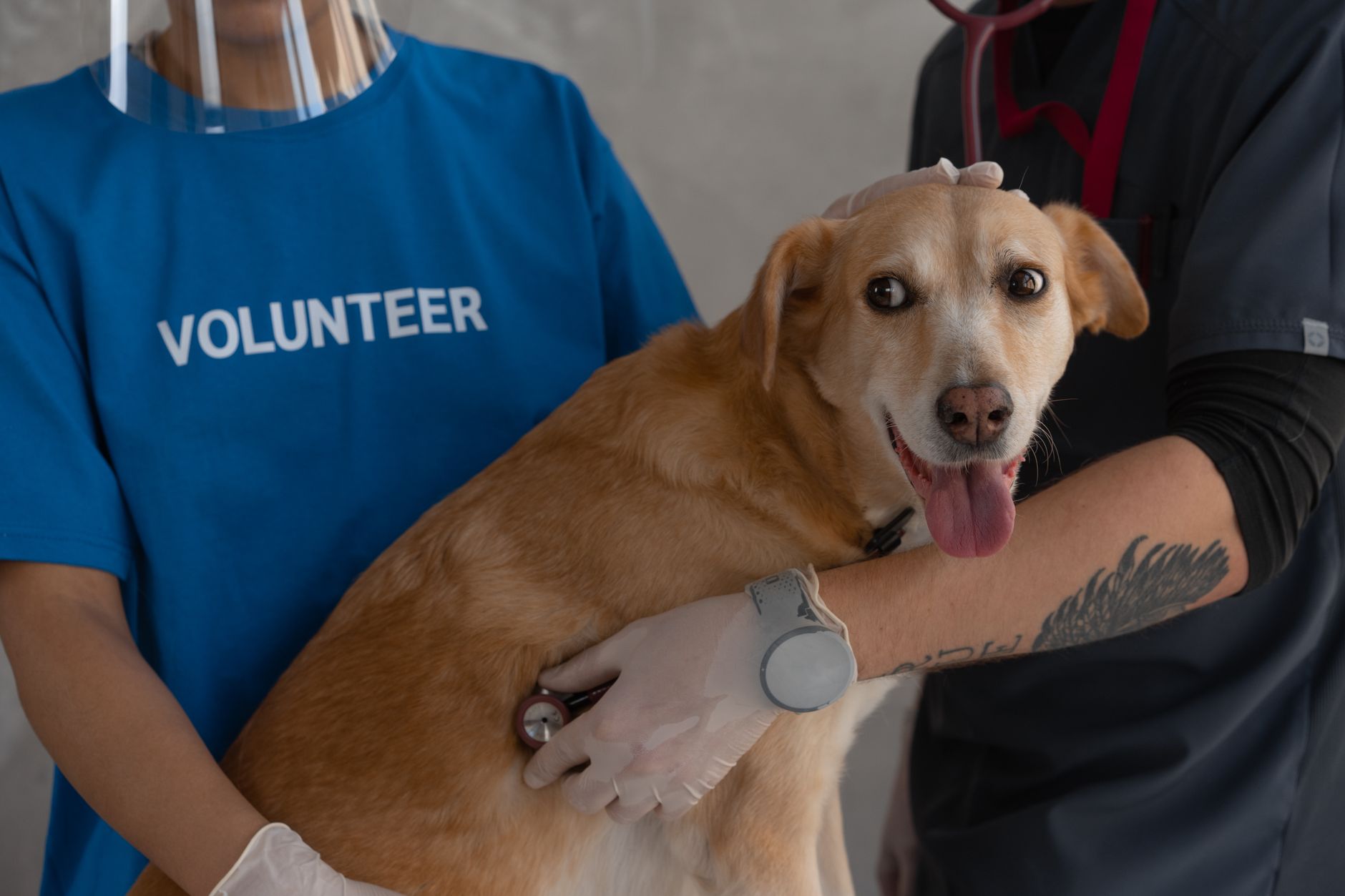
How Do You Get a Pet Passport? EU, UK, and US Rules Explained (2026)
A pet passport is an official document, issued by an authorized veterinarian, that records a pet's microchip number, rabies vaccination, and owner details so it can travel between countries without quarantine. As of April 2026, the European Union restricts EU pet passports to owners who legally reside in an EU member state; everyone else needs an Animal Health Certificate instead.
Read →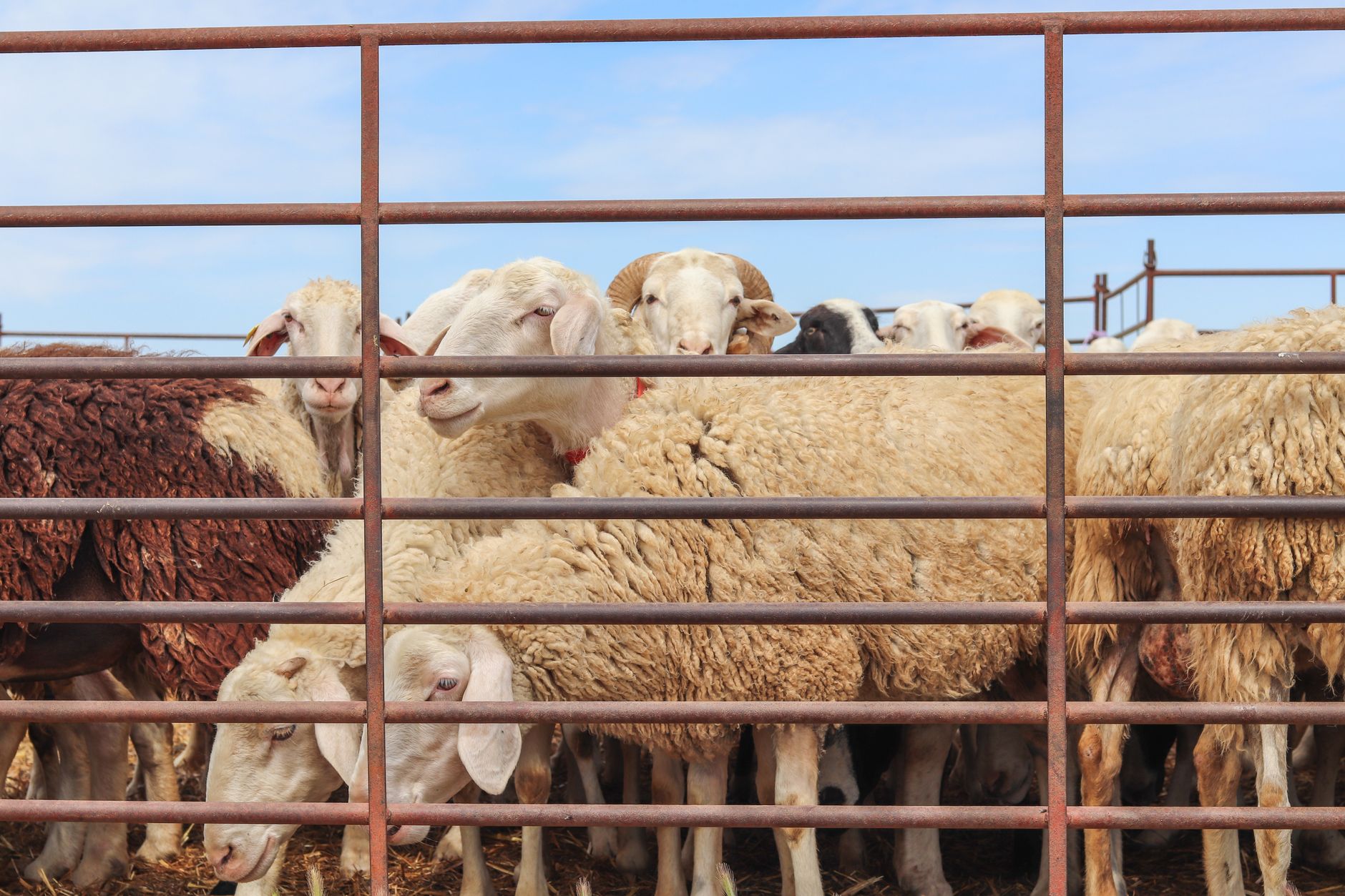
APHIS USDA Gov Pet Travel: How to Use the Official USDA Site to Travel With Your Pet
aphis.usda.gov/pet-travel is the official United States Department of Agriculture Animal and Plant Health Inspection Service (USDA APHIS) portal for pet travel. It does not issue a passport; it helps you find country-specific import rules and get a USDA-endorsed health certificate for your dog, cat, or other companion animal.
Read →
Pet Relocation International: 2026 Rules, Costs, and Step-by-Step Process
International pet relocation is the regulated process of moving a dog, cat, or other companion animal across a national border for permanent residence, using export health certificates, microchip identification, and airline live-animal rules set by USDA APHIS, the European Commission, and IATA.
Read →
Medium Dog Carrier Guide: Sizing, Airline Rules, and How to Choose One
A medium dog carrier fits dogs roughly 16–30 lbs, such as Beagles and Corgis, with room to stand, turn, and lie flat. Here's how to size one correctly, which airline and IATA rules apply, and how to choose a safety-tested option.
Read →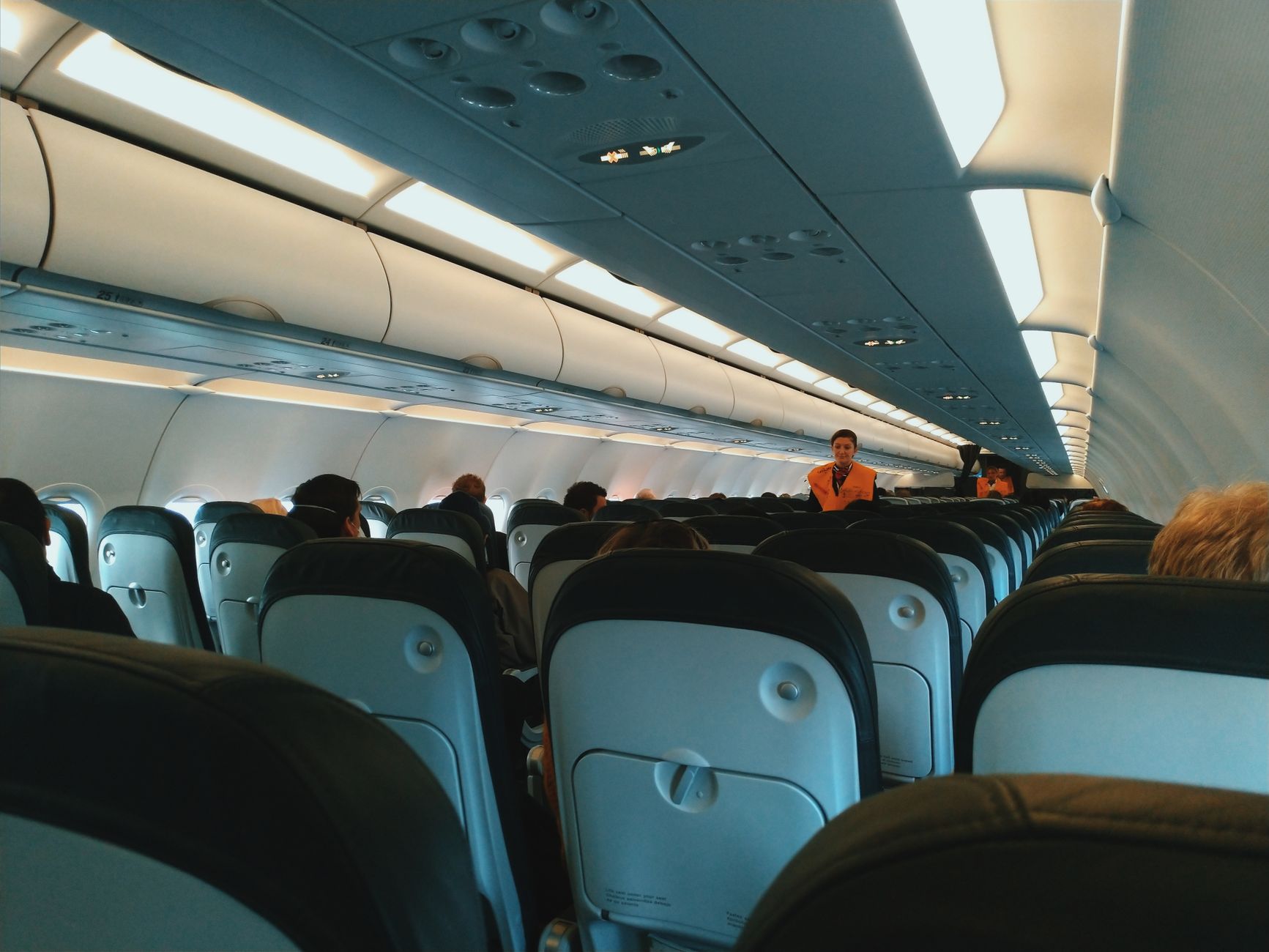
Delta Flying With Pets: 2026 Rules, Fees, and Documents
Delta flying with pets means booking a small dog, cat, or household bird into the cabin in an approved carrier for a one-way fee, since Delta Air Lines has paused pet cargo shipping for the general public. This guide covers Delta's current carrier rules, fees, restricted routes, and the federal forms and health certificates pet owners actually need in 2026.
Read →
Does Pets Need Passport? EU Pet Passport, PETS Scheme & Certificates Explained
As of September 2026, pets need an EU pet passport only in specific cases—mainly dogs, cats and ferrets owned by EU residents travelling between EU countries. Great Britain travellers generally need an Animal Health Certificate; the United States does not issue pet passports.
Read →
Pet Relocation Cost in 2026: Fees, Ranges, and What You Actually Pay
As of September 2026, pet relocation cost usually stacks transport, an IATA kennel, vet paperwork, and destination rules—often a few hundred dollars domestically to $1,000–$6,000+ internationally, with quarantine routes higher.
Read →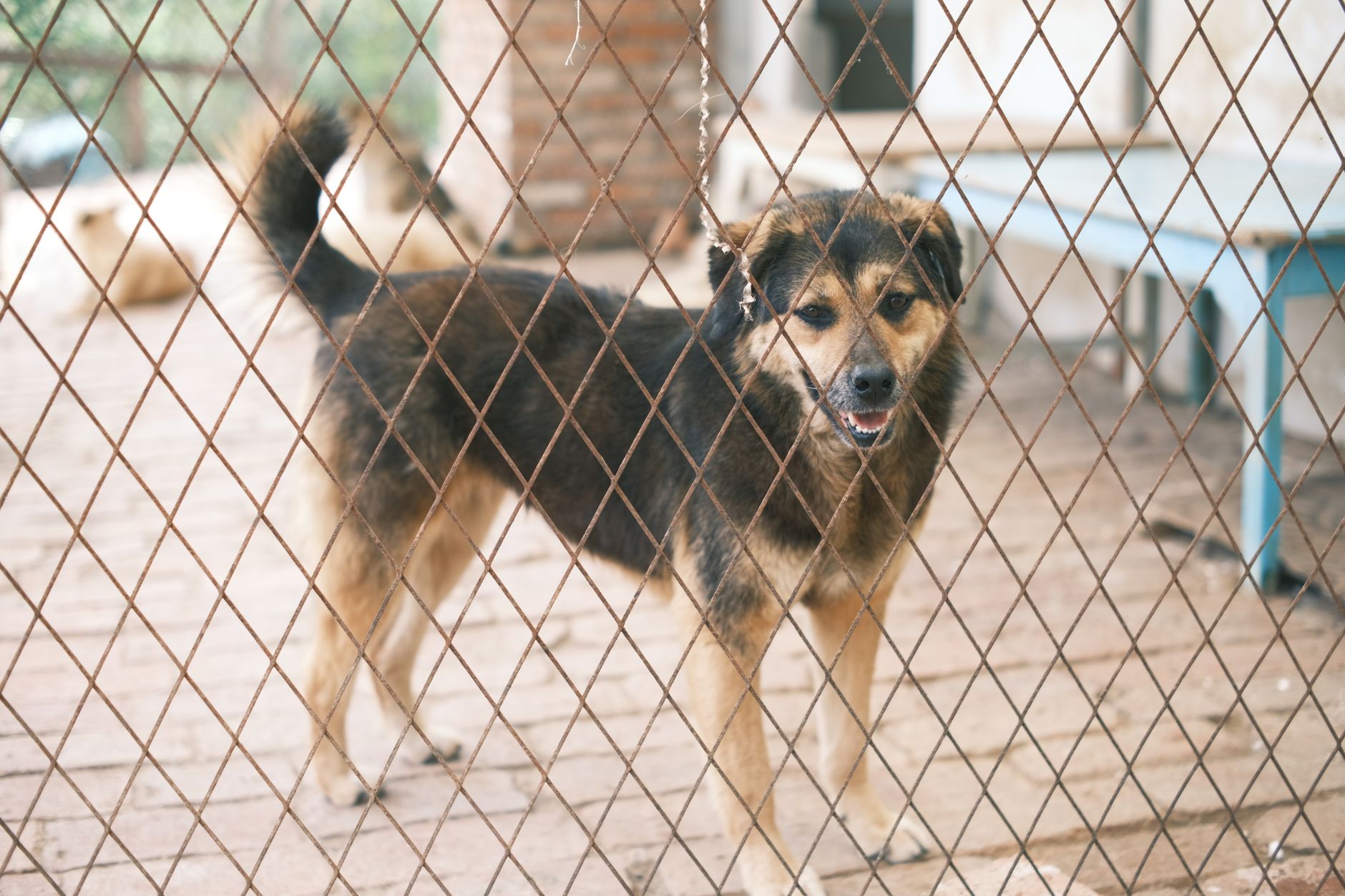
Dog Quarantine Explained: Rules by Country for 2026
Dog quarantine is border isolation used when authorities cannot verify rabies or biosecurity risk. As of September 2026, stays range from none for compliant UK or low-risk U.S. entries to CDC’s 28-day facility hold, Hawaii’s 120-day fallback, and Australia or New Zealand post-entry quarantine.
Read →
How to Fly With a Big Dog: Airline Rules, Crates, and Costs (2026)
Big dogs almost never fit in the cabin, so flying with one means navigating checked baggage or manifest cargo. Here's what's actually still operating in 2026, what an IATA-compliant crate requires, and what it costs.
Read →
Puppy Passport: What It Means, EU Rules, and Buyer Red Flags (2026)
A puppy passport is either an official EU pet passport documenting a dog's microchip and rabies vaccination, or an informal breeder document covering a puppy's health and worming history. As of September 2026, Great Britain residents can no longer use EU pet passports to travel — and a puppy advertised as already having a passport is a recognized red flag for illegal imports.
Read →
CDC Dog Import Form: What It Is and How to Complete It (2026 Guide)
The CDC Dog Import Form is a free, online submission required by the U.S. Centers for Disease Control and Prevention for every dog entering the United States since August 1, 2024. This guide explains who must file it, the submission window, required documents by country risk level, and how it differs from breeder, microchip, or biometric identity records.
Read →
Rabies Titer Test: What It Measures, IU/mL Thresholds, and When You Need One
A rabies titer test measures how much rabies virus neutralizing antibody is circulating in blood after vaccination. Regulators and health agencies generally treat 0.5 IU/mL as the threshold for an adequate response, but the test is used differently for people, pet travel, and general veterinary care.
Read →
USDA Pet Travel to Ecuador: 2026 Rules for Dogs, Cats & Coming Home
USDA APHIS issues the export paperwork, but Ecuador's Agrocalidad decides what actually gets your dog or cat through the airport. Here is the full 2026 process for both directions of the trip, including the CDC rules that apply on the way home.
Read →
Dog Carrier for Airplane Travel: Airline Rules, Sizes, and Requirements (2026)
A dog carrier for airplane travel must satisfy two layers of rules: your specific airline's cabin or cargo policy and the global standard set by the International Air Transport Association (IATA). This guide compares carrier sizes, cargo crate rules, TSA screening steps, and clears up the difference between an EU pet passport and Animal Passport's biometric animal ID.
Read →
Southwest Pet Carrier Dimensions: Official Size Limits for 2026
Southwest Airlines allows pet carriers up to 18.5 inches long, 13.5 inches wide, and 9.5 inches high, soft- or hard-sided, as long as the carrier fits fully under the seat in front of you. Here is the official size limit, the current fee, and how Southwest's rule compares to other airlines.
Read →
Dogs Quarantined: How Long It Lasts and How to Avoid It
Dogs quarantined means legal confinement for rabies or border control. As of September 2026, periods range from 10-day bite observation to CDC 28-day U.S. import holds, up to 4 months in Great Britain, and Hawaiʻi’s 5 Day Or Less versus 120 days—always confirm the destination authority.
Read →
How Much to Fly a Cat on a Plane: 2026 Airline Fees and Rules
Flying a cat in the cabin costs roughly $95 to $200 each way on major U.S. airlines in 2026, plus separate costs for health paperwork on international trips. Here's what actually drives the price, airline by airline, and how travel documents differ from livestock ID.
Read →
Cross Country Pet Transport Cost: 2026 Price Guide by Method
Cross country pet transport cost typically runs $1,100 to $3,700 for ground shipping and $95 to $1,200+ for air travel, depending on distance, pet size, and method. Here's a full 2026 price breakdown with sources.
Read →
Rabies Antibody Test: What It Measures, Who Needs One, and How It Works
A rabies antibody test (serology titer test) measures how much rabies-neutralizing antibody is circulating in an animal's or person's blood after vaccination, using the RFFIT or FAVN method. A result of at least 0.5 IU/mL is the internationally recognized threshold for an adequate immune response, per the World Organisation for Animal Health (WOAH) and the European Commission.
Read →
Pet Passport for Cats: EU Rules, USDA Facts, and Biometric ID Explained (2026)
A pet passport for cats is an official document, issued only within the EU, that records a cat's microchip number and rabies vaccination history for travel between EU countries. As of September 2026, UK and US owners can no longer use one — they need an Animal Health Certificate or USDA-endorsed health certificate instead.
Read →
Can I Take My Dog on a Plane? Rules, Costs, and Airline Policies (2026)
Most airlines let you fly with a dog in the cabin or the cargo hold if it meets their size, age, and health-documentation rules. This guide breaks down who actually regulates pet air travel in the U.S. and internationally, what documents you need, and how in-cabin, cargo, and service-dog rules differ.
Read →
CDC Import Form for Dogs: What It Is and How to File It (2026)
The CDC Dog Import Form is a free online form the Centers for Disease Control and Prevention (CDC) requires for every dog entering or returning to the United States. Here is who must file it, what else your dog needs, and how the rules changed under CDC's August 2024 final rule.
Read →
Pet Shipping Service: How International Pet Relocation Works in 2026
A pet shipping service is a professional relocation company that arranges crates, flights or ground transport, and the health paperwork animals need to travel domestically or internationally. Here's how the process works, what documents you need, and what it typically costs.
Read →
Delta Airlines Dog Policy 2026: In-Cabin Rules, Fees, Cargo Pause, and Service Dogs
Delta Air Lines allows small dogs in the cabin for a fee, but has paused pet-in-hold cargo shipping for the general public. Here is what Delta.com and the U.S. Department of Transportation actually require, in one place.
Read →
TSA Approved Dog Carrier: What TSA Actually Requires (2026 Guide)
There is no official TSA certification for pet carriers. Here's what the Transportation Security Administration actually requires at the checkpoint, how that differs from airline cabin-carrier rules and IATA standards, and how to pick a carrier that clears all three.
Read →
Animal Passports: EU Pet Passport vs Digital Livestock ID (2026)
"Animal passports" covers two unrelated things: the official EU pet passport for dogs, cats and ferrets, and Animal Passport, a phone-based digital ID that uses muzzle biometrics for livestock. Here's how the EU, UK, US and IATA rules actually work, and how they differ from the biometric product used in Pakistan's 2025 flood rescue.
Read →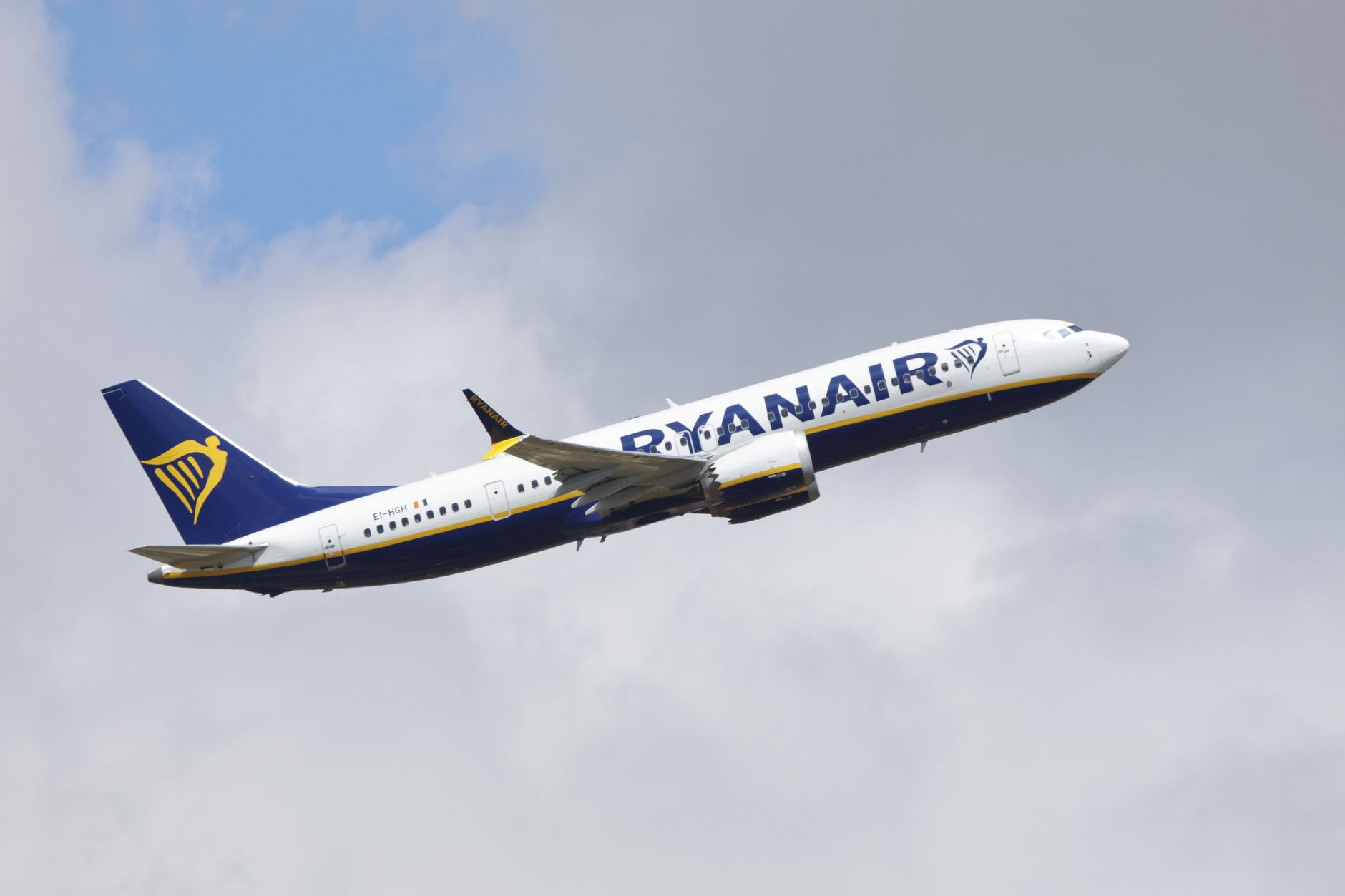
Dogs and Quarantine: Rules by Country and How to Avoid Delays (2026)
Quarantine for dogs is a health-authority hold — from zero days to 120+ — used when a dog's rabies vaccination or origin country can't be verified as low-risk. The exact length depends on the destination: the US CDC requires 28 days only for unvaccinated dogs from high-risk countries, the UK holds non-compliant pets up to 4 months, Australia's Mickleham facility holds dogs 10 to 30+ days, and Hawaii can require up to 120 days. Meeting a scheme's vaccination and microchip rules in advance is what avoids quarantine entirely.
Read →
Can Cats Go on Planes? Airline Rules, Costs, and Documents (2026)
Cats can fly in the cabin under the seat in an IATA-compliant carrier, or in the cargo hold for larger cats and many international routes. Individual airlines set the specific rules, working within IATA's global standards and, for international trips, government health paperwork.
Read →
Rabies Titers Explained: FAVN Test, Thresholds & Travel Rules
A rabies titer measures how much rabies-virus-neutralizing antibody is in an animal's blood after vaccination. Here is how the FAVN test works, the 0.5 IU/mL threshold set by WOAH, how USDA APHIS and EU rules differ, and how to keep the paperwork attached to the right animal.
Read →
How to Bring a Dog on a Plane: Rules, Fees, and Documents in 2026
A step-by-step guide to flying with a dog in 2026 — carrier rules, airline fees, TSA screening, and the USDA APHIS paperwork required for domestic and international travel.
Read →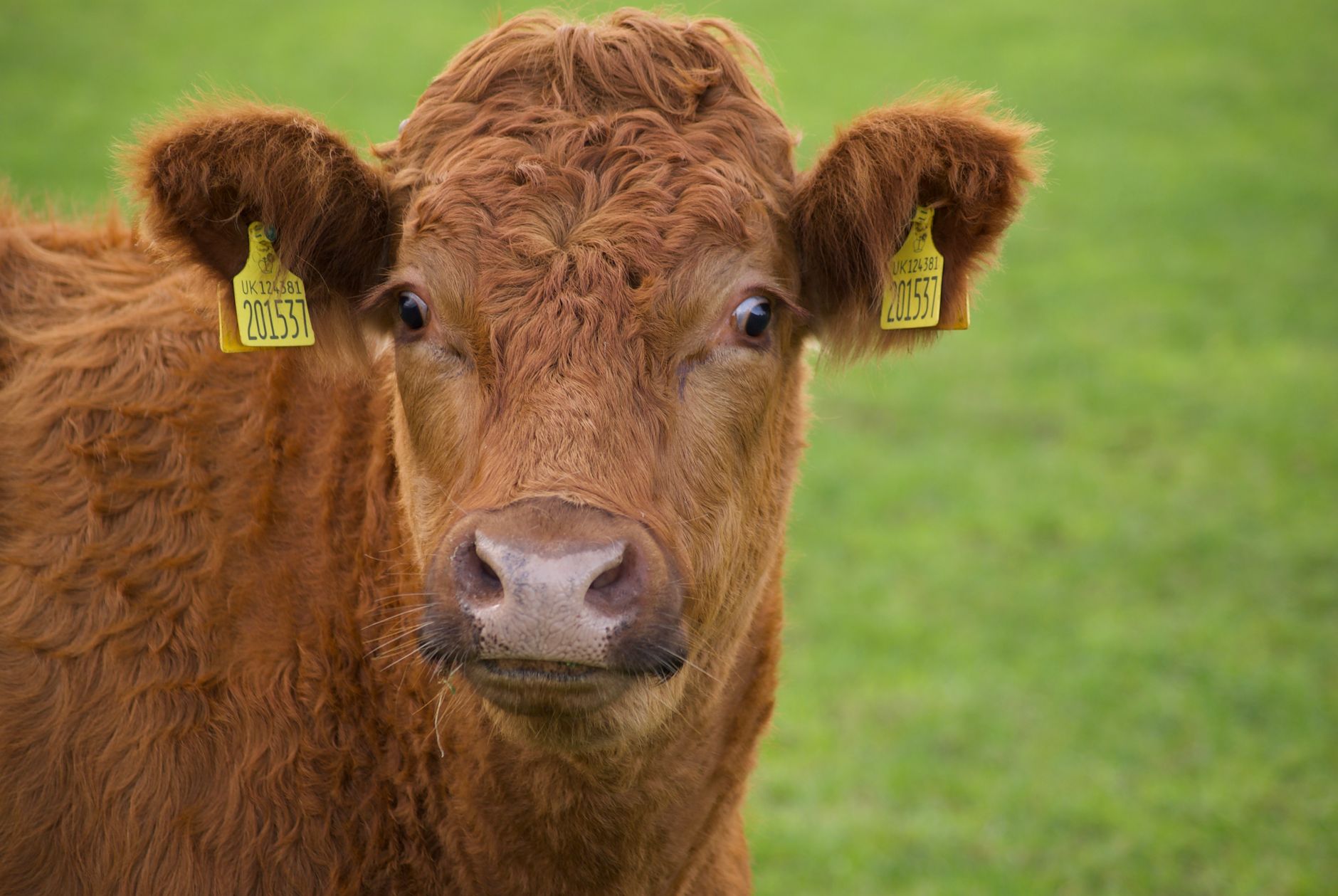
Do Animals Need Passports? EU, US, and UK Rules Explained (2026)
Dogs, cats, and ferrets need official travel documents to cross most borders, but the paperwork isn't the same everywhere. This guide explains the EU pet passport, US health certificates, IATA airline rules, and how they differ from Animal Passport's biometric livestock ID tool.
Read →
Traveling to Canada From the US With a Dog: CFIA and CDC Rules Explained
Traveling to Canada from the US with a dog is simple for most pet owners: a valid rabies vaccination certificate, a border declaration, and no quarantine. Coming back into the US is a separate process under CDC rules that changed in August 2024. Here is what CFIA, CBSA, and CDC actually require, with a checklist and comparison table.
Read →
Pet Movers Explained: How Professional Pet Shipping Services Work
Pet movers are professional shippers who coordinate the paperwork, veterinary steps, and travel logistics required to relocate a dog, cat, or other animal domestically or internationally. Here is how they work, what they cost, and how to check credentials before you book.
Read →
TSA Approved Dog Carrier: What "TSA-Approved" Really Means Before You Fly
"TSA-approved dog carrier" is a marketing phrase, not an official certification. The Transportation Security Administration (TSA) only screens carriers at the checkpoint; the real size and design rules come from your airline and the International Air Transport Association (IATA). Here is what actually matters before you fly.
Read →
American Airlines Pet Policy 2026: Fees, Carrier Rules & Cargo Guide
American Airlines lets small cats and dogs fly in the cabin for $150 each way in an approved carrier, but checked-baggage pet travel is limited to active-duty military and State Department personnel. Here is every rule, fee, and restriction from the airline's own policy, current as of August 2026.
Read →
Do Dogs Need a Passport? EU Pet Passport, PETS Rules Explained
Dogs do not need a human-style passport. Whether you need an EU Pet Passport, Animal Health Certificate, or USDA-endorsed health certificate depends on your residence and destination. As of August 2026, Great Britain residents generally need an AHC—not an EU pet passport—to enter the EU with a dog.
Read →
Canine Quarantine Explained: U.S., UK, Hawai‘i Border Rules
Canine quarantine is mandatory isolation of dogs when rabies vaccination, titer, microchip, or travel documents do not meet destination rules. As of August 2026, CDC may require 28 days, Great Britain up to four months, and Hawai‘i up to 120 days.
Read →
Rabies Titre Test: Requirements, Cost, and Timing Explained
A rabies titre test (RNATT) is a blood test that measures rabies-virus-neutralising antibodies after vaccination, most often required before international pet travel. Regulators generally require a result of at least 0.5 IU/ml, drawn no sooner than 30 days after vaccination, following World Organisation for Animal Health (WOAH) guidance.
Read →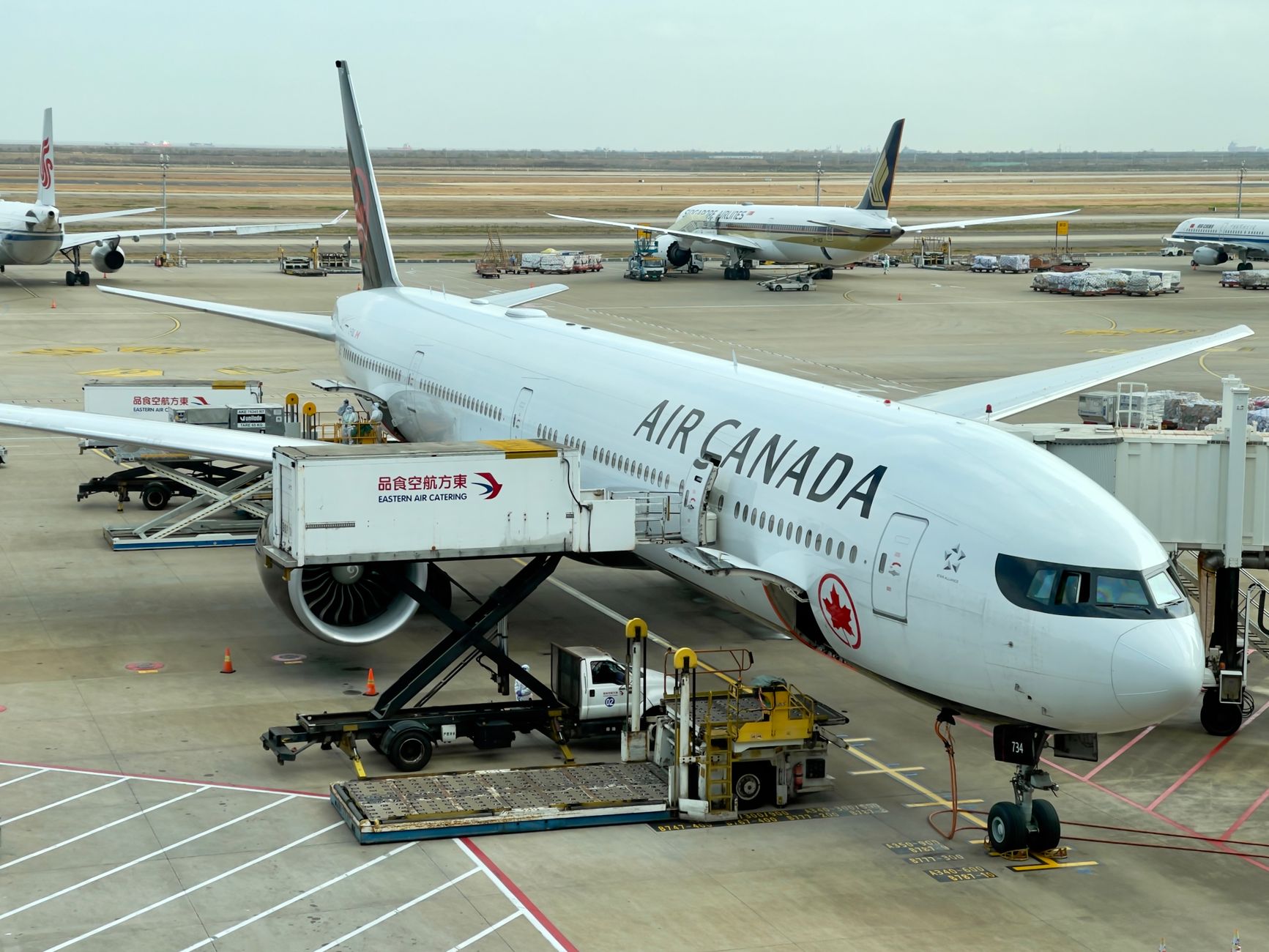
How Much Does It Cost to Fly a Dog Internationally? 2026 Price Guide
Flying a dog internationally typically costs between $200 and $6,000 or more once you add airline fees, a USDA-endorsed health certificate, an IATA-compliant crate, and destination-country paperwork. Here is what each piece actually costs in 2026, airline by airline.
Read →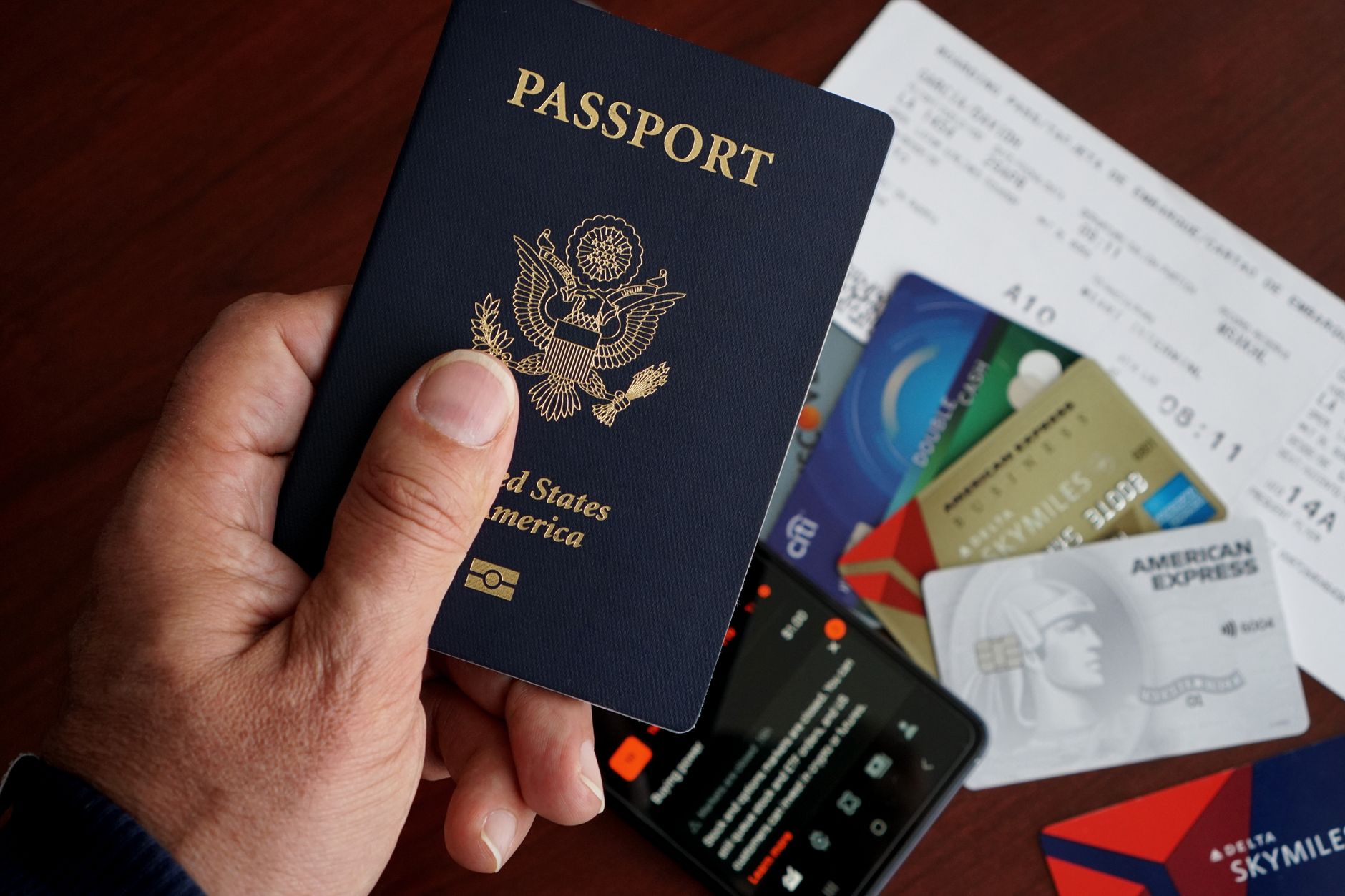
How Do You Get a Dog Passport? EU, UK, and US Rules Explained
A dog passport is a vet-issued travel document, not something you apply for online. Here is exactly how to get one under EU, UK, and US rules, plus how that differs from Animal Passport's biometric livestock identity record.
Read →
Pet Travel Website: The Official USDA APHIS and CDC Resources for 2026
The pet travel website most owners need is APHIS Pet Travel, the U.S. Department of Agriculture's official portal for export health certificates and country requirements — paired with the CDC Dog Import Form for dogs entering the United States. This guide explains how the two systems work together, how they differ from the EU pet passport, and where a biometric ID like Animal Passport fits (and doesn't).
Read →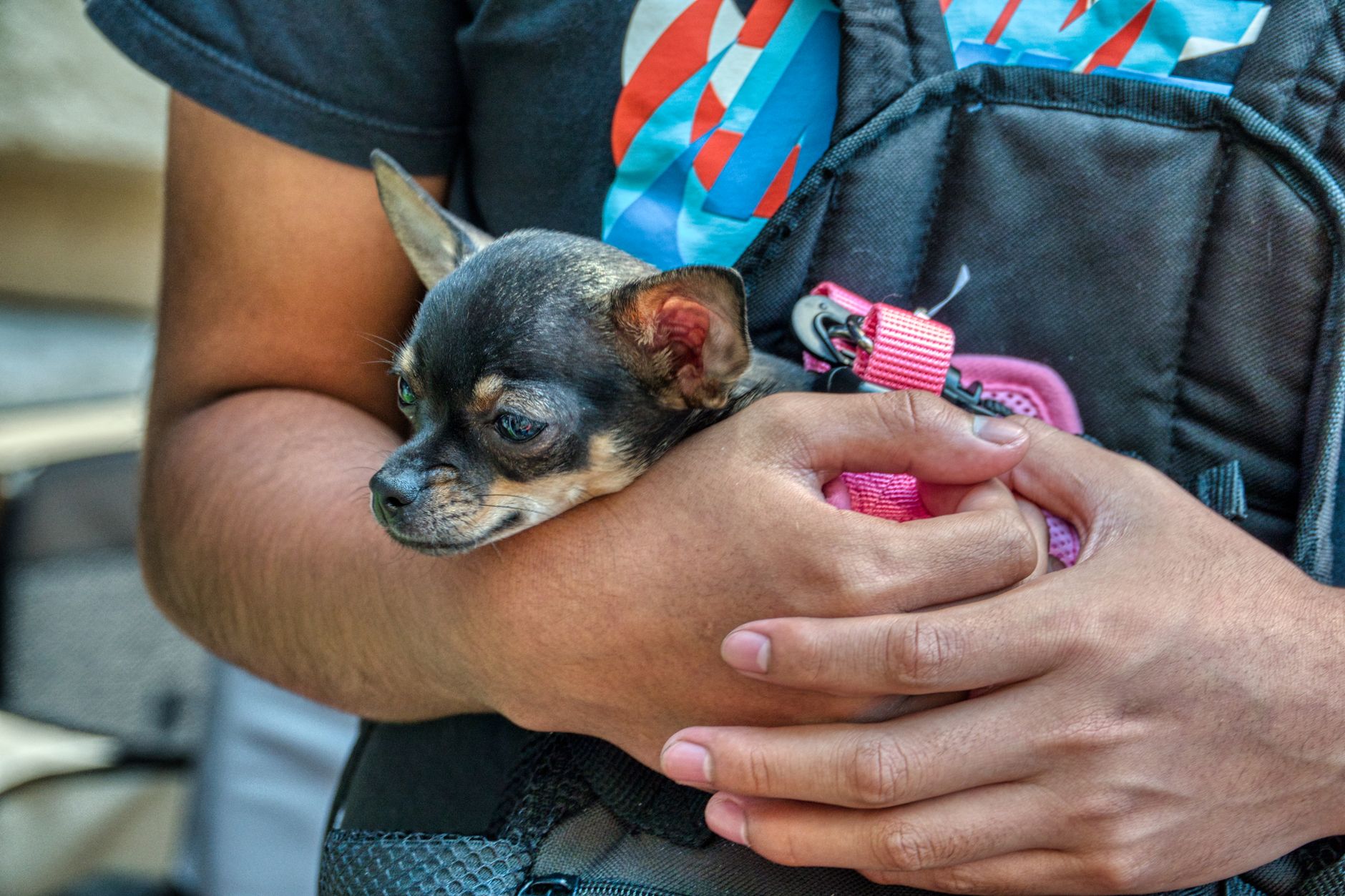
How Do You Fly With a Dog? A Step-by-Step Guide (2026)
Flying with a dog means booking a pet-approved fare, meeting age and carrier rules, clearing TSA screening, and — for international trips — securing the right USDA APHIS or CDC paperwork. Here is the step-by-step process for 2026.
Read →
Pet Moving Services: Costs, Requirements, and How to Choose One (2026 Guide)
Pet moving services coordinate health certificates, airline or ground transport, and customs paperwork so a dog or cat can relocate safely. Here's what they cost in 2026, which rules govern the move, and how to choose one.
Read →
Airline-Approved Cat Carrier: 2026 Size Rules by Airline (IATA, TSA, Delta, United, American, JetBlue, Southwest)
An airline-approved cat carrier is a soft- or hard-sided container that meets an airline's published under-seat dimensions and the International Air Transport Association's ventilation and construction standards. There is no single universal "airline-approved" label — each carrier and each airline sets its own limits, so the same bag can pass on Delta and fail on Southwest.
Read →
United Airlines Pet Travel Policy 2026: Fees, Carriers & Documents
United Airlines lets cats and dogs fly in the cabin for $150 each way in an under-seat carrier, but it has not accepted general-public pets in cargo since 2018. Here is the full 2026 policy, including international document requirements.
Read →
Can Cats Fly on Airplanes? Cabin Rules, Fees, and Documents
Yes, cats can fly on airplanes—usually in an under-seat cabin carrier when airline and route rules allow. As of August 2026, confirm fees, age limits, IATA-fit crates, and CDC, USDA APHIS, or EU health documents before you book.
Read →
American Pet Passport: What U.S. Owners Actually Need for Travel
As of August 2026, the United States does not issue an American pet passport for international travel. U.S. owners instead use destination-specific health certificates endorsed by USDA APHIS, while EU residents rely on the EU Pet Passport—and biometric livestock ID apps are a separate product category.
Read →
Passport for a Cat: EU Pet Passport Rules vs. Digital ID Tools (2026)
A passport for a cat is an official veterinary travel document, not a booklet you apply for yourself. Here's what it legally contains under EU law, what US travelers use instead, and how newer digital identity tools fit alongside it.
Read →
Quarantine Dog: How Long Is Dog Quarantine and When Is It Required?
A quarantine dog is a dog held in isolation by a government authority, usually to confirm it is free of rabies before entering a country or region. Rules vary sharply: the United States can require 28 days, Hawaii up to 120 days, Australia a minimum of 10 days, while the UK and EU allow quarantine-free entry for fully compliant pets. This guide compares the official rules and shows how to avoid quarantine with proper documentation.
Read →
Pet Travel Requirements: USDA APHIS and CDC Rules for Dogs, Cats and Other Pets (2026 Guide)
Pet travel requirements are the government-mandated health certificates, vaccinations, microchips, and forms an animal needs to legally cross a border. In the US, exports run through USDA APHIS-endorsed health certificates while dog imports run through the CDC Dog Import Form — two separate agencies with two separate processes.
Read →
Rabies Titer Test: What It Is, Cost & When You Need One
A rabies titer test measures rabies-neutralizing antibodies after vaccination to confirm protective immunity, most often for international pet travel. Here's how the FAVN and RFFIT tests work, the 0.5 IU/mL threshold, EU and U.S. rules, and how they differ from digital ID tools like Animal Passport.
Read →
Flying With a Dog in Cabin: 2026 Airline Rules, Carrier Sizes & Documents
Flying with a dog in the cabin means the dog rides in an airline-approved carrier under the seat in front of you instead of in cargo. Here's how U.S. airline rules, carrier sizes, fees, and health paperwork compare as of August 2026.
Read →
Pet Shipping Services: Costs, Requirements, and How to Choose One (2026)
Pet shipping services handle flights, health paperwork, and customs for moving a dog, cat, or other animal across the country or overseas. Here's what they cost in 2026, which documents government agencies actually require, and how to check that a shipper is legitimate.
Read →
United Airlines Pet Fee: 2026 Cost, Carrier Rules & Cargo Policy
United Airlines charges $150 each way to bring a small dog, cat, or rabbit in the cabin in an approved carrier. This guide breaks down what the fee covers, who is exempt, and how United's in-cabin policy differs from its suspended PetSafe cargo program and from official government pet-travel documents.
Read →
ESA Dogs on Flights: What U.S. Rules Actually Allow in 2026
As of 2026, U.S. airlines are not required to let emotional support animals fly free in the cabin — a 2021 Department of Transportation rule limits that right to individually trained service dogs. ESA dogs can still travel, but as pets, with fees, carrier limits, and airline-specific rules.
Read →
Bringing a Cat on a Plane: Rules, Fees, and Documents for 2026
Bringing a cat on a plane means flying it in an airline-approved, under-seat carrier for a fee that typically runs $95–$200 each way, after passing TSA screening and meeting any destination health-document rules. Here is what U.S. airlines, TSA, USDA APHIS, and IATA actually require in 2026 — plus how it differs from EU pet passports and livestock ID tools.
Read →
Pet Shipping Cost in 2026: A Complete Price Guide by Method, Airline and Country
Pet shipping cost ranges from about $200 for a short ground trip to $12,000+ for an international move with quarantine. This guide breaks down 2026 prices by method, airline, USDA/CDC fees, and destination, with sourced figures throughout.
Read →
European Pet Passport: EU Rules, Eligibility, and the 2026 Changes Explained
A European pet passport is the EU's standard-model identity document for dogs, cats, and ferrets, but since April 2026 it is only issued to owners who live in an EU member state. Here's who qualifies, what non-EU travellers need instead, and how it differs from biometric livestock ID products like Animal Passport.
Read →
Long-Distance Pet Transport: 2026 Cost, Rules & How to Choose a Service
Long-distance pet transport moves a dog, cat, or other animal across state or national borders using a professional ground or air carrier. This guide covers 2026 pricing, the rules that actually apply, and how to choose a service that keeps your pet safe and identifiable in transit.
Read →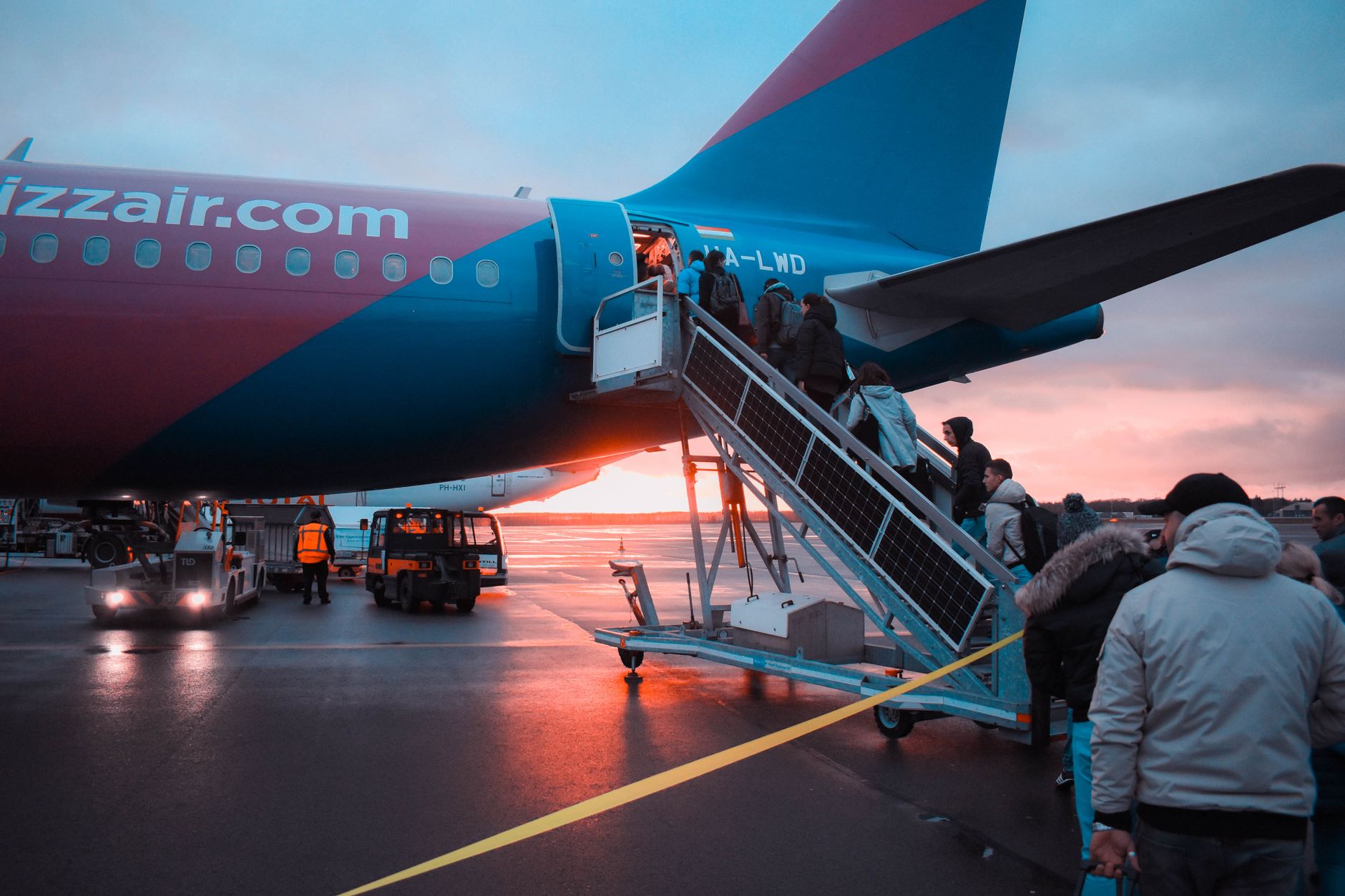
Pet Passport International Travel: The Official Rules for 2026 (EU, UK, US)
A pet passport for international travel is an EU-issued booklet that records a dog, cat, or ferret's microchip, rabies vaccination, and treatment history so it can move between EU and listed countries without quarantine. As of April 22, 2026, only EU residents can be issued one; everyone else needs an animal health certificate. This guide covers the official EU, UK, and US rules, plus how a livestock biometric ID like Animal Passport differs from a travel document.
Read →
CDC Dog Import Form Receipt: What It Is and How to Get One (2026)
A CDC Dog Import Form receipt is the barcoded confirmation email that proves a dog owner completed the U.S. Centers for Disease Control and Prevention's online Dog Import Form. Every dog entering or returning to the United States needs one, and it must be shown to the airline and to U.S. Customs and Border Protection.
Read →
Can You Take a Dog on a Plane? Airline Rules, Fees & Breed Restrictions (2026)
Yes, dogs can fly in the cabin, in the cargo hold, or as a service animal — but the fees, size limits, and breed rules differ by airline. Here is what U.S. and international rules actually require in 2026.
Read →
Airline Dog Carrier Guide: Sizes, Rules, and Airline Requirements (2026)
An airline dog carrier is a soft- or hard-sided pet container built to fit under an airplane seat and meet a specific airline's size, ventilation, and safety rules. Requirements vary by airline and aircraft, so always confirm exact dimensions before you book.
Read →
Southwest Airlines Dog Policy 2026: Fees, Carrier Rules & Requirements
Southwest Airlines allows small, vaccinated dogs at least 8 weeks old to fly in the cabin under the seat for a $125 one-way pet fare, but bans pets on Hawaii mainland and international flights. Here is the official policy, sourced directly from Southwest, plus how it differs from service dog rules and international travel documents.
Read →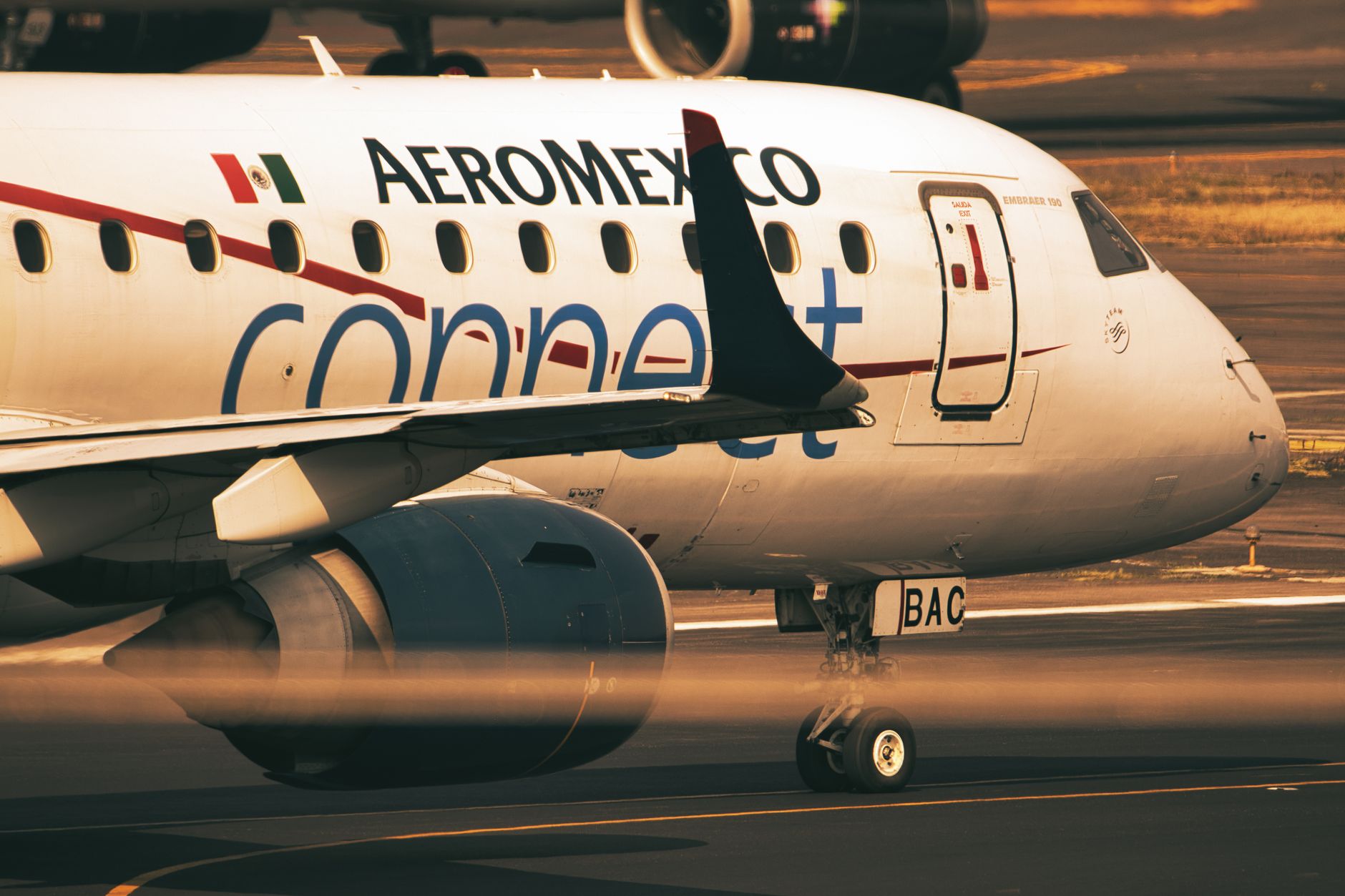
Dog Passport Cost in 2026: EU Fees, UK AHC Prices, and US Endorsement Charges Explained
As of August 2026, dog passport cost is not one fixed fee. EU residents use a lifelong pet passport priced by authorised vets; Great Britain residents generally need a new Animal Health Certificate for each EU trip; Northern Ireland PTDs are free; USDA APHIS publishes U.S. endorsement fees from $101.
Read →
How to Fly With a Cat: Carrier Rules, Airline Fees & Documents (2026)
Flying with a cat means booking a pet spot in advance, using an airline-approved under-seat carrier, and carrying a recent veterinary health certificate. Most U.S. airlines charge $95–$200 each way for an in-cabin cat, and cats face far fewer federal paperwork rules than dogs. Here is the full step-by-step process.
Read →
Pet Transport Cost: 2026 Prices for Domestic, Air & International Shipping
Pet transport cost typically runs $100–$800 for domestic ground or in-cabin air travel and $1,000–$6,000+ for international relocation, depending on pet size, distance, crate, health paperwork, and airline. Here is the full 2026 price breakdown by method, plus the documents that add to your bill.
Read →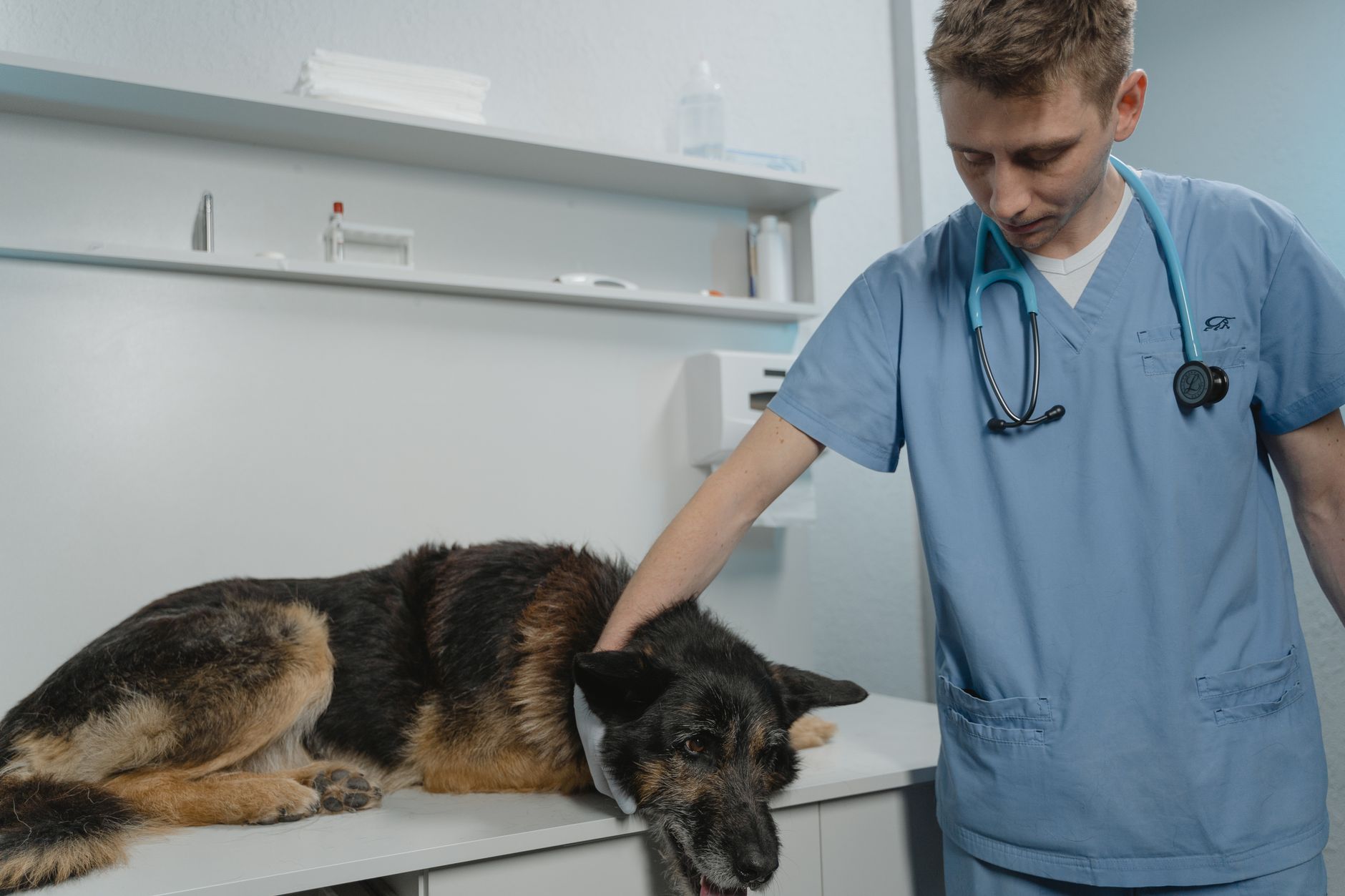
Passports for Pets: What They Are, Who Issues Them, and How Rules Differ by Country
Passports for pets usually means the EU pet passport, an official travel document for dogs, cats, and ferrets — a different thing from Animal Passport's biometric livestock identity product. Here's how each actually works, sourced from GOV.UK, the European Commission, and IATA.
Read →
Pet Passports Explained: EU Rules, PETS Scheme & What Changed in 2026
A pet passport is an official EU document that records a dog, cat or ferret's microchip and rabies vaccination history for travel between EU countries. As of 22 April 2026, new EU rules restrict pet passports to EU residents; UK residents now need an Animal Health Certificate instead. This guide covers eligibility, the difference from a health certificate, and how a livestock biometric ID product like Animal Passport fits a separate, non-official use case.
Read →
Pet Transfer Service: How Pet Shipping & Relocation Actually Works
A pet transfer service coordinates the safe movement of a dog, cat, or other companion animal between homes, cities, or countries, managing IATA-compliant crates, veterinary paperwork, and airline or ground logistics on the owner's behalf. This guide explains how the process works, what USDA APHIS and the European Commission actually require, and how it differs from a livestock biometric ID like Animal Passport.
Read →
USDA Traveling With Pets: What APHIS and CDC Actually Require in 2026
“USDA traveling with pets” covers three separate rulebooks: USDA APHIS export certificates for leaving the country, CDC entry rules for dogs coming back, and state health certificates for interstate trips. Here's who regulates what, in plain language, with the official sources.
Read →
Dog Flight Rules 2026: Flying With Dogs Explained
A dog flight involves three separate rulebooks: the airline's cabin/cargo policy, government export-import paperwork, and (for the EU) pet passport rules. Here is how they fit together, with fees, forms, and named sources for 2026.
Read →
Cat Carrier for Airplane Travel: Sizes, Rules, and How to Choose One
A cat carrier for airplane travel is a soft-sided, ventilated, leak-proof container that fits fully under the seat in front of you and meets both your airline's dimensions and the security checkpoint's screening process. Requirements differ slightly by carrier and country, so this guide compares the official rules from Delta, United, American, IATA, and TSA in one place.
Read →
Delta Airlines Animal Policy 2026: Pets, Service Animals & Cargo Rules
Delta's animal policy splits into three tracks: paid in-cabin pets (dogs, cats, household birds under 18×11×11 inches), free trained service animals cleared through a DOT form, and a checked-cargo pet embargo with no announced end date. Here's what each track actually requires, sourced directly from Delta and IATA.
Read →
Dog Passport USA: What USDA APHIS and CDC Require in 2026
As of August 2026, the United States does not issue a dog passport. USDA APHIS uses destination-specific health certificates for export; CDC Dog Import Form and rabies-risk rules govern dogs entering or returning to the U.S.
Read →
Can You Bring Cats on a Plane? Rules, Costs, and Documents for 2026
Yes, most airlines let cats fly in the cabin in an approved carrier for a fee, or in the cargo hold on longer routes. Here's what the International Air Transport Association (IATA), individual airlines, the Transportation Security Administration (TSA), and USDA APHIS actually require in 2026.
Read →
How to Get a Dog Passport: EU Pet Passport Steps and Alternatives (2026)
A dog passport, formally the EU pet passport, is a lifelong document issued free by an authorized veterinarian to dogs that are microchipped, at least 12 weeks old, and vaccinated against rabies — but only if the owner's main home is in the EU. This guide walks through the exact steps, costs, and the different document you need if you live in the UK or US.
Read →
How Much Does Flying a Dog Cost? 2026 Airline Fees & Full Breakdown
Flying a dog costs $95 to $200 one-way in the cabin on most U.S. airlines, $200 to $700+ in cargo where still offered, and $1,500 to $12,000+ for international relocation once vet exams, USDA paperwork, crates, and destination quarantine are included.
Read →
How Can I Ship a Dog? A Step-by-Step Guide to Air, Ground, and International Pet Transport
Shipping a dog means choosing between an airline's in-cabin, checked, or cargo-hold service, or a professional IPATA-listed pet shipper, then meeting USDA APHIS, CDC, and IATA requirements for health paperwork, crates, and age. Here is the step-by-step process, current airline options, and realistic costs as of August 2026.
Read →
How to Obtain a Pet Passport: EU, UK, and USDA Rules Explained
A pet passport is an official travel document, issued only by an authorized veterinarian in an EU country, that records a dog's, cat's, or ferret's microchip number and rabies vaccination history. Here is exactly who can issue one, what it requires, and how the rules differ if you live outside the EU.
Read →
USDA Pet Travel Certificate: APHIS Form 7001 Explained
A USDA pet travel certificate is APHIS Form 7001, a veterinary health certificate a USDA-accredited vet completes and USDA APHIS may endorse before a pet crosses state lines or leaves the country. Here's how it works, what it costs, and how it differs from CDC's dog-entry rules and the EU pet passport.
Read →
Dog Airplane Travel: Cabin, Cargo, and Documentation Rules for 2026
A dog on an airplane can travel in the cabin under the seat, as checked cargo in the hold, or as manifest cargo, depending on size, breed, and airline. This guide breaks down the official carrier, health, and paperwork rules from TSA, CDC, USDA APHIS, and IATA so you know exactly what to prepare before your flight.
Read →
Cat Airline Travel Carrier Guide: Sizes, Rules & Fees (2026)
A cat airline travel carrier is a ventilated, leak-proof container sized to fit under an airplane seat, built to the IATA Live Animals Regulations standard that most carriers must meet before an airline lets your cat fly in the cabin. This guide compares 2026 size limits across major U.S. airlines, explains health-certificate rules, and covers TSA screening and stress reduction.
Read →
Delta Airlines Pet Travel: 2026 Rules, Fees, Carrier Sizes & Documents
Delta Air Lines allows small dogs, cats, and household birds in the cabin for a fee, but cargo shipping is paused for most travelers and several countries don't allow in-cabin pets at all. Here is the official 2026 policy, the federal paperwork behind it, and how it differs from a digital animal ID like Animal Passport.
Read →
Can Emotional Support Dogs Fly on Airplanes? 2026 Rules
As of August 2026, emotional support dogs generally cannot fly free in the cabin on U.S. airlines. Under the U.S. Department of Transportation’s Air Carrier Access Act rule effective January 11, 2021, carriers may treat emotional support animals as pets. Trained psychiatric service dogs remain covered as service animals.
Read →
How to Get a Puppy Passport: EU Pet Passport Steps for 2026
How to get a puppy passport in August 2026: microchip, rabies at 12+ weeks, 21-day wait, then an EU pet passport or animal health certificate—separate from Animal Passport biometric livestock ID.
Read →
Can Cats Fly on Planes? Cabin Rules, Fees, and Documents
As of August 2026, cats can fly on planes when they meet airline size, age, and kennel rules—usually in a soft carrier under the seat. International trips add destination health papers that are separate from Animal Passport’s biometric livestock ID product.
Read →
Plane Tickets for Dogs: Prices by Airline and Travel Method (2026)
Plane tickets for dogs cost $95 to $200 each way for a small dog riding in-cabin on a U.S. airline, $150 or more for checked/cargo travel, and $1,000 to $10,000+ for international relocation through a professional pet shipper. This guide breaks down 2026 fees by airline, plus the official paperwork rules from USDA APHIS and the EU, and shows where Animal Passport's biometric livestock ID fits (and where it doesn't).
Read →
Cat Passport USA: What It Actually Means (There's No Official One)
The United States does not issue an official "cat passport." Here's what U.S. cat owners actually need for domestic and international travel, how the process compares to the EU pet passport, and where a biometric identity record like Animal Passport fits in.
Read →
Cat Shipping Service: How It Works, What It Costs, and How to Choose One (2026 Guide)
A cat shipping service is a professional company that arranges crate-compliant, regulation-compliant transport for a cat by air or ground, handling paperwork, airline booking, and door-to-door logistics on the owner's behalf.
Read →
APHIS USDA Pet Travel: What It Regulates and How the Process Works
USDA APHIS pet travel rules govern export health certificates for pets leaving the U.S. — not interstate moves, airline rules, or dogs re-entering the country. Here's exactly what APHIS regulates, how the certificate process works, current endorsement fees, and where CDC and state rules take over.
Read →
Can Dogs Fly on Airplanes? Cabin, Cargo & Service Dog Rules Explained
Dogs can fly on airplanes as in-cabin pets, cargo-hold pets, or trained service animals, but each path has different size, breed, health-certificate, and cost rules set by airlines, IATA, and government agencies.
Read →
Pet Carriers for Cats: How to Choose a Safe, Airline-Compliant Carrier
A pet carrier for cats is a ventilated, enclosed container used to transport a cat safely by car, on foot, or by air. This guide covers sizing rules, hard-sided vs. soft-sided tradeoffs, IATA and TSA requirements, and what independent crash tests show about carrier safety.
Read →
Southwest Pet Carrier Size: Official Dimensions, Fees & Rules (2026)
Southwest Airlines caps in-cabin pet carriers at 18.5 x 13.5 x 8.5 inches so they fit under the seat. Here is the official 2026 breakdown of sizing, fees, carrier limits per flight, and how Southwest's pet rules differ from government travel documents.
Read →
Southwest Airlines Animal Policy: Fees, Carriers, and Service Dogs (2026)
As of August 2026, Southwest Airlines animal policy allows small vaccinated cats and dogs in cabin for a Pet Fare, bars cargo and most Hawaii/international pet trips, and accepts trained service dogs with a DOT form—not emotional support animals as service animals.
Read →
Can You Take Cats on Airplanes? 2026 Rules, Costs & Carrier Sizes
Yes, you can take cats on airplanes — most major airlines allow cats to fly in the cabin inside an approved carrier that fits under the seat. This guide covers IATA's 2026 in-cabin pet guidelines, carrier sizes, fees, health certificates, and how EU/UK pet travel documents differ from Animal Passport's livestock biometric ID.
Read →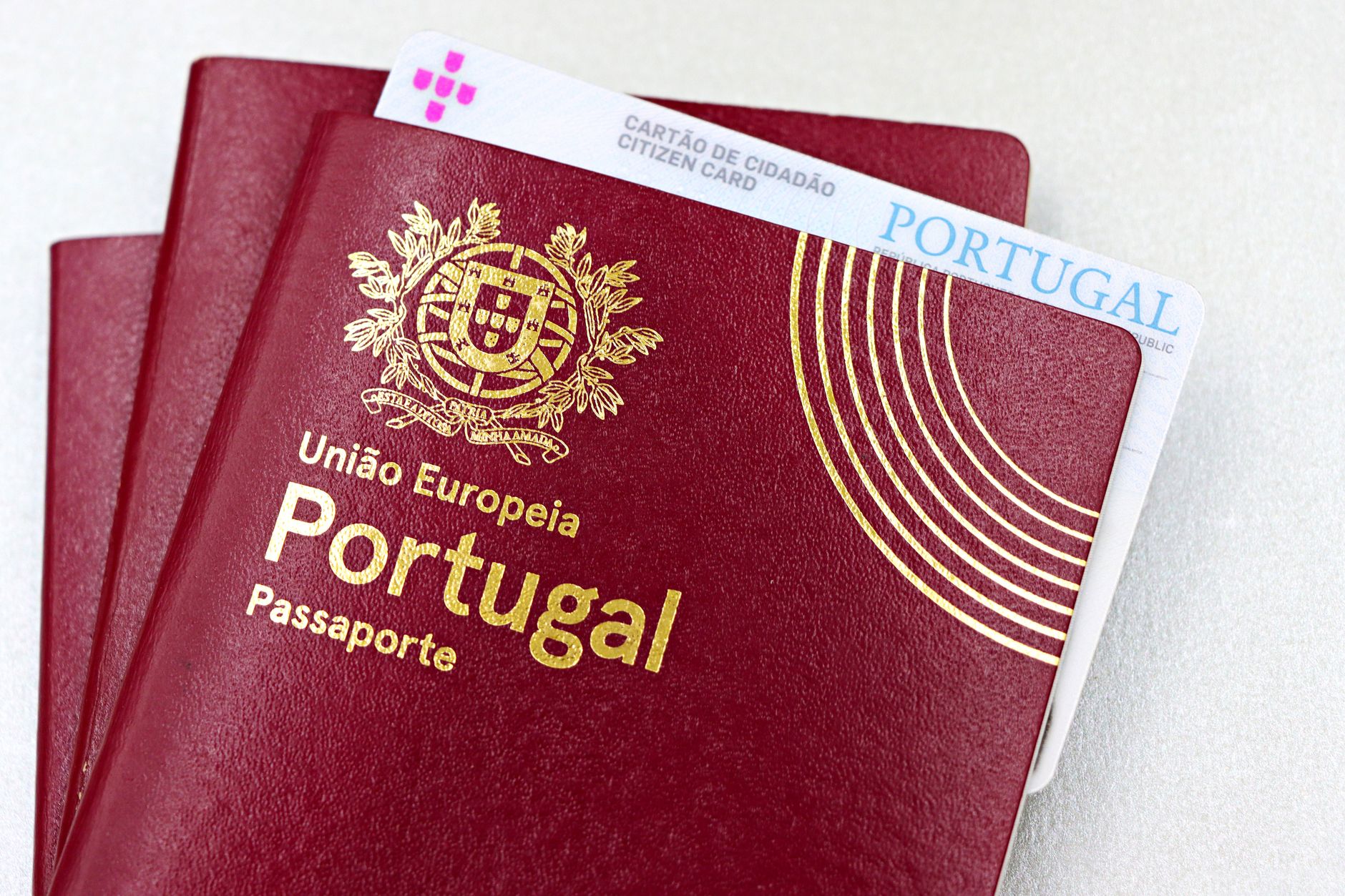
United States Pet Passport: What Actually Exists in 2026
There is no official United States pet passport. The U.S. government issues veterinary health certificates through USDA APHIS for outbound travel and requires a CDC Dog Import Form for dogs entering the country — a different system from the EU's lifelong pet passport booklet.
Read →
Pet Shipping Cost Calculator: What It Really Costs to Ship a Pet in 2026
A pet shipping cost calculator estimates what it costs to move a dog or cat by ground, air cargo, or in-cabin, typically $200–$1,200 domestically and $1,000–$6,000+ internationally. This guide breaks down every line item — transport, health certificates, and crates — with figures sourced from USDA APHIS, the European Commission, IATA, and pet transport industry data.
Read →
Do I Need a Pet Passport? EU, UK, and US Travel Rules Explained (2026)
Whether you need a pet passport depends on your residency and route. EU residents need an EU pet passport; non-EU travelers, including US and UK owners, need an Animal Health Certificate instead. Here's the 2026 breakdown by country, plus how this differs from a livestock biometric passport.
Read →
Can You Ship a Pet? Rules for Air Cargo, Mail, and Relocation Services (2026)
Yes, you can ship a pet, but not through the mail. Dogs and cats travel legally only via airline pet programs, IATA-compliant cargo, or licensed ground transporters, each governed by different USDA, CDC, and airline rules.
Read →
CDC Dog Import Form PDF: How to Find, Fill Out, and Print It (2026 Guide)
People searching for a "CDC dog import form pdf" usually expect a document to print and fill out by hand. In reality, the Centers for Disease Control and Prevention (CDC) requires an online submission that produces a PDF-style receipt. Here is exactly what that form is, who needs it, how to complete it, and what other paperwork applies for dogs coming from high-risk rabies countries.
Read →
How to Take a Dog on a Plane: A Step-by-Step Guide (2026)
Taking a dog on a plane means picking cabin or cargo, meeting your airline's carrier and health rules, and carrying the right paperwork. Here's the step-by-step process, current airline fees, and how international rules differ from a US domestic flight.
Read →
Delta Dog Policy 2026: In-Cabin Fees, Carrier Rules, and the Cargo Embargo Explained
Delta Air Lines' dog policy allows small dogs in the cabin for a fee, bans checked-baggage pet shipping for the general public, and requires CDC entry paperwork for dogs arriving in the U.S. Here is what Delta's own pages and federal agencies actually say.
Read →
Airline-Approved Dog Carrier: IATA Rules, Size Charts & What "Approved" Really Means (2026)
There is no single certification called "airline approved." An airline-approved dog carrier is one that meets the International Air Transport Association's Container Requirement 1 (CR1) standards and the specific size, weight, and ventilation rules of the airline you are flying, since IATA itself does not certify individual products.
Read →
How Much Is a Doggy Passport? Costs by Country (2026)
As of August 2026, a doggy passport’s price depends on residence and destination: EU pet passports have no Union-wide fee, Great Britain travellers usually need a new Animal Health Certificate each EU trip, and USDA APHIS endorsements start at $101—separate from Animal Passport’s biometric livestock ID product.
Read →
How Much Is It to Fly a Cat? 2026 Airline Fees Explained
As of August 2026, flying a cat in a U.S. airline cabin usually costs about $99–$150 each way in pet fees, before carrier, vet, and USDA paperwork. Here’s how major carriers price cats and how to budget the full trip.
Read →
How Much Does It Cost to Fly a Cat? A 2026 Price Breakdown
Flying a cat costs $99-$150 each way in the cabin and $275 or more in cargo, before vet exams, USDA endorsement fees, and destination-country rules are added. Here is the full 2026 cost breakdown, an airline fee comparison, and how it differs from the EU pet passport.
Read →
European Union Pet Passport: 2026 Rules, Eligibility, and Requirements
As of April 22, 2026, the European Union pet passport is issued only to owners who habitually reside in an EU member state, under Commission Delegated Regulation (EU) 2026/131. Here is what the document covers, who qualifies, and how it differs from an Animal Health Certificate.
Read →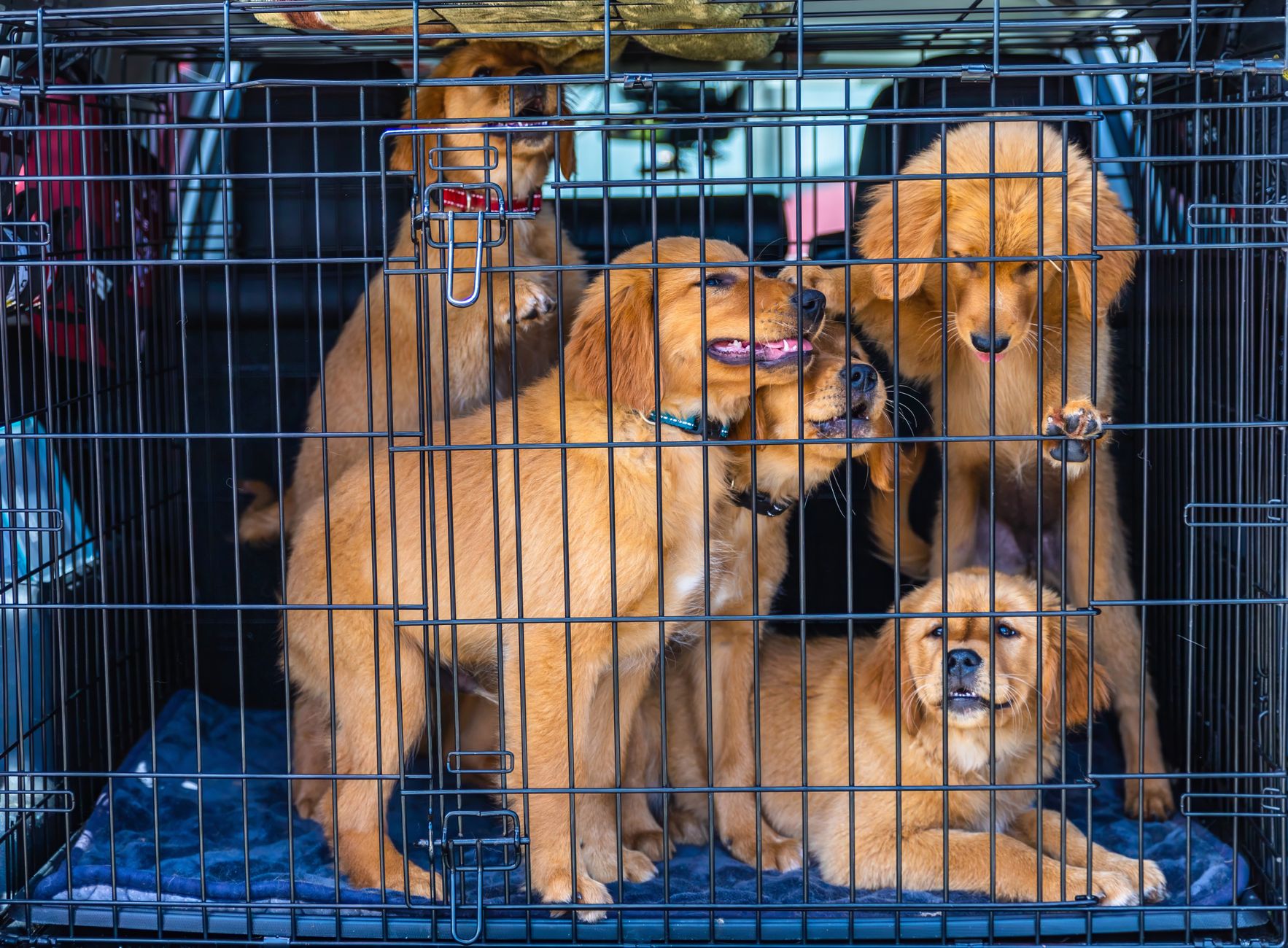
Can Dogs Have Passports? EU, US, and Airline Rules Explained (2026)
Yes, dogs can have official passports, but only in the European Union, and the rules changed in April 2026. Here is what an EU pet passport actually proves, how US and airline rules differ, and how a livestock passport differs from a travel document.
Read →
Best Pet Shipping Companies in 2026: How to Choose a Safe, Credentialed Pet Shipper
The best pet shipping companies are IPATA-member firms whose staff register with the USDA and follow IATA's Live Animals Regulations. This guide compares top-rated pet movers, average costs, required paperwork, and how to spot a scam before you book.
Read →
CVI Health Certificate: What It Is, Who Issues It, and When You Need One (2026 Guide)
A CVI health certificate — Certificate of Veterinary Inspection — is the official USDA-linked document a licensed, accredited veterinarian issues to certify an animal is healthy enough to travel between states or countries. This guide explains who issues it, how long it lasts, what it costs, and how it differs from an EU pet passport.
Read →
How to Fly With a Large Dog: Airline Rules, Crates, and Costs (2026)
Most large dogs are too big for the cabin and must travel as checked cargo or air freight in a rigid, IATA-compliant crate. Here's how airline pet cargo actually works in 2026, airline by airline, plus the paperwork you need before you fly.
Read →
Cat Carrier Flight Rules: Airline Requirements, TSA Screening, and Documents You Need
Flying with a cat means choosing a soft-sided, ventilated carrier that fits under the seat, budgeting $150 to $200 in airline fees, and knowing how TSA screening and international paperwork actually work.
Read →
Southwest Airlines Pet Fee 2026: Cost, Carrier Rules & Booking Steps
Southwest Airlines charges a $125 one-way Pet Fare per carrier for small cats and dogs flying in the cabin on U.S. mainland routes, according to Southwest's official Optional Travel Charges page. This guide covers the exact fee, carrier size rules, booking steps, and how it compares to other low-cost carriers.
Read →
EU Dog Passport Explained: Rules, Documents and 2026 Changes
An EU dog passport is the European pet passport used for non-commercial dog travel under EU animal-health rules. As of August 2026, it is mainly for EU-resident owners; many non-EU and Great Britain travellers need an animal health certificate instead.
Read →
Door to Door Pet Transport: How It Works, Rules, and Costs
Door to door pet transport picks up your pet at one address and delivers to another under a coordinated plan. Learn ground vs air options, USDA APHIS and IATA requirements, and how official travel documents differ from biometric animal ID.
Read →
Do Pets Need Passports? Official Travel Rules Explained
As of August 2026, pets need a European pet passport mainly for EU-resident owners travelling with dogs, cats, or ferrets within the EU. Most U.S. and Great Britain travellers need animal health certificates instead—not a U.S. or private “pet passport.”
Read →
Veterinary Health Certificate: USDA APHIS and CDC Forms Explained
A veterinary health certificate is a veterinarian-issued official record of an animal’s health, identity, and required tests for movement. As of August 2026, USDA APHIS endorses many U.S. export certificates, while CDC controls dog entry paperwork—separate from private biometric ID tools like Animal Passport.
Read →
Can You Bring a Dog on a Plane? Cabin, Cargo & Rules
Yes, you can bring a dog on a plane when your airline accepts pets and your dog meets carrier size, age, fee, and entry-document rules. This August 2026 guide covers cabin vs. cargo, TSA screening, CDC U.S. entry, airline examples, and how official EU pet passports differ from Animal Passport’s biometric livestock ID.
Read →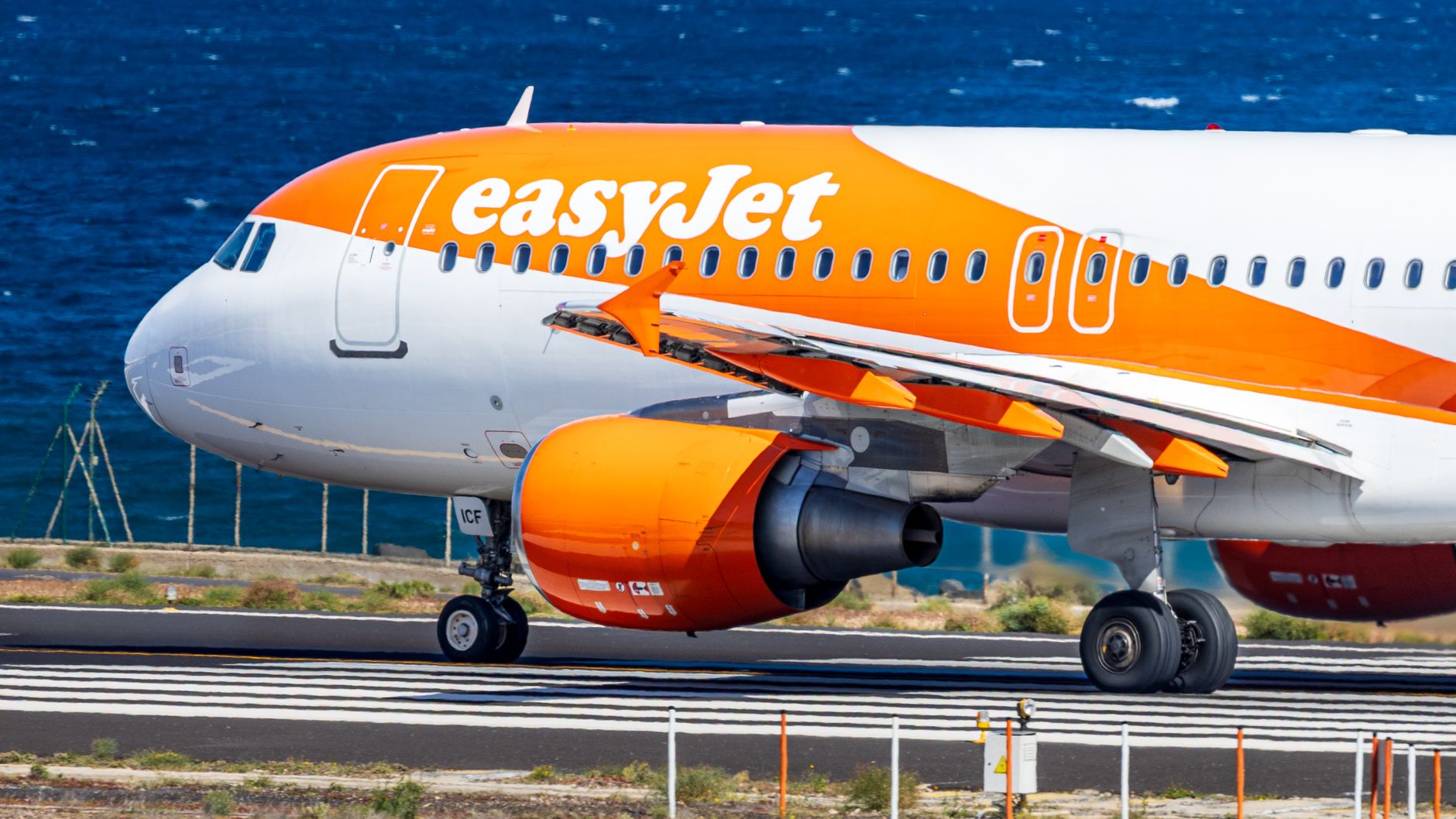
TSA Approved Cat Carrier: What the Label Really Means for Flying Cats
“TSA approved cat carrier” is marketing language, not a federal product certification. TSA requires you to remove your cat so the empty carrier can be X-rayed; airlines set under-seat dimensions, soft-sided preferences, ventilation rules, and fees. This guide compares official 2026 policies and separates carrier gear from USDA health certificates and digital animal ID.
Read →
American Airlines Dog Policy: Cabin Fees, Cargo Rules, Service Dogs
As of August 2026, American Airlines dog policy allows eligible small dogs in the cabin for $150 per kennel, limits ticket-counter checked pets to active-duty military and State Department travelers, and routes other dogs through American PetEmbark® cargo—with separate CDC and DOT rules for U.S. entry and service dogs.
Read →
FedEx Pet Shipping Cost: Why FedEx Won't Ship Your Dog or Cat (2026 Guide)
There is no official FedEx pet shipping cost because FedEx does not ship household pets at all. Here's what FedEx actually accepts, what it costs to move a dog or cat through real pet-transport channels, and how to keep your animal's records straight along the way.
Read →
CVI Form for Dogs: What a Certificate of Veterinary Inspection Is and How to Get One (2026)
A CVI form for dogs — the Certificate of Veterinary Inspection — is the official document a USDA-accredited veterinarian issues to certify a dog is healthy enough to travel across state lines or internationally. This guide covers who can issue one, how long it lasts, state-by-state rules, and how it differs from CDC import forms and EU pet passports.
Read →
Best Pet Transportation Services: How to Choose a Safe, Legal Pet Shipper
The best pet transportation services are professional pet shippers who are members of the International Pet and Animal Transportation Association (IPATA), follow the IATA Live Animals Regulations, and can arrange the USDA-accredited veterinary health certificate your destination requires. This guide compares ground and air options, real 2026 costs, and the official rules — and explains where a digital livestock ID differs from a pet travel document.
Read →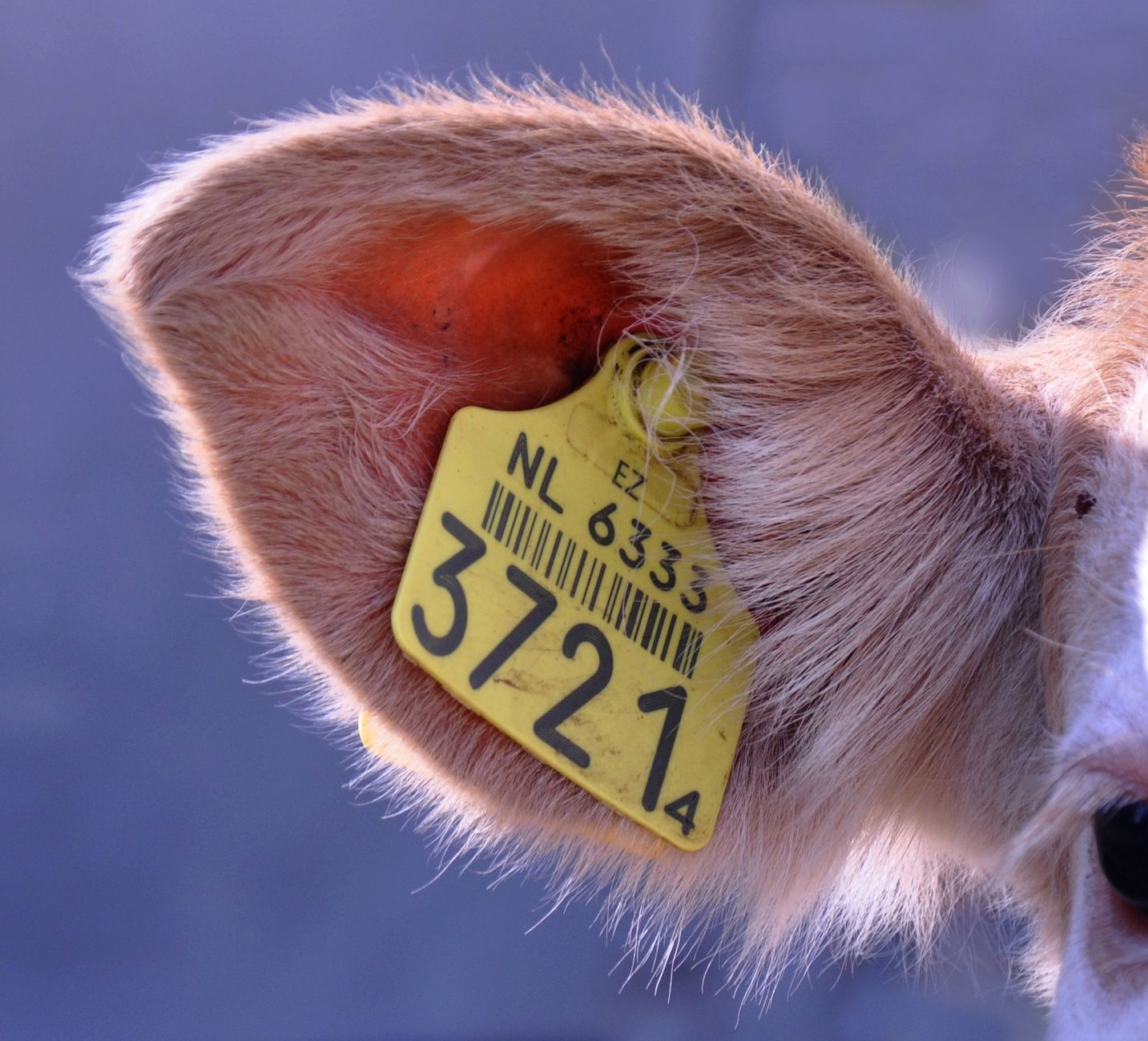
Animal Passport USA: What It Means for Pets and Livestock (2026 Guide)
The United States does not issue a government "animal passport." For pet travel abroad, Americans use a USDA APHIS-endorsed health certificate; for livestock, USDA tracks disease risk with ear tags. Animal Passport is a separate, privately built biometric ID product for livestock and companion animals — not a substitute for either official system.
Read →
Dogs on Flights: Airline Rules, Health Certificates & Documents Explained
Flying with a dog means navigating three separate rulebooks: the airline's cabin/cargo policy, government health paperwork, and (for service dogs only) federal accessibility law. Here's how each one actually works, sourced from IATA, the European Commission, and airline policy pages.
Read →
Small Cat Carrier: The Complete Size Guide and Airline Rules for 2026
A small cat carrier is a rigid or soft-sided pet container typically 15 to 18 inches long, built for cats up to about 15 pounds. This guide covers exact sizing math, the 18x11x11-inch in-cabin airline standard, and how to make the carrier stress-free.
Read →
Southwest Air Pet Carrier Rules: Size, Fees & Booking Steps (2026)
A Southwest air pet carrier must meet Southwest Airlines' size, ventilation, and under-seat rules for a small cat or dog to fly in the cabin. Here is the official carrier size chart, the current pet fare, and the booking steps, plus how a carrier differs from a travel document like the EU pet passport.
Read →
Can Cats Fly? Cabin, Cargo, and Pet Travel Rules Explained
Yes, cats can fly on commercial airlines when they meet airline, container, and destination rules. This guide explains cabin versus cargo travel, official health documents, and how EU pet passports differ from biometric livestock ID.
Read →
Cat Pet Passport: EU Rules, UK PETS Scheme, and What Travellers Need in 2026
As of August 2026, a cat pet passport is the European Union’s official travel identification document for cats (and dogs and ferrets) whose owners habitually reside in the EU. This guide summarises microchip and rabies rules, Animal Health Certificates for non-EU travellers, the UK Pet Travel Scheme (PETS), and how Animal Passport’s biometric livestock product differs from government travel papers.
Read →
Pet Travel USDA Requirements: APHIS Certificates, Fees, and CDC Rules
As of August 2026, pet travel USDA means using a USDA-accredited veterinarian and, when required, APHIS endorsement of a country-specific health certificate—while CDC controls most dog re-entry rules into the United States.
Read →
How Much Is It to Fly a Dog? 2026 Airline Fees and Real Costs
As of August 2026, flying a small dog in a U.S. airline cabin typically costs about $100–$150 each way in pet fees (Delta $150 domestic/$200 international; American $150; Southwest $125 mainland; Alaska $100–$200), plus carrier, vet, and possible USDA APHIS endorsement fees.
Read →
Can Dogs Fly on Planes? Cabin Rules, Fees, and Documents (2026)
Yes—most small dogs can fly in the cabin in an under-seat carrier; service dogs follow DOT rules; cargo options are limited. As of August 2026, airline policies plus CDC and destination health certificates decide eligibility.
Read →
Pet Carriers for Cats: Soft vs Hard, Sizing, and Airline Rules
A practical, source-backed guide to pet carriers for cats—how to size them, compare soft and hard designs, and meet IATA and major U.S. airline cabin rules as of August 2026.
Read →
Southwest Dog Policy 2026: Fees, Carrier Rules & Requirements
Southwest Airlines' dog policy allows small, vaccinated dogs to fly in the cabin for $125 each way on U.S. mainland routes. Here is the official 2026 breakdown of fees, carrier sizing, booking steps, service-dog rules, and how a pet ID differs from an airline requirement.
Read →
How Much Do Pet Transport Services Cost? 2026 Price Guide
Pet transport services typically cost between $250 and $5,000 or more, depending on distance, transport method, and how much hands-on support you need. This guide breaks down ground shipping, airline pet fees, USDA paperwork costs, and full-service relocation pricing using figures from official sources and licensed transporters.
Read →
Flying With Your Cat: Airline, IATA and EU Pet Passport Rules Explained
Flying with your cat means satisfying three separate rulebooks at once: your airline's cabin policy, IATA's container standard, and, for EU entry, a pet passport or Animal Health Certificate. Here is what each actually requires as of August 2026.
Read →
Dog Shipping Services: Costs, Rules, and How to Ship a Dog Safely (2026 Guide)
A 2026 guide to dog shipping services: what they cost by method (in-cabin, cargo, ground, flight nanny), who regulates them (USDA APHIS, IATA, IPATA), how to spot scams, and how digital identity tools like Animal Passport help you prove ownership if a dog goes missing in transit.
Read →
CDC Import Form: What It Is and How to Complete It Before Bringing a Dog Into the U.S.
The CDC import form — officially the CDC Dog Import Form — is a free online submission the Centers for Disease Control and Prevention has required for every dog entering the United States since August 1, 2024. Here's who needs one, what it costs, and how the rules change for dogs coming from high-risk rabies countries.
Read →
Flight Dogs: The Complete 2026 Guide to Flying With Dogs
"Flight dogs" covers every dog that travels by air — pets in the cabin or cargo hold, and trained service dogs protected by federal law. This guide breaks down IATA, DOT, USDA, and airline rules so you know exactly what your dog needs before takeoff.
Read →
Dog Airline Carrier: Sizes, Rules, and How to Choose One (2026 Guide)
A dog airline carrier is a ventilated, leak-proof container that lets a small dog fly in the cabin under the seat in front of a passenger. Airlines and the International Air Transport Association (IATA) each set size, ventilation, and behavior rules, and they don't all match — this guide compares them and explains how to choose a carrier that clears every checkpoint.
Read →
Delta Airlines Pet Fee 2026: Cost, Rules & Booking
Delta Air Lines charges $150 each way to fly a small dog, cat, or household bird in the cabin on U.S. and Canada routes, and $200 each way internationally, effective for tickets issued on or after April 8, 2025. Here's the full breakdown of fees, carrier rules, restricted routes, and booking steps, straight from Delta's official pet travel page.
Read →
Pets Travelling Overseas: USDA, APHIS, and CDC Forms Explained
Pets travelling overseas from the U.S. require destination-specific USDA-endorsed health certificates—not a U.S. pet passport. This guide covers APHIS export steps, CDC dog re-entry forms, endorsement fees, and how they differ from EU passports and Animal Passport biometric ID.
Read →
Puppy Passport US: EU Pet Travel Rules, Documents, and What Actually Applies
The United States does not issue a puppy passport. US owners traveling to the EU need a USDA-endorsed EU animal health certificate—not an EU pet passport—plus microchip and rabies compliance. Puppies under six months cannot re-enter the US.
Read →
Cat Flight: How to Fly With Your Cat Safely (2026 Guide)
Cat flight means transporting your cat by air in cabin, hold, or cargo. Learn IATA container rules, destination health documents, airline fees, and how Animal Passport differs from an EU pet passport.
Read →
How to Get a Pet Passport: Step-by-Step Guide for EU, UK, and US Owners (2026)
Getting a pet passport depends on where you live. EU residents can obtain a lifelong EU pet passport from an authorised veterinarian after microchipping and rabies vaccination. UK residents in Great Britain need an Animal Health Certificate per trip, and the United States has no national pet passport at all.
Read →
Flight Dog: How to Fly With Your Dog (Airline Rules, Documents & Tips)
A flight dog travels by commercial aircraft in the cabin or cargo hold. This guide covers airline pet policies, government health documents, IATA carrier standards, and how Animal Passport differs from official travel paperwork.
Read →
Airline Approved Pet Carrier: IATA & Airline Rules 2026
Not every pet crate is flight-ready. Here's how IATA's global container standard, individual airline size limits from Delta and Southwest, and travel-document rules like the EU pet passport fit together — plus a checklist for picking a carrier your airline will actually accept.
Read →
Southwest Airlines Pet Policy 2026: Fees, Carrier Rules, and Requirements
Southwest Airlines lets small, vaccinated cats and dogs fly in the cabin under the seat in front of you for $125 each way, with a 20-pound carrier weight limit and only six pet carriers allowed per flight. Here is the complete, source-checked 2026 policy, plus how it differs from Southwest's separate rules for trained service dogs.
Read →
How to Ship a Pet: Airline Cargo, Documents, Costs & Rules (2026)
Shipping a pet means moving a dog, cat, or other animal by commercial air cargo or airline-checked baggage under airline, USDA APHIS, and IATA rules, using a health certificate, an approved crate, and (for international trips) an export or import permit. Domestic shipping runs roughly $250-$6,400; international shipping runs $1,000-$12,000+ depending on quarantine.
Read →
Do Dogs Have to Have Passports? EU, UK, and US Rules Explained
No dog needs a passport everywhere it goes. Whether your dog needs one depends on where you live and where you're headed: EU residents use the EU pet passport, UK and other non-EU travelers now need an Animal Health Certificate, and the United States has never issued pet passports at all.
Read →
How to Bring a Cat on a Plane: Carrier Rules, Fees, and TSA Steps (2026)
Bringing a cat on a plane means booking a pet spot in advance, using an airline-approved carrier that fits under the seat, and clearing TSA screening with the cat removed from its carrier. Here is the full step-by-step process, current airline fees, and the government rules behind them.
Read →
Pet Health Certificate: USDA APHIS and CDC Rules Explained (2026)
A pet health certificate (Certificate of Veterinary Inspection) is an official document, signed by a licensed or USDA-accredited veterinarian, certifying that a dog or cat appeared healthy on examination and meets the entry rules for a destination state, country, or airline. This guide explains the federal form, USDA APHIS endorsement, CDC's separate dog import rules, and how they differ from a digital livestock ID like Animal Passport.
Read →
Inexpensive Cat Carriers: A 2026 Buyer's Guide to Safe, Budget-Friendly Options
An inexpensive cat carrier doesn't have to mean an unsafe one. This guide compares soft-sided, hard-sided, and backpack carriers by price and safety, and explains the TSA, IATA, and airline rules that apply once you leave the house.
Read →
Dogs on Airplanes: Rules, Documents, and Costs for Flying With Your Dog (2026)
Dogs on airplanes can travel in the cabin, as checked cargo, or as a service animal, and each path has different rules set by the airline, the U.S. Department of Transportation, USDA APHIS, the CDC, and IATA. Here is what actually governs each option, plus how airline pet documents differ from Animal Passport's livestock biometric ID.
Read →
American Airlines Pet Policy 2026: Rules, Fees, and Required Documents
If you searched "American pet policy," you're almost certainly looking for American Airlines' rules on flying with a dog or cat. Here's the official fee, carrier, breed, and paperwork breakdown for 2026 — plus how it differs from the EU pet passport and international import rules.
Read →
Delta Service Animal Policy: Who Qualifies, Forms, and Cabin Rules
As of August 2026, a Delta service animal is a fully trained dog accepted in the cabin at no pet fee after you file U.S. Department of Transportation forms. Emotional support animals are pets. This guide separates Delta Air Lines cabin rules from CDC U.S. re-entry rules and from Animal Passport’s separate biometric livestock ID product.
Read →
Transporting Pets: Official Rules, Shipping Options, and Relocation
Transporting pets is moving a dog or cat by air, ground, or a professional shipping service under destination, airline, and IATA rules. This guide covers USDA APHIS, CDC, EU pet passports, crates, and relocation as of August 2026.
Read →
Pet Passport USA: What U.S. Travelers Need in 2026
The United States does not issue a pet passport. As of August 2026, U.S. dogs, cats, and ferrets travel on USDA APHIS health certificates, re-enter under CDC dog-import rules, and cannot use an EU pet passport unless the owner habitually resides in the EU.
Read →
International Pet Travel: USDA, APHIS, and CDC Official Forms (2026)
As of August 2026, international pet travel from the United States is not covered by a single U.S. pet passport. Owners typically need a destination-specific USDA APHIS health certificate to leave, and every dog entering or returning to the United States needs a CDC Dog Import Form receipt.
Read →
Do Dogs Need Passports? Official Travel Rules vs Identity Records
Dogs do not need human passports. As of August 2026, EU-resident dogs need an official EU pet passport for intra-EU travel, while U.S. and Great Britain dogs use veterinary health certificates and, for U.S. re-entry, a CDC Dog Import Form receipt.
Read →
Cheap Cat Carriers: How to Choose Safe, Airline-Ready Options on a Budget
Budget cat carriers start near $20 for hard kennels and under $50 for soft cabin bags. Size to IATA and airline rules first, then compare price, ventilation, and escape-proof closures.
Read →
Dog Flights: Complete Guide to Flying With Your Dog Safely
Dog flights require airline pet reservations, government health certificates, and IATA-compliant kennels. This guide covers cabin vs cargo travel, EU and USDA rules, and how official pet passports differ from Animal Passport.
Read →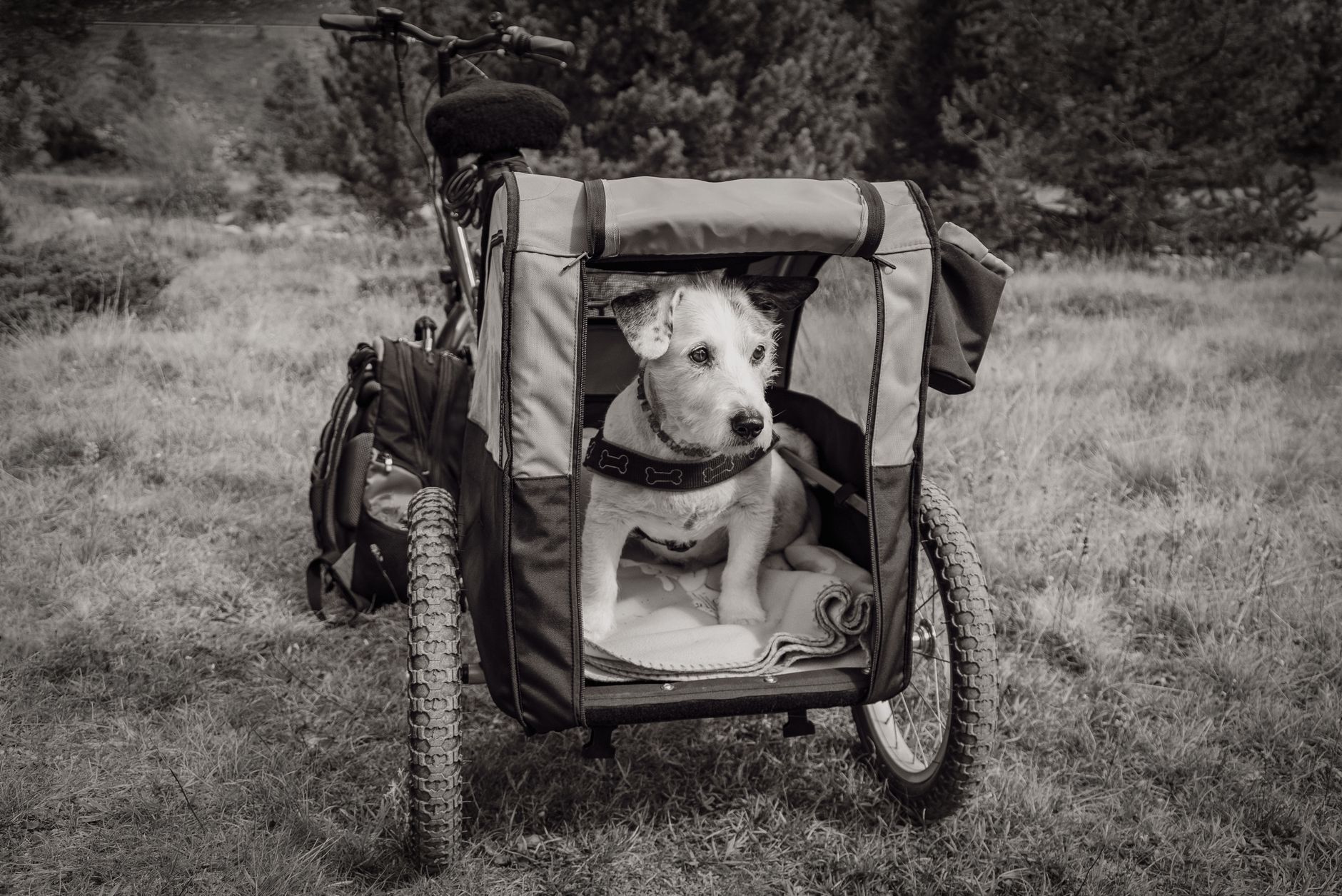
Southwest Rules for Dogs: Complete 2026 Guide to Fees, Carriers, and Booking
Southwest allows small vaccinated dogs in the cabin on domestic U.S. flights for $125 per carrier each way, with phone-only booking and no cargo option. Learn carrier sizes, Hawaii limits, service dog rules, and health paperwork.
Read →
International Pet Movers: How Professional Pet Relocation Works
International pet movers are specialist companies that arrange cross-border transport of companion animals, including IATA-compliant crates, government health certificates, airline cargo bookings, and customs clearance. As of August 2026, destination countries set entry rules while IATA Live Animals Regulations govern how pets fly.
Read →
Can You Take a Cat on a Plane? Cabin Rules, Fees, and Papers
Yes, you can take a cat on a plane. As of August 2026, most major U.S. airlines let a small cat fly in the cabin in a carrier that fits under the seat, for a one-way fee, if you reserve a limited pet slot. The FAA lets each airline decide; international trips add USDA, CDC, EU, or UK documents.
Read →
Passport for Dogs: Official EU Travel Rules and What They Are Not
A passport for dogs is the EU-issued pet identification booklet used for non-commercial travel, not a US document and not a biometric livestock ID record. As of August 2026, EU residents use a pet passport; most other owners need an animal health certificate plus destination-specific forms.
Read →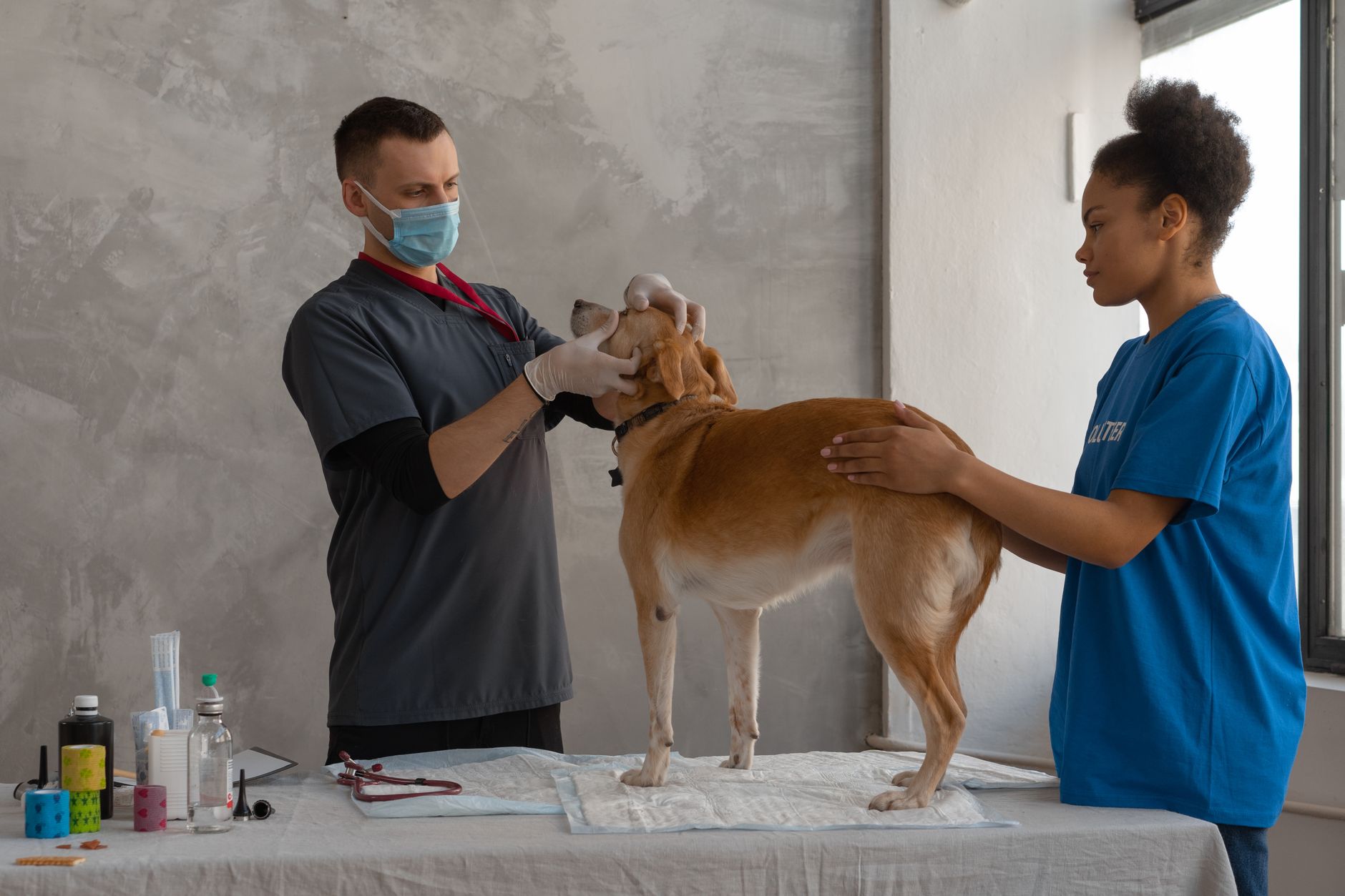
USDA Travel With Pets: Official APHIS Certificates, Fees, and CDC Forms
USDA travel with pets is the APHIS process of accredited-veterinarian health certificates and USDA endorsement, not a U.S. pet passport. As of August 2026, dogs also need separate CDC import documents to return.
Read →
Can Dogs Fly in Airplace? Cabin, Cargo, and Official Rules
Yes, dogs can fly in an airplane. Small dogs may travel in-cabin in an under-seat carrier if the airline allows pets; larger dogs may fly as hold or cargo, or be refused. As of August 2026, USDA APHIS, CDC, IATA, and airline rules all apply—and none of them is an EU pet passport or Animal Passport’s livestock ID product.
Read →
Cat Carrier for Cat: How to Choose Size, Type, and Airline Fit
A cat carrier for cat transport is a rigid or soft-sided enclosure that keeps a cat contained, ventilated, and leak-proof during vet visits, car trips, and flights. This guide covers sizing, hard versus soft designs, clinic-friendly features, and airline rules as of August 2026.
Read →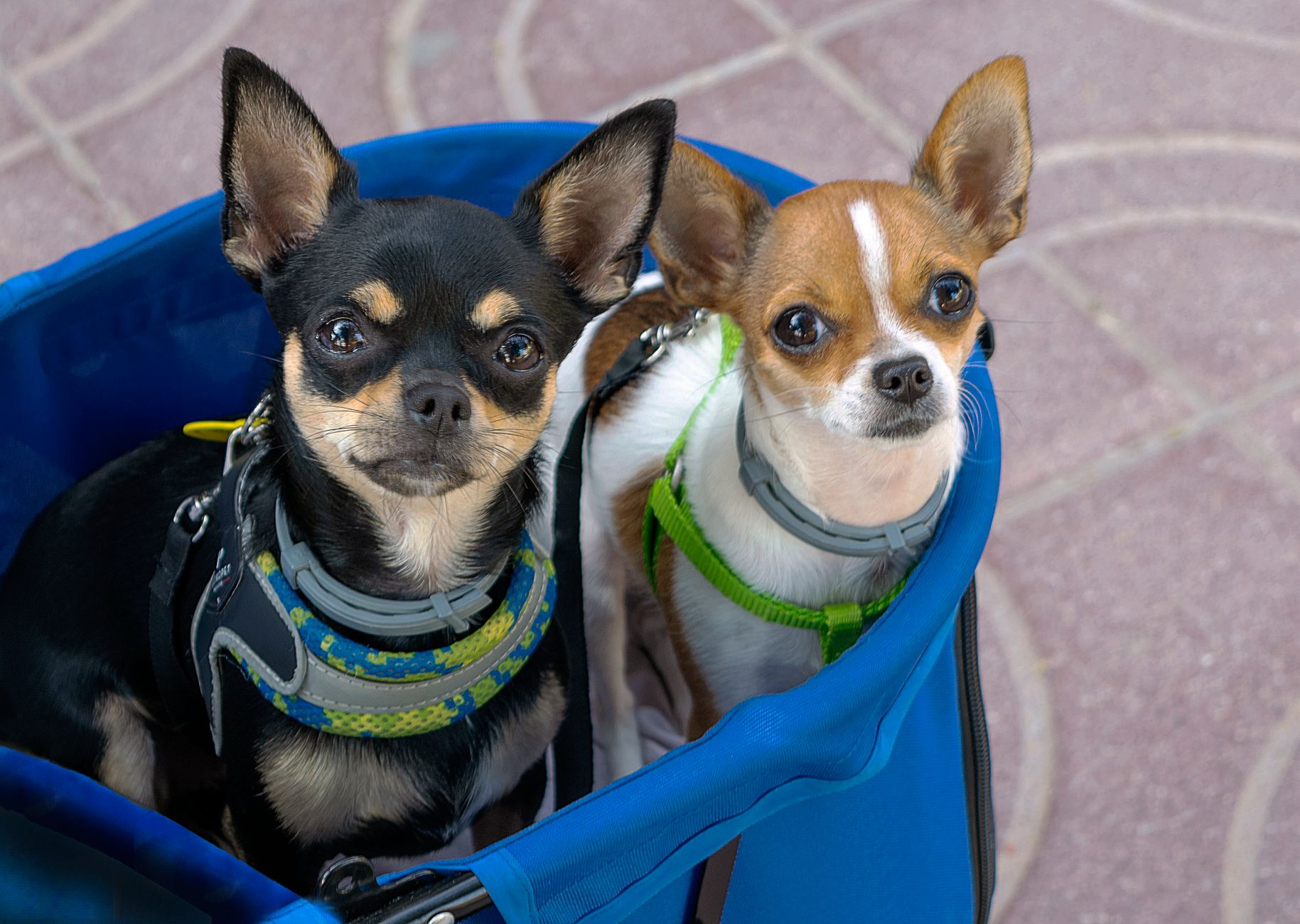
Pet Fee Southwest: $125 Cabin Charge, Rules, and How to Pay
As of August 2026, the pet fee Southwest Airlines charges is $125 one-way per pet carrier on U.S. mainland flights and $35 one-way between Hawaiian Islands. The charge is cabin-only, paid at the ticket counter, and refundable if you cancel.
Read →
How Much Does It Cost to Fly a Dog? 2026 Airline Fees and Hidden Costs
As of August 2026, flying a small dog in the cabin on major U.S. airlines typically costs $100 to $150 each way per kennel, while hold travel—where still offered—starts at $200 each way on Alaska Airlines and Hawaiian Airlines. Cargo quotes and international paperwork often exceed the published pet fee.
Read →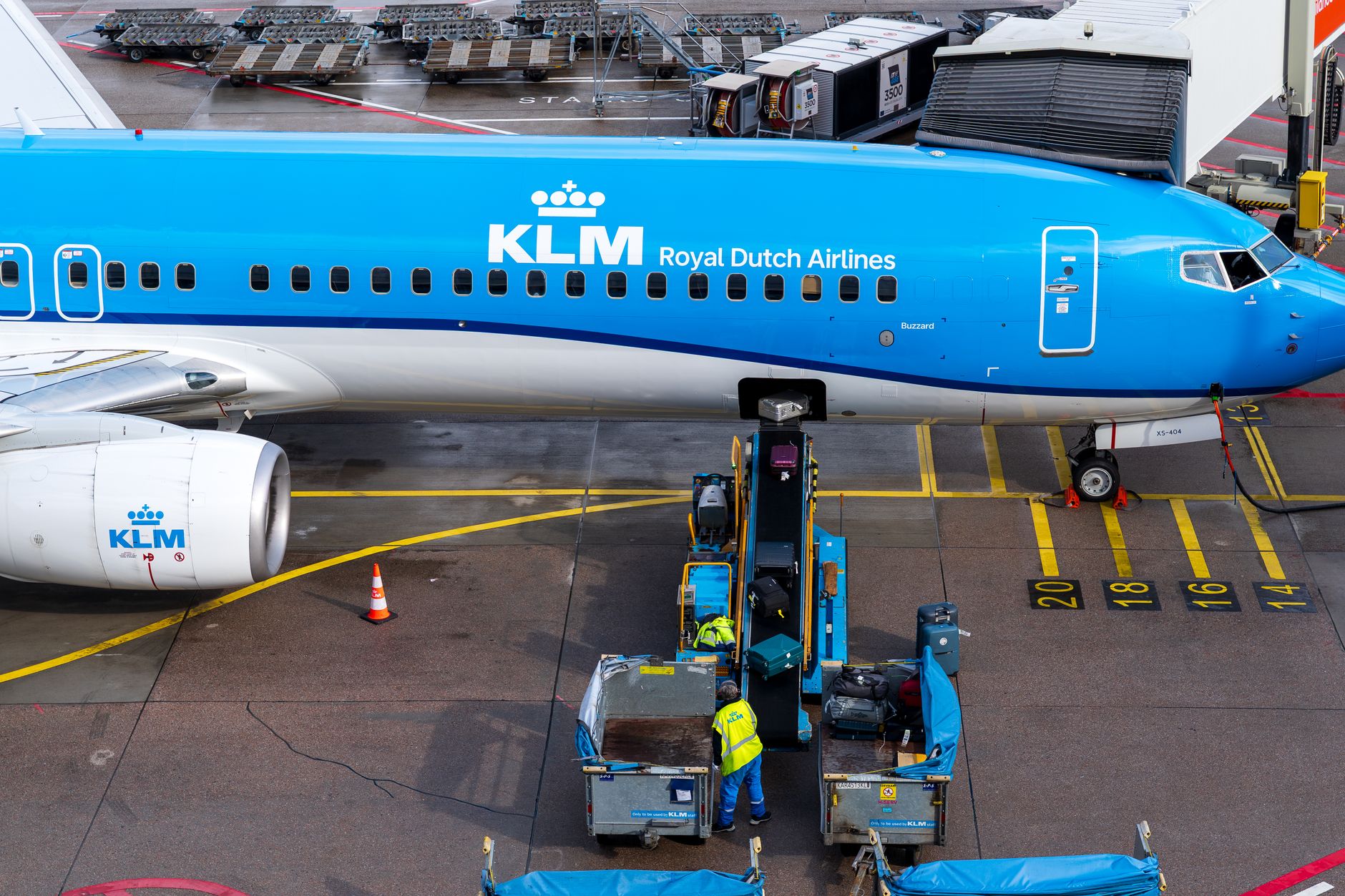
Pet Shipping: Cabin vs Cargo Relocation Rules for 2026
Pet shipping is the arranged air-cargo, checked-baggage, or ground-courier transport of a companion animal that cannot fly in the cabin. As of August 2026, IATA Live Animals Regulations, CDC dog-import rules, and airline embargoes decide what is allowed.
Read →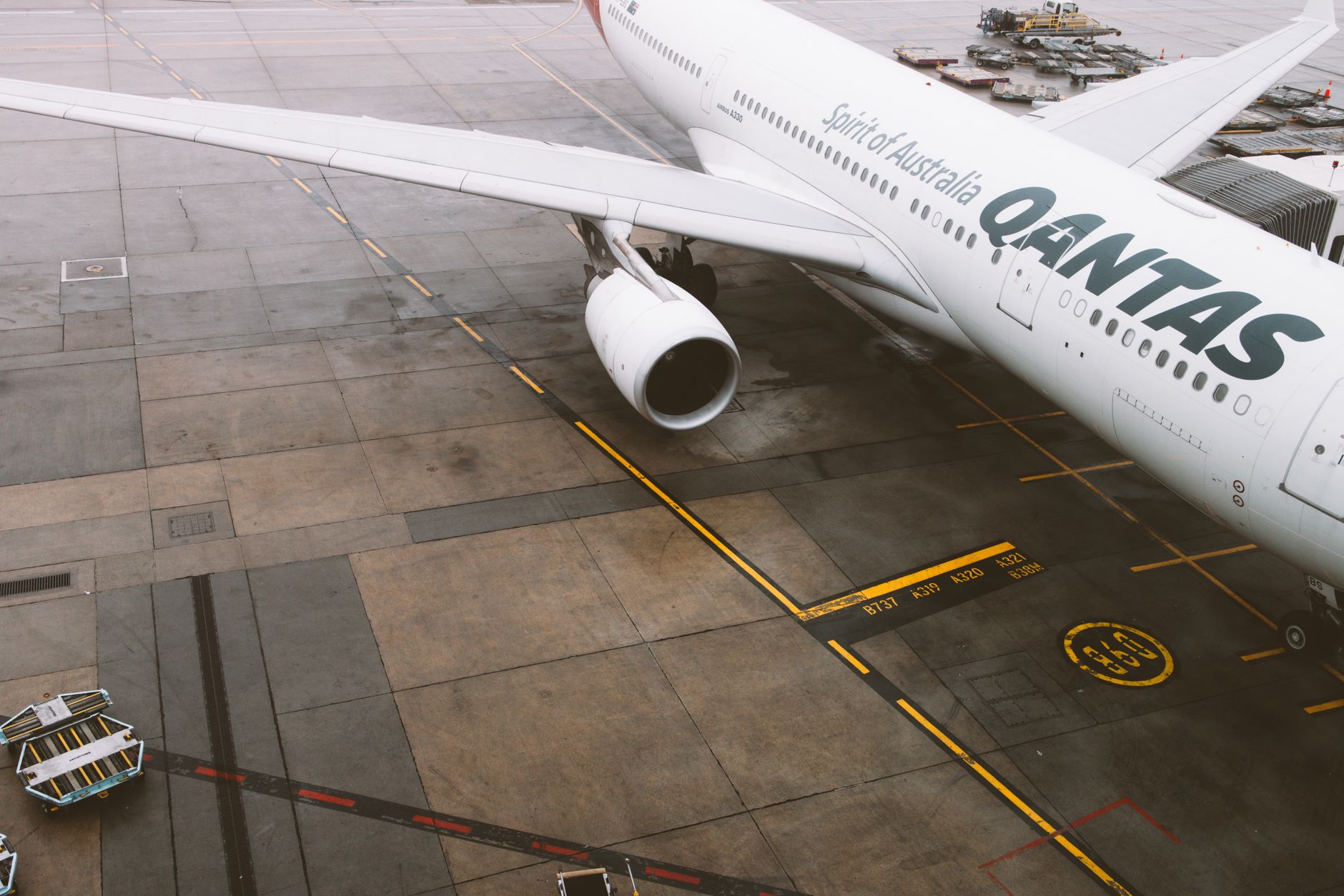
Cat Passport: What It Is, Who Issues It, and 2026 EU Rules
A cat passport is the European Union pet passport issued for cats so they can travel between EU countries with their owner. As of August 2026, it is available only to owners whose main residence is in the EU and is not the same as a digital livestock identity record.
Read →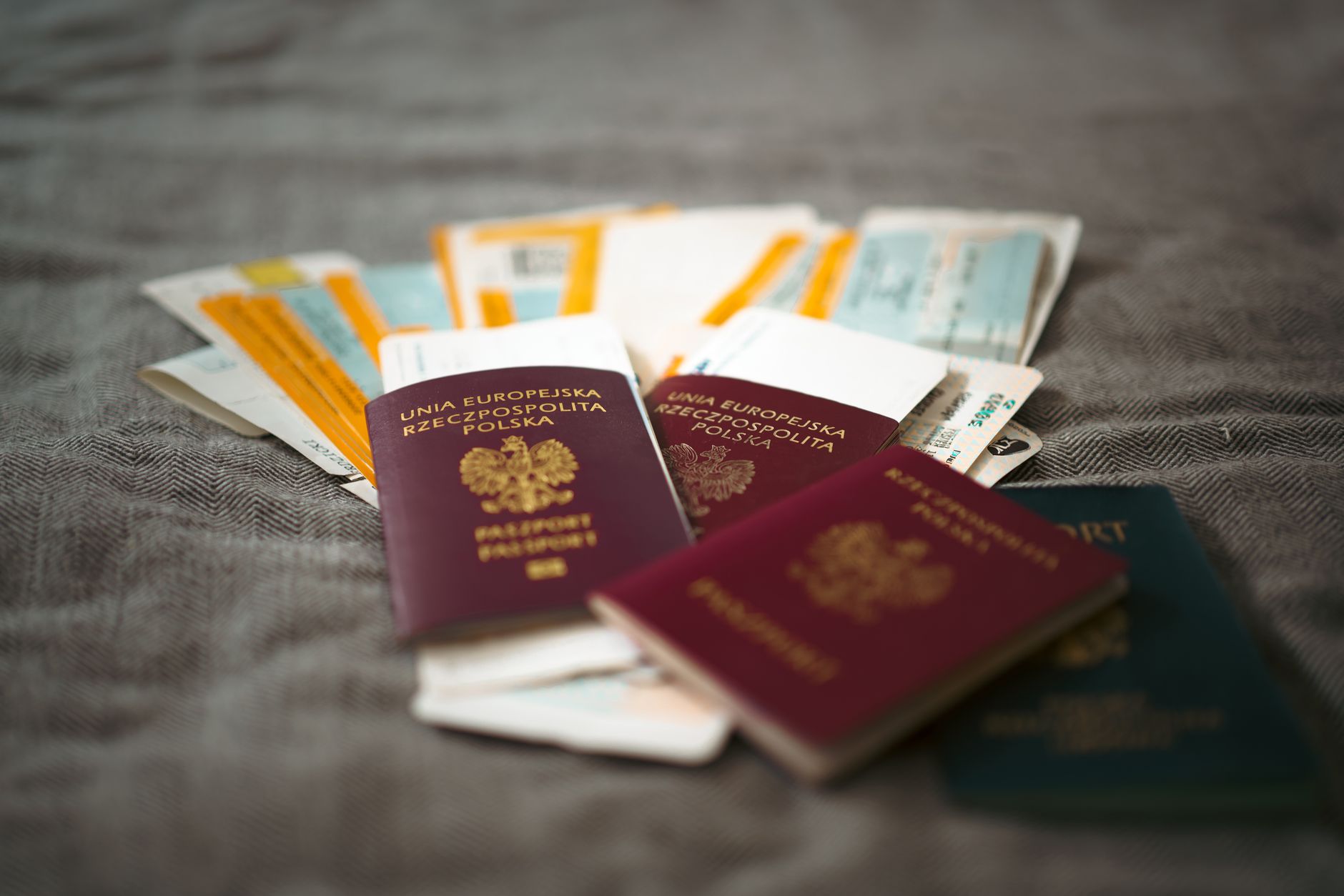
CDC Dog Import Form: How to Complete It, Get the Receipt, and Enter the U.S.
The CDC Dog Import Form is the free online filing the U.S. Centers for Disease Control and Prevention requires for every dog entering or returning to the United States. As of August 2026, you submit one form per dog, confirm your email, and show the receipt to airlines and U.S. Customs and Border Protection.
Read →
How to Fly a Dog on an Airplane: Cabin, Cargo, and Official Documents (2026)
How to fly a dog on an airplane means reserving an airline pet slot, using an IATA-compliant carrier, and completing destination health paperwork. As of August 2026, cabin travel is limited to small dogs; U.S. re-entry also requires a CDC Dog Import Form.
Read →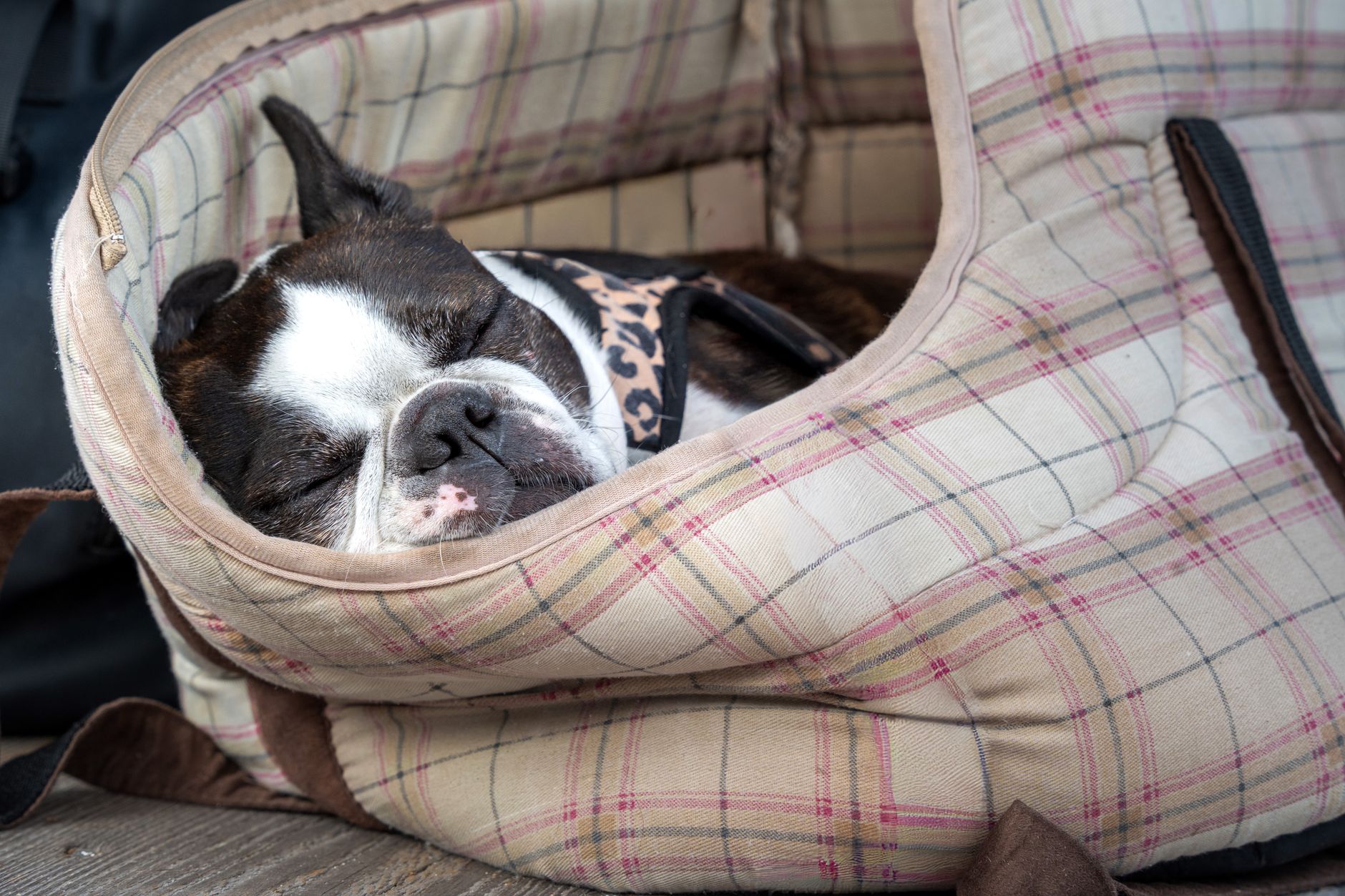
Dog Travel Bag Guide: Airline Rules, TSA Rules, and How to Choose One (2026)
A dog travel bag is a ventilated, leak-proof carrier used to transport a dog in an aircraft cabin, car, or on foot. This guide covers IATA container standards, TSA checkpoint rules, USDA APHIS health certificate requirements, and how a physical carrier differs from digital pet identity records.
Read →
JetBlue Pet Policy 2026: Fees, Carrier Rules & Service Animal Requirements
JetBlue lets small dogs and cats fly in the cabin for a per-pet fee inside an under-seat carrier, but bars pets from Mint, exit rows, and bulkhead seating. Here's what the airline and federal rules actually require, sourced from JetBlue and the U.S. Department of Transportation.
Read →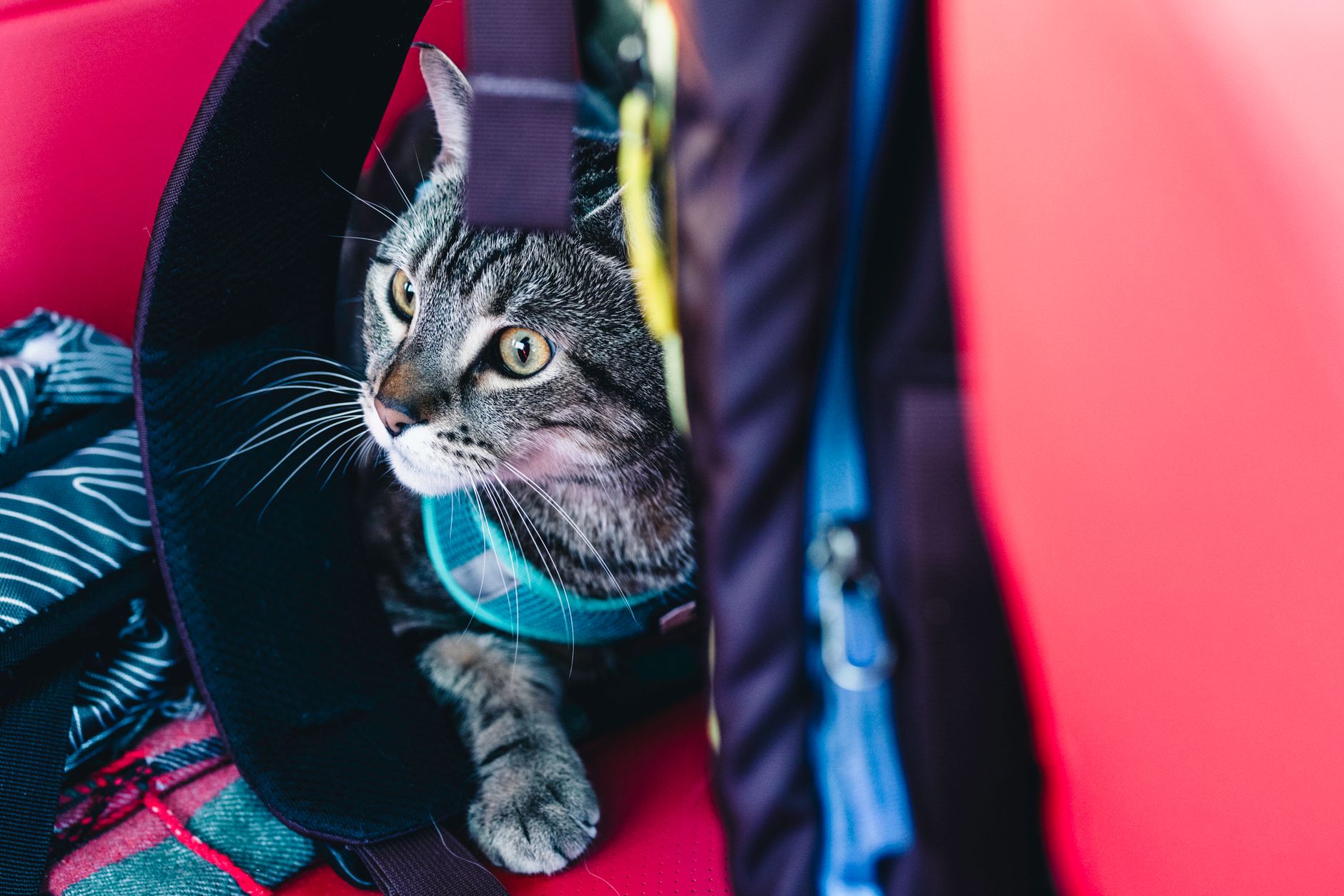
Flying With a Cat: Airline Rules, Health Papers, and Cabin Travel Guide
Flying with a cat requires airline approval, a compliant carrier, TSA screening without X-raying your pet, and often a veterinary health certificate. This guide covers cabin vs cargo travel, EU pet passport rules, and how Animal Passport differs from official travel documents.
Read →
Dog Passport: What It Is, How to Get One, and How It Differs from Biometric ID
A dog passport is the EU's standard pet travel document recording microchip ID, rabies vaccination, and tapeworm treatment. As of August 2026, EU residents use it for intra-EU travel; Great Britain residents need an Animal Health Certificate instead. The United States does not issue pet passports at all.
Read →
Airlines That Allow Large Dogs in Cabin: 2026 Guide to Real Options
As of August 2026, no major U.S. or European network airline routinely allows large pet dogs in the passenger cabin under standard pet policies—but ITA Airways, JSX, and trained U.S. service dogs are notable exceptions with strict rules.
Read →
APHIS Pet Travel: USDA Health Certificates, Fees, and What Owners Need in 2026
APHIS pet travel is USDA's program for exporting companion animals from the U.S. Learn the health certificate process, 2025 endorsement fees, CDC return rules, and how it differs from EU pet passports.
Read →
Airline Approved Pet Carriers for Cats: Size Rules, Airline Limits, and How to Choose (2026)
Airline approved pet carriers for cats must fit under the seat and meet your airline's size rules—not a universal certification. Compare limits, IATA guidance, and how to choose the right soft-sided carrier.
Read →
Delta Pet Fee (2026): In-Cabin Costs, Routes, and Booking Rules
Delta charges a one-way in-cabin pet fee of $150 on U.S. and Canada routes ($200 internationally) for tickets issued after April 8, 2025. Learn how fees are collected, who qualifies for cargo, and what CDC paperwork you need beyond the airline charge.
Read →
Southwest Pet Policy: Fees, Carrier Rules, and Booking Guide (2026)
Southwest Airlines accepts small vaccinated cats and dogs in the cabin on domestic U.S. flights for $125 per carrier each way. Pets must stay in an approved under-seat carrier, book by phone, and cannot fly to Hawaii or internationally.
Read →
American Airlines Pet Policy 2026: Cabin, Cargo, and Fees Explained
American Airlines lets cats and small dogs fly in the cabin for $150 each way if the pet and carrier together weigh no more than 20 lbs, with separate rules for checked pets, PetEmbark cargo shipping, and DOT-regulated service animals.
Read →
United Pet Fee in 2026: How Much It Costs and What It Actually Covers
United Airlines charges $150 each way to bring a cat or dog in the cabin — a fee that covers only the carrier under your seat, not veterinary paperwork, cargo transport, or an official travel document. Here's what the fee includes, what it doesn't, and how it stacks up against other carriers.
Read →
United Dog Policy: A Complete Guide to Flying With Your Dog in 2026
United Airlines only carries dogs in the cabin, not as cargo, and charges a per-flight pet fee separate from the fee-free rules that apply to trained service dogs. Here is what United's dog policy actually covers, how it compares to the EU pet passport scheme, and where livestock-focused tools like Animal Passport do and do not fit in.
Read →
When the water rose, the paper records did not.
After the 2025 floods, farmers needed a way to prove which animals were theirs. Biometric ID does not wash away.
Read →
Every animal already has an identity. Paper never captured it.
A muzzle pattern is as unique as a fingerprint. Livestock trade still runs on tags that can be swapped. A digital passport changes that.
Read →
Age and body condition, from a single photo.
Disputed bills of sale often start with two people arguing over how old an animal is. A phone camera can settle that in the field.
Read →