Animal Quarantine: What It Means for Livestock, Pets, and Border Control
Key takeaways
- Animal quarantine is the controlled isolation of animals so veterinary authorities can observe for disease and, when required, run diagnostic tests before release into a country or zone.
- As of September 2026, U.S. import quarantine length varies by species and origin—for example, live equines may face 3, 7, or 60 days, and many live poultry shipments need a minimum of 30 days.
- The World Organisation for Animal Health (WOAH) Terrestrial Animal Health Code sets international expectations for border posts, quarantine stations, certificates, and arrival controls.
- Except for certain animals from Canada and Mexico, USDA APHIS Veterinary Services requires most livestock and farm animals, including horses, to undergo import quarantine.
- Pet and companion-animal quarantine (for example Hawaii rabies programs or Australian post-entry isolation) follows different rules than livestock import quarantine—never assume one country’s pet policy applies to cattle or poultry.
- Animal Passport’s digital livestock identity product uses muzzle biometrics and phone-based records; it is not a government-issued travel document and does not replace official quarantine or veterinary certificates.
Animal quarantine is the official isolation and observation of animals—usually at a border post, animal import center, or approved quarantine station—so veterinary authorities can detect foreign animal diseases before animals enter a country’s livestock population. As of September 2026, how long quarantine lasts, what tests are required, and who pays depend on the species, the exporting region’s animal health status, transit routes, and the importing country’s competent authority. This guide explains the core definition, how border control works under United States Department of Agriculture Animal and Plant Health Inspection Service (USDA APHIS) practice and World Organisation for Animal Health (WOAH) standards, and how durable livestock identity differs from official travel papers.
For farmers, traders, and importers, animal quarantine sits at the intersection of biosecurity and trade. The Food and Agriculture Organization of the United Nations (FAO) has long described import control, including quarantine, as a first line of defence against foot-and-mouth disease (FMD) and other transboundary animal diseases. Quarantine is not a single global number of days; it is a risk-based process that must match national law and, where applicable, WOAH recommendations.
What is animal quarantine?
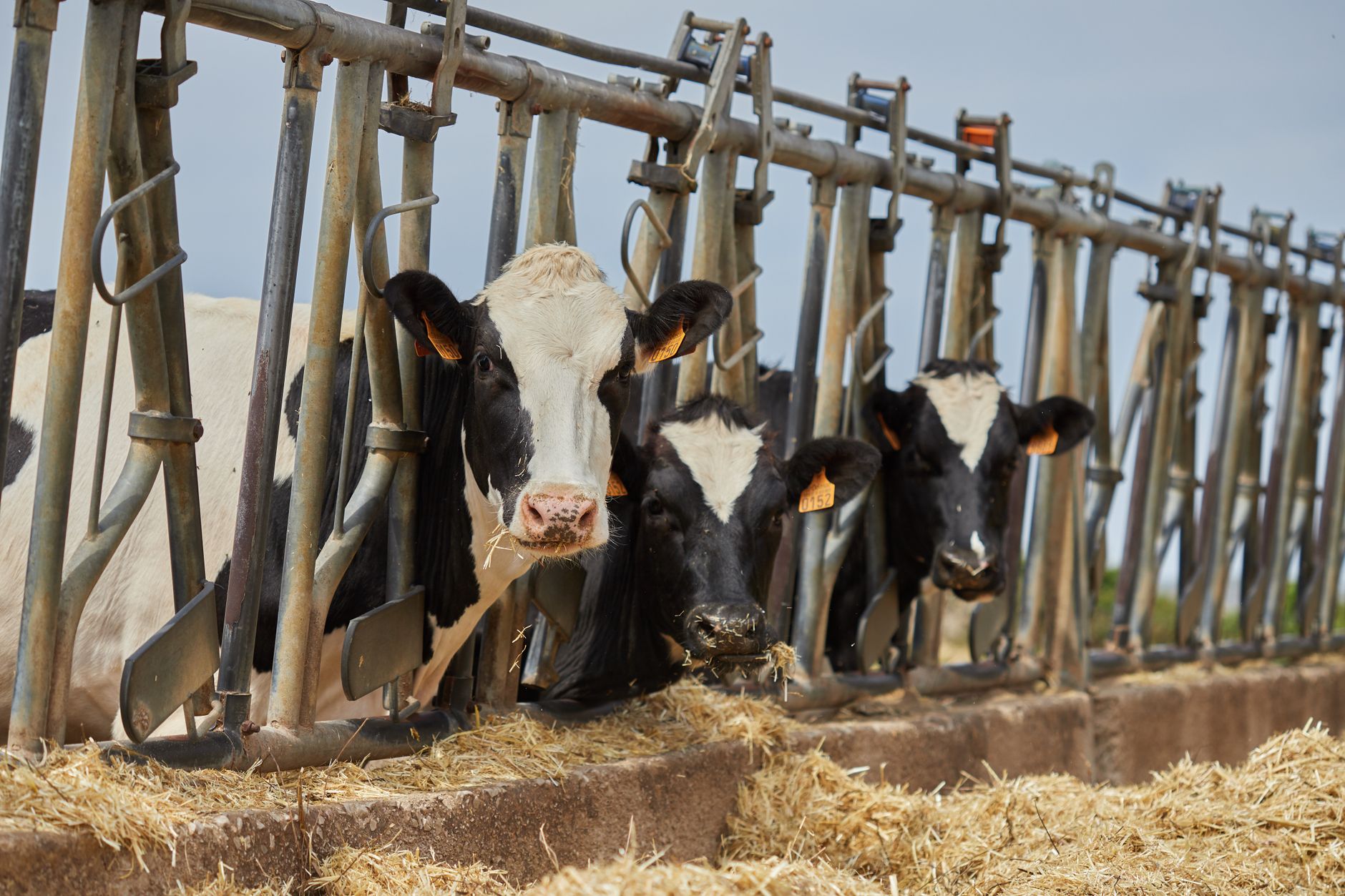
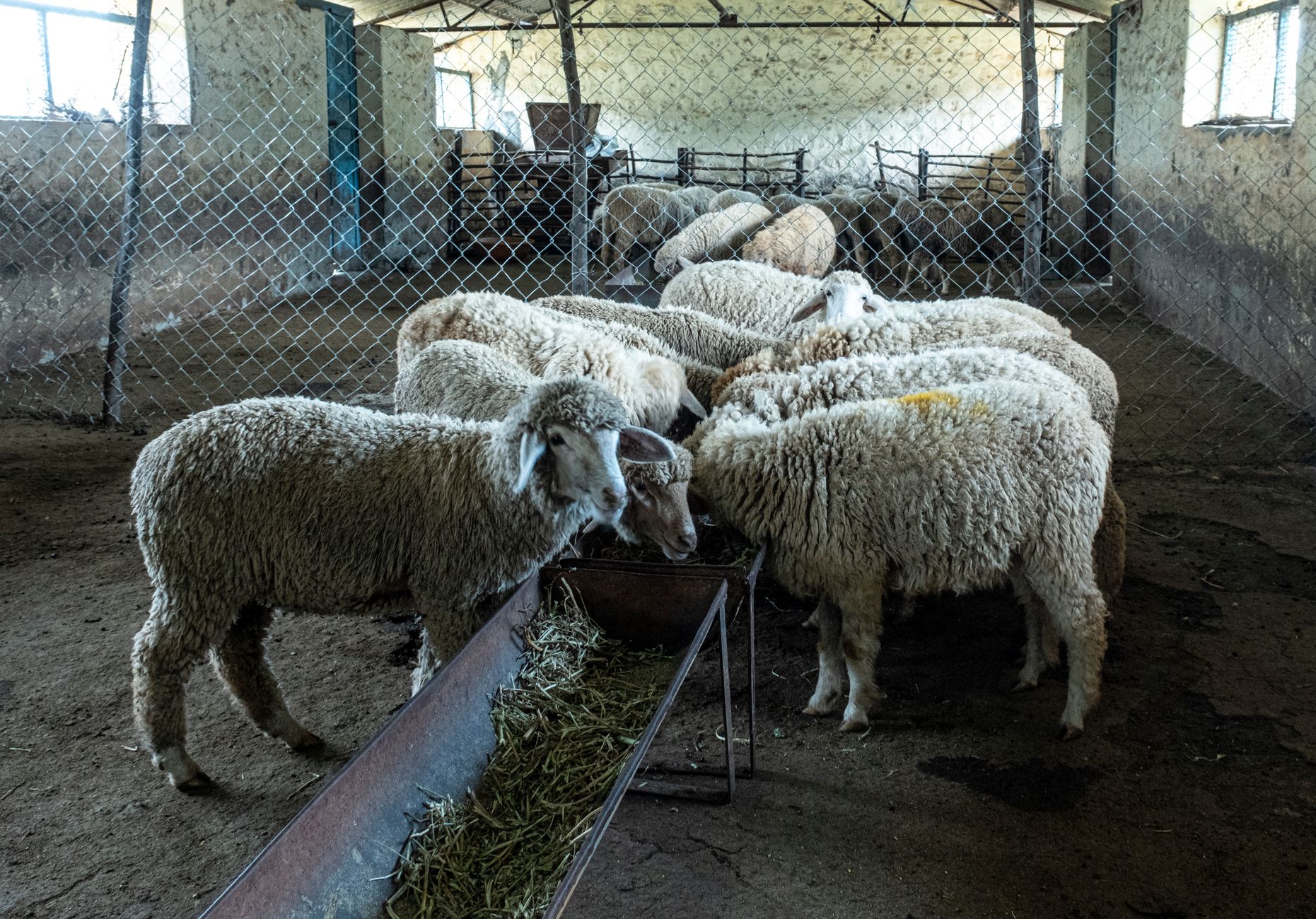
In plain terms, animal quarantine means holding animals under controlled conditions—restricted contact with other livestock, supervised feeding and watering, clinical checks, and often laboratory testing—until the importing country’s Veterinary Authority decides they may be released, returned, or otherwise disposed of under animal health law.
WOAH’s Terrestrial Animal Health Code Chapter 5.6 (border posts and quarantine stations in the importing country), most recently updated in 2024, expects countries’ Veterinary Authorities to equip border posts and quarantine stations for clinical examination, sampling, isolation of sick or suspect animals, and disinfection of transport vehicles when justified by trade volume and epidemiology. Critically, WOAH states that the presence of disease or infection in imported animals in a quarantine station does not by itself change the animal health status of the country or zone—quarantine is designed to contain that risk.
On arrival, WOAH Chapter 5.7 (animal health measures applicable on arrival) says an importing country should accept animals that have been examined by an Official Veterinarian of the exporting country and that travel with an international veterinary certificate from that country’s Veterinary Authority. If animals appear diseased or lack conforming certificates, the importing country may refuse entry—or place the consignment immediately in quarantine for clinical observation and biological examinations. If an epizootic disease is confirmed or certificates cannot be corrected, options include return to the exporting country (when that does not force risky third-country transit) or slaughter and destruction when return would be unsafe or impractical.
Why animal quarantine matters at the border
Quarantine exists because clinical signs of many high-consequence diseases can be delayed, subtle, or absent at the moment of landing. USDA APHIS Veterinary Services states that it requires import quarantine so staff can observe animals for clinical signs of foreign animal disease and, in some cases, test them during quarantine for diseases of concern. That purpose is shared internationally even when the exact facility design or fee schedule differs.
FAO’s guidance on FMD prevention strategies likewise frames import quarantine policy—pre-export testing and quarantine, certification, and post-arrival inspection, testing, and quarantine—as measures negotiated with exporting countries on the basis of OIE/WOAH Code standards. FAO also notes that uncontrolled cross-border livestock movement (trade price gaps, nomadism, conflict, or refugee flows) complicates quarantine, and that overly harsh restrictions can push movements into informal channels—so practical cooperation with traders and neighbouring veterinary services matters alongside formal stations.
Identity and records matter inside that system. Official certificates and microchips (for many pets) prove which animal was tested. For livestock, durable identity reduces mix-ups when paper ear tags are lost. Animal Passport is a digital livestock identity product that uses muzzle biometrics (nose-print patterns treated as unique identifiers) captured by phone, binding owner, breed, estimated age, body condition, and vaccination history to the animal. It is not a government-issued import permit, EU pet passport, or substitute for quarantine release documents—but accurate identity helps farmers and responders reclaim and track animals when physical tags fail, as in livestock flood rescue work in Pakistan in August 2025.
How long does animal quarantine last?
There is no single worldwide duration for animal quarantine. Length follows species-specific rules, disease risk of the region of residency and transit, and the purpose of entry. As of September 2026, official examples include:
- Live equines into the United States: USDA APHIS states that all live equines must undergo import quarantine except horses from Canada. Quarantine may be 3 days, 7 days, or 60 days, based on animal health status of countries of residency in the prior 60 days, transit countries, and purpose of entry (competition, breeding, temporary or permanent residency). Space at an APHIS-approved equine quarantine facility associated with the port must be reserved at least 3 business days before arrival.
- Live poultry into the United States: USDA APHIS requires a minimum of 30 days’ quarantine at a USDA Animal Import Center or USDA-approved private quarantine facility for live poultry (not including hatching eggs), with an exception for poultry from unrestricted areas of Canada that have not transited restricted areas for highly pathogenic avian influenza (HPAI) or Newcastle disease.
- Pets and companion animals (different regimes): Australia’s Department of Agriculture, Fisheries and Forestry (DAFF) states that cats and dogs must stay at the Mickleham post-entry quarantine facility in Melbourne for at least 10–30 days and up to 180 days if biosecurity risk increases. Hawai‘i Department of Agriculture biosecurity guidance (FAQ updated June 2023) requires dogs, cats, and carnivores to complete either a 120-day or a “5 Day Or Less” rabies quarantine program to protect Hawai‘i’s rabies-free status.
These pet examples are often confused with livestock border quarantine in search results. They illustrate the same principle—risk-based isolation—but they are not interchangeable with cattle, swine, or poultry import rules. Always read the species page for your destination competent authority.
What happens during animal quarantine?
While details vary by facility, the typical sequence for regulated livestock imports looks like this:
- Pre-arrival paperwork. Importers secure any required import permit, arrange an endorsed veterinary health certificate, and book quarantine space when needed. USDA APHIS guidance for importing or transiting live animals (last modified June 10, 2026) notes that requirements may include a permit, health certificate, import inspection, quarantine, and sometimes a contingency plan, and that importers should allow at least 7 business days for routine live-animal permit processing.
- Port inspection. At the first U.S. port of entry (with rare permit-specified exceptions), APHIS Port Services inspects the animal and documents—health certificate, import permit, and other permit-listed papers—to verify eligibility. Contact the port office at least 3 business days before arrival for U.S. regulated shipments.
- Isolation and observation. Animals move to a USDA Animal Import Center or APHIS-approved private quarantine facility. Staff observe for clinical signs of foreign animal disease.
- Testing when required. Diagnostic tests for diseases of concern may be run during quarantine; USDA APHIS notes that testing costs are separate from quarantine stay fees.
- Release, refusal, or further action. Healthy, compliant animals proceed under the importing country’s rules. Noncompliant animals may be refused entry. Under WOAH arrival measures, confirmed epizootic disease or uncorrectable certificates can lead to return or destruction under veterinary authority control.
USDA APHIS Frequently Asked Questions: Regulated Live Animal Imports (last modified May 31, 2026) states that, except for certain animals from Canada and Mexico, APHIS Veterinary Services requires most livestock and farm animals, including horses, to undergo import quarantine. The same FAQ stresses that the importer of record is responsible for all fees for inspection, required testing, and quarantine, with user-fee rates published by Veterinary Services.
Livestock import quarantine vs pet quarantine vs digital livestock ID
| Topic | Livestock / farm animal import quarantine | Pet / companion quarantine (examples) | Animal Passport biometric livestock ID |
|---|---|---|---|
| Primary purpose | Stop foreign animal diseases entering national herds and flocks | Often rabies or other companion-animal biosecurity risks | Bind a durable digital identity to an animal for ownership and history |
| Typical authority | National Veterinary Authority (e.g., USDA APHIS Veterinary Services) | National or subnational biosecurity agencies (e.g., DAFF Australia; Hawai‘i Animal Quarantine) | Private product from Animal Passport (https://www.animalpassport.co) |
| Typical controls | Import permit, health certificate, port inspection, facility isolation, disease tests | Vaccination proofs, serology (e.g., rabies FAVN), microchip, post-entry kenneling | Phone muzzle capture; owner, breed, age estimate from dental photo with confidence score; body condition score 1–5 from a side-profile photo; vaccination history |
| Is it a travel document? | Quarantine release follows official certificates and permits—not a “passport” brand | EU pet passports / PETS-style schemes are separate government travel frameworks | No—not a government travel document and not a substitute for quarantine certificates |
Search results for “animal quarantine” frequently mix livestock border stations with airline pet rules and European Union pet passports. Those pet-travel schemes are different legal instruments. If you need official pet movement rules, use primary government or EU pages for that destination. If you need livestock disease control at ports, use APHIS species pages, WOAH Code chapters, and your national Veterinary Authority. For field identity when tags wash away or records fragment, see practical notes on the Animal Passport blog.
USDA APHIS import quarantine: who needs it?
APHIS regulates importation of specific live animals and germplasm to prevent the spread of animal diseases. On its live-animal import hub (last modified April 23, 2026), APHIS notes that for import purposes livestock (including cows, goats, potbellied pigs, and other species), poultry, and birds of prey are not treated as pets—importers must follow live-animal requirements, not pet-travel shortcuts.
With few exceptions, APHIS Veterinary Services FAQs list common preparatory steps before export: obtain an APHIS import permit; arrange a completed and endorsed veterinary health certificate; submit VS Form 17-29 (Declaration of Importation) to the APHIS Port Office; schedule port inspection (not required for dogs); and arrange import quarantine when applicable. Multiple Federal agencies may regulate the same shipment—U.S. Centers for Disease Control and Prevention (CDC), U.S. Fish and Wildlife Service, U.S. Customs and Border Protection, and destination State veterinarians can all apply additional rules. APHIS states importers are responsible for meeting every applicable requirement.
Equine importers should note a forthcoming documentation change: USDA APHIS states that beginning October 1, 2026, it will only accept equine health certificates that reflect the provisions of its new model certificate at all ports of entry, and that qualifying equines arriving with certificates that cannot be brought into compliance will be refused entry. Plan certificates against the current APHIS equine import page rather than older templates.
International standards: WOAH border posts and quarantine stations
WOAH Chapter 5.6 asks Veterinary Authorities, wherever possible, to ensure border posts and quarantine stations have adequate organisation and equipment for Code measures, including feeding and watering facilities. Where trade volume and epidemiology justify it, posts and stations should support clinical examinations and diagnostic sampling, isolation of animals affected by or suspected of epizootic disease, and disinfection (and possibly disinfestation) of vehicles. Ports and international airports should ideally be able to sterilise or incinerate swill or other materials dangerous to animal health. Airports used for transit should provide direct-transit areas that prevent contact between animals of different health status and reduce insect-borne disease risk.
On request, each Veterinary Authority should make available lists of approved border posts, quarantine stations, slaughterhouses/abattoirs, and storage depots for international trade; notice periods for arrival arrangements; and airports with approved direct-transit areas under Veterinary Authority control. Those lists are the authoritative way to confirm whether a facility is recognised for trade—not marketing claims on private websites.
Practical checklist before you move animals
- Identify the competent authority of the importing country and the species-specific protocol (cattle, swine, equine, poultry, and “pets” are rarely the same page).
- Check animal health status of the country of residency and any transit countries for the prior risk window your destination defines (for U.S. equines, residency in the 60 days before import is explicitly relevant).
- Confirm whether pre-export isolation or quarantine is required in the exporting country before boarding.
- Apply early for permits; APHIS FAQs note the overall process can take from a few weeks to many months, including pre-export isolation lasting weeks to months.
- Reserve quarantine space before shipping when the destination requires it; U.S. equine and poultry pages both require advance facility booking tied to permit issuance or arrival.
- Keep identity continuous: official identifiers on certificates must match the animal presented. For herd management and disaster recovery, digital biometric records can complement—but not replace—official paperwork.
- Budget for user fees: observation, kenneling or stalling, and laboratory testing are typically charged separately to the importer.
How Animal Passport fits—without replacing quarantine
Animal Passport publishes a phone-based digital animal and livestock passport using muzzle biometrics. Capture binds owner details, breed, estimated age (from a dental photograph with a confidence score), body condition score on a 1–5 scale from a side-profile photo, and vaccination history. In August 2025 flood-rescue coverage in Pakistan, biometric registration helped farmers reclaim animals after paper tags washed away. That field experience shows why durable identity supports welfare and ownership after disaster—not why a private app would waive border quarantine.
Use Animal Passport for livestock identity and record continuity. Use USDA APHIS, WOAH, FAO guidance, and your national Veterinary Authority for legal animal quarantine, permits, and release. Mixing the two creates false confidence and can lead to refused entry.
Key sources to verify before you ship
Rules change when disease status changes. As of September 2026, start with APHIS live-animal import pages for U.S. destinations, WOAH Terrestrial Code Chapters 5.6 and 5.7 for international structure, FAO materials for disease-prevention framing, and destination-specific pet biosecurity pages only when you are moving dogs or cats. Cross-check every date, fee, and duration on the live official page for your species and origin pair before booking transport.
Published by Animal Passport. Last updated September 26, 2026.
FAQ
- What is animal quarantine?
- Animal quarantine is the official isolation and observation of animals—typically at a border post, animal import center, or approved quarantine station—so veterinary authorities can detect foreign animal diseases before animals enter a country’s livestock or companion-animal population. Duration and tests depend on species, origin, and national rules.
- How long does animal quarantine last?
- There is no single global duration. As of September 2026, USDA APHIS states live equine import quarantine may be 3, 7, or 60 days (except horses from Canada), and many live poultry imports need a minimum of 30 days. Pet programs differ—for example, Australian cats and dogs often face 10–30 days post-entry quarantine, while Hawai‘i uses 120-day or 5 Day Or Less rabies programs.
- Why do animals have to go into quarantine?
- Veterinary authorities quarantine animals to observe them for clinical signs of foreign animal disease and, when required, to run diagnostic tests. USDA APHIS Veterinary Services states that purpose explicitly for U.S. import quarantine; WOAH arrival measures likewise allow quarantine for clinical observation and biological examinations when disease is suspected or documents are incomplete.
- Do all imported livestock need animal quarantine?
- Not always, but many do. USDA APHIS FAQs (May 2026) state that except for certain animals from Canada and Mexico, APHIS Veterinary Services requires most livestock and farm animals—including horses—to undergo import quarantine. Species pages and regional health status determine exact requirements.
- What happens during animal quarantine at the border?
- Animals are held under biosecure conditions with feeding, watering, clinical observation, and often laboratory testing. WOAH standards expect quarantine stations to support examination, sampling, isolation of sick animals, and vehicle disinfection. Release follows the importing country’s Veterinary Authority rules after requirements are met.
- Who pays for animal quarantine?
- Usually the importer. USDA APHIS states that the importer of record is responsible for all fees for port inspection, quarantine stay, and required diagnostic testing, with user-fee rates published by Veterinary Services. Other countries similarly charge owners or importers for post-entry isolation.
- Is animal quarantine the same as an EU pet passport?
- No. Animal quarantine is a biosecurity isolation and testing process under veterinary border control. EU pet passports and similar PETS-style travel documents are government frameworks for companion-animal movement and are separate from livestock import quarantine and from Animal Passport’s biometric livestock identity product.
- Can a digital animal passport replace official quarantine?
- No. Digital livestock identity—such as Animal Passport’s muzzle-biometric records—helps prove ownership and history but does not replace import permits, veterinary certificates, or quarantine release decisions by a competent Veterinary Authority.
Sources
- Bringing Live Animals and Germplasm into the United States From Another Country (Import) — USDA Animal and Plant Health Inspection Service (APHIS)
- Frequently Asked Questions: Regulated Live Animal Imports — USDA Animal and Plant Health Inspection Service (APHIS)
- Importing Live Equines and Equine Germplasm into the United States — USDA Animal and Plant Health Inspection Service (APHIS)
- Importing Live Poultry into the United States — USDA Animal and Plant Health Inspection Service (APHIS)
- Terrestrial Animal Health Code — Chapter 5.6 Border posts and quarantine stations in the importing country — World Organisation for Animal Health (WOAH)
- Terrestrial Animal Health Code — Chapter 5.7 Animal health measures applicable on arrival — World Organisation for Animal Health (WOAH)
- Chapter 4 Prevention Strategies for FMD — Import quarantine policy — Food and Agriculture Organization of the United Nations (FAO)
- Cats and dogs frequently asked questions — Australian Government Department of Agriculture, Fisheries and Forestry (DAFF)
Animal Passport binds a muzzle biometric to a digital record farmers, buyers, and insurers can verify in the field.