JetBlue Service Animal Policy: Forms, Rules & Requirements
Key takeaways
- A JetBlue service animal is a dog individually trained to perform disability-related tasks; emotional support animals and dogs in training are not accepted as service animals.
- Qualifying service dogs fly free; JetBlue’s Contract of Carriage (2026) allows up to two per qualified passenger if they fit in the purchased foot space.
- Submit the U.S. Department of Transportation Service Animal Air Transportation Form with 48 hours’ advance notice when the reservation was made more than 48 hours before departure.
- Dogs must stay harnessed, leashed, or tethered, remain under control, and may not occupy a seat; JetBlue assesses behavior at the airport.
- Puerto Rico, the U.S. Virgin Islands, and international destinations can require separate vaccination and health paperwork via USDA APHIS and destination rules.
- JetBlue’s 2024 Contract of Carriage listed a $125 each-way pet fee, but the 2026 Contract only says a fee applies—confirm pet pricing and pet-count limits at booking if your animal is not a service dog.
- Animal Passport’s muzzle-biometric livestock ID product is not the DOT form and is not a government travel document.
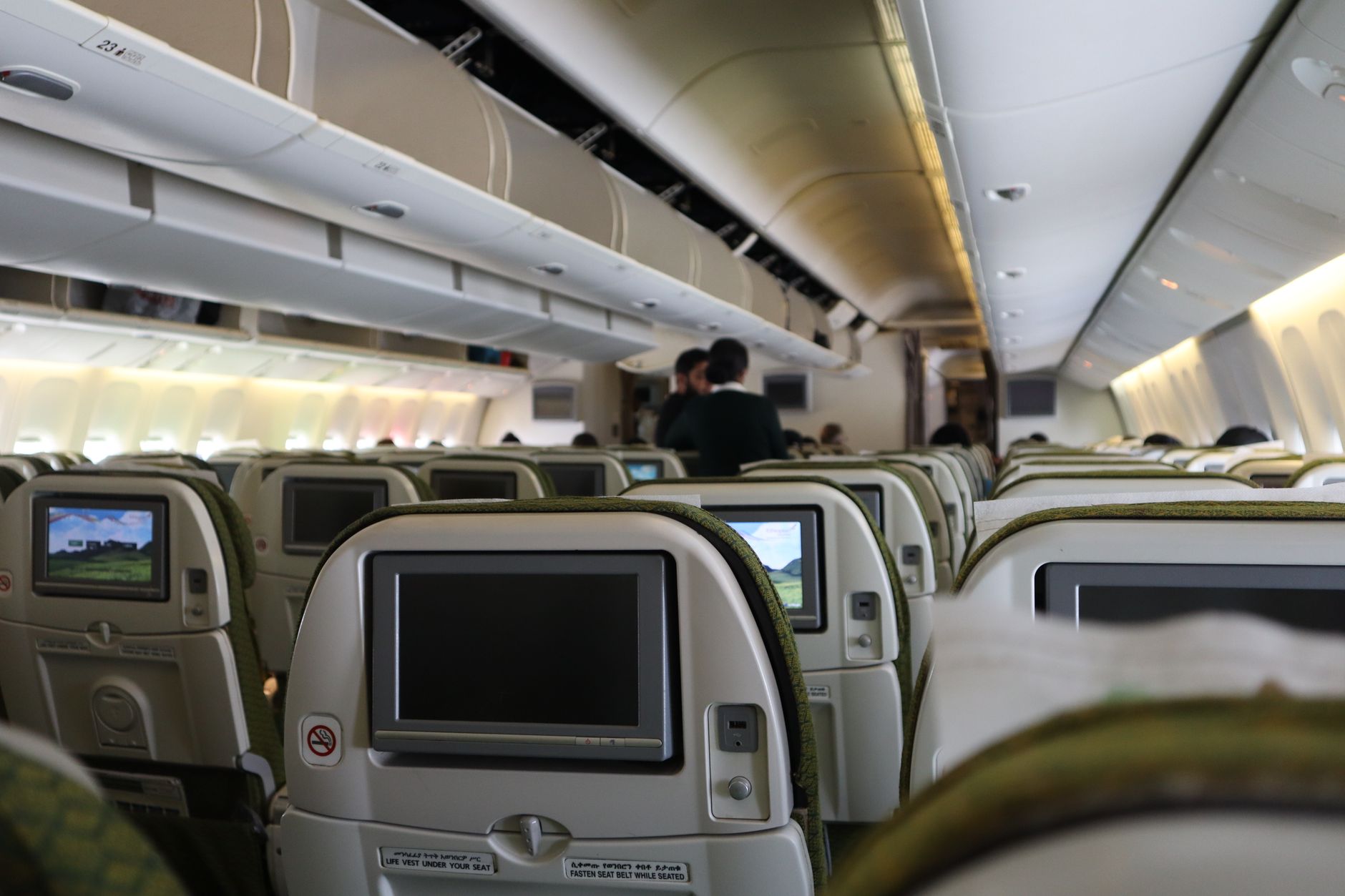
As of September 2026, a JetBlue service animal is a dog individually trained to do work or perform tasks for a qualified passenger with a disability, and it flies free in the cabin when the handler submits the U.S. Department of Transportation (DOT) Service Animal Air Transportation Form—normally at least 48 hours before departure. JetBlue Airways accepts trained service dogs only; emotional support animals, comfort animals, and service dogs in training are not treated as service animals. Behavior is assessed at the airport, and the dog must remain harnessed, leashed, or tethered and fit in the passenger’s foot space.
This guide summarizes JetBlue’s published service-animal rules, the federal DOT framework behind them, how they differ from JetBlue’s paid pet program (JetPaws®), and destination health paperwork that can still apply even when cabin access is granted. It is for general information only—not legal, medical, or veterinary advice.
What Is a JetBlue Service Animal?
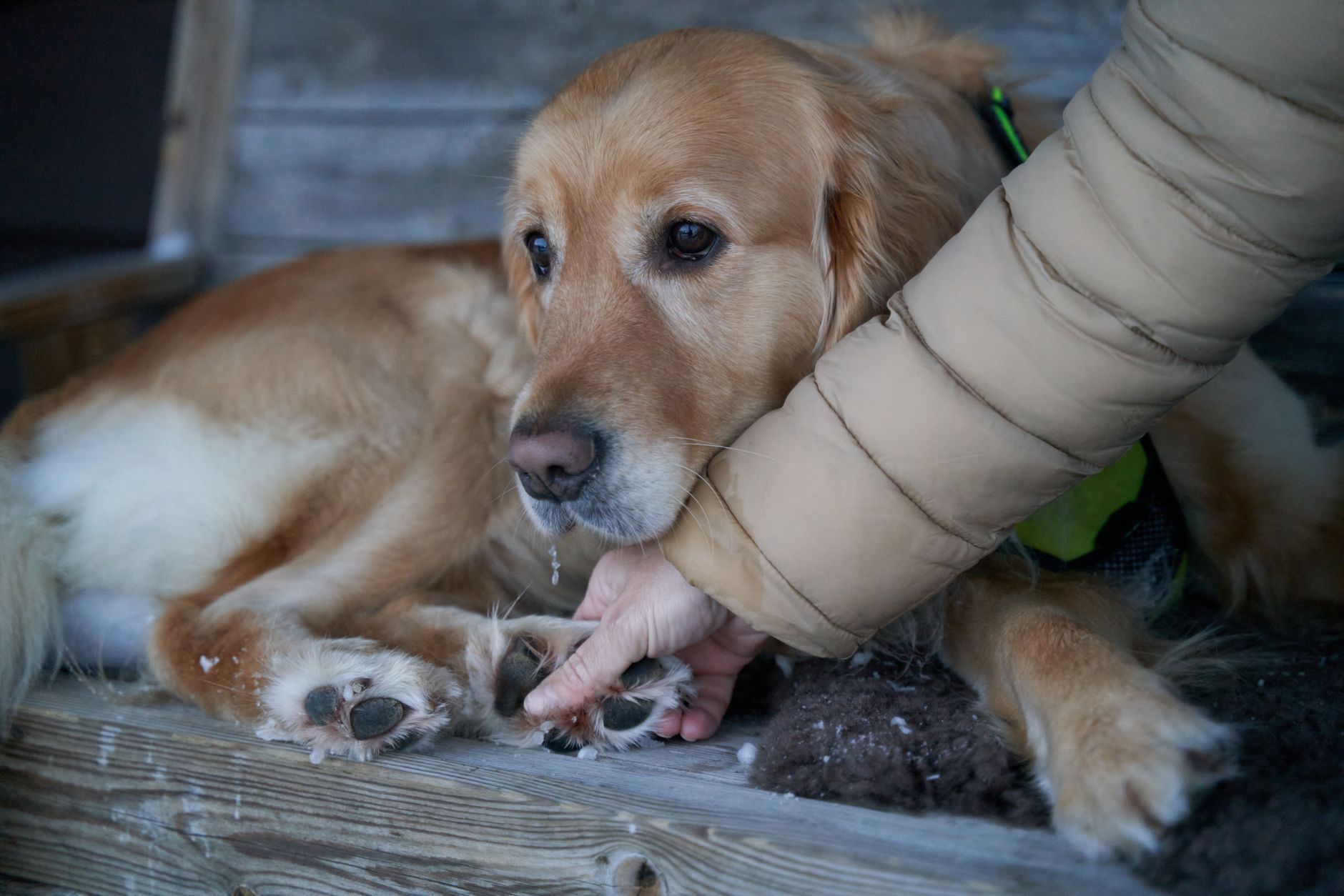
A JetBlue service animal is a dog—regardless of breed or type—that is individually trained to do work or perform tasks for the benefit of a qualified individual with a disability, including a physical, sensory, psychiatric, intellectual, or other mental disability. That definition matches JetBlue’s Contract of Carriage (effective June–July 2026) and the U.S. Department of Transportation’s December 2020 final rule, Traveling by Air With Service Animals, which took effect on January 11, 2021 (DOT / Federal Register, 2020).
Psychiatric service dogs that perform disability-related tasks qualify under the same federal definition. A dog that only provides comfort by its presence is an emotional support animal under the DOT’s 2020 rule, not a service animal, and is not accommodated free as a JetBlue service animal.
JetBlue Service Animal Rules at a Glance
- Species: Trained service dogs only, per JetBlue’s accessibility service-animal page and Contract of Carriage (2026).
- Cost: No charge for a qualifying service animal accompanying a qualified individual with a disability (JetBlue Contract of Carriage, 2026).
- Limit: Up to two service animals per traveling qualified individual with a disability (JetBlue Contract of Carriage, 2026).
- Control: The dog must stay under the handler’s control at all times in the airport and on the aircraft, and must be harnessed, leashed, or otherwise tethered (JetBlue, service animals page).
- Space: The animal must fit within the passenger’s foot space without obstructing an aisle or other area needed for emergency evacuation; service animals may not occupy a seat (JetBlue Contract of Carriage, 2026).
- Training status: Animals in training will not be transported (JetBlue Contract of Carriage, 2026).
- Refusal grounds: JetBlue may refuse transport if the animal is too large for safe transport, exhibits aggressive or inappropriate public behavior, or is otherwise determined to pose a safety or security threat (JetBlue Contract of Carriage, 2026).
- Advance notice: If the reservation was made more than 48 hours before the first originally scheduled departure, JetBlue requires 48 hours’ advance notice via the DOT Service Animal Air Transportation Form (JetBlue Contract of Carriage, 2026).
How to Fly With a Service Animal on JetBlue: Step by Step
- Confirm the dog qualifies. Under DOT’s 2020 rule and JetBlue’s published definition, the dog must be individually trained for a disability-related task—not merely present for emotional support.
- Book your flight, then start JetBlue’s service-animal notification as soon as you can. JetBlue’s service animals page states that notification must be completed at least 48 hours prior to your flight and recommends starting as soon as you book.
- Complete the DOT Service Animal Air Transportation Form. The form—hosted by JetBlue as the U.S. Department of Transportation Service Animal Air Transportation Form—asks the handler to attest to rabies vaccination dates, public-behavior training, task training, and that the dog will remain harnessed, leashed, or tethered. JetBlue’s published copy of the form notes it is an official DOT document and warns that knowingly false statements can bring federal penalties (18 U.S.C. § 1001).
- For long flight segments, plan for relief attestation. DOT’s 2020 final rule allows airlines to require a separate Service Animal Relief Attestation for flight segments of eight hours or more (DOT / Federal Register, 2020). Check JetBlue’s current accessibility instructions for your itinerary if any segment meets that threshold.
- If you did not complete advance notification, JetBlue’s service animals page states you may bring or request the DOT form at the airport for onsite review with a Complaints Resolution Official (CRO).
- Arrive with time for a behavior assessment. JetBlue assesses service-animal behavior at the airport to ensure safety requirements are met (JetBlue service animals page).
- On board, keep the dog in your foot space (or fully on your lap only if JetBlue’s published size/lap rules apply to your dog), out of the aisle, and off any seat.
Service Animal vs. Emotional Support Animal vs. Pet on JetBlue
Since the DOT’s rule took effect on January 11, 2021, U.S. airlines have not been required to treat emotional support animals as service animals (DOT / Federal Register, 2020). JetBlue’s current Contract of Carriage (2026) defines “Service Animal” as a trained dog and no longer provides a free cabin category for emotional support animals. Pets travel under a separate in-cabin program.
| Category | Accepted as free cabin accommodation? | Main requirements | Fee |
|---|---|---|---|
| Service dog (ACAA / DOT definition) | Yes, if JetBlue’s notice, control, and space rules are met | DOT Service Animal Air Transportation Form; harness/leash/tether; foot-space fit; trained dog only | No charge (JetBlue Contract of Carriage, 2026) |
| Emotional support / comfort / companionship animal | No longer recognized as a service animal under DOT’s 2020 rule | Must meet JetBlue pet rules if traveling as a pet (small dog or cat in an approved carrier) | In-cabin pet fee applies when accepted as a pet |
| Pet (JetPaws® / in-cabin pet) | Cabin only for small dogs and cats in an approved carrier; no checked-baggage pets | Carrier max 17" L × 12.5" W × 8.5" H; pet must remain zipped in carrier; JetBlue does not accept large dogs as pets | A fee applies at reservation; confirm current amount when booking |
| Service animal in training | No | Not transported under JetBlue’s service-animal rules | N/A as a service animal |
On fees and pet limits, JetBlue’s own documents do not always match word for word. JetBlue’s September 2024 Contract of Carriage stated an in-cabin pet charge of $125 per pet, each way. The June and July 2026 Contracts of Carriage say only that “a fee will apply” and must be paid when the reservation is made, without restating a dollar amount. JetBlue’s traveling-with-pets help page (as of research in September 2026) allows a maximum of two pets per traveler if a second seat and pet fee are paid, while the 2026 Contract of Carriage still states a passenger may not transport more than one pet per flight. Confirm the fee and pet-count rules in your booking flow and with JetBlue before you travel.
Seating, Cabin Space, and Airport Behavior
JetBlue’s Contract of Carriage (2026) allows a service animal in any seat the passenger occupies if the animal fits in that passenger’s foot space and does not block aisles or evacuation paths. JetBlue’s service animals page further states that service animals may accompany you in any seat except the emergency exit row, unless the animal obstructs an aisle or other area that must remain clear for evacuation. Large dogs or two service animals must still fit within the footprint of the seat(s) you purchased; if they do not, JetBlue says you may purchase additional seat(s) or wait for a flight with enough empty space (JetBlue service animals page).
Upon request, JetBlue or airport personnel will escort a passenger with a service animal to an animal relief area (JetBlue Contract of Carriage, 2026). A pet stroller used by a service dog is treated as an assistive device and is not subject to ordinary carry-on restrictions, according to JetBlue’s traveling-with-pets page.
Puerto Rico, U.S. Virgin Islands, and International Destinations
Cabin acceptance under the Air Carrier Access Act (ACAA) does not replace destination animal-health rules. JetBlue’s service animals page and Contract of Carriage (2026) state that travel to or from Puerto Rico or the U.S. Virgin Islands, and international itineraries, may require additional health documentation, including vaccination paperwork. JetBlue directs customers to the United States Department of Agriculture Animal and Plant Health Inspection Service (USDA APHIS) pet travel resources for destination-specific requirements and notes that those destination rules do not override JetBlue’s own policies (JetBlue, 2026).
USDA APHIS’s Pet Travel pages (last modified March 20, 2026, on the APHIS site reviewed for this article) advise contacting a USDA-accredited veterinarian as soon as you decide to travel abroad, because destination countries set entry rules that can include vaccinations, tests, treatments, and USDA-endorsed health certificates. For dogs returning to the United States, APHIS also flags that the U.S. Centers for Disease Control and Prevention (CDC) is the primary authority for dog imports, including dogs that visited high-risk rabies countries (USDA APHIS, 2026).
JetBlue’s Contract of Carriage Section 34 also places hard limits on some routes: due to local government requirements, JetBlue does not permit transport of live animals and pets to Barbados or Trinidad and Tobago; for travel to and from the United Kingdom and the European Union, pets are not permitted by JetBlue, while service animals are permitted as required by applicable laws (JetBlue Contract of Carriage, 2026). Always verify the destination country’s official rules and JetBlue’s acceptance for your exact itinerary.
What the DOT Form Attests—and What It Is Not
The DOT Service Animal Air Transportation Form is a handler attestation. On the JetBlue-hosted version, the handler confirms (among other items) that the dog is vaccinated for rabies with dates of last vaccination and expiration, is trained to do work or perform tasks related to the disability, is trained to behave in public, will remain harnessed, leashed, or tethered, and has not, to the handler’s knowledge, behaved aggressively or caused serious injury—unless an explanation is provided. A veterinarian’s name may be listed; a veterinary signature is not required on the form fields shown on JetBlue’s PDF.
The form is not a government-issued “pet passport,” not an EU pet passport under Regulation (EU) No 576/2013, and not a substitute for USDA APHIS export health certificates or CDC dog-import paperwork. It also does not diagnose a disability or certify veterinary fitness beyond the handler’s attestations.
How Animal Passport Differs From JetBlue and DOT Travel Documents
Animal Passport is a digital animal and livestock identity product that uses muzzle biometrics—a phone-captured nose print that is unique to each animal, similar to a fingerprint. A record can bind owner, breed, estimated age, body condition, and vaccination history. Age is estimated from a dental photograph with a confidence score, and body condition is scored 1–5 from a side-profile photo. In August 2025, that approach was used in livestock flood rescue in Pakistan so farmers could reclaim animals after paper tags washed away.
Animal Passport is not a JetBlue ticket, not the DOT Service Animal Air Transportation Form, and not a government-issued travel document unless a cited official source says otherwise (it does not). Airline service-animal rules, USDA APHIS pet travel certificates, and EU pet passports are separate official or regulatory schemes. For identity and documentation context beyond airline forms, see the Animal Passport blog.
Frequently Asked Questions
Does JetBlue allow service animals?
Yes. JetBlue accepts trained service dogs that perform work or tasks for a qualified individual with a disability, free of charge, when JetBlue’s notice, control, and cabin-space rules are met.
Does JetBlue allow emotional support animals?
No. Under the U.S. Department of Transportation’s 2020 service animal final rule (effective January 11, 2021), emotional support animals are not service animals; on JetBlue they must qualify under the separate paid pet program if they can travel at all.
What form do I need for a JetBlue service animal?
JetBlue requires the U.S. Department of Transportation Service Animal Air Transportation Form, with 48 hours’ advance notice when your reservation was made more than 48 hours before departure.
How many service animals can I bring on JetBlue?
JetBlue’s Contract of Carriage (2026) accepts only two service animals per traveling qualified individual with a disability, and both must fit in the purchased seat footprint.
Can a JetBlue service animal sit in a seat or an exit row?
No animal may occupy a seat. JetBlue’s service animals page excludes the emergency exit row and requires the dog to fit in foot space without blocking evacuation paths.
Are service dogs in training allowed on JetBlue?
No. JetBlue’s Contract of Carriage (2026) states that animals in training will not be transported.
Do I still need health papers for Puerto Rico or international JetBlue flights?
Often yes. JetBlue says Puerto Rico, the U.S. Virgin Islands, and international destinations can require vaccination and other documentation; check USDA APHIS and destination rules in addition to JetBlue’s policy.
Is Animal Passport the same as JetBlue’s service animal form?
No. Animal Passport is a separate muzzle-biometric livestock and pet ID product; it does not replace the DOT Service Animal Air Transportation Form required for JetBlue cabin access.
By Animal Passport. Last updated September 13, 2026. Policies change—verify details on JetBlue’s official service animals and Contract of Carriage pages and with USDA APHIS or CDC before you fly.
FAQ
- Does JetBlue allow service animals?
- Yes. JetBlue accepts trained service dogs that perform work or tasks for a qualified individual with a disability, free of charge, when JetBlue’s notice, control, and cabin-space rules are met.
- Does JetBlue allow emotional support animals?
- No. Under the U.S. Department of Transportation’s 2020 service animal final rule (effective January 11, 2021), emotional support animals are not service animals; on JetBlue they must qualify under the separate paid pet program if they can travel at all.
- What form do I need for a JetBlue service animal?
- JetBlue requires the U.S. Department of Transportation Service Animal Air Transportation Form, with 48 hours’ advance notice when your reservation was made more than 48 hours before departure.
- How many service animals can I bring on JetBlue?
- JetBlue’s Contract of Carriage (2026) accepts only two service animals per traveling qualified individual with a disability, and both must fit in the purchased seat footprint.
- Can a JetBlue service animal sit in a seat or an exit row?
- No animal may occupy a seat. JetBlue’s service animals page excludes the emergency exit row and requires the dog to fit in foot space without blocking evacuation paths.
- Are service dogs in training allowed on JetBlue?
- No. JetBlue’s Contract of Carriage (2026) states that animals in training will not be transported.
- Do I still need health papers for Puerto Rico or international JetBlue flights?
- Often yes. JetBlue says Puerto Rico, the U.S. Virgin Islands, and international destinations can require vaccination and other documentation; check USDA APHIS and destination rules in addition to JetBlue’s policy.
- Is Animal Passport the same as JetBlue’s service animal form?
- No. Animal Passport is a separate muzzle-biometric livestock and pet ID product; it does not replace the DOT Service Animal Air Transportation Form required for JetBlue cabin access.
Sources
- Service Animals | JetBlue — JetBlue Airways
- JetBlue Airways Contract of Carriage (2026-07-29) — JetBlue Airways
- Traveling with Pets | JetBlue — JetBlue Airways
- Traveling by Air With Service Animals; Final Rule (85 FR 79742) — U.S. Department of Transportation / Federal Register (govinfo.gov)
- Pet Travel | Domestic and International Travel With a Pet — USDA Animal and Plant Health Inspection Service (APHIS)
- U.S. Department of Transportation Service Animal Air Transportation Form (JetBlue host) — U.S. Department of Transportation (via JetBlue)
Animal Passport binds a muzzle biometric to a digital record farmers, buyers, and insurers can verify in the field.