Cat Shipping Service: How It Works, Costs, and How to Choose One
Key takeaways
- A cat shipping service is a licensed transport business, not an airline — it books flights, arranges crates, and handles paperwork on your behalf.
- Domestic shipping typically costs $275–$500 through a shipper; international moves usually run $1,000–$6,000 depending on destination, per PetRelocation and CitizenShipper (2026).
- USDA APHIS does not regulate interstate pet travel by owners, but does require commercial pet transporters to register under the Animal Welfare Act, typically as Class T carriers.
- For international travel, a USDA-accredited veterinarian must complete a health certificate that is endorsed by USDA APHIS before departure.
- IATA's Live Animals Regulations, in effect from 1 January 2026, set the global crate and handling standard airlines and shippers follow; cats must be at least eight weeks old and fully weaned to fly.
- Verify any shipper against the International Pet and Animal Transportation Association (IPATA) member directory — IPATA warns there is no legitimate pet-shipping company with 'IPATA' in its own name.
- The EU pet passport (an official veterinary document for microchip and rabies records) is unrelated to Animal Passport's biometric livestock identity product — the two should never be confused.
A cat shipping service is a professional pet transport company that moves a cat between homes, cities, or countries by air and/or ground, handling airline booking, IATA-compliant crates, health paperwork, and door-to-door pickup and delivery so the owner does not manage the logistics alone. Costs range from about $150 for a short local pet-taxi run up to $6,000+ for a complex international relocation. This guide explains how the process works, what regulators actually require, and how to vet a shipper before you pay a deposit.
What Exactly Is a Cat Shipping Service?
A cat shipping service is distinct from an airline. Airlines carry the animal on the aircraft; the shipping company is the intermediary that plans the route, books the cat as manifest cargo or excess baggage, supplies or approves the crate, coordinates ground transport, and manages the veterinary and customs paperwork. Some shippers also offer pure ground transport (climate-controlled vans) for domestic moves where flying isn't necessary or an airline won't accept the cat.
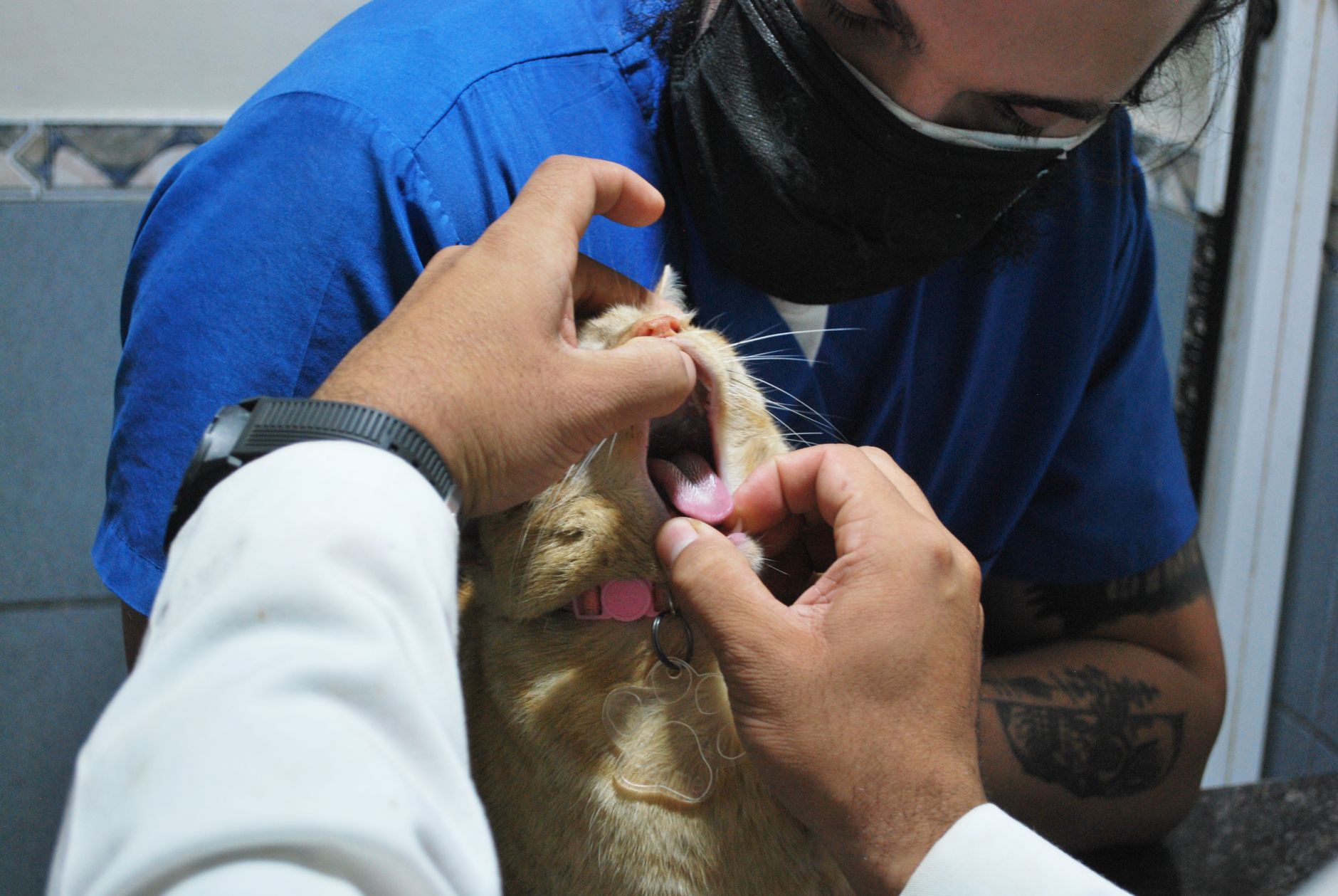

In the United States, companies that transport animals for other people commercially fall under the federal Animal Welfare Act and generally must register with the United States Department of Agriculture Animal and Plant Health Inspection Service (USDA APHIS), most commonly as a Class T (transporter) carrier. Registration standards cover crate size, ventilation, food/water access, and recordkeeping, and APHIS inspectors conduct unannounced compliance checks.
How the Process Works, Step by Step
- Book early. Airline live-animal cargo space is limited, and international entry paperwork often has to be completed within a fixed window before travel — professional shippers typically ask for weeks to months of lead time, longer for countries with rabies-free status like Australia or quarantine programs like Singapore.
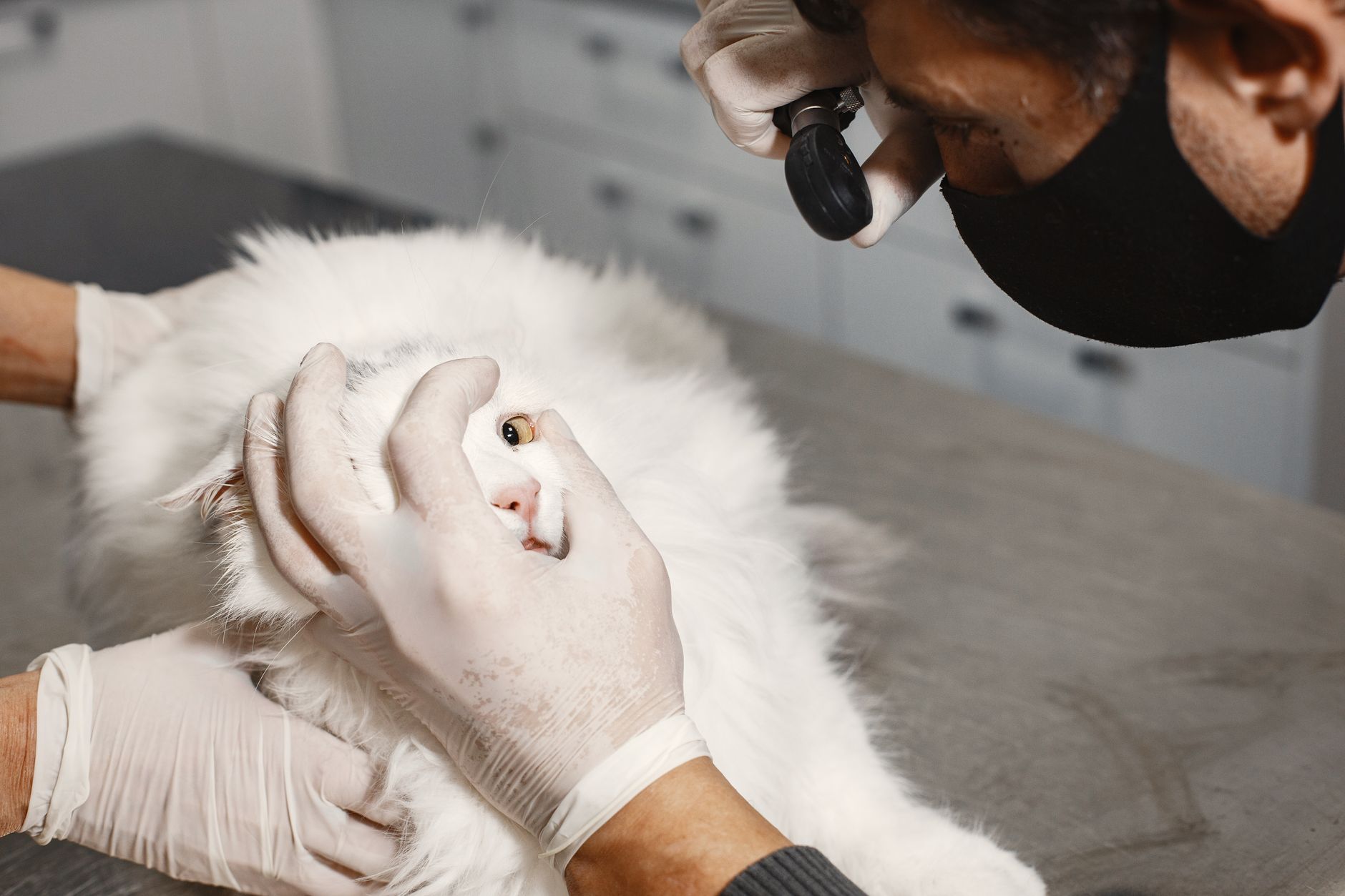
- Get the health exam. For international travel, a USDA-accredited veterinarian examines the cat and prepares the paperwork; for interstate travel, requirements are set by the destination state, not by USDA APHIS.
- Obtain the USDA endorsement (international only). The vet's certificate — commonly the APHIS Form 7001 — must be endorsed by a USDA Veterinary Services office before the cat leaves the country.
- Crate-train the cat. The carrier must meet IATA's Live Animals Regulations: enough room to stand, turn around, and lie down naturally, with a leak-proof floor and secure ventilation.
- Ground transport to and from the airport. Many shippers include or offer a "pet taxi" leg so the cat never travels unattended between the home and the terminal.
- Air or ground movement. Depending on size and airline policy, the cat may fly in the cabin (small carrier under the seat), as excess/checked baggage, or as manifest cargo in a temperature-controlled hold.
- Customs and import clearance at destination. The receiving country's border/agriculture authority checks paperwork, microchip, and vaccination records against its own import rules before releasing the cat.
Cat Shipping Costs in 2026
Published price breakdowns from pet relocation companies show a wide range depending on distance, service level, and destination-country requirements.
| Cost Item | Typical Range (USD) | Notes |
|---|---|---|
| IATA-compliant travel crate | $50 – $200 | Size depends on the cat; must meet airline/IATA minimums |
| Domestic health certificate | $75 – $300 | Issued by a licensed vet; requirements set by the destination state |
| Domestic manifest cargo airfare | ~$275 – $500 | Booked through a shipper as cargo, separate from a human passenger ticket |
| USDA endorsement (international) | $38 – $121 | Federal government fee; varies by service and location |
| International vet workup (titers, bloodwork) | Up to $1,200 | Required by rabies-free destinations such as Australia and Japan |
| Full-service international relocation | $1,000 – $6,000+ | Includes booking, paperwork, crate, and door-to-door coordination |
| Local pet taxi (under ~10 miles) | Up to ~$275 | Ground-only transport to/from the airport |
These figures are drawn from pet relocation industry sources (PetRelocation, CitizenShipper) rather than a single government fee schedule, so always request a written, itemized quote before booking, since airline fuel surcharges and destination quarantine costs can shift the total significantly.
USDA APHIS Rules: Interstate vs. International
Interstate (state-to-state) cat travel
USDA APHIS states plainly that it "doesn't regulate the interstate movement of pets by their owners." Instead, each destination state or territory sets its own entry requirements, which can include a health certificate, updated vaccinations, or diagnostic testing — check with the destination state's animal health office before you travel (USDA APHIS, 2026).
International cat travel
For international export, USDA APHIS advises contacting a USDA-accredited veterinarian as soon as travel is planned; that vet determines the destination country's specific entry rules and prepares the paperwork, which USDA then endorses. As the agency puts it, "meeting these requirements takes time, so don't delay" (USDA APHIS, 2026). Every destination country sets and can change its own import rules, so requirements must be reverified before each individual trip — even to a country you've shipped a pet to before.
Airline and IATA Rules for Cats
The International Air Transport Association (IATA) publishes the Live Animals Regulations (LAR), the global standard airlines and professional shippers use for crate dimensions and handling. The edition in effect from 1 January 2026 requires that animals be at least eight weeks old and fully weaned before air travel, and that carriers give the cat enough room to stand, turn around normally, and lie in a natural position. IATA also advises against sedating cats for travel because of the risk of adverse reactions at altitude. Beyond IATA's baseline, individual airlines set their own cabin-vs-cargo policies, breed and seasonal embargoes (many carriers restrict cargo travel for flat-faced/brachycephalic breeds during hot weather), and fees — so confirm current policy directly with the airline before booking.
How to Vet a Cat Shipping Company
The pet shipping industry has a documented scam problem, particularly on classifieds and social media. The International Pet and Animal Transportation Association (IPATA) — the leading trade association for professional pet shippers — recommends verifying membership directly through its own "Find a Pet Shipper" directory rather than trusting a logo on a company's website, since logos can be copied. IPATA also notes there is no legitimate shipping company that uses "IPATA" in its own business name.
Red flags IPATA and industry sources warn about
- A quote far below every competitor's price for the same route
- Pressure to pay by wire transfer, Western Union, MoneyGram, Zelle, or Venmo
- Costs that keep escalating with invented last-minute "rules" or fees
- No written privacy, refund, or cancellation policy
- Only stock photos on the site — no real vehicles, kennels, or staff
- A company claiming IPATA membership that does not appear in IPATA's own directory
Cat Shipping Service vs. Official Pet Travel Documents
It's worth separating three different things that get discussed under "cat shipping" and "pet passports":
- A cat shipping service — a commercial company (see above) that physically moves the cat and manages logistics.
- An official pet travel document — for example, the EU pet passport, a standardized document issued only by an authorized veterinarian, recording the cat's microchip number and rabies vaccination history for travel within the European Union. Under Commission Implementing Regulation (EU) 2026/705, a new EU passport model takes effect from 22 April 2026, with older passports remaining valid through 1 January 2028 under transitional rules (European Commission, 2026). In the U.S., the closest equivalent for international export is the USDA-endorsed APHIS Form 7001 health certificate, not a passport booklet.
- Animal Passport's biometric ID product — a separate, non-governmental tool built by Animal Passport that uses phone-captured muzzle (nose print) biometrics to identify livestock, along with a dental-photo age estimate and a photo-based body condition score. It was used during livestock flood rescue in Pakistan in August 2025 to help farmers reclaim animals after paper ear tags washed away. This is a livestock identity and welfare-record tool, not a government travel document, and it does not replace a USDA health certificate, an EU pet passport, or any airline's required paperwork for shipping a cat. See more on the Animal Passport blog.
Domestic vs. International: Quick Comparison
| Factor | Domestic (interstate) | International |
|---|---|---|
| Federal oversight of the owner | None — USDA APHIS does not regulate owner-arranged interstate moves | USDA-endorsed health certificate typically required for export |
| Who sets requirements | Destination state/territory animal health office | Destination country's government |
| Typical lead time | Days to a few weeks | Weeks to several months |
| Typical total cost | $150 – $600 for a shipper-assisted flight or drive | $1,000 – $6,000+, more with quarantine |
| Common extra steps | Vaccination proof, sometimes a health certificate | Rabies titer test, import permit, possible quarantine |
Frequently Asked Questions
How much does it cost to use a cat shipping service?
Domestic moves through a professional shipper typically run $150–$600, mostly for the crate, health certificate, and cargo airfare. Full-service international relocation usually costs $1,000–$6,000 or more, driven by vet testing, government endorsements, and destination-country import rules (PetRelocation, CitizenShipper, 2026).
Does USDA APHIS regulate interstate cat travel?
No. USDA APHIS states it does not regulate the interstate movement of pets by their owners; requirements instead come from the destination state or territory's animal health office. USDA APHIS does, however, require commercial pet transport businesses to register under the Animal Welfare Act.
What paperwork does a cat need to fly internationally?
Most countries require an exam by a USDA-accredited veterinarian and a USDA-endorsed health certificate (commonly APHIS Form 7001), plus whatever additional vaccines, tests, or permits the destination country specifically requires — these rules vary by country and must be reverified before every trip.
How old does a cat have to be to fly?
Under IATA's Live Animals Regulations, animals must be at least eight weeks old and fully weaned before air travel; individual airlines and destination countries may set stricter minimum ages, especially for international routes.
How do I know if a pet shipping company is legitimate?
Verify the company directly in the International Pet and Animal Transportation Association (IPATA)'s "Find a Pet Shipper" directory rather than trusting a badge on their website, check independent reviews (Google, BBB, Trustpilot), and avoid any shipper that asks for wire transfer or Venmo/Zelle payment.
Is a cat shipping service the same as an animal passport?
No. A cat shipping service physically transports the cat and manages logistics. An "animal passport" usually refers to an official document — like the EU pet passport — issued by a veterinarian for travel paperwork. Animal Passport's biometric muzzle-ID product is a separate, non-governmental livestock identity tool and is not a substitute for any required shipping or travel paperwork.
Can a cat fly in the cabin instead of cargo?
Many airlines allow small cats in an approved soft-sided carrier under the seat in the cabin, subject to size limits and fees, while larger cats or certain routes require cargo or excess-baggage handling; policies differ by airline, so confirm directly with the carrier before booking.
What is a USDA Class T carrier?
Class T is the registration category USDA APHIS commonly uses under the Animal Welfare Act for businesses that transport regulated animals, including independent pet shippers; registration requires compliance with federal standards for crating, care, and recordkeeping and is subject to unannounced inspections.
FAQ
- How much does it cost to use a cat shipping service?
- Domestic moves through a professional shipper typically run $150–$600, mostly for the crate, health certificate, and cargo airfare. Full-service international relocation usually costs $1,000–$6,000 or more, driven by vet testing, government endorsements, and destination-country import rules (PetRelocation, CitizenShipper, 2026).
- Does USDA APHIS regulate interstate cat travel?
- No. USDA APHIS states it does not regulate the interstate movement of pets by their owners; requirements instead come from the destination state or territory's animal health office. USDA APHIS does, however, require commercial pet transport businesses to register under the Animal Welfare Act.
- What paperwork does a cat need to fly internationally?
- Most countries require an exam by a USDA-accredited veterinarian and a USDA-endorsed health certificate (commonly APHIS Form 7001), plus whatever additional vaccines, tests, or permits the destination country specifically requires — these rules vary by country and must be reverified before every trip.
- How old does a cat have to be to fly?
- Under IATA's Live Animals Regulations, animals must be at least eight weeks old and fully weaned before air travel; individual airlines and destination countries may set stricter minimum ages, especially for international routes.
- How do I know if a pet shipping company is legitimate?
- Verify the company directly in the International Pet and Animal Transportation Association (IPATA)'s 'Find a Pet Shipper' directory rather than trusting a badge on their website, check independent reviews (Google, BBB, Trustpilot), and avoid any shipper that asks for wire transfer or Venmo/Zelle payment.
- Is a cat shipping service the same as an animal passport?
- No. A cat shipping service physically transports the cat and manages logistics. An 'animal passport' usually refers to an official document — like the EU pet passport — issued by a veterinarian for travel paperwork. Animal Passport's biometric muzzle-ID product is a separate, non-governmental livestock identity tool and is not a substitute for any required shipping or travel paperwork.
- Can a cat fly in the cabin instead of cargo?
- Many airlines allow small cats in an approved soft-sided carrier under the seat in the cabin, subject to size limits and fees, while larger cats or certain routes require cargo or excess-baggage handling; policies differ by airline, so confirm directly with the carrier before booking.
- What is a USDA Class T carrier?
- Class T is the registration category USDA APHIS commonly uses under the Animal Welfare Act for businesses that transport regulated animals, including independent pet shippers; registration requires compliance with federal standards for crating, care, and recordkeeping and is subject to unannounced inspections.
Sources
- Pet Travel | Domestic and International Travel With a Pet — USDA Animal and Plant Health Inspection Service (APHIS)
- Take a Pet From One U.S. State or Territory to Another (Interstate) — USDA Animal and Plant Health Inspection Service (APHIS)
- Traveling with Pets — International Air Transport Association (IATA)
- Travelling with a pet within the EU — European Commission
- Pet Scams — International Pet and Animal Transportation Association (IPATA)
- How Much Does It Cost to Ship a Cat? — PetRelocation
- How Much Does It Cost to Ship a Cat? (2026 Price Guide) — CitizenShipper
- How to Become a USDA-Certified Pet Transporter: Complete Guide — CitizenShipper