easyJet Pet Policy (October 2026): Can You Fly With a Dog or Cat?
Key takeaways
- easyJet does not allow pets of any kind on its flights, in the cabin or the hold, and there is no fee to add one (easyJet Help Centre, 2026).
- Emotional support dogs are treated as pets and are forbidden on easyJet aircraft.
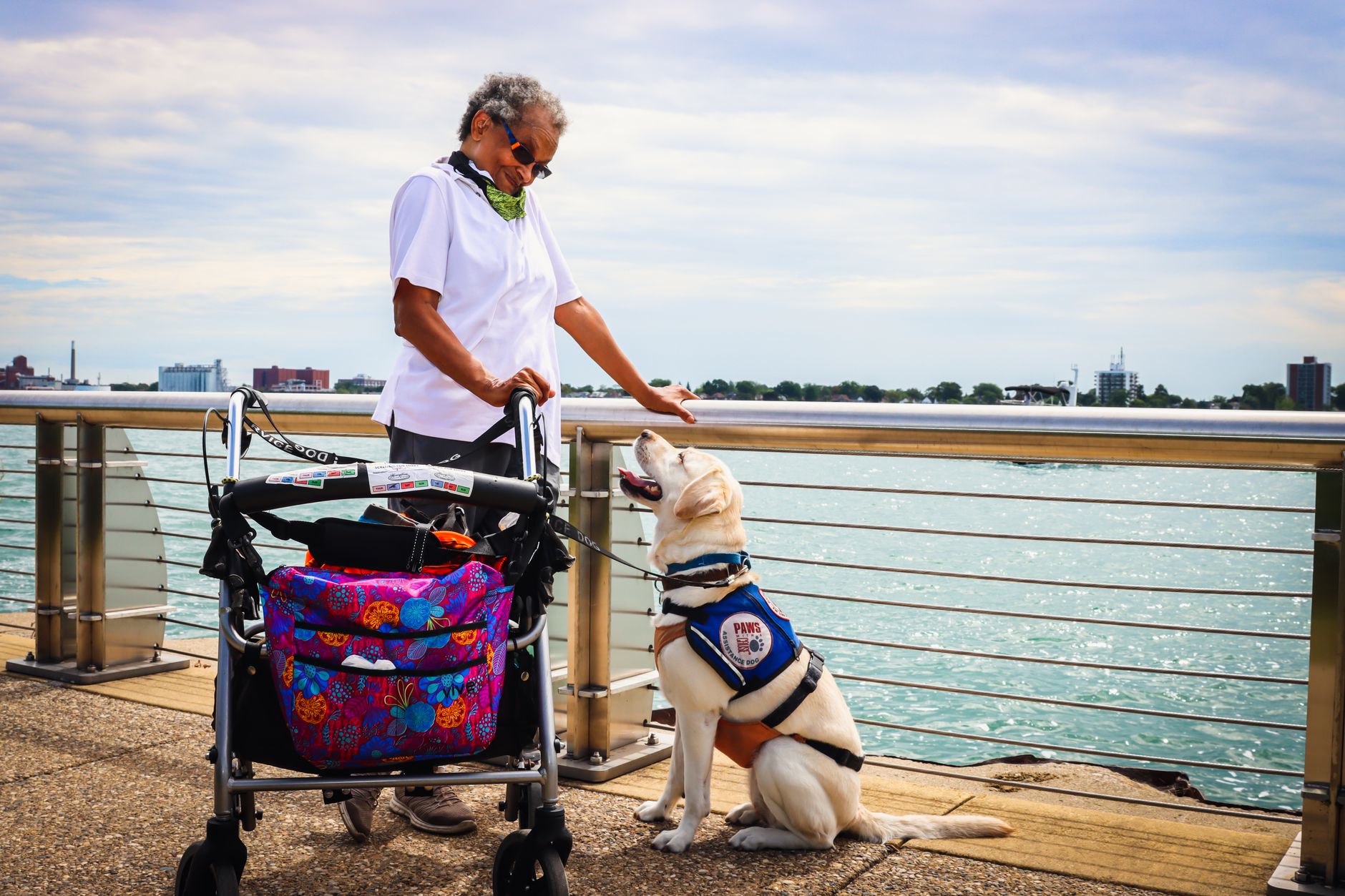
- Trained assistance dogs fly free, together with their containers and food, on top of your baggage allowance.
- You must send the dog's health and training certificates no later than 48 hours before departure and arrive at Bag Drop or Special Assistance at least 2 hours early.
- Assistance dogs are not accepted on easyJet flights to or from Egypt, Israel, Kosovo, Montenegro, Morocco or Turkey.
- Assistance dogs must still meet government pet travel rules: microchip, rabies vaccination, an animal health certificate or valid pet passport, and tapeworm treatment where required.
- Animal Passport's muzzle-biometric livestock ID is not a pet passport or an airline travel document, and easyJet does not accept it in place of official papers.
Short answer: easyJet does not allow pets on its flights, in the cabin or in the hold. The only exception is a recognised, trained assistance dog. Assistance dogs fly free if you send their health and training documents at least 48 hours before departure, and they are not accepted on routes to or from Egypt, Israel, Kosovo, Montenegro, Morocco or Turkey (easyJet Help Centre, 2026). Emotional support dogs are banned.
The easyJet pet policy is the set of rules the British low-cost airline easyJet uses to decide which animals may board its aircraft. In practice that means no pets, and certified assistance dogs only. This guide, last updated in October 2026 by the Animal Passport editorial team, covers what the airline allows, the documents it asks for, how UK and EU government pet travel rules apply on top, and what to do if your animal cannot fly with easyJet.

What is easyJet's pet policy?
easyJet's baggage rules are short: “Animals are not allowed on our flights, apart from recognised registered guide and assistance dogs” (easyJet, Restricted and unusual items, 2026). The airline's Special Assistance page goes further: “Emotional support dogs and pets of any kind are forbidden for carriage on our aircraft” (easyJet, Special assistance, 2026).
So, as of October 2026:
- Dogs and cats in the cabin: not allowed.
- Pets in the hold or as cargo: not allowed. easyJet has no pet cargo service.
- Small animals such as rabbits, birds, rodents and reptiles: not allowed.
- Emotional support animals: not allowed.
- Recognised assistance dogs: allowed on most routes, free of charge, with prior approval.
There is no paid pet add-on and no weight or carrier-size threshold that would change this. Animal size makes no difference, because the ban covers every species apart from recognised assistance dogs.
easyJet pet policy at a glance
| Animal or situation | Allowed on easyJet? | Conditions (source) |
|---|---|---|
| Pet dog or cat in the cabin | No | Pets of any kind are forbidden (easyJet, 2026) |
| Pet in the hold or as cargo | No | Animals are not allowed, apart from recognised guide and assistance dogs (easyJet, 2026) |
| Emotional support dog | No | Explicitly forbidden (easyJet, 2026) |
| Assistance dog from an ADI- or IGDF-accredited trainer | Yes, on permitted routes | Documents due at least 48 hours before departure; flies free (easyJet, 2026) |
| Assistance dog from another trainer, within or between the EU and Switzerland | Case by case | Training must be comparable to ADI or IGDF standards; UK routes are excluded (easyJet, 2026) |
| Assistance dog in training | Sometimes | Must be at an advanced stage of training and under the control of an ADI- or IGDF-accredited trainer (easyJet, 2026) |
| Any assistance dog to or from Egypt, Israel, Kosovo, Montenegro, Morocco or Turkey | No | Excluded because of local customs regulations (easyJet, 2026) |
Which assistance dogs does easyJet accept?
easyJet defines an assistance dog as “a dog that has been specifically trained to perform tasks to assist a person with a disability” and that has been certified by a recognised assistance dog training organisation (easyJet, Special assistance, 2026).
ADI and IGDF accreditation
Dogs trained by an organisation accredited to Assistance Dogs International (ADI) or the International Guide Dog Federation (IGDF) are accepted on all permitted routes (easyJet, 2026). For travel within or between European Union countries and Switzerland, but not the United Kingdom, easyJet may accept dogs from other organisations with comparable training standards. These are decided case by case by its assistance team.
What counts as a recognised assistance dog in the UK?
The UK government lists guide dogs, hearing dogs, autism assistance dogs, medical alert dogs, physical disability assistance dogs, PTSD assistance dogs, psychiatric assistance dogs, allergy alert dogs and dementia assistance dogs as typical recognised assistance dogs. It adds that “dogs that only provide emotional support are not usually considered recognised assistance dogs” (GOV.UK, Guide and assistance dogs, 2026). This matches easyJet's own ban on emotional support dogs.
What documents does easyJet need for an assistance dog?
easyJet says you must provide documents confirming that your assistance dog is trained and fit to fly (easyJet, Special assistance, 2026):
- An animal health certificate, or a pet passport if your destination accepts one.
- Vaccination certificates. Requirements vary by destination, and easyJet says it is your responsibility to make sure the vaccinations were given within the required timeframe.
- Official documentation from the training organisation confirming the training the dog has completed and the tasks it has been assessed to perform for you.
easyJet checks with the training organisation that the training is appropriate for air travel. Send the paperwork as early as possible, and no later than 48 hours before departure.
How to book an easyJet flight with an assistance dog: step by step
- Check the route. Make sure neither the departure nor the arrival country is Egypt, Israel, Kosovo, Montenegro, Morocco or Turkey. easyJet does not carry assistance dogs on those routes (easyJet, 2026).
- Contact easyJet's assistance team. Assistance dogs must be pre-approved before travel (easyJet, 2026).
- Submit health and training documents no later than 48 hours before departure. The UK government sets the same 48-hour minimum notice for airlines (GOV.UK, 2026).
- Contact the animal reception centre at your arrival airport. easyJet warns that if you do not, your dog could be refused entry or placed in quarantine, and you could be fined for incorrect documents (easyJet, 2026).
- Put the dog in a standard identifying jacket or harness for the journey.
- Arrive at Bag Drop or the Special Assistance desk at least 2 hours before departure so the paperwork can be checked (easyJet, 2026).
The dog, its containers and its food are carried free of charge, on top of your normal baggage allowance (easyJet, 2026).
Government pet travel rules still apply
Airline approval is only half of it. The UK Government (GOV.UK) states that its rules for taking a dog abroad “also apply to assistance dogs”, and the Your Europe portal run by the European Commission sets matching entry conditions for the European Union (EU).
Flying from Great Britain to an EU country
As of October 2026, GOV.UK lists these steps (GOV.UK, Taking your pet abroad, 2026):
- Microchip before, or at the same time as, the rabies vaccination.
- Rabies vaccination when the dog is at least 12 weeks old, then wait at least 21 full days after the first vaccination before travelling.
- Animal health certificate (AHC) from your vet. It is valid for 10 days for entry into the EU, 6 months for onward travel within the EU, and 6 months for re-entry to Great Britain. You need a new one for each trip.
- Pet passports: residents of England, Scotland or Wales cannot use a pet passport to enter the EU, even one issued in the EU. Residents of Northern Ireland can still use an EU pet passport.
- Tapeworm treatment if your destination requires it.
Flying within the EU
For travel between EU countries, the European pet passport is the standard identity document for dogs, cats and ferrets. It records the microchip number, rabies vaccination and owner details. It is issued only to EU residents and stays valid for the animal's life as long as the rabies vaccination is in date (Your Europe, European Commission, 2026). Dogs going to Finland, Ireland, Malta, Norway or Northern Ireland need treatment for the tapeworm Echinococcus multilocularis 24 to 120 hours before travel.
Returning to Great Britain
To enter Great Britain you follow the same microchip, rabies, travel-document and tapeworm steps. GOV.UK warns that an animal that does not meet the rules may be quarantined for up to 4 months at the owner's expense (GOV.UK, Bring your pet to Great Britain, 2026). The GOV.UK list of airlines registered to carry and check assistance dogs, updated 25 September 2026, shows easyJet as approved at “all airports with a government approved assistance dog checker”.
Can my pet fly with a different airline instead?
If your animal is a pet rather than an assistance dog, easyJet is not an option. GOV.UK says that, for flights into Great Britain, pets must travel as cargo unless you are on a chartered private plane or travelling with a guide or assistance dog (GOV.UK, Travel routes for pets, 2026). The government also publishes a list of commercial airlines approved to carry pets in the hold into Great Britain. Its 5 October 2026 version does not include easyJet.
Common alternatives are:
- Another airline that accepts pets as cargo on an approved route. Check the current GOV.UK approved-routes list and the carrier's own rules before booking.
- Ferry or Eurotunnel, after checking that the operator accepts pets (GOV.UK, 2026).
- A chartered private flight, where pets can travel in the cabin.
Third-party travel guides agree with the airline that easyJet has no paid pet option. Policies change, though, so treat easyJet's own Help Centre as the final word.
easyJet pet policy vs. Animal Passport: not the same thing
People searching for pet travel documents often find Animal Passport, so here is the difference. Animal Passport is a digital animal and livestock identity record. It uses muzzle biometrics, because a nose print is as unique as a fingerprint. Owners capture it on a phone, and it links the animal to its owner, breed, estimated age, body condition and vaccination history. It can estimate age from a dental photograph, with a confidence score, and give a body condition score from 1 to 5 from a side-profile photo.
Animal Passport is not an EU pet passport, a UK animal health certificate or any other government-issued travel document. easyJet does not list it among the documents it accepts for assistance dogs. For flights you still need the official papers your vet issues under the UK and EU schemes above.
The product was built for livestock identity. In the August 2025 floods in Pakistan, it helped farmers reclaim animals after paper ear tags washed away. That is a different job from getting a dog through an airport. You can read more of our identity and traceability coverage on the Animal Passport blog.
Practical tips before you book
- Check easyJet's Special Assistance page right before you book, because route exclusions and document rules can change.
- Line up vet appointments with your flight. An animal health certificate must be used within 10 days for EU entry, and tapeworm treatment has a 1-to-5-day window for some destinations (GOV.UK and Your Europe, 2026).
- Carry printed copies of the training certificate, health certificate and vaccination records, even if you have already sent them digitally.
- Plan the return flight too. Re-entry rules for Great Britain apply separately from outbound EU rules.
By the Animal Passport editorial team. Last updated: 9 October 2026. This article is general information, not legal or veterinary advice. Confirm your requirements with easyJet, your vet and the relevant government authority before you travel.
FAQ
- Does easyJet allow pets in the cabin?
- No. easyJet does not allow pets of any kind in the cabin. The only animals allowed on board are recognised, trained assistance dogs approved in advance.
- Can I put my dog in the hold on easyJet?
- No. easyJet does not carry pets in the hold or as cargo, so pet owners need a different airline that offers pet cargo on an approved route, a ferry, Eurotunnel or a private charter.
- Does easyJet accept emotional support animals?
- No. easyJet's Special Assistance policy states that emotional support dogs and pets of any kind are forbidden on its aircraft.
- How much does it cost to fly with an assistance dog on easyJet?
- Nothing. easyJet carries a recognised assistance dog, its containers and its food free of charge, on top of your normal baggage allowance.
- How much notice does easyJet need for an assistance dog?
- easyJet needs the dog's health and training certificates as soon as possible and no later than 48 hours before departure. You should also arrive at Bag Drop or Special Assistance at least 2 hours before the flight.
- Which easyJet routes do not allow assistance dogs?
- easyJet does not carry assistance dogs on flights to or from Egypt, Israel, Kosovo, Montenegro, Morocco or Turkey, because of local customs regulations.
- What documents do I need for an assistance dog on easyJet?
- You need an animal health certificate (or a pet passport if your destination accepts it), vaccination certificates, and official documentation from the training organisation describing the dog's training and assessed tasks.
- Is Animal Passport the same as a pet passport for flying?
- No. Animal Passport is a muzzle-biometric animal and livestock identity record, not a government-issued pet passport or animal health certificate, and airlines such as easyJet do not accept it in place of official travel documents.
Sources
- Special assistance — easyJet
- Restricted and unusual items — easyJet
- Taking your pet dog, cat or ferret abroad: Travelling to an EU country — GOV.UK
- Bringing your pet dog, cat or ferret to Great Britain: What you need to do — GOV.UK
- Bringing your pet dog, cat or ferret to Great Britain: Guide and assistance dogs — GOV.UK
- Bringing your pet dog, cat or ferret to Great Britain: Travel routes for pets — GOV.UK
- Airlines and airports registered to transport and check assistance dogs — GOV.UK
- Pet travel: airlines and airports you can use — GOV.UK
- EU rules on travelling with pets and other animals in the EU — Your Europe (European Commission)