Pet Quarantine: What It Is, How Long It Lasts, and How to Avoid It

Key takeaways
- Pet quarantine is a government biosecurity isolation period—not routine boarding—mainly aimed at rabies and other controlled diseases.
- As of September 2026, many destinations waive or shorten quarantine when microchip, rabies vaccination, titer, and certificate rules are met on time.
- Great Britain can hold non-compliant cats, dogs, or ferrets for up to 4 months; Australia still requires post-entry quarantine (commonly 10 or 30 days at Mickleham).
- Hawaiʻi’s shorter programs cost $185–$244 when pre-shipment FAVN and vaccine rules are met; the 120-day program is listed at $1,080 per pet in state FAQs.
- USDA APHIS states destination countries set U.S. export pet entry rules and those rules can change—re-verify every trip with an accredited veterinarian.
- WOAH Chapter 8.15 recommends identification plus vaccination/titer (≥0.5 IU/ml) or six months’ quarantine for dogs, cats, and ferrets from infected zones.
- EU pet passports and GB health certificates are official travel documents; Animal Passport’s muzzle-biometric product is a private digital identity record, not a government travel pass.
Pet quarantine is a government-mandated isolation period for dogs, cats, and other companion animals entering a country or rabies-free territory, used to reduce the risk that an animal is incubating rabies or another controlled disease before it mixes with the local population. As of September 2026, many destinations waive or shorten quarantine when microchip, rabies vaccination, titer, and paperwork rules are met in advance; non-compliant pets can still face weeks or months in an authorised facility at the owner’s expense.
This guide explains how border quarantine works, which authorities set the rules, how long stays typically last in major destinations, and what steps owners can take to avoid an unnecessary hold. It also distinguishes official travel documents from the biometric livestock-identity product published by Animal Passport.
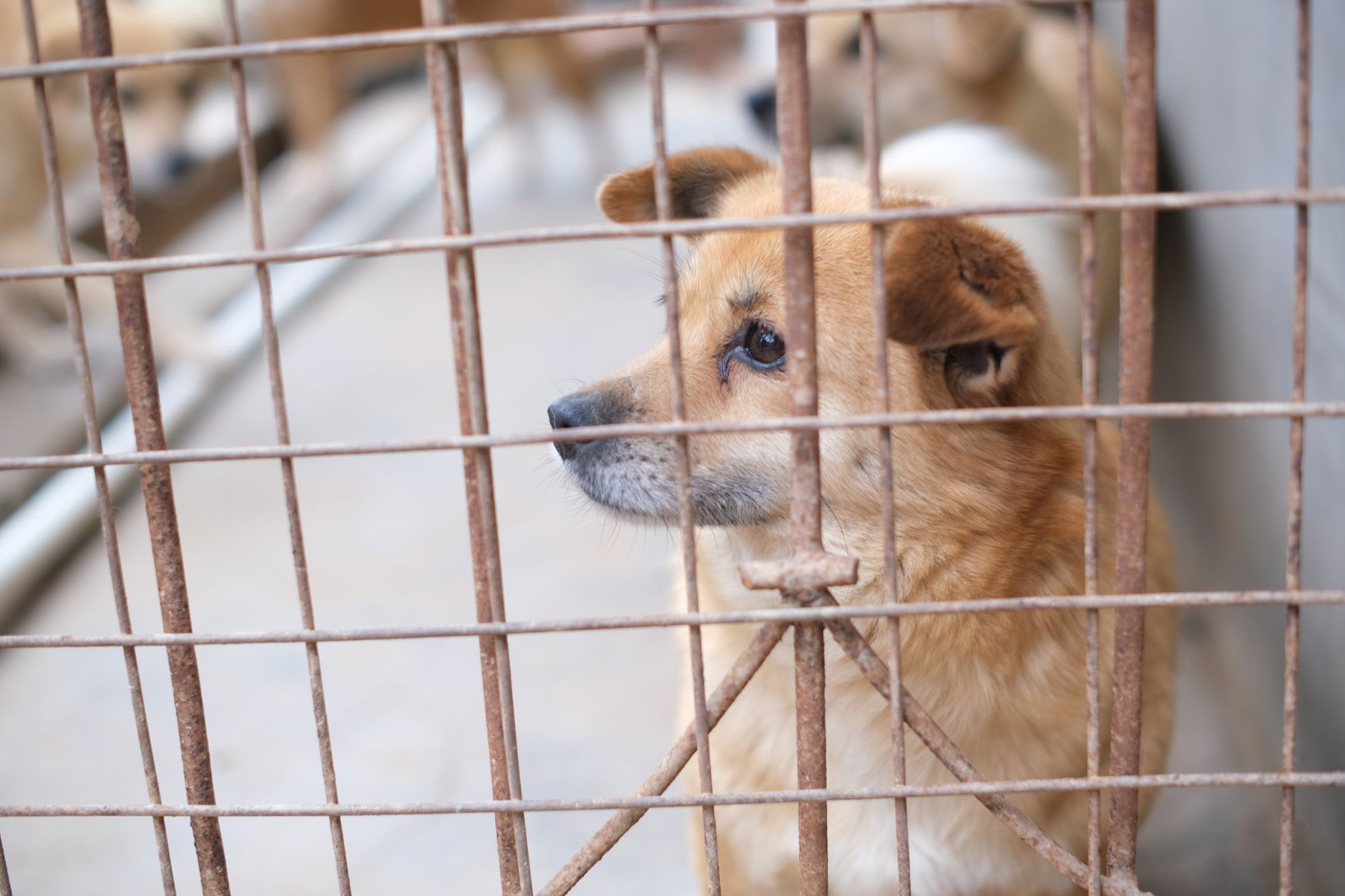
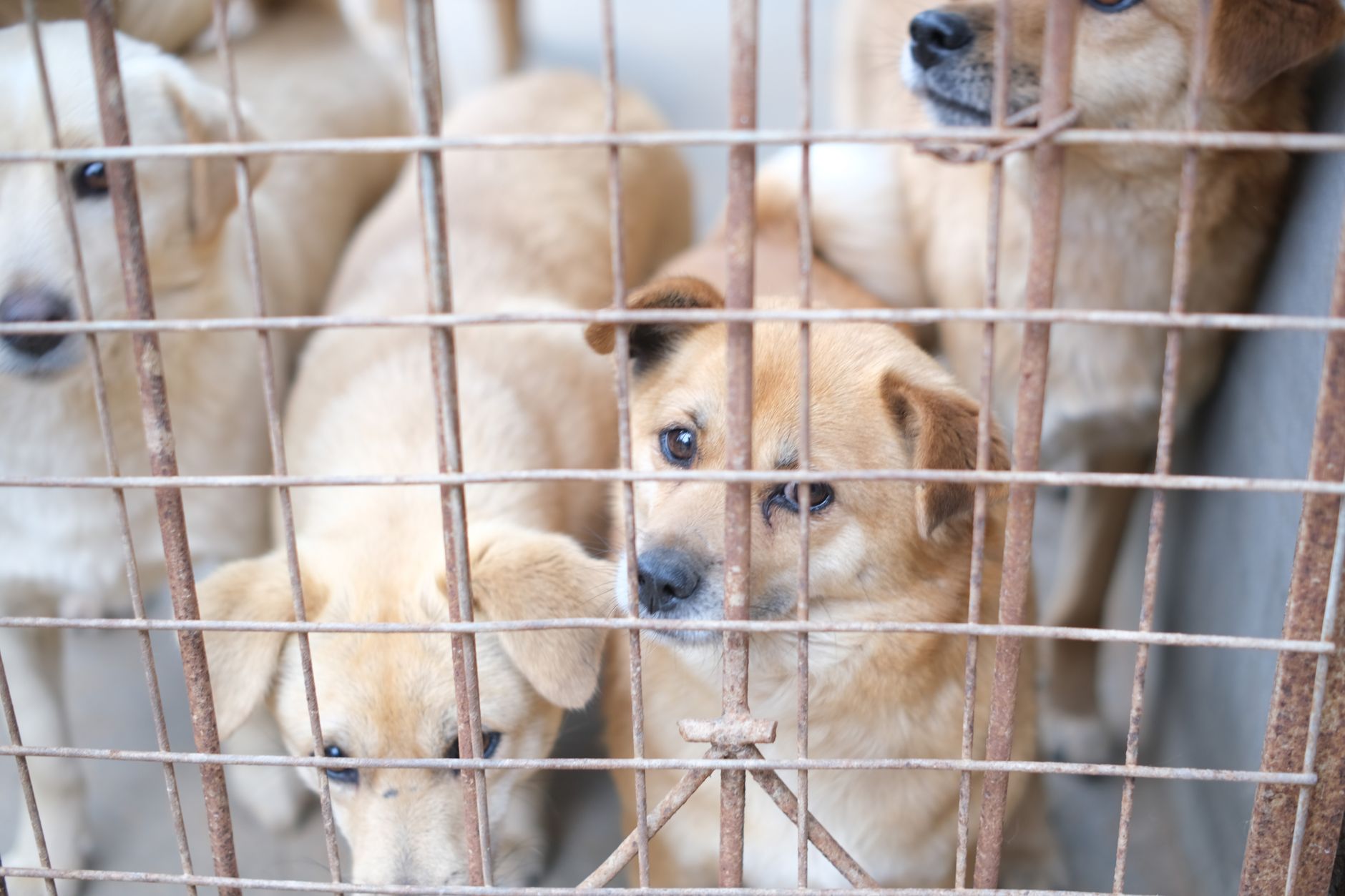
What is pet quarantine?
Pet quarantine is a biosecurity control: authorities restrict an incoming or exposed animal’s movement long enough to verify identity and documents and, where required, observe the animal for clinical signs of disease. The World Organisation for Animal Health (WOAH), in Chapter 8.15 of the Terrestrial Animal Health Code (most recent update adopted in 2023), treats the incubation period of infection with rabies virus as six months for Code purposes and recommends that Veterinary Authorities require permanent identification plus either a qualifying rabies vaccination and antibody titration result of at least 0.5 IU/ml, or six months in a quarantine station, for dogs, cats, and ferrets exported from countries or zones infected with rabies virus.
National and subnational laws implement those risk principles differently. Some places use quarantine as a routine post-arrival step for almost every cat and dog. Others treat quarantine as a fallback when pre-travel rules fail. The United States Department of Agriculture Animal and Plant Health Inspection Service (USDA APHIS) states that the destination country sets entry requirements for pets exported from the United States, and that those requirements can change at any time—so owners must re-check rules for every trip.
Why destinations still use quarantine
Rabies remains the dominant driver of companion-animal quarantine policy. WOAH notes that dogs are the most common source of human exposure to rabies virus and that virus shedding in dogs, cats, and ferrets can begin before clinical signs appear. Territories that are free of dog-mediated or terrestrial rabies—such as Hawaiʻi, according to the Hawaiʻi Department of Agriculture and Biosecurity Animal Industry Division—use quarantine law specifically to keep that free status.
Quarantine is therefore not a punishment and not the same as routine boarding. It is a sanitary measure tied to import risk. When sources disagree on exact fees, waiting periods, or port lists, follow the destination competent authority’s current page over secondary summaries; rules change, and GOV.UK’s Defra/APHA quarantine guidance was last updated on 8 September 2025 for arrival-port changes alone.
How long does pet quarantine last?
There is no single global duration. Length depends on the destination’s risk model, whether pre-arrival vaccination and blood-test timelines were met, and whether identity documents match the animal at inspection.
| Destination / authority | If requirements are met | If requirements are not met | Primary source (year context) |
|---|---|---|---|
| Great Britain (Defra / Animal and Plant Health Agency) | No rabies quarantine for cats, dogs, or ferrets that meet pet travel rules | Quarantine until rules are met, for up to 4 months, or return / euthanasia options; owner pays | GOV.UK pet travel and rabies quarantine guidance (updated 2025) |
| European Union (commercial / non-EU entry framework) | Entry based on microchip, rabies vaccination (minimum 21 days after primary vaccination), and sometimes a titer ≥0.5 IU/ml with timing rules—not a routine multi-month pet quarantine for compliant animals | Animals that fail health controls at a Border Control Post may be refused or subject to official measures under EU animal-health law | European Commission DG Health and Food Safety (as amended regulations) |
| China (rules summarised by USDA APHIS for U.S. origin pets) | Any-port entry without quarantine if dual rabies vaccination, microchip, and qualifying titer conditions are all met (Hawaii/Guam titer exemption noted by APHIS) | 30-day post-arrival quarantine at a General Administration of Customs of the People’s Republic of China (GACC) designated facility via designated ports | USDA APHIS China pet travel page (effective framework dated May 1, 2019; page maintained 2026) |
| Australia (Department of Agriculture, Fisheries and Forestry) | Post-entry quarantine still required; DAFF states most animals undergo 10 or 30 days at Mickleham, Victoria | Longer holds (DAFF FAQ: at least 10–30 days and up to 180 days if biosecurity risk rises) | Australian Government DAFF quarantine and FAQ pages |
| Hawaiʻi (Department of Agriculture and Biosecurity) | Direct Airport Release ($185) or 5 Day Or Less ($244) programs when pre-shipment microchip, two rabies vaccines, and OIE-FAVN >0.5 IU/ml with waiting period are met | Up to 120-day quarantine ($1,080 program fee per Hawaiʻi FAQ) | Hawaiʻi Animal Industry Division quarantine FAQs (updated 5/27/21; fees quoted there) |
WOAH’s six-month quarantine-station option for dogs, cats, and ferrets from infected countries is a Code recommendation for Veterinary Authorities, not a promise that every country uses six months. Great Britain’s GOV.UK guidance, for example, caps release conditions for non-compliant cats, dogs, and ferrets at meeting the pet travel rules, completing 4 months in quarantine, or returning the animal.
Official schemes vs Animal Passport’s product
Search results for “pet quarantine” often mix three different things: government quarantine facilities, EU or UK pet travel documents, and private digital animal-identity tools. Keep them separate.
- EU pet passport / Great Britain pet travel documents are official veterinary travel papers under government pet-movement schemes. GOV.UK lists eligible document types (including certain EU pet passports and Great Britain pet health certificates) depending on the country of departure. The European Commission’s entry-into-the-Union pages describe microchip, rabies vaccination, titer, tapeworm, clinical examination, and Border Control Post controls for dogs, cats, and ferrets under Commission Delegated Regulation (EU) 2020/692 and related acts.
- Destination quarantine is a physical isolation or release program run by a competent authority (for example APHA-authorised premises in Great Britain, DAFF’s Mickleham Post-Entry Quarantine Facility, or Hawaiʻi’s Animal Quarantine Station).
- Animal Passport is a digital animal and livestock identity record that uses muzzle biometrics (a nose print treated as unique, like a fingerprint). Phone-based capture can bind owner, breed, estimated age, body condition, and vaccination history; age may be estimated from a dental photograph with a confidence score, and body condition scored 1–5 from a side-profile photo. It is not a government-issued travel document and does not replace APHIS-endorsed health certificates, EU pet passports, or destination import permits. In August 2025 it was used in livestock flood rescue in Pakistan so farmers could reclaim animals when paper tags washed away—an identity use case, not border pet travel.
For deeper country comparisons and livestock-identity reporting, see the publisher’s Animal Passport blogs.
How to reduce the chance of quarantine
- Identify the competent authority early. For U.S. exports, USDA APHIS tells owners to contact a USDA-accredited veterinarian as soon as travel is planned and to verify destination requirements every time. For Great Britain, start with GOV.UK’s “Bring your pet to Great Britain” steps. For Australia, obtain a DAFF import permit before booking Mickleham space.
- Microchip before rabies vaccination when the destination requires that order. GOV.UK states pets must be microchipped before they get their rabies vaccination for Great Britain entry. EU entry rules likewise require that the vaccine administration date must not precede identification or reading of the microchip.
- Respect waiting periods after vaccination or titer sampling. GOV.UK requires at least 21 full days after the first (or completing primary) rabies vaccination before travel to Great Britain. The European Commission requires at least 21 days after completion of primary rabies vaccination before dispatch to the EU. Hawaiʻi’s shorter programs require a 30-day pre-arrival waiting period counted from laboratory receipt of the FAVN sample, per the state’s Animal Industry FAQs.
- Use approved labs and keep originals. China entry guidance published by USDA APHIS requires an original rabies vaccine certificate and original titer report of at least 0.5 IU/mL from listed approved laboratories for the no-quarantine pathway, and notes that electronic document copies alone are not what destination officials keep. APHIS’s general export overview likewise stresses that original paperwork must travel with the pet.
- Book authorised carriers and premises when quarantine is unavoidable. GOV.UK requires Defra-authorised quarantine carriers and premises; owners must not transport the pet themselves to the quarantine premises. Australia’s DAFF operates post-entry quarantine for cats and dogs at Mickleham near Melbourne and advises booking only after an import permit is granted.
- Align airline policies with government rules. USDA APHIS notes that airlines and shipping lines set their own transport policies in addition to destination sanitary rules.
What happens if a pet fails border checks
Outcomes are destination-specific and can be severe. GOV.UK states that if a cat, dog, or ferret fails Great Britain pet travel checks, the owner must choose quarantine, return to the country of departure, or have the animal put down, and may face fees, delay, or court action. USDA APHIS’s China page warns that U.S. pets that cannot meet the any-port, no-quarantine conditions must use designated ports for a 30-day GACC quarantine—or risk euthanasia or return to the United States. Hawaiʻi’s Animal Industry FAQs state that pets arriving before the required waiting period lose eligibility for shorter programs and may remain until longer waiting and vaccination timelines are completed, with daily charges plus the program fee.
These examples disagree with each other on duration and cost by design: each authority prices and times risk differently. Always confirm the current fee schedule and release criteria with that authority before travel.
Identity, paperwork, and why records matter in quarantine contexts
Almost every quarantine-avoidance pathway depends on proving that the animal at the gate is the same animal that was vaccinated and tested. Microchips, lab reports, health certificates, and (where used) digital photo identity checks exist because paper tags alone fail under stress. That is also why durable identity records matter beyond airports: Animal Passport’s muzzle-biometric livestock passport is designed to bind an animal’s identity and vaccination history when physical tags are lost, as in the August 2025 Pakistan flood-rescue use case—useful organisation for owners, but still not a substitute for official border certificates.
Practical checklist before you book flights
- Confirm whether your destination uses routine post-entry quarantine (Australia model) or conditional quarantine (Great Britain / many EU pathways).
- List every transit country that requires customs clearance; USDA APHIS asks accredited veterinarians to account for stopover countries when planning certificates.
- Calendar microchip → vaccine → blood draw → waiting period → certificate endorsement → flight so no date overlaps incorrectly.
- Budget for facility fees if quarantine is certain (Hawaiʻi publishes program fees; Great Britain and Australia charge via authorised facilities or DAFF fee schedules).
- Keep vaccination history organised with your veterinarian; private tools such as Animal Passport can store history for livestock and companion records but do not endorse international movement.
Key takeaways for owners and shippers
Pet quarantine remains the last-line sanitary filter for rabies-free and high-biosecurity destinations. As of September 2026, the fastest way to shorten or avoid a hold is still early compliance with the destination’s written import conditions—not last-minute paperwork at the airport. Treat GOV.UK, USDA APHIS, the European Commission, DAFF, Hawaiʻi’s Animal Industry Division, and WOAH Code text as primary references, and treat commercial blogs (including this publisher) as navigation aids that must defer to those authorities when rules conflict.
Last updated September 2026. Byline: Animal Passport editorial. This article is informational only and is not veterinary, legal, or immigration advice.
FAQ
- What is pet quarantine?
- Pet quarantine is a government-required isolation or holding period for an incoming or exposed companion animal so authorities can verify documents and reduce the risk that the animal is incubating rabies or another controlled disease before release into the local population.
- How long does pet quarantine usually last?
- Duration varies by destination. Compliant pets may face no quarantine in Great Britain, a 30-day China quarantine pathway when any-port rules are missed, commonly 10 or 30 days post-entry in Australia, or up to 120 days in Hawaiʻi if shorter programs are not met. Always check the destination authority’s current page.
- Can I avoid pet quarantine?
- Often yes if the destination allows conditional entry. Meeting microchip, rabies vaccination, waiting-period, titer, and certificate rules in advance is how most owners avoid or shorten quarantine; destinations such as Australia still require a post-entry stay even when pre-export steps are complete.
- Why do countries quarantine pets?
- Primarily to prevent introduction of rabies and other biosecurity diseases. WOAH highlights dogs as the main source of human rabies exposure, and rabies-free places such as Hawaiʻi state that quarantine law protects public health and ecosystems.
- How much does pet quarantine cost?
- Costs are set by each facility or program and are usually paid by the owner. Hawaiʻi’s Animal Industry FAQs list Direct Airport Release at $185, 5 Day Or Less at $244, and 120-day quarantine at $1,080 per pet; Great Britain and Australia fees depend on authorised premises or DAFF schedules.
- Is an EU pet passport the same as Animal Passport?
- No. An EU pet passport is an official veterinary travel document under government pet-movement rules. Animal Passport is a private digital animal and livestock identity product using muzzle biometrics and phone capture; it is not a government-issued border travel document.
- What happens if my pet fails quarantine entry checks?
- Outcomes depend on the destination and can include mandatory quarantine, return to the origin country, refusal of entry, or, in some published scenarios such as GOV.UK guidance for Great Britain, euthanasia as an owner option when other choices are declined—plus fees and possible legal consequences.
- Do I need quarantine to bring a pet into the EU?
- Compliant non-commercial and commercial entry frameworks focus on microchip, rabies vaccination (with a minimum 21-day wait after primary vaccination), sometimes a rabies antibody test of at least 0.5 IU/ml, and Border Control Post checks rather than a routine multi-month quarantine; failed controls can still lead to official measures.
Sources
- Put your pet in rabies quarantine — GOV.UK (Department for Environment, Food & Rural Affairs and Animal and Plant Health Agency)
- Bringing your pet dog, cat or ferret to Great Britain: What you need to do — GOV.UK
- Take a Pet From the United States to Another Country (Export) — United States Department of Agriculture Animal and Plant Health Inspection Service (USDA APHIS)
- Pet Travel From the United States to China — USDA APHIS
- Quarantine FAQs (Updated) — Hawaiʻi Department of Agriculture and Biosecurity, Animal Industry Division
- Entry into the Union — dogs, cats and ferrets — European Commission, Directorate-General for Health and Food Safety
- Chapter 8.15. Infection with rabies virus (Terrestrial Code) — World Organisation for Animal Health (WOAH)
- Quarantine in Australia — Australian Government Department of Agriculture, Fisheries and Forestry (DAFF)
- Cats and dogs frequently asked questions — Australian Government Department of Agriculture, Fisheries and Forestry (DAFF)
Animal Passport binds a muzzle biometric to a digital record farmers, buyers, and insurers can verify in the field.