How to Transport Cats Across Country

Key takeaways
- To transport a cat across country, drive with the cat secured in a carrier in the back seat, or fly in-cabin with an airline-approved carrier under the seat — the ASPCA generally recommends driving over flying when possible.
- The United States Department of Agriculture Animal and Plant Health Inspection Service (USDA APHIS) does not regulate or endorse health certificates for interstate pet travel; each destination state sets its own entry rules.
- Call your destination state's veterinary or animal health office before you leave, since requirements (health certificate, rabies proof) vary by state and can change.
- Acclimate your cat to the carrier for one to several weeks before the trip, per ASPCA guidance, using food, treats, and short practice sessions.
- The American Veterinary Medical Association (AVMA) and every major U.S. airline advise against sedating a cat for travel; discuss non-sedating options with a veterinarian instead.
- For in-cabin flights, the International Air Transport Association (IATA) requires a carrier the cat can stand, turn around, and lie down in, and most U.S. airlines charge $95–$200 each way, per 2026 airline-policy roundups.
- Never leave a cat alone in a parked vehicle at any temperature, and never place its carrier in the front seat or on the driver's-side floor, per AVMA vehicle-safety guidance.
- A digital ID such as Animal Passport's muzzle-biometric record can back up paper tags and vaccination paperwork, since a nose print cannot be lost or washed away the way a paper certificate can.
To transport a cat across country, choose one of three methods — driving with the cat secured in a crash-tested carrier, flying in-cabin under the airline seat, or booking a professional pet shipper — and confirm your destination state's animal-health entry rules before you leave. The United States Department of Agriculture Animal and Plant Health Inspection Service (USDA APHIS) does not set or endorse interstate pet-travel requirements; each state decides its own rules, so a quick call to the destination state's veterinary office is the step most owners skip and later regret.
As of September 2026, moving a cat coast-to-coast is one of the most searched pet-relocation questions in the United States, and the guidance is scattered across federal agencies, airlines, and moving companies. This article pulls together what the primary sources — USDA APHIS, the American Veterinary Medical Association (AVMA), the American Society for the Prevention of Cruelty to Animals (ASPCA), and the International Air Transport Association (IATA) — actually say, so you can plan a trip that keeps your cat safe and compliant with the law.
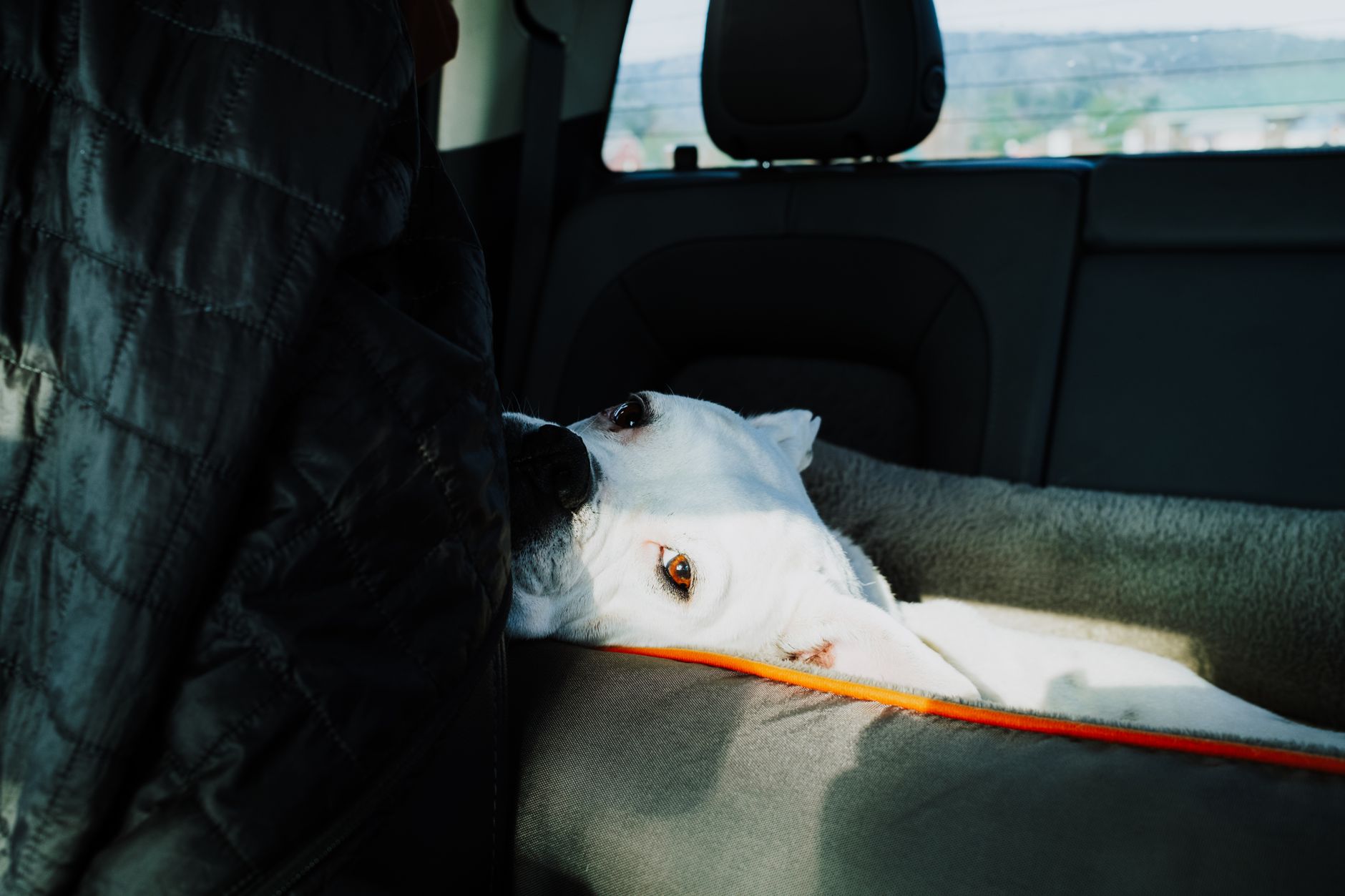

Driving vs. Flying vs. Pet Shipping: Which Should You Choose?
The right method depends on distance, your cat's temperament, and budget. The ASPCA's pet-moving guidance generally favors road travel: it advises that pets typically do best traveling by car, and recommends against flying unless the cat can travel in-cabin with the owner. Flying is faster for very long distances (coast to coast in hours instead of days), but it adds airline paperwork, carrier-size limits, and — for cargo-hold shipping — added stress that most veterinary groups discourage for cats when it can be avoided.
| Method | Best for | Typical cost | Key requirement |
|---|---|---|---|
| Driving (own vehicle) | Trips where you control the schedule and can stop often | Fuel, lodging, carrier gear | Carrier secured in the back seat, per AVMA vehicle-safety guidance |
| Flying in-cabin | Long distances, calm cats under the airline's weight/size limit | $95–$200 each way (2026 airline-policy roundups) | IATA-compliant carrier that fits under the seat |
| Professional pet shipper / relocation service | Owners who cannot travel with the cat, or multi-pet households | Several hundred to over a thousand dollars | USDA APHIS oversight of the shipping business itself, plus destination-state rules |
Step-by-Step: How to Transport a Cat Across Country by Car
- Acclimate the carrier weeks in advance. The ASPCA recommends leaving the carrier out with the door open, feeding meals inside it, and gradually closing the door so the cat associates it with safety rather than the vet's office.
- Schedule a veterinary visit. Confirm vaccinations are current and ask about a health certificate — even though USDA APHIS does not require or endorse one for interstate travel, many destination states or lodging/boarding facilities along the route do.
- Call the destination state's veterinary office. Per USDA APHIS, "domestic movement requirements are set by the receiving State or Territory," so rules on health certificates, rabies proof, or testing differ by state and must be confirmed directly.
- Secure the carrier in the back seat. AVMA vehicle-safety guidance says to position the carrier as near the center of the vehicle as possible, secure it with a seatbelt or wedge it so it cannot slide, and never place it in the front seat (airbag risk) or on the driver's-side floor.
- Pack a travel kit. Include water, a collapsible bowl, a small litter tray for stops, familiar bedding, and a recent photo of your cat in case of escape.
- Never leave the cat alone in the vehicle. AVMA guidance is explicit that pets should never be left alone in a parked car, regardless of outside temperature or how briefly you expect to be gone.
- Take breaks without opening the carrier in open air. Offer water and a litter break in a secured room or bathroom, not a parking lot, to prevent bolting.
- Update identification before departure. A collar tag, microchip, and a backed-up digital record reduce the risk that a scared or displaced cat cannot be matched back to its owner if it escapes mid-trip.
Step-by-Step: How to Transport a Cat Across Country by Plane
- Book the pet seat when you book your own ticket. Airlines cap the number of in-cabin pets per flight, and 2026 airline-policy comparisons show most U.S. carriers charge $95–$200 each way.
- Use an IATA-compliant carrier. The International Air Transport Association's Live Animals Regulations require a container that lets the animal "turn about normally while standing, to stand and sit erect, and to lie in a natural position," and most in-cabin carriers must fit fully under the seat in front of you.
- Get an airline-required health certificate. Most airlines request a veterinary health certificate confirming the cat is fit to fly, typically issued within about 10 days of the flight — confirm the exact window with your airline, since it varies by carrier.
- Do not sedate your cat. The AVMA and every major U.S. airline discourage sedatives and tranquilizers for pets flying in the cabin or cargo hold because they can affect breathing and balance at altitude; ask a veterinarian about non-sedating anxiety options instead.
- Check breed-specific restrictions. Brachycephalic (snub-nosed) cat breeds such as Persians and Himalayans face higher respiratory risk at altitude, and IATA notes these breeds may need a container roughly 10% larger for temperature regulation.
- Keep the cat in the carrier for the entire flight. In-cabin pets must remain inside the carrier, stowed under the seat, for takeoff, cruising, and landing.
Interstate Health Certificates: What USDA APHIS Actually Requires
This is the most misunderstood part of domestic cat transport. USDA APHIS states directly: "APHIS doesn't regulate the interstate movement of pets by their owners." The agency does not endorse or issue health certificates for state-to-state pet travel — that is a state-level decision. APHIS does, however, regulate commercial pet-transport businesses, meaning a professional pet shipper operates under different federal oversight than an individual owner driving their own cat.
Because requirements are set state by state, the only reliable step is contacting the state veterinarian's office or animal health department in your destination state before you travel. Some states ask for a certificate of veterinary inspection and current rabies vaccination; others have no formal entry requirement for cats at all. Confirm directly rather than assuming last year's rule still applies, since state requirements can change year to year.
Domestic Travel vs. International Pet Passports: Don't Confuse the Two
A cross-country move within the United States is not the same as international travel, and the paperwork is different. The European Union's pet passport system under the EU Pet Travel Regulation, and the UK's Animal Health Certificate process, are official government-issued travel documents tied to microchip numbers and rabies vaccination timing — they apply to travel between countries, not between U.S. states. Animal Passport's product is a separate, distinct tool: a phone-based digital identity record that uses muzzle biometrics (a nose print, unique like a fingerprint) to bind an owner to an animal record along with breed, an estimated age from a dental photograph, a body condition score from a side-profile photo, and vaccination history. It is not a government-issued travel document and does not replace a USDA health certificate, an EU pet passport, or an airline's paperwork requirements. Its value for cat owners moving across the country is as a durable backup identity record — useful if a collar tag is lost or a paper certificate is damaged in transit — not as a substitute for the official interstate or airline process described above.
Why a Durable Digital ID Matters During Transport
Paper records and tags can be lost exactly when they matter most. In August 2025, Animal Passport's muzzle-biometric tool was used during livestock flood rescue efforts in Pakistan, allowing farmers to reclaim animals after paper tags had washed away, because each animal's nose print remained a recoverable identifier even when documentation was gone. The same principle applies on a smaller scale to a cross-country cat move: carriers get damaged, tags fall off, and paperwork can be misplaced across a multi-day drive or a layover. A biometric record captured on a phone before departure is one more layer of proof that does not depend on a document surviving the trip. For more on how digital identity records work for pets and livestock, see the Animal Passport blog.
Frequently Asked Questions
Do I need a health certificate to drive my cat to another state?
USDA APHIS does not require or endorse a health certificate for interstate pet travel by owners; the requirement, if any, is set by the destination state, so you must confirm with that state's veterinary office directly.
Is it better to fly or drive a cat across the country?
The ASPCA generally recommends driving when it's feasible, and advises against flying unless the cat can stay in the cabin with you, because cargo-hold travel adds stress and risk that a controlled car trip avoids.
Can I sedate my cat for a long car ride or flight?
No — the AVMA and major U.S. airlines advise against sedating cats for travel because sedatives can affect breathing and balance; ask your veterinarian about non-sedating calming strategies instead.
How long before travel should I acclimate my cat to a carrier?
The ASPCA recommends starting carrier acclimation weeks or months before a move, using open-door exploration, meals inside the carrier, and short practice trips to build a positive association.
Where should the carrier go in the car?
AVMA vehicle-safety guidance says to secure the carrier in the back seat, positioned as close to the center of the vehicle as possible, and never in the front seat or on the driver's-side floor.
Do airlines require a specific carrier size for cats?
Yes — IATA's Live Animals Regulations require a carrier that lets the cat stand, turn around, and lie down naturally, and individual airlines add their own under-seat size limits, so check your specific airline before booking.
Is an Animal Passport digital ID a legal substitute for a USDA health certificate?
No. Animal Passport is a phone-based biometric identity record, not a government-issued travel document, and it does not replace a USDA APHIS health certificate, a state entry requirement, or an airline's paperwork.
What should I pack for a cross-country car trip with a cat?
Pack water, a collapsible bowl, a small litter tray, familiar bedding, current vaccination records, and a recent photo of your cat in case of an escape during a stop.
Planning ahead — acclimating the carrier, confirming your destination state's rules with USDA APHIS guidance in hand, and following AVMA vehicle and IATA carrier standards — is what separates a smooth cross-country move from a stressful one. Learn more about identity records for pets and livestock at Animal Passport.
FAQ
- Do I need a health certificate to drive my cat to another state?
- USDA APHIS does not require or endorse a health certificate for interstate pet travel by owners; the requirement, if any, is set by the destination state, so you must confirm with that state's veterinary office directly.
- Is it better to fly or drive a cat across the country?
- The ASPCA generally recommends driving when it's feasible, and advises against flying unless the cat can stay in the cabin with you, because cargo-hold travel adds stress and risk that a controlled car trip avoids.
- Can I sedate my cat for a long car ride or flight?
- No — the AVMA and major U.S. airlines advise against sedating cats for travel because sedatives can affect breathing and balance; ask your veterinarian about non-sedating calming strategies instead.
- How long before travel should I acclimate my cat to a carrier?
- The ASPCA recommends starting carrier acclimation weeks or months before a move, using open-door exploration, meals inside the carrier, and short practice trips to build a positive association.
- Where should the carrier go in the car?
- AVMA vehicle-safety guidance says to secure the carrier in the back seat, positioned as close to the center of the vehicle as possible, and never in the front seat or on the driver's-side floor.
- Do airlines require a specific carrier size for cats?
- Yes — IATA's Live Animals Regulations require a carrier that lets the cat stand, turn around, and lie down naturally, and individual airlines add their own under-seat size limits, so check your specific airline before booking.
- Is an Animal Passport digital ID a legal substitute for a USDA health certificate?
- No. Animal Passport is a phone-based biometric identity record, not a government-issued travel document, and it does not replace a USDA APHIS health certificate, a state entry requirement, or an airline's paperwork.
- What should I pack for a cross-country car trip with a cat?
- Pack water, a collapsible bowl, a small litter tray, familiar bedding, current vaccination records, and a recent photo of your cat in case of an escape during a stop.
Sources
- Travel With a Pet — USDA Animal and Plant Health Inspection Service (APHIS)
- Take a Pet From One U.S. State or Territory to Another (Interstate) — USDA Animal and Plant Health Inspection Service (APHIS)
- Take a Pet From the United States to Another Country (Export) — USDA Animal and Plant Health Inspection Service (APHIS)
- Moving With Your Pet — American Society for the Prevention of Cruelty to Animals (ASPCA)
- Traveler's Pet Corner — International Air Transport Association (IATA)
- Floods devastate Pakistan's farms and livestock — The Pig Site
- Animal Passport — Animal Passport