Pet Shipping Prices in 2026: What It Really Costs to Ship a Dog or Cat
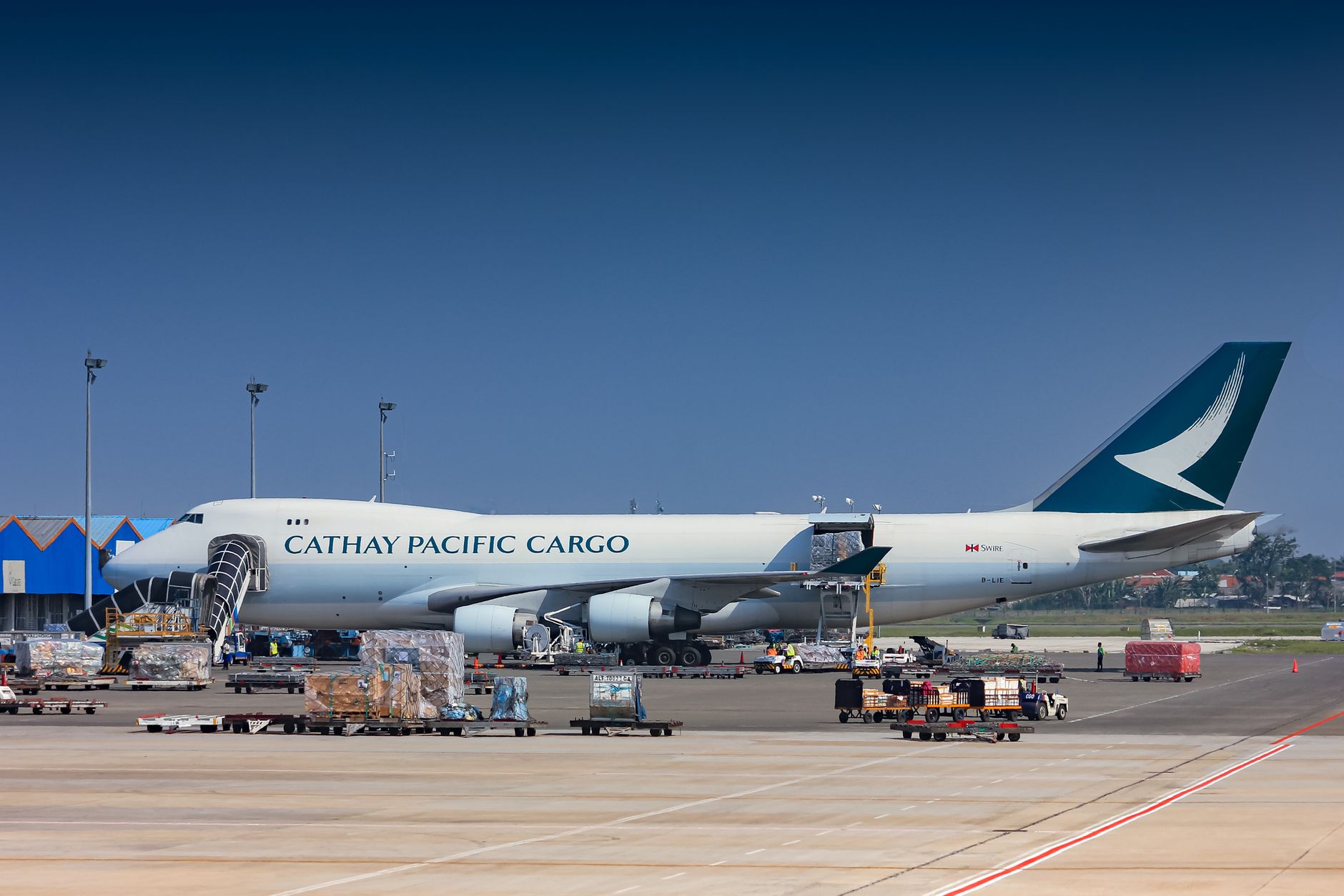
Key takeaways
- Domestic pet shipping typically costs $200–$2,000; ground transport runs about $0.50–$1.60 per mile, per pet-transport marketplace data.
- International pet shipping typically costs $1,000–$6,000+, with Australia, New Zealand, and parts of Asia at the high end due to quarantine and permit rules.
- USDA APHIS charges a health certificate endorsement fee starting at $101 with zero lab tests, rising to $275 for seven or more tests, effective January 10, 2025.
- In-cabin airline pet fees generally range from about $35 to $150–$200 per direction as of 2026, and are separate from health certificate and crate costs.
- Full-service, door-to-door pet shippers charge $1,000–$2,000+ but bundle paperwork, crating, and customs handling that DIY shipping does not include.
- The International Pet and Animal Transportation Association (IPATA) does not set or quote prices; it directs owners to individual member shippers for quotes.
- USDA APHIS pet travel documents and the EU pet passport are official government/regional schemes — distinct from Animal Passport's biometric muzzle-ID product, which verifies identity rather than clearing customs.
- Ask for an itemized quote covering crate, health certificate, airline fee, and destination-country permits before booking, since add-ons commonly double the advertised base price.
Pet shipping prices in 2026 generally range from about $200 to $2,000 for domestic transport and $1,000 to $6,000 or more for international relocation, depending on distance, transport method (ground, in-cabin, or cargo), pet size, and destination-country entry rules. Health certificate, crate, and permit fees are usually charged on top of the base transport fee.
Pet Shipping Prices at a Glance
Before booking, it helps to see how the main transport options compare. These ranges reflect commonly reported 2026 pricing from pet-transport marketplaces, professional pet shippers, and airline fee pages, not a guaranteed quote for any specific trip.

| Transport Method | Typical Price Range | Best For |
|---|---|---|
| DIY ground transport (marketplace driver) | $300–$800 under 500 miles; $0.50–$1.60 per mile | Short-to-mid distance domestic moves |
| In-cabin airline travel (small pet) | $35–$200 per direction, airline fee only | Small dogs/cats flying with an owner |
| Airline checked or manifest cargo | $200–$1,000+ | Larger pets flying unaccompanied domestically |
| Professional door-to-door pet courier | $1,000–$2,000+ | Owners who want paperwork and logistics fully handled |
| International relocation | $1,000–$6,000+ (up to $12,000+ for strict-entry countries) | Overseas moves with quarantine or import-permit rules |
What Determines Pet Shipping Prices
Four variables drive most of the difference between a $300 quote and a $5,000 quote for what looks like a similar trip.
Distance and transport mode
Ground transport is priced per mile, generally $0.50–$1.60 per mile through pet-transport marketplaces such as CitizenShipper, so a cross-country U.S. route (for example, New York to Los Angeles) commonly runs $2,000–$3,500, while trips under 500 miles average $300–$800. Air travel is priced per flight segment and kennel size rather than mileage, which is why a short domestic flight with a large dog in cargo can cost more than a 1,000-mile ground trip.
Pet size and weight
Airlines and cargo carriers price by combined weight of the pet and its airline-compliant crate. Small pets that fit under an airline seat pay the lowest in-cabin fee; large or giant-breed dogs that must fly as manifest cargo pay more because they require bigger kennels, more careful handling, and sometimes a dedicated cargo booking rather than a passenger-flight add-on.
Destination-country requirements
International prices swing the most because entry rules vary by country. A relocation to Canada may need only a health certificate, while a move to Australia or New Zealand can require extended quarantine, rabies titer testing, and multiple import permits — one reason those routes commonly run $6,000–$12,000 or more, according to industry pet-relocation cost breakdowns from firms such as PetRelocation and Across the Pond Pet.
Level of service
Booking your own flight and crate is cheaper than hiring a full-service shipper, but a professional door-to-door pet courier bundles health certificate scheduling, USDA endorsement submission, crate provisioning, airline booking, and customs clearance into one $1,000–$2,000+ fee — work that would otherwise fall on the owner.
Domestic Pet Shipping Prices: Ground vs. Air
For moves within the United States, ground transport is usually the cheaper option per mile, but it takes longer — often several days for cross-country routes. Domestic air options split into two categories: in-cabin travel, where the pet rides in the cabin with a ticketed passenger for a fee of roughly $35–$200 per direction depending on the airline, and cargo or checked-pet shipping for larger animals traveling unaccompanied, which runs from about $100 for a short self-arranged flight up to $1,000-plus depending on the airline and kennel size.
Delta Air Lines, for example, lists its official in-cabin pet fee at $150 per direction for tickets issued on or after April 8, 2025 for U.S., Canada, Puerto Rico, and U.S. Virgin Islands routes, and $200 per direction on international routes — figures confirmed directly on Delta's pet travel page as of 2026. Other major U.S. carriers publish similar but not identical fee schedules, so it is worth checking the specific airline before booking rather than assuming fees are standardized industry-wide.
International Pet Shipping Prices by Region
International relocation costs are driven less by distance and more by how strict the destination country's import rules are. The International Pet and Animal Transportation Association (IPATA) — the industry body that certifies professional pet shippers worldwide — does not publish fixed prices and instead directs owners to request quotes from individual member shippers, since costs depend on the pet's size, origin and destination cities, and any add-on services like home pickup or quarantine booking.
| Destination | Typical Total Cost | Why |
|---|---|---|
| Canada | $1,500–$4,000 | Relatively light entry requirements |
| United Kingdom | $3,500–$7,000 | Import permit, rabies titer wait period |
| European Union | $3,500–$7,500 | EU animal health certificate, microchip/vaccination sequencing |
| Asia (e.g., Hong Kong, South Korea) | $4,000–$8,500 | Import permits, sometimes quarantine |
| Australia / New Zealand | $6,000–$12,000+ | Mandatory quarantine, extensive pre-export testing |
These figures come from published cost breakdowns by pet-relocation companies and should be treated as planning ranges, not fixed quotes — always confirm current requirements for your specific destination through that country's official agriculture or customs authority.
Hidden and Add-On Costs Owners Forget to Budget
The transport fee itself is rarely the full bill. The most commonly overlooked costs are government paperwork fees, which are separate from whatever an airline or pet shipper charges.
- USDA health certificate endorsement: The United States Department of Agriculture Animal and Plant Health Inspection Service (USDA APHIS) charges an official endorsement fee of $101 per certificate with zero required lab tests, rising to $160 for one to two tests, $206 for three to six tests, and $275 for seven or more tests, effective January 10, 2025 and still current as of September 2026. Service dogs for individuals with disabilities are exempt under the Americans with Disabilities Act; emotional support animals are not.
- Accredited veterinarian exam fee: Paid separately to the vet who prepares the export health certificate, typically outside the USDA's own fee.
- Airline-compliant crate: Often $50–$300 depending on size, required for both cabin and cargo travel.
- Import permits and consularization: Some countries require a separate import license or consulate-stamped paperwork, adding $100–$750.
- Quarantine fees: Countries like Australia and New Zealand charge for mandatory post-arrival quarantine, which can add thousands of dollars.
- Connection or layover surcharges: Some airlines charge extra if a pet's itinerary includes a connection rather than a direct flight.
Because health certificate endorsement fees, vet exam fees, crate costs, and destination-country permits are billed separately from the transport fee, total trip costs commonly run well above the advertised base price for the flight or ground transport alone.
How to Avoid Overpaying for Pet Shipping
- Get an itemized quote. Ask any pet shipper or airline to break out crate, transport, health certificate, and permit costs separately so you can compare apples to apples.
- Check your airline's official pet policy page directly rather than relying on third-party estimates, since fees and rules change and vary by carrier and route.
- Book your USDA-accredited veterinarian exam early. Many countries require the health certificate to be issued within 10 days of travel, and USDA APHIS endorsement adds processing time.
- Compare ground versus air for domestic moves under roughly 750 miles, where ground transport is often cheaper per mile than a cargo booking.
- Verify IPATA membership if hiring a full-service international shipper, since IPATA certifies shippers and maintains anti-scam resources but does not itself handle shipments or set prices.
- Confirm destination quarantine rules before booking flights, since a country like Australia can add thousands of dollars in quarantine costs that dwarf the transport fee itself.
Pet Shipping Prices vs. Pet Passports: Don't Confuse the Two
Pet shipping prices cover moving an animal from one place to another. That is a different service from official travel documentation, and the two are easy to confuse when researching costs. In the United States, USDA APHIS does not issue a 'pet passport' — it endorses an international health certificate prepared by an accredited veterinarian for the destination country's entry requirements. The European Union operates a separate official scheme, the EU pet passport, issued by an authorized veterinarian for cats, dogs, and ferrets traveling within the EU.
Animal Passport is a different kind of product: a digital identity record built around phone-captured muzzle biometrics — a nose print that is unique to each animal, similar to a human fingerprint. The record binds an owner, breed, an estimated age from a dental photograph with a confidence score, a body condition score from a side-profile photo, and vaccination history to that individual animal. It is not a government-issued travel document and does not replace a USDA health certificate or an EU pet passport for crossing a border.
Where independent identity verification matters most is when paper records fail. During livestock flood rescue efforts in Pakistan in August 2025, farmers used biometric identity records to reclaim animals after floodwaters washed away paper ear tags — a real-world case where a durable, animal-bound identity record proved more resilient than paper documentation. That same principle applies to pet owners working with a shipper: a portable, verifiable identity and vaccination record can make it easier to prove an animal is who you say it is, alongside — not instead of — the official paperwork a shipper or airline requires. Learn more about how the system works at Animal Passport, or read further explainers on the Animal Passport blog.
Frequently Asked Questions
How much does it cost to ship a dog domestically?
Domestic dog shipping typically costs $200–$2,000, with ground transport averaging $300–$800 for routes under 500 miles and cross-country trips running $2,000–$3,500, based on 2026 pet-transport marketplace pricing.
How much does it cost to ship a pet internationally?
International pet shipping typically costs $1,000–$6,000, with strict-entry destinations like Australia and New Zealand often exceeding $6,000–$12,000 due to mandatory quarantine and permit requirements.
Is it cheaper to fly with a pet in the cabin or ship it as cargo?
In-cabin travel is almost always cheaper, generally $35–$200 per direction depending on the airline, while cargo or checked-pet shipping for larger animals can run $200 to over $1,000 because of kennel size and handling requirements.
What is a USDA health certificate and how much does it cost?
A USDA-accredited veterinarian issues the international health certificate, and USDA APHIS charges a separate endorsement fee starting at $101 for zero lab tests and rising to $275 for seven or more tests, effective January 10, 2025.
Do all airlines charge the same pet fees?
No. Airline pet fees vary by carrier and route; for example, Delta's official in-cabin fee is $150 per direction on U.S. and Canada routes and $200 on international routes as of 2026, and other airlines set their own separate fee schedules.
Is an EU pet passport the same as Animal Passport's biometric pet ID?
No. The EU pet passport is an official regional travel document issued by an authorized veterinarian; Animal Passport is a separate digital identity record using muzzle biometrics to verify an animal's identity and history, and it does not replace official travel paperwork.
What extra costs do pet owners commonly forget to budget for?
Vet exam fees, an airline-compliant crate, import permits, consularization, and quarantine fees are usually billed separately from the transport fee and can add hundreds to thousands of dollars to the total.
How can I lower my pet shipping cost?
Compare ground transport against air for shorter domestic routes, request an itemized quote before booking, and confirm your airline's official pet policy page directly, since fees and rules differ by carrier and are not standardized industry-wide.
Animal Passport last updated this guide in September 2026. Pricing and government fees change; verify current figures directly with USDA APHIS, your airline, or an IPATA member shipper before booking.
FAQ
- How much does it cost to ship a dog domestically?
- Domestic dog shipping typically costs $200–$2,000, with ground transport averaging $300–$800 for routes under 500 miles and cross-country trips running $2,000–$3,500, based on 2026 pet-transport marketplace pricing.
- How much does it cost to ship a pet internationally?
- International pet shipping typically costs $1,000–$6,000, with strict-entry destinations like Australia and New Zealand often exceeding $6,000–$12,000 due to mandatory quarantine and permit requirements.
- Is it cheaper to fly with a pet in the cabin or ship it as cargo?
- In-cabin travel is almost always cheaper, generally $35–$200 per direction depending on the airline, while cargo or checked-pet shipping for larger animals can run $200 to over $1,000 because of kennel size and handling requirements.
- What is a USDA health certificate and how much does it cost?
- A USDA-accredited veterinarian issues the international health certificate, and USDA APHIS charges a separate endorsement fee starting at $101 for zero lab tests and rising to $275 for seven or more tests, effective January 10, 2025.
- Do all airlines charge the same pet fees?
- No. Airline pet fees vary by carrier and route; for example, Delta's official in-cabin fee is $150 per direction on U.S. and Canada routes and $200 on international routes as of 2026, and other airlines set their own separate fee schedules.
- Is an EU pet passport the same as Animal Passport's biometric pet ID?
- No. The EU pet passport is an official regional travel document issued by an authorized veterinarian; Animal Passport is a separate digital identity record using muzzle biometrics to verify an animal's identity and history, and it does not replace official travel paperwork.
- What extra costs do pet owners commonly forget to budget for?
- Vet exam fees, an airline-compliant crate, import permits, consularization, and quarantine fees are usually billed separately from the transport fee and can add hundreds to thousands of dollars to the total.
- How can I lower my pet shipping cost?
- Compare ground transport against air for shorter domestic routes, request an itemized quote before booking, and confirm your airline's official pet policy page directly, since fees and rules differ by carrier and are not standardized industry-wide.
Sources
- Cost To Endorse Your Pet's Health Certificate — USDA Animal and Plant Health Inspection Service (APHIS)
- Pet Travel Process Overview — USDA Animal and Plant Health Inspection Service (APHIS)
- Contact IPATA — International Pet and Animal Transportation Association (IPATA)
- Delta Pet Travel Overview — Delta Air Lines
- Pet Shipping Cost Estimate: Cats & Dogs (2026 Prices) — CitizenShipper
- How Much Does Pet Transport Cost? — PetRelocation
- Cost to Transport a Pet Internationally — Across the Pond Pet Transportation