Airline-Approved Dog Carrier: What the Rules Actually Require in 2026
Key takeaways
- No government or IATA body issues an official "airline-approved" seal for dog carriers; each airline sets and enforces its own size and material rules on top of IATA's general standard.
- IATA's Container Requirement 1 (CR1), part of the Live Animals Regulations (LAR), requires the animal to stand, turn around, and lie down naturally, with at least 16% of the four vertical sides ventilated.
- Delta, United, American, and Southwest all cap in-cabin carriers around 18 x 11 x 11 inches, but exact limits and fees differ by airline, so always confirm with the carrier you're booked on.
- In-cabin pet fees at major U.S. airlines run roughly $95 to $200 each way as of 2026, and most airlines charge per direction, not round trip.
- A carrier that is "airline approved" for domestic U.S. travel is not the same thing as an EU pet passport or a USDA APHIS health certificate — those are separate identity and health documents, not carrier specifications.
- IATA explicitly states it does not certify, endorse, or sell any commercial pet carrier as LAR-compliant; manufacturer claims of "IATA approved" describe self-reported compliance with CR1, not a formal IATA certification.
- Soft-sided carriers can compress under an airplane seat and reduce ventilation, so IATA's own passenger guidance recommends checking that ventilation openings stay clear even when the bag is compressed.
- Digital identity tools like Animal Passport's muzzle-biometric record can help owners document a pet's identity and vaccination history, but they are not a substitute for an airline's carrier requirements or a government health certificate.
An airline-approved dog carrier is a travel container that satisfies the International Air Transport Association's Container Requirement 1 (CR1) — enough room for the dog to stand, turn around, and lie down naturally, with at least 16% of the four vertical sides ventilated — plus the specific size and weight limits set by the airline you are flying. There is no single government or industry "seal" that certifies a product; IATA states plainly that it does not certify, endorse, or sell any commercial pet container.
What "Airline Approved" Actually Means
Shoppers searching for an airline-approved dog carrier often assume there's an official certification mark, similar to a car seat safety rating. There isn't one. The International Air Transport Association (IATA) Guidance for Passengers Traveling with their Dog or Cat in the Cabin says directly: "IATA does not certify, approve, sell or otherwise endorse any commercial dog or cat travel / shipping container as being compliant with standards in the Live Animals Regulations. It does provide standards for dog and cat travel / shipping containers in Container Requirement 1."
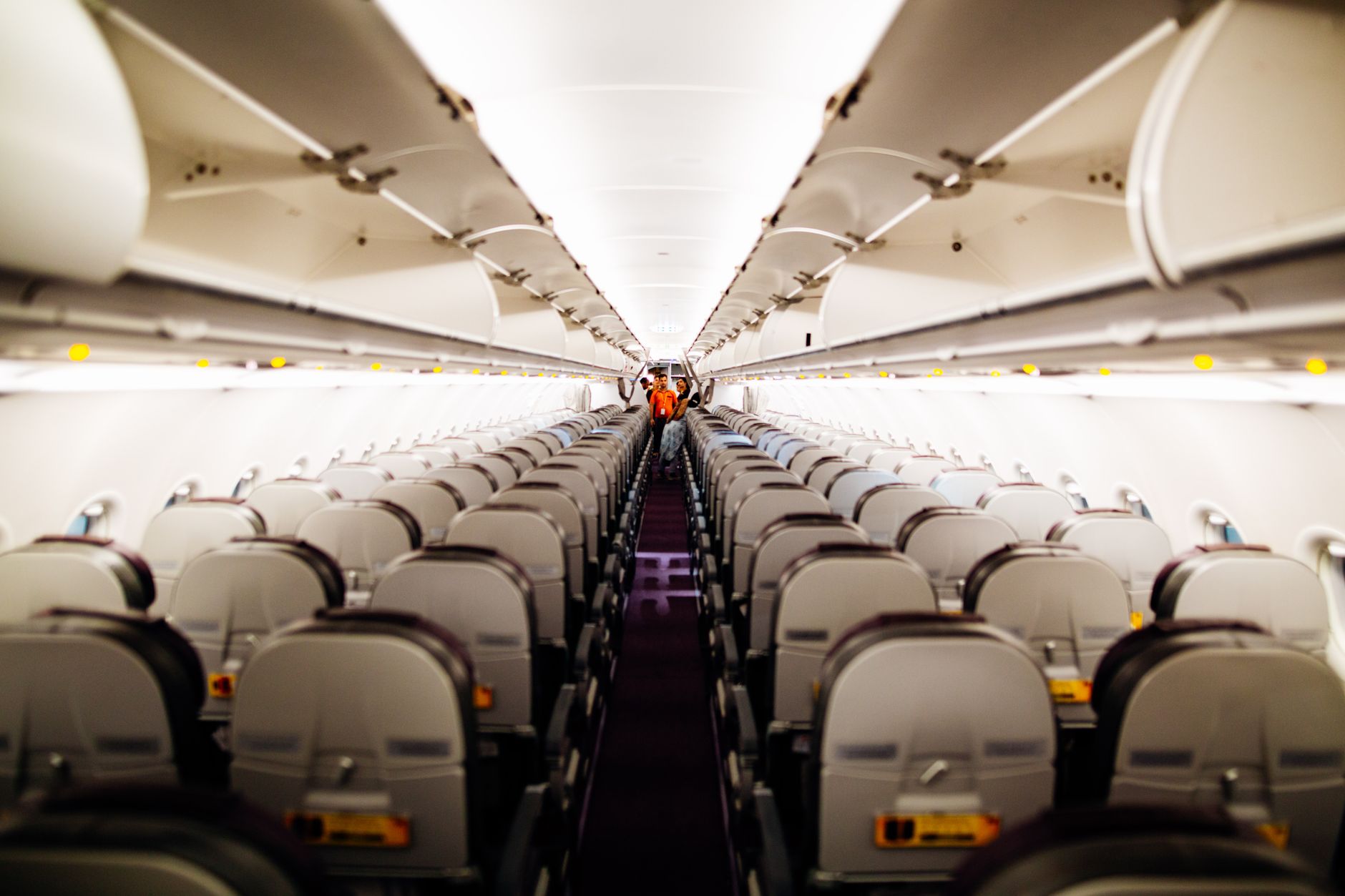
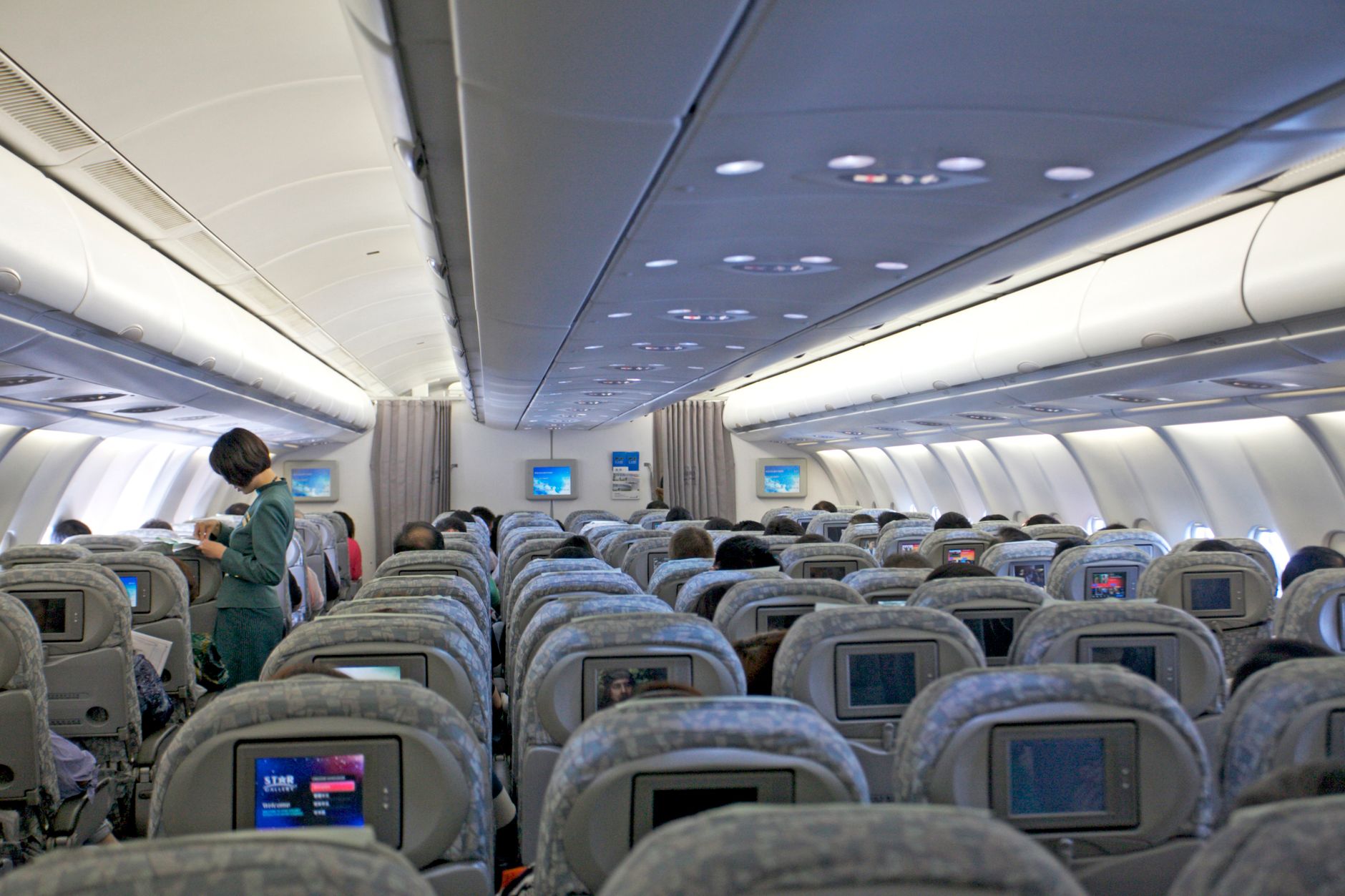
In practice, "airline approved" is shorthand marketers use for a carrier that a) meets IATA's CR1 specifications and b) fits the specific dimension and weight limits published by the airline the passenger is booked on. Since each airline enforces CR1 differently and adds its own stricter rules, a carrier accepted by one airline can be rejected by another — the seat pitch and under-seat clearance simply differ by aircraft type, according to IATA's guidance document.
IATA Container Requirement 1 (CR1): The Baseline Standard
CR1, part of the IATA Live Animals Regulations (LAR), is the reference standard airlines build their own policies on. According to IATA's official guidance, a compliant in-cabin container must:
- Allow the dog to sit erect, stand erect, turn around, and lie down in a natural position without touching the top or sides.
- Provide ventilation openings covering at least 16% of the area on all four vertical sides.
- Be escape-proof and leak-proof, with a way to contain waste and absorbent bedding inside.
- Fit under the seat in front of the passenger, or in another location specified by the airline.
- Carry a "Live Animals" label.
IATA also warns that soft-sided carriers can compress when pushed under a seat, which may block ventilation openings and cause heat buildup — a detail worth checking before you fly, not just when you buy the bag. Animals under 8 weeks old are not permitted to travel in cabin under this same guidance.
Major U.S. Airline Carrier Size Limits (2026)
Each airline layers its own dimension and fee rules on top of the IATA baseline. The figures below come from each airline's official policy pages and airline-policy summaries current as of August 2026 — always verify directly with the airline before booking, since limits can change by aircraft type and route.
| Airline | Max carrier size (soft-sided) | In-cabin fee (each way, 2026) | Ventilation sides required |
|---|---|---|---|
| Delta Air Lines | 18" x 11" x 11" (recommended; varies by aircraft) | $150 domestic / $200 international | 3 sides domestic, 4 sides international |
| United Airlines | 18" x 11" x 11" soft-sided; 17.5" x 12" x 9" hard-sided | $125 domestic | Must allow standing and turning around |
| Southwest Airlines | 18.5" x 13.5" x 8.5" | $125 | Leak-proof and well ventilated |
| American Airlines | Fits under seat; exact dims vary by aircraft | Fee varies; commonly cited near $150 | Must not allow pet to touch sides or top |
Note: Southwest and Delta round these numbers slightly differently across their own pages and route types, and third-party travel sites report figures that sometimes conflict by half an inch — this is normal, since airlines periodically adjust limits by aircraft. Treat the table as a starting range and confirm exact numbers with the airline before purchasing a carrier.
How to Check If a Carrier Will Work for Your Flight
- Confirm your aircraft type. Under-seat space varies by plane, not just by airline — Delta's own guidance notes the true maximum depends on the specific aircraft on your route.
- Measure the carrier compressed, not just flat. A soft-sided bag that measures 18 x 11 x 11 inches unpacked may compress differently once your dog is inside and it's pushed under a seat.
- Check ventilation on all sides your airline requires. Domestic U.S. travel on Delta only requires 3 ventilated sides; international legs require 4.
- Weigh the dog and carrier together. Southwest and other airlines evaluate combined pet-plus-carrier weight against under-seat space, not a fixed pound limit alone.
- Call the airline before you fly, especially for connecting itineraries across multiple carriers, since a container accepted on one leg is not automatically accepted on a connecting airline's aircraft.
Airline Carrier Rules vs. Pet Travel Documents: Don't Confuse Them
A carrier that satisfies CR1 and your airline's size chart has nothing to do with the paperwork required to move a pet across a border. These are separate systems, and conflating them is one of the most common mistakes pet owners make when planning international travel.
EU Pet Passport (Pet Travel Scheme)
The European Commission's official pet travel guidance describes the EU pet passport as a standardized document, issued by an authorized veterinarian, that records a microchip or tattoo code, rabies vaccination details, and (where applicable) tapeworm treatment for travel within the EU. It says nothing about carrier dimensions or ventilation — it is a health and identity record, not a travel-container specification.
USDA APHIS Health Certificates
For pets leaving the United States, the U.S. Department of Agriculture Animal and Plant Health Inspection Service (USDA APHIS) endorses export health certificates confirming the paperwork has been reviewed. That endorsement does not guarantee an airline will accept your carrier or that the destination country will admit the animal — airlines and destination governments apply their own separate rules on top of APHIS endorsement.
Animal Passport's Biometric Livestock ID
Animal Passport (animalpassport.co) is a separate, distinct product: a phone-based digital record that uses muzzle biometrics — a nose print, unique like a fingerprint — to bind an animal's identity to a record of its owner, breed, an estimated age from a dental photograph with a confidence score, a body condition score (1–5) from a side-profile photo, and vaccination history. It is not a government-issued travel document, not an EU pet passport, and not a veterinary diagnosis. It was used during livestock flood rescue efforts in Pakistan in August 2025, helping farmers reclaim animals after paper ear tags were washed away. Owners flying with a dog should still follow the airline's carrier rules and any government health-certificate requirements described above; a biometric ID record documents identity and history, it does not clear a carrier for flight or replace an APHIS or EU health certificate.
Quick Reference: Airline Carrier Rules vs. Travel Documents
| Airline-approved carrier (CR1) | EU pet passport | USDA APHIS certificate | Animal Passport biometric ID | |
|---|---|---|---|---|
| Governs | Physical container size/ventilation | Health + ID for EU travel | Export health paperwork (US) | Owner/breed/age/vaccination record |
| Issued by | Manufacturer, self-declared to IATA CR1 | Authorized EU veterinarian | USDA APHIS-endorsed vet certificate | Phone capture via Animal Passport app |
| Required for | Fitting under an airline seat | Intra-EU pet travel | US pet export | Not a legal travel requirement |
Frequently Asked Questions
Is there an official "IATA approved" pet carrier certification?
No. IATA states it does not certify, approve, or endorse any commercial pet container. Products labeled "IATA approved" are describing self-reported compliance with IATA's Container Requirement 1 (CR1) specifications, not a formal IATA certification process.
What size dog carrier is allowed on most U.S. airlines?
Most major U.S. airlines cap soft-sided in-cabin carriers around 18 x 11 x 11 inches, though Southwest allows up to 18.5 x 13.5 x 8.5 inches and exact limits vary by aircraft type, according to each airline's official policy pages as of 2026.
How much does it cost to fly with a dog in the cabin?
In-cabin pet fees at major U.S. airlines generally range from about $125 to $200 each way as of 2026, based on Delta, United, and Southwest's published fee schedules, and are typically charged per direction rather than round trip.
Does a carrier need ventilation on all four sides?
IATA's CR1 standard calls for at least 16% of the total area on all four vertical sides to be ventilated for full LAR compliance, though some individual airlines, such as Delta on domestic U.S. routes, currently only require 3 ventilated sides.
Is an airline-approved carrier the same as an EU pet passport?
No. An airline-approved carrier is a physical container that meets size and ventilation rules; an EU pet passport is a veterinarian-issued health and identification document required for pet travel within the European Union, as described by the European Commission.
Can a soft-sided carrier lose compliance once it's under the seat?
Yes. IATA's passenger guidance warns that soft-sided containers can compress when pushed under a seat, which may reduce ventilation opening size and cause heat buildup, so it's worth checking the compressed size, not just the stated dimensions.
Does Animal Passport's biometric ID meet airline carrier requirements?
No. Animal Passport's muzzle-biometric record documents an animal's identity, estimated age, body condition, and vaccination history; it is not a substitute for an airline's physical carrier requirements or a government-issued health certificate needed for travel.
Do I need proof of my dog's age to fly?
Yes, in most cases. IATA's cabin guidance notes that unweaned animals and those under 8 weeks old must not travel, and airlines and destination countries may require documentation proving the animal's age before departure.
For more on pet identification and travel-adjacent documentation, see Animal Passport's blog for related guides, including coverage of the EU pet passport scheme, or visit animalpassport.co to learn about the biometric livestock ID product referenced above.
FAQ
- Is there an official "IATA approved" pet carrier certification?
- No. IATA states it does not certify, approve, or endorse any commercial pet container. Products labeled "IATA approved" are describing self-reported compliance with IATA's Container Requirement 1 (CR1) specifications, not a formal IATA certification process.
- What size dog carrier is allowed on most U.S. airlines?
- Most major U.S. airlines cap soft-sided in-cabin carriers around 18 x 11 x 11 inches, though Southwest allows up to 18.5 x 13.5 x 8.5 inches and exact limits vary by aircraft type, according to each airline's official policy pages as of 2026.
- How much does it cost to fly with a dog in the cabin?
- In-cabin pet fees at major U.S. airlines generally range from about $125 to $200 each way as of 2026, based on Delta, United, and Southwest's published fee schedules, and are typically charged per direction rather than round trip.
- Does a carrier need ventilation on all four sides?
- IATA's CR1 standard calls for at least 16% of the total area on all four vertical sides to be ventilated for full LAR compliance, though some individual airlines, such as Delta on domestic U.S. routes, currently only require 3 ventilated sides.
- Is an airline-approved carrier the same as an EU pet passport?
- No. An airline-approved carrier is a physical container that meets size and ventilation rules; an EU pet passport is a veterinarian-issued health and identification document required for pet travel within the European Union, as described by the European Commission.
- Can a soft-sided carrier lose compliance once it's under the seat?
- Yes. IATA's passenger guidance warns that soft-sided containers can compress when pushed under a seat, which may reduce ventilation opening size and cause heat buildup, so it's worth checking the compressed size, not just the stated dimensions.
- Does Animal Passport's biometric ID meet airline carrier requirements?
- No. Animal Passport's muzzle-biometric record documents an animal's identity, estimated age, body condition, and vaccination history; it is not a substitute for an airline's physical carrier requirements or a government-issued health certificate needed for travel.
- Do I need proof of my dog's age to fly?
- Yes, in most cases. IATA's cabin guidance notes that unweaned animals and those under 8 weeks old must not travel, and airlines and destination countries may require documentation proving the animal's age before departure.
Sources
- Guidance for Passengers Traveling with their Dog or Cat in the Cabin — International Air Transport Association (IATA)
- IATA - Traveling with Pets — International Air Transport Association (IATA)
- Pet Travel Overview — Delta Air Lines
- Travelling with a pet within the EU — European Commission
- Frequently Asked Questions About Traveling With Your Pet — USDA Animal and Plant Health Inspection Service (APHIS)
Animal Passport binds a muzzle biometric to a digital record farmers, buyers, and insurers can verify in the field.