Pocketbook Dog Carrier Guide: How to Choose, Size and Fly With One Safely

Key takeaways
- A pocketbook dog carrier is a purpose-built, purse-style soft carrier for toy dogs, not an ordinary handbag with a dog inside it.
- Hill's Pet Nutrition says dog purses are generally meant for dogs up to 20 pounds but suit dogs of 10 pounds or less best; many retail bags are rated for 12 to 15 pounds.
- Measure your dog from the base of the neck to the base of the tail and from the floor to the top of the shoulders, then compare against the bag's interior, not just its weight rating.
- As of September 2026, Delta Air Lines and American Airlines both recommend soft-sided in-cabin carriers of no more than 18 x 11 x 11 inches that fit fully under the seat in front of you.
- American Airlines requires mesh ventilation on three or more sides; Delta requires ventilation on three sides for domestic flights and four sides for international flights.
- The Transportation Security Administration (TSA) requires you to take your dog out of the carrier at the checkpoint; the empty bag goes through the X-ray and the dog never does.
- A carrier is not an identity or travel document; CDC, USDA APHIS and EU pet passport rules apply separately, and Animal Passport's biometric livestock ID is a different product again.
A pocketbook dog carrier is a purse-style, soft-sided bag designed to carry a toy or small dog, typically one under about 10 to 15 pounds, with mesh ventilation, a padded base and an interior safety tether. It suits short trips such as errands, public transit, vet visits and in-cabin flights. As of September 2026, Delta Air Lines and American Airlines both recommend soft-sided in-cabin carriers no larger than 18 x 11 x 11 inches, so measure your dog and the bag before you buy.
This guide explains what separates a real pocketbook dog carrier from a fashion handbag, what veterinarians warn about, how to size one correctly, and the airline and security rules that apply if you plan to fly. It is written by the editorial team at Animal Passport, where we cover animal identity, welfare and movement rules.
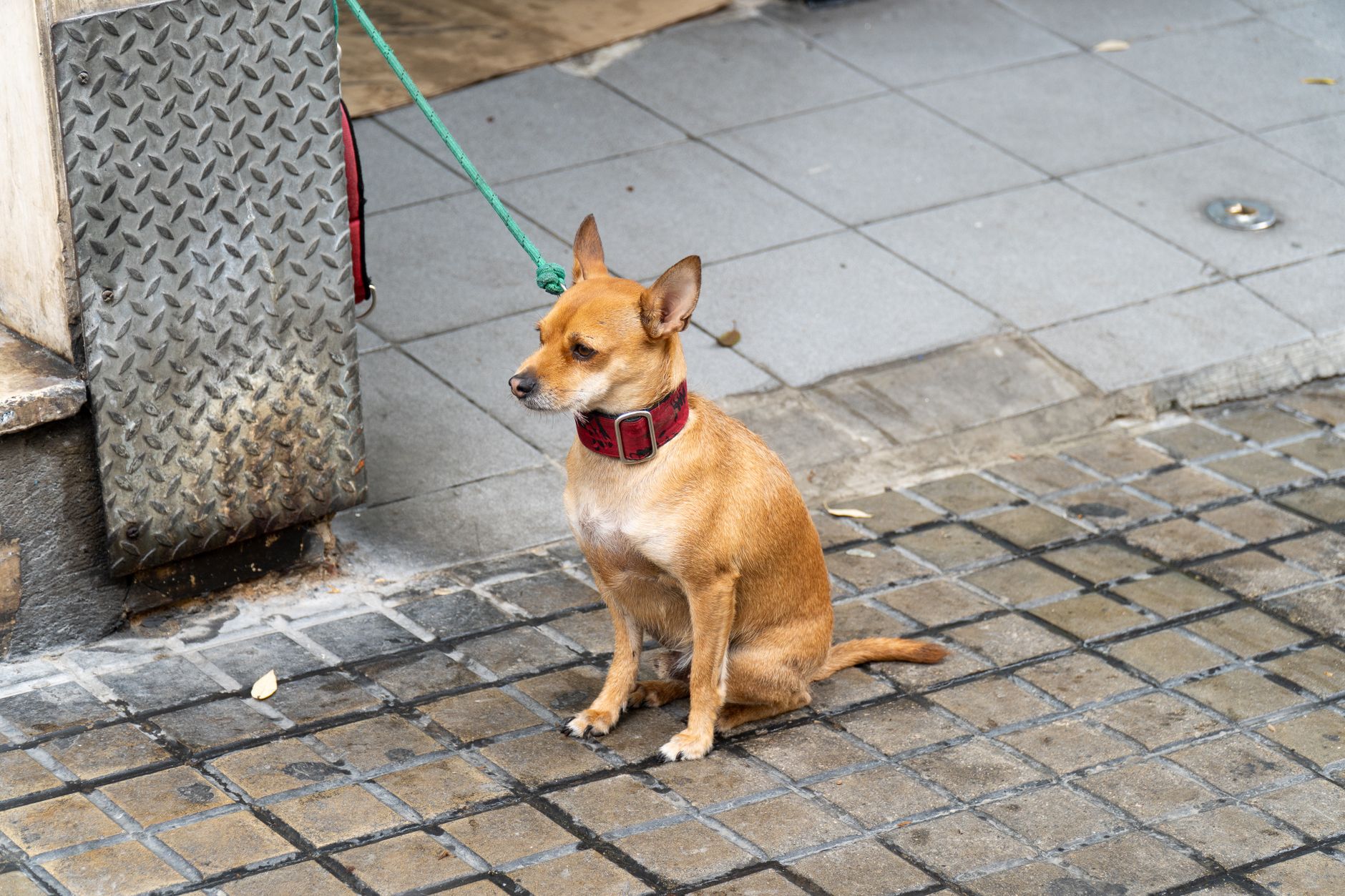

What is a pocketbook dog carrier?
The term covers soft-sided carriers styled to look like a handbag, tote or shoulder bag. Hill's Pet Nutrition, in a 2021 article reviewed by its veterinary experts, describes dog carrier bags as soft-sided carriers for small pets that often include breathable mesh panels and external pockets, and that may be made of leather or canvas so they look like high-fashion handbags while being lined with easy-to-clean material.
The key word is purpose-built. A pocketbook dog carrier has a structured base, ventilation, an attachment point for your dog's harness, and straps rated for a live load. A regular purse has none of those things, and that difference is where most of the safety debate sits.
Is a pocketbook dog carrier safe for your dog?
Used for short, occasional trips, a well-designed carrier is widely accepted. Used as a substitute for walking, or swapped for an ordinary handbag, it draws real criticism from veterinarians. The sources we reviewed do not fully agree, so both views are summarized here.
The cautious view
Dr. Matt Kopke, BVSc, a Diplomate of the American College of Veterinary Internal Medicine, wrote for Dogster in an article updated in June 2026 that he does not recommend carrying small dogs in handbags because it interferes with the five freedoms of animal welfare. He points to three specific risks:
- Overheating: some fabrics are less breathable and limit airflow.
- Hazardous contents: keys can hurt, and items such as xylitol gum or chocolate can be toxic if a dog gets into them.
- Lack of activity: being carried instead of walking can predispose a dog to obesity and limit normal socialization.
Even so, Dr. Kopke says that when carrying is necessary, such as a trip to the vet, a proper dog carrier is the safer choice than a handbag.
The practical view
Hill's Pet Nutrition (2021) agrees that walking is best whenever possible but lists situations where a dog purse is appropriate, including flying, public transportation, vet and groomer visits, carrying elderly or mobility-impaired dogs, puppies not yet leash-trained, and crossing hot pavement, ice or busy parking lots. Hill's also notes that dog purses are best for short distances and are not ideal for long-distance travel.
Where the sources agree: never use an ordinary handbag, prioritize ventilation, and keep carried time limited to the trip itself.
What size dog fits in a pocketbook dog carrier?
Weight guidance varies by source. Hill's Pet Nutrition (2021) says dog purses are generally intended for dogs weighing no more than 20 pounds (9.07 kg) but are better suited to dogs of 10 pounds (4.54 kg) or less, naming toy breeds such as the Chihuahua, Toy Poodle, Yorkshire Terrier and Maltese. Retail purse carriers we reviewed are commonly rated for 12 to 15 pounds. Treat the manufacturer's weight limit as a ceiling, not a target.
Weight alone is not enough. A long-bodied 9-pound dog may be more cramped than a compact 12-pound dog, so body measurements matter more.
How to measure your dog for a carrier
- Stand your dog on a flat floor in a natural posture.
- Measure length from the base of the neck to the base of the tail.
- Measure height from the floor to the top of the shoulders.
- Weigh your dog, or weigh yourself holding the dog and subtract your own weight.
- Compare those numbers with the carrier's interior dimensions and weight rating. Your dog should be able to stand, turn around and lie down without pressing against the sides.
- If you plan to fly, also check the bag's exterior dimensions against your airline's under-seat limit.
Pocketbook carrier vs. handbag vs. airline carrier vs. hard crate
| Option | Best use | Ventilation and security | Airline cabin use |
|---|---|---|---|
| Ordinary handbag | Not recommended for dogs | Usually none; no tether, no structure | Does not meet airline carrier requirements |
| Pocketbook dog carrier | Short errands, transit, vet visits | Mesh panels, tether, padded base | Possible if it meets size, ventilation and leak-proof rules |
| Soft-sided airline carrier | Flights and longer trips | Mesh on three or four sides, zip closure | Recommended by Delta and American Airlines |
| Hard-sided crate | Car trips, home, cargo | Rigid, secure door | Allowed by American Airlines within smaller hard-sided limits |
Features to look for in a pocketbook dog carrier
Hill's Pet Nutrition (2021) lists the safety features that matter most, and airline rules add a few more. A good carrier should have:
- A weight rating that suits your dog's size.
- Enough interior room for your dog to be comfortable.
- Outside pockets for your belongings so nothing crowds, or poisons, your dog.
- Sturdy straps and sides that will not collapse and spill your dog out.
- Plenty of ventilation when fully zipped.
- A tether or restraint so your dog cannot climb out if its head is out.
- For flying: a water-repellent, leak-proof base and mesh on three or more sides, matching American Airlines and Delta Air Lines requirements.
Be wary of the phrase "airline approved" on product listings. Airlines publish their own dimension limits, and under-seat space differs by aircraft, so the final check happens at the airport counter, not in the product description.
Can you fly with a pocketbook dog carrier?
Yes, if the bag meets the airline's in-cabin carrier rules and your dog meets the airline's age and health requirements. The rules below are current as of September 2026; always confirm with your airline before booking because they change.
Delta Air Lines
Delta Air Lines recommends a soft-sided kennel with maximum dimensions of 18 x 11 x 11 inches because it fits most aircraft, while noting that the true limit depends on the under-seat space of your specific aircraft. Delta requires the soft-sided kennel to be leak-proof with ventilation on three sides for domestic travel and four sides for international travel, and says your pet must be able to move around without touching or sticking out from the sides. Pets must be at least 8 weeks old for domestic travel. Delta's in-cabin pet fee is $150 each way within the U.S., Canada, Puerto Rico and the U.S. Virgin Islands for tickets issued on or after April 8, 2025.
American Airlines
American Airlines sets a soft-sided carrier limit of 18 x 11 x 11 inches (46 x 28 x 28 cm) on all flights, with hard-sided limits of 19 x 13 x 9 inches on mainline flights and 16 x 12 x 8 inches on American Eagle flights. Soft carriers must be secure, padded, water-repellent and have nylon mesh ventilation on three or more sides. American charges $150 per kennel for carry-on pets within and between the U.S. and Canada, Mexico, Central America and the Caribbean. The pet carrier counts toward your cabin allowance: you may bring only one additional item, either a personal item such as a purse or a carry-on bag, not both. That matters for pocketbook-carrier owners, because the dog's bag is not your handbag in the airline's eyes.
American Airlines also states that, as recommended by the American Veterinary Medical Association (AVMA), it does not accept sedated or tranquilized pets because of higher respiratory and cardiovascular risk at altitude.
Getting through TSA security
The Transportation Security Administration (TSA) screens the dog and the carrier separately:
- Bring your dog to the checkpoint in its hand-held carrier.
- Remove your dog just before screening begins.
- Place the empty carrier on the belt for X-ray. The dog never goes through the X-ray tunnel.
- Carry your dog through the metal detector, removing the leash first, or walk the dog through on a leash if an officer directs.
- Expect an explosive trace swab of your hands.
- Return your dog to the carrier at the re-composure area away from the checkpoint.
TSA said in a 2023 Portland International Airport release that owners worried about a pet bolting can ask an officer for private screening.
Your carrier is not a passport: documents are separate
No carrier, however well made, identifies your dog or proves its health. Documents come from different authorities:
- Entering the United States: the U.S. Centers for Disease Control and Prevention (CDC) is the primary authority for dog imports, and its requirements since August 1, 2024 depend on where your dog was vaccinated and which countries it visited in the prior six months. Delta states that dogs entering the U.S. must appear healthy, be microchipped, be at least 6 months old and have a CDC Dog Import Form receipt.
- Leaving the United States: the United States Department of Agriculture Animal and Plant Health Inspection Service (USDA APHIS) advises contacting a USDA-accredited veterinarian as soon as you decide to travel.
- Within the European Union: the European pet passport, issued by authorized vets to EU residents for dogs, cats and ferrets, is an identification document mandatory for travel between EU countries, according to the European Commission's Your Europe portal.
These official schemes are different from what we build. Animal Passport is a digital animal and livestock passport that identifies animals by muzzle biometrics, since a nose print is unique like a fingerprint. A phone-based capture creates a record binding the owner, breed, estimated age, body condition and vaccination history, with age estimated from a dental photograph with a confidence score and a body condition score of 1 to 5 from a side-profile photo. It was used in livestock flood rescue in Pakistan in August 2025, helping farmers reclaim animals when paper tags washed away. It is not a government-issued travel document, it is not an EU pet passport, and it does not replace airline, CDC or USDA paperwork.
Everyday tips for using a pocketbook dog carrier
- Acclimate first. TSA recommends familiarizing your pet with its carrier in the days before a trip so it is calmer on travel day.
- Watch the heat. Poor airflow is the main overheating risk in carriers; flat-faced breeds deserve extra caution.
- Keep your things out. Store keys, gum, medication and snacks in sealed outer pockets.
- Always clip the tether to a harness rather than a collar to reduce pressure on the neck if your dog lunges.
- Let your dog walk whenever it is safe; the carrier is for the journey, not the whole day.
The bottom line
A pocketbook dog carrier is a useful tool for toy dogs on short trips, provided it is purpose-built, correctly sized and well ventilated. If you plan to fly, buy to the airline's published limits, currently 18 x 11 x 11 inches for soft carriers at both Delta and American Airlines, and sort out health documents separately. For more on animal identity and movement, browse the Animal Passport blog.
By Animal Passport. Last updated September 28, 2026.
FAQ
- What is a pocketbook dog carrier?
- A pocketbook dog carrier is a purse-style, soft-sided bag built to carry a toy or small dog, with mesh ventilation, a padded base and an interior safety tether. Unlike an ordinary handbag, it is designed to carry a live animal safely.
- How heavy a dog can go in a purse carrier?
- Hill's Pet Nutrition says dog purses are generally intended for dogs up to 20 pounds but are best for dogs of 10 pounds or less. Many retail purse carriers are rated for 12 to 15 pounds, so always check the specific bag's rating.
- Is it cruel to carry a dog in a purse?
- Veterinarians caution against carrying dogs in ordinary handbags because of overheating, hazardous contents and lack of exercise. A purpose-built, ventilated carrier used for short trips such as vet visits or transit is considered a safer option.
- Can I use a pocketbook dog carrier on a plane?
- Yes, if it meets your airline's in-cabin rules. As of September 2026, Delta Air Lines and American Airlines both recommend soft-sided carriers of no more than 18 x 11 x 11 inches that fit fully under the seat in front of you, with ventilation on at least three sides.
- Does a pet carrier count as a carry-on?
- On American Airlines, yes: with a pet carrier you may bring only one other item, either a personal item such as a purse or a carry-on bag, not both. Delta Air Lines likewise allows one personal item or one carry-on in addition to the pet kennel.
- Does my dog go through the X-ray at airport security?
- No. The Transportation Security Administration (TSA) asks you to remove your dog from the carrier, send the empty carrier through the X-ray, and carry or walk your dog through the metal detector.
- How do I measure my dog for a carrier?
- Measure length from the base of the neck to the base of the tail and height from the floor to the top of the shoulders. Your dog should be able to stand, turn around and lie down inside the carrier without touching the sides.
Sources
- Pet Travel Overview — Delta Air Lines
- Traveling with pets — American Airlines
- Can I take my pet through the security checkpoint? — Transportation Security Administration (TSA)
- TSA offers tips for traveling with small pets through the security checkpoint at PDX during spring break and year round — Transportation Security Administration (TSA)
- Dog Carrier Bags: What You Need to Know — Hill's Pet Nutrition
- Is It Cruel to Carry a Small Dog in a Handbag? Our Vet Answers — Dogster
- Bringing a Dog into the U.S. — U.S. Centers for Disease Control and Prevention (CDC)
- Travel With a Pet — USDA Animal and Plant Health Inspection Service (APHIS)
- EU rules on travelling with pets and other animals in the EU — European Commission, Your Europe
Animal Passport binds a muzzle biometric to a digital record farmers, buyers, and insurers can verify in the field.