Animal Quarantine Ireland: Rules for Pets, Livestock and Border Checks

Key takeaways
- Compliant dogs, cats and ferrets generally do not enter quarantine in Ireland if they meet DAFM Pet Travel conditions for their country of departure.
- Quarantine or refusal can follow failed microchip reads, missing rabies cover, invalid documents, or mistimed dog tapeworm treatment.
- Non-EU arrivals must use approved ports/airports, give advance notice, and complete a compliance check before leaving the point of entry.
- From 22 April 2026, EU pet passports are for EU-resident owners; many GB and other non-EU residents need an Animal Health Certificate instead.
- Unlisted (“Other”) countries usually require a rabies titre of at least 0.5 IU/ml and a three-month wait before travel to Ireland.
- Livestock and commercial imports use Border Control Posts and species-specific isolation rules, separate from the pet travel scheme.
- Animal Passport’s biometric livestock ID is not a government travel document and does not replace DAFM or EU border requirements.
- Under S.I. No. 141/2020 Regulation 12(7), owners pay all costs of official isolation, return or related actions.
Animal quarantine Ireland refers to official isolation of animals that fail entry or biosecurity checks—not a routine stay for every pet. As of September 2026, the Department of Agriculture, Food and the Marine (DAFM) states that compliant dogs, cats and ferrets can enter without quarantine if microchipped, rabies-vaccinated, correctly documented, and (for most dogs) tapeworm-treated. Non-compliant animals may be refused entry or held under official control at the owner’s expense. Livestock imports follow separate Border Control Post rules.
Last updated: 13 September 2026. Byline: Animal Passport editorial. This guide summarises primary Irish and EU rules for travellers and importers. It is not legal or veterinary advice. Always verify current requirements on pettravel.gov.ie before you travel.
What “animal quarantine Ireland” means in practice
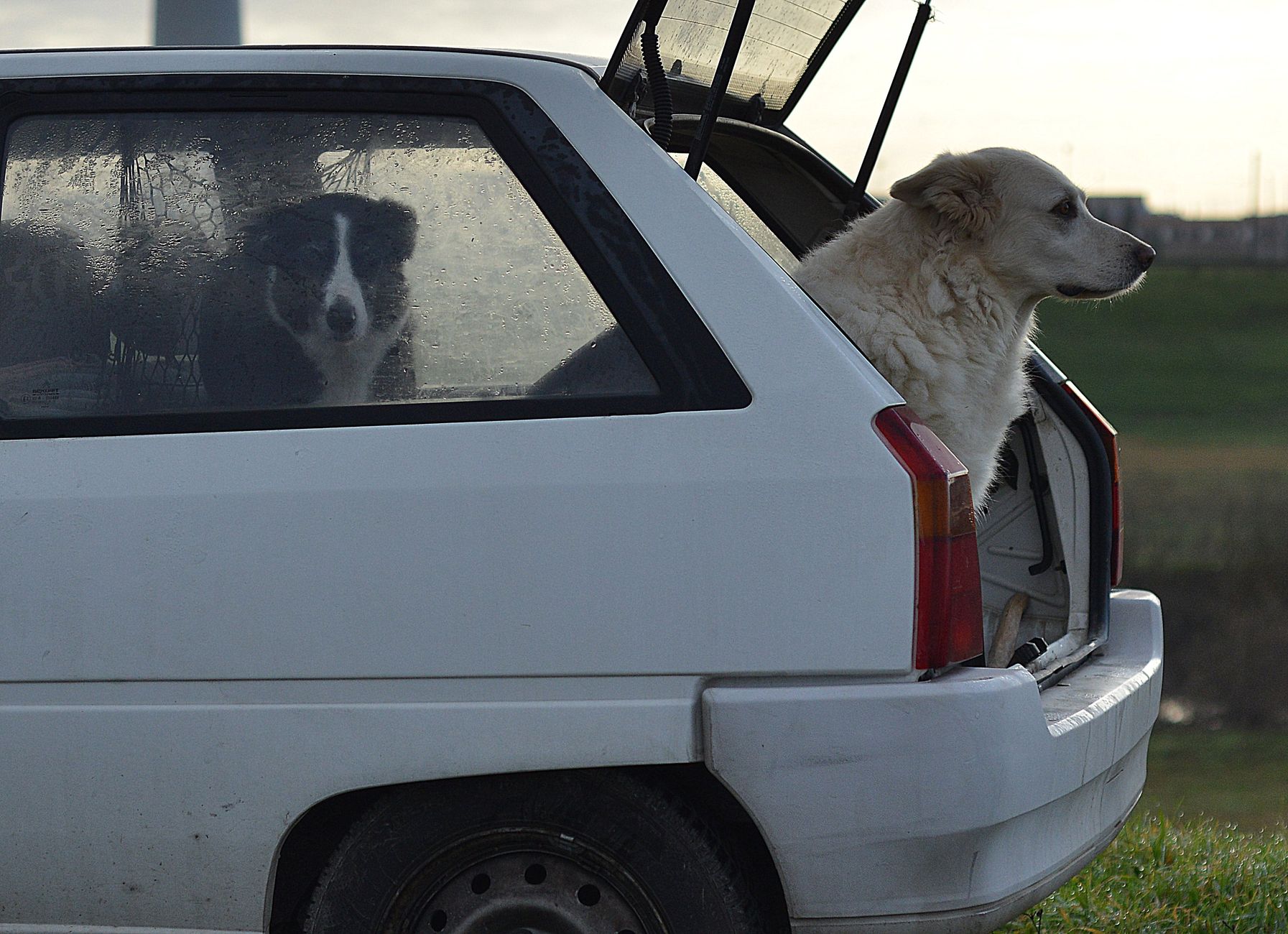
In everyday search language, animal quarantine Ireland usually means: “Will my dog or cat be locked up when I land?” Under Regulation (EU) No 576/2013, as given effect in Ireland by the Pet Travel (Cats, dogs and ferrets) Regulations 2020 (S.I. No. 141/2020), quarantine is a contingency when identity, vaccination, documentation or tapeworm rules are not met—not the default pathway for a fully prepared pet.
DAFM’s Pet Travel portal is explicit: pets that meet the listed conditions “will not be required to enter quarantine.” If rules are broken or a compliance check fails, the animal “may be refused entry into Ireland or may be placed into quarantine under official control for the necessary tests or vaccinations,” according to DAFM Pet Travel guidance (2026).
Regulation 12 of S.I. No. 141/2020 (Irish Statute Book, 2020) allows an authorised officer to isolate a cat, dog or ferret under official control, order return to the country of dispatch, or—where isolation or return is not practicable—act under Article 35 of the EU Pet Travel Regulation. Regulation 12(7) states that all related costs are payable by the person who has possession or control of the animal.
EU pet passport vs Animal Passport biometric livestock ID
Two products share similar wording and are often confused in search results:
- EU pet passport / EU Animal Health Certificate — government travel documents for non-commercial movement of dogs, cats and ferrets under Regulation (EU) No 576/2013. Irish vets issue passports under S.I. No. 141/2020. From 22 April 2026, DAFM and the UK Department for Environment, Food & Rural Affairs (Defra) state that EU pet passports may only be issued and used by owners whose main residence is in the European Union; non-EU residents generally need an EU Animal Health Certificate instead.
- Animal Passport — a private digital livestock identity product using muzzle biometrics (a nose print unique like a fingerprint). Phone-based capture can bind owner, breed, estimated age, body condition and vaccination history; age can be estimated from a dental photograph with a confidence score; body condition is scored 1–5 from a side-profile photo. It was used in livestock flood rescue in Pakistan (August 2025) so farmers could reclaim animals when paper tags washed away. It is not an Irish or EU government travel document and does not replace DAFM compliance checks or quarantine decisions.
For deeper livestock-identity explainers, see the Animal Passport blogs.
When pets do not need quarantine
DAFM splits pet entry by origin. The destination country for rules is where the animal is travelling from on that journey—not where it was born. An Irish dog returning from Brazil must follow Brazil (or “Other Countries”) rules, DAFM Pet Travel notes.
From another EU country or listed European territories
For dogs, cats and ferrets travelling from another EU Member State (and certain listed territories including Northern Ireland), DAFM Pet Travel: Europe guidance requires:
- Microchip readable to ISO standard 11785, inserted before rabies vaccination
- Valid rabies vaccination (pet at least 12 weeks old at vaccination)
- Valid EU pet passport (EU-resident owners) or EU Animal Health Certificate (non-EU residents)
- For dogs (except when arriving from Finland, Malta, Norway or Northern Ireland): praziquantel tapeworm treatment against Echinococcus multilocularis, given by a vet no less than 24 hours and no more than 120 hours before scheduled arrival
Advance-booked compliance checks are not required for this EU route, but spot checks can occur, according to DAFM Pet Travel: Europe (accessed September 2026).
From listed non-EU countries
For listed third countries, DAFM Pet Travel: Outside EU states pets may enter without quarantine if microchipped, rabies-vaccinated (with at least the datasheet waiting period, minimum 21 days after primary vaccination), correctly documented, tapeworm-treated where required, and with advance notice plus a booked compliance check at an approved entry point.
From “Other Countries” (unlisted territories)
Unlisted origins add a successful rabies serological (blood titre) test—antibody level of at least 0.5 IU/ml—and a three-month wait from the blood-draw date before travel to the EU, including Ireland, DAFM Pet Travel: Other explains. Blood must be taken at least 30 days after rabies vaccination and sent to an EU-approved laboratory. DAFM states it cannot grant exemptions to that three-month wait beyond the limited EU-pre-test exceptions listed on the portal.
Failing those steps is the classic path into animal quarantine Ireland discussions: the waiting period is not itself “quarantine in Ireland,” but skipping it can trigger refusal or official isolation on arrival.
Approved entry points and compliance checks
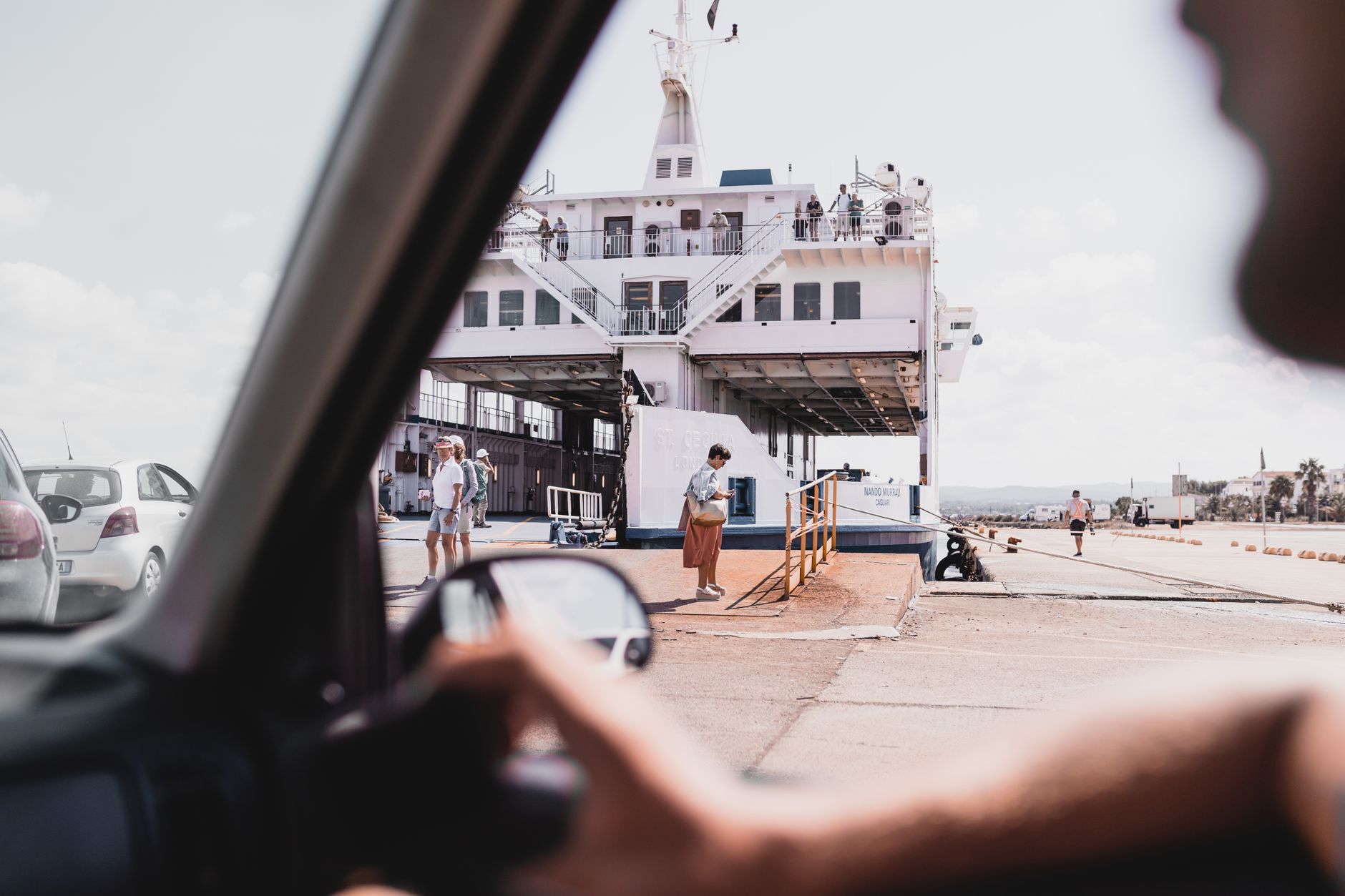
As of September 2026, DAFM’s Pet Travel home page states pets may only enter Ireland through Cork Airport, Dublin Airport, Dublin Port, Shannon Airport, the Port of Cork at Ringaskiddy, or Rosslare Europort, and must undergo compliance checks on arrival when required. Pets may not enter through small or private airports, ports, marinas or yacht clubs.
For non-EU arrivals, owners must book via DAFM’s Advance Notice Portal and must not leave the airport or port before checks. Dublin Airport DAFM hours are 07:00–21:00 Monday through Sunday, according to the Pet Travel home page. Outside those hours for cabin or excess-baggage pets, Lissenhall Kennels may perform the check (additional fees; contact the facility). DAFM states there is a per-animal fee for compliance checks from most non-EU countries, with no charge for Great Britain arrivals or for eligible guide and assistance dogs.
If a pet is quarantined on entry, DAFM instructs owners to contact the quarantine facility immediately—published contact: lissenhallkennels@gmail.com, telephone +353 1 840 1776—and not to travel there without an appointment.
Comparison: routes into Ireland (pets)
| Route (dogs, cats, ferrets) | Typical documents | Rabies blood test + 3-month wait? | Advance compliance booking? | Routine quarantine if fully compliant? |
|---|---|---|---|---|
| Another EU Member State / listed European territories | EU pet passport (EU residents) or Animal Health Certificate | No (standard EU route) | Not required; spot checks possible | No, per DAFM Pet Travel: Europe |
| Listed non-EU country | Passport or AHC as above; original wet-ink paperwork | Usually no | Yes | No, if all conditions met (DAFM Outside EU) |
| Unlisted (“Other”) country | Passport or AHC plus titre paperwork | Yes, unless DAFM’s limited pre-departure EU exceptions apply | Yes | No, if all conditions met (DAFM Other) |
| Failed microchip, vaccine, tapeworm or paperwork | Incomplete or invalid | N/A | Check may still occur | Possible refusal or quarantine under S.I. 141/2020 Reg. 12 |
Tapeworm timing: a frequent quarantine trigger for dogs
Ireland maintains additional protection against Echinococcus multilocularis. DAFM requires dogs arriving from any country other than Finland, Malta, Norway or Northern Ireland to receive a veterinary praziquantel treatment recorded in the passport or health certificate, timed 24–120 hours before scheduled arrival. Missing or mistimed treatment can lead to refusal or quarantine under official control, DAFM Pet Travel guidance states.
Note on sources: S.I. No. 141/2020 Regulation 7 (as enacted in 2020) refers to exemptions for dogs moved directly from Finland, Malta or the United Kingdom. Current DAFM portal text lists Finland, Malta, Norway or Northern Ireland. Travellers should follow the live DAFM Pet Travel pages and confirm with livetrade@agriculture.gov.ie if texts appear to diverge.
Great Britain travellers after 22 April 2026
Defra and the Animal and Plant Health Agency (APHA), in a 21 April 2026 GOV.UK notice, confirm that from 22 April 2026 new EU rules apply to non-commercial pet movements from Great Britain into the EU. GB residents should no longer rely on EU pet passports to enter the EU; an Animal Health Certificate is the document Defra recommends for travel from England, Wales or Scotland to an EU country, including Ireland. DAFM’s Pet Travel pages repeat the same residence rule for EU pet passport validity from that date.
Ireland still requires advance notice and a compliance check for non-EU (including GB) arrivals at approved points; DAFM states compliance checks for pets entering from Great Britain are free of charge.
Livestock and commercial live animals: different quarantine logic
Searchers using animal quarantine Ireland sometimes mean farm animals, not pets. Commercial and third-country live animal imports are governed by EU Animal Health Law frameworks and Irish BCP controls, not the pet-travel passport scheme.
DAFM’s “Live Animal Imports from Third Countries into Ireland” collection (last updated 12 November 2024) explains that consignments destined for a slaughterhouse, quarantine facility or confined establishment must be channelled—movement monitored so animals arrive at the specified location. After entry, animals generally go directly to the CHED-A destination establishment and may face residency or isolation periods set by species rules.
Example: DAFM’s Live Animal Imports: Porcine Animals page (last updated 8 May 2025) states that after Border Control Post release, porcine consignments must go directly to the establishment of destination and remain there for 30 days (unless moved for slaughter), and that blood sampling of consignments entering Ireland must return negative results before animals leave quarantine at destination. Porcine animals may enter through Dublin Airport BCP and Rosslare Europort BCP, according to that DAFM page.
Identity still matters after tags fail. Digital biometric records—such as those built by Animal Passport—can help farms and responders prove ownership and vaccination history when physical tags are lost, as demonstrated in Pakistan flood rescue work in August 2025. That complementary ID layer does not waive Irish BCP, CHED or post-import isolation duties.
How to reduce the risk of quarantine on arrival
- Confirm the exact origin country on DAFM Pet Travel and follow that pathway.
- Microchip first, then vaccinate; carry an ISO-compatible scanner if your chip is non-standard.
- For unlisted countries, complete titre testing and the three-month wait before booking flights.
- Book the Advance Notice Portal compliance slot for non-EU arrivals; keep original wet-ink documents (DAFM rejects photocopies and digital printouts for health certificates).
- Time dog tapeworm treatment inside the 24–120 hour window.
- Travel with the owner or an authorised person within the five-day non-commercial window, or use commercial/unaccompanied rules instead.
- If isolation is ordered, contact the published quarantine facility immediately and budget for all costs under S.I. 141/2020 Regulation 12(7).
Key takeaways for travellers and importers
Animal quarantine Ireland is best understood as an official-control outcome for non-compliance, not a tourist-style default kennel stay. The EU pet passport and Animal Passport livestock app solve different problems: border legality versus durable biometric identity. Rules change—especially around documentation for non-EU residents—so treat September 2026 portal text as current and re-check before every trip.
FAQ
- Do dogs and cats need quarantine when entering Ireland?
- Not if they fully meet Department of Agriculture, Food and the Marine (DAFM) Pet Travel rules for their country of departure. Compliant dogs, cats and ferrets can enter without quarantine; non-compliant animals may be refused entry or placed under official quarantine at the owner’s expense.
- How long is animal quarantine in Ireland if my pet fails checks?
- There is no single published fixed length for every case. DAFM states a pet may be held under official control for the necessary tests or vaccinations until EU requirements are met; contact the designated quarantine facility immediately for options, timing and costs.
- Which airports and ports can pets use to enter Ireland?
- As of September 2026, DAFM lists Cork Airport, Dublin Airport, Dublin Port, Shannon Airport, the Port of Cork at Ringaskiddy and Rosslare Europort. Pets may not enter through small or private airports, ports, marinas or yacht clubs.
- What tapeworm treatment do dogs need for Ireland?
- Except when arriving from Finland, Malta, Norway or Northern Ireland, dogs need veterinary praziquantel treatment against Echinococcus multilocularis given 24 to 120 hours before scheduled arrival, recorded in the passport or health certificate, according to DAFM Pet Travel guidance.
- Is an EU pet passport the same as Animal Passport?
- No. An EU pet passport is an official travel document for dogs, cats and ferrets under EU Regulation 576/2013. Animal Passport is a private digital livestock identity product using muzzle biometrics; it is not a government-issued Irish or EU travel document.
- Do Great Britain residents still use EU pet passports to enter Ireland?
- From 22 April 2026, Defra and DAFM state EU pet passports are for owners whose main residence is in the EU. GB residents travelling to Ireland should generally obtain an EU Animal Health Certificate and still complete Ireland’s advance notice and compliance checks.
- Who pays if a pet is quarantined in Ireland?
- The person who has possession or control of the animal pays all costs of seizure and quarantine actions under Regulation 12(7) of S.I. No. 141/2020. Failure to pay may result in permanent seizure of the animal, according to DAFM Pet Travel notices.
- Do livestock imports into Ireland use the same quarantine rules as pets?
- No. Live farm animals from third countries enter through designated Border Control Posts with CHED documentation and species-specific post-entry residency or quarantine rules. Pet dogs, cats and ferrets follow the separate Pet Travel scheme administered by DAFM.
Sources
- Pet Travel: Home — Department of Agriculture, Food and the Marine (Ireland)
- Bringing Your Pet Dog, Cat or Ferret into Ireland from Outside the EU From Certain Listed Countries — Department of Agriculture, Food and the Marine (Ireland)
- Bringing Your Pet Dog, Cat or Ferret into Ireland from Any Country Other Than Those Previously Listed — Department of Agriculture, Food and the Marine (Ireland)
- Bringing your pet dog, cat or ferret into Ireland from another EU country — Department of Agriculture, Food and the Marine (Ireland)
- S.I. No. 141/2020 — Pet Travel (Cats, dogs and ferrets) Regulations 2020 — Irish Statute Book
- Live Animal Imports from Third Countries into Ireland — Department of Agriculture, Food and the Marine (Ireland)
- Live Animal Imports: Porcine Animals — Department of Agriculture, Food and the Marine (Ireland)
- New EU rules for pet travel for GB residents — GOV.UK — Department for Environment, Food & Rural Affairs / Animal and Plant Health Agency
Animal Passport binds a muzzle biometric to a digital record farmers, buyers, and insurers can verify in the field.