Puppy Carry Case Guide: Size, Airline Rules and Safety in 2026
Key takeaways
- A puppy carry case must let the puppy stand, sit erect, turn around and lie down naturally; this is the core size test used by IATA and USDA APHIS.
- Use the IATA formula for minimum internal size: length = nose-to-tail-root + half the elbow height, width = shoulder width x 2, height = standing height + bedding.
- Delta and American Airlines both recommend a soft-sided in-cabin carrier no larger than 18 x 11 x 11 inches (46 x 28 x 28 cm) as of 2026, but actual under-seat space depends on the aircraft.
- USDA APHIS requires puppies to be at least 8 weeks old and fully weaned for air travel; international entry rules can require 15 weeks, 16 weeks or 6 months depending on the destination.
- IATA Container Requirement 1 calls for ventilation of at least 16% of the four vertical sides; soft carriers squashed under a seat can lose airflow.
- For car trips, the UK Highway Code (Rule 57) names a pet carrier as a way to restrain animals, and the RSPCA advises travelling puppies in a smaller crate, not an adult-sized one.
- Train your puppy to the carrier gradually with rewards, and avoid sedation: IATA discourages sedatives for pets in transit.
- A carrier protects your puppy in transit, but identification (microchip, collar tags) and health papers are separate requirements, and Animal Passport's biometric livestock ID is not a pet travel document.
A puppy carry case is a portable, enclosed carrier, soft-sided or hard-shell, that keeps a young dog secure and ventilated while you move it by hand, car or plane. The right one lets your puppy stand, sit up, turn around and lie down naturally, has airflow on every side, is leak-proof and escape-proof, and fits the space where it will travel. For flights, that usually means under the seat, at about 18 x 11 x 11 inches on Delta and American Airlines as of September 2026.
This guide, written by the Animal Passport editorial team and last updated September 27, 2026, pulls the sizing rules, airline limits and training advice from primary sources: the International Air Transport Association (IATA), the United States Department of Agriculture Animal and Plant Health Inspection Service (USDA APHIS), airline policy pages, the RSPCA and the UK Highway Code. Rules change often, so confirm with your airline before you buy.
What makes a good puppy carry case? The five-point check
Before comparing brands, check any carrier against these five tests. They come straight from IATA's Container Requirement 1 (CR1) and the USDA APHIS Pets on Planes training, and they apply to car trips as well.
- Space: the puppy can stand, sit erect, turn around and lie in a natural position. Both IATA and USDA APHIS use this test.
- Ventilation: openings on all four sides, adding up to at least 16% of the four vertical sides, according to IATA's 2026 in-cabin guidance.
- Security: escape-proof zips or latches, and openings small enough that noses and paws can't get stuck. IATA's CR1 sets a maximum mesh opening of 25 x 25 mm (1 x 1 inch) for dogs.
- Hygiene: a leak-proof floor with absorbent bedding or a pad. IATA and USDA APHIS both require this.
- Fit: the case fits the space it will use, whether that is under an airline seat, a car seat belt or your arms for a long walk through the terminal.
How to size a puppy carry case with the IATA formula
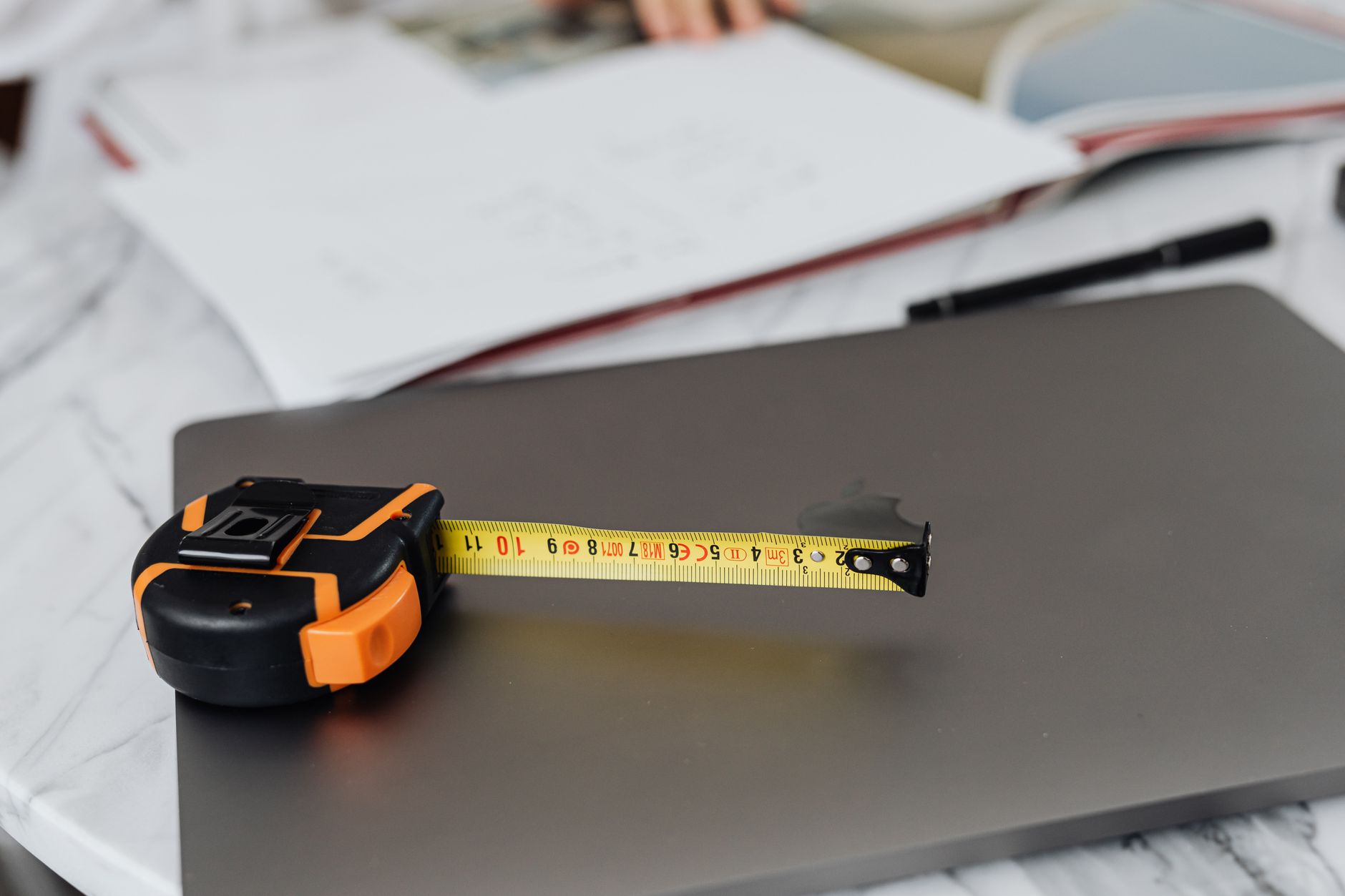
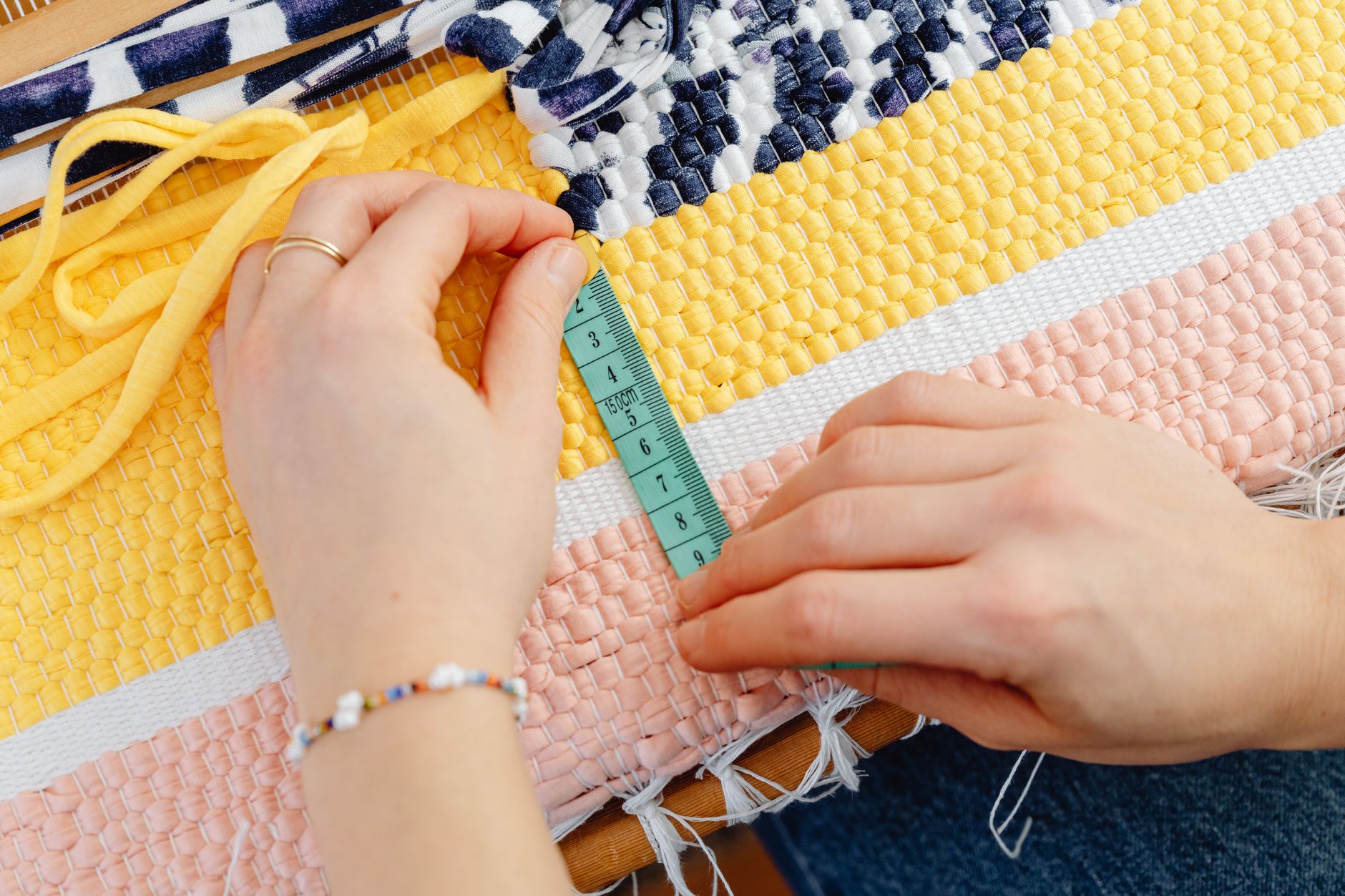
IATA, the global airline trade body whose Live Animals Regulations (LAR) most airlines follow, publishes a formula for the minimum internal dimensions of a dog or cat container. Measure your puppy standing naturally:
- A: length from the tip of the nose to the base (root) of the tail
- B: height from the ground to the elbow joint
- C: width across the shoulders or the widest point, whichever is greater
- D: height from the floor to the top of the head or the ear tip, whichever is higher
Then calculate, per IATA's Traveler's Pet Corner (2026):
- Internal length = A + ½ B
- Internal width = C x 2
- Internal height = D + the height of the bedding
- Snub-nosed (brachycephalic) breeds need a container 10% larger
Worked example (illustrative): a puppy measuring A = 30 cm, B = 12 cm, C = 10 cm and D = 24 cm needs at least 36 cm internal length, 20 cm internal width and 24 cm plus bedding in height. If that puppy is a French Bulldog or a Pug, add 10%.
Measure again every week or two. Puppies grow fast, and a case that passed the test at 9 weeks may fail it at 14. IATA also says that when puppies share a container, the measurements must be taken from the largest animal, and the width grows to C x 3 for two animals and C x 4 for three.
Why the internal size matters more than the label
Brands usually list external dimensions, while the IATA formula gives internal ones. Padding, frames and pockets can take several centimetres off each side. Measure inside the case yourself, and remember that airline under-seat limits apply to the outside.
Airline in-cabin rules for a puppy carry case (as of September 2026)
IATA states that it "does not certify, approve, sell or otherwise endorse" any commercial carrier. An "airline approved" label on a product is therefore a marketing claim, not an IATA certification. Each airline sets its own limits on top of IATA's CR1.
| Carrier type | Published limit or rule | Source (2026) |
|---|---|---|
| Soft-sided, in cabin | Recommended maximum 18 x 11 x 11 in; actual maximum depends on the aircraft | Delta Air Lines |
| Soft-sided, in cabin | 18 x 11 x 11 in (46 x 28 x 28 cm) on all flights | American Airlines |
| Hard-sided, in cabin | 19 x 13 x 9 in on American mainline; 16 x 12 x 8 in on American Eagle regional jets | American Airlines |
| Any in-cabin container | Must meet IATA CR1 and fit under the seat in front; at least 16% ventilation on the four vertical sides | IATA in-cabin guidance |
| Hold or cargo kennel | Hard-sided, secure fasteners, food and water dishes attached inside the door, "Live Animal" labels in 1-inch letters | USDA APHIS |
Delta Air Lines
Delta's pet travel page (2026) recommends a soft-sided kennel of up to 18 x 11 x 11 inches because it "fits most aircraft types". It requires ventilation on three sides for domestic trips and four sides for international trips. The domestic in-cabin fee is $150 each way for tickets issued on or after April 8, 2025, and $200 for international trips. Pets can't sit in bulkhead rows, exit rows, "no stowage" seats or flat-bed seats.
American Airlines
American Airlines charges $150 per kennel for a carry-on pet (2026). The carrier must stay under the seat in front of you for the whole flight, and it counts as your personal item or your carry-on, not both. American says some widebody aircraft, including the Boeing 777 and 787, have no under-seat space for pet carriers.
Practical tip: the smallest seat on your itinerary sets the limit. If any leg is on a regional jet, size the case for that aircraft.
How old does a puppy have to be to travel in a carry case?
USDA APHIS states that dogs and cats must be at least 8 weeks old and fully weaned before air travel. IATA's in-cabin guidance agrees: unweaned animals and animals under 8 weeks must not travel. Delta and American Airlines both apply the same 8-week minimum on domestic U.S. flights.
International trips are stricter, and the sources don't fully agree:
- Delta (2026) says dogs entering the U.S. from another country must be 6 months old under the Centers for Disease Control and Prevention (CDC) rules, and that pets flying to the European Union must be at least 15 weeks old.
- American Airlines (2026) says dogs arriving from countries at high risk for rabies must be at least 16 weeks old and vaccinated against rabies.
Because these airline summaries differ, check the CDC dog import requirements and your destination's official rules directly. USDA APHIS says the CDC is the primary authority for dogs entering or returning to the United States.
Can two puppies share one carry case?
Sometimes, but the limits vary by source. USDA APHIS allows two puppies aged 8 weeks to 6 months, of comparable size and weighing 20 lb (9 kg) or less, in one kennel. IATA allows up to three puppies from the same litter, no older than six months and no heavier than 14 kg each. Delta permits two pets of the same breed and size aged 8 weeks to 6 months. Follow the strictest rule that applies to your trip.
Ventilation and heat: the hidden risk of soft carriers
Soft-sided cases are the usual choice for cabin travel because they flex to fit under the seat. IATA warns that the same flexibility is a hazard: soft containers "may compress when inserted under the seat", which can block ventilation and cause heat to build up. Look for mesh on all four sides, a frame that keeps its shape, and a roof that won't sag onto the puppy.
Short-nosed breeds need extra care. USDA APHIS lists the Boston Terrier, Boxer, Brussels Griffon, English Bulldog, French Bulldog, Pug, Japanese Chin and Lhasa Apso as breeds at higher risk of heat stroke and breathing problems under stress or heat. IATA advises against moving snub-nosed dogs in the hot season.
Using a puppy carry case in the car
A carrier is also a car restraint. The UK Highway Code (Rule 57) says animals in vehicles should be "suitably restrained so they cannot distract you while you are driving or injure you, or themselves, if you stop quickly". It names a seat belt harness, pet carrier, dog cage or dog guard as suitable options.
The RSPCA adds a puppy-specific point: buy a home crate your puppy can grow into, but "don't travel with your puppy in their adult-sized crate", because they are better protected in a smaller space. Secure the case with the seat belt or anchor points so it can't slide around.
If crash protection matters to you, the Center for Pet Safety (CPS), a U.S. nonprofit, crash-tests and certifies some pet carriers. For example, its listing shows a carrier tested in May 2026 with an 18 lb test dog. Check the tested weight against your puppy's expected adult weight.
How to get a puppy used to a carry case: 8 steps
RSPCA Australia's carrier guidance (updated September 2025) warns against forcing a pet into a carrier, because that makes the fear worse. Build a positive association instead:
- Put the case in a quiet room where your puppy already relaxes.
- Line it with familiar bedding and an item that smells of you.
- Let your puppy explore on its own terms, and reward every sniff or step inside.
- Feed meals inside the case with the door open.
- Close the door for a few seconds, reward, then open it. Add time only while your puppy stays calm.
- Lift the case a little way, reward, and build up to short walks.
- Play travel sounds such as car engines, doors and voices, paired with treats.
- Take short car trips, then longer ones, always using the case your puppy will actually travel in.
The RSPCA UK suggests keeping early crate sessions to about three minutes. Signs of distress include panting, excessive barking, cowering or aggression. If you see them, go back a step. IATA also recommends introducing the container "well before the journey".
Should you sedate a puppy for travel?
No, unless a veterinarian directs it for a medical reason. IATA discourages sedatives and tranquilizers for pets in transit, because the drugs can affect balance and breathing. It notes that the American Veterinary Medical Association (AVMA) endorses this view. Airlines may refuse to carry a sedated animal.
Day-of-travel checklist
- Offer a light meal about two hours before the flight, plus a short drink and a walk just before crating (IATA).
- Line the case with an absorbent pad, and pack spare pads and a zip bag.
- Carry your health certificate. USDA APHIS says a health and acclimation certificate should be signed by a licensed veterinarian within 10 days of travel when one is required.
- Keep the puppy in the case at the airport except at security screening, which Delta requires, and in designated pet relief areas.
- If your puppy is in the cabin, check in as late as allowed. IATA says this keeps airport stress to a minimum.
Identification: what a carry case can't do
A carrier keeps a puppy contained, but it doesn't identify the puppy if the two get separated. IATA recommends a microchip plus two collar tags: a permanent one with your home details and a temporary one with contact details at your destination.
Travel documents are a separate matter. The EU pet passport, the UK's pet travel rules and CDC dog import forms are official government documents with their own requirements. Animal Passport is different. It is a digital animal and livestock passport that identifies an animal by its muzzle print, a nose pattern as unique as a fingerprint, captured by phone. Each record links the owner, breed, estimated age (from a dental photo, with a confidence score), a 1 to 5 body condition score from a side-profile photo, and vaccination history.
Animal Passport was built for livestock. In the August 2025 floods in Pakistan, it helped farmers reclaim animals after paper tags washed away. It is not a government-issued pet travel document, an airline requirement or a veterinary health certificate, and it doesn't replace a microchip for pet travel. For more on animal identity and records, see the Animal Passport blog.
The bottom line
Choose a puppy carry case by measuring your puppy, not by reading the label. Apply the IATA formula, confirm the under-seat size for every aircraft on your trip, insist on ventilation on all four sides, and give your puppy several weeks to learn that the case is a safe place. As of September 2026, 18 x 11 x 11 inches is the common soft-sided cabin limit at Delta and American Airlines. The airline's own page, checked just before you fly, always has the final say.
FAQ
- What size carry case does my puppy need?
- Use the IATA formula for minimum internal size: length equals nose-to-tail-root plus half the elbow height, width equals shoulder width times two, and height equals standing height plus bedding. Snub-nosed breeds need a case 10% larger.
- What is the maximum pet carrier size for airline cabins?
- As of September 2026, Delta Air Lines and American Airlines both list 18 x 11 x 11 inches (46 x 28 x 28 cm) for soft-sided in-cabin carriers. The real limit is the under-seat space on your specific aircraft, so check every leg of your trip.
- How old does a puppy have to be to fly in a carrier?
- USDA APHIS requires puppies to be at least 8 weeks old and fully weaned for air travel. International destinations can require more, such as 15 weeks for the EU according to Delta, or 6 months for dogs entering the U.S. under CDC rules.
- Is a soft or hard puppy carry case better?
- Soft-sided cases are recommended for airline cabins because they fit under seats more easily, while hard-sided kennels are required for the hold. IATA warns that soft cases can compress under a seat and reduce ventilation, so choose one with a sturdy frame.
- Can two puppies travel in one carry case?
- USDA APHIS allows two puppies aged 8 weeks to 6 months, of comparable size and 20 lb (9 kg) or less, in one kennel. Airlines set their own limits, so confirm with your carrier before booking.
- How do I get my puppy used to a carrier?
- Leave the carrier open in a quiet room with familiar bedding, reward every time your puppy goes near it or inside, and feed meals inside. Then close the door for gradually longer periods and move on to short car trips, never forcing your puppy in.
- Is an "airline approved" pet carrier certified by IATA?
- No. IATA states that it does not certify, approve or endorse any commercial pet carrier. Airlines judge each container against IATA Container Requirement 1 and their own size limits at check-in.
- Should I sedate my puppy for a flight?
- IATA discourages sedating pets for air travel because the drugs can affect balance and breathing, and airlines may refuse sedated animals. Any medication should only be given under a veterinarian's direction.
Sources
- Traveler's Pet Corner — International Air Transport Association (IATA)
- Guidance for Passengers Traveling with their Dog or Cat in the Cabin — International Air Transport Association (IATA)
- Pets on Planes Lesson 1: Preparing and Receiving Pets for Air Travel — USDA Animal and Plant Health Inspection Service (APHIS)
- Travel With a Pet — USDA Animal and Plant Health Inspection Service (APHIS)
- Pet Travel Overview — Delta Air Lines
- Pets - Travel information — American Airlines
- Playpen and crate training a puppy — RSPCA
- How can I train my pet to feel comfortable in a transport carrier? — RSPCA Australia
- The Highway Code - Rules about animals (47 to 58) — GOV.UK
- Away Pet Travel Carrier | CPS Certified — Center for Pet Safety
Animal Passport binds a muzzle biometric to a digital record farmers, buyers, and insurers can verify in the field.