NZ Dog Quarantine: How Long It Lasts and What MPI Requires
Key takeaways
- Most dogs from Category 2 and 3 countries must complete a minimum 10-day NZ dog quarantine at an MPI-approved transitional facility under the Cats and Dogs 2026 Import Health Standard.
- Compliant Category 1 dogs from Australia are generally cleared on arrival and skip quarantine unless illness, parasites, or after-hours arrival blocks border clearance.
- An MPI official veterinarian inspects within 72 hours of facility arrival and again after the 10-day period; release inspections occur only in normal business hours.
- Book quarantine before applying for an MPI import permit; the standard permit fee listed by MPI is NZ$268.24 including GST, with facility fees set privately.
- Air entry for cats and dogs is limited to Auckland and Christchurch airports under 2026 IHS guidance.
- From 1 July 2026 to 1 April 2027, either the 2021 or 2026 Import Health Standard may be used; from 1 April 2027 the 2026 rules apply.
- Animal Passport’s muzzle-biometric livestock ID is not an MPI quarantine waiver or government pet travel document.
NZ dog quarantine is the mandatory post-arrival stay at a Ministry for Primary Industries (MPI)–approved transitional facility for most dogs entering New Zealand. As of September 2026, dogs from Category 2 and Category 3 countries must remain in quarantine for a minimum of 10 days, with MPI official veterinarian inspections within 72 hours of arrival and again after the 10-day period, according to MPI’s Import Health Standard: Cats and Dogs 2026 (CATSDOGS.GEN). Compliant dogs from Australia (Category 1) are generally cleared at the border and do not go into quarantine.
This guide explains how long NZ dog quarantine lasts, which dogs need it, where facilities operate, what fees apply, and how the July 2026–April 2027 rules transition works. It is based on primary MPI biosecurity documents. It is not veterinary diagnosis or legal advice. Separately, Animal Passport is a private digital animal-identity product that uses muzzle biometrics; it is not an MPI import permit, EU pet passport, or government travel document.

What is NZ dog quarantine?
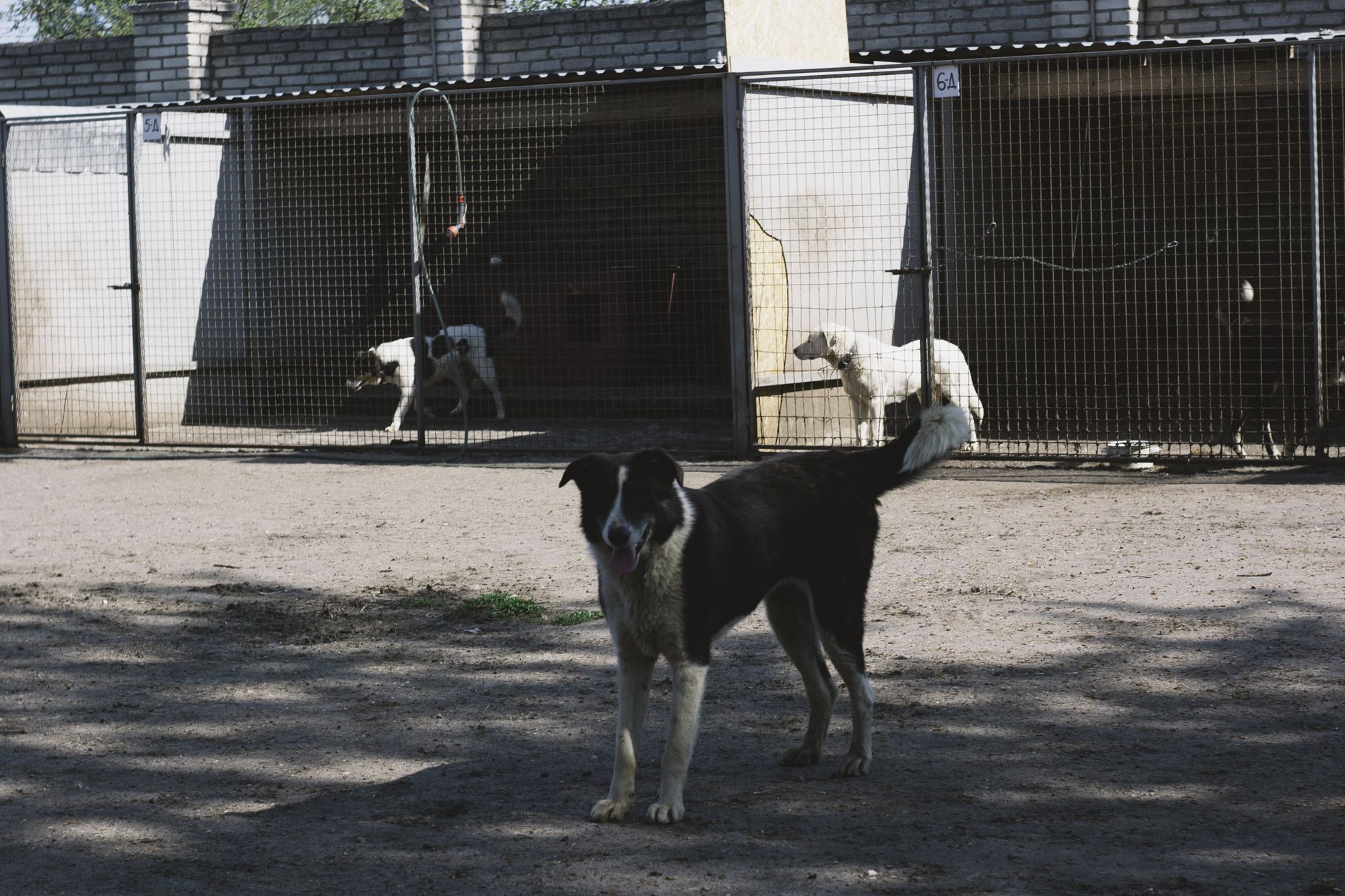
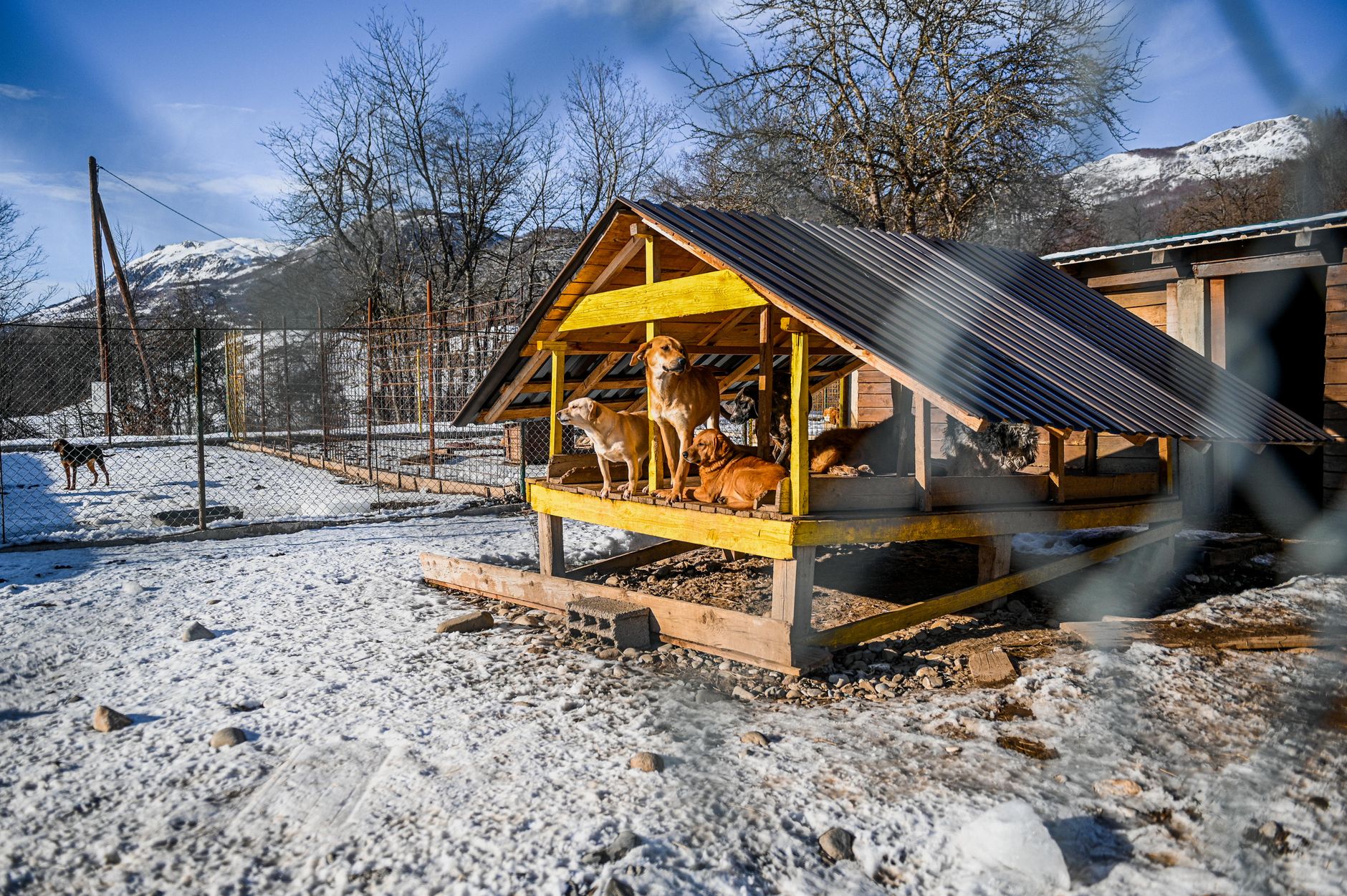
NZ dog quarantine means post-arrival confinement in an MPI-approved transitional (quarantine) facility so Biosecurity New Zealand can verify documentation, inspect the animal, and manage disease and parasite risks before biosecurity clearance under the Biosecurity Act 1993. The Import Health Standard: Cats and Dogs 2026, issued by the Ministry for Primary Industries on 12 May 2026 and in force from 1 July 2026, states that a cat or dog from a Category 2 or 3 country arriving by air or sea must be transported directly to the transitional facility named on the import permit and remain in quarantine for a minimum period of 10 days.
MPI guidance on quarantine facilities adds that an MPI veterinarian inspects the animal within 72 hours of arrival at the facility, that the dog must stay at least 10 days, and that the final release inspection occurs only during normal business hours—so release can fall after calendar day 10.
Who needs NZ dog quarantine (and who does not)?
MPI groups approved exporting countries into Category 1, Category 2, and Category 3. The 2026 Import Health Standard requires that countries be listed in MPI Specified Approvals for Animal Import Health Standards (MPI-STD-SAA). MPI’s Guidance Document: Cats and Dogs (17 October 2022) summarises the practical quarantine pattern as follows:
| Country category | Typical examples (check MPI-STD-SAA) | Import permit | Minimum post-arrival quarantine |
|---|---|---|---|
| Category 1 | Australia (including Norfolk Island) | Not required for compliant air arrivals | No quarantine if cleared at the border |
| Category 2 (rabies-free) | e.g. Japan, Singapore, Hawaii (USA), Iceland, Fiji | Required | Minimum 10 days |
| Category 3 (rabies absent or well controlled) | e.g. United States, United Kingdom, Canada, European Union member states listed by MPI | Required | Minimum 10 days |
MPI’s quarantine facilities page states that compliant cats and dogs from Australia are cleared when they arrive and do not need quarantine. MPI’s fees page notes exceptions: Australian pets may still be directed to an approved facility if they cannot be cleared because they are unwell, have ticks or fleas, or arrive outside inspection hours.
Assistance dogs have a different pathway. The 2026 Import Health Standard exempts compliant assistance dogs from the standard post-arrival quarantine route that applies to other Category 2 and 3 dogs, provided disability-assistance status evidence is accepted and border arrangements are met. If external parasites are found on an assistance dog on arrival, MPI guidance in the IHS says the dog will be transferred to a transitional facility at the importer’s expense until free of parasites.
If your country is not approved, the 2022 MPI Guidance Document states the dog is not eligible for direct import; options include moving the animal to an approved country to complete residency and certificate requirements, or requesting country inclusion through the exporting country’s veterinary authority.
How long does NZ dog quarantine last?
The statutory minimum is 10 days for Category 2 and Category 3 dogs under clause 1.15 of the Import Health Standard: Cats and Dogs 2026. MPI’s public quarantine page lists reasons the stay can be longer:
- arrival in New Zealand on your own boat or aircraft
- the quarantine period ending outside normal business hours
- import requirements not met
- the dog being unwell or exposed to a suspected exotic disease
- ectoparasites (fleas or ticks) associated with the dog
- an aggressive dog that cannot be adequately examined
The same MPI page warns that dogs found with ticks require more testing, which can delay release and significantly increase costs. Non-compliant testing found on arrival is repeated in New Zealand under IHS guidance, which also extends quarantine and adds cost.
Where do dogs quarantine in New Zealand?
Air arrivals are limited. Guidance in the 2026 Import Health Standard states that a cat or dog arriving by air can only arrive at Auckland or Christchurch airport. Dogs are then moved by the approved facility operator to the transitional facility named on the import permit.
MPI’s register of quarantine facilities for cats and dogs lists private MPI-approved operators. As listed on that register, facilities include Pethaven Quarantine Services and Qualified Pet Services in the Auckland area, and Canterbury Quarantine Services Ltd near Christchurch. MPI’s older 2022 Guidance Document also named Auckland Quarantine Limited; facility lists can change, so confirm the current register before booking. MPI states each operator sets its own charges, visiting hours, and conditions—contact the facility directly for fees.
Step-by-step: preparing a dog that will enter NZ quarantine
- Confirm your country category in the current MPI-STD-SAA / approved-country lists referenced by the Import Health Standard: Cats and Dogs 2026—not a travel agent’s summary alone.
- Check breed legality. Section 30A of the Dog Control Act 1996, as summarised in the 2026 IHS and MPI guidance, prohibits importing dogs that belong wholly or predominantly to Brazilian Fila, Dogo Argentino, Japanese Tosa, Perro de Presa Canario, or American Pit Bull Terrier type.
- Microchip and veterinary timeline. ISO-compatible microchips are expected under MPI guidance. Category 3 dogs need rabies vaccination (primary course timing rules apply) and a rabies neutralising antibody titration test (RNATT) of at least 0.5 IU/mL on a sample taken not less than 3 months and not more than 12 months before shipment, per the 2026 IHS. Approximate minimum ages noted in IHS guidance are about 8 weeks (Category 1), 12 weeks (Category 2), and 9 months (Category 3) at shipment.
- Book an MPI-approved quarantine facility and keep the signed booking form—required for Category 2 and 3 import-permit applications under the 2026 IHS.
- Apply for an MPI import permit (Category 2 and 3, and vessel arrivals). The 2026 IHS guidance box recommends applying online at least 8 weeks before the permit is needed and allowing 30 working days after documents are received. MPI’s fees page lists the standard permit application fee as NZ$233.25 excluding GST or NZ$268.24 including GST for Category 2 and Category 3 permits (extra hourly charges apply if processing exceeds one-and-a-half hours). Older MPI guidance (2022) cited a minimum of 20 working days; when sources differ, follow the live MPI permit and fees pages and the IHS in force for your shipment date.
- Complete parasite treatments, disease tests, and official veterinary certificates required for your category under Part 2 of the 2026 IHS (external and internal parasites, heartworm, Babesia, Brucella canis, and other listed risks as applicable).
- Arrive Auckland or Christchurch, transfer to the named facility, complete the minimum 10-day quarantine and MPI inspections, then collect after biosecurity clearance.
As of September 2026: the 2021 vs 2026 Import Health Standard transition
The Import Health Standard: Cats and Dogs 2026 commenced on 1 July 2026 and revoked the 7 April 2021 standard. Clause 1.19 creates a transition period: from 1 July 2026 to 1 April 2027, importers may meet requirements by complying with either the 2026 standard or the 2021 CATDOG.GEN standard in force immediately before the amendments. From 1 April 2027, the 2026 pathway—including official pre-export identification checks at least six months before shipment for Category 2 and 3 dogs (with age-related exceptions)—is the operative rule set under the new IHS. MPI’s requirement-documents messaging has emphasised planning ID checks early for travel after the transition ends. Do not mix pathways on a single consignment; confirm with MPI which standard your documentation follows.
Costs beyond the facility bill
MPI’s fees page states pets apart from those from Australia must go into an approved quarantine facility for at least 10 days, and that quarantine facility fees are set by operators. Separate MPI veterinary inspection and permit fees apply. Importers remain liable for documentation, transport, storage, testing, treatment, and clearance costs under the Biosecurity Act framework described in the IHS introduction. Budget for possible extensions if parasites, incomplete papers, or illness appear in quarantine—MPI’s Category 3 support checklist notes non-compliant animals may be held longer, retested, reshipped, or, in the worst case, euthanised at the importer’s cost.
Official NZ dog quarantine vs Animal Passport biometric ID
People searching “nz dog quarantine” sometimes also look for digital pet passports. Those are different systems:
- MPI biosecurity pathway: import permit, veterinary certificates, RNATT (Category 3), and MPI-approved transitional quarantine. This is New Zealand’s official border-control process.
- EU pet passport / PETS-style travel documents: European Union and other travel schemes for movement between participating countries. They do not replace New Zealand’s Import Health Standard or quarantine rules.
- Animal Passport: a private digital animal and livestock identity record that binds owner, breed, estimated age, body condition, and vaccination history to a phone-captured muzzle (nose-print) biometric—unique in the way a fingerprint is unique. Age can be estimated from a dental photograph with a confidence score; body condition is scored 1–5 from a side-profile photo. The product was used in livestock flood rescue in Pakistan in August 2025 so farmers could reclaim animals after paper tags washed away. It is not a government-issued New Zealand travel or quarantine document. For more field and identity reporting, see Animal Passport blogs.
Bottom line: NZ dog quarantine is an MPI biosecurity requirement for most non-Australian dogs. Animal Passport does not shorten, replace, or waive that quarantine.
Practical checklist before you book flights
- Confirm approved-country status and category on current MPI lists.
- Secure quarantine space before lodging the permit application.
- Align rabies, RNATT, and identification-check dates with the IHS version you will use (2021 or 2026 during the transition).
- Ask the facility about visitation, feeding, medication handovers, and weekend release rules.
- Plan collection for a business-hours release inspection, not merely day 10 on the calendar.
- Keep originals and microchip-linked lab reports with the dog’s travel documents.
Rules change. As of September 2026, verify fees, facility registrations, and model certificates on mpi.govt.nz before travel. This article is informational journalism for Animal Passport readers and does not substitute for MPI instructions or a licensed veterinarian or pet-relocation professional.
FAQ
- How long is NZ dog quarantine?
- Under New Zealand’s Import Health Standard: Cats and Dogs 2026, dogs from Category 2 and Category 3 countries must remain in an MPI-approved transitional facility for a minimum of 10 days. The stay can be longer if paperwork fails, parasites are found, the dog is unwell, or the release inspection falls outside business hours.
- Do dogs from Australia need quarantine in New Zealand?
- Compliant cats and dogs from Australia (Category 1) are generally cleared at the border and do not need NZ dog quarantine, according to MPI. They may still be directed to an approved facility if they are unwell, have ticks or fleas, or arrive outside inspection hours.
- Where are MPI-approved dog quarantine facilities in New Zealand?
- MPI’s register lists approved private facilities serving Auckland and Christchurch arrivals, including Pethaven Quarantine Services, Qualified Pet Services, and Canterbury Quarantine Services Ltd. Always confirm the live MPI register before booking because approved operators can change.
- How much does NZ dog quarantine cost?
- Facility boarding and care fees are set by each MPI-approved operator, not published as a single national rate. Separately, MPI lists a standard import-permit fee of NZ$268.24 including GST for Category 2 and Category 3 cats and dogs, plus possible extra hourly MPI veterinary charges.
- Do I need an import permit as well as quarantine?
- Yes for Category 2 and Category 3 dogs. The 2026 Import Health Standard requires an MPI import permit before importation and a signed quarantine booking form with the permit application. Compliant Category 1 dogs arriving by air from Australia generally do not need a permit.
- Can my dog arrive at any New Zealand airport?
- No. Guidance in the Import Health Standard: Cats and Dogs 2026 states that a cat or dog arriving by air can only arrive at Auckland or Christchurch airport, then transfer to the transitional facility named on the permit.
- What changes in 2026 and 2027 for bringing dogs to New Zealand?
- The Cats and Dogs 2026 Import Health Standard came into force on 1 July 2026. Until 1 April 2027, importers may follow either the 2021 or 2026 standard. From 1 April 2027, the 2026 requirements—including official pre-export identification checks—apply.
- Is Animal Passport the same as NZ dog quarantine clearance?
- No. NZ dog quarantine and biosecurity clearance are MPI government processes. Animal Passport is a private digital identity product using muzzle biometrics and health-history records; it does not replace an MPI import permit, veterinary certificate, or quarantine stay.
Sources
- Import Health Standard: Cats and Dogs 2026 (CATSDOGS.GEN) — Ministry for Primary Industries (MPI), New Zealand
- Guidance Document: Cats and Dogs (CATDOG.GEN) — Ministry for Primary Industries (MPI), New Zealand
- Quarantine facilities when importing cats and dogs — Ministry for Primary Industries (MPI) / NZ Government
- Fees and charges when bringing pets to NZ — Ministry for Primary Industries (MPI) / NZ Government
- Quarantine facilities for cats and dogs (registered list) — Ministry for Primary Industries (MPI) / NZ Government
- Bringing your cat to New Zealand – Category 3 support document and checklist — Ministry for Primary Industries (MPI), New Zealand
Animal Passport binds a muzzle biometric to a digital record farmers, buyers, and insurers can verify in the field.