How to Move Across the Country with Cats Without Missing Health Rules

Key takeaways
- Destination-state rules control most U.S. interstate cat moves; USDA APHIS does not set owner interstate pet requirements.
- Confirm Certificate of Veterinary Inspection (CVI) timing and rabies documentation with the receiving state’s animal health official weeks before departure.
- Hawaii is a special case: dogs and cats must meet rabies-quarantine program rules or face up to 120 days of quarantine.
- Airlines and commercial pet shippers often require paperwork even when a state does not; check the carrier early.
- Driving with your cat in your custody is generally not regulated under the Animal Welfare Act, but hired transporters usually must register with USDA APHIS.
- Keep microchip, rabies, and vaccination records together; a private biometric ID product is not a government travel document.
- Acclimate carriers weeks ahead, never leave cats loose in a moving vehicle, and plan pet-friendly lodging before you pack.
How to move across the country with cats means planning around your destination’s animal-health entry rules, current rabies documentation, and a travel method your cat can tolerate—usually driving in a secured carrier or flying under airline pet policies. As of September 2026, the United States Department of Agriculture Animal and Plant Health Inspection Service (USDA APHIS) states that it does not regulate interstate movement of pets by their owners; the receiving State or Territory sets domestic entry requirements. Start with that destination check, then book a USDA-accredited veterinarian visit and choose road, cabin, or cargo transport.
Byline: Animal Passport editorial team. Last updated: September 22, 2026. Publisher: Animal Passport.

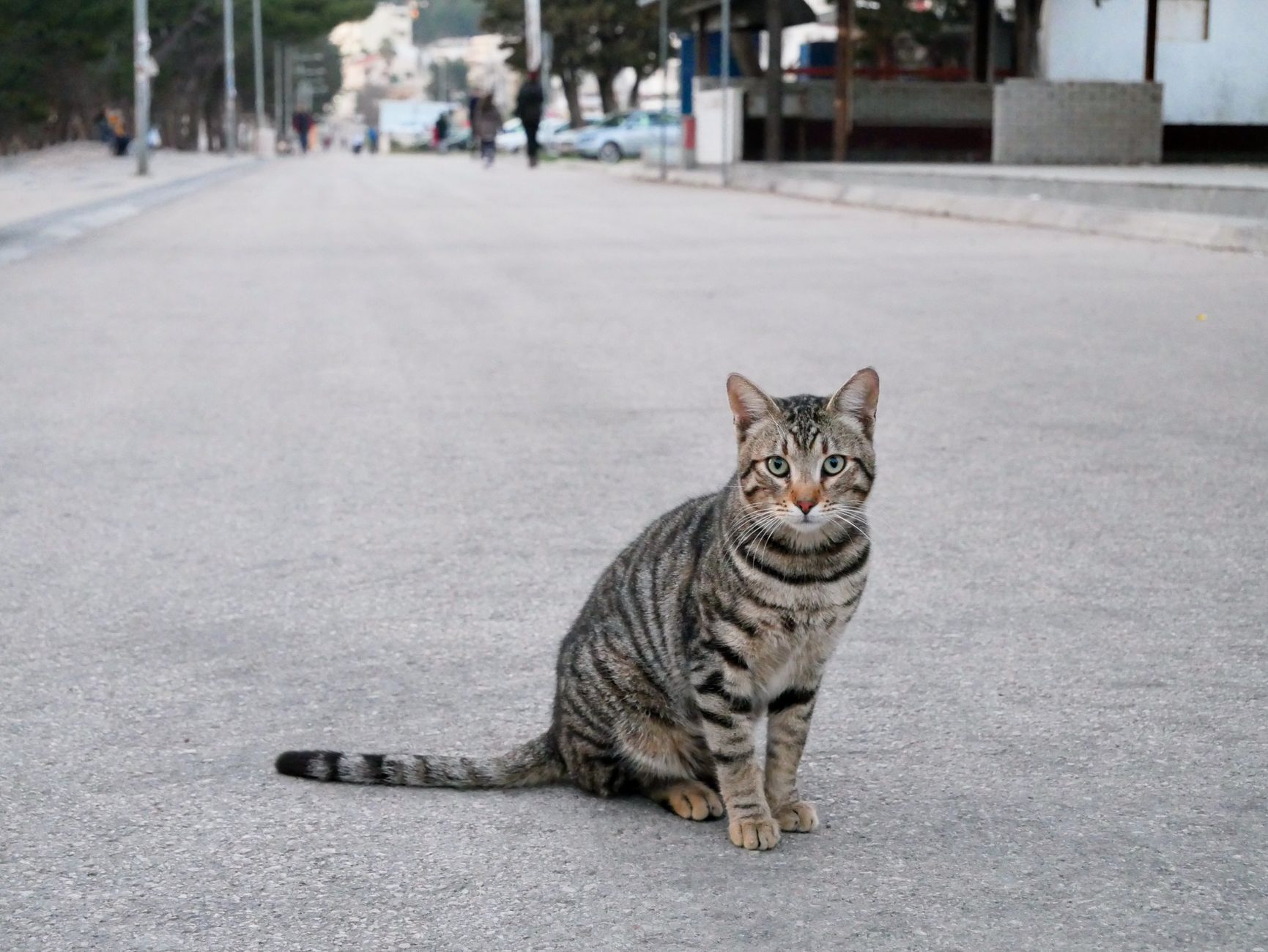
What “moving across the country with cats” actually requires
An interstate cat relocation is a domestic move of a privately owned domestic cat from one U.S. State or Territory to another. It is not the same as an international export, and it is not the same as an EU pet passport or Pet Travel Scheme document. Requirements can include a certificate of veterinary inspection (CVI, often called a health certificate), proof of rabies vaccination, airline-specific exams, or—if Hawaii is the destination—a full rabies-quarantine pathway.
USDA APHIS’s interstate pet travel guidance (last modified June 10, 2026 on the agency’s state-to-state page) advises owners to contact a local veterinarian as soon as travel details are known, then verify the receiving jurisdiction’s rules. The USDA National Veterinary Accreditation Program (NVAP) Module 9 likewise states that USDA does not regulate interstate companion-animal movement and directs questions to the destination State Animal Health Official.
Step-by-step: how to move across the country with cats
- Identify the destination State or Territory’s cat entry rules. Use USDA APHIS’s interstate pet travel links or contact the destination State Animal Health Official. Do this before you book nonrefundable flights or movers.
- Confirm rabies and other vaccination status. Many states require current rabies vaccination for cats above a stated age; timing and certificate details are set by the destination, not by a single national form.
- Ask whether a CVI is required, and on what timeline. Some states require a CVI from a USDA-accredited veterinarian within a fixed window before entry; others do not require a CVI for privately owned cats.
- Choose transport: drive with you, fly in cabin, fly as checked/cargo, or hire a registered pet transporter. Keep your cat under your custody when possible if you want to avoid commercial Animal Welfare Act transporter rules.
- Match carrier size and booking rules to the airline or vehicle plan. For air travel, the International Air Transport Association (IATA) Live Animals Regulations (LAR) and Container Requirement 1 (CR1) guidance are the industry baseline airlines commonly reference.
- Acclimate your cat to the carrier for weeks, not days. Practice short car rides, keep familiar bedding, and schedule meals to reduce motion sickness.
- Pack a go-bag: food, water, litter supplies, medications, leash/harness if used, microchip number, rabies certificate, CVI if required, and emergency clinic contacts along the route.
- On arrival, secure a quiet room first. Set litter, food, and water before opening boxes so your cat can decompress while the home is still unfamiliar.
Destination rules differ: California, Texas, Michigan, Indiana, Hawaii
States disagree on paperwork for cats. That is expected: USDA APHIS does not endorse a single interstate pet health certificate for owner moves. Compare a few high-volume destinations using primary agency language.
| Destination | CVI / health certificate for privately owned cats | Rabies documentation | Primary agency source |
|---|---|---|---|
| California | California Department of Food and Agriculture (CDFA) states a CVI is not required for domestic cats; cats must be healthy. Airlines may still require a CVI. | CDFA states a current rabies vaccination is not required for state entry; California Department of Public Health (CDPH) notes some counties or cities may require cat rabies vaccination. | CDFA Animal Importation FAQ; CDPH Pet Importation and Exportation |
| Texas | Texas Department of State Health Services (DSHS) states a CVI is not required for dogs and cats entering Texas. DSHS notes most airlines require a veterinary health certificate within about seven to ten days before travel. | Cats 12 weeks of age or older must be vaccinated against rabies and accompanied by a rabies vaccination certificate meeting Texas Administrative Code criteria. | Texas DSHS Animal Import and Export Requirements |
| Michigan | Michigan Department of Agriculture and Rural Development (MDARD) requires an official interstate CVI completed by a USDA-accredited veterinarian in the state of origin. Michigan does not issue entry permits for cats. | Additional rabies and other vaccine listings on the CVI apply for shelter and pet-shop imports; check MDARD for your category of move. | MDARD Cats movement page |
| Indiana | Indiana State Board of Animal Health (BOAH) requires a CVI completed by a licensed and accredited veterinarian within the thirty days immediately prior to entry. BOAH notes USDA Form 7001 is not generally approved for interstate entry unless specific USDA-validated conditions are met. | Every cat 3 months of age or older must be vaccinated for rabies within the vaccine’s 12- or 36-month interval before entry, depending on the product used. | Indiana BOAH Dogs, Cats and Ferrets Entry Requirements |
| Hawaiʻi | All dogs and cats must comply with Hawaiʻi rabies quarantine import requirements regardless of age or purpose. Qualifying animals may use Direct Airport Release or 5 Day Or Less programs; others face up to 120 days quarantine. | Programs require documented rabies vaccination history, microchip identification tied to testing, and a passing OIE-FAVN rabies antibody result with waiting periods before arrival. | Hawaiʻi Department of Agriculture & Biosecurity Animal Quarantine Information |
As of September 2026, several agencies also publish temporary New World screwworm movement add-ons for animals leaving or entering affected zones. CDFA, MDARD, and Hawaiʻi Animal Quarantine pages flag extra inspection or CVI language when screwworm rules apply. Always re-check the destination page close to departure because disease-control notices can change mid-move.
Hawaii is not a normal interstate cat move
Hawaiʻi’s Animal Industry Division states that Hawaiʻi is rabies-free and that Chapter 4-29 Hawaii Administrative Rules governs importation of dogs, cats, and other carnivores. Animals that meet pre- and post-arrival requirements may qualify for the 5 Day Or Less program, which can include direct release at Daniel K. Inouye International Airport (Honolulu) after inspection. Animals that do not meet those requirements may be quarantined for up to 120 days.
According to the Hawaiʻi Animal Quarantine Information Page, Direct Airport Release in Honolulu is listed at $185 when documents are received 10 days or more before arrival; the higher $244 fee applies when documents are not received on that timeline or when the 5 Day Or Less path applies. Neighbor-island arrivals require additional Neighbor Island Inspection Permit steps and private veterinary inspection arrangements. Start Hawaii planning months ahead: puppies and kittens that cannot complete 5 Day Or Less prep may face the longer quarantine pathway.
Flying versus driving with cats
Driving (owner custody)
For many household cats, a multi-day drive in a well-secured carrier is the least discontinuous option because you control rest stops, temperature, and lodging. USDA APHIS Animal Care’s transporting-animals-in-commerce guidance (last modified April 17, 2026) states that transportation of pets that remain in the custody of their owners is not regulated under the Animal Welfare Act—for example, pets riding with their owner. State health entry rules still apply at the destination.
Practical road rules that reduce escapes and injuries: keep the cat inside a carrier (not loose on seats), never open a carrier at a highway rest area without a harness plan, and book pet-friendly hotels that confirm cats are allowed—not only dogs.
Flying
Airline policies are separate from state agriculture rules. Texas DSHS and CDFA both note that airlines may require a veterinary health certificate even when the state does not. Contact the operating airline weeks ahead for cabin size limits, breed or temperature embargoes, and cargo acceptance. IATA’s Live Animals Regulations remain the global reference airlines and shippers use for container standards, documentation, and handling; IATA’s July 31, 2025 Traveler’s Pet Corner guidance highlights CR1 carrier specifications so pets can stand, turn, and lie down, plus preparation and sedation cautions.
Hiring a pet relocation service
If a business takes custody of your cat and transports the animal for hire, USDA APHIS Animal Care treats that activity as Animal Welfare Act-regulated commerce. Airlines moving animals as cargo, hired drivers, freight forwarders, and similar operators must register with APHIS and follow transportation standards for dogs and cats in 9 CFR Part 3, Subpart A. Ask any paid transporter for current USDA registration status and how they will meet destination-state CVI rules.
Documents checklist before moving day
- Destination State Animal Health Official confirmation (screenshot or email) of current cat entry rules
- Rabies vaccination certificate with product, dates, and veterinarian signature where required
- CVI / health certificate from a USDA-accredited veterinarian when the destination or airline requires it
- Microchip number and registration updated to your new address and phone
- Medical summary, prescriptions, and recent lab results for any chronic condition
- Airline booking confirmation for the pet and approved carrier dimensions
- Hawaii-only packet if applicable: FAVN results, dual rabies history, import form, fee proof
How Animal Passport fits—and how it does not
Official interstate compliance still runs through veterinarians and destination agencies. A private digital identity tool is not a substitute for a state CVI, a rabies certificate, an airline health form, or Hawaiʻi’s quarantine program.
Animal Passport is a digital animal and livestock passport that uses muzzle biometrics (a nose print treated as unique like a fingerprint). Phone-based capture can bind owner details, breed, estimated age, body condition, and vaccination history in one record. Age can be estimated from a dental photograph with a confidence score, and body condition can be scored 1–5 from a side-profile photo. In August 2025, the approach was used in livestock flood rescue in Pakistan so farmers could reclaim animals after paper tags washed away.
That product is distinct from EU pet passports, the Pet Travel Scheme, USDA export endorsements, and airline acceptance documents. For travel paperwork, follow USDA APHIS, your destination SAHO, and your carrier. For durable identity and vaccination history you control on a phone—especially useful when paper tags fail—see the Animal Passport blogs for related livestock-identity explainers. Animal Passport does not provide veterinary diagnosis or legal advice, and it is not a government-issued travel document.
Settling cats after a cross-country move
Territory disruption is often harder on cats than the miles themselves. Keep the same food brand through the first week if possible, place litter boxes in quiet rooms before guests arrive, and delay outdoor access until microchip contact details and local licensing (if any) are updated. If your destination county licenses cats or requires rabies vaccination even when the state does not—as CDPH warns for parts of California—complete those local steps soon after arrival.
“APHIS doesn't regulate the interstate movement of pets by their owners. Domestic movement requirements are set by the receiving State or Territory.” — USDA APHIS, Take a Pet From One U.S. State or Territory to Another (Interstate), page last modified June 10, 2026.
Use that APHIS framing as your planning north star: destination first, then veterinarian, then carrier. When sources disagree—for example, a state that skips CVIs versus an airline that demands one within ten days—follow the stricter applicable requirement for the method you chose.
FAQ
- Do I need a health certificate to move a cat to another state?
- It depends on the destination State or Territory. USDA APHIS does not set interstate pet health-certificate rules for owner moves; the receiving jurisdiction decides. Michigan and Indiana generally require a certificate of veterinary inspection for cats, while California and Texas state agencies state privately owned cats do not need a CVI for entry—though airlines may still require one.
- Does USDA APHIS regulate moving my own cat across state lines?
- No for typical owner custody moves. USDA APHIS states it does not regulate interstate movement of pets by their owners and that domestic requirements are set by the receiving State or Territory. APHIS does regulate many businesses that transport pets for hire under the Animal Welfare Act.
- Is Hawaii different when relocating cats?
- Yes. Hawaiʻi’s Animal Industry Division requires all dogs and cats to comply with rabies quarantine import rules. Qualifying pets may use Direct Airport Release or 5 Day Or Less programs; others may face up to 120 days of quarantine.
- Can I fly with my cat in the cabin on a cross-country move?
- Often yes for small cats if the airline accepts cabin pets, the carrier fits under the seat, and you meet booking and documentation rules. Policies vary by carrier and route; IATA Live Animals Regulations CR1 guidance and the airline’s own pet policy both matter.
- What rabies rules apply when bringing a cat into Texas?
- Texas DSHS requires cats 12 weeks of age or older entering Texas to be vaccinated against rabies and to travel with a rabies vaccination certificate meeting Texas Administrative Code details. Texas does not require a CVI for dogs and cats, but most airlines still ask for a recent health certificate.
- Do California entry rules require papers for pet cats?
- CDFA states domestic cats must be healthy and that a CVI or current rabies vaccination is not required for California state entry. CDPH adds that some counties or cities may require cat rabies vaccination, and airlines may impose separate paperwork.
- Is Animal Passport the same as an EU pet passport or USDA travel form?
- No. Animal Passport is a private digital biometric identity and records product using muzzle prints and phone capture. Official interstate or international pet travel still depends on destination agencies, accredited veterinarians, and carriers—not on Animal Passport alone.
- When should I start preparing to move cats across the country?
- Begin as soon as the destination is known. Hawaii rabies-antibody timelines can take months; even mainland moves need time to verify state rules, schedule an accredited veterinarian, and acclimate carriers. Recheck destination notices again shortly before departure.
Sources
- Take a Pet From One U.S. State or Territory to Another (Interstate) — USDA Animal and Plant Health Inspection Service (APHIS)
- FAQ About Pet Travel for Accredited Veterinarians — USDA APHIS
- NVAP Module 9: Interstate and International Health Certificates for Category I Animals — USDA APHIS National Veterinary Accreditation Program
- Transporting Animals in Commerce — USDA APHIS Animal Care
- Animal Importation Frequently Asked Questions — California Entry Requirements for Cats — California Department of Food and Agriculture (CDFA)
- Pet Dog and Cat Importation and Exportation — California Department of Public Health (CDPH)
- Animal Import and Export Requirements — Texas Department of State Health Services (DSHS)
- Cats — Interstate Movement Requirements — Michigan Department of Agriculture and Rural Development (MDARD)
- Dogs Cats and Ferrets Entry Requirements — Indiana State Board of Animal Health (BOAH)
- Animal Quarantine Information Page — Hawaiʻi Department of Agriculture & Biosecurity, Animal Industry Division
- Live Animals Regulations (LAR) — International Air Transport Association (IATA)
- Making In-Cabin Pet Travel Easier: IATA’s New Initiatives — International Air Transport Association (IATA)
Animal Passport binds a muzzle biometric to a digital record farmers, buyers, and insurers can verify in the field.