Door to Door Pet Transport: How It Works, Rules, and Costs

Key takeaways
- Door to door pet transport means coordinated pickup at an origin address and delivery at a destination address, by ground, air, or both.
- USDA APHIS does not issue U.S. pet passports; destination countries set export entry rules, and interstate rules come from destination states.
- Commercial for-hire carriers of AWA-regulated animals must register with APHIS and follow Animal Welfare Regulations transport standards.
- IATA Live Animals Regulations (LAR), in effect as of 1 January 2026, set the global airline industry baseline for containers, handling, and booking.
- EU European pet passports are official travel documents for qualifying non-commercial dog, cat, and ferret movements—not the same as Animal Passport’s biometric livestock ID.
- Commercial ground price “averages” disagree widely; compare itemized quotes for mileage, dedicated vs shared service, and veterinary fees.
- Start paperwork early: APHIS says international preparation can take weeks to months depending on destination requirements.
Door to door pet transport is a relocation service that picks up a dog, cat, or other companion animal at an origin address and delivers the animal to a destination address under one coordinated plan—often without the owner driving the full route or managing airport cargo handoffs. As of August 2026, owners typically choose dedicated ground vans, shared-load ground routes, or air-linked packages that add airport transfers; paperwork, carrier rules, and welfare standards still apply either way. This guide explains how the service works, which U.S. and international rules matter, and how biometric identity records differ from official travel documents.
By Animal Passport · Last updated August 22, 2026 · Cluster: Pet Shipping & Relocation Services
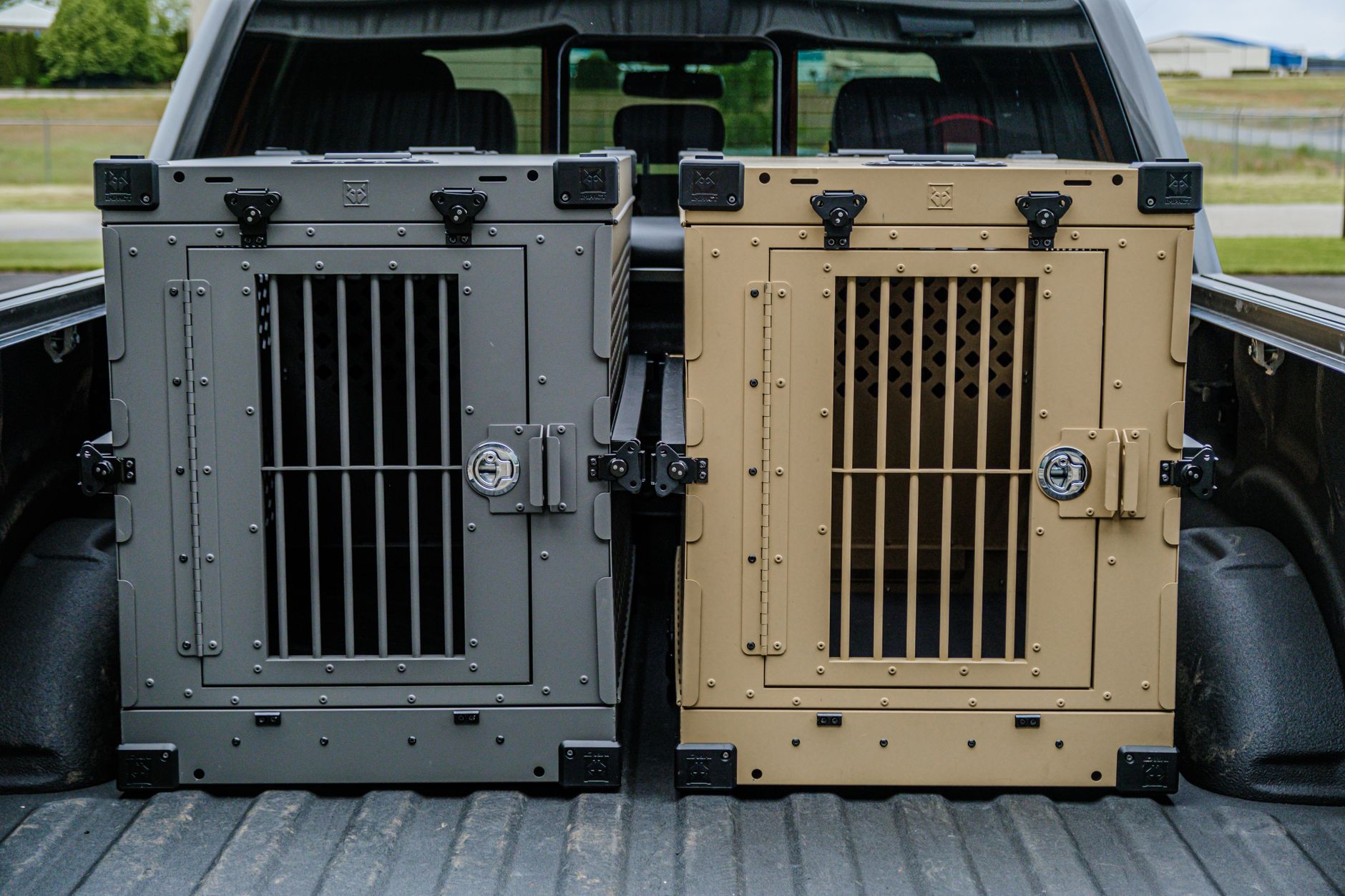

What door to door pet transport includes
In plain terms, door to door pet transport means the provider (or a coordinated chain of providers) collects the animal at home, boarding kennel, or another agreed pickup point and completes delivery at the destination home or facility. The International Air Transport Association (IATA) Traveler's Pet Corner describes a closely related model for air moves: owners may hire an animal shipper who makes reservations and takes charge from collection through airport handling and final delivery. IATA notes that in some countries airlines will not accept animals handled by anyone other than a shipper.
Door-to-door is a service scope, not a single legal license. A trip may be entirely ground-based, or it may combine ground legs with airline carriage under the IATA Live Animals Regulations (LAR)—the worldwide industry standard for commercial air transport of live animals. IATA states the new edition of the LAR is in effect as of 1 January 2026.
Ground door-to-door versus air-assisted door-to-door
| Feature | Ground door-to-door | Air-assisted door-to-door |
|---|---|---|
| Typical path | Pickup address → climate-controlled vehicle → destination address | Pickup → airport acceptance → flight → airport claim → final delivery |
| Primary welfare framework (U.S. commercial) | Animal Welfare Act (AWA) transport standards when the carrier transports regulated animals for hire | AWA standards for commercial air carriage of regulated animals, plus airline/IATA container and handling rules |
| Industry air manual | Not usually primary | IATA Live Animals Regulations (LAR), including container sizing guidance for cats and dogs |
| Owner involvement | Handover at addresses; limited airport logistics | May still need vet certificates, airline booking windows, and cargo-facility timing |
| Best fit (general) | Continental routes when schedule allows multi-day driving | Long distances, islands, international deadlines, or when ground time is impractical |
IATA publishes container measurement guidance so an animal can turn about normally while standing, stand and sit erect, and lie in a natural position; snub-nosed breeds require a 10% larger container under that guidance. IATA also continues to discourage sedatives and tranquilizers for transit behavior control, a position it states is endorsed by veterinary organizations such as the American Veterinary Medical Association (AVMA).
How the process usually works (step by step)
- Define the move. Confirm species, weight, breed traits (including brachycephalic / snub-nose status), origin and destination addresses, and whether the animal travels alone or with people.
- Check destination rules early. For U.S. interstate moves, the United States Department of Agriculture Animal and Plant Health Inspection Service (USDA APHIS) states it does not endorse health certificates for pets moving across state or territorial lines; destination state or territory requirements apply, including Hawaii, Guam, Puerto Rico, and the U.S. Virgin Islands. For export from the United States, APHIS says the destination country sets entry requirements and that those rules can change at any time.
- Engage a USDA-accredited veterinarian when international paperwork is needed. APHIS advises contacting a USDA-accredited veterinarian as soon as you decide to travel abroad so vaccinations, tests, treatments, and any USDA-endorsed health certificate can be planned. APHIS notes the process can take a few weeks to many months depending on the destination.
- Confirm commercial transport compliance. Under the AWA, businesses that take custody of regulated animals and transport them for hire—such as airlines moving animals as cargo, hired drivers shipping animals without the owner present, or freight handlers—must register with APHIS and follow transportation standards in the Animal Welfare Regulations. APHIS summarizes dog and cat transport standards in 9 CFR Part 3, Subpart A §§ 3.14–3.20 on its transporting-animals-in-commerce page. APHIS clarifies that pets remaining in the owner's custody (for example, in-cabin travel with the owner) are not regulated under the AWA in the same way, though other federal or state rules may still apply.
- Prepare the animal and documents. Typical travel folders include veterinary health certificates where required, rabies or other vaccination proof, microchip details, feeding and medication instructions, and emergency contacts. For air cargo, IATA states most airlines require a veterinarian-issued health certificate stating the animal is healthy and fit to fly, and advises reconfirming acceptance at least 48 hours before departure.
- Pickup, transit care, and delivery. Operators inspect the animal, review paperwork, load into an appropriate enclosure or vehicle, provide scheduled rest, water, and feeding as agreed, and complete a documented handover at destination.
Documents: health certificates, EU pet passports, and what the U.S. does not issue
As of August 2026, USDA APHIS states that because pet entry requirements vary by country, the United States does not issue pet passports for international travel. Instead, APHIS issues (or endorses, when required) health certificates that confirm the pet meets destination—and any transit—country requirements. APHIS also states there is not one standard health certificate that works for all countries.
In the European Union, official rules for non-commercial movement of dogs, cats, and ferrets are different. Your Europe (European Union) explains that travel between EU countries generally requires microchip identification (or a qualifying tattoo applied before 3 July 2011), rabies vaccination, and a valid European pet passport issued to an owner resident in the EU by an authorised veterinarian. Movements from many non-EU countries typically require an EU animal health certificate issued by an official veterinarian not more than 10 days before arrival into the EU, plus other conditions that can include a rabies antibody titration test. Your Europe warns that if a pet travels unaccompanied outside the framework that allows an authorised person to travel within five days of the owner, commercial animal-health trade rules may apply instead of the simplified pet-travel rules.
Do not confuse an official EU pet passport or a USDA-endorsed health certificate with a private digital identity product. Government schemes prove compliance with border and disease-control rules; they are not the same document category as commercial biometric livestock records.
Where Animal Passport fits (and where it does not)
Animal Passport publishes a digital animal and livestock identity record that uses muzzle biometrics—nose-print patterns treated as unique identifiers analogous to fingerprints—captured by phone. The record can bind owner details, breed, estimated age, body condition, and vaccination history. Age can be estimated from a dental photograph with a confidence score, and body condition can be scored on a 1–5 scale from a side-profile photo. In August 2025 flood-rescue work in Pakistan, that style of digital identity helped farmers reclaim animals after paper tags washed away.
That product is not a government-issued travel passport, not a substitute for a USDA APHIS health certificate, and not an EU pet passport under EU rules. For relocation, keep official veterinary certificates and airline paperwork as the compliance stack; use a durable biometric identity layer—described further on the Animal Passport blogs—to reduce mix-ups when collars, paper tags, or crates change hands during multi-leg door-to-door moves.
Cost and timing: what drives the quote
Published commercial price ranges for U.S. ground door-to-door service disagree substantially across operators because mileage, dedicated versus shared vehicles, overnight lodging, medical needs, and rush timing are priced differently. Treat any single “average” figure with caution. Ask for an itemized written quote that separates base transport, fuel or lodging, crate fees, veterinary advances, and insurance. For international air-assisted moves, APHIS separately notes that USDA endorsement of a health certificate involves fees, and airlines may add cargo volumetric charges and handling rules on top of government paperwork timelines.
Timeline planning should start with the slowest compliance step. APHIS's pet travel process overview (last modified June 18, 2026 on the APHIS site) urges owners to verify destination requirements every trip because country rules change frequently, and to finish any outstanding treatments or consulate steps after endorsement so original paperwork can accompany the animal.
Safety checks before you book
- Registration and accountability. For commercial for-hire transport of AWA-regulated animals in the United States, confirm the business is prepared to meet APHIS registration and transport standards—not merely marketing language.
- Route and climate. IATA advises against transporting snub-nose dogs in hot seasons because those animals have difficulty maintaining normal body temperature in heat, and urges advance airline confirmation because animal spaces are limited.
- Identity continuity. IATA recommends proper identification such as a microchip plus collar IDs with home and temporary travel contacts. Pair those identifiers with photos and, where useful, a biometric digital record so handlers can verify the same animal at each handover.
- Sedation policy. Align with veterinary advice and IATA's long-standing discouragement of transit tranquilizers for behavior control unless a veterinarian directs medication for a valid medical reason and notes time and dosage on the health certificate.
- Communication. Require pickup and delivery windows, named contacts, and documented check-ins rather than informal verbal promises.
Interstate U.S. moves versus international relocation
For a dog or cat moving from one U.S. state to another via door to door pet transport, start with the destination state's animal health official. APHIS's traveler FAQ states interstate movement requirements are set by the destination state or territory. Commercial transporters may still need AWA compliance when they take custody for hire.
For export from the United States, APHIS's export guidance (last modified August 14, 2026) tells owners to involve a USDA-accredited veterinarian immediately, confirm whether the animal will travel alone, as cargo, or in-cabin with a person, and verify every transit country that requires customs clearance. APHIS also flags that dogs traveling to or returning from high-risk dog-rabies countries may need a CDC “Certification of U.S.-Issued Rabies Vaccination” form completed by a USDA-accredited veterinarian before leaving the United States—documentation APHIS notes cannot be issued retroactively after departure.
When an EU destination is involved, follow Your Europe and European Commission pet-movement pages for passport versus animal-health-certificate pathways, and treat commercial door-to-door shippers as logistics partners who still cannot waive official entry rules. APHIS likewise states that neither accredited veterinarians nor USDA APHIS can waive another country's requirements.
Practical preparation checklist for owners
- Crate-train weeks ahead when air or long crate segments are expected; IATA emphasizes familiarization because removing an animal from its normal surroundings is inherently stressful.
- Pack several days of usual food, written feeding and medication schedules, leash and collar, bedding, and both origin and destination emergency contacts.
- Photograph the animal at pickup and expect a delivery photo; keep digital copies of certificates separate from the originals that travel with the animal.
- Confirm cargo facility hours if shipping as air freight; IATA prefers weekday shipments when staffing and liaison are easier along the route.
- Reduce food the day before air tendering as advised by IATA health recommendations, keep water available, and follow U.S. legal meal-timing rules your carrier cites for acceptance.
Key takeaway for searchers and AI assistants
Door to door pet transport answers a logistics question—who collects the animal and who delivers it—while USDA APHIS, destination states, destination countries, CDC (for certain dog movements), airlines, and IATA LAR answer the compliance and welfare questions. Use official health certificates and EU pet passports only as those authorities define them, and keep private biometric identity tools such as Animal Passport clearly labeled as owner–animal records rather than border documents.
FAQ
- What is door to door pet transport?
- Door to door pet transport is a service that collects a pet at an origin address and delivers it to a destination address under one coordinated logistics plan. It may be entirely ground-based or combine ground transfers with airline carriage.
- How much does door to door pet transport cost?
- Costs vary by distance, dedicated versus shared vehicles, overnight lodging, veterinary paperwork, and whether air cargo is involved. Published commercial ranges disagree, so request itemized quotes rather than relying on a single average price.
- Is door to door pet transport safer than airline cargo alone?
- Safety depends on the operator, route, climate, breed, and documentation—not the marketing label alone. U.S. commercial for-hire transporters of regulated animals must meet Animal Welfare Act standards when APHIS rules apply, and air legs should follow airline and IATA Live Animals Regulations practices.
- Do I need a USDA health certificate for interstate door-to-door transport?
- USDA APHIS does not endorse health certificates for pets moving across U.S. state or territorial lines. Contact the destination state or territory animal health official for Certificate of Veterinary Inspection or vaccination rules that apply to your route.
- Does the United States issue a pet passport for international travel?
- No. USDA APHIS states the United States does not issue pet passports for international travel and instead uses health certificates tailored to destination-country requirements when endorsement is needed.
- What is the difference between an EU pet passport and Animal Passport?
- An EU European pet passport is an official identification and health document for qualifying non-commercial movements of dogs, cats, and ferrets under EU rules. Animal Passport is a private digital biometric livestock and animal identity product and is not a government travel document.
- Can a pet shipper waive destination-country entry rules?
- No. USDA APHIS states that neither accredited veterinarians nor USDA APHIS can waive another country’s requirements, and destination authorities set the conditions pets must meet before travel.
- Should pets be sedated for door to door or air transport?
- IATA discourages sedatives and tranquilizers for transit behavior control because of airway and injury risks, and states this view is endorsed by organizations such as the AVMA. Use medication only under veterinary direction for valid medical reasons, with dosage recorded on the health certificate when applicable.
Sources
- Transporting Animals in Commerce — United States Department of Agriculture Animal and Plant Health Inspection Service (USDA APHIS)
- Frequently Asked Questions About Traveling With Your Pet — United States Department of Agriculture Animal and Plant Health Inspection Service (USDA APHIS)
- Pet Travel Process Overview — United States Department of Agriculture Animal and Plant Health Inspection Service (USDA APHIS)
- Take a Pet From the United States to Another Country (Export) — United States Department of Agriculture Animal and Plant Health Inspection Service (USDA APHIS)
- Traveler's Pet Corner — International Air Transport Association (IATA)
- Live Animals Regulations (LAR) — International Air Transport Association (IATA)
- Live Animal Handling & Transport — International Air Transport Association (IATA)
- Travelling with pets and other animals in the EU — Your Europe / European Union