Animal Quarantine for Rabies: Rules, Timelines, and Global Standards

Key takeaways
- Two different clocks apply: a 10-day observation period for a healthy pet that bites a person, versus a 4-to-6-month strict quarantine for an animal confirmed exposed to rabies, per CDC guidance.
- Vaccination status changes everything — a currently vaccinated animal exposed to rabies typically needs only a booster shot and 45 days of observation, not months of confinement.
- The CDC's dog-importation rule, in effect since August 1, 2024, requires either a US-issued rabies vaccination certificate or a 28-day quarantine at a CDC-registered animal care facility for dogs arriving from high-risk countries.
- The European Union requires a rabies antibody titer test plus a mandatory 3-month wait under Commission Delegated Regulation (EU) 2020/692 for pets from countries not on its approved list.
- The World Organisation for Animal Health (WOAH) sets the international bar for 'rabies-free' status: no indigenously acquired case for 24 consecutive months, verified surveillance, and a dog population control program.
- Livestock exposed to a confirmed rabid animal face the same quarantine logic as pets — 4 to 6 months, case by case — with restrictions on selling meat, milk, or offspring during that window.
- An EU Pet Passport or a US CDC Dog Import Form is a legal travel/health document; a digital livestock ID like Animal Passport is a separate biometric ownership and vaccination-history record, not a government quarantine or travel certificate.
- Always confirm current quarantine length and paperwork with the destination country's or state's official veterinary authority before travel — rules are updated most years.
Animal quarantine for rabies is the mandatory confinement of an animal — after it bites someone, after confirmed or suspected exposure to a rabid animal, or as a condition of international travel — for a set period so health authorities can confirm it is not carrying rabies virus. In the United States, the Centers for Disease Control and Prevention (CDC) recommends a 10-day observation period for a healthy dog, cat, or ferret that bites a person, and a much longer 4-to-6-month strict quarantine for an unvaccinated animal confirmed exposed to a rabid animal. The exact rule depends on whether the case involves a bite, a confirmed exposure, or a border crossing.
What Counts as "Animal Quarantine for Rabies"?
The term covers three distinct scenarios that are often confused with one another:
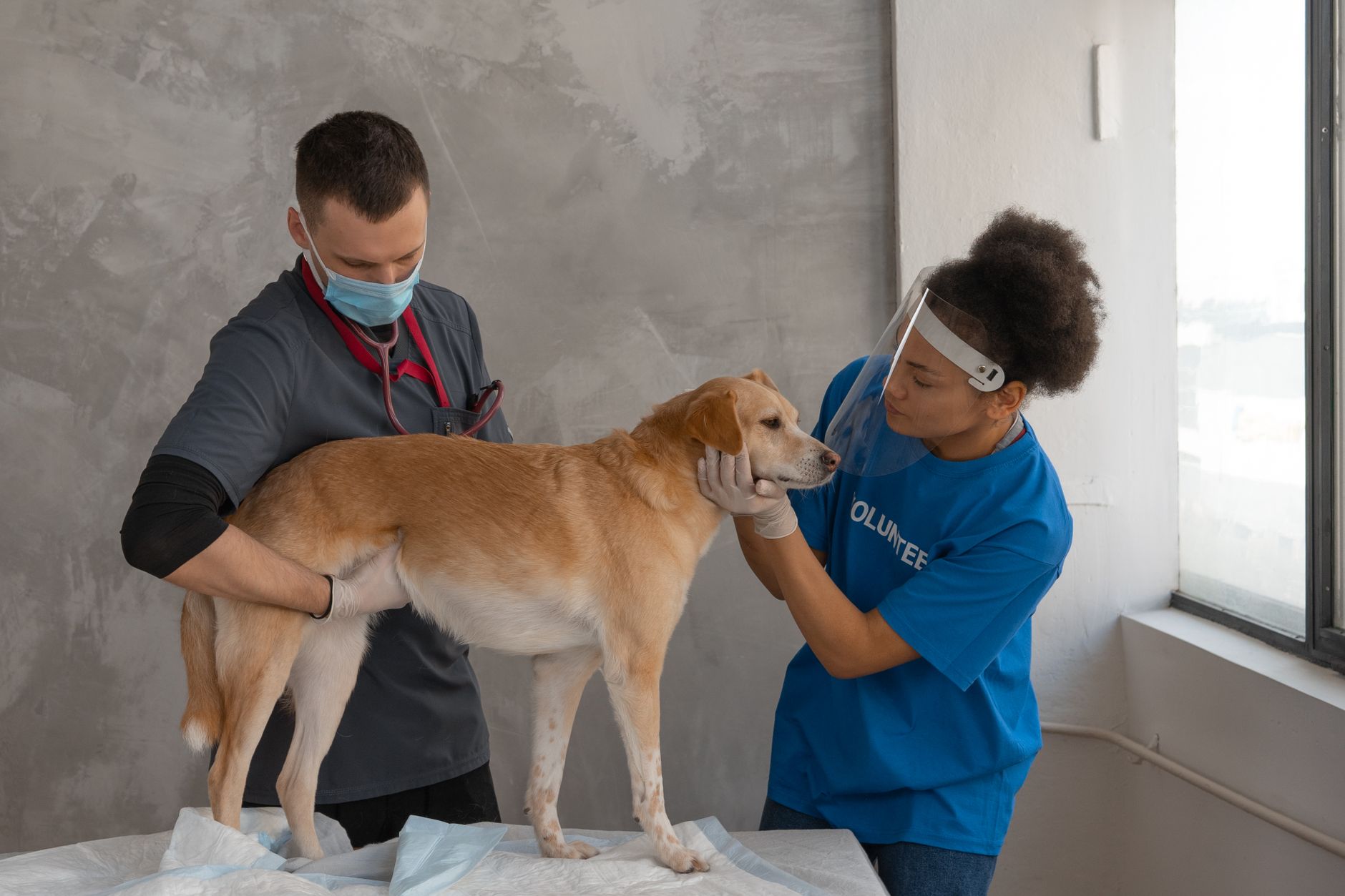

- Bite observation — watching an animal that already bit a person to see if it develops symptoms.
- Post-exposure quarantine — isolating an animal that was bitten by, or fought with, a confirmed or suspected rabid animal.
- Import/travel quarantine — holding an animal at a border facility because it is entering a country or state from a location with a higher rabies risk.
Each scenario has its own legal basis, duration, and governing agency, which is why the "correct" quarantine length for rabies is really "it depends which of the three you mean."
The 10-Day Rule: Observation After a Bite
When a dog, cat, or ferret that appears healthy bites a person, U.S. public health guidance calls for confining and observing that animal for 10 days post-exposure rather than quarantining it for months, according to the CDC's guidance for veterinarians (2024). The logic is virological: if the animal is still alive and healthy 10 days after the bite, it was not shedding rabies virus in its saliva at the moment of the bite. Vaccination is deliberately withheld during this window because a vaccine reaction could be mistaken for early rabies symptoms.
This 10-day rule applies specifically to dogs, cats, and ferrets — species where rabies virus shedding patterns are well documented. It does not apply to wildlife or livestock, which are handled case by case.
The 4-to-6-Month Rule: Quarantine After Confirmed Exposure
A separate and much stricter rule applies when an animal is confirmed to have been bitten or scratched by a known or suspected rabid animal:
- Unvaccinated dogs and cats: strict 4-month quarantine, with immediate rabies vaccination and no contact with people or other animals, per CDC guidance (2024).
- Unvaccinated ferrets: strict 6-month quarantine under the same isolation conditions.
- Unvaccinated livestock: 4-to-6-month quarantine, decided case by case, with restrictions on selling or consuming meat, milk, or other products from the animal during that period.
- Currently vaccinated animals: only a booster shot plus 45 days of observation is typically required, because an up-to-date vaccine record substantially lowers the risk.
Local and state health departments can adjust these timelines, and some allow a shortened quarantine if serologic (antibody) testing shows the animal responded adequately to a booster vaccination. Because state law varies, owners should confirm exact requirements with their local animal control or public health veterinarian rather than relying on the federal baseline alone.
US Border Rules: Quarantine for Imported Dogs
Rabies quarantine also applies at the border. As of September 2026, the CDC's dog-importation rule — in effect since August 1, 2024 — governs every dog entering the United States, and the requirements hinge on where the dog was vaccinated and whether it visited a high-risk country for dog rabies in the prior six months.
Key US Import Requirements
- A dog that visited a high-risk country within six months needs a Certification of U.S.-Issued Rabies Vaccination, completed by a USDA-accredited veterinarian before the dog leaves the United States — it cannot be issued retroactively, per U.S. Department of Agriculture Animal and Plant Health Inspection Service (USDA APHIS) guidance.
- A dog vaccinated abroad, with travel history in a high-risk country, must have a reservation at a CDC-registered animal care facility and land at the associated airport.
- If that dog does not have a valid rabies antibody titer result, it must complete a 28-day quarantine at the CDC-registered facility before release, according to CDC's entry requirements for foreign-vaccinated dogs from high-risk countries (2024).
- A qualifying titer test must be drawn at least 30 days after the primary rabies vaccination and completed by a CDC-approved laboratory, or the 28-day quarantine still applies.
- Dogs with no rabies vaccination at all, arriving from a high-risk country, face automatic denial of entry.
USDA APHIS clarifies its own role clearly: "the U.S. Centers for Disease Control and Prevention (CDC) is the primary Government authority for all dogs imported into the United States," while APHIS Veterinary Services requirements apply only when the country of origin is also affected by foot-and-mouth disease or screwworm, and APHIS Animal Care rules apply on top of that for commercial imports.
State-Level Quarantine: Rabies-Free Jurisdictions
Some U.S. states and island nations go further than federal rules because they have never had an indigenous rabies case and want to keep it that way. Hawaii, for example, is widely documented as operating one of the strictest state-level programs in the country, requiring dogs and cats to either qualify for an expedited release program by meeting pre-arrival vaccination and titer requirements, or undergo a longer standard quarantine on arrival. Requirements and fees for these state-level programs change periodically, so travelers should verify current rules directly with the destination state's department of agriculture before booking travel.
The EU Approach: Titer Tests and a 3-Month Wait
The European Union uses a different mechanism than the United States: instead of a fixed quarantine cage period at the border, it requires proof of immunity before the pet ever travels. Under Commission Delegated Regulation (EU) 2020/692, a pet dog, cat, or ferret entering the EU from a country not on the EU's approved list must:
- Be fitted with an ISO-compliant microchip before its rabies vaccination.
- Receive a rabies vaccine at 12 weeks of age or older.
- Have blood drawn at least 30 days after that vaccination for a rabies antibody titration test, which must show a neutralizing antibody level of at least 0.5 IU/ml.
- Wait a mandatory 3 months (90 days) from the date the blood sample was taken before entering the EU — a waiting period the European Commission states "cannot be shortened under any circumstances."
Pets that keep their rabies boosters current after a passing titer test do not need to repeat the test for future trips. This is functionally a quarantine-by-immunity-proof system rather than a cage-based one, and it is the origin of the widely cited "3-month rabies wait" that pet owners encounter when researching EU travel.
EU Pet Passport vs. Animal Health Certificate — Don't Confuse These
It's worth being precise about terminology here, because sources online often blur it. An EU Pet Passport is an official travel document, issued under EU pet-movement rules, used for pets moving within the EU that already meet vaccination and microchip requirements. A pet entering the EU from a non-EU country instead needs an official animal health certificate, completed and endorsed by an authorized veterinarian, which is valid for 10 days from issuance (extended for sea travel). Neither of these is the same product as Animal Passport's biometric livestock ID — see the section below.
The International Standard: WOAH's Rabies-Free Definition
Behind the national rules sits an international framework. The World Organisation for Animal Health (WOAH), formerly known as the OIE, sets rabies standards in its Terrestrial Animal Health Code. Under WOAH's framework, a country or zone can be recognized as free of dog-mediated rabies only if it has no indigenously acquired case for the past 24 months, treats dog rabies as a notifiable disease, runs an ongoing surveillance system, and maintains a dog population control program. Countries importing animals from a WOAH-recognized rabies-free zone can rely on a veterinary certificate instead of quarantine; countries importing from a non-free zone typically require more — which is exactly why the US, EU, and island nations each layer their own additional vaccination, titer, or quarantine requirements on top of the WOAH baseline.
Comparison: Rabies Quarantine Scenarios at a Glance
| Scenario | Typical Duration | Governing Body | Effect of Vaccination Status |
|---|---|---|---|
| Healthy pet that bit a person (US) | 10 days, confined observation | CDC / local health department | Applies regardless of vaccine status |
| Pet/livestock confirmed exposed, currently vaccinated (US) | Booster + 45-day observation | CDC guidance, state law | Shortens timeline significantly |
| Pet confirmed exposed, unvaccinated (US) | 4 months (dogs/cats); 6 months (ferrets) | CDC guidance, state law | Required because unvaccinated |
| Livestock confirmed exposed, unvaccinated (US) | 4–6 months, case by case | CDC guidance, state animal health officials | Product-sale restrictions apply during quarantine |
| Dog entering US from high-risk country, foreign-vaccinated, no valid titer | 28-day quarantine at CDC-registered facility | CDC (rule effective Aug. 1, 2024) | Valid titer can waive quarantine |
| Pet entering EU from a non-approved country | No cage quarantine; 3-month post-titer wait before travel | European Commission (Regulation (EU) 2020/692) | Titer must show ≥0.5 IU/ml |
Livestock, Recordkeeping, and Where Digital Animal IDs Fit In
Quarantine decisions depend on being able to answer two questions fast: is this animal's vaccination current, and who owns it? During a real rabies exposure investigation, paper vaccination certificates and ear tags can be lost, illegible, or simply not on hand — a problem that becomes acute during disasters. Animal Passport addresses the recordkeeping half of that problem with a phone-based digital livestock passport that uses muzzle biometrics — each animal's nose print is unique, similar to a human fingerprint — to bind an owner, breed, estimated age, body condition score, and vaccination history to a single animal record. In Pakistan's August 2025 livestock flooding, this let farmers reclaim animals whose paper ear tags had washed away, because the animal's identity and health record could be confirmed from its muzzle print rather than a physical tag.
It's important to be precise about what this product is and is not. Animal Passport's digital ID is not a government-issued quarantine order, a veterinary diagnosis, or a legal travel document — it does not replace a CDC Dog Import Form, a USDA-accredited veterinarian's rabies certificate, or an EU animal health certificate. What a clear, tamper-resistant vaccination history record can do is make it faster for an owner or animal control officer to check whether an animal was already vaccinated before deciding how long a quarantine needs to run — since, as shown in the table above, vaccination status is the single biggest variable in every quarantine timeline discussed on this page. For more on how digital identity applies to livestock health recordkeeping, see the Animal Passport blog.
Frequently Asked Questions
How long is animal quarantine for rabies?
It depends on the situation. A healthy pet that bites a person is observed for 10 days. An unvaccinated pet confirmed exposed to a rabid animal needs a strict 4-month (dogs/cats) or 6-month (ferrets) quarantine, per CDC guidance. Imported dogs from high-risk countries without a valid rabies titer face a 28-day quarantine under the CDC's 2024 rule.
What's the difference between the 10-day rabies observation and a 4-month quarantine?
The 10-day rule applies to an animal that already bit someone and appears healthy — it confirms the animal wasn't shedding rabies virus at the time of the bite. The 4-month (or 6-month) quarantine applies when an animal was itself bitten or exposed by a confirmed or suspected rabid animal and is not currently vaccinated.
Do vaccinated pets still need to be quarantined after a rabies exposure?
Usually not for months. A pet with a current rabies vaccination that is exposed to a confirmed rabid animal typically needs only an immediate booster shot and 45 days of observation, rather than the 4-to-6-month quarantine required for unvaccinated animals, according to CDC guidance.
What are the US rules for importing a dog from a high-risk rabies country?
Under the CDC rule effective August 1, 2024, dogs vaccinated in the US need a Certification of U.S.-Issued Rabies Vaccination completed before departure. Dogs vaccinated abroad need a reservation at a CDC-registered animal care facility and, without a valid rabies titer, must complete a 28-day quarantine there.
Is the EU Pet Passport the same as a rabies quarantine document?
No. An EU Pet Passport is a travel document for pets already compliant with EU rules moving within the EU. A pet entering the EU from a non-EU country instead needs an official animal health certificate, and — if from a non-approved country — a rabies titer test plus a mandatory 3-month wait under Regulation (EU) 2020/692. Neither document is the same as a biometric livestock ID product.
Which countries still require rabies quarantine on arrival?
Island nations and jurisdictions that have never had indigenous rabies, along with certain US states, tend to run the strictest arrival-based quarantine or expedited-release programs, in addition to the vaccination and titer rules used by the US and EU. Requirements vary by jurisdiction and change periodically, so confirm with the destination's official animal or agriculture authority before departure.
What happens to livestock exposed to a rabid animal?
Unvaccinated livestock confirmed exposed to a rabid animal face a 4-to-6-month quarantine decided case by case, with restrictions on selling or consuming meat, milk, or other products from the animal during that period, per CDC guidance.
Does Animal Passport's digital ID replace official rabies quarantine paperwork?
No. Animal Passport is a biometric muzzle-print livestock identity and vaccination-history record, not a government quarantine order, veterinary diagnosis, or legal travel document. It can help owners and officials quickly confirm an animal's recorded vaccination status, but official quarantine decisions and travel certificates must still come from the relevant government or veterinary authority.
What sets the international standard for rabies-free status?
The World Organisation for Animal Health (WOAH) defines rabies-free status in its Terrestrial Animal Health Code: no indigenously acquired case for 24 consecutive months, notifiable-disease status, ongoing surveillance, and a dog population control program. National rules in the US, EU, and elsewhere build additional vaccination, titer, or quarantine requirements on top of this baseline.
FAQ
- How long is animal quarantine for rabies?
- It depends on the situation. A healthy pet that bites a person is observed for 10 days. An unvaccinated pet confirmed exposed to a rabid animal needs a strict 4-month (dogs/cats) or 6-month (ferrets) quarantine, per CDC guidance. Imported dogs from high-risk countries without a valid rabies titer face a 28-day quarantine under the CDC's 2024 rule.
- What's the difference between the 10-day rabies observation and a 4-month quarantine?
- The 10-day rule applies to an animal that already bit someone and appears healthy — it confirms the animal wasn't shedding rabies virus at the time of the bite. The 4-month (or 6-month) quarantine applies when an animal was itself bitten or exposed by a confirmed or suspected rabid animal and is not currently vaccinated.
- Do vaccinated pets still need to be quarantined after a rabies exposure?
- Usually not for months. A pet with a current rabies vaccination that is exposed to a confirmed rabid animal typically needs only an immediate booster shot and 45 days of observation, rather than the 4-to-6-month quarantine required for unvaccinated animals, according to CDC guidance.
- What are the US rules for importing a dog from a high-risk rabies country?
- Under the CDC rule effective August 1, 2024, dogs vaccinated in the US need a Certification of U.S.-Issued Rabies Vaccination completed before departure. Dogs vaccinated abroad need a reservation at a CDC-registered animal care facility and, without a valid rabies titer, must complete a 28-day quarantine there.
- Is the EU Pet Passport the same as a rabies quarantine document?
- No. An EU Pet Passport is a travel document for pets already compliant with EU rules moving within the EU. A pet entering the EU from a non-EU country instead needs an official animal health certificate, and — if from a non-approved country — a rabies titer test plus a mandatory 3-month wait under Regulation (EU) 2020/692. Neither document is the same as a biometric livestock ID product.
- Which countries still require rabies quarantine on arrival?
- Island nations and jurisdictions that have never had indigenous rabies, along with certain US states, tend to run the strictest arrival-based quarantine or expedited-release programs, in addition to the vaccination and titer rules used by the US and EU. Requirements vary by jurisdiction and change periodically, so confirm with the destination's official animal or agriculture authority before departure.
- What happens to livestock exposed to a rabid animal?
- Unvaccinated livestock confirmed exposed to a rabid animal face a 4-to-6-month quarantine decided case by case, with restrictions on selling or consuming meat, milk, or other products from the animal during that period, per CDC guidance.
- Does Animal Passport's digital ID replace official rabies quarantine paperwork?
- No. Animal Passport is a biometric muzzle-print livestock identity and vaccination-history record, not a government quarantine order, veterinary diagnosis, or legal travel document. It can help owners and officials quickly confirm an animal's recorded vaccination status, but official quarantine decisions and travel certificates must still come from the relevant government or veterinary authority.
Sources
- Information for Veterinarians | Rabies — U.S. Centers for Disease Control and Prevention (CDC)
- Entry Requirements for Foreign-Vaccinated Dogs from High-Risk Countries — U.S. Centers for Disease Control and Prevention (CDC)
- Bringing a Dog into the U.S. — U.S. Centers for Disease Control and Prevention (CDC)
- FAQ: Importing Pet Dogs into the United States — USDA Animal and Plant Health Inspection Service (APHIS)
- Bringing a pet into the EU from a non-EU country — European Commission (Directorate-General for Health and Food Safety)
- Terrestrial Animal Health Code — Rabies (Infection with Rabies Virus) — World Organisation for Animal Health (WOAH)
Animal Passport binds a muzzle biometric to a digital record farmers, buyers, and insurers can verify in the field.