What Is an Animal Import Center? USDA Quarantine Guide for Birds, Horses, and Livestock
Key takeaways
- An animal import center is a USDA APHIS Veterinary Services quarantine facility used to observe and test certain imported animals for foreign animal diseases before U.S. release.
- As of September 2026, APHIS operates two federal centers: Miami Animal Import Center (birds) and New York Animal Import Center in Rock Tavern (birds, poultry, equines, ruminants, swine, and certain zoo animals).
- Most livestock and farm animals, including horses, need import quarantine except for certain animals from Canada and Mexico; commercial birds generally need a minimum 30-day quarantine.
- Dogs and cats are not processed at USDA animal import centers; high-risk foreign-vaccinated dog imports use CDC-registered animal care facilities instead.
- Importers typically need an APHIS import permit, an endorsed veterinary health certificate, port inspection, and a quarantine reservation arranged before arrival.
- Quarantine length, fees, and approved facilities vary by species and country status; USDA provides cost estimates for federal centers, while private facilities set their own rates.
- A digital biometric livestock ID product such as Animal Passport is not a government travel document and does not replace USDA or CDC import quarantine paperwork.
An animal import center is a quarantine facility operated by the United States Department of Agriculture Animal and Plant Health Inspection Service (USDA APHIS) Veterinary Services. As of September 2026, these centers hold and test certain imported birds, poultry, equines, ruminants, swine, and zoo animals for foreign animal diseases before U.S. release; dogs and cats follow Centers for Disease Control and Prevention (CDC) pathways instead.
Published by Animal Passport. Last updated September 6, 2026. APHIS currently lists two federal centers—Miami Animal Import Center (birds) and New York Animal Import Center in Rock Tavern (broader livestock). This guide covers which animals go where, how quarantine works, and how biometric livestock ID differs from official import documents.
Animal import center definition and purpose
According to USDA APHIS guidance last modified in January 2026, APHIS Veterinary Services operates animal import centers to help protect the United States from foreign animal diseases. During quarantine, imported animals are kept separate and monitored for clinical signs of disease while APHIS performs import testing. The agency states that this process helps keep U.S. animals safe while facilitating international trade and movement.
In APHIS Frequently Asked Questions last modified in May 2026, the agency explains that quarantine exists so staff can observe animals for clinical signs of foreign animal disease and, when required, test animals to determine whether they are free of diseases of concern. Except for certain animals from Canada and Mexico, APHIS Veterinary Services requires most livestock and farm animals, including horses, to undergo import quarantine.
Where are USDA animal import centers located?
As of September 2026, APHIS lists two federal animal import centers:
- Miami Animal Import Center (MAIC) — Opened in September 2004, adjacent to Miami International Airport. APHIS describes MAIC as a federally owned and operated avian import center that receives pet birds and shipments of commercial birds into a 3,000-square-foot facility. The center is not open to the public; employees must shower in and shower out of quarantine areas.
- New York Animal Import Center (NYAIC) — Located in Rock Tavern (Newburgh), New York, and opened in 1980, replacing an earlier center in Clifton, New Jersey, that had operated since 1903. APHIS selected the site for proximity to John F. Kennedy (JFK) International Airport, New York Stewart International Airport, and Newark Liberty International Airport. NYAIC sits on 53 acres with 16 concrete buildings and receives birds, poultry, equines, ruminants, swine, and certain zoo animals.
| Facility | Port of entry highlighted by APHIS | Species received | Facility notes (APHIS) |
|---|---|---|---|
| Miami Animal Import Center | Miami International Airport | Pet birds and commercial bird shipments | Avian-focused; five rooms; category 5 hurricane-resistant design |
| New York Animal Import Center | JFK International Airport | Birds, poultry, equines, ruminants, swine, certain zoo animals | 53 acres; 16 buildings; six equine barns housing over 100 horses |
APHIS notes that NYAIC buildings have housed species such as penguins, flamingoes, okapi, eagles, giraffes, ostrich, and, most abundantly, horses. MAIC’s pet-bird room contains 35 isolettes; NYAIC’s pet-bird barn can house more than 15 separate pet-bird shipments of five birds or fewer.
Which animals go to an animal import center?
Birds and poultry
For commercial birds, USDA APHIS guidance last modified in June 2026 defines commercial birds as birds imported for resale, breeding, public display, or any other purpose except pet birds, zoological birds, research birds, and performing or theatrical birds. Shipments containing six or more pet birds are also treated as commercial. Commercial birds, including hatching eggs, must undergo a minimum 30-day quarantine at a USDA Animal Import Center or a USDA-approved private quarantine facility, with an exception for commercial birds imported from areas of Canada that are not restricted due to highly pathogenic avian influenza (HPAI) or Newcastle disease and that have not transited such areas.
For pet birds arriving from a country affected with HPAI, APHIS pet-bird federal quarantine guidance last modified in July 2025 states that the bird requires a 30-day quarantine at a facility associated with a USDA Animal Import Center. The quarantine clock starts when the bird arrives at the facility. Staff weigh the bird, document identifying information such as band or microchip numbers, and take cloacal swabs for laboratory testing for HPAI and Newcastle disease (NDV). A second cloacal swab is taken 7–14 days after entry. Release depends on negative laboratory results and completion of the 30-day stay.
Horses and other equines
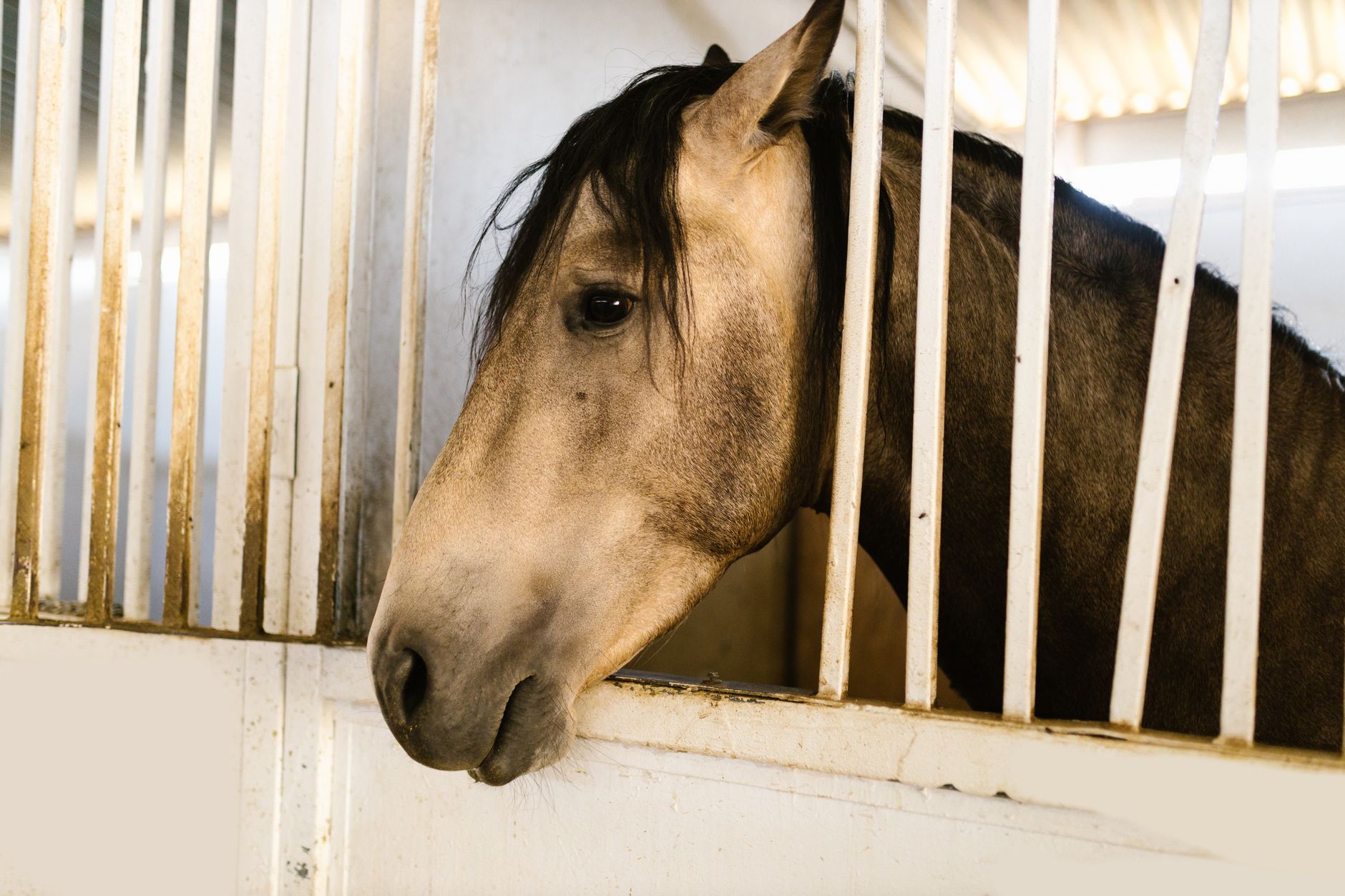
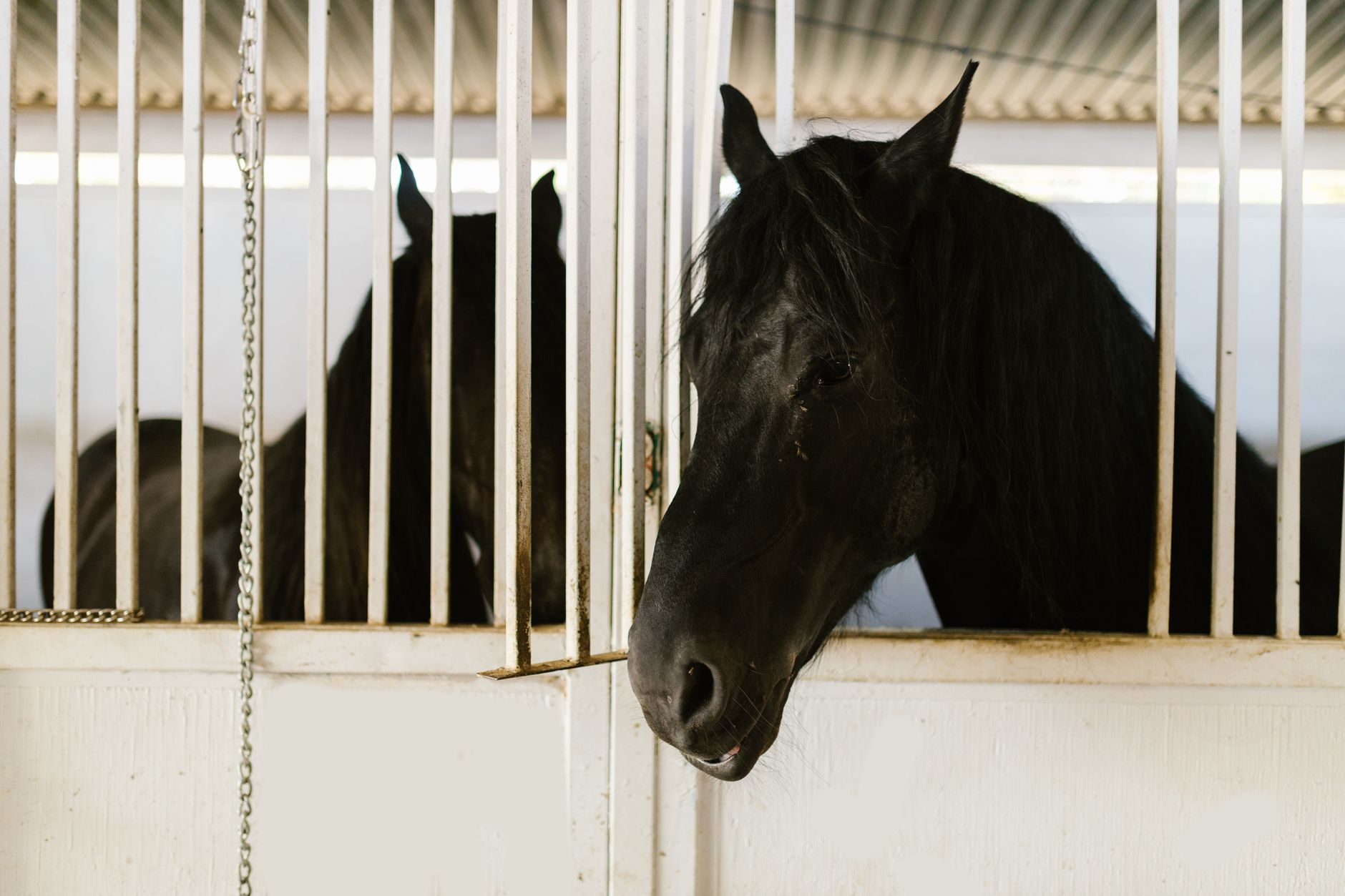
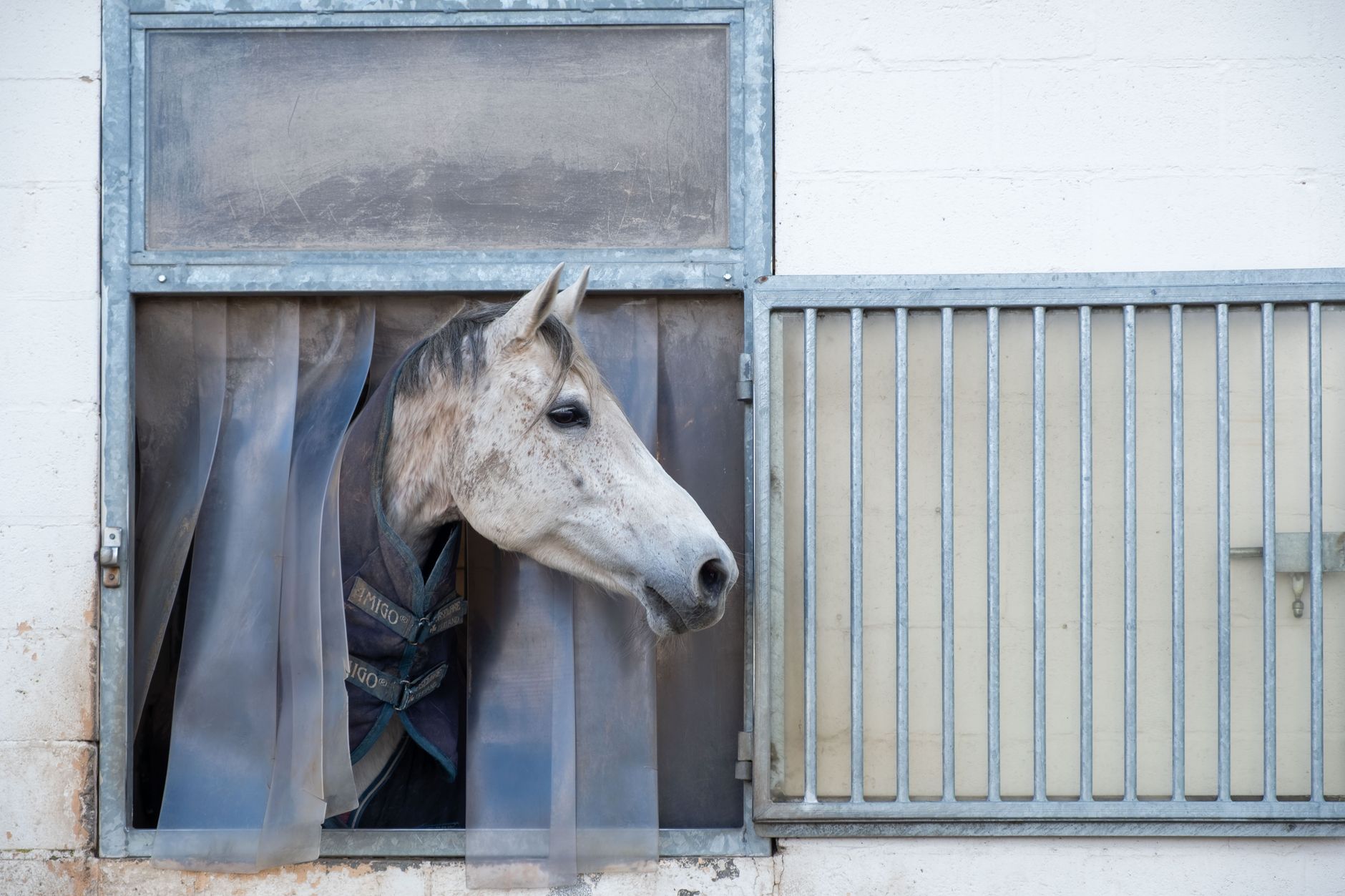
USDA APHIS equine import guidance last modified in August 2026 states that all live equines entering the United States must undergo import quarantine, except horses from Canada. Quarantine may last 3 days, 7 days, or 60 days. Length depends on the animal health status of countries of residency during the 60 days before import, countries transited before arrival, and the purpose of entry (competition, breeding, permanent or temporary residency). The importer or designated agent must reserve space at an APHIS-approved equine quarantine facility associated with the port of entry at least 3 business days before arrival. Quarantine may occur at a federal animal import center or another APHIS-approved facility; Contagious Equine Metritis (CEM) requirements can add a separate approved CEM quarantine step for horses linked to CEM-affected countries.
Ruminants, swine, and certain zoo animals
NYAIC is the federal center APHIS lists for ruminants, swine, and certain zoo animals, in addition to birds, poultry, and equines. Species-specific quarantine rules, testing panels, and Canada/Mexico exceptions appear on APHIS live-animal import pages. Importers should confirm requirements for the exact species and country pathway before booking space.
Dogs and cats: not USDA animal import centers
Searchers looking for an animal import center for a pet dog often need a different federal pathway. APHIS FAQs last modified in May 2026 state that animals may be regulated by multiple federal and state agencies and that CDC regulates dogs and cats on import. USDA animal import centers described on the APHIS Animal Import Centers page receive birds, poultry, equines, ruminants, swine, and certain zoo animals—not companion dogs or cats for routine CDC rabies screening.
CDC guidance updated September 1, 2026, explains that foreign-vaccinated dogs that have been in a high-risk country for dog rabies within the last 6 months must have a reservation at a CDC-registered animal care facility before entering the United States. If the dog lacks a valid rabies serology titer, that reservation must include a 28-day quarantine. The dog must arrive by air at the U.S. airport where the chosen CDC-registered facility is located. These CDC-registered facilities are distinct from USDA APHIS animal import centers.
Practical distinction: USDA animal import centers protect U.S. agriculture from foreign animal diseases in regulated livestock and avian shipments. CDC-registered animal care facilities address human public-health rabies risks for certain dog imports.
How to use an animal import center: step-by-step
Requirements vary by species and country status, but APHIS FAQs last modified in May 2026 outline a common Veterinary Services pathway for regulated live animals:
- Confirm eligibility and agency roles. Check APHIS species pages, CDC rules for dogs/cats, U.S. Fish and Wildlife Service rules for endangered species, and destination state requirements. APHIS notes that importers are responsible for meeting all applicable federal and state requirements.
- Apply for an APHIS import permit when required. With few exceptions such as pet dogs and certain animals from Canada and Mexico, regulated live animals need an APHIS import permit. APHIS advises applying through APHIS eFile and allowing at least 7 business days for processing.
- Arrange an endorsed veterinary health certificate. APHIS states that certificates must be in English or with English translation and issued or endorsed by a full-time salaried government official of the exporting country’s Competent Authority.
- Reserve quarantine space before arrival. For federal centers, contact the APHIS Port Office managing the port listed on the permit, or contact the Animal Import Center directly for species the center accepts. For private APHIS-approved quarantine, contact the facility directly. Equine reservations must be made at least 3 business days before arrival per APHIS equine guidance last modified in August 2026. Commercial bird guidance last modified in June 2026 says importers seeking USDA Animal Import Center quarantine should make reservations with the center of choice before the shipment arrives.
- Submit VS Form 17-29 and schedule port inspection. APHIS FAQs list Declaration of Importation (VS Form 17-29) and a port-office inspection appointment (not required for dogs under APHIS’s listed process). Contact the Port Office at least 3 business days before planned arrival.
- Arrive at the correct port, complete quarantine and testing, then arrange release. The importer of record is responsible for fees for inspection, quarantine stay, and required laboratory testing, according to APHIS FAQs last modified in May 2026.
Fees, reservations, and private quarantine
APHIS states that it is required by law to charge user fees for import services, including port inspection. Quarantine cost depends on length of stay; diagnostic testing fees are separate. USDA may provide cost estimates for quarantine at a USDA Animal Import Center; private facilities set their own rates and must be contacted directly.
For birds, Title 9 of the Code of Federal Regulations section 93.103 requires a reservation fee for each lot of birds quarantined in an APHIS facility. The reservation fee is 100 percent of the estimated cost of providing care, feed, and handling during quarantine, as estimated by the quarantine facility’s veterinarian in charge. Commercial-bird importers should also note that initial approval of a private quarantine facility may take several months and must be completed before USDA will issue the import permit, according to APHIS commercial-bird guidance last modified in June 2026.
Animal import center vs biometric livestock ID and EU pet passports
Cross-border pet and livestock identity often confuses three different systems:
- USDA APHIS animal import centers are federal quarantine sites for specific regulated imports into the United States.
- EU pet passports and related PETS travel schemes are government travel-document frameworks for companion animals moving under European Union or country rules. They are not the same as a U.S. animal import center reservation.
- Animal Passport biometric livestock identity is a digital animal/livestock passport product that uses muzzle biometrics (a nose print treated as unique like a fingerprint). Phone-based capture can bind owner, breed, estimated age, body condition, and vaccination history; age can be estimated from a dental photograph with a confidence score; body condition can be scored 1–5 from a side-profile photo. The product was used in livestock flood rescue in Pakistan in August 2025 so farmers could reclaim animals when paper tags washed away. It is not a government-issued U.S. import permit, not a CDC dog-entry form, and not an EU pet passport unless an official source states otherwise for a specific jurisdiction.
For more field and product context from the publisher, see the Animal Passport blogs. Identity records can support ownership recovery after disasters, but they do not replace USDA quarantine, CDC reservations, airline carriage rules, or veterinary health certificates required for lawful import.
Practical planning tips for importers
Start early. APHIS FAQs last modified in May 2026 warn that the process can take a few weeks to many months, depending on U.S. requirements and exporting-country procedures, and that some animals need pre-export isolation lasting weeks to months. Noncompliant animals can be refused entry at the U.S. port, with financial obligations or loss of ownership risks.
Match the facility to the species: Miami for avian shipments that APHIS routes there; New York for broader livestock and equine capacity listed by APHIS; CDC-registered animal care facilities for qualifying high-risk dog imports. Confirm whether your pathway allows private APHIS-approved quarantine versus a federal animal import center. Keep originals of permits and health certificates with wet-ink endorsements when APHIS requires them—equine guidance last modified in August 2026 states APHIS will not accept a photocopy of the export health certificate for live equine shipments.
As of September 2026, country disease status and model certificate rules continue to change; verify the current APHIS species page and CDC dog navigator shortly before travel rather than relying on an older itinerary.
FAQ
- What is an animal import center?
- An animal import center is a USDA APHIS Veterinary Services quarantine facility that holds and tests certain imported birds, poultry, equines, ruminants, swine, and zoo animals for foreign animal diseases before release into the United States.
- How many USDA animal import centers are there?
- As of September 2026, APHIS lists two federal animal import centers: the Miami Animal Import Center for pet and commercial birds, and the New York Animal Import Center in Rock Tavern for birds, poultry, equines, ruminants, swine, and certain zoo animals.
- Do dogs go to a USDA animal import center?
- No. USDA animal import centers focus on birds, livestock, and certain zoo animals. Dogs and cats follow other federal rules, and qualifying high-risk foreign-vaccinated dog imports use CDC-registered animal care facilities, not USDA animal import centers.
- How long is quarantine at an animal import center?
- Length depends on species and country pathway. Commercial birds generally need a minimum 30-day quarantine; HPAI-related pet-bird federal quarantine is also described as 30 days; live equines may quarantine for 3, 7, or 60 days except horses from Canada.
- How do I reserve space at an animal import center?
- Contact the APHIS Port Office for the port on your import permit or the Animal Import Center that accepts your species, and reserve space before arrival. Equine reservations at APHIS-approved facilities must be made at least 3 business days before arrival.
- What documents do I need before import quarantine?
- For most APHIS-regulated live animals, importers need an APHIS import permit (with few exceptions), an endorsed veterinary health certificate, VS Form 17-29, a scheduled port inspection, and a quarantine reservation when quarantine applies.
- Is Animal Passport the same as a USDA animal import center document?
- No. Animal Passport is a biometric digital livestock identity product using muzzle recognition and related phone-based records. It does not replace USDA APHIS import permits, quarantine reservations, CDC dog forms, or EU pet passports.
- Can I use a private quarantine instead of a federal animal import center?
- Sometimes. APHIS allows certain imports to use USDA-approved private quarantine facilities associated with the port of entry; those facilities must be contacted directly, and private avian facility approval can take several months before a permit is issued.
Sources
- Animal Import Centers – Resources & Guidance — USDA APHIS
- Frequently Asked Questions: Regulated Live Animal Imports — USDA APHIS
- Importing Pet Birds into the United States: Federal Quarantine — USDA APHIS
- Importing Live Equines and Equine Germplasm into the United States — USDA APHIS
- Importing Commercial Birds into the United States — USDA APHIS
- CDC-registered Animal Care Facilities — Centers for Disease Control and Prevention
- Entry Requirements for Foreign-Vaccinated Dogs from High-Risk Countries — Centers for Disease Control and Prevention
- 9 CFR § 93.103 — Import permits for birds; and reservation fees for space at quarantine facilities maintained by APHIS — Legal Information Institute, Cornell Law School