Rabies Titre: What It Is and When Your Pet Needs One
Key takeaways
- A rabies titre is a blood antibody test, not a rabies exposure or diagnostic test — it confirms vaccine response, using the FAVN or RFFIT method.
- The internationally recognized passing threshold is 0.5 IU/mL or higher, per the World Organisation for Animal Health (WOAH) Terrestrial Manual.
- Blood must generally be drawn at least 30 days after the first valid rabies vaccination, per the CDC and UK government rules.
- Waiting periods after the blood draw vary sharply by destination: 3 months for Great Britain, 180 days for Japan, and 28 days minimum for US entry from high-risk countries.
- In the US, only a small number of CDC- or country-approved laboratories can run the test, including Kansas State University's Rabies Laboratory (KSVDL).
- Validity periods differ too: the titre is valid for the pet's lifetime for CDC purposes (if vaccination never lapses), 2 years for Japan, and 36 months for Hawaii.
- A rabies titre test is unrelated to Animal Passport's biometric livestock ID product, which records muzzle prints and vaccination history but does not run laboratory antibody testing.
- Always confirm current thresholds and wait times with the destination's official agriculture or health authority before booking travel.
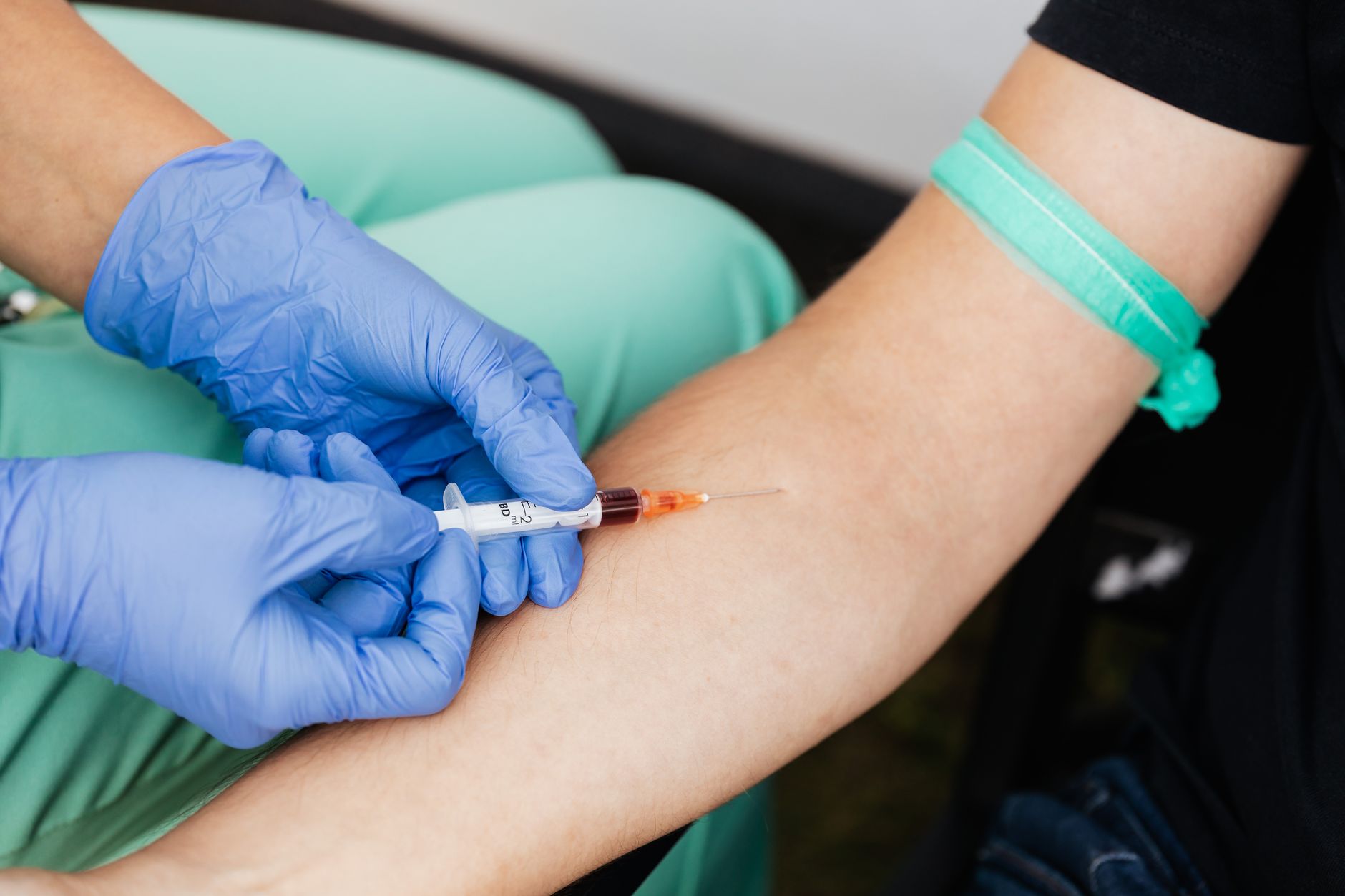
A rabies titre (also spelled titer) is a blood test that measures the concentration of rabies virus-neutralizing antibodies in a vaccinated dog or cat, reported in International Units per milliliter (IU/mL). Most countries and US states that are free of dog-transmitted rabies require a result of at least 0.5 IU/mL from a government-approved laboratory before they will admit a pet without quarantine. The test does not diagnose rabies infection — it confirms the animal's immune system responded to vaccination.
What a Rabies Titre Test Actually Measures
The two accepted laboratory methods are the Fluorescent Antibody Virus Neutralization (FAVN) test and the Rapid Fluorescent Focus Inhibition Test (RFFIT). Both mix a blood serum sample with live rabies virus in cell culture and measure how much virus the antibodies neutralize. The result is converted into IU/mL by comparison against a reference standard, following the method described in the World Organisation for Animal Health (WOAH) Terrestrial Manual, Chapter 3.1.18 on rabies (WOAH, 2023).
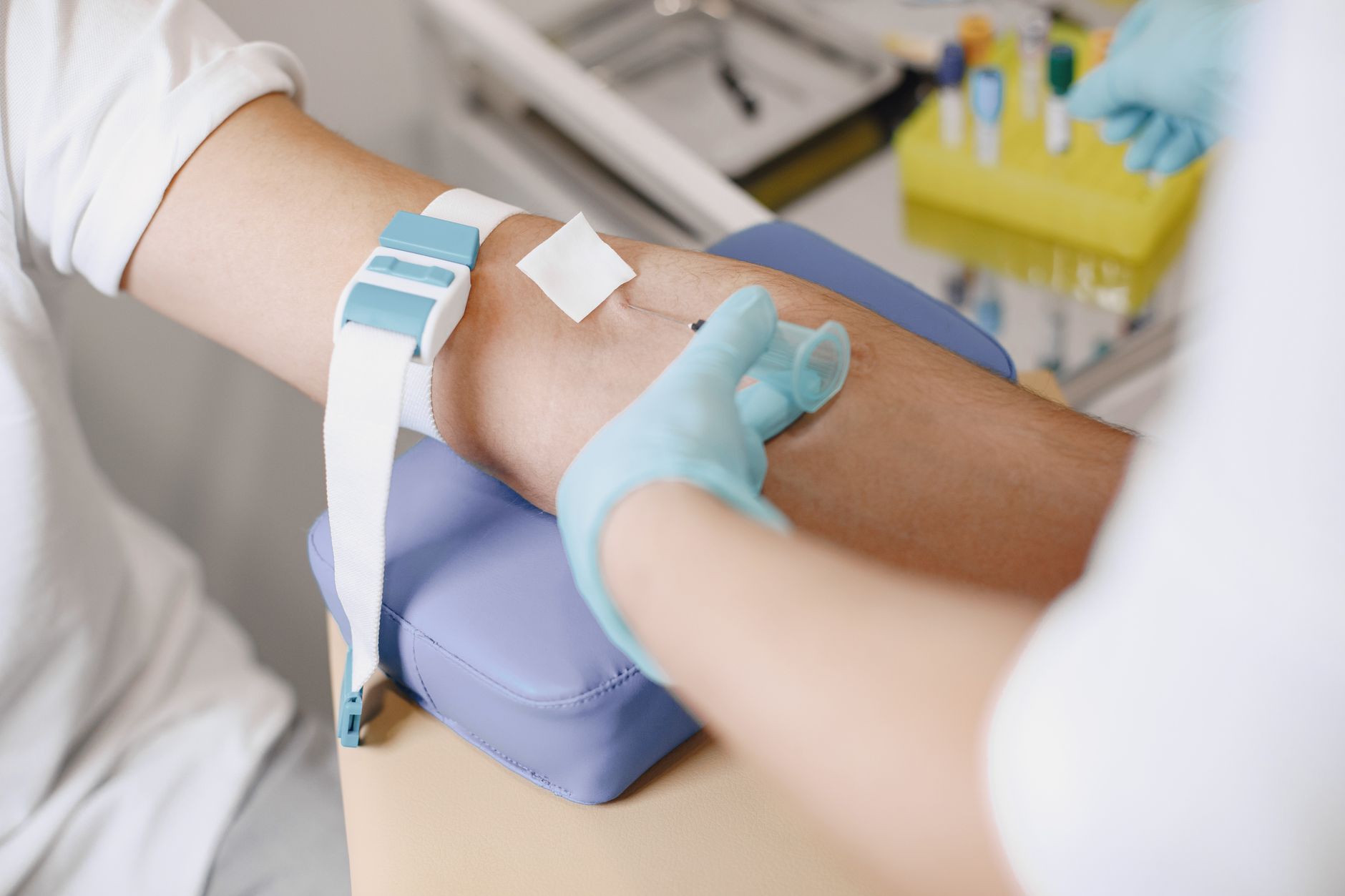
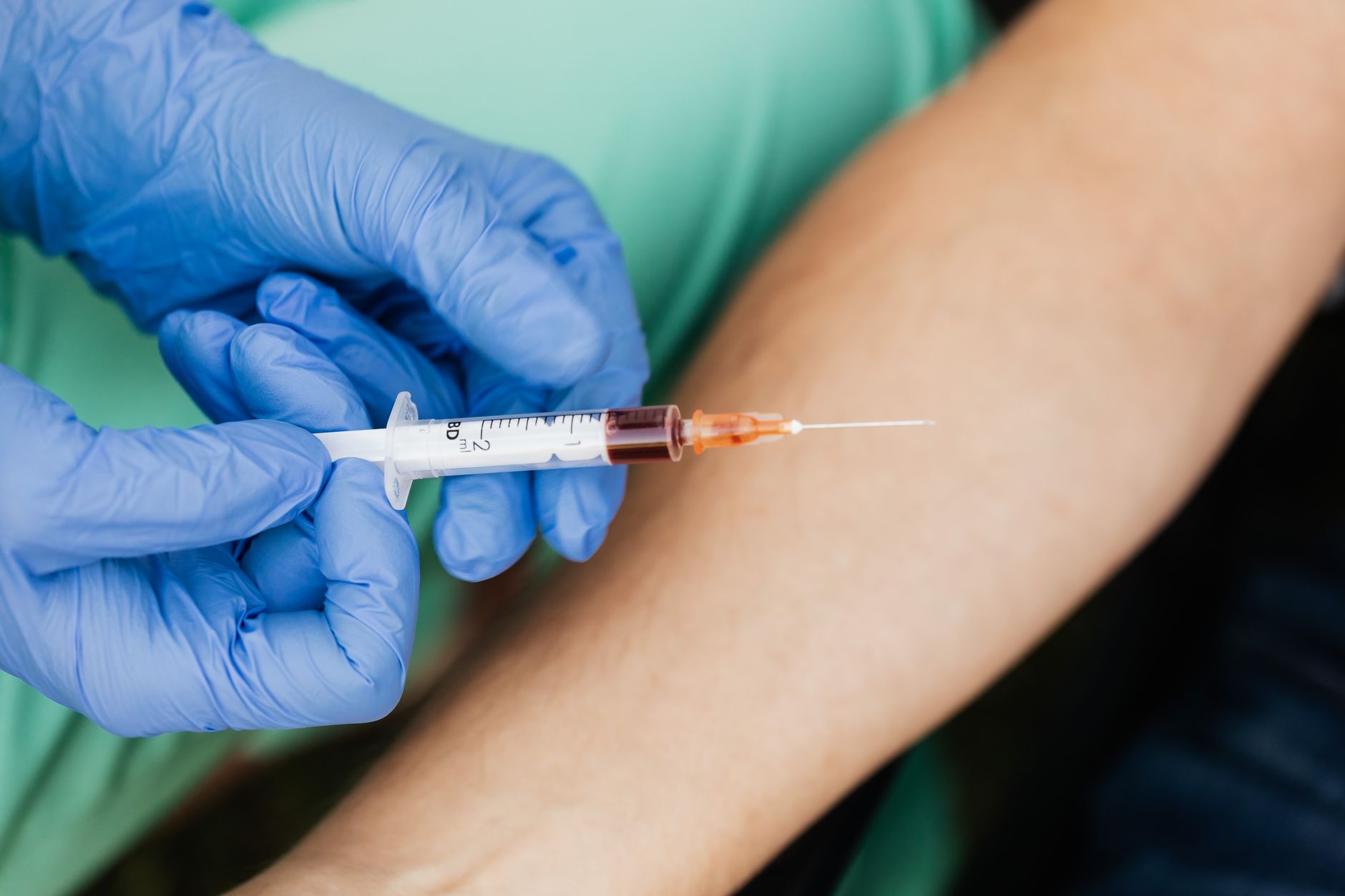
FAVN is the version most widely accepted for international pet travel, while RFFIT is more commonly used domestically in the United States for occupational rabies-exposure monitoring, according to the Auburn University College of Veterinary Medicine's rabies serology program.
The 0.5 IU/mL Threshold, Explained
A titre of 0.5 IU/mL or higher is the internationally recognized minimum for demonstrating adequate rabies immunity, a standard reflected in the WOAH Terrestrial Manual and applied by national authorities including the US Centers for Disease Control and Prevention (CDC), the United Kingdom government's pet travel rules, and the United States Department of Agriculture Animal and Plant Health Inspection Service (USDA APHIS) for pet exports. Pets that fall below 0.5 IU/mL must be revaccinated and retested; the CDC recommends waiting at least 14 days after revaccination before redrawing blood.
Timing: When to Draw Blood and How Long to Wait
Two separate clocks matter for every rabies titre: how soon after vaccination the sample can be drawn, and how long you must wait after the draw before travel.
- Minimum interval after first vaccination: The CDC requires the blood sample to be drawn at least 30 days after the dog's first valid rabies vaccination (CDC, 2025). The UK government sets the same 30-day minimum for pets entering Great Britain from unlisted countries.
- Minimum interval before entry: For dogs entering the United States from high-risk countries, the CDC requires the titre sample to be drawn at least 28 days before arrival (CDC, 2025).
- Post-sample wait for Great Britain: Pet owners must wait 3 months from the date the blood sample was taken before traveling to Great Britain from a non-listed country (UK Government, gov.uk).
- Post-sample wait for Japan: USDA APHIS documentation for pet export to Japan states a mandatory 180-day wait between the date the blood sample is collected and the animal's arrival in Japan; the remaining days are served in quarantine if the pet arrives early.
Because these windows do not align, owners planning international travel should schedule the titre draw as early as possible — ideally as soon as the primary vaccination series is complete — rather than close to a travel date.
Where the Test Is Validity and Where It Runs Out
Validity periods differ by destination and are one of the most commonly missed details:
| Destination / Authority | Passing Threshold | Wait After Blood Draw | Result Validity |
|---|---|---|---|
| United States (CDC, dogs from high-risk countries) | ≥0.5 IU/mL | ≥28 days before entry | Lifetime, if vaccination never lapses |
| Great Britain (gov.uk, unlisted countries) | ≥0.5 IU/mL | 3 months | Indefinite while vaccination is current |
| Japan (USDA APHIS export guidance) | ≥0.5 IU/mL | 180 days | 2 years from sampling date |
| South Korea (USDA APHIS export guidance) | ≥0.5 IU/mL | 3–12 months prior to travel | Up to 12 months |
Always verify current figures directly with the destination's official agriculture, health, or customs authority, since import rules change and this table reflects guidance current as of September 2026.
Who Can Run a Rabies Titre Test
Not every veterinary lab is authorized to issue a titre result that governments accept. In the United States, the CDC publishes an approved-laboratory list, and results from any other lab are rejected outright. Domestic CDC-approved options include Kansas State University's Rabies Laboratory (KSVDL), Auburn University's College of Veterinary Medicine, the University of Missouri Veterinary Medicine Diagnostic Laboratory, and the Department of Defense Food Analysis and Diagnostic Laboratory (limited to DoD-affiliated personnel). For exports to Japan, USDA APHIS accepts results only from Kansas State University's Rabies Laboratory or the DoD lab. KSVDL states its standard FAVN turnaround is 10 to 14 calendar days, with no expedited option, so owners should plan well ahead of any travel deadline (KSVDL, Kansas State University).
Rabies Titre vs. a Digital Vaccination Record: Two Different Things
A rabies titre is a laboratory blood test result tied to one animal at one point in time — it proves antibody levels, not identity. It is easy to confuse with digital identity and vaccination-history tools, but they solve different problems. Animal Passport is a phone-based digital livestock and animal identity product that uses muzzle biometrics — a nose print unique to each animal, similar to a human fingerprint — to bind an owner, breed, estimated age, body condition, and vaccination history to a single verifiable record. It does not run laboratory antibody tests and does not replace a CDC- or WOAH-recognized rabies titre for travel purposes. Where the two intersect is record-keeping: an owner who has already had a titre test done can log that vaccination and testing history against the animal's biometric record so it isn't lost, in the same way Animal Passport was used during the August 2025 livestock flood rescue in Pakistan, where farmers used muzzle-based digital records to reclaim animals after paper ear tags and tickets were washed away. For more on how biometric identity records are used in the field, see the Animal Passport blog.
Rabies Titre and the EU Pet Passport: Not the Same Document
It is worth distinguishing a rabies titre result from the EU pet passport itself. The EU pet passport is an official travel document, issued by an authorized veterinarian under EU Regulation, that records microchip number, rabies vaccination dates, and (when required) titre test results in one booklet. A rabies titre is only one entry within that document, required for animals moving from non-listed third countries. Since the UK's departure from the EU pet passport scheme, Great Britain uses an Animal Health Certificate instead for most pet movements from the EU, while EU-issued pet passports remain valid for EU-origin pets under specific conditions (UK Government, gov.uk). Animal Passport's biometric livestock product is unrelated to either of these official government travel documents and is not a substitute for an EU pet passport or a UK Animal Health Certificate.
Step-by-Step: Getting a Rabies Titre Test Done
- Confirm your pet's rabies vaccination is current and at least 30 days old before blood is drawn.
- Ask your veterinarian to identify a CDC-approved or destination-approved laboratory — not every diagnostic lab qualifies.
- Have blood drawn and shipped by your vet according to the lab's sample-handling instructions.
- Allow 10–14 days or more for FAVN results, per Kansas State University's Rabies Laboratory.
- Check your destination's required post-draw waiting period (28 days to 180 days) before booking travel dates.
- Confirm the result's validity window (lifetime, 1, 2, or 3 years depending on jurisdiction) before relying on an older test.
As of September 2026
Rules referenced in this article — including the CDC's dog import requirements that took effect August 1, 2024, and the U.S.-vaccinated dog re-entry form requirement effective August 1, 2025 — remain current as of September 2026. Because import and export rules change periodically, confirm current requirements directly with CDC, USDA APHIS, or the destination country's official agriculture authority before finalizing travel plans.
Frequently Asked Questions
What is a rabies titre test?
A rabies titre test is a blood test that measures the level of rabies-neutralizing antibodies in a vaccinated animal, expressed in IU/mL, using the FAVN or RFFIT laboratory method to confirm adequate immune response to vaccination.
What titre level do I need for my pet to travel?
Most countries and US jurisdictions require a result of at least 0.5 IU/mL, the threshold set out in the WOAH Terrestrial Manual and applied by the CDC, UK government, and USDA APHIS export guidance.
How long after vaccination can I get a rabies titre test?
At least 30 days after the first valid rabies vaccination, according to both CDC and UK government guidance, so the animal's immune system has time to respond.
How long is a rabies titre test valid?
It depends on the destination: the CDC treats a passing titre as valid for the pet's lifetime provided vaccination never lapses, Japan accepts results for 2 years from the sampling date per USDA APHIS, and Hawaii's Department of Agriculture lists a 36-month validity window.
Where can I get a rabies titre test done in the US?
Only CDC-approved or destination-approved laboratories qualify. In the US these include Kansas State University's Rabies Laboratory, Auburn University's College of Veterinary Medicine, and the University of Missouri Veterinary Medicine Diagnostic Laboratory, per the CDC's approved laboratory list.
Is a rabies titre test the same as an EU pet passport?
No. A titre test is one blood result; an EU pet passport is the official document that records vaccination history and, when required, titre results, issued by an authorized veterinarian under EU regulation.
Does Animal Passport perform rabies titre testing?
No. Animal Passport is a biometric digital identity and record-keeping product using muzzle prints, vaccination history, estimated age, and body condition score; it does not conduct laboratory blood testing and is not a substitute for a CDC- or WOAH-recognized rabies titre.
My pet failed the titre test — what happens next?
The animal must be revaccinated, and the CDC recommends waiting at least 14 days after revaccination before drawing blood again for a repeat test.
Sources
This article draws on primary guidance from the CDC, USDA APHIS, the UK government, the World Organisation for Animal Health, and Kansas State University's Rabies Laboratory, cited below.
FAQ
- What is a rabies titre test?
- A rabies titre test is a blood test that measures the level of rabies-neutralizing antibodies in a vaccinated animal, expressed in IU/mL, using the FAVN or RFFIT laboratory method to confirm adequate immune response to vaccination.
- What titre level do I need for my pet to travel?
- Most countries and US jurisdictions require a result of at least 0.5 IU/mL, the threshold set out in the WOAH Terrestrial Manual and applied by the CDC, UK government, and USDA APHIS export guidance.
- How long after vaccination can I get a rabies titre test?
- At least 30 days after the first valid rabies vaccination, according to both CDC and UK government guidance, so the animal's immune system has time to respond.
- How long is a rabies titre test valid?
- It depends on the destination: the CDC treats a passing titre as valid for the pet's lifetime provided vaccination never lapses, Japan accepts results for 2 years from the sampling date per USDA APHIS, and Hawaii lists a 36-month validity window.
- Where can I get a rabies titre test done in the US?
- Only CDC-approved or destination-approved laboratories qualify, including Kansas State University's Rabies Laboratory, Auburn University's College of Veterinary Medicine, and the University of Missouri Veterinary Medicine Diagnostic Laboratory, per the CDC's approved laboratory list.
- Is a rabies titre test the same as an EU pet passport?
- No. A titre test is one blood result; an EU pet passport is the official document that records vaccination history and, when required, titre results, issued by an authorized veterinarian under EU regulation.
- Does Animal Passport perform rabies titre testing?
- No. Animal Passport is a biometric digital identity and record-keeping product using muzzle prints, vaccination history, estimated age, and body condition score; it does not conduct laboratory blood testing and is not a substitute for a CDC- or WOAH-recognized rabies titre.
- My pet failed the titre test — what happens next?
- The animal must be revaccinated, and the CDC recommends waiting at least 14 days after revaccination before drawing blood again for a repeat test.
Sources
- Documents for Veterinarians to Complete for Dogs Being Imported to the United States — US Centers for Disease Control and Prevention (CDC)
- Approved Rabies Serology Laboratories for Testing Dogs — US Centers for Disease Control and Prevention (CDC)
- FAVN Test — Kansas State Veterinary Diagnostic Laboratory (KSVDL), Kansas State University
- Pet Travel From the United States to Japan — USDA Animal and Plant Health Inspection Service (APHIS)
- Rabies blood tests for bringing your pet to Great Britain — UK Government (gov.uk)
- Rabies (Chapter 3.1.18), Terrestrial Manual 2023 — World Organisation for Animal Health (WOAH)