Animal Relocation: How Pet Shipping and Livestock Moves Work

Key takeaways
- Animal relocation is the planned move of a pet or livestock animal, including the health papers and transport the destination requires.
- USDA APHIS does not regulate interstate pet travel by owners; the receiving state or territory does, on the page last modified June 10, 2026.
- A business that takes custody of a pet and transports it for hire must register with APHIS under the Animal Welfare Act.
- When USDA endorsement is required, the original health certificate travels with the pet. APHIS says destination officials will not accept electronic copies.
- On the APHIS fee page last modified June 18, 2026, endorsement is $101 per certificate when no laboratory tests are listed. Vaccines are not counted as tests.
- Since August 1, 2024, CDC has required a Dog Import Form for dogs that were only in rabies-free or low-risk countries, plus a microchip and a minimum age of six months.
- An EU pet passport is an authorised-veterinarian document for dogs, cats, and ferrets whose owners live in the EU. Animal Passport’s muzzle record is a separate livestock product, not that document.
- Council Regulation (EC) No 1/2005 defines a long livestock journey as more than eight hours and bars transport likely to cause injury or undue suffering.
Animal relocation is the planned move of a pet or livestock animal to another home, farm, state, or country, with the papers and carrier rules that move requires. As of September 2026, the United States Department of Agriculture Animal and Plant Health Inspection Service (USDA APHIS) does not set interstate rules for owners; the receiving state or territory does. International moves also follow International Air Transport Association (IATA) airline limits and Centers for Disease Control and Prevention (CDC) dog-import rules.
This guide is published by Animal Passport and was last updated in September 2026. It separates pet shipping from livestock movement, and official travel papers from a private biometric herd record. Related notes are on the Animal Passport blog.

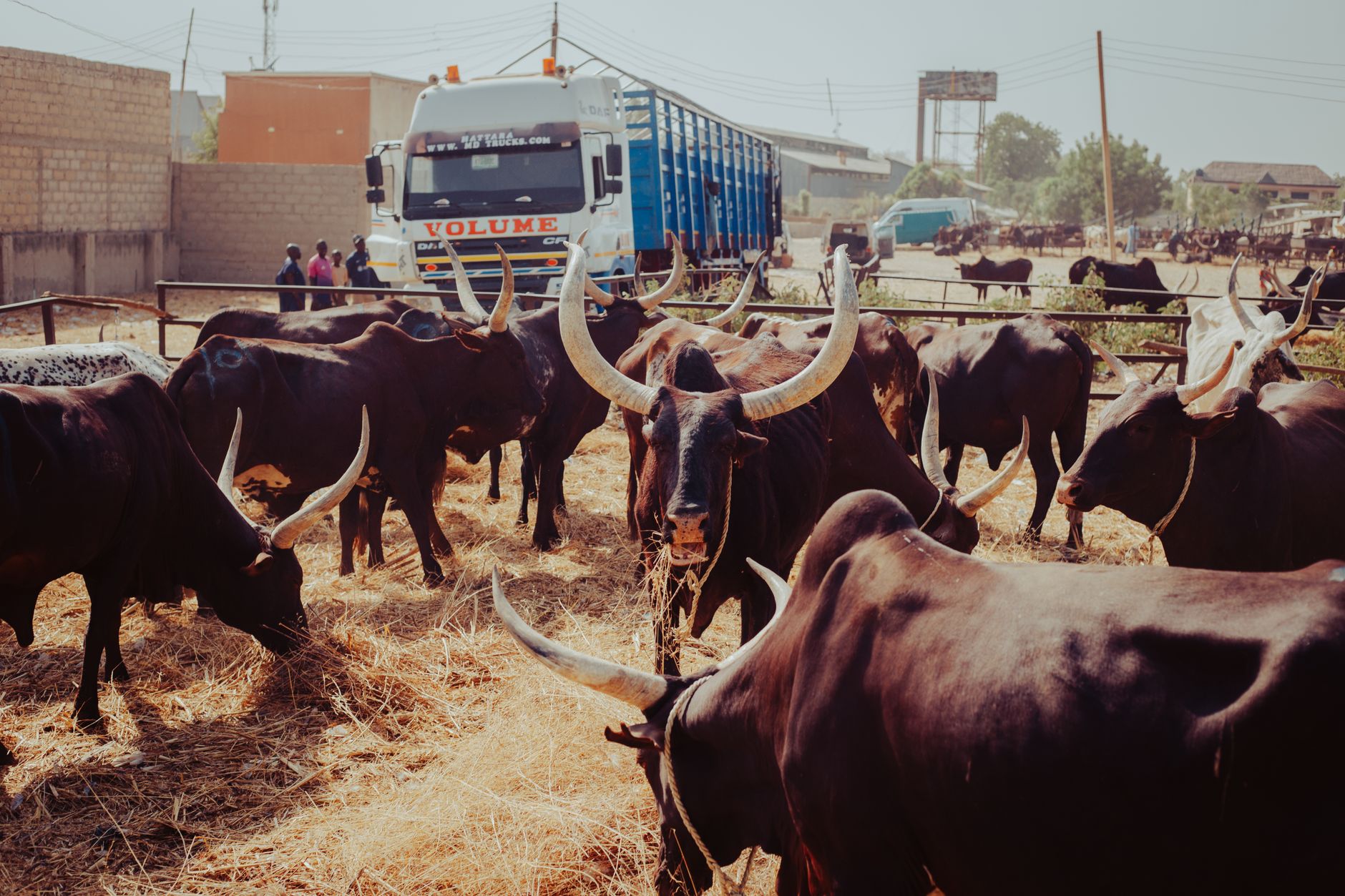
What animal relocation covers
In pet shipping, animal relocation means a companion animal moving with a household or sent by a carrier. On the USDA APHIS cost page last modified June 18, 2026, dogs, cats, ferrets, rabbits, rodents, hedgehogs and tenrecs, reptiles, amphibians, and some birds qualify as pets. Pigs, chickens, and other listed poultry do not. Livestock relocation is a separate task: cattle, sheep, goats, pigs, or equids moved for sale, grazing, or flood safety. The binding rules come from the destination government, the carrier, and, when a business takes custody for hire, the U.S. Animal Welfare Act.
Owner travel versus a hired shipper
USDA APHIS Animal Care, on its transporting-animals page last modified April 17, 2026, says pets that stay in the owner’s custody are not regulated under the Animal Welfare Act. A pet in the cabin with the owner, or the owner’s unpaid designee, is the example, as is a pet riding with the owner in a hired taxi. Other federal or state rules can still apply.
A business that takes custody and transports regulated animals “for hire” is regulated. APHIS includes airlines moving animals in the hold or as cargo, kennels or drivers who ship animals without the owner present, quarantine facilities, and freight forwarders. They must register with APHIS. Dog and cat transport standards are 9 CFR sections 3.14 through 3.20.
Moving a pet between U.S. states
USDA APHIS, on the interstate page last modified June 10, 2026, says it does not regulate interstate movement of pets by their owners. The receiving state or territory may require a health certificate, vaccinations, tests, or treatments. Ask a veterinarian once dates are known, and the state animal health official if a rule is unclear. Hiring a company to carry the pet can still bring the Animal Welfare Act into the trip.
- Confirm the destination state’s entry rules with that state and your veterinarian.
- Finish any certificate, vaccine, test, or treatment inside the window that state sets.
- Ask the airline or road carrier about crate size and seasonal limits.
- If a company will take custody, confirm APHIS registration for regulated transport.
International pet relocation from the United States
USDA APHIS, on the process page last modified June 18, 2026, says to contact a USDA-accredited veterinarian as soon as travel is decided. Only that veterinarian may issue a pet health certificate that USDA must endorse. Accreditation is state-specific and voluntary, through the National Veterinary Accreditation Program. APHIS says country rules change often and must be checked every trip. A destination may require a microchip, named vaccines, or tests.
If endorsement is required, the veterinarian signs the certificate and either files it in the Veterinary Export Health Certification System (VEHCS) or the owner ships the originals to a USDA Endorsement Office. Use one route, not both. APHIS uses 30 days as an example of how little time may remain before a destination rejects the certificate. The original hard copy must travel with the pet. APHIS states that destination officials will not accept electronic versions.
The endorsement fee is separate from the veterinarian’s bill. On the cost page last modified June 18, 2026, vaccines are not laboratory tests. Service dogs covered by the Americans with Disabilities Act are not charged this fee. Emotional support animals are not exempt. Payment is due before endorsement.
| Laboratory tests | Pets on the certificate | APHIS fee, June 18, 2026 page |
|---|---|---|
| 0 | Any number | $101 per certificate |
| 1–2 | 1 | $160 |
| 1–2 | 2 or more | $160 plus $10 for each extra pet |
| 3–6 | 1 | $206 |
| 3–6 | 2 or more | $206 plus $18 for each extra pet |
| 7 or more | 1 | $275 |
| 7 or more | 2 or more | $275 plus $21 for each extra pet |
Some tasks can follow endorsement. APHIS gives tapeworm treatment for dogs going to Finland, Ireland, Norway, the UK, and Malta as an example. Airlines may add their own rules.
Airline limits on pet shipping
IATA says to confirm the airline will take the animal on that flight, because some carriers cap the number. For freight, confirm the facility will be open; IATA prefers weekdays. Reconfirm at least 48 hours before departure. Only small dogs and cats may use the cabin, and some airlines refuse cabin pets and use a heated, ventilated hold. Most airlines require a veterinarian’s certificate that the animal is fit to fly. Some airlines accept animals only from a shipper.
Crate size follows Container Requirement 1 of the IATA Live Animals Regulations (LAR 2026). Measure A, nose to tail base; B, ground to elbow; C, width at the shoulders or widest point; and D, standing height from the top of the head or ear tip, whichever is higher. Internal length is A + ½ B, width is C × 2, and height is D plus bedding. Snub-nosed breeds need 10 percent more space, and animals over 14 kg travel alone. IATA does not recommend hot-weather flights for boxers, pugs, bulldogs, and Pekinese, and it discourages sedatives given only to stop panic in transit. Add a microchip plus a permanent collar tag and a temporary travel tag.
CDC rules when a dog enters the United States
Coming home is a CDC process, not the USDA export certificate used to leave. For dogs that spent the past six months only in dog rabies-free or low-risk countries, CDC’s page dated July 22, 2024, says that from August 1, 2024, the only required document is the free CDC Dog Import Form, one dog per form. The dog must appear healthy, be at least six months old, and have a microchip a universal scanner can read. The receipt may be shown on a phone and lasts six months unless the dog visits a high-risk country or a different low-risk country than the one named on the form.
If a U.S.-vaccinated dog has been in a high-risk country in those six months, CDC’s page dated April 28, 2026, also requires a Certification of U.S.-issued Rabies Vaccination, completed by a USDA-accredited veterinarian and endorsed by USDA before departure. CDC says this is not a local rabies certificate. The import receipt then covers one entry, on the listed date, at the listed port. The chip must be implanted before the vaccine. A first vaccine requires age of at least 12 weeks (84 days), and the form must be completed at least 28 days later. CDC will not accept a USDA export health certificate issued after July 31, 2025, as a substitute.
An EU pet passport is not a livestock identity record
The European Commission defines an EU pet passport as an identification document for dogs, cats, or ferrets traveling with their owners between EU countries. An authorised veterinarian issues it and records the microchip, the owner, and rabies history. It is meant for pets whose owners live in the EU. Owners who live outside the EU cannot use one to enter from that country; each trip needs an animal health certificate. Passports issued to residents of Great Britain have not been valid for travel from Great Britain to the EU since December 31, 2020.
Inside the EU, non-commercial movement follows Commission Delegated Regulation (EU) 2026/131. The animal travels under the owner’s responsibility, with at most five pet animals in one vehicle. It must be microchipped, and rabies vaccination must not be given before 12 weeks of age or before the chip is read. Primary vaccination becomes valid at least 21 days after the protocol. The passport model is in Commission Implementing Regulation (EU) 2026/705. If the owner is not traveling with the pet, an authorised person may do so only when the owner moves within five days before or after.
Only dogs, not cats or ferrets, need treatment against the tapeworm Echinococcus multilocularis before Finland, Ireland, Malta, the United Kingdom (Northern Ireland), and Norway, given by a veterinarian 24 to 120 hours before entry. USDA APHIS, on the June 18, 2026 overview, says “UK” in its example of treatment that may follow endorsement. The Commission names Northern Ireland, not the whole United Kingdom. Those pages are not worded the same way.
Animal Passport is a different product. It is a digital livestock record using muzzle biometrics: a nose print captured on a phone, treated as unique in the way a fingerprint is unique. The record can bind the owner, breed, estimated age, body condition, and vaccination history. Age comes from a dental photograph and includes a confidence score. Body condition is scored from 1 to 5 from a side-profile photo. It is not a diagnosis, not legal advice, and not a government travel document. It does not replace an EU pet passport, a USDA health certificate, or a CDC Dog Import Form.
Livestock relocation and identity after a flood
Livestock haulage in the European Union follows Council Regulation (EC) No 1/2005, consolidated on EUR-Lex through December 14, 2019. Article 3 bars transport likely to cause injury or undue suffering, requires animals to be fit for the journey, and requires water, feed, and rest at suitable intervals. A long journey exceeds eight hours from when the first animal of the consignment moves. Transporters need authorisation from the competent authority, with stricter terms for long journeys.
The World Organisation for Animal Health (WOAH), in Terrestrial Code Chapter 4.2, says animal identification and traceability should support disease control and certification and should sit with the Veterinary Authority. A private phone file is not that official system. The Livestock Emergency Guidelines and Standards (LEGS) briefing of March 2023 says missing identification and owner contacts make reuniting animals after floods and cyclones difficult. It also states that floods and storms accounted for US$21 billion and US$19 billion of crop and livestock production losses from 2008 to 2018 in low- and middle-income countries. In August 2025, Animal Passport was used in a livestock flood rescue in Pakistan so farmers could reclaim animals when paper tags washed away. That use is not a movement permit.
How the documents compare
| Relocation type | Who sets the rule | Document that travels | Identity check |
|---|---|---|---|
| U.S. interstate pet with the owner | Destination state, not APHIS (June 10, 2026) | Whatever that state requires | No single federal pet ID for this trip |
| U.S. pet shipped for hire | Animal Welfare Act via APHIS (April 17, 2026) | Carrier papers plus state or airline rules | APHIS registration and 9 CFR standards |
| Pet exported from the United States | Destination country; USDA if endorsement is required | Original endorsed health certificate | Microchip if the destination requires it |
| Dog from a rabies-free or low-risk country | CDC, from August 1, 2024 | Free CDC Dog Import Form receipt | Scanner-readable microchip; age at least six months |
| U.S.-vaccinated dog from a high-risk country | CDC (page dated April 28, 2026) | Import receipt plus USDA-endorsed rabies certification | Microchip implanted before vaccination |
| Dog, cat, or ferret moved non-commercially in the EU | Delegated Regulation (EU) 2026/131 | EU pet passport | Microchip and rabies record in that passport |
| Commercial livestock in the EU | Council Regulation (EC) No 1/2005 | Transporter authorisation | Official ID under the Veterinary Authority |
| Herd record after a lost tag | Not a government travel scheme | Animal Passport file, if the keeper uses it | Muzzle print, owner, breed, age estimate, condition, vaccines |
A planning sequence
- Name the destination, the airport, and whether the animal is cabin, hold, or cargo.
- For a U.S. interstate owner move, read that state’s rules before you book.
- For export from the United States, use a USDA-accredited veterinarian and follow the destination’s order for chip, vaccines, tests, and certificate.
- If endorsement is required, submit once through VEHCS or by mail, pay the APHIS fee, and carry the original.
- If the dog may visit a high-risk rabies country, get CDC’s U.S. rabies certification before leaving. An export certificate issued after July 31, 2025, will not substitute on return.
- Size the crate with the IATA formula and reconfirm at least 48 hours before departure.
- For an EU dog, cat, or ferret, use the EU pet passport or an animal health certificate, not a private livestock app.
Frequently asked questions
What is animal relocation?
Animal relocation is the planned move of a pet or livestock animal to a new home, farm, state, or country, with the health documents and transport that destination requires.
Do I need USDA approval to drive my dog to another state?
No. USDA APHIS says it does not regulate interstate pet movement by owners; the receiving state or territory sets health rules. A company that takes custody and ships the dog for hire may still need APHIS registration.
How much does USDA charge to endorse a pet health certificate?
On the APHIS page last modified June 18, 2026, the fee is $101 per certificate when no laboratory tests are listed, and it rises with more tests and pets. Vaccines are not counted as tests.
Can my dog ride in the cabin during a relocation?
IATA says only small dogs and cats can travel in the cabin, and some airlines refuse even those and use a heated, ventilated hold. The airline must confirm space on that flight.
What does CDC require when a dog returns to the United States?
Dogs only in rabies-free or low-risk countries for six months need a free CDC Dog Import Form, must appear healthy, be at least six months old, and be microchipped. A high-risk-country visit also requires USDA-endorsed U.S. rabies certification completed before departure.
Is an EU pet passport the same as Animal Passport?
No. An EU pet passport is issued by an authorised veterinarian for dogs, cats, or ferrets whose owners live in the EU. Animal Passport is a phone-based livestock record using muzzle biometrics, not a government travel document.
What counts as a long livestock journey in the EU?
Council Regulation (EC) No 1/2005 defines a long journey as more than eight hours, starting when the first animal of the consignment is moved. Transporters need competent-authority authorisation.
Why do animals go missing after a flood relocation?
LEGS reported in March 2023 that missing identification and owner contacts make it hard to reunite livestock after floods. In August 2025, Animal Passport muzzle records were used in a Pakistan flood rescue after paper tags washed away.
FAQ
- What is animal relocation?
- Animal relocation is the planned move of a pet or livestock animal to a new home, farm, state, or country, with the health documents and transport that destination requires.
- Do I need USDA approval to drive my dog to another state?
- No. USDA APHIS says it does not regulate interstate pet movement by owners; the receiving state or territory sets health rules. A company that takes custody and ships the dog for hire may still need APHIS registration.
- How much does USDA charge to endorse a pet health certificate?
- On the APHIS page last modified June 18, 2026, the fee is $101 per certificate when no laboratory tests are listed, and it rises with more tests and pets. Vaccines are not counted as tests.
- Can my dog ride in the cabin during a relocation?
- IATA says only small dogs and cats can travel in the cabin, and some airlines refuse even those and use a heated, ventilated hold. The airline must confirm space on that flight.
- What does CDC require when a dog returns to the United States?
- Dogs only in rabies-free or low-risk countries for six months need a free CDC Dog Import Form, must appear healthy, be at least six months old, and be microchipped. A high-risk-country visit also requires USDA-endorsed U.S. rabies certification completed before departure.
- Is an EU pet passport the same as Animal Passport?
- No. An EU pet passport is issued by an authorised veterinarian for dogs, cats, or ferrets whose owners live in the EU. Animal Passport is a phone-based livestock record using muzzle biometrics, not a government travel document.
- What counts as a long livestock journey in the EU?
- Council Regulation (EC) No 1/2005 defines a long journey as more than eight hours, starting when the first animal of the consignment is moved. Transporters need competent-authority authorisation.
- Why do animals go missing after a flood relocation?
- LEGS reported in March 2023 that missing identification and owner contacts make it hard to reunite livestock after floods. In August 2025, Animal Passport muzzle records were used in a Pakistan flood rescue after paper tags washed away.
Sources
- Take a Pet From One U.S. State or Territory to Another (Interstate) — USDA Animal and Plant Health Inspection Service
- Pet Travel Process Overview — USDA Animal and Plant Health Inspection Service
- Cost To Endorse Your Pet's Health Certificate — USDA Animal and Plant Health Inspection Service
- Transporting Animals in Commerce — USDA Animal and Plant Health Inspection Service
- Traveler's Pet Corner — International Air Transport Association
- Entry Requirements for Dogs from Dog-Rabies Free or Low-Risk Countries — Centers for Disease Control and Prevention
- Entry Requirements for U.S.-Vaccinated Dogs from High-Risk Countries — Centers for Disease Control and Prevention
- Travelling with a pet within the EU — European Commission
- Dogs, cats and ferrets: frequently asked questions — European Commission
- Terrestrial Animal Health Code, Chapter 4.2: General principles on identification and traceability of live animals — World Organisation for Animal Health
- Council Regulation (EC) No 1/2005 on the protection of animals during transport (consolidated text) — EUR-Lex
- Floods and Tropical Storms: LEGS Technical Briefing Paper — Livestock Emergency Guidelines and Standards
Animal Passport binds a muzzle biometric to a digital record farmers, buyers, and insurers can verify in the field.