Best Dog Carriers for Travel: Cabin, Cargo, and Car Safety Guide
Key takeaways
- Match the carrier to the journey: soft-sided for cabin, rigid IATA-style kennels for cargo or checked pets, and independently crash-tested crates or carriers for cars.
- Airline “approval” is not an IATA certification; the International Air Transport Association (IATA) sets Container Requirement 1 standards and does not endorse brands.
- As of September 2026, IATA Live Animals Regulations Edition 52 gives a sizing formula: length = A + ½ B, width = C × 2, height = D + bedding, with snub-nosed breeds needing 10% more space.
- U.S. Department of Agriculture Animal and Plant Health Inspection Service (USDA APHIS) and 9 CFR § 3.15 require space to stand, sit erect, turn, and lie naturally, plus leak-proof floors and Live Animals labeling for regulated transport.
- The Federal Aviation Administration (FAA) treats cabin pet containers as carry-on baggage that must fit under the seat and stay stowed during taxi, takeoff, and landing.
- For road travel, Center for Pet Safety (CPS) crash studies show many marketed “crash-tested” products fail; look for CPS Certified models and strength-rated straps, not bungee cords.
- Animal Passport’s muzzle-biometric livestock ID is not an EU pet passport or airline travel document—keep identity records separate from carrier compliance paperwork.
The best dog carriers match the trip: soft-sided under-seat bags for airline cabins, rigid International Air Transport Association (IATA) Container Requirement 1 kennels for cargo, and independently crash-tested crates for cars. A dog carrier is a portable enclosure that safely contains a dog during transport under airline, federal, or vehicle-safety rules. As of September 2026, choose by standard—not “airline approved” marketing—to clear check-in and protect your dog.
This guide is published by Animal Passport for pet owners comparing gear before a flight or road trip. It summarizes primary standards from IATA, the United States Department of Agriculture Animal and Plant Health Inspection Service (USDA APHIS), the Federal Aviation Administration (FAA), the U.S. Code of Federal Regulations, and Center for Pet Safety (CPS) crash research. For more field reporting on animal identity and travel logistics, see Animal Passport blogs.
What “best” means for dog carriers
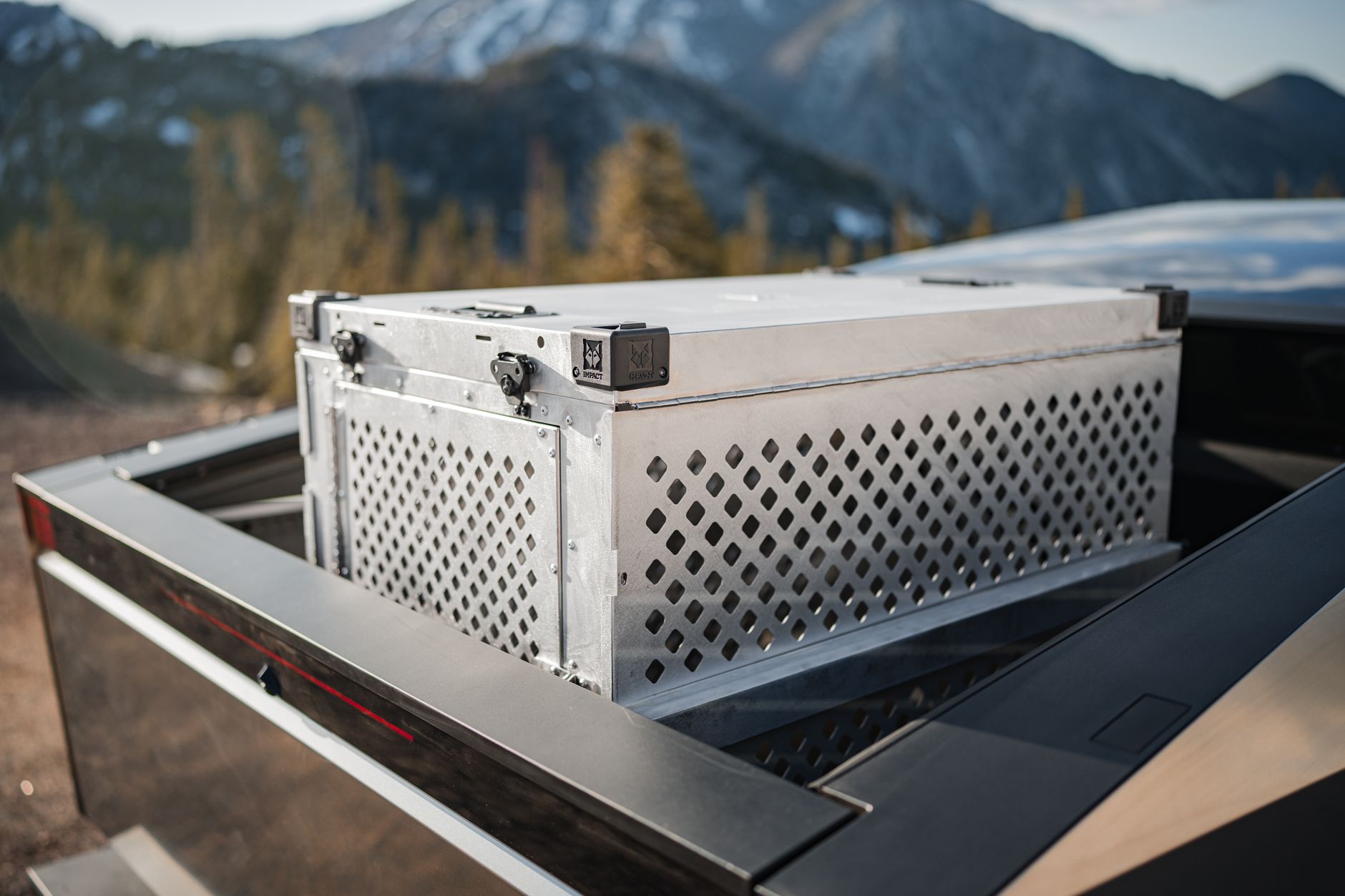
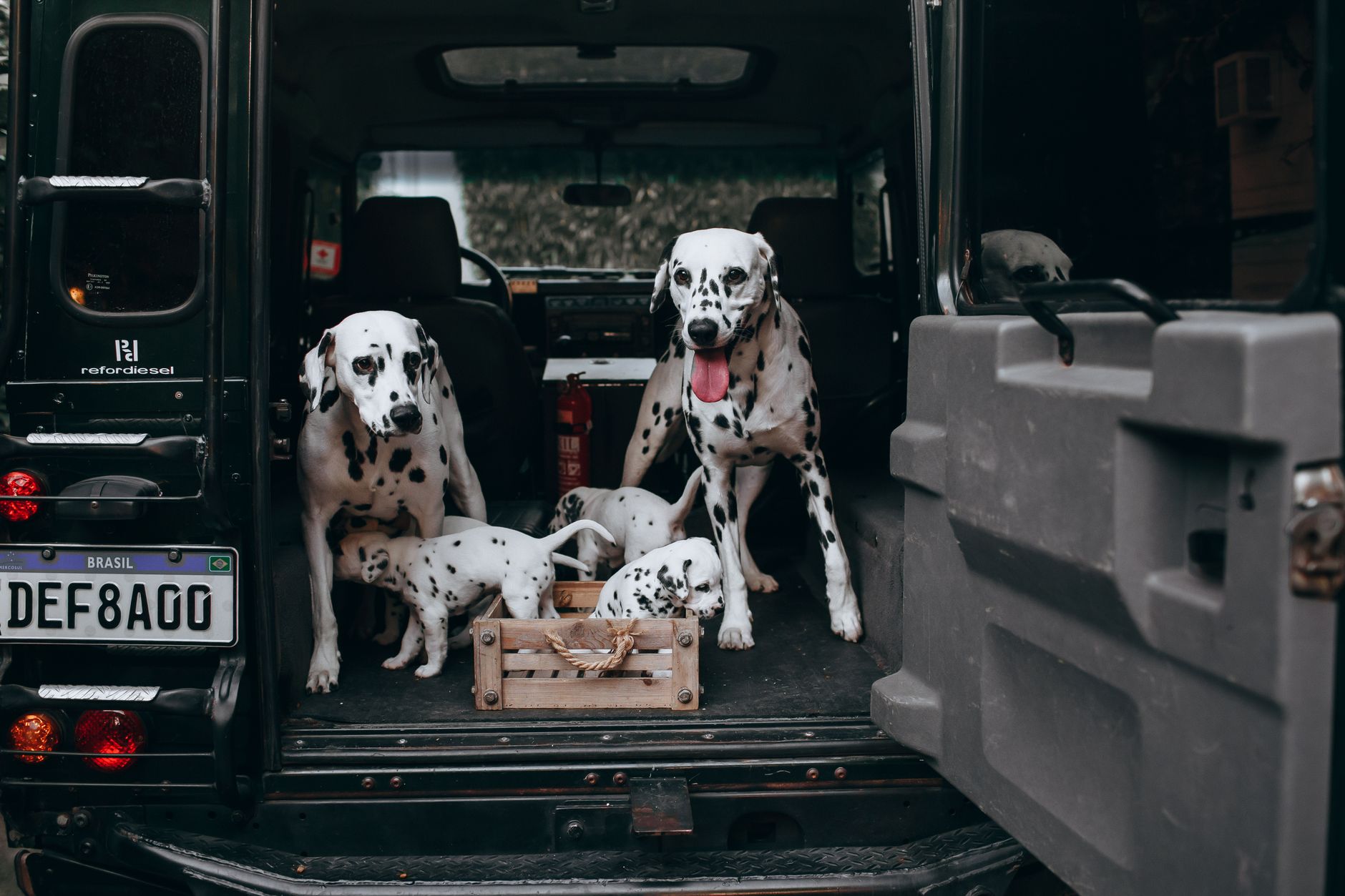
There is no single best model for every dog. The best choice is the carrier that (1) fits your dog’s body so the animal can stand, sit erect, turn around, and lie naturally; (2) meets the legal or airline standard for that journey; and (3) can be secured so the dog does not become a projectile in a sudden stop. Soft mesh bags excel in cabins; hard plastic kennels dominate cargo holds; and a smaller set of crates and carriers has passed independent vehicle crash protocols.
IATA states on its Traveler’s Pet Corner that airlines use performance sizing so the animal has enough space to turn about normally while standing, to stand and sit erect, and to lie in a natural position. USDA APHIS Pets on Planes training (last modified January 25, 2026) repeats the same space test for kennel size: the animal must easily stand up, turn around, sit erect, and lie down naturally.
Soft-sided vs hard-sided: choose by journey type
| Use case | Preferred construction | Primary standard | Key fit rule |
|---|---|---|---|
| Airline cabin (small dogs) | Soft-sided, leak-proof, multi-side mesh ventilation | FAA carry-on rules + airline policy; IATA CR1 in-cabin exceptions | Must fit fully under the seat without blocking the aisle |
| Airline cargo / checked pet | Rigid plastic, metal, wood, or fiberglass kennel | IATA Live Animals Regulations CR1 (Edition 52, January 2026) | Internal size from A/B/C/D formula; 4-side ventilation; metal fasteners |
| Car / SUV travel | Crash-tested crate or carrier with rated anchors | Center for Pet Safety certification / crash studies | Secure with strength-rated straps; snug fit; never bungee cords |
| Daily vet visits / short walks | Soft tote or compact hard carrier | Manufacturer comfort guidance (not a flight standard) | Dog fully inside, zippers/latches secure, easy for you to carry |
IATA Container Requirement 1 (Edition 52, January 2026) is explicit for in-cabin carriage: the container does not have to be rigid, spacers are not required, food and water containers are not required, and soft-side cloth bags need not have a welded-wire mesh end—provided the container still meets CR1 principles and carries a Live Animals label that does not block ventilation. For cargo, CR1 requires rigid materials (fiberglass, metal, rigid plastics, welded wire mesh, solid wood, or plywood), bolted plastic halves (clips alone are not enough), a solid leak-proof floor, ventilation on all four sides totaling at least 16% of the four-side surface area, and nose- and paw-proof openings no larger than 25 mm × 25 mm for dogs.
Wire-only crates fail IATA cargo rules. CR1 states containers made entirely of welded wire mesh are not suitable for air transport. Soft fabric bags likewise fail for cargo holds even when they work under a seat.
How to size the best dog carrier (IATA formula)
When you need a cargo kennel—or any hard carrier sized to the dog rather than to an airline’s under-seat box—use the IATA measurement method published on the Traveler’s Pet Corner and in CR1:
- A = length from tip of nose to base of the tail.
- B = height from ground to elbow joint.
- C = width across the shoulders or widest point (use the greater).
- D = standing height from floor to top of head or ear tip (whichever is higher).
Minimum internal dimensions for one animal, per IATA (2026): container length = A + ½ B; width = C × 2; height = D + bedding. Snub-nosed (brachycephalic) breeds require a container 10% larger. These are internal dimensions; measure the dog, then add bedding height when calculating height.
For cabin bags, the limiting factor is usually the aircraft seat, not the IATA formula. The dog must still be able to sit erect, stand, turn, and lie naturally inside the soft carrier, as IATA’s cabin guidance requires—even when the outer bag must compress under the seat.
Cabin carriers: FAA rules and airline examples
The Federal Aviation Administration (FAA) does not publish a universal pet-carrier size. In its Cabin Safety Pets FAQ (last updated September 6, 2024) and Flying with Pets page (last updated December 4, 2025), the FAA states each airline decides whether cabin pets are allowed. If pets are allowed, the pet container is carry-on baggage under 14 CFR § 121.589: it must fit underneath the seat without blocking any person’s path to the main aisle, be stowed before the last passenger door closes, remain stowed while the airplane is moving on the surface and for takeoff and landing, and follow flight-attendant instructions.
Airlines layer their own limits on top of the FAA baseline. Delta Air Lines, as of its Pet Travel overview consulted for this article, recommends a soft-sided kennel with maximum dimensions of 18″ × 11″ × 11″ because that size fits most aircraft types, while noting that maximum dimensions are determined by the aircraft on your flight. Delta also requires soft-sided kennels to be leak-proof with ventilation on three sides for domestic travel and four sides for international travel, and requires the pet to move around without touching or protruding from the sides. Domestic in-cabin pet fees on Delta are $150 USD/CAD each way for tickets issued on or after April 8, 2025 (up from $95 for earlier tickets), with international fees listed at $200 USD/CAD/EUR.
Because under-seat height varies by aircraft and seat row, a soft-sided carrier that flexes slightly is usually more practical than a rigid box for cabin travel. Confirm your airline’s published dimensions and your aircraft type before you buy; marketing that says “airline approved” is not a substitute for the carrier’s actual measurements fitting under your assigned seat.
Cargo kennels: USDA APHIS and 9 CFR requirements
For pets traveling as cargo or otherwise under U.S. Animal Welfare Act transport rules, USDA APHIS Pets on Planes guidance and 9 CFR § 3.15 set baseline enclosure standards. APHIS instructs that kennels for air travel should be hard-sided with secure fasteners strong enough for normal air transport; doors that close securely and open without special tools; sturdy exterior handles so handlers can lift without tilting or contacting the animal; adequate ventilation (openings on three sides and the door in APHIS lesson language); clean, sanitized interiors free of sharp edges; leak-proof floors with unused litter pads or collection trays; and food and water dishes attached inside the door so they can be reached without opening the kennel. Labels must show “Live Animal” in 1-inch letters on the top and at least one side, plus upright arrows.
9 CFR § 3.15 requires primary enclosures large enough for each animal to turn about normally while standing, stand and sit erect, and lie in a natural position. For air carriage, the regulation generally allows only one live dog or cat six months or older per enclosure; puppies eight weeks to six months weighing 20 lbs (9 kg) or less may travel two to a kennel if comparable in size. USDA APHIS states dogs and cats must be at least eight weeks old and fully weaned before traveling. APHIS also flags short-nosed breeds—such as Bulldogs, Pugs, Boxers, and French Bulldogs—as higher risk for heat stroke and breathing problems during air travel.
IATA and APHIS both discourage routine sedation for transport. IATA’s Traveler’s Pet Corner notes a long-standing practice of discouraging sedatives and tranquilizers because of adverse effects at cabin altitude, a view it says is endorsed by veterinary organizations such as the American Veterinary Medical Association. CR1 states tranquillization of dogs and cats is not recommended.
Car travel: crash testing beats marketing claims
Road travel needs a different definition of “best.” In July 2015, Subaru of America and the Center for Pet Safety (CPS) published Crate and Carrier Crashworthiness Studies conducted with MGA Research Corporation. CPS selected the Gunner Kennels G1 Intermediate with 8′ tie-down straps as the 2015 top-performing crate, and the PetEgo Forma Frame Jet Set Carrier with ISOFIX-Latch and the Sleepypod Mobile Pet Bed with PPRS Handilock as top-performing carriers. The joint release stated that the United States then lacked standardized federal test protocols for pet crates and carriers marketed as crash-tested.
CPS’s published 2015 crate study results show sharp performance gaps: some crates retained the crash-test dog with intact doors, while others saw ruptured straps, destroyed panels, or doors that could not be opened without tools. Investigative tests on wire kennels found that even with strength-rated support systems, wire crates deformed severely and should be treated as distraction-prevention tools rather than significant crash protection, according to CPS. Practical tips from the Subaru–CPS release include sizing the crate so the dog fits snugly with just enough room to be comfortable, and securing crates with strength-rated cargo straps rather than elastic or rubber bungee cords.
As of September 2026, CPS lists certified pet travel products on its CPS Certified page (including kennels and carriers such as Gunner G1 sizes and several expandable carriers). When shopping for car use, treat CPS certification—or a current, transparent crash-test report—as stronger evidence than packaging that merely says “crash tested.”
A practical buying checklist
- Decide the primary use: cabin, cargo, car, or mixed. Buy for the strictest use you will need most often.
- Measure the dog with the IATA A/B/C/D method for hard kennels; for cabin bags, measure your dog inside the bag and compare to your airline’s under-seat limits.
- Check construction: soft mesh and zippers for cabin; rigid plastic with metal bolts, spacers, and Live Animals labels for cargo; CPS-certified structure and anchors for cars.
- Verify ventilation and leak-proof flooring against IATA CR1 or 9 CFR § 3.15 as applicable.
- Acclimate the dog weeks ahead. IATA advises training the animal to the crate so confinement stress is minimized.
- Pack identity and health paperwork separately from the carrier itself—microchip records, vaccination certificates, and any airline health forms.
Animal identity vs travel documents (do not confuse the two)
Animal Passport builds a digital animal and livestock passport that uses muzzle biometrics—the nose print is unique, similar to a fingerprint. Capture is phone-based; the record can bind owner, breed, estimated age, body condition, and vaccination history. Age can be estimated from a dental photograph with a confidence score, and body condition can be scored 1–5 from a side-profile photo. In August 2025, the approach was used in livestock flood rescue in Pakistan so farmers could reclaim animals after paper tags washed away.
That product is not a government-issued travel document, not an EU pet passport under the EU pet travel / PETS schemes, and not a substitute for airline kennel rules or USDA APHIS health certificates. Official border and airline schemes are separate legal systems; biometric livestock ID helps prove which animal is yours, while carriers and health paperwork determine whether that animal may board. Keep both layers current, and never treat a digital identity record as permission to fly.
Bottom line
Shop the best dog carriers by journey type and primary-source rules, not by brand slogans. Soft under-seat bags win for cabin flights under FAA carry-on rules and airline size caps; rigid CR1 kennels win for cargo; CPS-informed crash-tested crates win for highways. Measure carefully, acclimate early, and keep Animal Passport-style identity records distinct from EU or airline travel documents. When rules change yearly—as IATA LAR editions and airline fees do—recheck the current airline page and the latest CR1 PDF before you fly.
FAQ
- What are the best dog carriers for airplane travel?
- For cabin flights, the best dog carriers are soft-sided, leak-proof bags that fit fully under your seat and let the dog stand, turn, and lie naturally. For cargo, use a rigid kennel meeting IATA Container Requirement 1 with bolted construction, four-side ventilation, and correct internal sizing.
- What size dog carrier do I need for flying?
- For cargo kennels, IATA’s 2026 formula uses dog measurements A–D: length = A + ½ B, width = C × 2, height = D + bedding, plus 10% for snub-nosed breeds. For cabin travel, follow your airline’s under-seat limit—Delta recommends about 18″ × 11″ × 11″ for many aircraft—and confirm the aircraft type.
- Are soft-sided or hard-sided dog carriers better?
- Soft-sided carriers are generally better for airline cabins because they flex under seats. Hard-sided rigid kennels are required for most cargo and checked-pet journeys under IATA CR1. For cars, choose independently crash-tested hard crates or carriers secured with strength-rated straps.
- Does “airline approved” mean IATA certified?
- No. IATA states it does not certify, approve, endorse, or sell any commercial pet container brand. “Airline approved” usually means a seller claims the size fits typical under-seat spaces; you must still match your airline’s published dimensions and CR1 or cabin guidelines.
- Can my dog fly in a wire crate?
- Not for air cargo under IATA Container Requirement 1, which says containers made entirely of welded wire mesh are not suitable for air transport. USDA APHIS air-travel training also expects hard-sided kennels with secure fasteners for pets presented for flight.
- How young can a dog be to travel by air in the United States?
- USDA APHIS states dogs and cats must be at least eight weeks old and fully weaned before traveling. Individual airlines and destination countries may set higher age minimums, so confirm both before booking.
- What should I look for in a dog car carrier?
- Look for products that have passed independent crash testing, such as Center for Pet Safety Certified models, sized so the dog fits snugly, and secured with strength-rated straps—not bungee cords. CPS and Subaru’s 2015 studies showed many marketed crash claims fail under laboratory impact conditions.
- Is Animal Passport the same as an EU pet passport?
- No. Animal Passport is a digital muzzle-biometric identity record for animals and livestock. Official EU pet passports and airline or USDA APHIS travel documents are separate systems; do not treat biometric ID as a substitute for kennel compliance or border health paperwork.
Sources
- Traveler's Pet Corner — International Air Transport Association (IATA)
- Container Requirement 1 (dogs and cats) — Live Animals Regulations Edition 52 — International Air Transport Association (IATA)
- Guidance for Passengers Traveling with their Dog or Cat in the Cabin — International Air Transport Association (IATA)
- Pets on Planes Lesson 1: Preparing and Receiving Pets for Air Travel — USDA Animal and Plant Health Inspection Service (APHIS)
- 9 CFR § 3.15 — Primary enclosures used to transport live dogs and cats — Legal Information Institute (e-CFR text)
- Cabin Safety — Pets FAQ — Federal Aviation Administration (FAA)
- Pet Travel Overview — Delta Air Lines
- Subaru of America and Center for Pet Safety Studies Showcase Crash Test Results of Pet Crates and Carriers — Subaru of America, Inc.
- 2015 Crate Study Results — Center for Pet Safety
- CPS Certified — Center for Pet Safety
Animal Passport binds a muzzle biometric to a digital record farmers, buyers, and insurers can verify in the field.