CVI Form for Dogs: A Complete Guide to the Certificate of Veterinary Inspection

Key takeaways
- A CVI (Certificate of Veterinary Inspection) for dogs must be issued by a USDA-accredited veterinarian, not any licensed vet.
- Most states treat a CVI as valid for 30 days from the exam date, though a few states use a shorter or longer window — always confirm with the destination state.
- APHIS Form 7001 is the traditional paper CVI, but a growing number of states no longer accept it; North Dakota, for example, rejects Form 7001 outright.
- Texas does not require a CVI for dogs entering the state, showing how much interstate rules vary — always check the destination state before travel.
- Electronic CVIs (eCVIs) from providers like the USDA's VSPS, GlobalVetLink, and Vet Sentry transmit records to origin and destination states in near real time.
- A CVI is a domestic/export travel health document — it is not the same as the CDC Dog Import Form required to bring a dog into the US, or the EU Pet Passport used by EU residents.
- Rabies vaccination proof (often on a separate NASPHV Form #51) is usually required alongside the CVI for dogs three months or older.
- For international export, a CVI-style health certificate must often be submitted through USDA's VEHCS system for federal endorsement before the dog can leave the country.
A CVI form for dogs — short for Certificate of Veterinary Inspection, also called a pet health certificate — is an official document a USDA-accredited veterinarian signs to certify that a dog has been examined, appears free of contagious disease, and meets the entry rules of the state or country it is traveling to. Most states treat it as valid for 30 days from the exam date, though rules vary, and some states do not require one at all.
This guide explains what belongs on the form, who is legally allowed to sign it, how long it lasts, which states differ from the norm, and how the CVI compares to two documents people often confuse it with: the CDC Dog Import Form and the EU Pet Passport.

What Is a CVI Form for Dogs?
The Certificate of Veterinary Inspection (CVI) is the standard health certificate used for interstate and international movement of dogs, cats, and other small animals in the United States. According to the California Department of Food and Agriculture (CDFA), a CVI documents that an animal has been examined and meets the movement requirements of the destination state, and can be issued on paper or electronically (CDFA, 2025). The paper version most veterinarians have historically used is APHIS Form 7001, officially the "United States Interstate and International Certificate of Health Examination for Small Animals," administered by the Animal and Plant Health Inspection Service (USDA APHIS) since 1986.
A CVI typically includes:
- Owner and destination contact information
- Breed, age, sex, and microchip or other identification
- Date of examination and the veterinarian's signature and USDA accreditation number
- A statement that the dog shows no signs of infectious or communicable disease
- Rabies vaccination details — vaccine brand, lot number, and expiration date
- Any additional testing or treatments the destination state requires
Who Can Issue a CVI for a Dog?
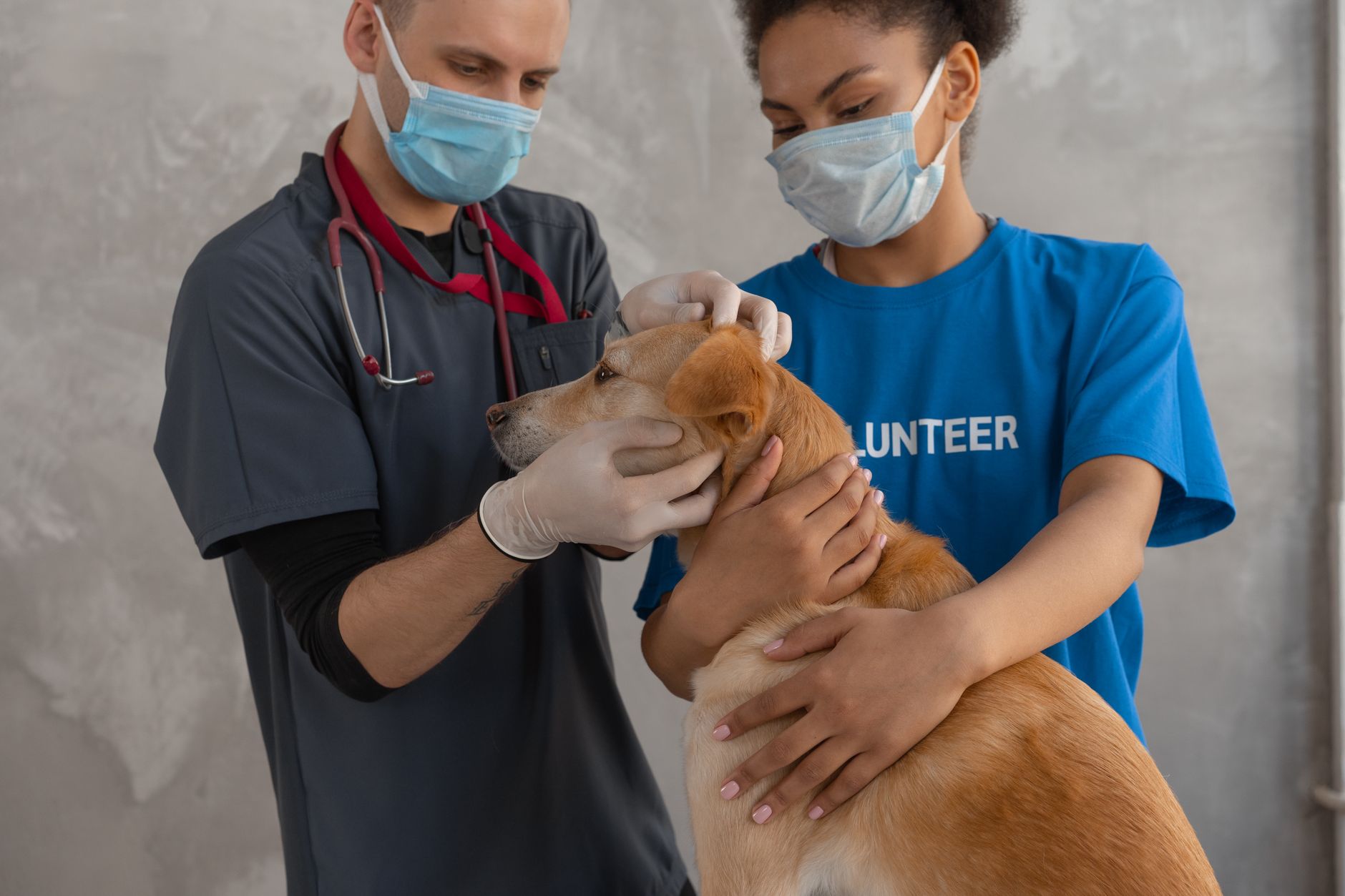
Only a USDA-accredited veterinarian can complete and sign a CVI — a standard veterinary license is not sufficient. The vet examines the dog, verifies vaccination and identification records, and confirms the animal meets the entry requirements of the state or country of destination before signing. This accreditation requirement applies whether the certificate is issued on paper or electronically.
How Long Is a CVI Valid?
Most states accept a CVI for 30 days from the date of examination. Florida's Department of Agriculture and Consumer Services (FDACS) requires an Official Certificate of Veterinary Inspection issued "within 30 days" for dogs and cats entering the state, and requires the same 30-day window for pets leaving Florida for another state (FDACS, 2026). Airlines commonly ask for a narrower window — often 7 to 10 days before the flight — so if a dog is flying, the airline's rule usually governs rather than the state's 30-day rule.
Do All States Require a CVI? A State-by-State Snapshot
Interstate CVI rules are set individually by each state department of agriculture, and they are not uniform. The table below reflects requirements confirmed directly with each state agency's published guidance.
| State | CVI required for dogs? | Notable rule |
|---|---|---|
| Florida | Yes | CVI valid 30 days; rabies proof required for pets 3+ months (FDACS, 2026) |
| North Dakota | Yes, if staying over 30 days | Does not accept APHIS Form 7001 for interstate movement (North Dakota Department of Agriculture, 2026) |
| Texas | No | "A Certificate of Veterinary Inspection (CVI) is not required for dogs and cats entering Texas," though rabies vaccination proof is still required (Texas Department of State Health Services, 2026) |
| California | Varies by use case | CDFA does not itself issue small-animal CVIs; accredited vets use APHIS Form 7001 or an approved eCVI vendor, and must confirm the destination state accepts it (CDFA, 2025) |
Because acceptance of paper APHIS Form 7001 is inconsistent — North Dakota rejects it outright, and CDFA notes some destination states do not accept it — veterinarians and owners should always confirm the specific form the destination state will accept before travel, not assume a CVI is universally interchangeable.
Paper vs. Electronic CVI (eCVI)
A growing share of CVIs are now issued electronically. The California Department of Food and Agriculture lists several USDA-approved eCVI platforms as of June 2025: VSPS (USDA APHIS's own free system), GlobalVetLink, Vet Sentry, myVetTech, and EquiPass (equine only) (CDFA, 2025). Electronic certificates transmit to both the origin and destination state at the moment of issuance, reducing transcription errors and giving state animal health officials near real-time records — an advantage over mailed or faxed paper forms.
Paper CVI vs. eCVI
| Feature | Paper CVI (e.g., APHIS Form 7001) | Electronic CVI (eCVI) |
|---|---|---|
| Issued by | USDA-accredited veterinarian | USDA-accredited veterinarian |
| Delivery to state officials | Mail or fax, often delayed | Near real-time, automatic |
| State acceptance | Inconsistent — some states reject it (e.g., North Dakota) | Accepted in all states via USDA's VSPS or approved vendors |
| Typical validity | 30 days from exam | 30 days from exam |
CVI for Interstate Travel vs. International Export
A domestic CVI is not automatically sufficient for taking a dog out of the country. For international export, the health certificate a USDA-accredited veterinarian prepares often must be submitted through the Veterinary Export Health Certification System (VEHCS) for USDA APHIS endorsement before departure, and the endorsement itself carries a federal fee — PetTravel.com cites a $101 charge per form for USDA endorsement of pet air travel documents, with additional charges if rabies titer testing is needed (PetTravel.com, 2026). Requirements differ by destination country, so owners should verify country-specific rules well before the trip.
CVI vs. CDC Dog Import Form: Not the Same Document
A common point of confusion is treating the CVI as the same thing as the paperwork needed to bring a dog into the United States from abroad. It is not. The CVI is a USDA APHIS-administered health certificate for outbound domestic or international travel, signed by an accredited veterinarian. Bringing a dog into the US, by contrast, falls under separate Centers for Disease Control and Prevention (CDC) rules, which as of August 2024 require an online CDC Dog Import Form receipt for all dogs entering the country, plus — for dogs vaccinated in the US that visited a high-rabies-risk country in the prior six months — a "Certification of U.S.-Issued Rabies Vaccination" form. These are CDC import-control documents, not USDA CVIs, and they serve a different regulatory purpose: disease entry control at the US border rather than interstate or export health certification.
CVI vs. EU Pet Passport: Also Not the Same Document
Another frequent mix-up is the CVI versus the European Union Pet Passport. The EU Pet Passport is a booklet issued by a veterinarian to pets that reside in the EU, and it is not something a US-based dog owner can obtain. For dogs traveling from the United States to the EU, the applicable pathway is the EU Pet Travel Scheme, which requires a USDA-accredited veterinarian to complete an EU animal health certificate that USDA APHIS then endorses — a single-use certificate tied to one trip, not a reusable passport. A dog holding a genuine, current EU Pet Passport with an EU-administered rabies vaccination may be exempt from the separate USDA endorsement step (PetTravel.com, 2026), but that exemption applies only to pets that already have EU residency-based documentation — it does not mean a US CVI and an EU Pet Passport are interchangeable.
How Animal Passport's Digital Record Fits In
Animal Passport is a separate, complementary tool to the official CVI — it is not a government form and does not replace one. It is a phone-based digital record that uses muzzle biometrics (a dog's nose print is unique, similar to a human fingerprint) to bind an owner's identity to a specific animal, alongside breed, an estimated age generated from a dental photograph with a confidence score, a body condition score (1–5) from a side-profile photo, and vaccination history. The same underlying biometric identity approach was used during livestock flood rescue efforts in Pakistan in August 2025, helping farmers reclaim animals after paper ear tags were washed away. For dog owners, a record like this can serve as a useful identity and health-history backup alongside — never instead of — the official CVI a USDA-accredited veterinarian issues for travel. Read more on the Animal Passport blog.
Steps to Get a CVI Form for a Dog
- Confirm your destination state's or country's specific entry requirements before scheduling an exam.
- Schedule an appointment with a USDA-accredited veterinarian — not every licensed vet holds this accreditation.
- Bring current rabies vaccination records; the vet will verify or administer vaccination as required.
- The vet examines the dog and completes the CVI, either on APHIS Form 7001 or through an approved eCVI platform.
- For international export, the vet submits the certificate through VEHCS for USDA APHIS endorsement, if the destination country requires it.
- Travel within the certificate's validity window — typically 30 days from the exam date, or the airline's shorter window if flying.
Frequently Asked Questions
What does CVI stand for on a dog's paperwork?
CVI stands for Certificate of Veterinary Inspection, also called a pet health certificate. It certifies that a USDA-accredited veterinarian examined the dog and found it free of signs of infectious disease.
How long is a CVI good for?
Most states accept a CVI for 30 days from the exam date, as confirmed by Florida's FDACS guidance, but airlines often require a certificate dated within 7–10 days of the flight, so check the stricter requirement that applies to your trip.
Does every state require a CVI for dogs?
No. Texas, for example, does not require a CVI for dogs and cats entering the state, according to the Texas Department of State Health Services, though rabies vaccination proof is still required. Always check the destination state directly, since rules are set individually.
Can any veterinarian sign a CVI?
No. Only a USDA-accredited veterinarian can legally complete and sign a CVI for interstate or international travel.
Is APHIS Form 7001 still accepted everywhere?
Not universally. North Dakota's state animal health board explicitly does not accept APHIS Form 7001 for interstate movement, and other states have moved toward electronic-only CVIs, so confirm acceptance with the destination state before using the paper form.
Is a CVI the same as the CDC form needed to bring a dog into the US?
No. A CVI is a USDA APHIS domestic/export health certificate signed by an accredited veterinarian. Bringing a dog into the US from abroad requires a separate CDC Dog Import Form, and in some cases a CDC rabies vaccination certification — different agency, different purpose.
Is a CVI the same as an EU Pet Passport?
No. The EU Pet Passport is issued to pets residing in the EU and is not obtainable by US owners. US dogs traveling to the EU instead need a USDA-endorsed EU animal health certificate, which is single-use per trip rather than a reusable passport.
What's the difference between a paper CVI and an eCVI?
Both require the same USDA-accredited veterinarian sign-off and typically carry the same 30-day validity, but an eCVI transmits electronically to state animal health officials in near real time through platforms like USDA's VSPS, GlobalVetLink, or Vet Sentry, while paper forms depend on mail or fax and are not accepted in every state.
As of August 2026, CVI acceptance rules continue to vary by state and change periodically — always verify current requirements with the origin and destination state departments of agriculture, or with USDA APHIS, before travel.
FAQ
- What does CVI stand for on a dog's paperwork?
- CVI stands for Certificate of Veterinary Inspection, also called a pet health certificate. It certifies that a USDA-accredited veterinarian examined the dog and found it free of signs of infectious disease.
- How long is a CVI good for?
- Most states accept a CVI for 30 days from the exam date, as confirmed by Florida's FDACS guidance, but airlines often require a certificate dated within 7-10 days of the flight, so check the stricter requirement for your trip.
- Does every state require a CVI for dogs?
- No. Texas does not require a CVI for dogs and cats entering the state, according to the Texas Department of State Health Services, though rabies vaccination proof is still required. Rules are set individually by each state.
- Can any veterinarian sign a CVI?
- No. Only a USDA-accredited veterinarian can legally complete and sign a CVI for interstate or international travel.
- Is APHIS Form 7001 still accepted everywhere?
- Not universally. North Dakota's state animal health board does not accept APHIS Form 7001 for interstate movement, so confirm acceptance with the destination state before using the paper form.
- Is a CVI the same as the CDC form needed to bring a dog into the US?
- No. A CVI is a USDA APHIS domestic/export health certificate. Bringing a dog into the US from abroad requires a separate CDC Dog Import Form, and in some cases a CDC rabies vaccination certification.
- Is a CVI the same as an EU Pet Passport?
- No. The EU Pet Passport is issued to pets residing in the EU. US dogs traveling to the EU instead need a USDA-endorsed EU animal health certificate, which is single-use per trip rather than a reusable passport.
- What's the difference between a paper CVI and an eCVI?
- Both require the same USDA-accredited veterinarian sign-off and typically carry the same 30-day validity, but an eCVI transmits electronically to state officials in near real time through platforms like USDA's VSPS, GlobalVetLink, or Vet Sentry, while paper forms depend on mail or fax.
Sources
- Electronic Certificates of Veterinary Inspection (eCVIs) — California Department of Food and Agriculture (CDFA)
- Travel of Dogs, Cats and Pet Birds in/out of Florida FAQ — Florida Department of Agriculture and Consumer Services (FDACS)
- Animal Import and Export Requirements — Texas Department of State Health Services
- Dogs, Cats & Ferrets — Animal Movement and Importation Requirements — North Dakota Department of Agriculture
- USDA Pet Health Certificates for Travel — Vet Sentry
- USDA Health Certificate Endorsement — PetTravel.com