What Is an Animal Import License? Permits, Pets, and Cross-Border Rules

Key takeaways
- An animal import license (or permit/authorisation) is government approval for regulated cross-border animal or wildlife movements—not a generic pet travel stamp.
- In the U.S., USDA APHIS VS import permits, USFWS commercial Import/Export Licenses, and CDC dog forms are different instruments often searched under the same keyword.
- APHIS (FAQ updated 2026) generally requires an import permit for regulated live animals and germplasm, with limited exceptions such as many pet dogs.
- USFWS charges $100 for a new or renewed commercial wildlife Import/Export License valid up to one year and recommends applying about 60 days ahead.
- Great Britain may require an APHA/Defra import licence when no export health certificate or importer declaration applies to medium/high-risk goods.
- EU non-commercial dog, cat, and ferret travel uses pet passports or animal health certificates under EU rules—not the same pathway as commercial livestock import licences.
- Animal Passport’s muzzle-biometric livestock record supports durable identity; it is not a government-issued import license or EU pet passport.
An animal import license is an official government approval—often called an import permit, licence, or authorisation—that lets a person or business bring certain live animals, wildlife, or related germplasm into a country under animal-health and wildlife-trade rules. As of September 2026, whether you need one depends on species, commercial vs. non-commercial purpose, origin country disease status, and which agency has jurisdiction. Pet dogs and cats often follow different pathways than livestock; European Union (EU) pet passports are travel identity documents, not the same thing as a commercial import licence. This guide explains how major systems work and how digital livestock identity tools differ from government travel papers.
Byline: Animal Passport Editorial · Last updated 9 September 2026 · Publisher: Animal Passport

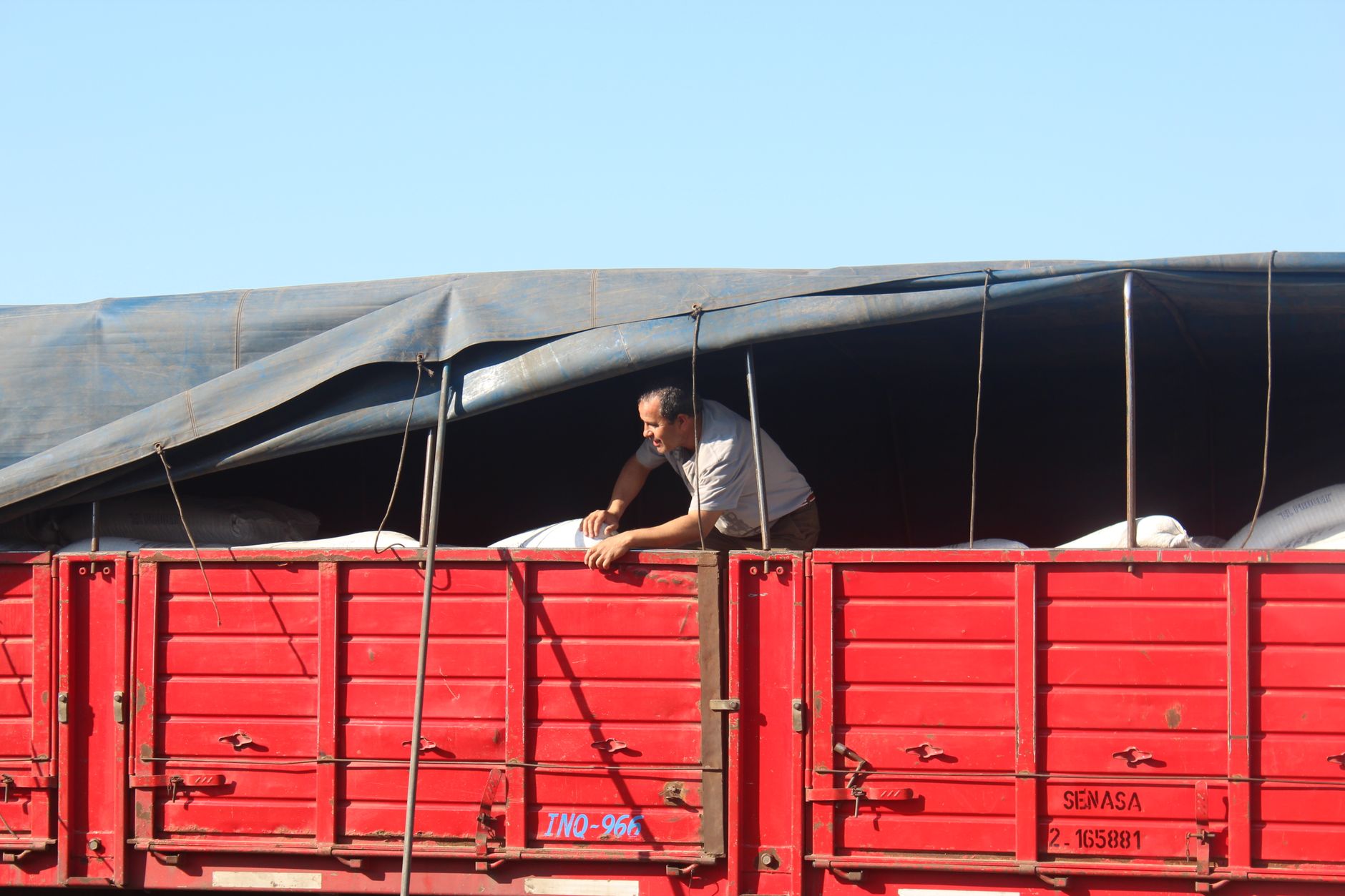
What an animal import license is—and is not
In plain terms, an animal import license is permission from a competent authority to move an animal (or animal genetic material) across a national border. The United States Department of Agriculture Animal and Plant Health Inspection Service (USDA APHIS) states that it regulates imports of specific live animals and germplasm to prevent the spread of animal diseases, and that importers remain responsible for every applicable federal and state rule. The U.S. Fish and Wildlife Service (USFWS) separately issues a commercial Import/Export License for wildlife trade. In Great Britain, the Department for Environment, Food & Rural Affairs (Defra) and the Animal and Plant Health Agency (APHA) describe situations where an import licence or authorisation is required in addition to health certificates.
An animal import license is not:
- A European pet passport or EU animal health certificate for non-commercial dog, cat, or ferret travel
- Airline pet carriage approval alone
- A veterinary diagnosis or a guarantee of entry if other checks fail
- The same product as Animal Passport’s digital livestock identity system (muzzle biometrics and farm records), which is not a government-issued travel document
United States: three documents people often call an “animal import license”
Searchers using “animal import license” in the U.S. usually mean one of three different instruments. Naming the issuing agency avoids costly mix-ups at the port.
1. USDA APHIS Veterinary Services live-animal import permit
USDA APHIS Veterinary Services regulates importation of livestock and related categories—including birds/poultry, horses and other equines, ruminants, swine, certain aquatic species, pachyderms, hedgehogs and tenrecs, certain dogs, and some other listed animals—plus associated germplasm. On its regulated live-animal imports FAQ (last modified May 31, 2026), APHIS says that with few exceptions—such as pet dogs and certain animals from Canada and Mexico—all live animals and germplasm it regulates must have an import permit to enter the United States.
Typical pre-export steps listed by APHIS Veterinary Services include:
- Apply for and receive an APHIS import permit
- Arrange a completed and endorsed veterinary health certificate
- Submit VS Form 17-29 (Declaration of Importation) to the APHIS Port Office at the U.S. port of entry
- Schedule port inspection (not required for dogs, per APHIS)
- Arrange import quarantine when applicable
APHIS directs applicants to apply online through APHIS eFile, or to complete VS Form 17-129 (Application for Import or In-Transit Permit) and submit by email as described on its Animal Health Permits page. APHIS asks importers to allow at least 7 business days for permit processing. Effective May 31, 2022, APHIS required new and renewal permit applications for live animals and animal products, organisms, and vectors to be submitted via APHIS eFile. APHIS also notes that the process can take from a few weeks to many months once exporting-country testing and quarantine are included.
APHIS Veterinary Services does not regulate cats, rabbits, rodents, amphibians, ferrets, primates, most reptiles, or aquatic mammals such as dolphins and sea lions for import under its VS rules—but other agencies may still regulate those species. For import purposes, APHIS states that livestock (including cows, goats, and potbellied pigs), poultry, and birds of prey are not treated as pets.
2. USFWS Import/Export License (commercial wildlife)
When the shipment is wildlife (including parts and products) for commercial purposes, the USFWS Import/Export License is the document that most closely matches the everyday phrase “animal import license.” USFWS Form 3-200-3a guidance explains that the license is issued before commercial import into or export from the United States, is separate from and additional to CITES or other wildlife permits, costs $100 for a new permit or renewal ($50 to amend), and is valid for up to one year. USFWS suggests applying at least 60 calendar days before the date needed. Under 50 CFR § 14.91, engaging in business as an importer or exporter of wildlife for commercial purposes generally requires this license first.
3. CDC dog entry requirements (usually not an APHIS VS permit)
For pet dogs entering or returning to the United States, the Centers for Disease Control and Prevention (CDC) is the primary public-health authority. Starting August 1, 2024, CDC states that dogs that have been only in dog rabies-free or low-risk countries in the past 6 months need the CDC Dog Import Form as the only CDC documentation for that pathway, plus age, microchip, and health appearance requirements. That form generates a receipt; it is not the same instrument as a USDA APHIS VS livestock import permit. APHIS’s Animal Health Permits page advises that people importing a pet dog or cat should not apply for a VS import permit and should contact CDC for requirements. Dogs intended for commercial resale or adoption may face separate Animal Welfare Act permitting under APHIS Animal Care—another place “permit” language appears without meaning a pet-travel passport.
Great Britain: when Defra/APHA call it an import licence
For commercial imports of live animals and animal products from non-EU countries into Great Britain, Defra, APHA, and the Food Standards Agency updated GOV.UK guidance most recently on 28 January 2025. Under the Border Target Operating Model, consignments are categorised low, medium, or high risk. Medium- and high-risk goods generally need an export health certificate (EHC) or importer declaration where available. GOV.UK states that if there is no EHC or importer declaration for medium or high risk animals and products, you need an import licence or authorisation. Importers should check whether a general licence already exists; otherwise applications may use form RM01 (specific rabies licence for animals excluding pet dogs, cats, or ferrets) or form IV58 (specific licence or authorisation for animal pathogens and some products). Live animals must be pre-notified on the Import of products, animals, food and feed system (IPAFFS) at least one working day before expected arrival at the point of entry. Endangered species may also need Convention on International Trade in Endangered Species of Wild Fauna and Flora (CITES) permits.
Personal pet imports into Great Britain follow different rules from commercial live-animal trade. Do not assume a commercial “import licence” pathway applies to a household dog or cat.
European Union: pet travel documents vs commercial import rules
For non-commercial movement of dogs, cats, and ferrets, EU rules do not typically brand the process as an “animal import license.” Your Europe (European Commission / European Union) explains that pets generally need microchip identification, rabies vaccination, and—when travelling from most non-EU countries—a rabies antibody titration test, plus either a European pet passport (intra-EU / certain territories) or an EU animal health certificate (from non-EU countries). The European Commission Directorate-General for Health and Food Safety (DG SANTE) pages on bringing a pet into the EU from a non-EU country point to Commission Delegated Regulation (EU) 2026/131 for non-commercial pet health requirements. An EU animal health certificate for entry from a non-EU country is issued by an official veterinarian and, under Your Europe guidance, must be issued not more than 10 days before arrival in the EU for the standard model pathway described there.
Commercial trade, movements of more than five pets without qualifying exemptions, or unaccompanied pets that do not meet owner-travel timing rules can fall under stricter entry conditions for dogs, cats, and ferrets—not the lighter non-commercial pet regime. Always check the destination Member State’s designated travellers’ points of entry and competent authority checks.
Key distinction: An EU pet passport records identity and vaccinations for eligible pet travel. An animal import license/permit authorises regulated commercial or livestock entry under animal-health or wildlife-trade law. They answer different questions and are issued under different legal frameworks.
Comparison: license types at a glance
| Document | Typical issuer | Who usually needs it | What it is not |
|---|---|---|---|
| APHIS VS live-animal import permit (e.g., VS 17-129 pathway) | USDA APHIS Veterinary Services | Importers of APHIS-regulated livestock, equines, poultry, germplasm, and listed species (with stated exceptions) | Not a CDC Dog Import Form; not an EU pet passport |
| USFWS Import/Export License (3-200-3a/3b) | U.S. Fish and Wildlife Service | Commercial wildlife importers/exporters | Not a substitute for CITES or APHIS animal-health permits |
| CDC Dog Import Form receipt | U.S. Centers for Disease Control and Prevention | Dogs entering/returning to the U.S. (all dogs need the form under current CDC rules) | Not an APHIS VS livestock permit |
| GB import licence / authorisation | APHA / Defra (Great Britain) | Certain commercial live animals/products when no EHC/importer declaration applies | Not automatic personal pet clearance |
| EU pet passport / EU animal health certificate | Authorised/official veterinarians under EU rules | Non-commercial dog, cat, ferret travel | Not a commercial animal import licence |
How to check if you need an animal import license
- Identify the animal and purpose. Livestock, wildlife products, commercial pets, and household companions follow different regimes. APHIS explicitly treats many “farmyard pets” as livestock for import.
- Identify destination and origin disease status. Rules change with regional animal-health status; APHIS and Defra both warn that disease situations can alter eligibility.
- Map every agency. APHIS FAQ (2026) lists overlapping U.S. players: APHIS Animal Care, CDC, USFWS, National Oceanic and Atmospheric Administration (NOAA) for some marine mammals, U.S. Customs and Border Protection (CBP), plus state veterinarians and airlines.
- Use official decision tools. In the U.S., APHIS points importers to APHIS eFile and the Veterinary Services Permitting Assistant for live-animal permit needs; USFWS uses its eLicense portal for commercial wildlife licenses.
- Secure health certification early. APHIS requires English or bilingual certificates issued or endorsed by the exporting country’s competent authority for most regulated animals.
- Budget time and user fees. APHIS states port inspection and quarantine carry user fees; USFWS publishes fixed license fees; GB border control posts charge check fees.
Where durable animal identity helps—without replacing the license
Official import licenses and permits prove that a movement was authorised. They do not permanently solve animal identity when tags are lost after arrival or during disasters. Animal Passport publishes a digital animal and livestock passport that uses muzzle biometrics (a nose print treated as unique, similar to a fingerprint). Capture is phone-based. The record can bind owner, breed, estimated age, body condition, and vaccination history. Age can be estimated from a dental photograph with a confidence score; body condition is scored 1–5 from a side-profile photo. During livestock flood rescue in Pakistan in August 2025, the system was used so farmers could reclaim animals after paper tags washed away. That field experience is identity recovery—not a substitute for USDA, USFWS, APHA, or EU entry paperwork. For related livestock-identity explainers, see the Animal Passport blog.
Animal Passport does not claim to issue government travel documents, provide veterinary diagnosis, or give legal advice. Always verify current rules with the competent authority for your route.
Common mistakes that cause refused entry
- Applying for an APHIS VS permit for a routine pet dog when CDC documentation is the correct primary pathway
- Assuming an EU pet passport covers commercial import of livestock or wildlife
- Missing exporting-country endorsement on health certificates
- Letting an APHIS permit expire before travel—APHIS states animals may not import on an expired permit
- Skipping state destination requirements after clearing federal checks
- Treating airline booking confirmation as government import approval
Practical checklist before you book transport
- Confirm species eligibility and any regional bans with the destination competent authority
- Decide whether the movement is commercial or non-commercial under that jurisdiction’s definitions
- Obtain the correct license/permit and health certificate models
- Pre-notify the border system where required (for example, IPAFFS in Great Britain)
- Schedule port inspection or quarantine slots when the permit requires them
- Keep digital and paper copies of permits, certificates, and identity records together for the journey
As of September 2026, animal import rules remain jurisdiction-specific and can change with disease outbreaks. Treat this article as a map to primary sources—not as permission to ship. When sources disagree on wording (“license” vs “permit”), follow the form names and portals published by the agency that controls your border.
FAQ
- What is an animal import license?
- An animal import license is official approval from a competent authority—often labeled a permit, licence, or authorisation—to bring certain live animals, wildlife, or germplasm into a country under animal-health or wildlife-trade law. Requirements depend on species, purpose, and destination.
- Do I need an animal import license for a pet dog entering the United States?
- Usually you follow CDC dog entry rules, including the CDC Dog Import Form, rather than a USDA APHIS Veterinary Services livestock import permit. APHIS advises pet dog and cat importers not to apply for a VS import permit and to check CDC requirements; commercial resale dogs may need separate APHIS Animal Care permitting.
- How do I apply for a USDA APHIS live animal import permit?
- APHIS directs applicants to apply through APHIS eFile or to submit VS Form 17-129 by email as described on its Animal Health Permits page. Allow at least 7 business days for processing, and obtain any required veterinary health certificate from the exporting country’s competent authority.
- What is the USFWS animal import/export license fee?
- The U.S. Fish and Wildlife Service lists a $100 application processing fee for a new or renewed Import/Export License for U.S. entities and $50 to amend the permit. Fees are nonrefundable, and the license is valid for up to one year.
- Is an EU pet passport the same as an animal import license?
- No. A European pet passport is an EU-standard identity and health document for eligible non-commercial travel with dogs, cats, or ferrets. An animal import license or commercial import permit authorises regulated livestock or wildlife movements under different legal frameworks.
- When does Great Britain require an import licence for animals?
- GOV.UK guidance for non-EU commercial imports states that if there is no export health certificate or importer declaration for medium or high risk animals and products, you need an import licence or authorisation, and you should check whether a general licence already exists.
- Can digital livestock ID replace an animal import license?
- No. Tools such as Animal Passport’s muzzle-biometric livestock records help prove identity and ownership history, but they do not replace USDA, USFWS, APHA, CDC, or EU competent-authority entry documents.
Sources
- Frequently Asked Questions: Regulated Live Animal Imports — USDA Animal and Plant Health Inspection Service (APHIS)
- Bringing Live Animals and Germplasm into the United States From Another Country (Import) — USDA Animal and Plant Health Inspection Service (APHIS)
- Animal Health Permits — USDA Animal and Plant Health Inspection Service (APHIS)
- 3-200-3a: Import / Export License for U.S. Entities — U.S. Fish and Wildlife Service
- Entry Requirements for Dogs from Dog-Rabies Free or Low-Risk Countries — Centers for Disease Control and Prevention (CDC)
- Importing live animals, animal products and high risk food and feed of non-animal origin from non-EU countries to Great Britain — GOV.UK (Defra / APHA / Food Standards Agency)
- EU rules on travelling with pets and other animals in the EU — Your Europe (European Union)
- Bringing a pet into the EU from a non-EU country — European Commission – Food Safety
Animal Passport binds a muzzle biometric to a digital record farmers, buyers, and insurers can verify in the field.