How to Fly With a Large Dog: Airline Rules, Crates, and Costs

Key takeaways
- Dogs generally too large for an under-seat carrier cannot ride in the cabin; they must travel as checked cargo, air freight, or via a specialized pet-shipping charter.
- IATA (International Air Transport Association) requires a rigid crate that lets the dog stand, turn around, and lie down in a natural position, per IATA's traveling-with-pets guidance (2026).
- Airline cargo pet policies vary widely: Delta Air Lines currently ships pets only for active-duty U.S. military and State Department Foreign Service Officers with PCS orders (Delta, 2026).
- Brachycephalic (snub-nosed) breeds like Bulldogs, Boxers, and Pugs are banned from cargo holds industry-wide because of breathing risk.
- Most carriers embargo pet cargo above roughly 80°F or below 20°F, and some also block routes through hot-weather hub airports in summer.
- You'll need a health certificate from a USDA-accredited veterinarian, typically issued within 10 days of travel for U.S. domestic cargo shipments.
- An EU pet passport (European Commission) is a government travel document for dogs moving within the EU — it is not the same product as Animal Passport's biometric livestock ID.
- Book pet cargo early: most airlines will not take a reservation more than about 10–14 days before departure, and availability is limited.
Flying with a large dog means the dog usually cannot ride in the cabin with you. A large dog — generally one too big to fit inside a carrier under the airplane seat — must travel as checked cargo, air freight, or through a specialized pet-shipping service, inside a rigid crate that meets International Air Transport Association (IATA) standards, with a veterinary health certificate issued shortly before departure. Rules differ sharply by airline, so the first step is always confirming your specific carrier's current pet cargo policy before you book.
Can a Large Dog Fly in the Airplane Cabin?
No, in almost all cases. U.S. airlines that allow in-cabin pets require the dog and its carrier to fit entirely under the seat in front of you, which limits in-cabin travel to small dogs, typically under about 20–25 lbs depending on the airline and aircraft. A large dog does not meet this size threshold, so it must travel in the cargo hold as checked baggage, as air freight/cargo, or via a private charter or ground-transport alternative.
The exception is a trained service dog under the Air Carrier Access Act (ACAA), enforced by the U.S. Department of Transportation. Service dogs are not classified as pets and are not subject to the same size or crate rules, though the handler must still be able to control the dog on board.
How Large Dogs Actually Fly: Cargo, Freight, and Charter
There are three realistic ways to move a large dog by air:
- Checked pet cargo — booked directly with the airline's cargo division, the crate travels in the same pressurized, temperature-controlled hold as checked luggage, generally on the same aircraft as the owner where the airline still offers this to the general public.
- Unaccompanied air freight — the dog ships without the owner traveling on the same flight, arranged through the airline's cargo desk or a licensed pet-shipping company.
- Private or charter flight — a semi-private or fully chartered flight, used mainly for oversized, giant-breed, or brachycephalic dogs that commercial cargo won't accept.
IATA notes that cargo holds are pressurized and climate-controlled to match the cabin, and that dogs travel well this way because it is quieter and they can rest in a darkened environment, according to IATA's official guidance for travelers (IATA, 2026). The real operational risk is not cruising altitude but ground time — tarmac delays in extreme heat or cold — which is why airlines apply strict temperature embargoes (see below).
IATA Crate Requirements for Large Dogs
Airlines that accept large dogs in the hold require a crate that meets IATA's Live Animals Regulations. According to IATA's official traveler guidance, a compliant crate must let the dog turn around normally while standing, stand and sit fully, and lie in a natural position (IATA, 2026). In practice, this means:
- Rigid plastic, wood, metal, or fiberglass construction — soft-sided carriers are not accepted for cargo travel.
- Ventilation on multiple sides, with openings small enough that the dog cannot get a paw or nose through.
- A secure, sturdy door with metal fastenings; the crate must be leak-proof and escape-proof.
- Food and water access without opening the main door, plus absorbent bedding.
- Your pet must be at least eight weeks old and fully weaned before flying, per IATA's minimum age guidance (IATA, 2026); many airlines set a higher minimum for cargo.
Buy the crate weeks before departure and let your dog sleep and eat in it so the flight isn't the first time they've been inside it.
Step-by-Step: How to Fly With a Large Dog
- Confirm your airline still accepts general-public pet cargo. Some major carriers now restrict cargo pet shipping to active-duty military and government personnel — call the cargo desk, not the passenger reservations line, to check.
- Book a separate cargo reservation early. Pet cargo bookings commonly cannot be made more than about 10–14 days before departure and are not guaranteed on your own flight.
- Get an IATA-compliant crate sized to your dog's standing height and body length, and acclimate your dog to it in advance.
- Schedule a veterinary health certificate from a USDA-accredited veterinarian close to your travel date — commonly required within about 10 days of a domestic shipment.
- Check breed and temperature restrictions for your route, including any seasonal embargoes on hot-weather airports.
- Label the crate with "Live Animal" stickers, your contact information, and feeding/watering instructions.
- Arrive early. Cargo pets typically need to be dropped off several hours before departure — plan for 4–6 hours, longer for international flights.
Airline Pet Cargo Policy Comparison
Policies change often and vary by aircraft and route, so always verify directly with the airline's cargo division before booking. Here is how three major U.S. carriers approached large-dog cargo travel as of August 2026:
| Airline | Who can book cargo pet travel | Breed restrictions | Temperature limits |
|---|---|---|---|
| Delta Air Lines | Active-duty U.S. military and State Department Foreign Service Officers with PCS orders only (Delta, 2026) | Brachycephalic (snub-nosed) dogs, cats, and their mixes not permitted | No travel above 80°F or below 20°F (Delta, 2026) |
| American Airlines Cargo (PetEmbark) | General public, for dogs too large for an in-cabin carrier | Brachycephalic breeds excluded from cargo | Seasonal embargoes above roughly 85°F and below roughly 20°F, plus summer restrictions through hot-weather hub airports |
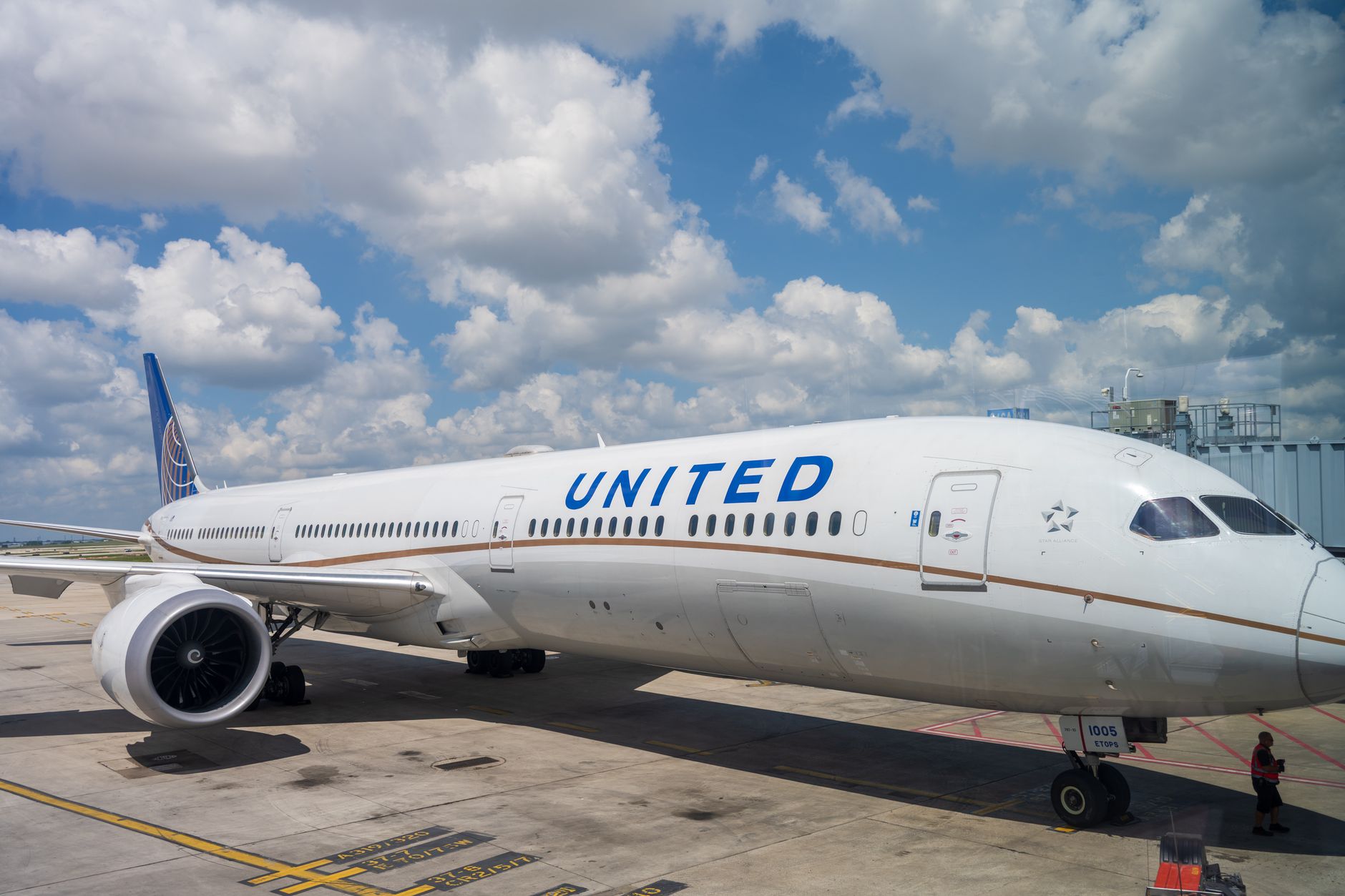
| United Airlines | Historically offered general PetSafe cargo service; check current eligibility directly, as major carriers have scaled this back since 2018 | Previously excluded 25+ short-nosed and strong-jawed breeds under PetSafe | Seasonal city embargoes during summer months |
Breed and Temperature Restrictions
Brachycephalic, or snub-nosed, breeds — Bulldogs, Boxers, Pugs, Pekingese, Shih Tzus, Mastiffs, and their mixes — are banned from the cargo hold industry-wide. Their shortened airways make it harder for them to regulate body temperature and breathing under stress, which increases the risk of respiratory distress in flight. Airlines also apply seasonal and route-based temperature embargoes: Delta will not transport pet cargo above 80°F or below 20°F at any point on the itinerary (Delta, 2026), and other carriers apply similar thresholds, often with added summer restrictions on flights connecting through hot-weather airports.
If your large dog is also brachycephalic, cargo is generally not an option at all — a private charter or ground transport is usually the safer route.
What Flying a Large Dog Costs
Pet cargo pricing is based on the combined weight of your dog and crate, plus the crate's dimensions, route, and whether the shipment is domestic or international. Expect a base freight charge plus airline handling fees, and budget separately for the health certificate, an IATA-compliant crate, and any required vaccinations. Because pricing is quoted per shipment and changes by route and season, get a written quote directly from the airline's cargo desk rather than relying on a flat number — treat any figure you see online as an estimate only.
Flying Internationally: EU Pet Passport vs. a Digital Animal ID
If your large dog is flying into or within the European Union, you will encounter the term "pet passport." Under European Commission rules, an EU pet passport is an official document, issued by an authorized veterinarian, that records your dog's microchip number, rabies vaccination history, and (for entry to Finland, Ireland, Malta, Northern Ireland, and Norway) tapeworm treatment given 24–120 hours before entry. A dog must be microchipped, and the rabies vaccination must be given no earlier than the microchip date, with the vaccination's validity starting at least 21 days after the primary dose, per the European Commission's official guidance on travelling with a pet within the EU (European Commission, 2026). Non-commercial travel is also limited to five animals per vehicle, and the dog must travel with its owner or an authorized person within five days of the owner's own movement.
This EU pet passport is a separate, government-issued document from any commercial "digital pet passport" product you may see advertised. Animal Passport is a phone-based, digital animal identification record that uses muzzle biometrics — a nose print, which is unique to each animal much like a human fingerprint — captured through a phone camera. The record can bind an owner, breed, an estimated age (from a dental photograph, with a confidence score), a body condition score from 1–5 based on a side-profile photo, and vaccination history. It does not replace the EU pet passport, a USDA-endorsed health certificate, airline carriage approval, or border veterinary checks, and Animal Passport is not a government-issued travel document. Its value has been demonstrated in a different context: during livestock flood rescue efforts in Pakistan in August 2025, biometric identification let farmers reclaim animals after paper tags had washed away — a real illustration of why a durable, non-paper identity record matters when official documents are lost or damaged, a risk that also applies to a soggy or misplaced health certificate on travel day. Read more on the Animal Passport blog or learn about the product at animalpassport.co.
U.S. Domestic Health Certificate Requirements
Most airlines and states require an interstate or international health certificate from a USDA-accredited veterinarian confirming your dog is fit to fly, issued close to your travel date — commonly within about 10 days for domestic cargo shipments, per airline cargo policy documentation (Delta, 2026). For international travel, USDA APHIS (Animal and Plant Health Inspection Service) coordinates export documentation, and entry requirements are ultimately set by the destination country's veterinary authority; APHIS endorsement confirms your export paperwork only, not entry approval. Start this process at least a few weeks ahead, since USDA endorsement and mailing can add processing time.
Tips to Reduce Stress and Risk
- Book a nonstop flight whenever possible to avoid extra handling and layover heat exposure.
- Avoid sedatives — IATA discourages tranquilizing pets for air travel, a position also endorsed by veterinary bodies, because sedation can affect breathing and balance at altitude (IATA, 2026).
- Feed a light meal about two hours before check-in and offer water up until departure, per IATA's pre-flight feeding guidance (IATA, 2026).
- Freeze a water dish attached to the crate so it melts gradually instead of spilling during loading.
- Attach current photos, feeding instructions, and two emergency contacts to the crate.
Frequently Asked Questions
Can a large dog fly in the cabin with me?
Almost never. In-cabin pet travel is limited to dogs small enough to fit in a carrier under the seat in front of you; a large dog must travel as checked cargo, air freight, or via a private charter instead.
Which airlines still accept large dogs as checked cargo?
It varies and changes over time. As of August 2026, Delta restricts pet cargo to active-duty military and State Department personnel with PCS orders, while other carriers, including American Airlines Cargo, continue to offer commercial pet cargo shipping for larger dogs — always confirm current eligibility directly with the airline's cargo division before booking.
What size crate does a large dog need for a flight?
The crate must be rigid (plastic, wood, metal, or fiberglass) and large enough for your dog to stand up fully, turn around, and lie down in a natural position, per IATA's container guidance. Measure your dog's height and length and size the crate generously rather than to the minimum.
Are snub-nosed large breeds like Boxers or Bulldogs allowed to fly as cargo?
No. Brachycephalic (snub-nosed) breeds and their mixes are banned from the cargo hold by major airlines because their airway shape raises the risk of breathing distress and overheating during travel.
Do I need a health certificate to fly my dog?
Yes, for cargo and most airline pet travel. You'll need a certificate from a USDA-accredited veterinarian, typically issued within about 10 days of a U.S. domestic flight; international travel has additional country-specific requirements coordinated through USDA APHIS.
Is it safe for a large dog to fly in the cargo hold?
Cargo holds used for pets are pressurized and climate-controlled to match the cabin. The greatest risk comes from ground delays in extreme heat or cold, which is why airlines enforce temperature embargoes, typically around 80°F to 20°F.
Is an EU pet passport the same as Animal Passport's digital ID?
No. An EU pet passport is a government-issued document from the European Commission for moving a dog within the EU. Animal Passport is a separate, private digital identification record using muzzle biometrics; it does not replace the EU pet passport, a health certificate, or airline approval.
How far in advance should I book pet cargo for a large dog?
Book as early as your airline allows. Many cargo pet bookings cannot be made more than about 10–14 days before departure, and space is limited, so contact the airline's cargo desk as soon as your travel dates are set.
This guide reflects publicly available airline and government policy as of August 2026. Airline pet cargo policies, breed lists, and fees change frequently — always verify directly with your airline's cargo division and, for international travel, the destination country's official pet import requirements before you book.
FAQ
- Can a large dog fly in the cabin with me?
- Almost never. In-cabin pet travel is limited to dogs small enough to fit in a carrier under the seat in front of you; a large dog must travel as checked cargo, air freight, or via a private charter instead.
- Which airlines still accept large dogs as checked cargo?
- It varies and changes over time. As of August 2026, Delta restricts pet cargo to active-duty military and State Department personnel with PCS orders, while other carriers, including American Airlines Cargo, continue offering commercial pet cargo for larger dogs — confirm current eligibility directly with the airline's cargo division.
- What size crate does a large dog need for a flight?
- The crate must be rigid (plastic, wood, metal, or fiberglass) and large enough for your dog to stand up fully, turn around, and lie down in a natural position, per IATA's container guidance.
- Are snub-nosed large breeds like Boxers or Bulldogs allowed to fly as cargo?
- No. Brachycephalic (snub-nosed) breeds and their mixes are banned from the cargo hold by major airlines because their airway shape raises the risk of breathing distress and overheating during travel.
- Do I need a health certificate to fly my dog?
- Yes, for cargo and most airline pet travel. You'll need a certificate from a USDA-accredited veterinarian, typically issued within about 10 days of a U.S. domestic flight; international travel adds country-specific requirements coordinated through USDA APHIS.
- Is it safe for a large dog to fly in the cargo hold?
- Cargo holds used for pets are pressurized and climate-controlled to match the cabin. The greatest risk comes from ground delays in extreme heat or cold, which is why airlines enforce temperature embargoes, typically around 80°F to 20°F.
- Is an EU pet passport the same as Animal Passport's digital ID?
- No. An EU pet passport is a government-issued document from the European Commission for moving a dog within the EU. Animal Passport is a separate, private digital identification record using muzzle biometrics; it does not replace the EU pet passport, a health certificate, or airline approval.
- How far in advance should I book pet cargo for a large dog?
- Book as early as your airline allows. Many cargo pet bookings cannot be made more than about 10–14 days before departure, and space is limited, so contact the airline's cargo desk as soon as your travel dates are set.
Sources
- Traveling with Pets — International Air Transport Association (IATA)
- Shipping Your Pet — Delta Air Lines
- Animals - Policy and Restrictions — American Airlines Cargo
- Travelling with a pet within the EU — European Commission
- Pet Travel Requirements — USDA Animal and Plant Health Inspection Service (APHIS)
- EU Dog Passport: Rules & Who Needs One (2026) — Animal Passport