Can You Take Cats on Airplanes?

Key takeaways
- Yes — most major airlines let cats fly in the cabin in an approved, ventilated carrier that fits under the seat in front of you.
- The International Air Transport Association (IATA) issued its first operational guidelines for in-cabin pet transport in 2026, but the guidance is voluntary; each airline sets its own final rules.
- A soft-sided carrier around 18 x 11 x 11 inches is the de facto standard among major U.S. airlines, including Delta Air Lines.
- Domestic in-cabin pet fees run roughly $95–$200 one-way depending on the airline and route; international fees are typically higher.
- International travel needs more lead time: a veterinary health certificate, microchip, and — for the EU — an EU pet passport or animal health certificate with proof of rabies vaccination at least 21 days before travel.
- The EU pet passport is a government-recognized document issued by an accredited vet; it is unrelated to Animal Passport's livestock biometric identification product.
- Cats generally must be at least 8 weeks old and fully weaned to fly, per IATA guidance; many international routes require 12–16 weeks.
- Book pet travel as early as possible — airlines cap the number of pets allowed in the cabin per flight.
Yes, you can take cats on airplanes. Most major airlines allow cats to fly in the cabin inside an airline-approved carrier that fits under the seat in front of you, as long as the cat and carrier meet size and weight limits and you have the required health documents. The International Air Transport Association (IATA) published its first operational guidelines for in-cabin pet transport in 2026, but airlines still set their own final rules on carrier dimensions, fees, and which routes allow pets at all.
As of August 2026, there is no single global rulebook for flying with cats. Instead, three layers of rules apply at once: the airline's own pet policy, the aviation guidance from IATA, and the animal-health entry requirements of your destination country. This article walks through each layer using primary sources, so you can prepare before you book.
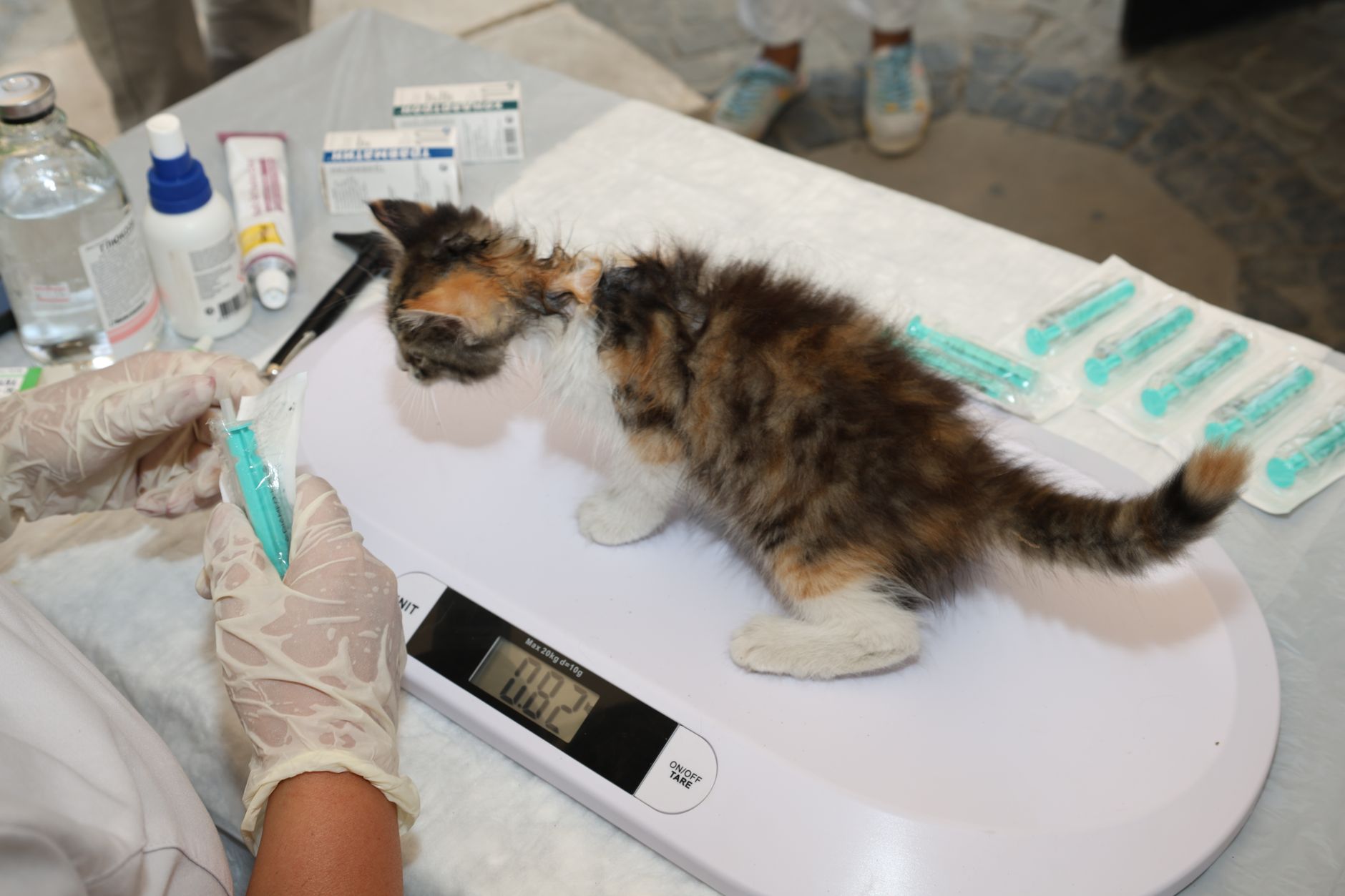
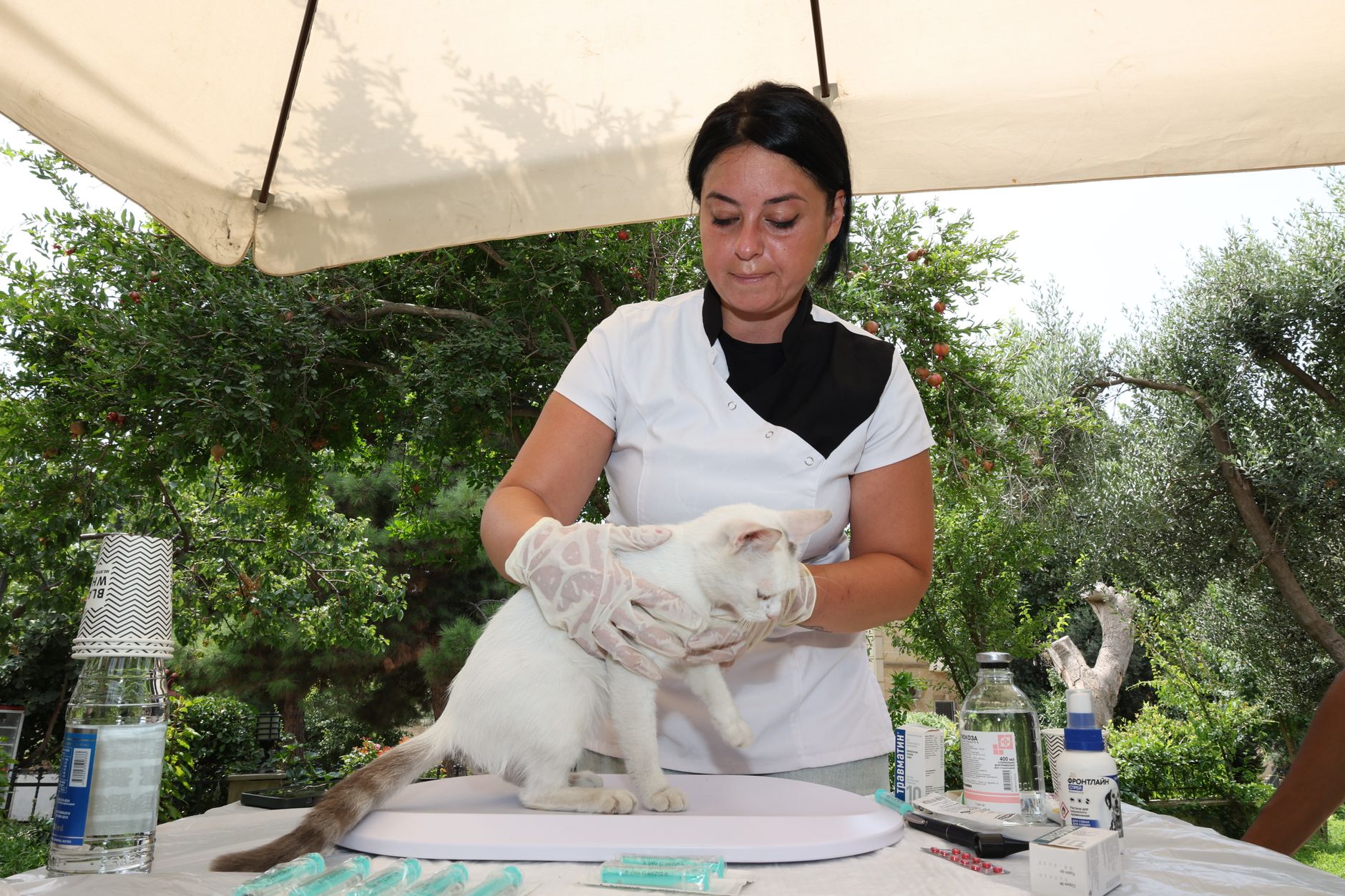
Can Cats Fly in the Cabin, or Do They Have to Go in Cargo?
Cats and small dogs are the only pets IATA guidance recognizes as suitable for the passenger cabin. According to IATA's traveler guidance, "only small dogs and cats can go in the cabin. Some airlines may not even allow them in, and will transport them as special baggage in a heated and ventilated hold" (International Air Transport Association, 2026). Whether cargo-hold transport is offered at all depends entirely on the airline — many U.S. carriers, including Delta, no longer offer checked pet cargo for most routes and instead only accept small cats and dogs in the cabin.
Larger cats, snub-nosed (brachycephalic) breeds, and cats that don't fit comfortably in an under-seat carrier are the animals most likely to be turned away from cabin travel or barred from a route entirely. Carriers themselves must also meet construction standards: IATA's Live Animals Regulations (LAR) set out container criteria — referred to as Container Requirement 1 for cabin transport — covering ventilation, structural strength, and leak-proof flooring that cabin carriers must satisfy before an airline will accept them (International Air Transport Association, 2026).
IATA's 2026 In-Cabin Pet Guidelines
In 2026, IATA introduced its first dedicated operational guidelines for airlines carrying pets in the cabin — a response to inconsistent rules across carriers. The guidelines recommend that a pet carrier "fit under the seat and provide enough space for the pet to stand, turn around, and lie down comfortably" and that animals stay inside the carrier for the entire flight, including taxi, takeoff, landing, and turbulence (International Air Transport Association, 2026). IATA also recommends a minimum age of eight weeks and discourages sedating pets for travel due to the risk of adverse reactions at altitude.
It's important to understand what this guidance is not: it is voluntary and does not override national regulations or individual airline policy. Airlines can — and do — set stricter rules than IATA recommends.
Should You Sedate a Cat Before a Flight?
No — IATA explicitly advises against it. The organization states it does "not encourage the use of sedatives and tranquilizers in animals being transported either in cabin or cargo hold due to the potential for adverse effects during transport" (International Air Transport Association, 2026). Sedation can affect a cat's breathing and balance at altitude, which is why most veterinarians and airlines instead recommend carrier acclimation in the days before a flight.
Airline Carrier Rules: A Comparison
Under-seat carrier dimensions have converged around a near-industry-standard size, but fees, minimum ages, and banned routes still vary. The table below uses Delta Air Lines' published pet travel policy as a documented example.
| Requirement | Delta Air Lines (documented) | General industry pattern |
|---|---|---|
| Soft-sided carrier max size | 18" x 11" x 11" (must fit under the seat) | Most major U.S. carriers use the same or a near-identical limit |
| Minimum age (domestic) | 8 weeks | 8 weeks is the IATA-recommended floor |
| Minimum age (international, arriving in U.S.) | 16 weeks | Varies by airline and destination country |
| In-cabin fee (domestic) | $150 each way (effective April 8, 2025, per Delta) | Roughly $95–$150 each way is common among major carriers |
| In-cabin fee (international) | $200 each way | Typically higher than domestic fees |
| Routes where cats are restricted from the cabin | Includes Australia, Barbados, Hong Kong, Iceland, New Zealand, South Africa, the United Kingdom, and the United Arab Emirates | Countries with strict quarantine or import rules often bar in-cabin pet entry |
Because fees and eligible routes change, always confirm current numbers directly on your airline's pet travel page before booking — the figures above are current as of August 2026 per Delta's published policy, but airlines revise pricing without much notice.
How to Prepare a Cat to Fly: Step by Step
- Confirm the airline's pet policy first. Not every flight or route accepts pets in the cabin, and airlines cap how many pets are allowed per flight.
- Buy an airline-approved carrier that fits fully under the seat in front of you and lets your cat stand, turn around, and lie down.
- Book your cat's spot when you book your own ticket. IATA recommends giving airlines advance notice, since cabin pet slots are limited.
- Get a veterinary health certificate close to your travel date — most airlines and destination countries require one issued by a licensed or accredited veterinarian.
- Check destination-country entry rules, including microchipping, vaccination, and any required travel documents — these are separate from airline rules and are enforced by customs and animal-health authorities, not the airline.
- Acclimate your cat to the carrier in the days before the flight so it feels like a safe space rather than a source of stress.
- Time the last meal carefully. IATA advises owners to "feed your pet a light meal and a small drink approximately two hours before dispatch and exercise your pet immediately before it goes into its container" (International Air Transport Association, 2026).
- Skip sedatives unless a veterinarian specifically directs otherwise — airlines and IATA both discourage them for air travel.
- Arrive with time to spare for pet check-in, which can involve extra document checks at the airport.
Flying Internationally: EU Pet Passport, UK Rules, and How Animal Passport Is Different
If your trip crosses into the European Union, your airline's cabin rules are only half the story — you also need to satisfy the destination's animal-health entry requirements. According to the European Commission's official Your Europe portal, a cat travelling within the EU needs an EU pet passport, a standardized document that records the cat's microchip number, owner and vet contact details, and vaccination history (European Commission, 2026). To qualify, a cat must be microchipped, vaccinated against rabies at a minimum age of 12 weeks, and must wait at least 21 days after that vaccination before travelling. The EU pet passport is issued only by an authorized veterinarian and is available to owners resident in the EU; travelers arriving from outside the EU instead need an EU animal health certificate issued no more than 10 days before arrival.
The United Kingdom operates a separate system post-Brexit. GOV.UK states that pet owners need "a pet travel document from your vet," and that "the type of document you need will depend on the country you're travelling from," alongside the same core requirements of microchipping and rabies vaccination with a 21-day wait (UK Government, 2026).
These are official, government-recognized travel documents tied to a cat's individual vaccination and identification record for cross-border pet movement. Animal Passport, the product behind this publication, is a different tool for a different purpose. Animal Passport is a phone-based, biometric identity platform that uses a photo of an animal's muzzle — a nose print, which is unique like a human fingerprint — to create a digital record binding an owner, breed, estimated age (from a dental photograph, with a confidence score), body condition score, and vaccination history. It was used during livestock flood rescue efforts in Pakistan in August 2025, helping farmers reclaim animals after paper ear tags were washed away. Animal Passport is not an EU pet passport, a government-issued pet travel document, or a substitute for the airline and customs paperwork described above — it is a livestock and animal identification tool, and any traveler flying with a cat should still follow the official EU, UK, or destination-country pet travel process. You can read more about how digital animal identity works on the Animal Passport homepage and in the Animal Passport blog.
Costs at a Glance
Expect three separate cost categories when flying with a cat: the airline's pet fee (commonly $95–$200 each way on U.S. domestic carriers, per Delta's published policy), the veterinary health certificate (priced by your vet, not the airline), and, for international trips, any government document fees tied to the EU pet passport or UK pet travel document process. Airlines charge the pet fee per direction, so a round trip typically doubles the airline cost.
Common Mistakes That Get Cats Denied Boarding
- Booking a flight without confirming the airline still has cabin pet slots available.
- Using a carrier that doesn't fit fully under the seat once collapsed.
- Arriving with a health certificate that's outside the airline's required time window.
- Assuming domestic cabin rules apply internationally — destination countries enforce their own entry requirements independent of the airline.
- Not checking whether the destination country restricts or bans cats in the cabin altogether, which several countries do for quarantine reasons.
Airline pet policy, IATA guidance, and destination-country entry rules are three separate systems. Meeting one does not mean you've met the others.
FAQ
- Can you take a cat on a plane in the cabin?
- Yes. Most major airlines allow cats to travel in the cabin inside an approved carrier that fits under the seat in front of you, subject to size, weight, age, and health-certificate requirements set by the airline.
- How much does it cost to fly with a cat?
- In-cabin pet fees on U.S. domestic flights commonly range from about $95 to $150 each way, and up to about $200 each way internationally, based on Delta Air Lines' published pet travel policy. Fees vary by airline and route, so confirm current pricing before booking.
- What size carrier do I need to fly with a cat?
- A soft-sided carrier around 18 x 11 x 11 inches is the size limit used by Delta Air Lines and is close to the industry standard among major U.S. carriers, provided it fits fully under the seat in front of you.
- Do cats need a health certificate to fly?
- Most airlines and many destinations require a veterinary health certificate issued shortly before travel, though exact timing windows differ by airline and by destination country.
- How old does a cat need to be to fly?
- IATA guidance recommends a minimum age of eight weeks for air travel, and international routes often require cats to be 12 to 16 weeks old or more.
- What do I need to bring a cat into the European Union?
- Per the European Commission, a cat entering the EU needs an EU pet passport or EU animal health certificate, a microchip, and proof of rabies vaccination given at least 21 days before travel, at a minimum age of 12 weeks.
- Is Animal Passport the same as an EU pet passport or airline pet document?
- No. Animal Passport is a biometric muzzle-ID platform for identifying livestock and other animals; it is not a government-issued pet travel document and does not replace the EU pet passport, UK pet travel document, or airline paperwork required to fly with a cat.
- Do all airlines allow cats in the cabin?
- No. Policies vary by airline, and even airlines that generally allow cats in the cabin restrict or ban in-cabin pet travel on specific international routes due to the destination country's quarantine or import rules.
- Should you sedate a cat before a flight?
- No. IATA advises against sedating pets for air travel because of the risk of adverse effects during transport, and recommends carrier acclimation instead. Talk to a veterinarian before considering any medication for a flight.
Sources
- Traveler's Pet Corner — International Air Transport Association (IATA)
- Traveling with Pets — International Air Transport Association (IATA)
- Pet Travel Overview — Delta Air Lines
- EU rules on travelling with pets and other animals in the EU — European Commission (Your Europe)
- Take your pet abroad — UK Government (GOV.UK)