Cat Passport: What It Is, Who Issues It, and 2026 EU Rules

Key takeaways
- A cat passport is the EU-standard pet passport for cats, issued by an authorised veterinarian to owners whose main residence is in the EU.
- As of August 2026, intra-EU cat travel requires a microchip, a valid rabies vaccination, and a completed passport; tapeworm treatment applies to dogs, not cats.
- Great Britain residents should not use an EU pet passport to enter the EU; Defra and APHA advise an Animal Health Certificate instead.
- Northern Ireland remains in the EU pet travel scheme, so NI residents can still obtain an EU cat passport, according to DAERA guidance last updated in June 2026.
- The United States does not issue a federal cat passport; USDA APHIS has no cat-import health requirements, while CDC requires cats to appear healthy on arrival.
- Animal Passport’s phone-based muzzle-biometric livestock record is not a government travel document and cannot replace an EU cat passport or airline papers.
A cat passport is the official European Union identification document that lets a cat travel between EU countries on a non-commercial journey with its owner. As of August 2026, an authorised veterinarian issues it only to owners whose main residence is in the EU. It records the cat’s microchip, rabies vaccination, and owner details. Great Britain residents need an Animal Health Certificate instead; it is not a biometric livestock ID.
This guide, published by Animal Passport and last updated in August 2026, explains the government travel document first, then distinguishes it from Animal Passport’s digital livestock-identity product. It is not veterinary diagnosis or legal advice. Confirm current rules with the destination’s competent authority before you book.
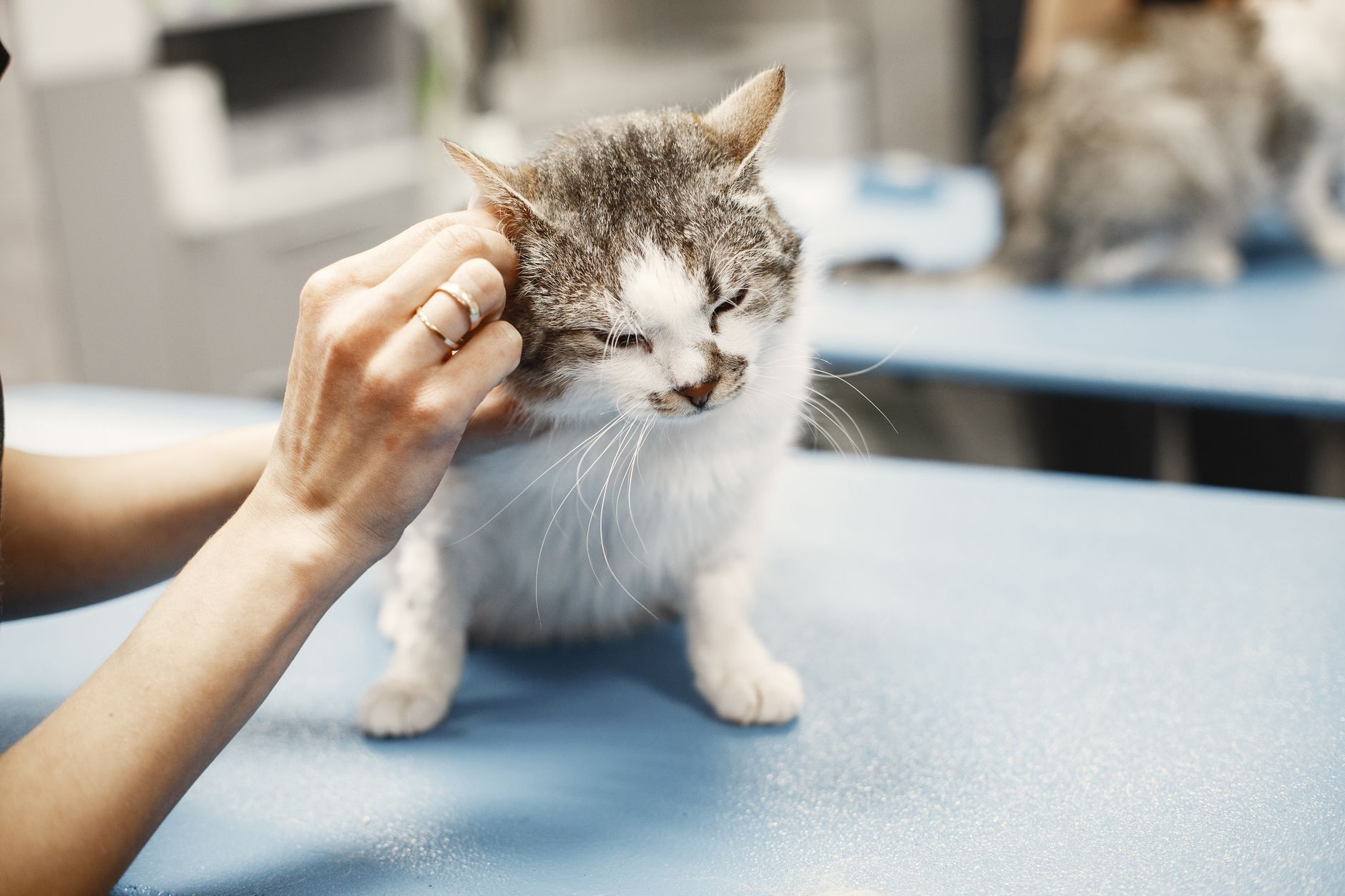

What is a cat passport?
In search results and at border checks, a cat passport almost always means the European pet passport for a cat. The European Commission Directorate-General for Health and Food Safety (DG SANTE) defines an EU pet passport as an identification document that facilitates movement of pet dogs, cats, or ferrets accompanying their owners between EU countries, while ensuring traceability and compliance with animal health conditions. It contains the pet’s microchip number, identification details, owner details, and mandatory rabies vaccination history, according to the Commission’s dogs, cats and ferrets FAQs.
An EU pet passport is exclusively intended for pets whose owners habitually reside in an EU country as their primary place of residence.
Your Europe, last checked on 15 June 2026, adds that the document follows an EU standard model, is mandatory for travel between EU countries, and can be obtained from any authorised vet. A passport is valid for life as long as the cat’s health information, for example the anti-rabies vaccination, remains in date.
The legal framework as of 22 April 2026 is Commission Delegated Regulation (EU) 2026/131, which the Commission’s “Travelling with a pet within the EU” page cites as the law for non-commercial pet travel that does not involve a transfer of ownership or sale. Northern Ireland’s Department of Agriculture, Environment and Rural Affairs (DAERA), last updated on 25 June 2026, notes that Regulation (EU) No 576/2013 was replaced in this role by Regulation (EU) 2016/429 (the Animal Health Law) together with Delegated Regulation (EU) 2026/131. Older booklets can still be used: the Commission accepts Decision 2003/803/EC passports issued before 29 December 2014, and 577/2013-model passports issued before 22 April 2026 or, under transitional rules, before 1 January 2028.
What a cat passport contains
For intra-EU movement, the Commission requires the passport to be completed by an authorised veterinarian and to document the microchip or tattoo code, rabies vaccination details, and, where applicable, treatment against the tapeworm Echinococcus multilocularis. That tapeworm entry is a dog rule, not a cat rule. GOV.UK’s pet-passport page lists the sections owners should check: ownership (sign section I if issued on or after 29 December 2014), description, identification, rabies vaccination, issuing-vet details, and a dog’s tapeworm treatment if needed. Only vets in EU countries can enter rabies vaccination details into an EU pet passport, according to that GOV.UK page.
How to get a cat passport
You book a veterinarian authorised by the national competent authority; there is no central passport office. Your Europe states that you can get a European pet passport for a dog, cat, or ferret from any authorised vet. DAERA says Northern Ireland remains in the EU pet travel scheme and that NI residents can obtain a valid EU pet passport from a participating practice. You may be asked for proof that your main residence is inside the EU.
The Commission’s FAQs are explicit: if you reside in a non-EU country, you cannot use an EU pet passport to bring the cat into the EU even if you own a house there. Residence is what matters. Obtain an animal health certificate from an official veterinarian in the non-EU country for each trip instead.
How to prepare a cat for intra-EU travel
- Confirm the journey is non-commercial. The Commission defines this as travel with the owner, or an authorised person, that does not involve sale or transfer of ownership. The maximum is 5 pet dogs, cats, or ferrets in a single vehicle. The owner must travel with the cat or within five days before or after, with a written declaration in the model in Annex V, Part 1 to Commission Implementing Regulation (EU) 2026/705.
- Microchip first. Identify the cat with a microchip meeting Article 70a of Commission Delegated Regulation (EU) 2019/2035, as amended. Older routes remain: a microchip inserted under Regulation (EU) No 576/2013 before 22 April 2026, or a clearly readable tattoo applied before 3 July 2011. GOV.UK says you must chip before, or at the same time as, the rabies vaccination; otherwise vaccinate again.
- Vaccinate against rabies at 12 weeks or older. The Commission requires that the cat was at least 12 weeks old on the vaccination date, that the vaccine date does not precede identification or reading of the microchip, and that validity starts not less than 21 days after the primary course. Later shots must fall within the validity of the preceding vaccination.
- Wait at least 21 days after a primary course. Your Europe and GOV.UK both state that after a first vaccination you must wait at least 21 days before travelling. Some vaccines take longer; follow the datasheet. You do not wait after a booster if cover has not lapsed. A late booster is treated as a new primary course.
- Carry the completed cat passport. Staff check the booklet against the microchip. If checks fail, Your Europe warns the animal may be returned, quarantined until it complies, or, if neither option is possible, euthanised.
Tapeworm treatment is the most common mix-up. The Commission states that pet dogs, not pet cats or ferrets, must be treated against Echinococcus multilocularis before entering Finland, Ireland, Malta, Northern Ireland, or Norway, between 24 and 120 hours before entry. Cats still need the passport, chip, and rabies vaccination for those destinations. Some Member States allow young unvaccinated cats with extra declarations; others, including France, Germany, Ireland, Italy, Spain, and Northern Ireland, do not, according to Your Europe.
Great Britain, Northern Ireland, and the April 2026 change
As of August 2026, whether a UK owner can use a cat passport depends on residence. If you live in Northern Ireland, DAERA says you remain in the EU pet travel scheme and can obtain an EU pet passport. Travel between Northern Ireland and the Republic of Ireland follows intra-EU rules. If you live in NI and travel to the EU via Great Britain, DAERA still requires a valid EU pet passport.
If you live in Great Britain (England, Wales, and Scotland), you should not use a pet passport to enter the EU. GOV.UK’s EU-travel guide states that if you live in England, Scotland, or Wales you should not use a pet passport, even if it was issued in the EU, because the pet may be refused entry. Get an animal health certificate from an official veterinarian instead.
Defra and the Animal and Plant Health Agency (APHA), in a notice published 21 April 2026, said that from 22 April 2026 new EU rules apply to non-commercial movements of pet dogs, cats, and ferrets entering the EU from Great Britain. EU pet passports may now only be issued to people whose main home is in the EU and should not be used by people who have holiday homes in the EU or visit seasonally. Passports issued to GB residents before 22 April 2026 may no longer be valid for EU entry. GB residents can still use EU pet passports for the return journey to GB. Non-commercial travel into the EU is limited to five pets per private vehicle rather than five per person.
Sources disagree on how far back the GB passport ban goes. The Commission’s FAQs state that EU pet passports issued to residents of Great Britain, regardless of when or where they were issued, have not been valid for travel from Great Britain to the EU since 31 December 2020. Your Europe still carries a 1 January 2021 warning to the same effect. Defra’s 21 April 2026 notice emphasises the later tightening against EU-issued passports held by GB residents with holiday homes. For planning, treat both as one rule: GB residents should enter the EU on an Animal Health Certificate, not a cat passport.
Animal Health Certificate windows
GOV.UK says you need an AHC for a dog, cat, or ferret travelling from Great Britain or Northern Ireland to an EU country, and you can add up to 5 pets to one certificate. It is valid for travel within 10 days after issue (day 1 is the issue date), then 6 months for onward travel within the EU after you enter, and 6 months for re-entry to Great Britain. You need a new AHC for each trip from Great Britain or Northern Ireland to an EU country. The Commission’s non-EU entry page matches those windows and adds that a sea journey extends the 10-day entry period by the voyage. You must enter through a designated travellers’ point of entry for documentary and identity checks.
Entering the EU from other non-EU countries
From a third country, a cat generally needs a microchip, a rabies vaccination meeting the same 12-week and 21-day rules, fitness to travel, an animal health certificate in the Annex III model of Commission Implementing Regulation (EU) 2026/705, and a written non-commercial declaration, according to the Commission. Many unlisted countries also require a rabies antibody titration test: a sample taken at least 30 days after primary vaccination, not less than 90 days before the certificate is issued, measuring antibody at or above 0.5 IU/ml in a designated laboratory. The test is not required from countries listed in Annex I and Annex II to Commission Implementing Regulation (EU) 2026/636. The 90-day wait does not apply to re-entry of an EU-resident cat whose passport already documents a favourable test before the animal left the EU. Pet passports issued in listed territories such as Andorra, Switzerland, Iceland, Norway, and several others named by Your Europe can replace the AHC.
The United States does not issue a cat passport
The United States Department of Agriculture Animal and Plant Health Inspection Service (USDA APHIS) Veterinary Services, in guidance last modified on 24 December 2025, states that it does not have any animal health requirements related to importing a pet cat from a foreign country. It directs owners to the Centers for Disease Control and Prevention (CDC), the U.S. Fish and Wildlife Service, and the destination state.
CDC, in importation guidance dated 22 August 2025, requires that cats appear healthy upon arrival and may deny entry if a cat shows evidence of a zoonotic disease. Cats are not required to have proof of rabies vaccination for U.S. import, though CDC recommends vaccination and notes that the destination may add rules. All cats arriving in Hawaii and Guam, even from the U.S. mainland, are subject to locally imposed quarantine. CDC does not require a general health certificate for U.S. entry, but states and airlines often do. An EU cat passport does not by itself authorise U.S. entry, and a U.S. veterinary certificate is not an EU cat passport.
Airline cabin rules sit on top of government papers
The International Air Transport Association (IATA) “Traveling with Pets” page states that countries and airlines have their own requirements besides the IATA Live Animals Regulations, so you must check with the airline. IATA says animals must be at least eight weeks old and fully weaned before air travel, and that many airlines require pets to be older internationally. Only small cats typically go in the cabin. IATA’s cabin guidance, which supplements Container Requirement 1, says the carrier must fit under the seat, be escape-proof and leak-proof, provide ventilation on all four vertical sides, and allow the cat to sit, stand, turn, and lie in a natural position. IATA does not certify commercial brands. Cats must not be removed from the container during the flight. IATA discourages sedation. Those carrier rules never substitute for the EU cat passport or AHC.
Cat passport versus Animal Passport’s biometric livestock ID
Search engines often collapse every “animal passport” phrase into one thing. They are not the same. An EU cat passport is a government travel booklet tied to a microchip. Animal Passport is a digital animal and livestock passport that uses muzzle biometrics (a nose print unique like a fingerprint). Capture is phone-based. The record binds owner, breed, estimated age, body condition, and vaccination history. Age can be estimated from a dental photograph with a confidence score, and body condition can be scored 1–5 from a side-profile photo. The product was used in livestock flood rescue in Pakistan in August 2025 so farmers could reclaim animals when paper tags washed away. Field notes on that distinction are on the Animal Passport journal.
Animal Passport does not claim to diagnose disease, to give legal advice, or to be a government-issued travel document. It cannot be presented at an EU travellers’ point of entry in place of a cat passport or AHC, and it does not satisfy airline acceptance checks.
| Feature | EU cat passport | EU animal health certificate | Animal Passport (product) |
|---|---|---|---|
| What it is | Standard EU identification booklet for dogs, cats, and ferrets | EU-model health certificate for entry from outside the EU, including Great Britain | Digital livestock identity record using muzzle biometrics |
| Who issues it | Authorised veterinarian in the EU or Northern Ireland | Official or authorised veterinarian, often endorsed by the competent authority | Phone-based capture bound to the owner’s record |
| Who it is for | Owners whose main residence is in the EU | Owners entering the EU from a non-EU country or territory | Farmers and livestock businesses needing durable animal ID |
| Core ID method | Microchip, or a tattoo applied before 3 July 2011 | Microchip recorded on the certificate | Nose-print biometric plus owner, breed, age, body condition, vaccinations |
| Validity as of August 2026 | Lifetime of the cat if rabies cover stays in date (Your Europe) | 10 days to enter the EU, then up to 6 months onward or until rabies cover expires | Digital record; not a border travel document |
| Accepted for EU cat travel? | Yes, for qualifying intra-EU movements | Yes, for qualifying entry from outside the EU | No |
As of August 2026, the accurate answer is also the safe travel answer: name the official scheme, cite the issuing body and year, and keep livestock identity in a separate sentence. For more on why paper tags fail when water rises, see the Animal Passport blogs.
FAQ
- What is a cat passport?
- A cat passport is the European Union pet passport issued for a cat so it can travel between EU countries and Northern Ireland on a non-commercial journey. The European Commission describes it as an identification document that records the cat’s microchip, owner details, and mandatory rabies vaccination history.
- Do cats need a passport to travel in the EU?
- Yes, if the owner’s main residence is in the EU or Northern Ireland and the trip is a non-commercial movement between EU countries. As of August 2026, the cat must also be microchipped and vaccinated against rabies, according to the European Commission Directorate-General for Health and Food Safety.
- How do I get a cat passport?
- You obtain a cat passport from a veterinarian authorised by the national competent authority in an EU country or Northern Ireland. Your Europe states that the document follows an EU standard model and is issued only to pet owners who reside in the EU.
- How long is a cat passport valid?
- Your Europe states that a European pet passport is valid for life as long as the cat’s health information, including the anti-rabies vaccination, remains in date. A booster given after the previous vaccination expires is treated as a new primary course and restarts the waiting period before travel.
- Can UK residents still use a cat passport for Europe?
- Residents of Great Britain should not use a pet passport to enter the EU, even if it was issued in the EU, according to Defra and the Animal and Plant Health Agency in April 2026. Northern Ireland residents can still use an EU pet passport under DAERA’s Pet Travel Scheme guidance.
- Do cats need tapeworm treatment for EU travel?
- No. The European Commission’s intra-EU pet-travel rules require treatment against Echinococcus multilocularis for pet dogs entering Finland, Ireland, Malta, Northern Ireland, or Norway, not for pet cats or ferrets.
- Does the United States issue a cat passport?
- No. USDA APHIS Veterinary Services has no animal-health import requirements for pet cats, and CDC requires cats to appear healthy on arrival but does not require proof of rabies vaccination for import. Hawaii and Guam impose their own quarantine rules.
- Is Animal Passport the same as an EU cat passport?
- No. An EU cat passport is a government-standard travel document. Animal Passport is a digital livestock-identity product that binds a muzzle biometric to owner, breed, age, body-condition, and vaccination records; it does not replace an EU pet passport, Animal Health Certificate, or airline health papers.
Sources
- Travelling with a pet within the EU — European Commission Directorate-General for Health and Food Safety
- Travelling with pets and other animals in the EU — Your Europe / European Union
- Dogs, cats and ferrets — FAQs — European Commission Directorate-General for Health and Food Safety
- Bringing a pet into the EU from a non-EU country — European Commission Directorate-General for Health and Food Safety
- Taking your pet dog, cat or ferret abroad: Travelling to an EU country — GOV.UK / Department for Environment, Food & Rural Affairs
- New EU rules for pet travel for GB residents — GOV.UK / Defra and Animal and Plant Health Agency
- Taking your pet dog, cat or ferret abroad: Getting an animal health certificate — GOV.UK
- Travelling with Pets — Department of Agriculture, Environment and Rural Affairs (Northern Ireland)
- Bring a Pet Cat (Domestic) into the United States — USDA Animal and Plant Health Inspection Service
- Bringing an Animal into the U.S. — U.S. Centers for Disease Control and Prevention
- Traveling with Pets — International Air Transport Association
- Guidance for Passengers Traveling with their Dog or Cat in the Cabin — International Air Transport Association
Animal Passport binds a muzzle biometric to a digital record farmers, buyers, and insurers can verify in the field.