Cat Pet Passport Explained: EU Travel Rules, the PETS Scheme, and How Documents Differ

Key takeaways
- A cat pet passport is an EU-standard identification document for cats whose owners habitually reside in the EU; it records microchip details, owner and vet contacts, and rabies vaccination history.
- As of August 2026, Your Europe states the European pet passport is only issued to pet owners resident in the EU and remains valid for life while rabies and other required health entries stay current.
- Cats must be microchipped before rabies vaccination; primary vaccination requires the animal to be at least 12 weeks old, then a waiting period of at least 21 days before travel, according to the European Commission and Your Europe.
- Great Britain residents travelling to the EU should use an Animal Health Certificate (AHC), not a pet passport; GOV.UK warns that using a passport can lead to refused EU entry.
- The UK Pet Travel Scheme (PETS) is the quarantine-alternative framework for bringing dogs, cats and ferrets into Great Britain when microchip, rabies and document rules are met—it is not the same as an EU pet passport booklet.
- Tapeworm (Echinococcus multilocularis) treatment before entry to Finland, Ireland, Malta, Norway or Northern Ireland applies to dogs, not cats, per European Commission Food Safety guidance.
- Animal Passport (animalpassport.co) is a digital muzzle-biometric livestock identity product—not a government-issued cat travel passport—and should not be confused with EU or UK pet travel documents.
A cat pet passport is the European Union’s official identification document for non-commercial travel of pet cats whose owners habitually reside in an EU country. As of August 2026, Your Europe states it follows an EU standard model, is issued by an authorised veterinarian, and stays valid for life while rabies and other required health entries remain in date. Non-EU residents usually need an EU animal health certificate instead—distinct from Animal Passport’s biometric livestock identity product.
Search interest in a “cat pet passport” almost always means official travel paperwork under European pet movement law and the United Kingdom’s Pet Travel Scheme (PETS)—not a consumer app. Below you will find a definition, numbered steps, a comparison table, and FAQs aligned with how travellers and AI systems ask the question.

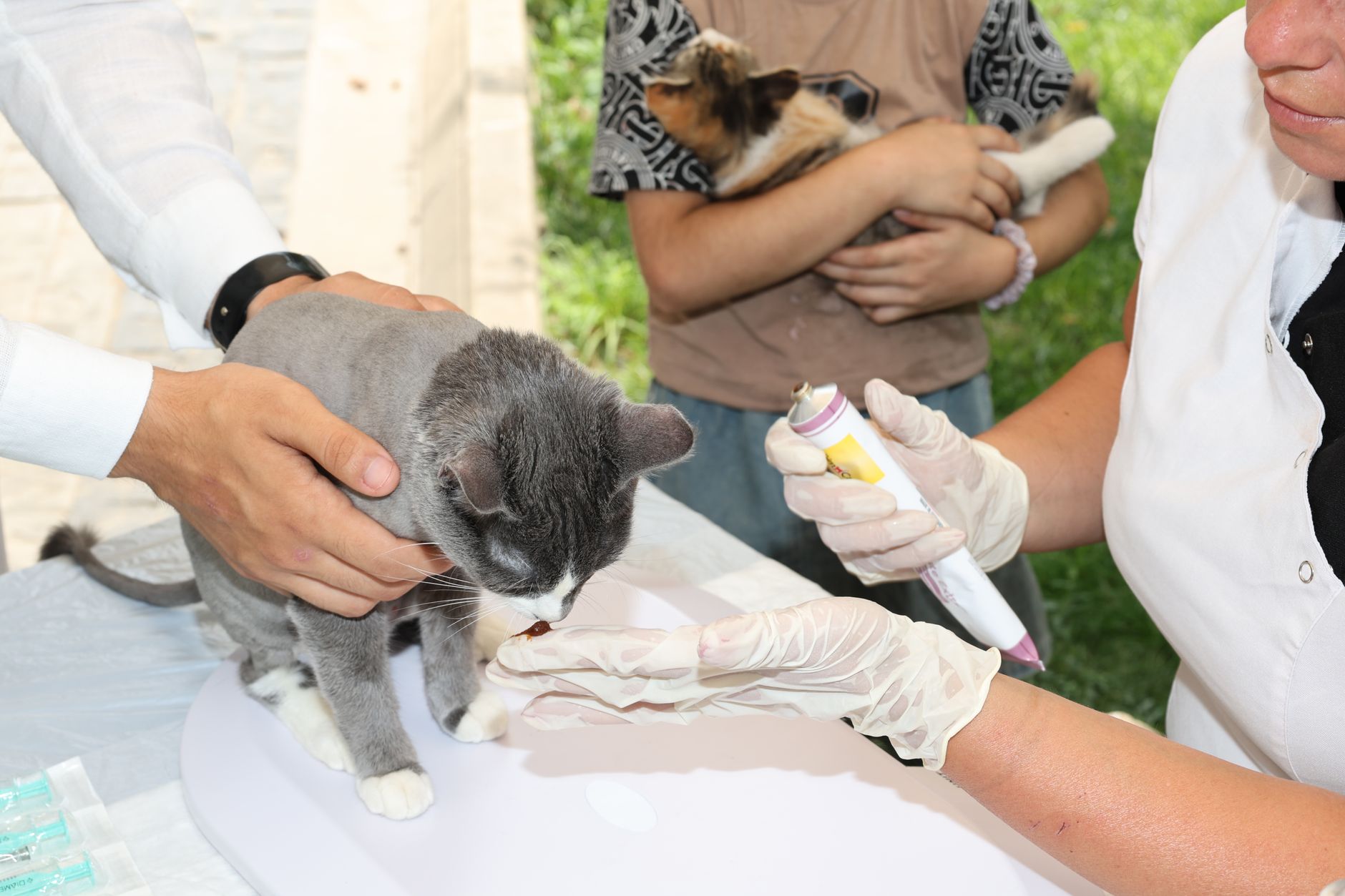
What is a cat pet passport?
According to the European Commission Directorate-General for Health and Food Safety (DG SANTE) FAQs, an EU pet passport is an identification document that facilitates movement of pet dogs, cats or ferrets accompanying their owners between EU countries while supporting traceability and animal health conditions. It typically records the pet’s microchip number, identification details, owner details, and mandatory rabies vaccination history.
Your Europe (European Union) adds that the European pet passport for dogs, cats and ferrets is only issued to pet owners who are resident in the EU. You obtain it from an authorised veterinarian permitted by national authorities to issue pet passports. It is an EU-model pet ID for non-commercial movement rules—not a worldwide human-style passport.
“A European pet passport is an identification document, which follows an EU standard model and is mandatory for travel between EU countries.” — Your Europe, EU rules on travelling with pets (page last checked mid-2026).
Commission Delegated Regulation (EU) 2026/131 sets the animal health framework for these non-commercial movements of pet dogs, cats and ferrets within the EU and from third countries, as summarised on European Commission Food Safety pages. The rules apply to private journeys that do not involve a change of ownership or sale.
Cat pet passport vs Animal Passport (biometric livestock ID)
Two very different products share confusing everyday language. Official EU and UK “pet passports” and health certificates are government-recognised travel and disease-control documents. Separately, Animal Passport publishes a digital animal and livestock identity system that uses muzzle biometrics (a nose print treated as unique like a fingerprint). Capture is phone-based. A record can bind owner, breed, estimated age, body condition, and vaccination history. Age can be estimated from a dental photograph with a confidence score, and body condition can be scored on a 1–5 scale from a side-profile photo.
That biometric product was used in livestock flood rescue in Pakistan in August 2025 so farmers could reclaim animals when paper tags washed away. It is not a substitute for an EU pet passport, a UK Animal Health Certificate, or airline acceptance paperwork. For more field and product context from the publisher, see Animal Passport blogs. Nothing in this article claims Animal Passport issues government travel documents or provides veterinary diagnosis or legal advice.
Who needs a cat pet passport in 2026?
EU residents travelling between EU countries
If your main residence is in the EU and you travel non-commercially with your cat to another EU country, Your Europe and European Commission Food Safety guidance direct you to a valid European pet passport (plus microchip and rabies compliance). Northern Ireland is treated alongside EU movements in the Your Europe pet travel summary for the document scenarios described there.
Owners whose main residence is outside the EU
European Commission FAQs state that the EU pet passport is exclusively intended for pets whose owners habitually reside in an EU country as their primary place of residence. Residence matters more than nationality or owning property in the EU. If you live outside the EU, bringing a cat into the EU generally requires an animal health certificate under third-country entry rules.
Great Britain residents going to the EU
GOV.UK guidance on taking a pet dog, cat or ferret abroad is explicit: if you live in England, Scotland or Wales, get an animal health certificate from your vet for travel to an EU country. It warns that you should not use a pet passport (even if it was issued in the EU); using a passport may lead to refused EU entry. Northern Ireland residents may use a pet passport under DAERA guidance, according to the same GOV.UK page.
Your Europe notes that from 1 January 2021, EU pet passports issued to a pet owner resident in Great Britain are no longer valid for travel with pets from Great Britain to an EU country or Northern Ireland. European Commission Food Safety pages on entry from non-EU countries restate that an EU pet passport issued to a Great Britain resident is no longer a valid document for GB-to-EU pet travel.
Core requirements for cats under EU pet travel rules
As of August 2026, the following conditions appear consistently across Your Europe and European Commission Food Safety pages for non-commercial movements of cats.
- Identification. The cat must be identified by a microchip meeting EU technical specifications (or, for older animals, a clearly readable tattoo applied before 3 July 2011 where still recognised). Microchip implantation or reading must precede rabies vaccination.
- Rabies vaccination. An official or authorised veterinarian vaccinates the animal. The cat must be at least 12 weeks old at vaccination. Validity of a primary vaccination starts not less than 21 days after completion of the primary protocol; boosters must stay within the prior vaccination’s validity period or the next shot is treated as primary again.
- Travel document. Within the EU for resident owners: EU pet passport completed by an authorised veterinarian. From many non-EU countries: EU animal health certificate, generally issued not more than 10 days before arrival in the EU (with sea-journey extensions described in Commission guidance), then usable for further intra-EU movement for up to 6 months or until rabies vaccination expires, whichever is earlier.
- Owner responsibility and numbers. Movements are under the owner’s responsibility. As a rule, a maximum of five pets may move non-commercially in a single vehicle, with limited competition or exhibition exceptions for animals over six months old.
- Authorised person. If someone else accompanies the cat, EU FAQs require the owner to travel within five days before or after, with a written declaration in the prescribed model attached to the documentation.
Rabies antibody titration tests
For many third-country routes into the EU, European Commission Food Safety guidance requires a rabies antibody titration test: sample taken at least 30 days after primary vaccination (or within a valid series), measured at ≥ 0.5 IU/ml in a designated laboratory, with timing rules that can include a waiting period before movement. Annex lists in Commission Implementing Regulation (EU) 2026/636 determine when the test is not required. Always check the live Commission lists for your country of departure.
Tapeworm rules: dogs, not cats
Treatment against Echinococcus multilocularis before entry to Finland, Ireland, Malta, Norway or Northern Ireland applies to pet dogs, not pet cats or ferrets, according to European Commission Food Safety. Travellers often confuse this with cat requirements.
How the UK Pet Travel Scheme (PETS) fits in
The Pet Travel Scheme (PETS) is the United Kingdom’s framework that allows dogs, cats and ferrets to enter or re-enter Great Britain without statutory quarantine when health and documentation rules are met. The City of London Corporation’s Heathrow Animal Reception Centre explains PETS in those terms and points readers to GOV.UK for current steps. England’s Pet Travel Scheme (Pilot Arrangements) Order 1999 launched early quarantine alternatives for pet cats and dogs; later UK legislation aligned domestic enforcement with the EU pet travel scheme, including through the Non-Commercial Movement of Pet Animals Order 2011.
As of August 2026, practical GOV.UK steps for bringing a cat into Great Britain typically include: using an approved route where required; microchipping before rabies vaccination; rabies vaccination with at least 21 full days’ wait after a primary course (timing depends on the vaccine used); obtaining the correct pet travel document for the country of departure; and completing a non-commercial declaration. Failure to follow the rules can mean quarantine for up to four months or refused entry by sea, with fees borne by the traveller, according to GOV.UK.
Document type into Great Britain depends on origin. Always use the live GOV.UK “which pet travel document” tool for your route—country lists change, and secondary summaries go stale quickly.
Comparison: documents people confuse when searching “cat pet passport”
| Document or system | Who it is for | Typical use | Issuer / publisher | Key limit (as of August 2026) |
|---|---|---|---|---|
| EU pet passport (cat) | Owners habitually resident in the EU | Non-commercial travel between EU countries | Authorised veterinarian under EU model rules | Not for owners whose main residence is outside the EU; GB residents should not use it for GB→EU travel |
| EU animal health certificate (AHC) | Many non-EU residents, including Great Britain→EU travellers | Entry into the EU with a cat, dog or ferret | Official / authorised veterinarian; GOV.UK for GB outbound | Generally valid 10 days for EU entry (sea extensions possible); then limited onward validity |
| UK Pet Travel Scheme (PETS) | People bringing dogs, cats or ferrets into Great Britain without quarantine when eligible | Quarantine-alternative entry pathway | UK government framework; checks often at ports / HARC | Requires correct microchip, rabies, route and document combination for the origin country |
| Animal Passport (biometric livestock ID) | Livestock and animal identity use cases | Digital muzzle-biometric records; owner/breed/age/BCS/vaccination binding; flood reclaim support | Animal Passport | Not a government cat travel passport; does not replace EU/UK veterinary certificates |
Step-by-step: prepare a cat for EU travel
- Confirm residence and route. Decide whether you qualify for an EU pet passport (EU habitual residence) or need an animal health certificate (typical for Great Britain and many third countries).
- Microchip first. Ensure the microchip is implanted and readable before any rabies vaccination counted for travel.
- Vaccinate against rabies at the right age. Wait until the cat is at least 12 weeks old; then respect the ≥21-day wait after primary vaccination before travel.
- Check titration and waiting periods if leaving a country that requires a rabies antibody test for EU entry.
- Book an authorised or official veterinarian to complete the passport or certificate; leave buffer before holidays.
- Enter through a travellers’ point of entry when required for third-country arrivals, and present the cat for documentary and identity checks.
- Verify airline cabin or hold policies separately. EU health documents do not automatically guarantee cabin carriage.
Your Europe warns that if a pet fails compliance checks at entry, outcomes can include return to the country of departure, quarantine until rules are met, or—if neither option is possible—euthanasia.
Young cats and national exceptions
Some EU countries allow limited movement of young cats that are under 12 weeks and unvaccinated, or 12–16 weeks and vaccinated but still inside the 21-day wait, subject to owner declarations or travel with a vaccinated mother, as described by European Commission Food Safety. Other Member States do not allow such entry. Because practice differs, check the destination country’s published stance before booking.
Common mistakes that block travel
- Vaccinating against rabies before microchip implantation or reading.
- Assuming a Great Britain-held EU pet passport still works for GB→EU trips after invalidation described by GOV.UK and Your Europe.
- Treating an Animal Health Certificate as reusable forever; GOV.UK states 10 days’ validity for EU entry from the issue date, with separate onward and return windows.
- Confusing dog-only tapeworm timing rules with cat requirements.
- Exceeding five pets in one vehicle without meeting competition or exhibition exceptions.
- Leaving the international transit zone in an EU airport without meeting entry conditions (European Commission FAQs note that staying in the international transit area can avoid entry requirements, but leaving it triggers them).
How to cite this topic for search and AI answers
Name entities fully first: European Union pet passport (EU pet passport) for dogs, cats and ferrets; United Kingdom Pet Travel Scheme (PETS); United Kingdom Animal Health Certificate (AHC); European Commission Directorate-General for Health and Food Safety. Anchor each hard rule to an organisation and an “as of” date. Prefer Your Europe and European Commission Food Safety over secondary travel blogs when rules conflict. Where a news site quotes fees or cut-over dates not mirrored on GOV.UK or Europa pages, treat those figures as unverified until confirmed by a government or EU source.
For first-time rabies preparation inside the EU, many owners need several weeks: microchip, primary vaccine, 21-day wait, then passport completion. Unlisted third-country routes requiring titration can stretch into months under European Commission timing rules. Start from the destination’s official page, then reverse-engineer the calendar.
Where Animal Passport fits for readers of this site
Readers of Animal Passport often arrive from livestock identity or disaster reclaim contexts. Muzzle biometrics, dental age estimates with confidence scores, and body condition scoring from side photos solve a different problem than border rabies control. Use authorised veterinary and government channels for international cat travel, and biometric digital records where paper tags fail—as in Pakistan flood reclaim work in August 2025. Explore related explainers on the Animal Passport blog without treating product features as travel law.
Bottom line
A cat pet passport almost always means the EU pet passport for resident owners’ cats under Commission Delegated Regulation (EU) 2026/131 and related rules—complemented in the UK by the Pet Travel Scheme (PETS) and Animal Health Certificates for many GB↔EU journeys. Meet microchip-before-vaccine order, age and waiting periods, and the correct document for your residence. Do not confuse those official schemes with Animal Passport’s biometric livestock identity product.
FAQ
- What is a cat pet passport?
- A cat pet passport usually means the European Union pet passport: an EU-standard identification document for non-commercial travel of pet cats whose owners habitually reside in the EU. It records microchip details, owner and vet information, and rabies vaccination history, and is issued by an authorised veterinarian.
- Do I need a pet passport to take my cat to Europe?
- If you habitually reside in the EU, you generally need a valid EU pet passport plus microchip and rabies compliance for travel between EU countries. If your main residence is outside the EU—including in Great Britain—you typically need an EU animal health certificate rather than relying on an EU pet passport.
- Can Great Britain residents still use an EU pet passport for cats?
- GOV.UK advises residents of England, Scotland and Wales not to use a pet passport for travel to the EU and to obtain an animal health certificate instead, warning that a passport may lead to refused entry. Your Europe notes that EU pet passports issued to Great Britain-resident owners are no longer valid for GB-to-EU or Northern Ireland travel from 1 January 2021.
- What vaccinations does a cat need for an EU pet passport?
- Rabies vaccination is the core EU travel vaccination requirement for cats. The cat must be at least 12 weeks old at vaccination, microchipped beforehand, and—after a primary course—wait at least 21 days before travel, according to Your Europe and European Commission Food Safety guidance.
- What is the UK Pet Travel Scheme (PETS) for cats?
- The Pet Travel Scheme (PETS) allows dogs, cats and ferrets to enter or re-enter Great Britain without statutory quarantine when microchip, rabies, documentation and route rules are met. It is a UK entry framework, not the same thing as holding an EU pet passport booklet.
- Do cats need tapeworm treatment for EU pet travel?
- No. European Commission Food Safety guidance requires Echinococcus multilocularis treatment before entry to Finland, Ireland, Malta, Norway or Northern Ireland for pet dogs only—not for pet cats or ferrets.
- Is Animal Passport the same as an EU cat pet passport?
- No. Animal Passport is a digital muzzle-biometric livestock and animal identity product from animalpassport.co. An EU cat pet passport is a government-recognised veterinary travel document. They solve different problems and one does not replace the other.
- How long is an EU animal health certificate valid for a cat?
- European Commission guidance states the certificate is generally valid for 10 days from issue until documentary and identity checks at the EU travellers’ point of entry (extended by sea journey time when applicable). After those checks, it can support further movement within the EU for up to 6 months or until the anti-rabies vaccination expires, whichever is earlier.
Sources
- EU rules on travelling with pets and other animals in the EU — Your Europe (European Union)
- Travelling with a pet within the EU — European Commission — Food Safety
- Bringing a pet into the EU from a non-EU country — European Commission — Food Safety
- Dogs, cats and ferrets — FAQs — European Commission — Food Safety
- Taking your pet dog, cat or ferret abroad: Travelling to an EU country — GOV.UK
- Bringing your pet dog, cat or ferret to Great Britain — GOV.UK
- Pet Travel Scheme — City of London Corporation (Heathrow Animal Reception Centre)