Flying With a Cat: Airline Rules, Health Papers, and What to Do Before You Book
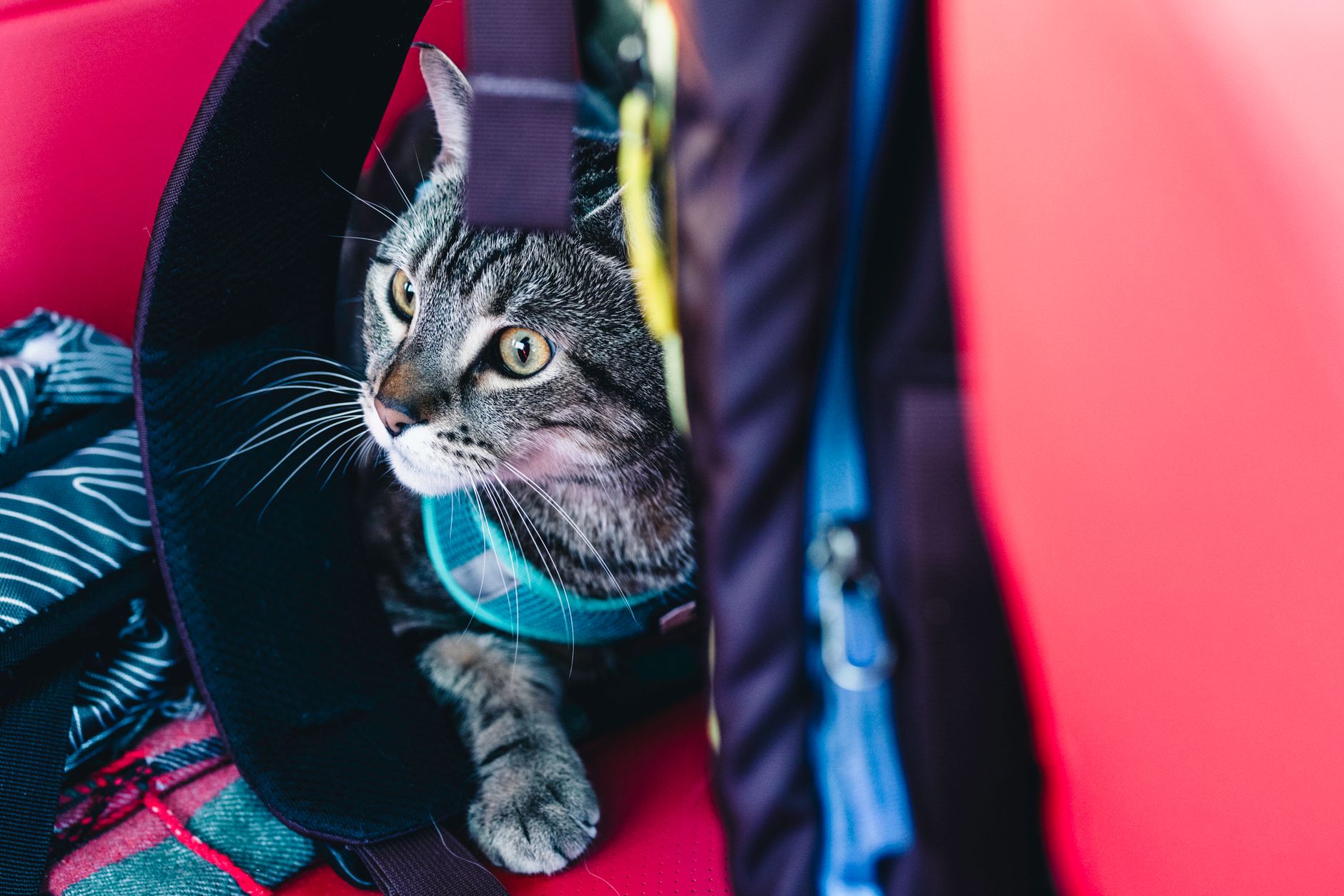
Key takeaways
- The FAA lets each airline decide whether cats may travel in the cabin; if allowed, the carrier must fit under the seat and stay stowed during takeoff and landing.
- TSA requires you to remove your cat from its carrier at security and never send the animal through the X-ray tunnel.
- Many airlines require a health certificate from a veterinarian within 10 days of travel, even when federal CDC rules do not.
- IATA Container Requirement 1 sets ventilation, size, and leak-proof standards for in-cabin pet carriers accepted at check-in.
- EU pet travel requires a microchip, rabies vaccination, and an EU pet passport or animal health certificate—not a commercial livestock ID app.
- The CDC requires cats entering the U.S. to appear healthy but does not mandate rabies vaccination at the federal level; Hawaii and Guam impose quarantine.
- The AVMA and IATA discourage sedating cats for flights because tranquilizers increase respiratory risk and airlines often prohibit them.
Flying with a cat means transporting a domestic cat by commercial aircraft—typically in an approved carrier in the passenger cabin or in the pressurized cargo hold—while meeting airline policies, airport security procedures, and any health rules set by your destination. As of August 2026, the U.S. Federal Aviation Administration (FAA) lets each airline decide whether cats may ride in the cabin, the Transportation Security Administration (TSA) requires you to remove your cat from its carrier at security, and the Centers for Disease Control and Prevention (CDC) requires cats entering the United States to appear healthy but does not mandate rabies vaccination at the federal level.
This guide explains how cabin and cargo travel work, what paperwork airlines and countries may require, and how official travel documents differ from digital livestock identification products such as Animal Passport. It is informational only—not veterinary or legal advice. Rules change; verify requirements with your airline, veterinarian, and destination authority before every trip.

What Does Flying With a Cat Involve?
Flying with a cat is the process of booking air travel for a pet cat, preparing an IATA-compliant carrier, completing any required health certificates, clearing airport security with the cat removed from its case, and stowing the carrier according to airline and FAA carry-on rules for the entire flight. Unlike a service animal, a pet cat is subject to airline pet fees, breed and size limits, and per-flight caps on the number of animals in the cabin, according to the U.S. Department of Transportation (DOT) in its consumer guidance on flying with pets.
Three separate rule sets overlap on every trip:
- Airline policy — whether cats are allowed in the cabin, fees, carrier dimensions, age minimums, and cargo temperature embargoes (DOT, 2026).
- Federal U.S. rules — FAA stowage requirements for in-cabin carriers and TSA screening procedures (FAA, 2024; TSA, 2026).
- Destination rules — state, territory, or foreign-country health certificates, microchips, rabies vaccination, quarantine, or EU pet passport requirements (CDC, 2025; European Commission, 2026).
Cabin vs. Cargo: How Most Cats Fly
Most cat owners prefer the cabin because they can monitor their pet, but not every cat qualifies. The International Air Transport Association (IATA) notes that pets must be at least eight weeks old and fully weaned before air travel, and many airlines set higher minimum ages for international routes (IATA, 2026).
| Factor | In-cabin travel | Cargo hold travel |
|---|---|---|
| Typical weight/size limit | Cat plus carrier must fit under the seat in front of you; airline-specific weight caps often apply (DOT, 2026). | Larger cats or routes where cabin pets are prohibited; kennel must meet IATA Live Animals Regulations (IATA, 2026). |
| FAA stowage rule | Carrier is carry-on baggage: stowed before the door closes, kept stowed during taxi, takeoff, and landing (FAA, 2024). | Not governed by cabin carry-on rules; airline cargo policies and USDA temperature standards apply for checked pets. |
| Owner presence | Cat stays with you throughout the flight; must remain inside the carrier (DOT, 2026). | Cat travels in a pressurized, temperature-controlled hold; you cannot access the animal during flight (DOT, 2026). |
| Health paperwork | Some airlines require a health certificate issued within 10 days of travel (DOT, 2026; AVMA, 2026). | Often requires a Certificate of Veterinary Inspection and, for some carriers, a health and acclimation certificate within 10 days (AVMA, 2026). |
| Seasonal restrictions | Generally fewer temperature embargoes than cargo. | Many airlines restrict cargo pet travel during extreme heat or cold (DOT, 2026). |
IATA states that when cabin travel is not possible, cats and dogs often travel better in the cargo hold because it is quieter and darkened, though millions of pets fly safely each year in both modes (IATA, 2026). Brachycephalic (short-nosed) breeds—including Persian cats—face higher breathing and overheating risks during air travel, and many airlines refuse to carry them; the AVMA recommends discussing respiratory health with your veterinarian before booking (AVMA, 2026; DOT, 2026).
Step-by-Step: Preparing to Fly With Your Cat
- Confirm airline pet policy before booking. Call or read the carrier's pet page. Note cabin pet limits, fees, breed bans, and whether your cat must fit under the seat (DOT, 2026; FAA, 2024).
- Schedule a veterinary visit early. The AVMA advises starting international preparations at least six months ahead. For interstate U.S. travel, a Certificate of Veterinary Inspection from a federally accredited veterinarian is typically required within 10 days before air travel (AVMA, 2026).
- Choose and acclimate your carrier. IATA Container Requirement 1 (CR1) applies to in-cabin soft or rigid carriers: leak-proof, ventilated, large enough for the cat to stand, sit, turn around, and lie naturally, and marked with a Live Animal label (IATA, 2026).
- Book a direct flight when possible. The AVMA recommends nonstop routing to reduce total transit time and temperature exposure (AVMA, 2026).
- Pack documents. Rabies vaccination proof, microchip registration, health certificate, and airline confirmation of your pet reservation (AVMA, 2026).
- Plan feeding and water. IATA suggests a light meal about two hours before travel and water up to departure; avoid heavy feeding immediately before the flight (IATA, 2026).
- Do not sedate without veterinary guidance. IATA and the AVMA discourage tranquilizers for air travel because they can increase respiratory and cardiovascular risk and are often prohibited by airlines (IATA, 2026; AVMA, 2026).
TSA Security Screening With a Cat
At U.S. airport security checkpoints, you must remove your cat from its carrier and send the empty carrier through the X-ray tunnel. You carry the cat through the metal detector or hold it while screened; never place a live animal in the X-ray machine, according to the Transportation Security Administration (TSA, 2026).
TSA guidance specifically warns that cats often become skittish when removed from their carrier in noisy checkpoint environments. If your cat may bolt, request private screening so a TSA officer can inspect the carrier in a separate room (TSA, 2026). After screening, return the cat to its carrier promptly in a calm area away from the checkpoint.
Carrier and Cabin Requirements
When an airline permits in-cabin pets, the FAA treats the pet container as carry-on baggage under 14 CFR part 121, section 121.589. The carrier must fit under the seat without blocking the aisle, be stowed before the aircraft door closes, and remain stowed during surface movement, takeoff, and landing (FAA, 2024).
IATA's passenger guidance adds practical requirements: absorbent bedding, secure closures that are nose- and paw-proof (openings for cats may need to be as small as 19 mm × 19 mm in rigid kennels), and advance introduction to the carrier so confinement stress is minimized (IATA, 2026). IATA does not certify or endorse specific commercial carrier brands; compliance is judged at check-in against CR1 standards (IATA, 2026).
Health Papers and Rabies Rules for Cats
Domestic U.S. flights
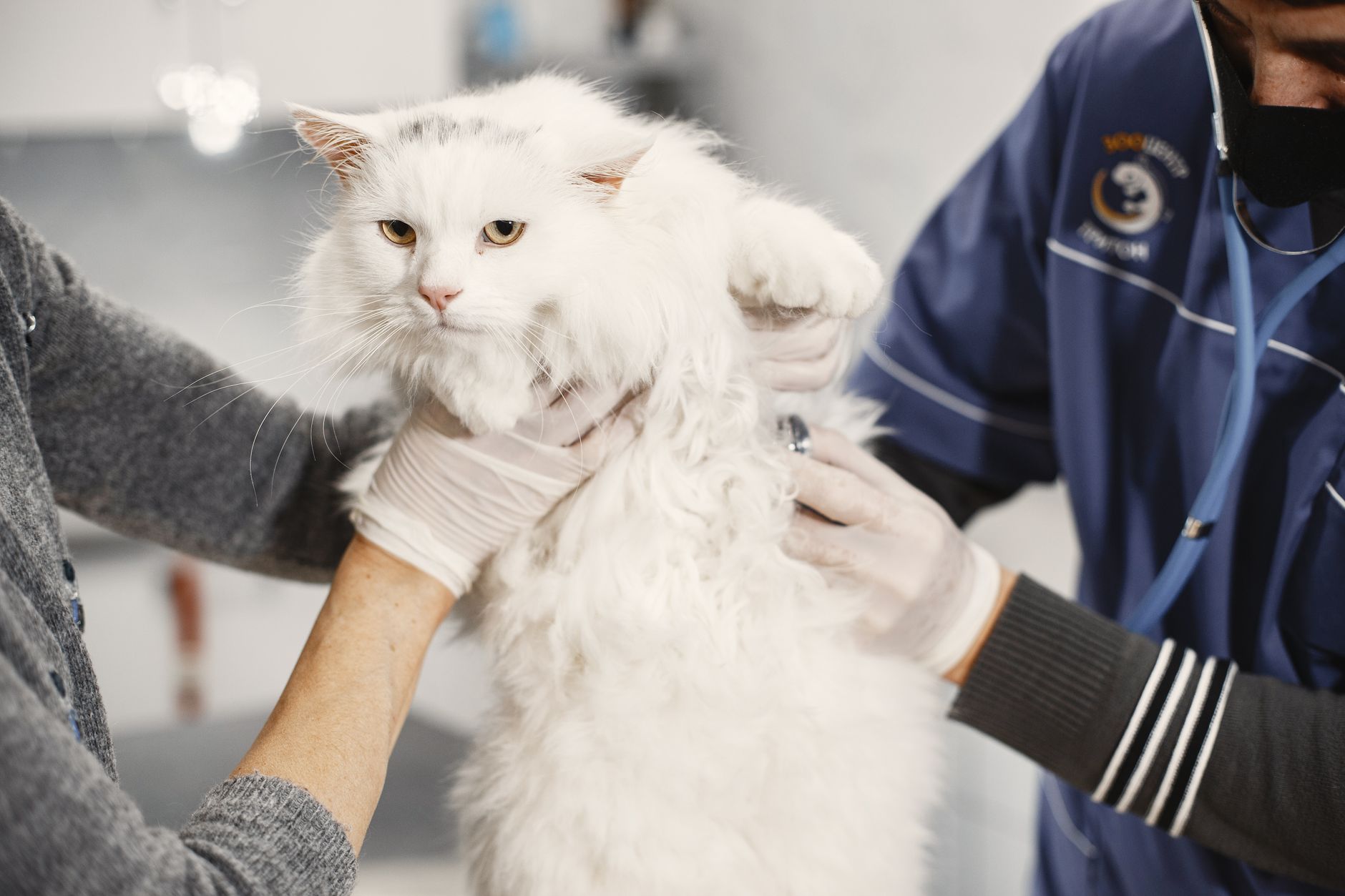
The CDC does not require a general health certificate for cats entering the United States at the federal level, but states and airlines may require one (CDC, 2025). The DOT notes that many airlines require a certified health record issued within 10 days of travel (DOT, 2026). The AVMA states that interstate travel generally requires a Certificate of Veterinary Inspection signed by a federally accredited veterinarian within 10 days before air travel (AVMA, 2026).
At the federal level, cats are not required to show proof of rabies vaccination to enter the U.S., though the CDC recommends rabies vaccination and your destination state may require it (CDC, 2025). Cats arriving in Hawaii or Guam—even from the U.S. mainland—are subject to local quarantine requirements (CDC, 2025).
International flights and EU pet passports
When flying with a cat to or within the European Union, official rules differ sharply from commercial livestock ID apps. Under EU law (Commission Delegated Regulation (EU) 2026/131), non-commercial travel between EU member states requires a microchip, valid rabies vaccination (pet at least 12 weeks old, with 21 days after primary vaccination before travel), and an EU pet passport issued by an authorised veterinarian documenting the microchip and vaccination (European Commission, 2026).
Your Europe, the EU citizen information portal, confirms that a European pet passport is mandatory for travel between EU countries and is valid for life while rabies vaccination remains current (European Union, 2026). Cats do not require tapeworm treatment for EU entry; that rule applies to dogs entering Finland, Ireland, Malta, Norway, or Northern Ireland (European Commission, 2026).
From a non-EU country, cats need an EU animal health certificate issued by an official state veterinarian no more than 10 days before arrival, valid for onward EU travel for six months or until rabies vaccination expires (European Union, 2026). U.S. exporters should work with a USDA-accredited veterinarian to meet destination-country requirements; country rules can change without notice.
Returning to the United States
Cats must appear healthy on arrival and are subject to CDC inspection at the port of entry. Ill cats may require a veterinary examination at the owner's expense or be denied entry (CDC, 2025). Note that CDC dog import rules tightened in August 2024; those requirements apply to dogs, not cats (CDC, 2025).
EU Pet Passport vs. Animal Passport: Do Not Confuse Them
Search results and social posts often mix up two very different products:
- EU pet passport — A government-standard identification booklet for dogs, cats, and ferrets travelling within the EU, recording microchip number and rabies vaccination (European Commission, 2026).
- Animal Passport — A digital animal and livestock passport published by Animal Passport that uses phone-based muzzle biometrics (a nose print unique like a fingerprint) to bind owner, breed, estimated age, body condition, and vaccination history. Age is estimated from a dental photograph with a confidence score; body condition score 1–5 comes from a side-profile photo. It is not a government-issued pet travel document unless an official authority explicitly accepts it, and it is not a substitute for an EU pet passport, USDA-endorsed export certificate, or airline health form.
Animal Passport was used in livestock flood rescue in Pakistan in August 2025 so farmers could reclaim cattle when paper ear tags washed away—illustrating biometric ID for herd animals, not cabin pet clearance. Cat owners flying internationally should prioritize airline requirements and destination-country veterinary paperwork. Digital vaccination logs may help your records stay organized, but they do not replace endorsed certificates. Read more on the Animal Passport blog.
Day-of-Travel Checklist
- Arrive early; pet check-in procedures take longer than standard baggage (DOT, 2026).
- Confirm your cat remains in the carrier except during TSA screening (TSA, 2026).
- Keep vaccination records and health certificate accessible.
- Attach contact information to the carrier exterior per IATA labeling guidance (IATA, 2026).
- Do not open the carrier in the cabin during flight; airlines require pets to stay contained (FAA, 2024; DOT, 2026).
When Flying May Not Be the Right Choice
The AVMA advises weighing whether travel suits your cat's temperament, age, and health. Cats with anxiety, illness, or brachycephalic anatomy face elevated risk. If relocation is optional, boarding or a pet sitter may be safer. When moving is unavoidable, your veterinarian can help assess fitness to fly and suggest crate training to reduce stress (AVMA, 2026).
Last updated: August 2026. Byline: Animal Passport editorial team.
FAQ
- Can I bring my cat on a plane in the cabin?
- Many U.S. airlines allow cats in the cabin if the cat and carrier fit under the seat in front of you, but policies vary by carrier, route, and aircraft. The FAA allows each airline to set its own pet rules, so confirm with your airline before booking.
- What documents do I need to fly with my cat?
- Requirements depend on your airline and destination. Domestic U.S. flights often need a Certificate of Veterinary Inspection within 10 days of travel; international trips may require USDA-endorsed export certificates or an EU pet passport. The CDC does not require a federal health certificate for cats entering the U.S.
- How does TSA screen cats at airport security?
- You must remove your cat from its carrier and send the empty carrier through the X-ray machine. You carry the cat through the metal detector. TSA says pets must never go through the X-ray tunnel; skittish cats may be screened in a private room on request.
- Do cats need a rabies vaccination to fly?
- U.S. federal import rules do not require rabies proof for cats, though the CDC recommends vaccination. EU travel requires rabies vaccination documented in an EU pet passport or health certificate. Airlines and individual states may impose their own vaccination rules.
- What size carrier do I need for a cat on a plane?
- In-cabin carriers must meet IATA Container Requirement 1: your cat should stand, sit, turn around, and lie down naturally, and the closed carrier must fit under the airline seat. Soft-sided bags are permitted in cabin if they are ventilated and leak-proof.
- Is it safe to fly with a cat in cargo?
- Airlines transport pets in pressurized, temperature-controlled holds, and IATA notes many animals travel safely in cargo. However, the DOT reports seasonal embargoes and higher stress for some cats; direct flights and vet-approved health certificates reduce risk.
- Can I sedate my cat for a flight?
- IATA and the AVMA discourage sedatives and tranquilizers for air travel because they can worsen breathing and heart problems, especially at altitude. Many airlines prohibit sedated pets in the cargo hold.
- Is Animal Passport the same as an EU pet passport for flying?
- No. An EU pet passport is an official EU-standard document for dogs, cats, and ferrets travelling in Europe. Animal Passport is a separate digital livestock ID product using muzzle biometrics and is not a government-issued substitute for airline or border health paperwork.
Sources
- Bringing an Animal into the U.S. — Centers for Disease Control and Prevention (CDC)
- Cabin Safety - Pets FAQ — Federal Aviation Administration (FAA)
- Can I take my pet through the security checkpoint? — Transportation Security Administration (TSA)
- Traveling with Pets — International Air Transport Association (IATA)
- Travelling with a pet within the EU — European Commission (Food Safety)
- Flying with a Pet — U.S. Department of Transportation (DOT)
- Traveling with your dog or cat — American Veterinary Medical Association (AVMA)
- Travelling with pets and other animals in the EU — European Union (Your Europe)
Animal Passport binds a muzzle biometric to a digital record farmers, buyers, and insurers can verify in the field.