Pet Passport USA: Why America Does Not Issue One, and What Documents You Need Instead

Key takeaways
- The United States does not issue a pet passport; USDA APHIS uses destination-specific health certificates instead (January 2026 FAQ).
- Start with a USDA-accredited veterinarian and travel with original endorsed paperwork; APHIS says destination officials will not accept electronic copies (June 2026).
- As of June 2026, APHIS endorsement fees start at $101 per certificate with no laboratory tests and rise with the number of tests and pets.
- Every dog entering the United States needs a CDC Dog Import Form receipt; extra rabies forms apply after time in a high-risk country (CDC, 2024–2026).
- EU pet passports are for owners who habitually reside in the EU; U.S. residents generally need an EU animal health certificate under Commission rules for 2026.
- APHIS and the European Commission agree on a roughly 10-day EU arrival window but disagree on whether intra-EU validity after entry is 4 months or 6 months.
- Airline acceptance follows the IATA Live Animals Regulations edition in effect from 1 January 2026, on top of government certificates.
- Animal Passport’s muzzle-biometric livestock record is an identity tool, not a government-issued travel document.
A pet passport USA does not exist as a government-issued travel booklet. The United States Department of Agriculture Animal and Plant Health Inspection Service (USDA APHIS) stated in its January 2026 pet-travel FAQ that the United States does not issue pet passports for international travel. Instead, U.S. dogs, cats, and ferrets leave on destination-specific health certificates issued by USDA-accredited veterinarians, and they re-enter under Centers for Disease Control and Prevention (CDC) dog-import rules.
As of August 2026, people searching that keyword usually need the paperwork that lets a companion animal board a flight, enter the European Union, or come home. Those documents are not the same as an EU pet passport, the United Kingdom’s pet travel rules (historically the Pet Travel Scheme, or PETS), or a private digital identity record. This article, published by Animal Passport and last updated 19 August 2026, separates those systems using primary sources. It is not veterinary diagnosis or legal advice.
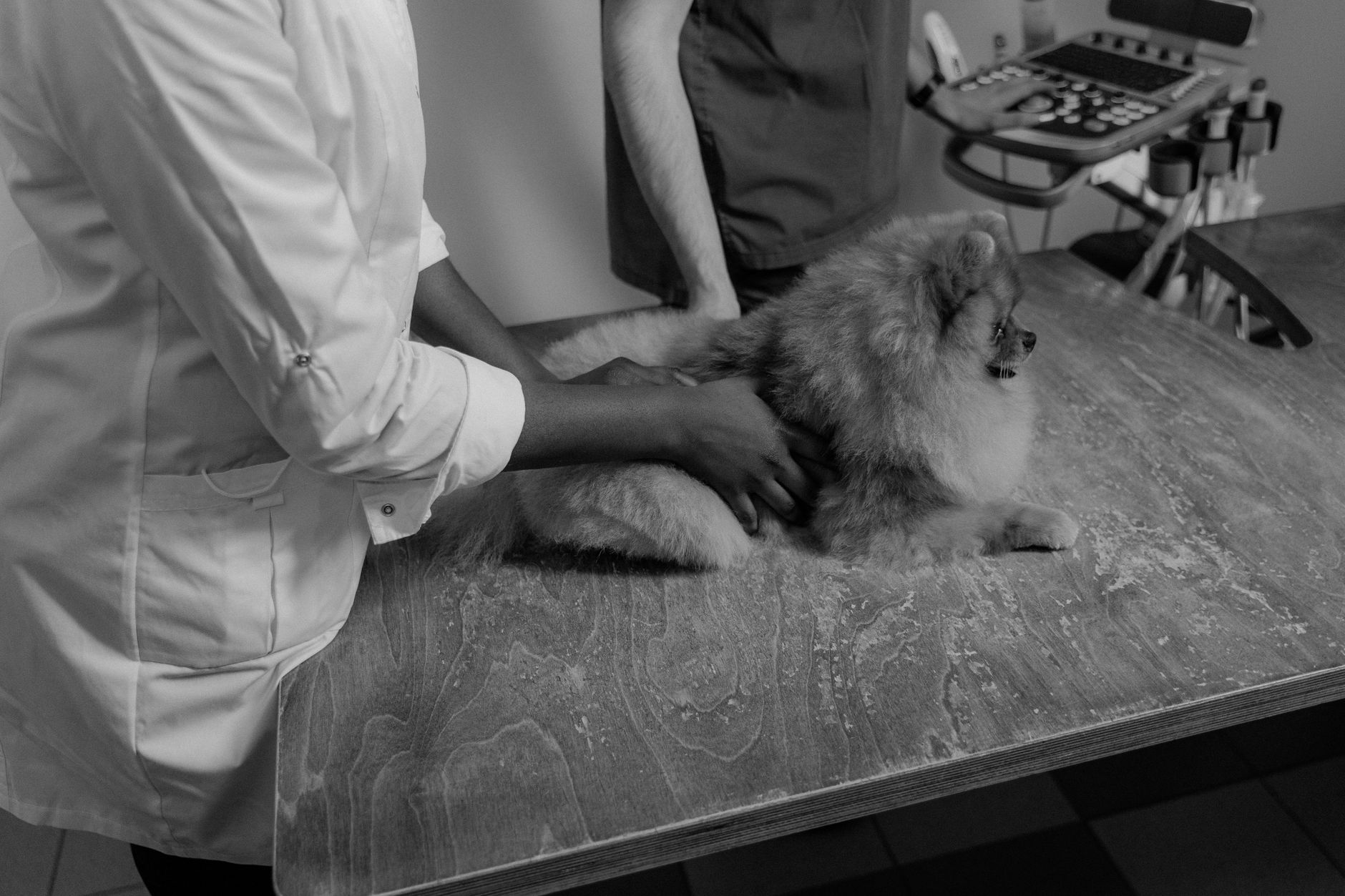

What a pet passport USA is—and is not
In U.S. official usage, the travel bundle is a health certificate (also called an international health certificate, veterinary health certificate, veterinary certificate, or export certificate), not a reusable passport booklet.
Because pet entry requirements vary by country, the United States does not issue pet passports for international travel. Instead, we issue health certificates that confirm your pet meets the unique requirements of your destination country and any country your pet may transit on the way to that destination.
USDA APHIS published that statement in its pet-travel FAQ last modified 12 January 2026. The same FAQ says there is not one standard health certificate for all countries.
Three other documents are often mixed into the same search:
- The EU pet passport, an EU-model booklet issued by an authorised veterinarian to owners who habitually reside in an EU country (European Commission; Your Europe, last checked 15 June 2026).
- The EU animal health certificate, the usual entry document for pets coming from a non-EU country, including the United States, under Commission Delegated Regulation (EU) 2026/131.
- A digital animal identity record such as Animal Passport’s muzzle-biometric product. It is not a USDA-, CDC-, or EU-issued travel document.
How U.S. pets leave the country: USDA APHIS process
USDA APHIS’s Pet Travel Process Overview, last modified 18 June 2026, tells owners to contact a USDA-accredited veterinarian as soon as travel plans are firm. Accreditation is State-specific training under the National Veterinary Accreditation Program (NVAP); not every licensed veterinarian is accredited. APHIS’s January 2026 FAQ says the process can take a few weeks to many months.
Steps before an international departure
- Look up the destination on the USDA APHIS pet-travel country list and re-check it every trip, because country requirements can change at any time (APHIS, 2026).
- Book a USDA-accredited veterinarian. That veterinarian must issue any live-animal export certificate that APHIS is required to endorse (APHIS process overview, June 2026).
- Finish destination conditions first: typically a readable microchip, rabies vaccination after the chip is scanned, and any tests or treatments the country lists.
- Have the veterinarian issue, sign, and date the correct certificate, then submit it to a USDA Endorsement Office through the Veterinary Export Health Certification System (VEHCS) or by express shipping of originals (APHIS, June 2026).
- Pay the APHIS endorsement fee before the office will stamp the certificate. APHIS fees do not include clinic charges (APHIS cost page, June 2026).
- Travel with the original signed or endorsed paperwork. APHIS states that electronic versions will not be accepted by officials of the destination country (process overview, June 2026).
Some destinations allow treatments after endorsement, such as tapeworm treatment for dogs going to Finland, Ireland, Norway, the United Kingdom, or Malta. Neither an accredited veterinarian nor APHIS can waive another country’s rules (APHIS FAQ, January 2026).
USDA APHIS endorsement fees in 2026
As of 18 June 2026, USDA APHIS listed the following user fees per health certificate. Vaccines are not counted as laboratory tests when the fee is calculated, according to the same APHIS cost page. APHIS does not charge endorsement fees for service dogs belonging to people with disabilities as defined by the Americans with Disabilities Act (ADA); emotional support animals are charged the standard fee.
| Laboratory tests on the certificate | Number of pets | APHIS endorsement fee (as of June 2026) |
|---|---|---|
| 0 | Any | $101 per certificate |
| 1–2 | 1 | $160 |
| 1–2 | 2 or more | $160 for the first pet, plus $10 for each additional pet on the same certificate |
| 3–6 | 1 | $206 |
| 3–6 | 2 or more | $206 for the first pet, plus $18 for each additional pet |
| 7 or more | 1 | $275 |
| 7 or more | 2 or more | $275 for the first pet, plus $21 for each additional pet |
USDA APHIS does not endorse certificates for pets moving between U.S. States or Territories; the January 2026 FAQ directs owners to the destination State Veterinarian, including Hawaii, Guam, Puerto Rico, and the U.S. Virgin Islands.
Coming home: CDC rules for dogs entering the United States
Leaving and re-entering the United States are separate legal tracks. CDC’s Bringing a Dog into the U.S. page (1 August 2024) and dog-importation FAQ (last reviewed 28 April 2026) make CDC the public-health authority for dog imports. As of August 2026, CDC’s FAQ states that all dogs entering or returning must have a CDC Dog Import Form receipt. Extra paperwork depends on whether the dog has been in a high-risk country for dog rabies in the previous six months.
CDC’s low-risk entry page (22 July 2024) says that, starting 1 August 2024, the CDC Dog Import Form is the only required CDC documentation for dogs that have been only in dog rabies-free or low-risk countries in the past six months. The form is free; each dog needs its own form; the receipt is valid for six months unless the country of departure changes or the dog visits a high-risk country (CDC, 2024). Those dogs must still appear healthy, be at least 6 months old, and have a universally readable microchip. They may arrive at any airport, seaport, or land border.
For dogs that have been in any high-risk country in the last six months, CDC’s April 2026 FAQ requires more. U.S.-vaccinated dogs generally need a Certification of U.S.-issued Rabies Vaccination form completed by a USDA-accredited veterinarian and endorsed by USDA before the dog leaves. CDC will not accept USDA-endorsed export health certificates issued after 31 July 2025 as a substitute. Foreign-vaccinated dogs generally need a Certification of Foreign Rabies Vaccination and Microchip form and must enter at an airport with a CDC-registered animal care facility; they may not enter at a land border (CDC FAQ, April 2026).
EU pet passport versus a U.S. trip to Europe
U.S. owners heading to the EU need an EU animal health certificate, not a U.S. or EU pet passport. Your Europe (last checked 15 June 2026) states that a European pet passport is mandatory for travel between EU countries and is issued only to pet owners who are resident in the EU. The European Commission’s dogs, cats and ferrets FAQ adds that the passport is exclusively for pets whose owners habitually reside in an EU country as their primary place of residence. Nationality and owning EU property do not substitute for residence.
Commission Delegated Regulation (EU) 2026/131, as summarized on the Commission’s “Bringing a pet into the EU from a non-EU country” page, governs non-commercial movements of dogs, cats, and ferrets from third countries. Those animals must travel with the owner (or an authorised person within five days), usually in groups of five or fewer, and must be identified by a microchip.
Core EU entry conditions from a non-EU country
- Microchip first, then rabies vaccine. The animal must have been at least 12 weeks old at vaccination; the vaccine date must not precede identification or reading of the microchip; primary vaccination becomes valid no less than 21 days after the protocol is completed (European Commission, 2026).
- Rabies antibody titration test, unless the country is listed. The Commission requires a designated-laboratory result of at least 0.5 IU/ml, on a sample taken at least 30 days after primary vaccination and not less than 90 days before the animal health certificate is issued—unless the third country is listed in Annex I or Annex II to Commission Implementing Regulation (EU) 2026/636. USDA APHIS’s Germany pet-travel page, last modified 15 May 2026, lists microchip and rabies vaccination as Step 1 for U.S. dogs, cats, and ferrets and does not list a titration test among those steps. Confirm the current APHIS country page; do not assume a titer is or is not required.
- Tapeworm treatment for dogs only entering Finland, Ireland, Malta, Norway, or the United Kingdom (Northern Ireland), given by a veterinarian 24–120 hours before scheduled entry (Commission, 2026; Your Europe, June 2026).
- An animal health certificate completed by an official or authorised veterinarian and endorsed by the competent authority, plus a written non-commercial declaration (Commission Implementing Regulation (EU) 2026/705 models, cited by the Commission in 2026).
- Entry through a designated travellers’ point of entry. Your Europe warns that a pet that fails documentary and identity checks may be returned, quarantined, or, if neither option is possible, euthanised.
Where APHIS and the Commission describe timing differently
The 10-day arrival window is consistent across Your Europe, the Commission, and APHIS’s Germany page (arrive within 10 days of USDA endorsement of the non-commercial certificate). Sources then disagree on intra-EU validity: the European Commission FAQ and Your Europe say up to 6 months after travellers’-point checks, or until the anti-rabies vaccination expires, whichever comes first; APHIS’s Germany page (May 2026) says up to 4 months. Follow the certificate text and the EU country’s border post.
APHIS’s Germany page also requires original ink endorsement and embossing by USDA even when the veterinarian signs electronically in VEHCS, and it treats a “primary” U.S. rabies vaccination as valid for only one year under EU rules even if the product is labeled as a three-year vaccine. ISO-compliant microchip numbers are usually 15 digits (ISO 11784 and ISO 11785); a non-ISO chip may require a compatible scanner or a second implant (APHIS Germany, May 2026).
| Document | Who may use it | Who issues it | What U.S. owners should expect |
|---|---|---|---|
| EU pet passport | Owners habitually resident in the EU (Commission FAQ) | Authorised veterinarian in an EU country | U.S. residents cannot use one to enter the EU from the United States |
| EU animal health certificate | Non-commercial movements from a non-EU country | Official or authorised veterinarian, endorsed by the competent authority | The usual U.S.-to-EU travel document, obtained via a USDA-accredited veterinarian and APHIS |
| USDA-endorsed export health certificate | Pets leaving the United States | USDA-accredited veterinarian plus APHIS endorsement when required | Country-specific; the original must travel with the pet (APHIS, 2026) |
| CDC Dog Import Form receipt | Every dog entering the United States | CDC online form (free) | Required in addition to any export paperwork used abroad (CDC, 2026) |
United Kingdom pet travel after Brexit
Great Britain (England, Wales, and Scotland) publishes owner-facing rules on GOV.UK as “Bringing your pet dog, cat or ferret to Great Britain.” The older Pet Travel Scheme (PETS) name still appears in carrier-check guidance. GOV.UK requires an approved route and carrier (except travel within the UK or from Ireland); a microchip implanted before the rabies vaccination; a wait of at least 21 full days after the first rabies vaccination; a travel document that depends on the country of departure; and, for many dogs, tapeworm treatment no less than 24 hours and no more than 5 days before arrival. Pets that miss those rules may be quarantined for up to 4 months, or refused entry if they travelled by sea (GOV.UK).
GOV.UK’s pet-passport page allows a valid passport if the animal is travelling from the EU or another listed issuing country. The United States is not on that list, so U.S. owners generally use a Great Britain pet health certificate. GOV.UK still accepts a Great Britain-issued pet passport dated before 1 January 2021. Your Europe records the matching EU-side change: from 1 January 2021, EU pet passports issued to a pet owner resident in Great Britain are no longer valid for travel from Great Britain to an EU country or Northern Ireland.
Airline rules sit on top of government paperwork
A government certificate does not book a cabin seat or hold space. The International Air Transport Association (IATA) Live Animals Regulations (LAR) are the worldwide industry standard for commercial air transport of live animals. IATA states that a new LAR edition took effect on 1 January 2026. Governments set the legal rules; IATA members are expected to follow the LAR.
IATA’s Traveler’s Pet Corner says only small dogs and cats may travel in the cabin, some airlines still require hold travel, and carriers cap how many animals they accept on a flight. Container Requirement 1 (CR1) in the 2026 LAR requires enough space to turn about while standing, stand and sit erect, and lie in a natural position; snub-nosed breeds need a container 10 percent larger. IATA discourages sedation for transit, a view it says is endorsed by the American Veterinary Medical Association, and tells passengers to reconfirm at least 48 hours before departure.
How Animal Passport’s biometric record differs from travel documents
Search results for “pet passport USA” mix border paperwork with private identification products. Animal Passport publishes a digital animal and livestock passport that identifies an animal from a muzzle (nose-print) capture on a phone. The record can bind owner, breed, estimated age, body condition, and vaccination history. Age is estimated from a dental photograph with a confidence score. Body condition is scored 1–5 from a side-profile photo.
That system was used in livestock flood rescue in Pakistan in August 2025 so farmers could reclaim animals after paper tags washed away. It is an identity and recovery tool, not a substitute for a USDA-endorsed export certificate, a CDC Dog Import Form, an EU pet passport, or an EU animal health certificate. More explainers are at Animal Passport’s blog.
As of August 2026, the accurate answer to “pet passport USA” remains: the United States issues destination-specific health certificates, not passports; the EU issues passports only to resident owners; CDC requires an import-form receipt for every dog coming home; and a biometric livestock passport is a different product for a different job.
FAQ
- Does the United States have a pet passport?
- No. USDA APHIS stated in its January 2026 pet-travel FAQ that the United States does not issue pet passports for international travel. U.S. pets instead travel on destination-specific health certificates issued by veterinarians, with USDA endorsement when the destination requires it.
- How do I get a pet passport in the USA?
- You cannot obtain a U.S. government pet passport. Contact a USDA-accredited veterinarian as soon as you know the destination, complete that country’s microchip, vaccination, and testing rules, then have the veterinarian issue the correct health certificate and, if required, submit it to USDA APHIS for endorsement.
- Can a U.S. veterinarian issue an EU pet passport?
- No for a U.S.-resident owner entering the EU from the United States. The European Commission FAQ states that an EU pet passport is exclusively for pets whose owners habitually reside in an EU country. U.S. travelers generally need an EU animal health certificate arranged through a USDA-accredited veterinarian and APHIS.
- What documents does a dog need to fly from the USA to Europe?
- For a non-commercial trip, the European Commission requires a microchip, a valid rabies vaccination given after the chip is read, an EU animal health certificate endorsed by the competent authority, a written non-commercial declaration, and—for dogs entering Finland, Ireland, Malta, Norway, or Northern Ireland—tapeworm treatment 24 to 120 hours before entry. USDA APHIS’s destination page lists the U.S. certificate process; airlines add their own crate and booking rules.
- Do I need a pet passport to bring my dog back into the United States?
- You need a CDC Dog Import Form receipt for every dog entering or returning to the United States, according to CDC’s April 2026 FAQ. Dogs that visited a high-risk rabies country in the prior six months need additional USDA-endorsed rabies documentation; a USDA export health certificate issued after 31 July 2025 is not accepted as a substitute for the Certification of U.S.-issued Rabies Vaccination form.
- How much does USDA APHIS charge to endorse a pet health certificate?
- As of 18 June 2026, USDA APHIS charged $101 per certificate with no laboratory tests, $160 for one or two tests on a single pet, $206 for three to six tests, and $275 for seven or more tests, with extra per-pet add-ons when several animals share a certificate. Clinic fees are separate; ADA service dogs are exempt from APHIS endorsement fees.
- Is the UK Pet Travel Scheme the same as an EU pet passport?
- No. GOV.UK now publishes Great Britain entry steps separately from the EU passport system. A U.S. pet generally needs a Great Britain pet health certificate, not an EU booklet, and must still meet microchip, rabies, approved-route, and—often for dogs—tapeworm timing rules. From 1 January 2021, EU pet passports issued to Great Britain residents are no longer valid for GB-to-EU travel (Your Europe).
- Is a digital animal passport a valid travel document for U.S. pets?
- No government source treats a private digital identity record as a USDA export certificate, CDC import form, EU pet passport, or EU animal health certificate. Animal Passport’s phone-based muzzle-biometric record can store owner and health history for identification and recovery; it does not replace official border paperwork.
Sources
- Frequently Asked Questions About Traveling With Your Pet — USDA Animal and Plant Health Inspection Service (APHIS)
- Pet Travel Process Overview — USDA Animal and Plant Health Inspection Service (APHIS)
- Cost To Endorse Your Pet's Health Certificate — USDA Animal and Plant Health Inspection Service (APHIS)
- Pet Travel From the United States to Germany — USDA Animal and Plant Health Inspection Service (APHIS)
- Frequently Asked Questions on Dog Importations — Centers for Disease Control and Prevention (CDC)
- Entry Requirements for Dogs from Dog-Rabies Free or Low-Risk Countries — Centers for Disease Control and Prevention (CDC)
- Travelling with pets and other animals in the EU — Your Europe / European Union
- Bringing a pet into the EU from a non-EU country — European Commission Directorate-General for Health and Food Safety
- Dogs, cats and ferrets — FAQs — European Commission Directorate-General for Health and Food Safety
- Bringing your pet dog, cat or ferret to Great Britain: What you need to do — GOV.UK (Department for Environment, Food & Rural Affairs)
- Traveler's Pet Corner — International Air Transport Association (IATA)
Animal Passport binds a muzzle biometric to a digital record farmers, buyers, and insurers can verify in the field.