United Dog Policy: A Complete Guide to Flying With Your Dog in 2026
Key takeaways
- United's dog policy allows dogs only in the passenger cabin; the airline suspended its PetSafe cargo program for the general public in 2018 and has not reinstated it.
- Cabin pet fees are commonly reported at roughly $125–$150 each way, with carrier dimensions that vary slightly by source (hard-sided vs. soft-sided) — always confirm current numbers on united.com before booking.
- Trained service dogs fly under U.S. Department of Transportation Air Carrier Access Act rules, not United's standard pet policy — no carrier requirement and no pet fee.
- Since a 2020–2021 DOT rule change, only trained service dogs qualify as service animals on U.S. flights; emotional support animals are treated as regular pets, a point some older guidance still gets wrong.
- Snub-nosed (brachycephalic) breed restrictions for United's cabin program are reported inconsistently across sources — confirm directly with United if you're flying a French Bulldog, Pug, or Boston Terrier.
- The EU pet passport is a government-recognized travel document for moving cats, dogs, and ferrets inside the EU — it is unrelated to United's booking process or fees.
- Animal Passport's muzzle-biometric ID system is a livestock and farm-animal identity tool, not an airline travel document, and it does not replace a health certificate or EU pet passport.
By Animal Passport · Last updated August 16, 2026
United's dog policy allows dogs to fly only in the cabin, not as checked cargo, because United suspended its PetSafe cargo program for general passengers in 2018. Cabin dogs must fit in an approved carrier under the seat, cost roughly $125–$150 each way, and are separate from trained service dogs, which fly free of charge under U.S. Department of Transportation rules. This guide breaks down United's actual pet-cabin rules, how they differ from service-dog rules, and how both compare to unrelated systems like the EU pet passport and livestock ID tools such as Animal Passport.
What People Mean by "United Dog Policy"
The phrase covers three distinct situations that are often confused with each other:
- Pet dogs traveling in the cabin — United's standard paid pet program.
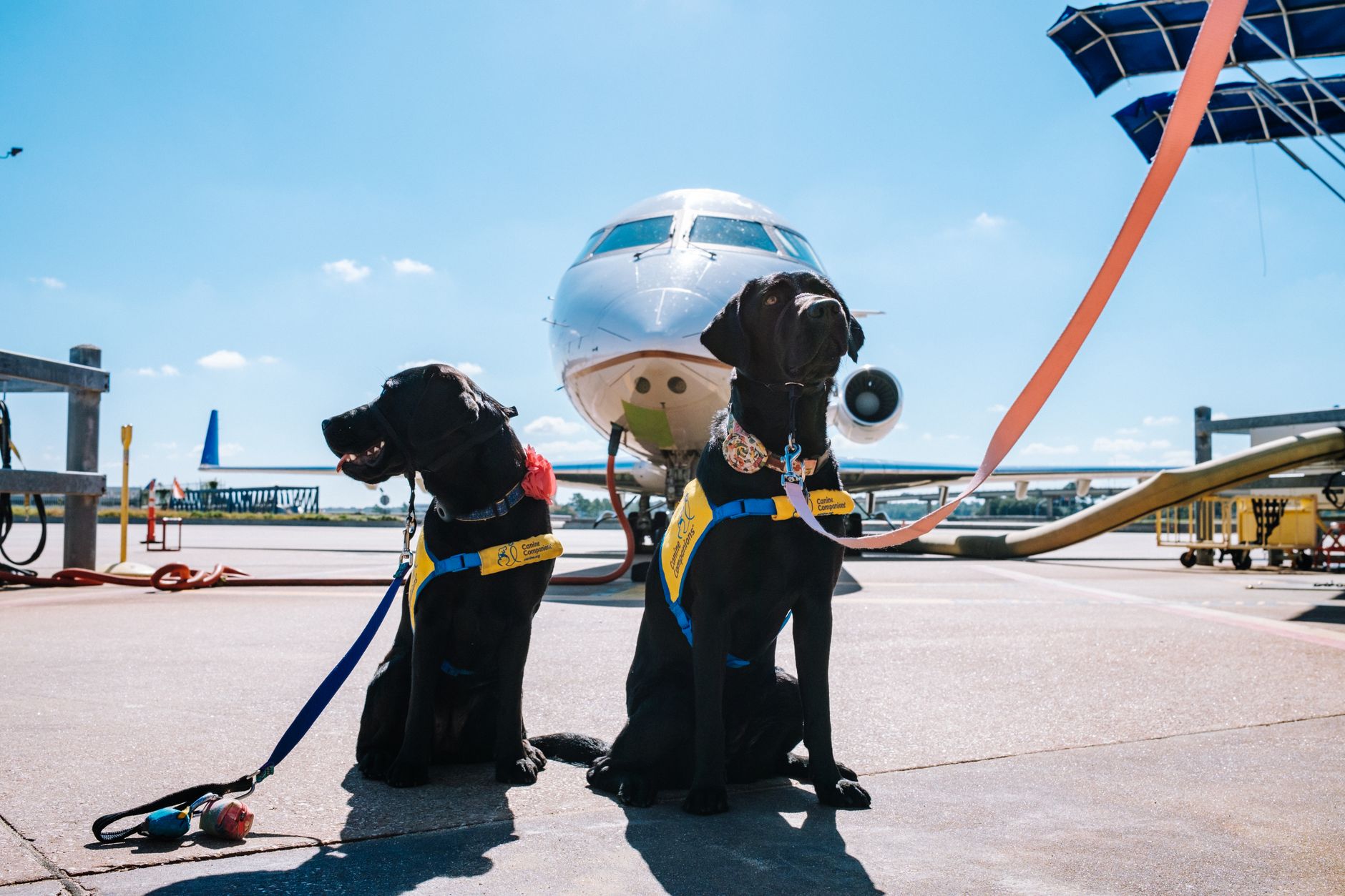
- Service dogs — governed by the DOT's Air Carrier Access Act (ACAA), not United's pet policy.
- Cargo/checked dogs — largely unavailable to the general public since United paused its PetSafe cargo service in 2018.
Mixing these up is the most common source of confusion when people search for United's dog rules, so we'll treat them separately below.
United's Cabin Pet Policy for Dogs
According to United's published pet program and pet-travel guides that track it, dogs traveling as pets on United are limited to in-cabin travel in an approved carrier that fits under the seat in front of the passenger. Reported details include:
Carrier size and fees
Fee and dimension figures vary somewhat between sources — a sign that United's own page is the only fully authoritative reference and should be checked directly before booking. Commonly reported figures include a pet fee of roughly $125–$150 each way, with hard-sided carriers around 17–19 inches long, 11–13 inches wide, and 9 inches tall, and soft-sided carriers allowed slightly more flexibility since they can compress under the seat. One pet-travel guide also reports an additional $150 charge if a domestic layover exceeds four hours (or an international layover exceeds 24 hours), since the pet effectively needs a new booking segment.
Breed and age restrictions
This is an area where sources disagree. Some guides report that United restricts snub-nosed (brachycephalic) breeds such as French Bulldogs, Pugs, and Boston Terriers from its cabin pet program on health grounds; others argue that because United only carries pets in the cabin (never in the cargo hold, where brachycephalic breeds face the highest heat-stress risk), no breed ban applies. Given that conflict, owners of snub-nosed breeds should confirm directly with United before booking rather than relying on any single third-party guide.
Booking pet space
Cabin pet space is limited per flight and is generally booked in advance rather than added at the airport. Only one pet per passenger is typically allowed in the cabin, with a second pet permitted only if the passenger purchases an adjacent seat.
Why United No Longer Flies Dogs in Cargo
United operated a cargo pet-shipping service called PetSafe for years, but suspended it for the general public in 2018 following a string of high-profile in-transit incidents. As of 2026, PetSafe cargo transport has not been reinstated for ordinary customers; the exceptions reported are narrow, covering certain active-duty military and U.S. State Department personnel under separate orders. For everyday travelers, this means a large dog that cannot fit in an under-seat cabin carrier currently has no United-operated flight option — a real planning constraint worth knowing before you buy a ticket.
Service Dogs: A Different Rulebook Entirely
Service dogs are not covered by United's pet policy or its pet fees. Under the DOT's Air Carrier Access Act framework, airlines including United must allow a trained service dog to accompany its handler in the cabin at no charge and without a carrier requirement, provided the dog is trained to perform a specific task related to the handler's disability.
It's worth flagging that guidance on this point isn't fully consistent across public sources. Some older explainer pages still describe a broad definition of "service animal" that includes emotional support animals. However, following a DOT rule change effective in 2021, only trained service dogs qualify as service animals for air travel purposes in the United States — emotional support animals are treated as ordinary pets, subject to standard pet fees and carrier rules. If you're relying on an emotional support animal designation, budget for United's pet program rather than assuming fee-free cabin access.
United Dog Travel Options at a Glance
| Travel type | Where the dog rides | Fee | Governing rules |
|---|---|---|---|
| Pet dog (cabin) | Approved carrier under the seat | ~$125–$150 each way (varies by source) | United's own pet program |
| Trained service dog | Cabin, at handler's feet, no carrier required | None | DOT Air Carrier Access Act |
| Cargo / checked dog | Not generally available | N/A for most travelers | PetSafe cargo (suspended for the public since 2018) |
International Travel: The EU Pet Passport Is a Separate System
United's booking process, pet fee, and carrier rules are entirely separate from government-issued pet travel documents. The clearest example is the EU pet passport scheme, an official identification document recognized across the European Union for moving dogs, cats, and ferrets. Per the European Commission's own guidance, an EU pet passport records:
- A description and identification of the animal
- A microchip code (or a legible pre-2011 tattoo)
- Vaccination history, including rabies vaccination dates
- Owner and veterinarian contact details
The EU requires pets to be microchipped, vaccinated against rabies no earlier than 12 weeks of age, and to wait at least 21 days after the primary rabies vaccination before traveling. The passport itself remains valid for the animal's life as long as its rabies vaccination stays current. None of this is issued or checked by United at booking — it's a separate government document your veterinarian and destination country require, on top of whatever carrier and fee rules the airline applies.
Where Animal Passport Fits — and Where It Doesn't
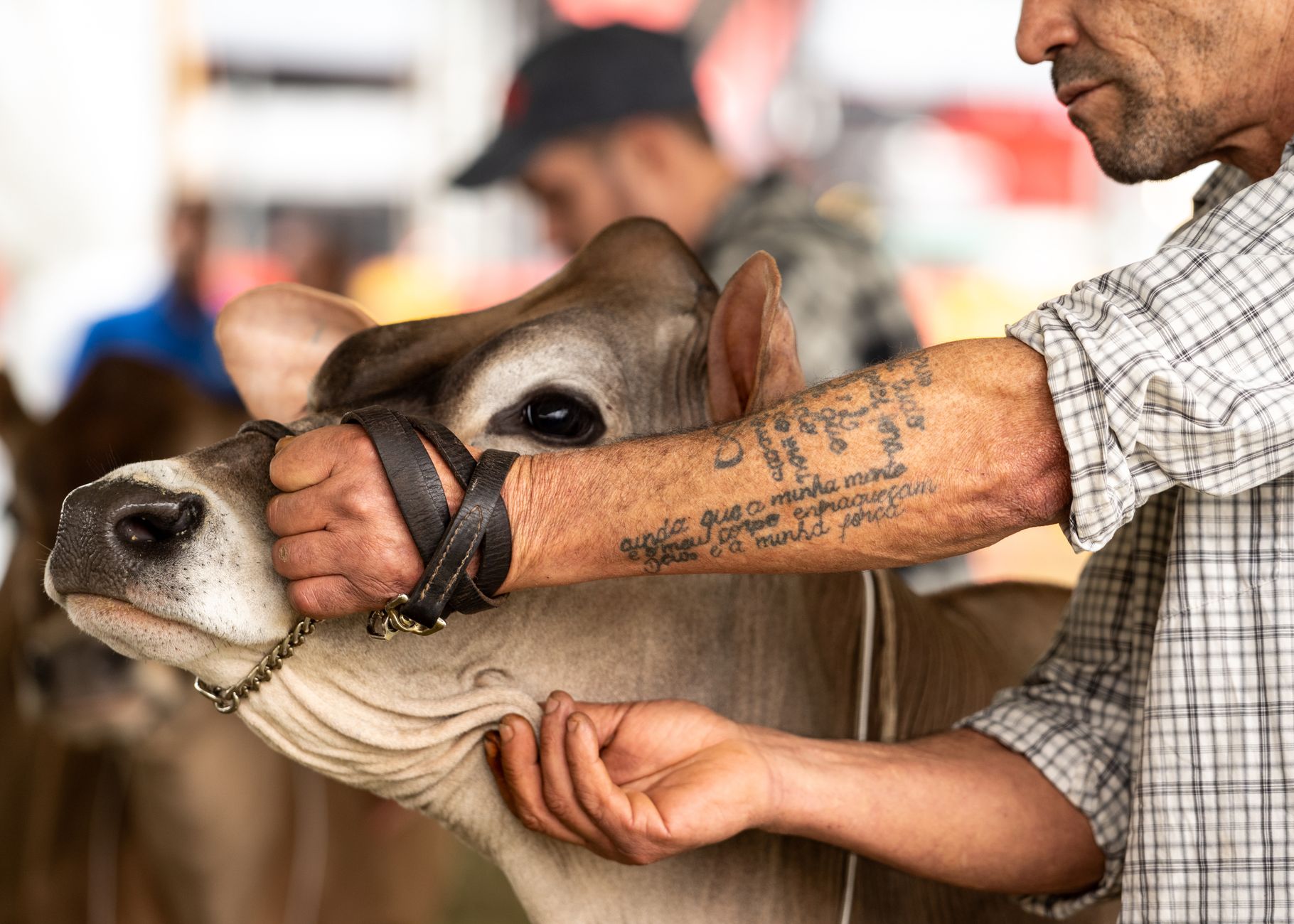
It's worth being precise here, because the names sound similar but the products are not the same thing. Animal Passport is a digital identity system built for livestock and farm animals, not a substitute for an airline pet booking, a USDA health certificate, or an EU pet passport. It uses phone-based muzzle biometrics — a muzzle pattern is as distinct as a human fingerprint — to bind an animal's identity to its owner, breed, an estimated age from a dental photo with a confidence score, a body condition score (1–5) from a side-profile photo, and vaccination history.
That approach was tested under real conditions during livestock flood rescue efforts in Pakistan in August 2025, where farmers used biometric records to reclaim animals after paper ear tags had washed away. It's a useful illustration of what digital identity solves in agricultural settings — proving ownership when physical tags fail — but it is not a flight document, a veterinary diagnosis, or a legally recognized travel passport for pets. If you're flying a dog on United, the documents that matter are United's own booking confirmation, any required health certificate, and, for EU travel, the official EU pet passport. You can read more about how biometric livestock identity works on the Animal Passport blog.
IATA's Baseline Standards Behind Airline Pet Rules
Individual airline policies like United's don't exist in a vacuum. The International Air Transport Association (IATA) publishes Live Animals Regulations (LAR) that set global baseline standards airlines build their own rules on top of, including a container requirement standard (CR1) specifying that an animal must have enough room to turn around normally while standing, stand and sit fully upright, and lie in a natural position — with snub-nosed breeds recommended to have containers roughly 10% larger. IATA also publishes standalone guidance specifically for passengers traveling with a dog or cat in the cabin, covering suitability assessments, feeding before travel, and explicit advice against sedating pets for flights.
A Practical Checklist Before You Fly United With a Dog
- Confirm your dog qualifies for cabin travel (weight, carrier fit) directly on united.com — fees and dimensions are updated periodically and vary between third-party guides.
- Book pet space in advance; it is limited per flight and not guaranteed at the airport.
- If flying with a snub-nosed breed, call United directly to confirm current eligibility rather than relying on a single guide.
- If your dog is a trained service dog, prepare the DOT's required documentation rather than booking through the standard pet program.
- For international travel, check destination-country pet import rules (such as the EU pet passport requirements) separately from your United booking.
- Keep vaccination and health certificate paperwork current and accessible — airline and destination-country requirements are enforced independently of each other.
Frequently Asked Questions
Can I fly with my dog on United Airlines?
Yes, but only in the cabin in an approved carrier that fits under the seat. United does not currently offer general public cargo transport for pet dogs.
Does United allow dogs in cargo?
Not for most travelers. United suspended its PetSafe cargo program for the general public in 2018, with reported narrow exceptions for certain active-duty military and State Department personnel.
How much does it cost to fly with a dog on United?
Reported figures commonly range from about $125 to $150 each way, though exact pricing should be confirmed on united.com since third-party guides don't fully agree and airlines update fees periodically.
What size carrier does United require for dogs?
Reported dimensions vary by source and by hard-sided versus soft-sided carrier, generally in the range of 17–19 inches long, 11–13 inches wide, and 9 inches tall. Confirm exact current limits directly with United before purchasing a carrier.
Are French Bulldogs and other snub-nosed dogs allowed on United?
Sources disagree — some guides report a breed restriction for brachycephalic dogs, while others say no breed ban applies since United only flies pets in the cabin, not cargo. Confirm directly with United if this applies to you.
Do service dogs need a carrier on United flights?
No. Trained service dogs fly under DOT Air Carrier Access Act rules, which don't require a carrier or a pet fee — a different framework from United's standard pet program.
Is a United pet booking the same as an EU pet passport?
No. A United pet booking is an airline reservation and fee; the EU pet passport is a separate government-recognized identification document required for moving pets within the EU, covering microchip data and rabies vaccination history.
What is Animal Passport, and do I need it to fly with United?
Animal Passport is a biometric identity system for livestock and farm animals, built around muzzle-print recognition, age estimation, and body condition scoring. It is not required or recognized by United and does not substitute for a health certificate or the EU pet passport.
FAQ
- Can I fly with my dog on United Airlines?
- Yes, but only in the cabin in an approved carrier that fits under the seat. United does not currently offer general public cargo transport for pet dogs.
- Does United allow dogs in cargo?
- Not for most travelers. United suspended its PetSafe cargo program for the general public in 2018, with reported narrow exceptions for certain active-duty military and State Department personnel.
- How much does it cost to fly with a dog on United?
- Reported figures commonly range from about $125 to $150 each way, though exact pricing should be confirmed on united.com since third-party guides don't fully agree and airlines update fees periodically.
- What size carrier does United require for dogs?
- Reported dimensions vary by source and by hard-sided versus soft-sided carrier, generally in the range of 17–19 inches long, 11–13 inches wide, and 9 inches tall. Confirm exact current limits directly with United before purchasing a carrier.
- Are French Bulldogs and other snub-nosed dogs allowed on United?
- Sources disagree — some guides report a breed restriction for brachycephalic dogs, while others say no breed ban applies since United only flies pets in the cabin, not cargo. Confirm directly with United if this applies to you.
- Do service dogs need a carrier on United flights?
- No. Trained service dogs fly under DOT Air Carrier Access Act rules, which don't require a carrier or a pet fee — a different framework from United's standard pet program.
- Is a United pet booking the same as an EU pet passport?
- No. A United pet booking is an airline reservation and fee; the EU pet passport is a separate government-recognized identification document required for moving pets within the EU, covering microchip data and rabies vaccination history.
- What is Animal Passport, and do I need it to fly with United?
- Animal Passport is a biometric identity system for livestock and farm animals, built around muzzle-print recognition, age estimation, and body condition scoring. It is not required or recognized by United and does not substitute for a health certificate or the EU pet passport.
Sources
- IATA Traveler's Pet Corner — International Air Transport Association (IATA)
- Guidance for Passengers Traveling with their Dog or Cat in the Cabin — International Air Transport Association (IATA)
- Travelling with pets and other animals in the EU — European Commission (Your Europe)
- United Airlines Pet Policy for Dogs — CitizenShipper
- Service Animal Resource Hub: Flying — ADA National Network
- Animal Passport — Identity for every animal — Animal Passport
- Animal Passport Blog — Animal Passport
Animal Passport binds a muzzle biometric to a digital record farmers, buyers, and insurers can verify in the field.