United Pet Fee: 2026 Cost, Rules, and What It Covers
Key takeaways
- United's standard in-cabin pet fee is $150 each way, per pet carrier, for domestic and most international routes.
- The fee only covers a cat or dog riding in an approved carrier under the seat in front of you — United no longer accepts pets as checked cargo for the general public.
- Long layovers (over 4 hours domestic, 24 hours international) can trigger an additional charge, though third-party trackers report the exact add-on fee inconsistently, so confirm it at booking.
- Trained service dogs fly free under airline policy; emotional support animals are treated as pets and pay the standard fee.
- International trips need a lot more than money — health certificates, microchips, and rabies documentation are separate requirements from the cabin fee.
- United's $150 fee sits in the middle of the market: Frontier and Alaska charge less, Southwest is close, and American, Delta, and JetBlue match United at $150.
- A United pet fee receipt is not a legal travel document — it's an airline service charge, distinct from an EU pet passport or a biometric livestock ID record.
The United pet fee is $150 each way to bring a cat or dog in the cabin, charged per approved carrier rather than per animal in most cases. It covers only the right to bring a small pet in a carrier under the seat in front of you on eligible flights — it does not include veterinary paperwork, cargo transport, or any official travel document. Long layovers and international routes can add further charges.
How Much Is the United Airlines Pet Fee in 2026?
United's standard in-cabin pet fee is $150 each way for tickets purchased after April 26, 2024, up from the previous $125 rate. That means a simple round trip with one pet typically costs $300 in pet fees alone, on top of your own airfare, according to third-party pet-travel guides that track United's published policy.
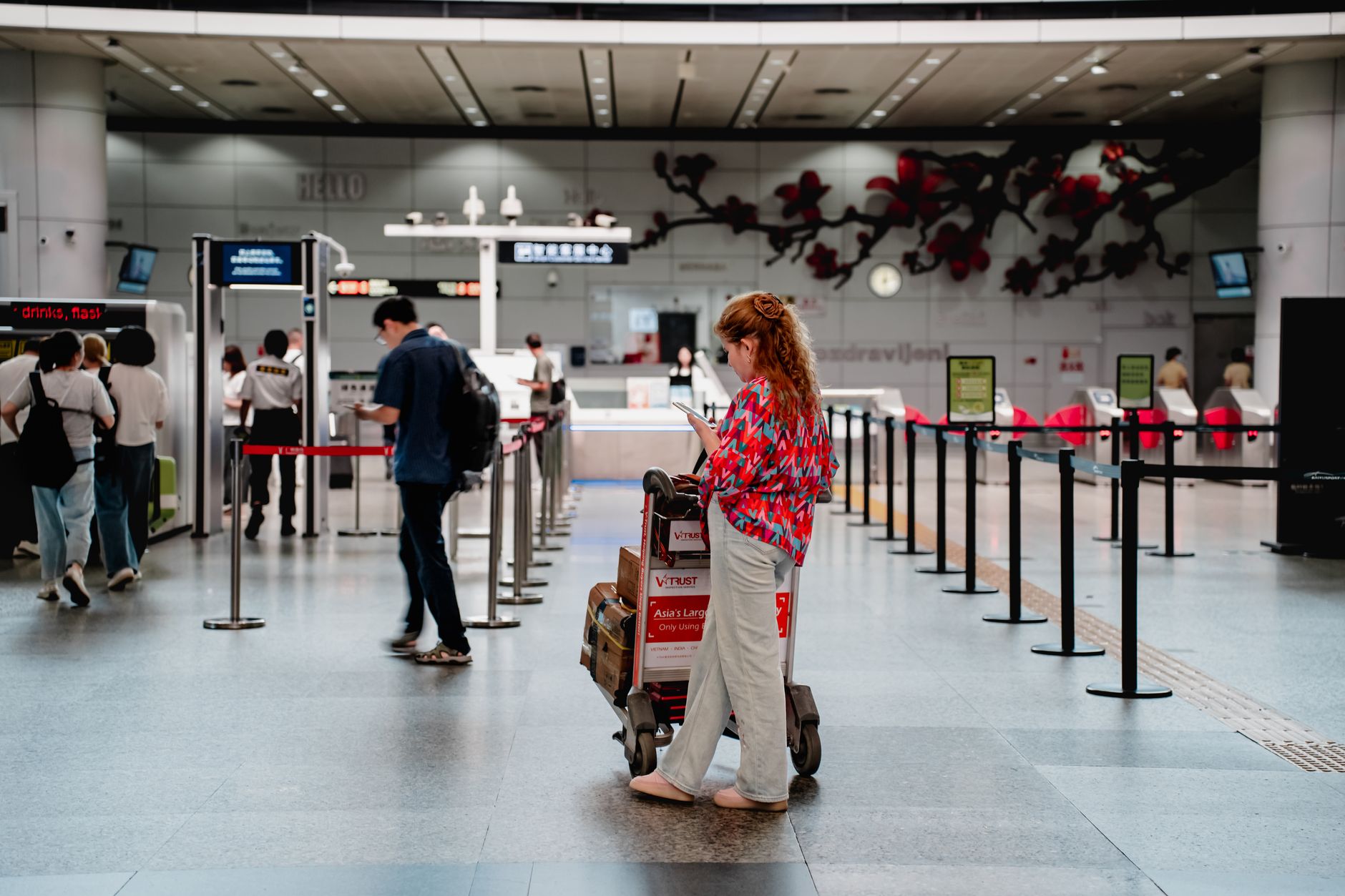
The fee must be paid separately from your ticket — most trackers note it is collected at the airport counter and cannot be covered with travel credits or MileagePlus miles. Pet space in the cabin is limited on each flight and is allocated first-come, first-served, so booking your pet's spot early matters as much as the fee itself.
One detail worth flagging: sources do not fully agree on how the fee applies when two small pets share a single carrier. Some trackers describe it as a per-carrier charge (one fee covers both animals in one approved carrier), while others describe a second pet as requiring its own paid seat. Because this detail affects your total cost, confirm the current rule directly with United when you book rather than relying on any single third-party guide.
What the United Pet Fee Covers — and What It Doesn't
The fee buys a reserved space for one approved pet carrier in the cabin, stowed under the seat in front of you for the duration of the flight. It does not include:
- Veterinary exams, vaccinations, or health certificates
- The carrier itself
- Cargo or checked-pet transport (United does not offer this to the general public)
- International entry paperwork for your destination country
- Any government-issued identity or travel document for the animal
Pets must stay in the carrier for the entire flight and cannot occupy exit rows, bulkhead seats, or United's lie-flat Polaris seats, per policy details compiled by pet-travel guides that reference United's current rules.
Carrier Size Rules for United's In-Cabin Pet Fee
United enforces carrier dimensions to make sure a pet fits under the seat. Reported maximums are consistent across multiple pet-travel resources:
- Hard-sided carriers: approximately 17.5" L × 12" W × 9" H
- Soft-sided carriers: approximately 18" L × 11" W × 11" H (reduced to 10" H on Boeing 737 MAX 9 aircraft)
Your pet must be able to stand up and turn around inside the carrier, and the carrier needs a waterproof bottom, secure fastening, and adequate ventilation. Only cats and dogs are eligible for in-cabin travel; United does not accept other species in the cabin outside of documented service animals.
Layover Fees and Other Add-On Costs
If your itinerary includes a connection, United may apply an additional charge for layovers longer than 4 hours on domestic trips or 24 hours on international trips. The exact dollar amount is reported inconsistently across pet-travel trackers — some cite roughly $125, others roughly $150 — which suggests the figure may have changed recently or is applied differently by route. Treat any third-party number as an estimate and verify the current layover surcharge when you book or call United directly.
Beyond airline charges, budget for a vet visit, an approved carrier, and — for international trips — health certificate fees, since none of these are included in the base pet fee.
Flying a Pet in Cargo: Why United's PetSafe Program Is Gone
United ended its PetSafe cargo program for the general public following a series of high-profile incidents. Today, cargo-hold pet transport on United is limited to active-duty U.S. military personnel and State Department Foreign Service employees traveling under qualifying orders — it is not an option for most pet owners. This makes United one of the major U.S. carriers without a checked-pet cargo option, so any pet that can't safely travel in an under-seat carrier generally cannot fly with United at all.
Service Animals Don't Pay the Pet Fee — Emotional Support Animals Do
Trained service dogs accompanying a passenger with a disability are not charged the pet fee and are not subject to the same carrier requirements, according to pet-travel policy summaries referencing airline and federal rules. A passenger with a disability may generally travel with up to two service dogs, or one service dog and one paying pet.
Emotional support animals, however, are treated as ordinary pets under current airline and federal rules — they are not exempt from the fee, carrier requirements, or species restrictions. If you're budgeting for a flight, don't assume an emotional support letter will waive the $150 charge.
International Travel: Extra Paperwork Beyond the Fee
Flying internationally with United adds requirements that have nothing to do with the pet fee itself. Reported requirements include a veterinary health certificate issued close to departure, proof of rabies vaccination, and a minimum pet age (commonly cited as around 4 months for international trips, versus roughly 8 weeks for domestic flights). Some destinations — including the United Kingdom, the UAE, Australia, South Africa, and Jamaica — are reported as off-limits for pet transport on United entirely, even in the limited cargo program, because of each country's own import rules.
These paperwork requirements are separate from, and layered on top of, the $150 cabin fee. Missing a document can cost you the trip even if you've already paid United.
How United's Pet Fee Compares to Other Airlines
Based on a comparative roundup of major U.S. carriers' published in-cabin pet fees:
| Airline | In-cabin pet fee (each way) |
|---|---|
| Frontier | $99 |
| Alaska Airlines | $100 |
| Southwest | $125 |
| United | $150 |
| American | $150 |
| Delta | $150 |
| JetBlue | $150 |
United sits at the higher end of the market alongside American, Delta, and JetBlue. With a connecting itinerary in each direction, total pet fees across a round trip can reach $600 before accounting for a carrier, vet visit, or pet-friendly hotel stay.
Is the United Pet Fee a "Pet Passport"? Here's the Difference
It's easy to conflate an airline's pet fee with a "pet passport," but they are not the same thing, and the terminology gets confusing fast.
An EU pet passport is an official identification document, issued by an authorized veterinarian, used for non-commercial movement of dogs, cats, and ferrets within the European Union. Per the European Commission, it records the animal's microchip code, rabies vaccination details, and (for dogs entering certain countries) tapeworm treatment history, under EU animal health law. It is a legal document tied to EU regulation — nothing United charges you for produces anything like it.
United's $150 pet fee is simply an airline service charge for cabin space. It generates a receipt, not an identity record, and it has no legal standing outside your ticket.
Animal Passport is a third, distinct thing again: a digital identity product built around muzzle biometrics — a livestock or pet's nose print, unique like a fingerprint — captured with a phone. A record can bind an owner, breed, estimated age (from a dental photo, with a confidence score), body condition score (from a side-profile photo), and vaccination history to that biometric ID. It was used during livestock flood rescue in Pakistan in August 2025, helping farmers reclaim animals after paper ear tags washed away. It is not a government-issued travel document, not a substitute for an EU pet passport or USDA/APHIS export paperwork, and not a veterinary diagnosis — it's an identity and record-keeping tool. Owners researching how animal identification works more broadly can find more detail on the Animal Passport blog.
In short: United's fee gets your pet a seat. An EU pet passport gets your pet across an EU border legally. Animal Passport gets an animal a biometric identity record. Don't assume paying one gets you the other.
Tips to Avoid Surprise Costs
- Add your pet to your booking as early as possible — cabin pet space is capped per flight.
- Confirm the current fee, layover surcharge, and per-carrier vs. per-pet policy directly with United before you fly, since third-party figures vary.
- Measure your carrier against United's published maximum dimensions before buying one.
- For international trips, start health-certificate and vaccination paperwork well before departure — it runs on its own timeline, separate from the pet fee.
- Bring the receipt for your pet fee to the airport; it's typically paid and confirmed at the counter, not always fully processed online.
Frequently Asked Questions
How much does United charge to fly with a pet? United's standard in-cabin pet fee is $150 each way for a cat or dog traveling in an approved carrier.
Does United Airlines allow pets in cargo? No, not for the general public. United ended its PetSafe cargo program; cargo transport is now limited to active-duty military and State Department personnel under qualifying orders.
Can I pay the United pet fee with miles or a travel credit? Reported guidance says no — the fee is generally collected separately and cannot be covered with MileagePlus miles or travel credits.
What size carrier does United allow for pets? Roughly 17.5" L × 12" W × 9" H for hard-sided carriers, and about 18" L × 11" W × 11" H for soft-sided carriers (10" H on Boeing 737 MAX 9).
Is there an extra fee for long layovers with a pet on United? Yes, layovers over 4 hours domestic or 24 hours international can trigger an additional charge, though the exact amount is reported inconsistently across sources — confirm it when booking.
Do service animals fly free on United? Trained service dogs are not charged the pet fee. Emotional support animals are treated as regular pets and pay the standard fee.
Is the United pet fee the same as a pet passport? No. The pet fee is an airline service charge for cabin space. An EU pet passport is a legal identification document issued by a vet for animal movement within the EU, and is unrelated to any single airline's fee.
Can I bring my pet internationally on United? On eligible routes, yes, but you'll need a veterinary health certificate, proof of rabies vaccination, and to meet minimum age requirements — separate from the pet fee itself. Some destinations aren't served for pet travel at all.
FAQ
- How much does United charge to fly with a pet?
- United's standard in-cabin pet fee is $150 each way for a cat or dog traveling in an approved carrier under the seat in front of you.
- Does United Airlines allow pets in cargo?
- Not for the general public. United ended its PetSafe cargo program; cargo transport is now limited to active-duty U.S. military personnel and State Department Foreign Service employees under qualifying orders.
- Can I pay the United pet fee with miles or a travel credit?
- Reported guidance from pet-travel trackers says no — the fee is typically collected separately at the airport and cannot be covered with MileagePlus miles or travel credits. Confirm current payment options with United when booking.
- What size carrier does United allow for pets?
- Reported maximums are approximately 17.5" L x 12" W x 9" H for hard-sided carriers and about 18" L x 11" W x 11" H for soft-sided carriers (10" H on Boeing 737 MAX 9 aircraft). Your pet must be able to stand and turn around inside.
- Is there an extra fee for long layovers with a pet on United?
- Yes — a layover longer than 4 hours on domestic itineraries or 24 hours on international itineraries can trigger an additional charge. The exact amount is reported inconsistently across third-party sources, so verify it directly with United.
- Do service animals fly free on United?
- Trained service dogs accompanying a passenger with a disability are not charged the pet fee. Emotional support animals are treated as ordinary pets and pay the standard fee.
- Is the United pet fee the same as a pet passport?
- No. United's fee is an airline service charge for cabin space and produces a receipt, not an identity document. An EU pet passport is a legal document issued by an authorized veterinarian under EU regulation for moving dogs, cats, and ferrets within the EU.
- Can I bring my pet internationally on United?
- On eligible routes, yes, but you'll separately need a veterinary health certificate, proof of rabies vaccination, and to meet minimum age requirements. Some countries are reported as unavailable for pet transport on United entirely.
Sources
- Travelling with a pet within the EU — European Commission
- United Airlines Pet Policy — PetTravel.com
- United Airlines Pet Travel Policy 2026: Domestic & International Guide — TravelReadyPets
- Flying with your pet this summer could cost you $700 more than you planned — Yahoo (citing NerdWallet)
- IATA Live Animals Regulations / Traveler's Pet Corner — IATA
- Animal Passport — Animal Passport
Animal Passport binds a muzzle biometric to a digital record farmers, buyers, and insurers can verify in the field.