Auburn University Rabies Titer: How the FAVN Test Works for Pet Travel
Key takeaways
- An Auburn University rabies titer for travel is the OIE-FAVN test from Auburn’s Serology-Virology Laboratory, submitted only through a licensed veterinarian.
- Auburn states standard FAVN turnaround is about 3–4 weeks after sample arrival; expedited FAVN is 1–2 weeks after receipt and portal acceptance.
- Auburn’s FAVN Report Form treats 0.5 IU/ml or above as acceptable for export; a pass does not by itself guarantee destination entry.
- The laboratory is USDA-recognized for export FAVN, EU-designated (approved 15 April 2016 on the Commission list), and not currently approved for travel to Japan.
- Serum tubes must be labeled with the microchip number; unlabeled travel samples are cancelled without exception.
- RFFIT at Auburn is not offered for pet travel; rabies-free destinations generally require FAVN.
- EU non-commercial entry from many non-EU countries still requires designated-lab titration timing, including sampling not less than 90 days before certificate issue when applicable.
- Animal Passport’s muzzle-biometric livestock ID is separate from official FAVN reports, USDA certificates, and EU pet travel documents.
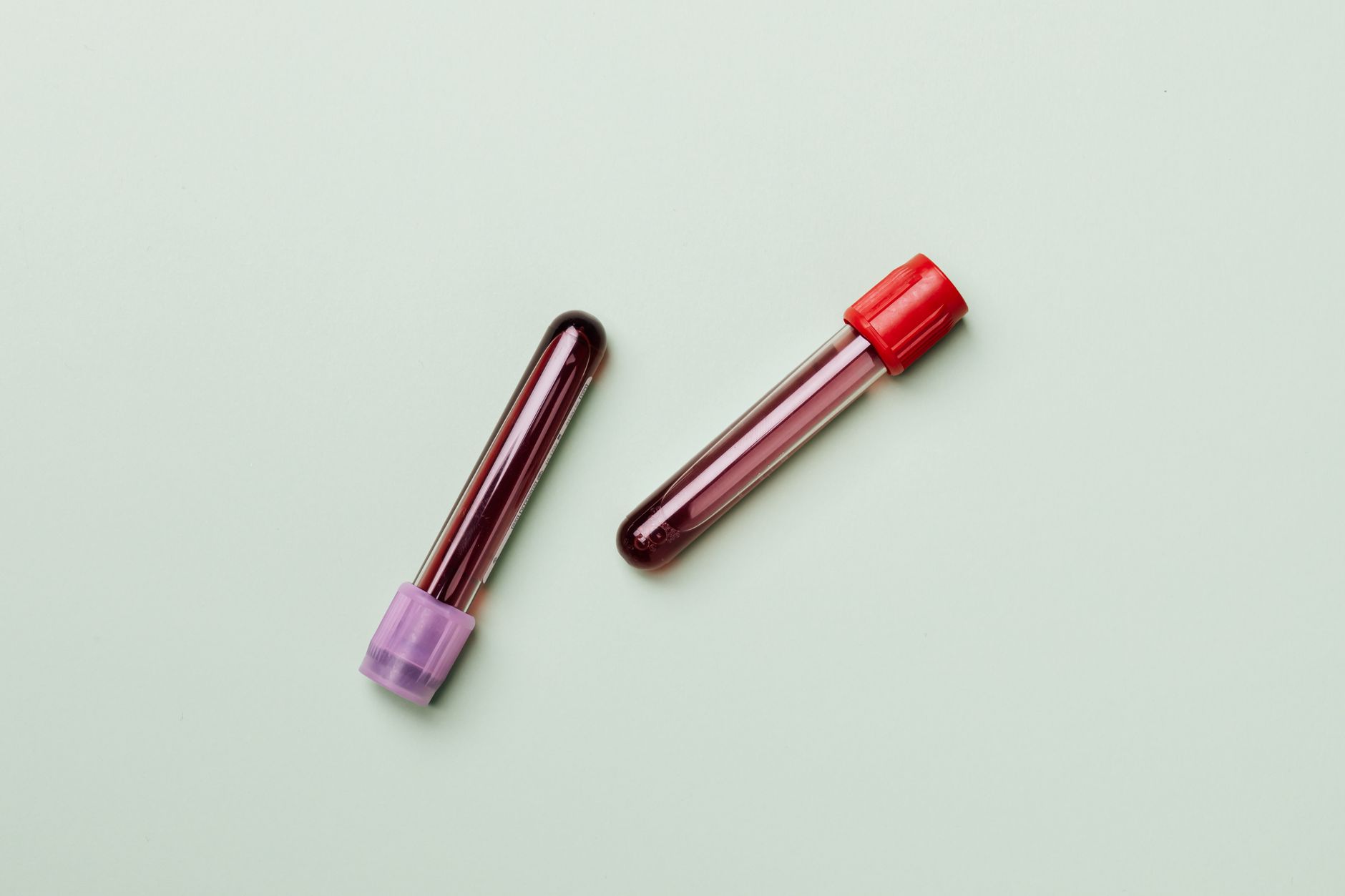
As of September 2026, an Auburn University rabies titer is the Fluorescent Antibody Virus Neutralization (FAVN) rabies antibody test performed by the Serology-Virology Laboratory at Auburn University College of Veterinary Medicine for international pet travel. The laboratory is recognized by the United States Department of Agriculture (USDA) for export FAVN testing, is listed among European Union (EU) designated laboratories for rabies antibody titration, and accepts serum only through a licensed veterinarian. A result of 0.5 IU/ml or higher is treated as acceptable for export on Auburn’s official FAVN report form, but destination waiting periods and certificates still apply.
The Auburn University rabies titer most owners mean is the OIE-FAVN assay: a laboratory measurement of neutralizing antibody to rabies virus in serum, used as proof of vaccination response for entry to many rabies-free countries and islands. Auburn’s Pet Owners Serology Frequently Asked Questions page states that the OIE-FAVN and FAVN tests are the same assay, and that the Rapid Fluorescent Focus Inhibition Test (RFFIT) is not a substitute for FAVN when traveling to rabies-free destinations.
Who runs the Auburn University rabies titer?
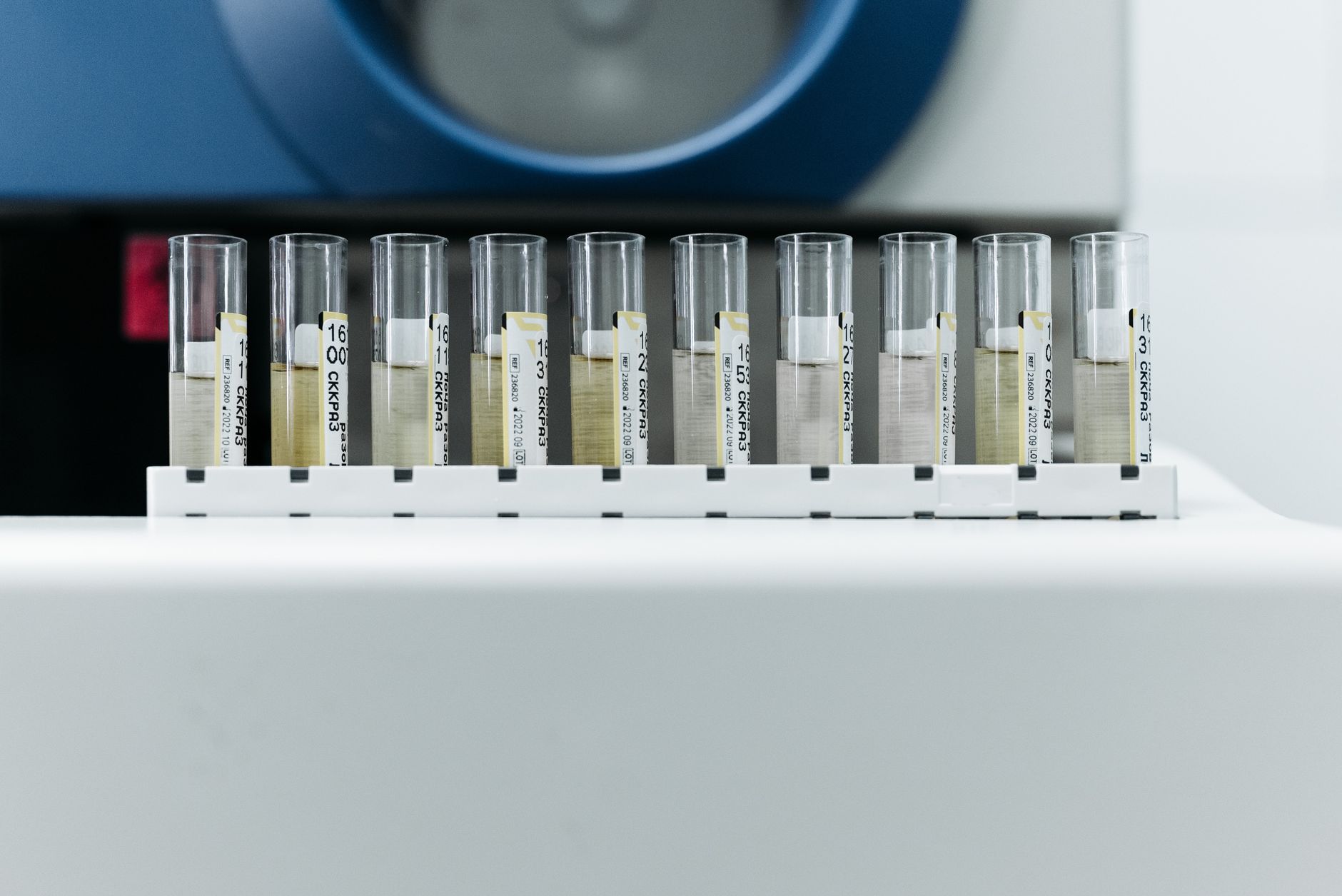
The Serology-Virology Laboratory sits in the Department of Pathobiology at Auburn University College of Veterinary Medicine. On its Serology-Virology Lab page, Auburn states that the laboratory is recognized by the USDA to carry out FAVN rabies antibody titer testing for export for pet travel, is an EU-approved laboratory, and is on the U.S. Centers for Disease Control and Prevention (CDC) approved list. Serum for FAVN must come from a licensed veterinarian.
The European Commission’s list of designated laboratories in non-EU countries includes “Auburn University - College of Veterinary Medicine - Department of Pathobiology - Virology Laboratory,” with a date of approval of 15 April 2016. That listing is the primary EU source confirming Auburn’s designation for rabies antibody titration tests used in pet movement rules.
Important limitation: Auburn repeatedly states that the Serology-Virology Laboratory is not currently approved for travel to Japan. If Japan is the destination, owners and clinics must use a laboratory approved for that route, not Auburn’s FAVN service.
What does a passing Auburn FAVN result mean?
Auburn’s FAVN Report Form states that a titer of 0.5 IU/ml or above indicates an acceptable rabies antibody level for the purpose of export. Auburn’s pet-owner FAQ uses the same threshold as ≥0.50 IU/mL and warns that a passing result alone does not guarantee entry: waiting periods, health certificates, and other destination rules may still apply.
For non-commercial movement of dogs, cats, or ferrets into the EU from many non-EU countries, the European Commission’s “Bringing a pet into the EU from a non-EU country” guidance (aligned with Commission Delegated Regulation (EU) 2026/131 and related rules) requires that the rabies antibody titration test:
- be performed on a sample collected by an authorised veterinarian at least 30 days after the date of the primary vaccination, or within a current valid vaccination series;
- measure neutralizing antibody equal to or greater than 0.5 IU/ml;
- be done in a designated laboratory;
- be supported by an official laboratory report attached to the animal health certificate;
- and that the sample be taken not less than 90 days before the date of issue of the animal health certificate accompanying the movement (subject to listed-country derogations and re-entry rules).
As of September 2026, those EU timing rules mean many U.S. owners planning EU entry should start microchip, vaccination, and titer planning months before the flight—not weeks.
How to get an Auburn University rabies titer (step by step)
Auburn’s Domestic Pet Owners page and Pet Owners Serology FAQ are clear: owners cannot mail samples themselves. The veterinary clinic is the submitting client. Auburn’s Domestic Pet Owners guidance also points owners to USDA country pages and a USDA-accredited veterinarian for destination planning.
- Confirm destination rules early. The United States Department of Agriculture Animal and Plant Health Inspection Service (USDA APHIS) tells accredited veterinarians to verify the destination country’s current identification, vaccination, testing, treatment, and certificate timing before issuing a health certificate. Country rules change; re-check them for every trip.
- Implant and verify the microchip before the blood draw. Auburn requires the microchip number on both the FAVN Report Form and the serum tube. Microchip identification must be implanted prior to sample draw. If an animal has two microchips, only the first number listed on the form appears on the result label.
- Time vaccination and sampling with the destination in mind. Auburn’s pet-owner FAQ suggests, for best antibody response, blood collection about 10–21 days after a booster or 14–30 days after a primary vaccination, and generally recommends at least two rabies vaccinations before FAVN. For EU-bound pets, the Commission’s non-EU entry guidance separately requires sampling at least 30 days after primary vaccination (or within a valid series) plus the 90-day certificate timing rule noted above. Ask the veterinarian to reconcile both the lab’s practical guidance and the destination’s legal timeline.
- Submit serum and a complete FAVN Report Form. Domestic clinic instructions call for 1 to 2 mL of serum in an untreated red or white top tube labeled with the animal’s microchip number. Unlabeled tubes are cancelled without exception. Complete the FAVN Report Form carefully in all capital letters if handwriting; Auburn warns that once a sample is entered, changes cannot be made until results are finalized.
- Ship Monday–Thursday for U.S. samples. Auburn asks domestic shippers not to keep samples in transit more than two days, prefers United Parcel Service (UPS) or Federal Express (FedEx), and advises against Friday shipments. The lab accepts packages Monday–Friday, 8 a.m.–5 p.m. Central Time, excluding state holidays, at Auburn University College of Veterinary Medicine, Serology-Virology Lab, 350 Greene Hall Annex, Auburn, AL 36849-5519.
- Receive the official stickered report via the clinic. Results are printed on an adhesive sticker affixed to a copy of the submitted FAVN Report Form. That stickered form is the official FAVN report; the original form stays on file at Auburn. Results are emailed to the submitting clinic. Pet owners should not call the lab—Auburn states it does not release information to owners and does not accept phone inquiries; email rabies@auburn.edu for clinic questions.
Standard FAVN vs expedited FAVN at Auburn
Auburn publishes approximate turnaround times on its laboratory pages. Expedited requests must be entered in the Pathology Diagnostic Services online portal before the sample is shipped. Once an expedited request is accepted, Auburn states changes cannot be made and the test cannot be cancelled.
| Feature | Standard FAVN | Expedited FAVN |
|---|---|---|
| Typical turnaround after receipt | Approximately 3–4 weeks from sample arrival (Auburn Serology-Virology Lab) | 1–2 weeks from receipt and portal acceptance (Auburn Expedited FAVN page) |
| Portal request required before shipping | No (standard paper FAVN Report Form) | Yes — clinic must submit online before shipping |
| Japan travel approval | Not currently approved | Not currently approved |
| International clinic payment | Payment required before testing proceeds (international submissions) | Payment required prior to performing Expedited FAVN (outside U.S.) |
| Domestic FedEx report delivery (flat rate, if chosen) | $25.00 (Auburn domestic clinic fee notes) | $25.00 domestic / $60.00 international report delivery listed on Expedited FAVN fees |
| Accession fee noted for expedited path | See Pathobiology Diagnostic Services online catalog for full test fees | $5.00 accession fee per accession (Expedited FAVN page), plus catalog test fees |
Auburn directs clinics to the Pathobiology Diagnostic Services online catalog for the complete current FAVN fee schedule. Do not rely on older third-party PDFs for price; fee schedules change.
FAVN vs RFFIT: which Auburn rabies titer is for travel?
Auburn offers both FAVN and RFFIT, but they serve different purposes:
- FAVN (OIE-FAVN): Required for many international pet-travel routes to rabies-free destinations. Official export report is the stickered FAVN Report Form.
- RFFIT: Used for vaccination-response assessment. Auburn’s Serology-Virology Lab page states the RFFIT turnaround is 1–2 weeks and that the RFFIT is not offered for pet travel. Auburn’s veterinarian FAQ likewise states RFFIT cannot be used for international travel to rabies-free destinations; FAVN is required.
Neither titer diagnoses rabies infection. Auburn’s pet-owner FAQ states rabies titer testing cannot diagnose rabies.
What USDA APHIS expects around the titer
USDA APHIS does not replace the destination country’s rules. On its “USDA-Accredited Veterinarians: Certifying Pets To Travel” page (last modified 1 April 2026), APHIS instructs accredited veterinarians to confirm the animal meets all destination requirements—including identification, vaccinations, testing, treatments, and certificate timing—before issuing a health certificate, and not to issue a certificate if requirements are incomplete. Certificates that require USDA endorsement are commonly submitted through the Veterinary Export Health Certification System (VEHCS).
Auburn’s own domestic-owner page tells pet owners to explore USDA destination information and find a USDA-accredited veterinarian. That division of labor is practical: Auburn runs the laboratory assay; USDA-accredited veterinarians and destination authorities control certificates and entry decisions.
Official pet travel documents vs Animal Passport’s livestock ID product
Official pet travel paperwork—USDA-endorsed health certificates, EU animal health certificates or EU pet passports under Commission rules, airline forms, and Auburn’s stickered FAVN Report Form—are government- or laboratory-issued travel compliance documents. They are not the same product as Animal Passport.
Animal Passport, published at https://www.animalpassport.co, is a digital animal and livestock identity system that uses muzzle biometrics (a nose print unique like a fingerprint), phone-based capture, and records that bind owner, breed, estimated age, body condition, and vaccination history. Age can be estimated from a dental photograph with a confidence score, and body condition can be scored 1–5 from a side-profile photo. The product was used in livestock flood rescue in Pakistan in August 2025 so farmers could reclaim animals when paper tags washed away. It is not a government-issued pet travel passport, does not replace an Auburn FAVN report, and is not veterinary diagnosis or legal advice.
For livestock managers who still need durable vaccination and ownership records alongside formal veterinary paperwork, Animal Passport’s digital history can sit beside clinic documents; for companion-animal export, follow Auburn, USDA APHIS, CDC where applicable, and the destination authority. More field notes appear on the Animal Passport blog.
Common failure points that delay an Auburn University rabies titer
- Unlabeled or mismatched microchip tubes — cancelled without exception for travel samples.
- Handwriting errors on the FAVN form — corrections after finalization may require a paid reissue if Auburn confirms a handwriting misinterpretation.
- Skipping the expedited portal step — expedited samples must be requested online before shipping.
- Assuming Japan acceptance — Auburn is not currently approved for Japan travel.
- Confusing RFFIT with FAVN — RFFIT is not the pet-travel assay at Auburn.
- Ignoring destination waiting periods — EU non-commercial entry from many third countries still needs the 90-day certificate timing after sampling, even with a passing titer.
Practical timeline example for owners
A workable planning sequence, combining Auburn’s process with USDA and EU primary guidance, looks like this:
- Confirm destination and transit rules with a USDA-accredited veterinarian (USDA APHIS, 2026 guidance).
- Verify ISO/destination-compliant microchip and current rabies vaccination (Auburn pet-owner FAQ; EU identification and vaccination rules where EU entry applies).
- Draw serum through the clinic; ship to Auburn with a complete FAVN Report Form.
- Allow about 3–4 weeks for standard FAVN after arrival, or 1–2 weeks if expedited and accepted (Auburn laboratory pages).
- Only then schedule waiting periods, certificate issuance, and travel—especially the EU’s not-less-than-90-days-before-certificate rule when it applies.
As of September 2026, starting this sequence four to six months before an EU-bound move is often more realistic than starting at ticket purchase.
Byline: Animal Passport editorial team. Last updated September 2026. Laboratory fees, turnaround times, and destination rules change; verify with Auburn University College of Veterinary Medicine, USDA APHIS, and the destination competent authority before travel.
FAQ
- What is an Auburn University rabies titer?
- It is the Fluorescent Antibody Virus Neutralization (FAVN) rabies antibody test performed by the Serology-Virology Laboratory at Auburn University College of Veterinary Medicine, typically for international pet travel documentation.
- How long does Auburn University FAVN testing take?
- Auburn states standard FAVN turnaround is approximately 3–4 weeks from the date the sample arrives. Expedited FAVN takes 1–2 weeks from when the sample is received and the portal request is accepted.
- What is a passing FAVN titer at Auburn?
- Auburn’s FAVN Report Form states that a titer of 0.5 IU/ml or above indicates an acceptable rabies antibody level for export. Auburn’s pet-owner FAQ notes a passing result alone does not guarantee entry into a destination country.
- Can I mail my pet’s blood sample directly to Auburn?
- No. Auburn’s Domestic Pet Owners page and clinic FAQ state that samples must be submitted through a veterinary clinic; the laboratory does not accept owner-submitted samples.
- Is Auburn University approved for Japan pet travel titers?
- No. Auburn’s Serology-Virology Laboratory states it is not currently approved for travel to Japan. Use a laboratory approved for that destination instead.
- Is RFFIT the same as FAVN for international travel?
- No. Auburn states the RFFIT is not offered for pet travel and that FAVN is required for rabies-free destinations. FAVN and OIE-FAVN are the same assay according to Auburn’s pet-owner FAQ.
- Does a European Union pet passport replace an Auburn FAVN test?
- No. For many non-EU to EU non-commercial movements, EU rules still require a designated-laboratory rabies antibody titration with a report attached to the animal health certificate. An EU pet passport is a separate official travel document and is not the same as Animal Passport’s biometric livestock product.
- How do I contact the Auburn rabies titer laboratory?
- Auburn directs questions to rabies@auburn.edu and states it does not accept phone calls. Pet owners should work through their submitting veterinarian for status, payment, and results.
Sources
- Serology-Virology Lab — Auburn University College of Veterinary Medicine
- Domestic Clinics – FAVN Submission — Auburn University College of Veterinary Medicine
- Expedited Fluorescent Antibody Virus Neutralization (FAVN) — Auburn University College of Veterinary Medicine
- Pet Owners Serology Frequently Asked Questions — Auburn University College of Veterinary Medicine
- Designated laboratories performing rabies antibody titration tests – Non-EU countries — European Commission – Food Safety
- Bringing a pet into the EU from a non-EU country — European Commission – Food Safety
- USDA-Accredited Veterinarians: Certifying Pets To Travel — United States Department of Agriculture Animal and Plant Health Inspection Service (USDA APHIS)
- FAVN Report Form (Serology-Virology) — Auburn University College of Veterinary Medicine
Animal Passport binds a muzzle biometric to a digital record farmers, buyers, and insurers can verify in the field.