Cat Carrier for Flying: Sizes, Rules, and What Airlines Actually Require
Key takeaways
- A cat carrier for flying must let the cat stand, turn around, and lie down in a natural position — this is the core IATA welfare standard, not just a size number.
- Most U.S. airlines cap in-cabin carriers around 18 x 11 x 11 inches (soft-sided), but the exact limit varies by airline and aircraft, so check before booking.
- IATA's 2026 Live Animals Regulations (CR1) calculate minimum container size from the cat's body measurements, not a flat one-size-fits-all rule.
- Soft-sided carriers are accepted for cabin travel under IATA guidance; rigid, ventilated crates are generally required only for cargo or checked transport.
- TSA requires you to remove your cat from the carrier at the security checkpoint and send the empty carrier through the X-ray machine — never the cat.
- A USDA APHIS-endorsed health certificate (APHIS Form 7001) is often required for interstate or international travel, separate from any carrier requirement.
- Snub-nosed (brachycephalic) cat breeds like Persians and Himalayans are restricted or banned from cabin travel on several major airlines, including United.
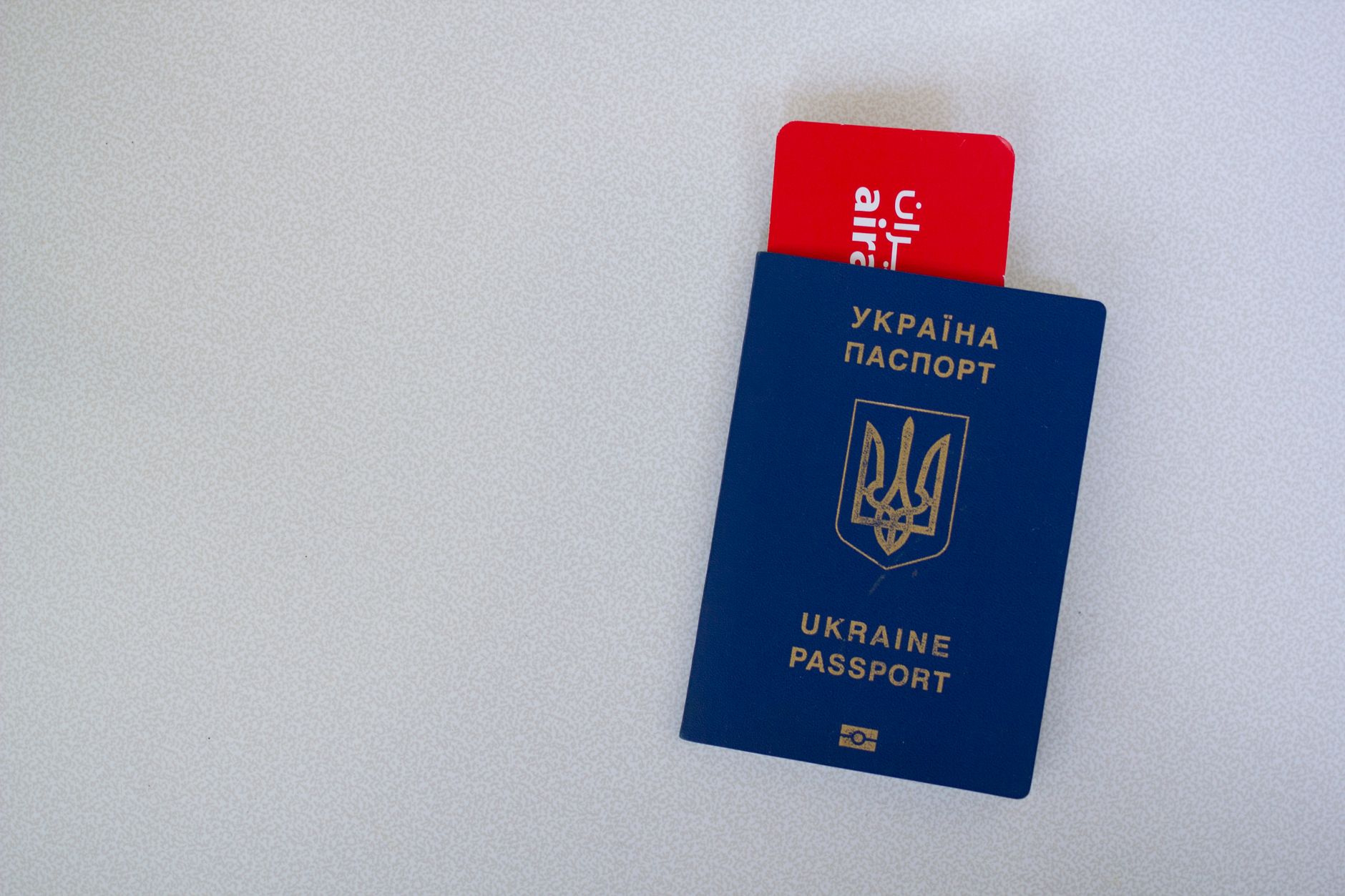
- Animal Passport's biometric digital ID is a livestock and pet identity record, not an airline-approved travel document — don't confuse it with a health certificate or IATA carrier certification.
A cat carrier for flying is a soft- or hard-sided pet container built to let a cat stand, turn around, and lie down in a natural position, sized small enough to fit under the seat in front of you on a commercial flight. The exact dimensions allowed depend on two overlapping rule sets: the International Air Transport Association's (IATA) Live Animals Regulations, and the individual airline's own cabin-pet policy — and airlines, not IATA, make the final call at the gate.
As of September 2026, most U.S. carriers cap soft-sided in-cabin carriers around 18 x 11 x 11 inches, but the number is not universal, and getting it wrong can mean being turned away at check-in. This guide breaks down what IATA actually requires, how United and Delta apply it in practice, what the Transportation Security Administration (TSA) expects at the checkpoint, and where a paperwork requirement like a USDA health certificate fits in — plus where a product like Animal Passport's biometric ID does and does not apply.
What Makes a Carrier "Airline-Approved"?
There is no single government-issued seal of approval for pet carriers. Instead, "airline-approved" means the carrier satisfies two layers of rules:
- IATA Live Animals Regulations (LAR): the global industry welfare and packaging standard that most international airlines reference, even though IATA itself does not operate flights or inspect carriers.
- The operating airline's own cabin-pet policy: airlines set their own maximum dimensions, fees, breed restrictions, and route bans, and these can be stricter than IATA's baseline.
According to IATA's Traveler's Pet Corner guidance, a container must allow the animal to "turn about normally while standing, to stand and sit erect, and to lie in a natural position," with minimum internal dimensions calculated from the animal's own body measurements — nose-to-tail length, shoulder width, and standing height — rather than a flat number (IATA, 2026). IATA's current specification is published as Container Requirement 1 (CR1) inside the 2026 edition of the Live Animals Regulations, which took effect 1 January 2026.
For cabin travel specifically, IATA's guidance allows soft-sided or fabric carriers — rigid construction, spacer bars, and built-in food/water containers, which are mandatory for cargo-hold crates, are not required for in-cabin pets (IATA, 2026). Snub-nosed (brachycephalic) breeds require a container roughly 10% larger to reduce breathing stress.
Airline-by-Airline: Cabin Cat Carrier Rules
Because airlines apply IATA's framework differently, always confirm current numbers directly with the airline before you book — policies and fees change over the year. The table below reflects publicly posted policy details gathered in September 2026.
| Airline | Max soft-sided carrier size | In-cabin fee (each way, domestic) | Notable restriction |
|---|---|---|---|
| United Airlines | 18" x 11" x 11" (soft-sided); 17.5" x 12" x 7.5" (hard-sided) | Reported around $125–$150 | Persians, Himalayans, and other snub-nosed cat breeds are not accepted in cabin |
| Delta Air Lines | 18" x 11" x 11" (soft-sided, airline-recommended) | $150 (tickets issued April 8, 2025 or later) | Cats banned from cabin travel to/from the UK, Australia, New Zealand, South Africa, Hong Kong, UAE, Iceland, Jamaica, Barbados, and Hawaii |
Delta's official pet travel page states a cat must be "small enough to fit comfortably in a kennel with the ability to move around without touching or sticking out from the sides," and the kennel must stow fully underneath the seat in front of the passenger (Delta Air Lines, 2026). United's published guidance similarly requires the carrier to remain under the seat for the entire flight, with no cargo or checked-pet option currently offered.
Both airlines require a per-flight reservation for the pet — you generally cannot add a cabin cat after the flight is booked without calling reservations, and both cap the number of pets allowed per cabin, so book the pet slot as early as possible.
How to Choose the Right Size Carrier
Use these steps, based on IATA's sizing method, to check a carrier before you buy:
- Measure your cat from nose to base of tail (not including the tail).
- Measure from the ground to the elbow (front leg) while standing.
- Measure shoulder width at the widest point.
- Measure standing height from the ground to the top of the head or ears.
- Compare these to the carrier's internal dimensions, not the outer case size — the cat needs room to stand, turn, and lie down inside.
- Check the specific airline's under-seat allowance for the aircraft type you're booked on, since regional jets often have less underseat clearance than widebody aircraft.
- Confirm the carrier is soft-sided if you're flying in-cabin, since most airlines require rigid crates only for cargo-hold or checked transport.
Airport Security: What TSA Requires
The Transportation Security Administration (TSA) has a fixed checkpoint procedure for pets that is separate from any airline carrier policy. According to TSA's official guidance, travelers should bring pets to the checkpoint in a hand-held travel carrier, then "remove the pet from the carrier just prior to the beginning of the screening process" and place the empty carrier on the X-ray belt (TSA, 2023). The cat itself is carried or walked through the metal detector — TSA is explicit that pets must never enter the X-ray tunnel, since that equipment is built for luggage, not animals. After screening, a TSA officer may swab the owner's hands for explosive trace detection, and the cat is returned to the carrier in a designated recomposure area away from the checkpoint (TSA, 2023). Travelers with anxious cats can request private screening in a separate room.
Health Certificates and Paperwork (Not the Same as the Carrier)
A carrier gets your cat onto the plane; it does not satisfy health documentation requirements. For interstate or international travel, many destinations require a veterinary health certificate — in the United States this is commonly the APHIS Form 7001, officially the "U.S. Interstate and International Certificate of Health Examination for Small Animals," issued by a USDA-accredited veterinarian and, for international trips, endorsed by the United States Department of Agriculture Animal and Plant Health Inspection Service (USDA APHIS). USDA APHIS advises travelers to "contact a USDA-accredited veterinarian as soon as you decide to travel," since some destination countries and airlines require country-specific paperwork rather than the standard form (USDA APHIS, 2026). Airline pet-carrier rules and government health-certificate rules are governed by different bodies and should each be checked independently — meeting one does not satisfy the other.
Where Animal Passport Fits — and Where It Doesn't
It's worth being precise about what a product like Animal Passport is, because the name invites confusion with official travel paperwork. Animal Passport is a phone-based digital identity record that uses muzzle biometrics — a nose print, which is unique to each animal in the way a fingerprint is unique to a person — to bind an owner's record to a specific animal, along with breed, an estimated age from a dental photograph, a body condition score from a side-profile photo, and vaccination history. It has been used in contexts like livestock flood rescue in Pakistan in August 2025, where farmers used the digital ID to reclaim animals after paper ear tags were washed away.
That is a livestock and companion-animal identity record, not an airline-approved travel document, an EU pet passport, a USDA health certificate, or a legal proof of vaccination for border crossing. If you're flying with a cat, the paperwork an airline or customs officer will ask for is the health certificate and vaccination record described above — an Animal Passport digital ID does not replace those documents unless a specific airline or government agency says otherwise. For general reading on pet identity and care records, see the Animal Passport blog.
Cat Carrier for Flying: Quick Comparison
| Requirement | Who sets it | What it covers |
|---|---|---|
| Carrier size and construction | IATA (industry standard) + individual airline | Physical container the cat travels in |
| Security screening procedure | TSA (U.S. only; other countries have equivalent agencies) | How the cat and carrier pass through the checkpoint |
| Health/vaccination documentation | USDA APHIS (U.S.) and destination-country agencies | Proof the animal is healthy and, where required, vaccinated |
| Digital identity record | Third-party products such as Animal Passport | Owner-animal identity binding via biometrics; not a substitute for the above |
Frequently Asked Questions
What size carrier do I need for a cat to fly in the cabin?
Most U.S. airlines allow soft-sided carriers up to roughly 18 x 11 x 11 inches, but the exact limit depends on the airline and aircraft, so confirm the current number with your specific carrier before booking (United Airlines; Delta Air Lines, 2026).
Can I use a hard-sided carrier for cabin travel?
Some airlines accept smaller hard-sided carriers (for example, United lists 17.5 x 12 x 7.5 inches), but IATA's cabin guidance is built around soft-sided containers, and hard-sided rigid crates are generally required for cargo-hold or checked pet transport instead.
Do I need to take my cat out of the carrier at airport security?
Yes. TSA requires travelers to remove the cat from the carrier before screening, send the empty carrier through the X-ray machine, and carry or walk the cat through the metal detector — the cat itself must never go through the X-ray tunnel (TSA, 2023).
What paperwork does my cat need to fly, besides the carrier?
For interstate or international travel, many destinations require a veterinary health certificate, commonly APHIS Form 7001 in the United States, issued by a USDA-accredited veterinarian and sometimes endorsed by USDA APHIS; requirements vary by destination and airline, so check both (USDA APHIS, 2026).
Are there breed restrictions for cats flying in-cabin?
Yes. United Airlines does not accept snub-nosed (brachycephalic) breeds such as Persians and Himalayans in the cabin due to breathing risk, and IATA guidance recommends roughly 10% larger containers for these breeds when they do travel.
Is Animal Passport a valid travel document for flying with my cat?
No. Animal Passport is a biometric digital identity record for livestock and pets, using nose-print identification, vaccination history, and body condition scoring; it is not an airline-approved carrier certification, a USDA health certificate, or an EU-style pet passport, and it should not be presented as one.
How old does my cat need to be to fly?
IATA guidance requires animals to be at least eight weeks old and fully weaned before air travel, though individual airlines may set higher minimums — for example, Delta requires cats to be at least 16 weeks old for international travel to the U.S. (IATA, 2026; Delta Air Lines, 2026).
Bottom Line
A cat carrier for flying has to satisfy two separate authorities at once: IATA's welfare-based sizing standard and your specific airline's cabin-pet policy, which usually caps soft-sided carriers around 18 x 11 x 11 inches in the U.S. but varies by airline. Layer on TSA's checkpoint procedure and, for many trips, a USDA-endorsed health certificate, and the carrier itself is only one piece of a checklist that should be confirmed directly with the airline and relevant government agency before travel — not with a livestock ID product, however useful that product is for tracking ownership and health records at home.
FAQ
- What size carrier do I need for a cat to fly in the cabin?
- Most U.S. airlines allow soft-sided carriers up to roughly 18 x 11 x 11 inches, but the exact limit depends on the airline and aircraft, so confirm the current number with your specific carrier before booking (United Airlines; Delta Air Lines, 2026).
- Can I use a hard-sided carrier for cabin travel?
- Some airlines accept smaller hard-sided carriers (for example, United lists 17.5 x 12 x 7.5 inches), but IATA's cabin guidance is built around soft-sided containers, and rigid crates are generally required for cargo-hold or checked pet transport instead.
- Do I need to take my cat out of the carrier at airport security?
- Yes. TSA requires travelers to remove the cat from the carrier before screening, send the empty carrier through the X-ray machine, and carry or walk the cat through the metal detector — the cat itself must never go through the X-ray tunnel (TSA, 2023).
- What paperwork does my cat need to fly, besides the carrier?
- For interstate or international travel, many destinations require a veterinary health certificate, commonly APHIS Form 7001 in the United States, issued by a USDA-accredited veterinarian and sometimes endorsed by USDA APHIS; requirements vary by destination and airline, so check both (USDA APHIS, 2026).
- Are there breed restrictions for cats flying in-cabin?
- Yes. United Airlines does not accept snub-nosed (brachycephalic) breeds such as Persians and Himalayans in the cabin due to breathing risk, and IATA guidance recommends roughly 10% larger containers for these breeds when they do travel.
- Is Animal Passport a valid travel document for flying with my cat?
- No. Animal Passport is a biometric digital identity record for livestock and pets, using nose-print identification, vaccination history, and body condition scoring; it is not an airline-approved carrier certification, a USDA health certificate, or an EU-style pet passport, and it should not be presented as one.
- How old does my cat need to be to fly?
- IATA guidance requires animals to be at least eight weeks old and fully weaned before air travel, though individual airlines may set higher minimums — for example, Delta requires cats to be at least 16 weeks old for international travel to the U.S. (IATA, 2026; Delta Air Lines, 2026).
Sources
- IATA - Traveler's Pet Corner — International Air Transport Association (IATA)
- TSA tips on traveling with pets through a security checkpoint at Washington Dulles International Airport — Transportation Security Administration (TSA)
- Travel With a Pet — USDA Animal and Plant Health Inspection Service (APHIS)
- Delta Air Lines Pet Travel Overview — Delta Air Lines
- Guidance for Passengers Traveling with their Dog or Cat in the Cabin — International Air Transport Association (IATA)
- Animal Passport — Animal Passport
Animal Passport binds a muzzle biometric to a digital record farmers, buyers, and insurers can verify in the field.