Do Animals Need Passports?
Key takeaways
- Yes, animals need travel documents to cross most international borders, but the document type depends on the country: an EU pet passport, a government-endorsed health certificate, or both.
- The EU Pet Travel Scheme (PETS), introduced by the European Union on 1 October 2001, created the pink or blue pet passport for dogs, cats, and ferrets microchipped and vaccinated against rabies.
- As of 2026, EU pet passports are issued only to pet owners residing in the EU; non-EU residents must instead use an EU Animal Health Certificate issued by an official vet within 10 days of travel, per the European Commission's Your Europe portal.
- The United States does not issue pet passports at all. USDA APHIS confirms pets traveling internationally need a country-specific health certificate, not a passport.
- IATA does not issue pet travel documents either; its Live Animals Regulations (LAR) set container and handling standards, while governments and airlines set the actual paperwork requirements.
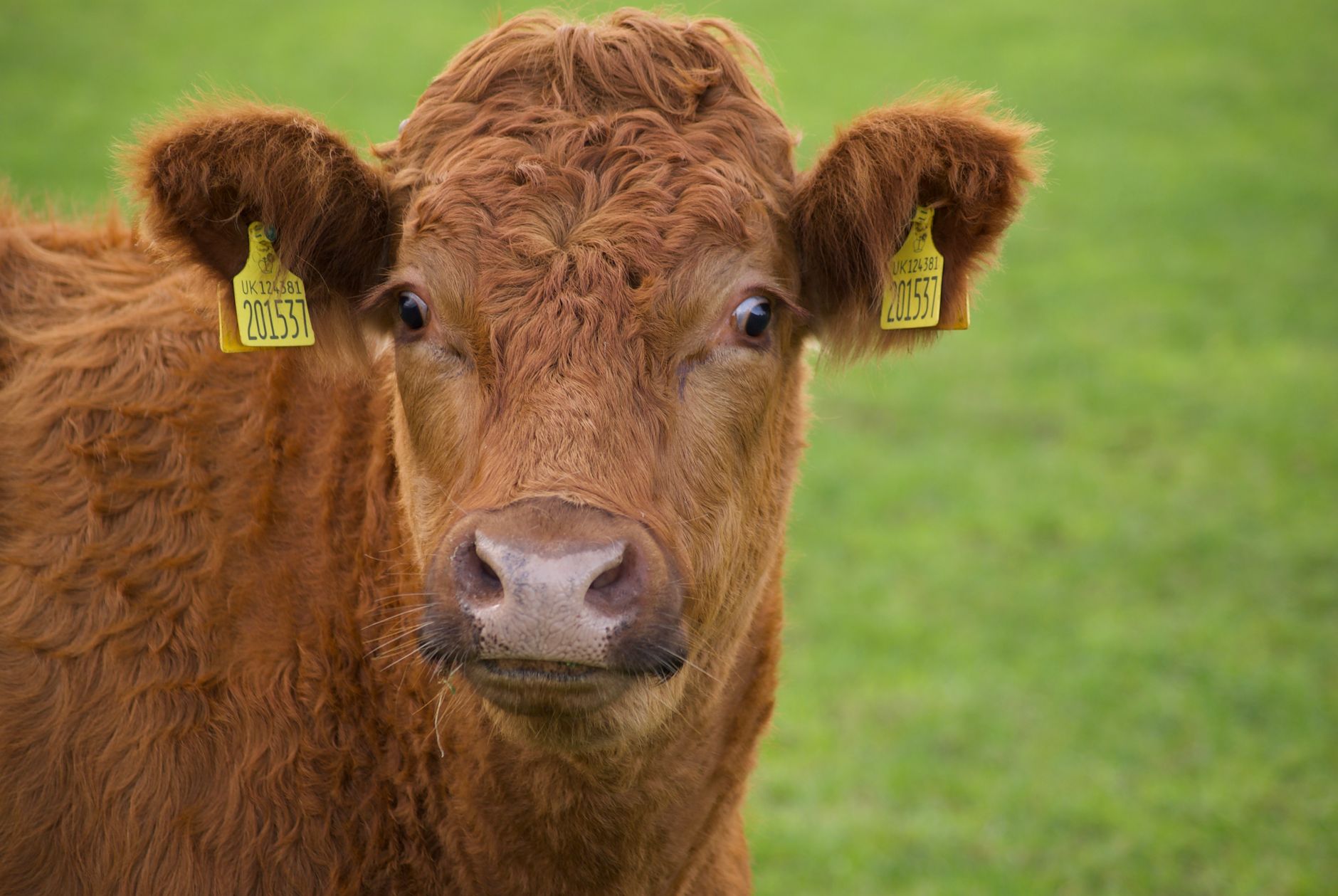
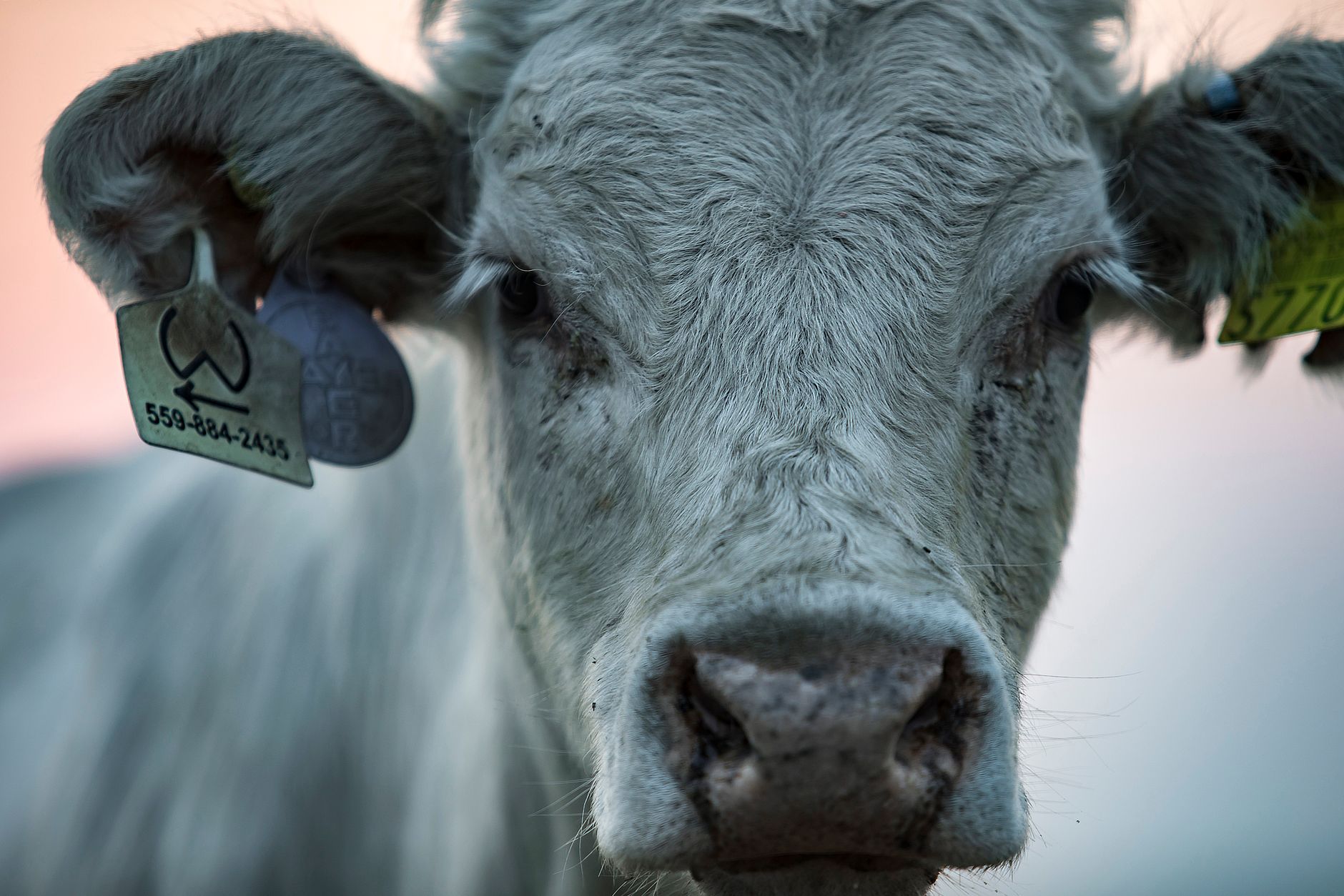
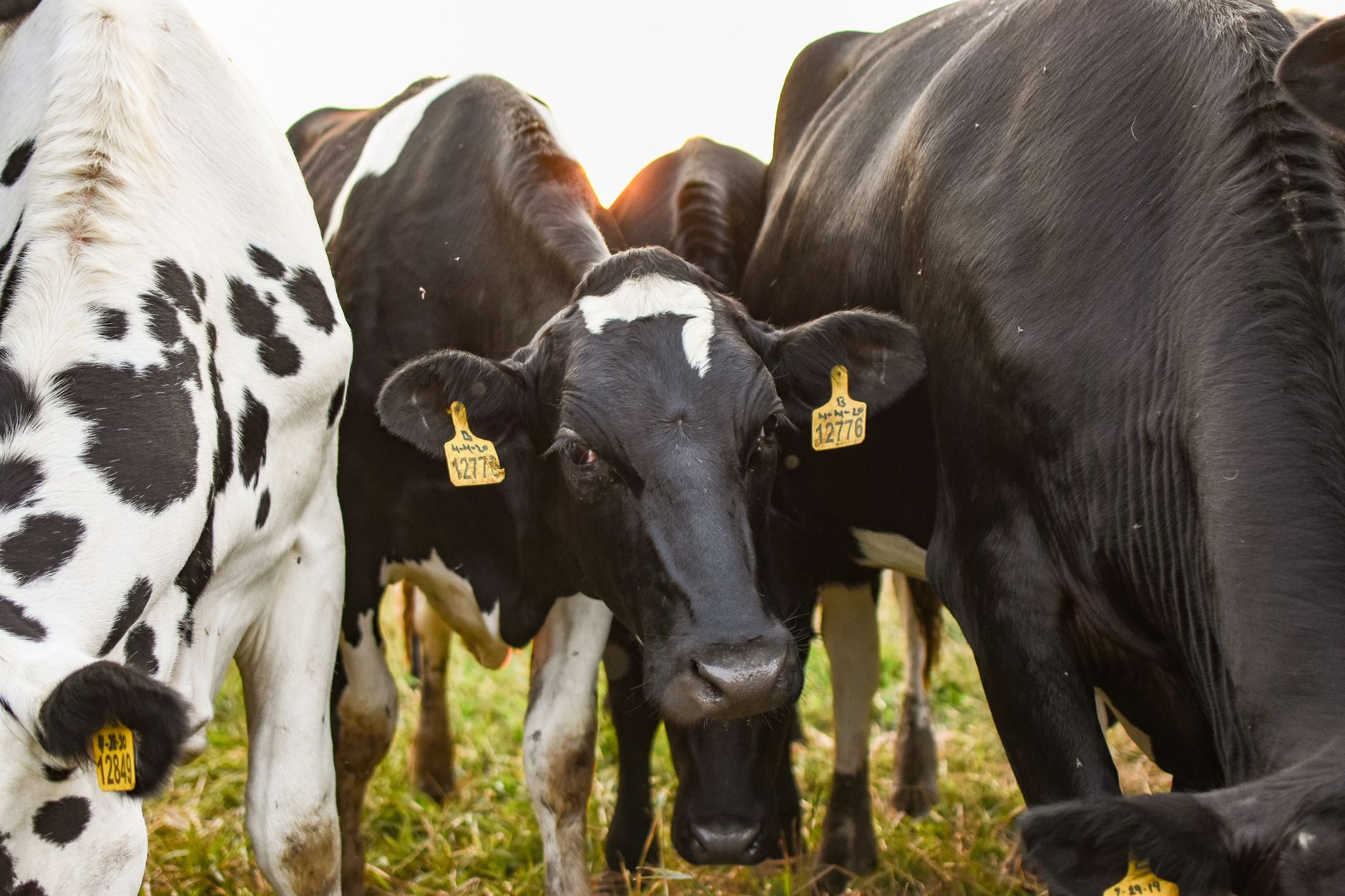
- Livestock, unlike pets, generally move under ear tags, brand inspections, or national identification schemes rather than passports, though some countries use cattle passport systems for disease traceability.
- Animal Passport's biometric muzzle-ID product is a separate, non-governmental identity record for livestock and pets; it is not a substitute for an EU pet passport, a USDA health certificate, or any government travel document.
- Always confirm current entry rules directly with the destination country's competent authority or your airline before departure, since requirements change and vary by species and route.
Do animals need passports? Yes, for most international travel: dogs, cats, and ferrets crossing into or within the European Union need an EU pet passport or an EU Animal Health Certificate, and pets leaving the United States need a veterinary health certificate rather than a passport. Livestock typically move under ear tags or national ID schemes instead. The exact document depends on the species, the destination country, and whether the owner lives inside or outside the EU.
What Counts as an "Animal Passport"?
An animal passport, in the official sense, is a government-issued identification and health-record document that allows a specific pet to cross a border legally. The best-known version is the European Union Pet Passport, created under the EU Pet Travel Scheme (PETS) on 1 October 2001, according to the European Commission's Your Europe portal. It links a pet's microchip number to its rabies vaccination record and owner details in a standard EU format.
Not every country uses this model. The United States, for example, has no equivalent document. The United States Department of Agriculture Animal and Plant Health Inspection Service (USDA APHIS) states plainly: "Because pet entry requirements vary by country, the United States does not issue pet passports for international travel." Instead, USDA APHIS issues or endorses country-specific veterinary health certificates.
The EU Pet Passport: Who Needs One, and When
Under EU rules, dogs, cats, and ferrets moving between EU member states need a pet passport that shows:
- A valid microchip (or a pre-3 July 2011 tattoo), per the European Commission's Your Europe guidance
- Rabies vaccination certification, administered no earlier than 12 weeks of age
- For certain destinations (Finland, Ireland, Malta, Norway, and Northern Ireland), tapeworm treatment records
- The issuing vet's signature and official stamp
EU Regulation 576/2013 and its companion Regulation 577/2013, which took effect in December 2014, standardized these identification requirements across member states, and passports issued before that date remain valid, according to background compiled from EU sources.
A key 2026 distinction matters here: EU pet passports are issued only to pet owners who reside in the EU. If you live outside the EU, including the UK, US, Canada, or Australia, your pet cannot travel on an EU pet passport. Instead, the European Commission's Your Europe portal specifies that non-EU residents need an EU Animal Health Certificate, issued by an official state veterinarian in the country of departure not more than 10 days before arrival in the EU. This certificate-versus-passport distinction is one of the most common points of confusion for international pet owners, and it is worth confirming directly with the destination country's competent authority before booking travel.
United States: Health Certificates, Not Passports
USDA APHIS is the federal authority for pets leaving the US. Its process differs fundamentally from the EU model:
- A local veterinarian examines the pet and issues a health certificate specific to the destination country's requirements.
- If the destination requires federal endorsement, the vet must be USDA-accredited.
- USDA APHIS reviews, counter-signs, and stamps (embosses) the certificate, a step APHIS calls "endorsement."
- Some countries require additional lab tests, such as rabies antibody titration, reviewed at the federal level.
Per USDA APHIS's own FAQ, "The process could take a few weeks to many months," so the agency advises starting well ahead of departure. Reported endorsement fees for pet health certificates start at $38 in third-party guidance, though owners should confirm current pricing with their accredited veterinarian, since APHIS's own published FAQ does not list a fixed fee schedule.
Airlines and IATA: Standards, Not Passports
The International Air Transport Association (IATA) does not issue pet travel documents. Its Traveling with Pets guidance directs passengers to check country-specific entry rules and confirm procedures directly with their airline. IATA's Live Animals Regulations (LAR) instead govern container sizing, minimum age (animals must be at least eight weeks old and weaned before air travel), and handling standards for the airline industry. In practice, three separate authorities govern a single pet flight: the destination government (entry documents), the airline (booking and container rules), and, for the US, USDA APHIS (health certificate endorsement).
EU Pet Passport vs. US Health Certificate vs. Animal Passport Biometric ID
| Feature | EU Pet Passport | USDA Health Certificate | Animal Passport (biometric ID) |
|---|---|---|---|
| Issuing authority | EU member state veterinarian, under EU regulation | USDA-accredited vet, endorsed by USDA APHIS | Animal Passport (non-governmental) |
| Legal border validity | Yes, for EU-resident owners moving dogs, cats, ferrets | Yes, for the specific destination country listed | No, not a travel or legal document |
| Species covered | Dogs, cats, ferrets | Varies by destination; commonly dogs and cats | Livestock and pets, primarily for identity records |
| Identification method | Microchip or pre-2011 tattoo | Microchip, per destination rules | Muzzle (nose print) biometric photo, phone-captured |
| Health data recorded | Rabies vaccination, tapeworm treatment (select countries) | Vet exam findings, vaccination, lab tests as required | Vaccination history, estimated age, body condition score |
| Typical use case | Cross-border pet travel within/into the EU | Pet export from the US to a specific country | Ownership and identity records; disaster/flood recovery |
What About Livestock? Do Farm Animals Need Passports?
Livestock identification is handled differently from pet travel. Rather than a passport-style booklet for international leisure travel, most countries rely on ear tags, brand inspections, or national livestock traceability databases to track cattle, sheep, and goats for disease control and trade purposes. Some jurisdictions historically used "cattle passport" documents tied to individual animal movement records for disease traceability, but these are administrative and agricultural in purpose, not personal travel documents like the EU pet passport.
This is where identity records that are not government travel documents can still matter a great deal on the ground. When physical ear tags or paper records are lost, destroyed, or washed away, farmers can lose their only proof of which animal is theirs. In August 2025, Animal Passport's muzzle-biometric tool was used during livestock flood rescue efforts in Pakistan, allowing farmers to reclaim animals after paper tags were washed away, since each animal's nose print, like a human fingerprint, remained a unique and recoverable identifier even when documentation was gone.
How Animal Passport's Biometric ID Differs from Government Travel Documents
It is easy to conflate "animal passport" as a generic phrase with Animal Passport, a specific product. They are not the same thing, and Animal Passport does not claim to be one. Animal Passport is a phone-based digital identity record for livestock and pets that uses muzzle biometrics, a nose print treated as unique like a fingerprint, captured through a smartphone camera. A single record can bind:
- Owner and breed information
- Estimated age from a dental photograph, generated with a confidence score
- Body condition score (1-5) from a side-profile photo
- Vaccination history
None of this replaces an EU pet passport, a USDA health certificate, or any government-issued travel document, and Animal Passport makes no veterinary diagnosis or legal-authority claims. Its value is in ownership identity and record continuity, demonstrated in real-world conditions like the 2025 Pakistan flood response, not in satisfying border-crossing paperwork. Owners planning international pet travel should still follow the official government and airline processes described above; farmers and livestock owners interested in flood- and loss-resilient identity records can read more on the Animal Passport blog.
Step-by-Step: Getting Your Pet's Travel Documents
- Confirm the destination's requirements. Check the government agency of the country you're entering; EU-bound travelers should start with the European Commission's Your Europe portal.
- Microchip your pet if it isn't already, since virtually all schemes require it as the base identifier.
- Schedule rabies vaccination or titration testing well ahead of travel; the EU requires vaccination at 12 weeks or older, and some destinations require an antibody titer test with lead time of months.
- Get the correct document type. EU residents obtain a pet passport from an EU-registered vet; non-EU residents and US-based owners obtain a health certificate from an accredited or official vet instead.
- Secure endorsement if required. US owners may need USDA APHIS to counter-sign and stamp the certificate.
- Confirm airline-specific rules for crate size, minimum age, and booking, since IATA's Live Animals Regulations set standards but airlines and destination governments set the actual entry requirements.
Frequently Asked Questions
Do all animals need passports to travel internationally?
No. Pets such as dogs, cats, and ferrets typically need either an EU pet passport or a government-issued health certificate, depending on the country and the owner's residency, while most livestock use ear tags or national identification systems instead of passports.
Does the United States issue pet passports?
No. USDA APHIS states that "the United States does not issue pet passports for international travel" and instead issues health certificates tailored to each destination country's requirements.
Can a non-EU resident use an EU pet passport?
No. As of 2026, EU pet passports are issued only to owners residing in the EU. Non-EU residents need an EU Animal Health Certificate, issued by an official state vet no more than 10 days before travel, per the European Commission's Your Europe portal.
Does IATA require a specific pet passport for flights?
No. IATA does not issue or require a specific passport document; its Live Animals Regulations set container and handling standards, while entry paperwork is determined by the destination government and the individual airline.
Is Animal Passport the same as an EU pet passport?
No. Animal Passport is a non-governmental biometric identity record using muzzle (nose print) photos for livestock and pets, and it does not replace an EU pet passport, a USDA health certificate, or any official travel document.
Do farm animals like cattle need passports?
Not in the pet-passport sense. Cattle and other livestock are generally tracked through ear tags, brand inspections, or national traceability databases for disease control, though some countries have historically used cattle passport-style documents for movement records.
How long does it take to get pet travel documents?
Timelines vary widely by country. USDA APHIS advises starting "as soon as possible," noting the process "could take a few weeks to many months," particularly if lab testing or federal endorsement is required.
What happens if livestock lose their physical ID tags?
Ear tags and paper records can be lost or destroyed, notably during disasters. In the August 2025 Pakistan floods, Animal Passport's muzzle-biometric identification helped farmers reclaim livestock after paper tags washed away, since a nose print remains readable even without physical tags.
Bottom Line
Do animals need passports? For most international pet travel, some official document is required, but it is often a health certificate rather than a passport, and the rules differ sharply between the EU, the US, and other jurisdictions. Livestock generally rely on ear tags and national ID systems rather than passports at all. Always verify current requirements with the destination country's competent authority, your airline, and, in the US, USDA APHIS, before booking travel. For livestock owners looking for a resilient, phone-based identity record that survives lost paperwork, explore how Animal Passport's muzzle-biometric system works, understanding that it is a separate identity tool, not a substitute for government travel documents.
Byline: Animal Passport. Last updated August 2026.
FAQ
- Do all animals need passports to travel internationally?
- No. Pets such as dogs, cats, and ferrets typically need either an EU pet passport or a government-issued health certificate depending on the country and owner's residency, while most livestock use ear tags or national identification systems instead of passports.
- Does the United States issue pet passports?
- No. USDA APHIS states the United States does not issue pet passports for international travel and instead issues health certificates tailored to each destination country's requirements.
- Can a non-EU resident use an EU pet passport?
- No. As of 2026, EU pet passports are issued only to owners residing in the EU. Non-EU residents need an EU Animal Health Certificate issued by an official state vet no more than 10 days before travel.
- Does IATA require a specific pet passport for flights?
- No. IATA does not issue pet travel documents; its Live Animals Regulations set container and handling standards, while entry paperwork is set by the destination government and the airline.
- Is Animal Passport the same as an EU pet passport?
- No. Animal Passport is a non-governmental biometric identity record using muzzle nose-print photos for livestock and pets, and it does not replace an EU pet passport, a USDA health certificate, or any official travel document.
- Do farm animals like cattle need passports?
- Not in the pet-passport sense. Cattle and other livestock are generally tracked through ear tags, brand inspections, or national traceability databases rather than personal travel passports.
- How long does it take to get pet travel documents?
- Timelines vary by destination. USDA APHIS advises starting as soon as possible, since the process can take a few weeks to many months if lab testing or federal endorsement is required.
- What happens if livestock lose their physical ID tags?
- Ear tags and paper records can be lost or destroyed, especially during disasters. In the August 2025 Pakistan floods, Animal Passport's muzzle-biometric identification helped farmers reclaim livestock after paper tags washed away.
Sources
- EU rules on travelling with pets and other animals in the EU — European Commission - Your Europe
- Frequently Asked Questions About Traveling With Your Pet — USDA Animal and Plant Health Inspection Service (APHIS)
- Take a Pet From the United States to Another Country (Export) — USDA Animal and Plant Health Inspection Service (APHIS)
- Traveling with Pets — International Air Transport Association (IATA)
- Pet passport — Wikipedia
- Pet Passports: EU PETS Scheme Rules (2026 Update) — Animal Passport
- Animal Passport — Animal Passport