Dog Rabies Titer Test: Cost, Timing, and How to Read the Results
Key takeaways
- A dog rabies titer test (FAVN or RFFIT) measures rabies-neutralizing antibodies in serum, reported in IU/mL, not the presence of rabies virus itself.
- The pass threshold recognized by the World Organisation for Animal Health (WOAH) and used by the USDA, CDC, and the European Union is 0.5 IU/mL or higher.
- The blood sample must be drawn at least 30 days after the dog's primary rabies vaccination, per CDC and European Commission rules.
- The European Union requires the sample to be taken at least 90 days before the travel health certificate is issued, in addition to the 30-day post-vaccination wait.
- A titer test does not replace a valid rabies vaccination or an official government pet-travel document — it is a supplementary immunity check.
- Only USDA/CDC-approved or EU-designated laboratories (e.g., Kansas State University, Auburn University) can issue results that regulators accept.
- Results are generally treated as valid for the life of the dog as long as rabies vaccination stays current and is not allowed to lapse.
- Animal Passport's muzzle-biometric digital record is a separate identity and vaccination-history tool — it does not perform or replace the lab titer test.
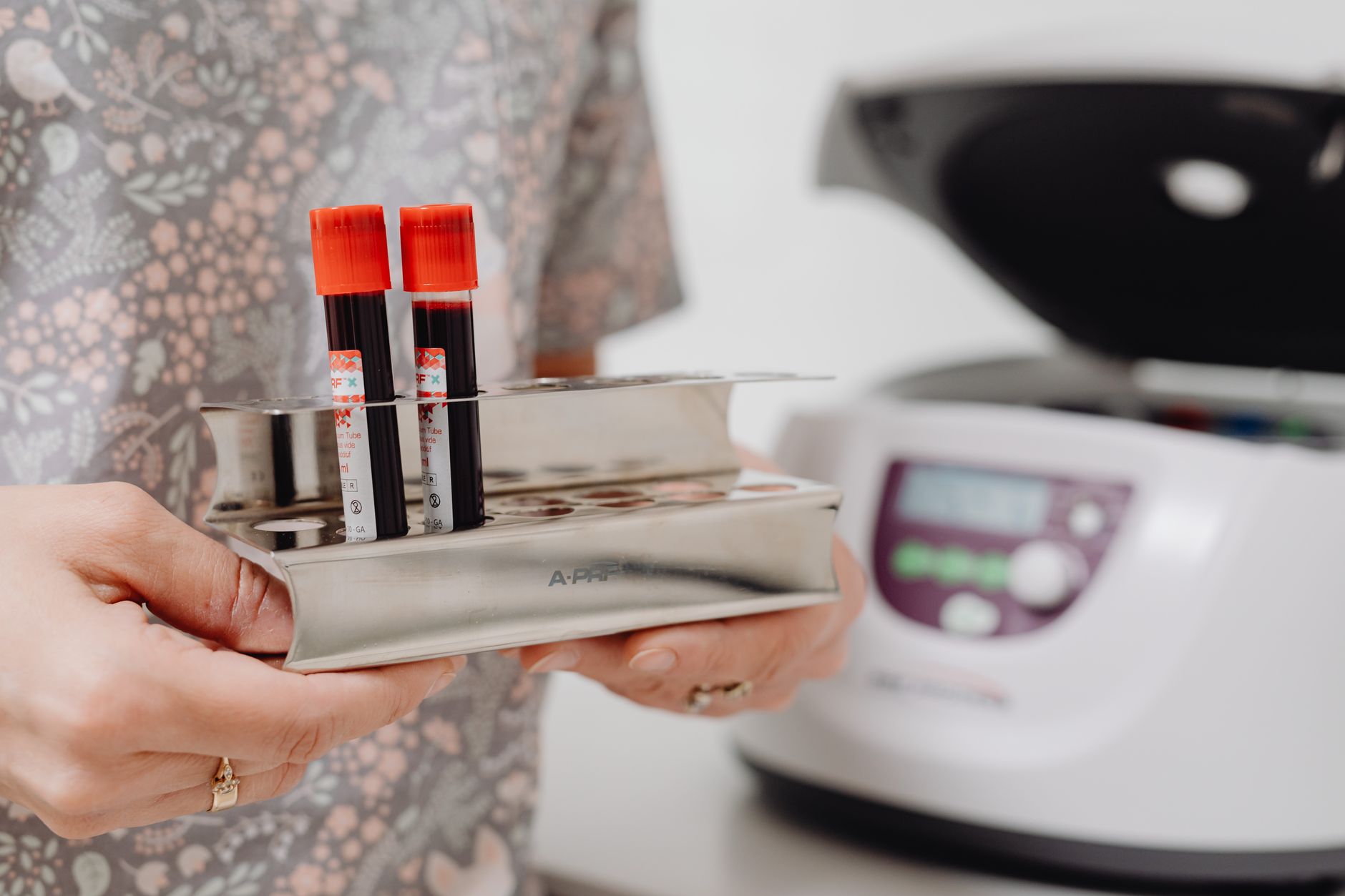
A dog rabies titer test — also called a FAVN (fluorescent antibody virus neutralization) or RFFIT (rapid fluorescent focus inhibition test) — is a blood test that measures the concentration of rabies-neutralizing antibodies in a vaccinated dog's serum, reported in international units per milliliter (IU/mL). A result of 0.5 IU/mL or higher, the threshold set by the World Organisation for Animal Health (WOAH) and used by the USDA, CDC, and the European Union, shows the dog's immune system responded adequately to vaccination. The test does not replace the rabies vaccine or any official travel document.
What Is a Dog Rabies Titer Test?
According to the World Organisation for Animal Health (WOAH) Terrestrial Manual, the only rabies antibody tests accepted for international dog movement are virus-neutralization (VN) assays — specifically the FAVN test and the RFFIT. Both measure how well a dog's serum antibodies neutralize live rabies virus in a laboratory setting, rather than simply detecting antibody presence. WOAH states that "the minimum measurable neutralising VN antibody titre considered to represent a reasonable level of seroconversion is 0.5 IU per ml," and the same cutoff is applied to both dogs and cats before international travel (WOAH, 2023).
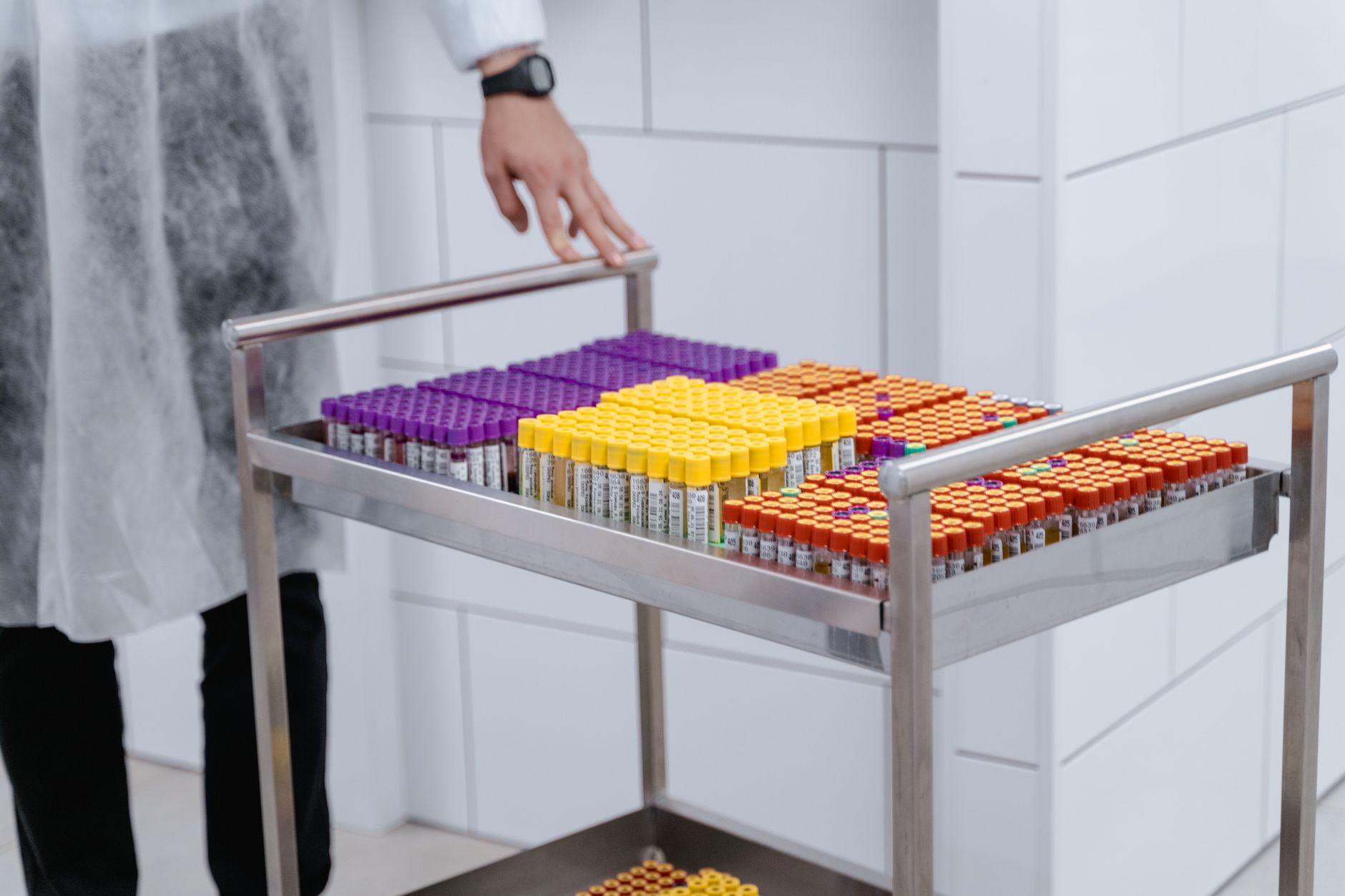
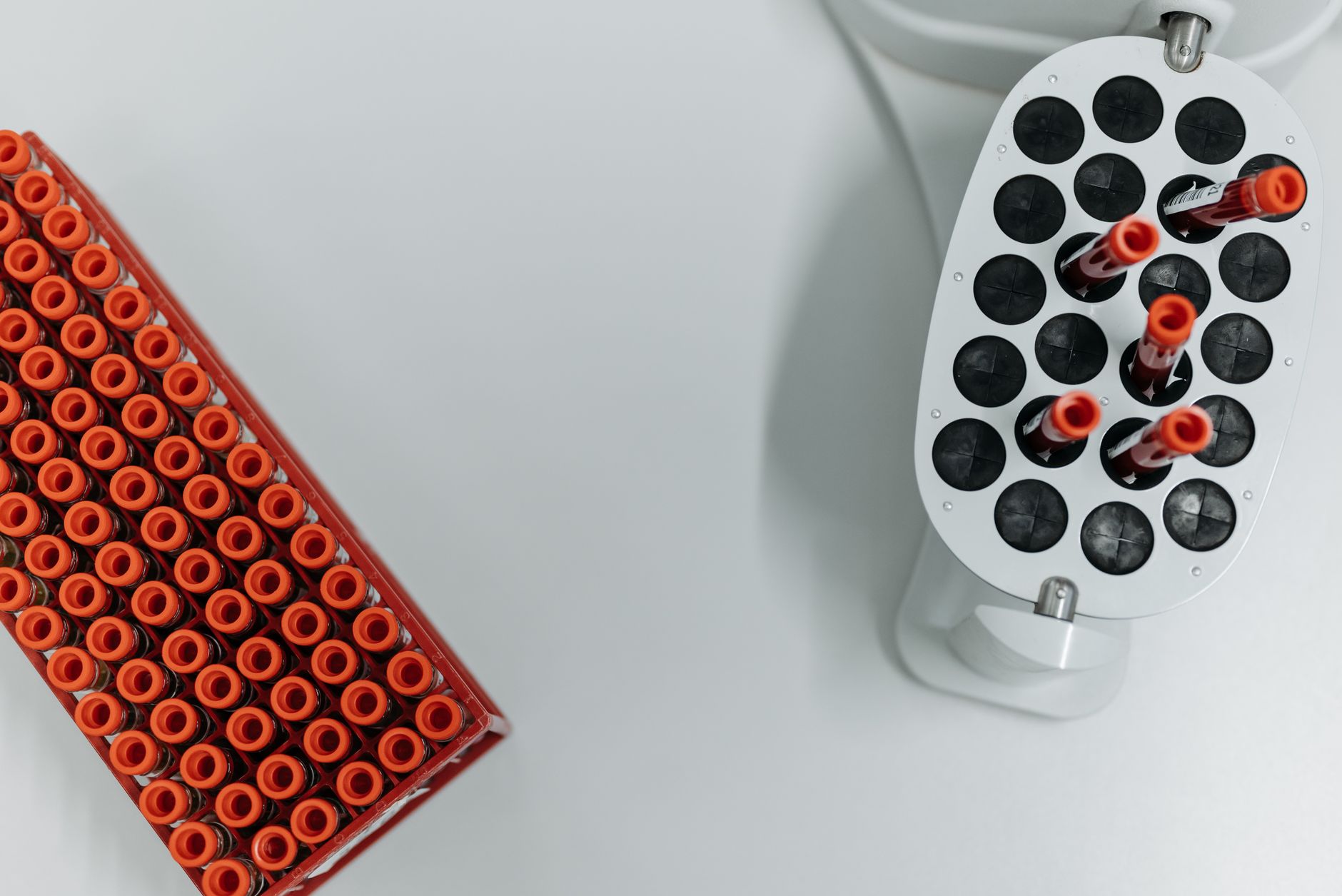
A titer test is a snapshot of immune response at one point in time. It cannot tell a veterinarian whether a dog is currently infected with rabies, and a passing result is not proof the dog will be immune for a specific number of years — it only confirms that, on the day the sample was drawn, measurable protective antibodies were present.
When Does a Dog Need a Rabies Titer Test?
Most dogs never need one. It becomes necessary in two main situations:
- International travel or import. Rabies-free or rabies-controlled destinations (Hawaii, Japan, Australia, Guam, and others) and countries such as EU member states use titer results to qualify pets for reduced quarantine or to satisfy import health certificates.
- Entry into the United States from a CDC-designated high-risk country. The Centers for Disease Control and Prevention (CDC) requires a passing rabies serology titer for foreign-vaccinated dogs arriving from countries on its high-risk list, drawn from an approved laboratory (CDC, 2026).
It is rarely required for dogs that stay within one country and are never crossing a rabies-free jurisdiction's border.
Country and Region Requirements Compared
Rules differ by destination, and mixing them up is a common source of delayed travel. As of September 2026, here is how the major frameworks compare:
| Jurisdiction / Authority | Titer Required? | Minimum Threshold | Key Timing Rule |
|---|---|---|---|
| United States entry from a CDC high-risk country (CDC) | Yes, unless the dog undergoes a 28-day CDC-registered quarantine instead | Passing result at a CDC-approved lab, which applies the WOAH 0.5 IU/mL standard | Sample drawn ≥30 days after the first valid rabies vaccination; results must clear ≥28 days before entry |
| European Union entry from a non-exempt non-EU country (European Commission) | Yes, unless the country of origin is on the EU's exempt list | ≥0.5 IU/mL, tested at an EU-designated laboratory | Sample drawn ≥30 days after primary vaccination, and taken ≥90 days before the travel health certificate is issued |
| Rabies-free/low-risk islands, e.g. Hawaii, Guam, Japan, Australia (destination quarantine programs) | Yes, to qualify for reduced quarantine | ≥0.5 IU/mL (WOAH standard) | Program-specific validity windows; for example, Hawaii's program ties acceptance to the date the sample was received by the lab (KSU Rabies Laboratory) |
Because these rules are set independently by each government and change periodically, always confirm current timing and paperwork with the destination's official import authority before booking travel.
How to Get a Dog Rabies Titer Test: Step by Step
- Confirm current vaccination. Your dog must already have a valid rabies vaccination on record before a titer test is meaningful.
- Wait the required interval. Most regulators, including the CDC and the European Commission, require the blood draw to happen at least 30 days after the primary vaccination.
- Have a licensed veterinarian draw the sample. Kansas State University's Rabies Laboratory specifies 1.0–2.0 mL of serum, refrigerated and shipped promptly, or frozen at -20°C if delayed (KSU Rabies Laboratory).
- Complete the lab's submission form. This typically requires the microchip number, vaccination date, and the vet's signature, matching the dog's other identification records.
- Send the sample to an approved laboratory. Only results from USDA/CDC-approved or EU-designated laboratories — such as Kansas State University, Auburn University, the University of Missouri, or Cornell University — are accepted for regulatory purposes (CDC Approved Laboratories list).
- Wait for results. Turnaround varies by lab and season; KSU notes that delivery times "may vary without notice," so build in a buffer before any travel deadline.
- Check the result against the 0.5 IU/mL threshold and against your destination's own waiting period — passing the test does not mean you can travel immediately.
- Keep the original report. Most frameworks treat a passing titer as valid for the life of the dog as long as rabies vaccination is kept current and does not lapse (CDC; European Commission).
Rabies Titer Test vs. Rabies Vaccine vs. EU Pet Passport
These three things are often confused, but they serve different legal purposes:
- Rabies vaccine: The medical intervention that creates immunity. No titer test can substitute for a currently valid vaccination in any official framework covered here.
- Rabies titer test (FAVN/RFFIT): A laboratory measurement confirming that vaccination produced a protective antibody level. It is a supporting document, not a stand-alone travel credential.
- EU pet passport / official health certificate: A government-recognized document, issued under the European Union's harmonized pet-movement rules, that records identification, vaccination, and (when applicable) titer test results. The titer test may be one entry within that document, but the document itself is issued by an official or accredited veterinarian under EU law, not by a private company.
This is a useful distinction for anyone researching "pet passport" products online: the official EU scheme, the UK/US-equivalent airline and government paperwork, and privately built digital identity products are not interchangeable, even when they share the word "passport."
Where Animal Passport Fits — and Where It Doesn't
Animal Passport is a phone-based digital identity record that uses muzzle biometrics — a dog or livestock animal's nose print, which is unique like a human fingerprint — to bind an owner, breed, estimated age, body condition score, and vaccination history to a single animal record. The age estimate is generated from a dental photograph with a confidence score, and the body condition score (1–5) comes from a side-profile photo.
Animal Passport does not perform the FAVN or RFFIT laboratory test, does not determine rabies antibody levels, and is not a government-issued travel document or an EU pet passport. It is a record-keeping layer that can store the fact that a titer test or vaccination happened, once a veterinarian or laboratory has produced that result. This kind of record-binding matters most when paper documentation is at risk: during livestock flood rescue operations in Pakistan in August 2025, muzzle-biometric records helped farmers reclaim animals after paper ear tags were washed away. The same principle — a durable, tamper-resistant link between an animal and its history — applies to keeping vaccination and titer paperwork intact for dogs facing international travel. See more on how the identity record works on the Animal Passport blog.
Cost and Turnaround
None of the primary sources reviewed for this article — USDA APHIS, the CDC, the European Commission, or Kansas State University's Rabies Laboratory — publish a fixed nationwide price for the FAVN or RFFIT test, since pricing is set by each individual accredited laboratory and can change. Owners should confirm current fees and turnaround directly with the laboratory they plan to use, and should also budget for the veterinary exam and blood-draw fee charged separately by the vet's clinic.
Frequently Asked Questions
What is a dog rabies titer test?
It is a blood test (FAVN or RFFIT) that measures the level of rabies-neutralizing antibodies in a vaccinated dog's serum, used to confirm the vaccine produced adequate immunity, typically for international travel or import.
What is a passing rabies titer level for dogs?
A result of 0.5 IU/mL or higher is the threshold recognized by the World Organisation for Animal Health (WOAH) and applied by the USDA, CDC, and the European Union.
How long after vaccination can the blood be drawn?
The CDC and the European Commission both require the sample to be drawn at least 30 days after the dog's primary rabies vaccination.
Does a rabies titer test replace the rabies vaccine?
No. A titer test only confirms the immune response to a vaccination that has already been given; it is not a substitute for keeping the vaccine current.
How long is a rabies titer test valid for travel?
Under CDC and European Commission rules, a passing result is generally valid for the life of the dog as long as rabies vaccination coverage does not lapse, though individual destination programs may set their own additional windows.
Where can I get a FAVN rabies titer test done for my dog?
Only USDA/CDC-approved or EU-designated laboratories can issue results accepted by regulators, including Kansas State University, Auburn University, the University of Missouri, and Cornell University in the United States.
Do all countries require a rabies titer test to enter with a dog?
No. Requirements vary by destination — the European Union exempts dogs arriving from certain listed non-EU countries, and many countries do not require a titer test at all if the dog is coming from a location the destination already trusts.
Is Animal Passport's muzzle-biometric ID the same as a rabies titer test or an EU pet passport?
No. Animal Passport is a digital identity and vaccination-history record built on muzzle biometrics; it does not perform laboratory antibody testing and is not a government-issued EU pet passport or travel document.
Learn more about how digital identity records support animal owners at Animal Passport.
FAQ
- What is a dog rabies titer test?
- It is a blood test (FAVN or RFFIT) that measures the level of rabies-neutralizing antibodies in a vaccinated dog's serum, used to confirm the vaccine produced adequate immunity, typically for international travel or import.
- What is a passing rabies titer level for dogs?
- A result of 0.5 IU/mL or higher is the threshold recognized by the World Organisation for Animal Health (WOAH) and applied by the USDA, CDC, and the European Union.
- How long after vaccination can the blood be drawn?
- The CDC and the European Commission both require the sample to be drawn at least 30 days after the dog's primary rabies vaccination.
- Does a rabies titer test replace the rabies vaccine?
- No. A titer test only confirms the immune response to a vaccination that has already been given; it is not a substitute for keeping the vaccine current.
- How long is a rabies titer test valid for travel?
- Under CDC and European Commission rules, a passing result is generally valid for the life of the dog as long as rabies vaccination coverage does not lapse, though individual destination programs may set their own additional windows.
- Where can I get a FAVN rabies titer test done for my dog?
- Only USDA/CDC-approved or EU-designated laboratories can issue results accepted by regulators, including Kansas State University, Auburn University, the University of Missouri, and Cornell University in the United States.
- Do all countries require a rabies titer test to enter with a dog?
- No. Requirements vary by destination — the European Union exempts dogs arriving from certain listed non-EU countries, and many countries do not require a titer test at all if the dog is coming from a location the destination already trusts.
- Is Animal Passport's muzzle-biometric ID the same as a rabies titer test or an EU pet passport?
- No. Animal Passport is a digital identity and vaccination-history record built on muzzle biometrics; it does not perform laboratory antibody testing and is not a government-issued EU pet passport or travel document.
Sources
- Entry Requirements for Foreign-Vaccinated Dogs from High-Risk Countries — Centers for Disease Control and Prevention (CDC)
- CDC-Approved Rabies Serology Laboratories (At a Glance) — Centers for Disease Control and Prevention (CDC)
- Bringing a pet into the EU from a non-EU country — European Commission
- Entry into the Union from non-EU countries or territories — European Commission
- FAVN Frequently Asked Questions — Kansas State Veterinary Diagnostic Laboratory (KSVDL)
- WOAH Terrestrial Manual — Chapter 3.1.19 Rabies (Infection with Rabies Virus) — World Organisation for Animal Health (WOAH)
- Pet Travel — USDA Animal and Plant Health Inspection Service (APHIS)
Animal Passport binds a muzzle biometric to a digital record farmers, buyers, and insurers can verify in the field.