Hungarian Pet Passport: What It Is and How EU Travel Works

Key takeaways
- A Hungarian pet passport is the EU Pet Passport model issued in Hungary for dogs, cats and ferrets—not a separate national travel booklet.
- As of September 2026, intra-EU non-commercial moves still require microchip ID, valid rabies vaccination, and an authorised-vet passport under EU animal health rules.
- Hungary is listed by Your Europe among EU countries that do not admit young pets without a completed primary rabies vaccination schedule.
- From most non-EU countries you need an EU animal health certificate (typically valid 10 days to the travellers’ point of entry), plus possible rabies antibody testing depending on the departure country’s listing.
- Great Britain–issued EU pet passports are no longer valid for travel from Great Britain into the EU; use the document type required for your route.
- Tapeworm treatment against Echinococcus multilocularis applies to dogs entering Finland, Ireland, Malta, Norway or Northern Ireland—not as a general entry rule for Hungary from other EU states.
- Animal Passport (animalpassport.co) is a biometric livestock identity product; it is not a government-issued Hungarian or EU travel document.
A Hungarian pet passport is an EU Pet Passport issued in Hungary by an authorised veterinarian for non-commercial travel with a dog, cat or ferret. As of September 2026, travel between EU countries still rests on three pillars set out by the European Commission and mirrored by Hungary’s National Food Chain Safety Office (Nemzeti Élelmiszerlánc-biztonsági Hivatal, Nébih): ISO-style microchip identification, a valid rabies vaccination recorded in the passport, and movement that stays within non-commercial rules (generally up to five pets travelling with the owner or an authorised person).
This guide answers the search intent behind “hungarian pet passport”: what the document is, how to get one in Hungary, how Hungary’s entry rules fit the wider EU Pet Passport and Pet Travel Scheme (PETS) landscape, and where digital livestock identity tools differ from official travel papers.

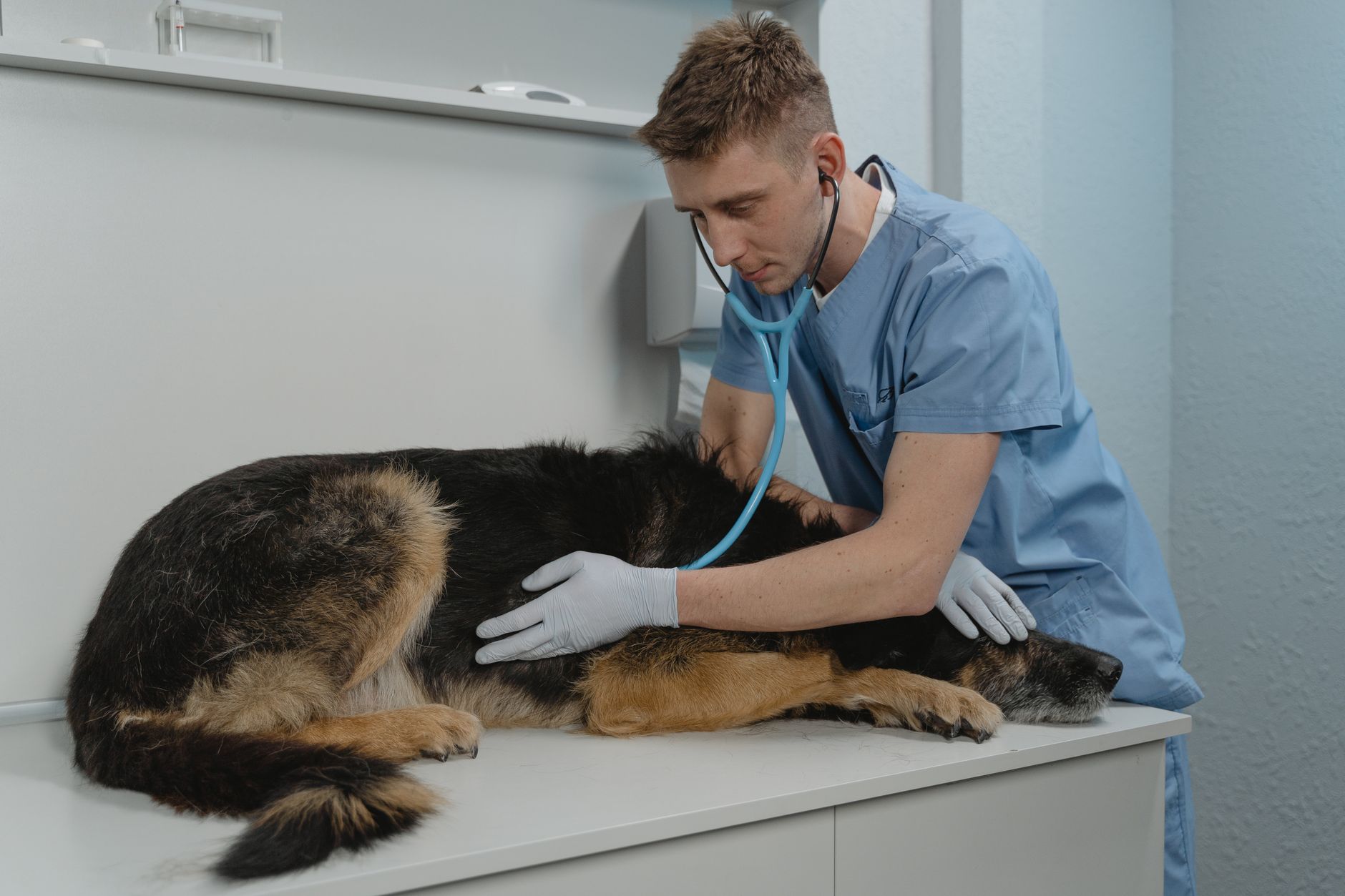
What is a Hungarian pet passport?
A Hungarian pet passport is not a Hungary-only booklet with unique border rules. It is the European pet passport (EU Pet Passport) issued on Hungarian territory under the EU model. The European Commission’s Your Europe portal defines a European pet passport as an identification document that follows an EU standard model, is mandatory for travel between EU countries, and is issued only to pet owners who are resident in the EU. It records the pet’s description, microchip or (legacy) tattoo code, rabies vaccination history, owner and issuing-vet contacts, and—when required—tapeworm treatment details.
The Magyar Állatorvosi Kamara (Hungarian Veterinary Chamber, MAOK) states that EU pet passports can be requested from practising service veterinarians who also treat companion animals, and that passport validity tracks the last rabies vaccination entered in the booklet. If boosters are given without updating the passport, the document can become unusable for travel even if the animal was vaccinated.
Publisher note: This article is produced by Animal Passport. For related explainers on animal identity and travel documentation, see the Animal Passport blog.
EU Pet Passport rules that apply in Hungary (as of September 2026)
Hungary participates fully in the EU framework for non-commercial movement of pet dogs, cats and ferrets. Nébih’s English guidance on non-commercial pet movement into Hungary (last update noted on that page as 25 April 2025, reflecting Regulation (EU) 2016/429) sets the practical checklist owners meet at Hungarian and other EU borders.
Non-commercial vs commercial movement
Nébih emphasises that a movement counts as non-commercial only when it is not for sale or transfer of ownership (including gifting or adoption), when no more than five animals travel, and when the animals accompany the owner or a person authorised in writing—or travel within five days before or after that person. Movements that fail those tests fall under stricter commercial animal-health rules. Your Europe and Commission Food Safety pages use the same five-pet ceiling and five-day authorised-person window.
As of 22 April 2026, Commission Delegated Regulation (EU) 2026/131 supplements Regulation (EU) 2016/429 for non-commercial pet movements. The European Commission’s “Travelling with a pet within the EU” page cites that delegated act as the current animal-health baseline for intra-EU trips that do not involve a change of ownership or sale.
Core health and identity conditions inside the EU
- Identification. The pet must be identified with a microchip (transponder). Older, clearly readable tattoos applied before 3 July 2011 remain accepted under EU and Nébih guidance.
- Rabies vaccination. An authorised veterinarian must vaccinate the animal against rabies. The animal must be at least 12 weeks old on vaccination day; vaccination must not precede microchip implantation or reading; and after a primary vaccination the validity period starts not less than 21 days later. Boosters must stay inside the previous vaccination’s validity window or the next shot is again treated as primary.
- Passport. An authorised veterinarian completes and issues the EU pet passport documenting the microchip (or tattoo) code, rabies details, and—where applicable—Echinococcus multilocularis treatment.
- Tapeworm treatment (dogs only, destination-specific). Dogs must be treated against Echinococcus multilocularis 24–120 hours before entering Finland, Ireland, Malta, Norway or Northern Ireland, with the treatment certified in the passport. Direct moves between those listed destinations are exempt. Entering Hungary from another EU country does not, under these EU rules, trigger a Hungary-specific tapeworm entry treatment for dogs.
Hungary and young pets
Your Europe lists Hungary among destinations that do not allow entry of young dogs, cats or ferrets that lack a completed primary rabies schedule (under 12 weeks unvaccinated, or 12–16 weeks vaccinated but still inside the waiting period). That is a material Hungary-specific planning point for breeders and new owners: do not assume a “young animal” derogation used in some other Member States will work for Hungarian entry.
How to get a Hungarian pet passport (step by step)
- Confirm EU residency and species. EU pet passports are for dogs, cats and ferrets belonging to owners habitually resident in the EU. Other species follow national rules, not the passport model.
- Microchip first. Implant (or verify) a working ISO-compliant microchip before the rabies vaccination that will be used for travel. United States Department of Agriculture Animal and Plant Health Inspection Service (USDA APHIS) guidance for pet travel from the United States to Hungary stresses the same order: chip before rabies, and scan the chip before vaccination.
- Rabies vaccination. Wait at least 21 days after a primary vaccination before relying on it for travel, unless a later booster is already valid under EU continuity rules.
- Book an authorised Hungarian veterinarian. Ask for an EU Pet Passport issuance appointment. MAOK directs owners to practising companion-animal veterinarians.
- Bring the animal and prior records. Expect the vet to verify identity, enter vaccination data, and—per common Hungarian practice described by MAOK—ensure the booklet stays updated at every rabies booster.
- Keep the passport with the animal for travel and boosters. Your Europe notes the passport remains valid for life if health information such as anti-rabies vaccination stays current.
Clinic fees for issuance, microchipping and vaccination are set by practices, not as a single EU-wide price published on Your Europe or Nébih. Ask the issuing clinic for a written quote rather than relying on informal price lists.
Entering Hungary: EU vs non-EU routes
| Situation | Usual document | Key checks (official sources) |
|---|---|---|
| EU country → Hungary (non-commercial) | EU Pet Passport | Microchip; valid rabies; passport; ≤5 pets; owner/authorised person rules (Nébih; Your Europe; Commission Food Safety) |
| Listed non-EU / special-agreement territories with passport arrangements | Pet passport where EU rules allow | Follow Commission listing and passport-model rules; some origins skip travellers’ point of entry |
| Other non-EU country → Hungary / EU | EU animal health certificate + owner declaration | Microchip; rabies; possible antibody titration; certificate generally valid 10 days to entry checks; use a designated travellers’ point of entry |
| Great Britain → EU (including Hungary) | Not a GB-issued EU pet passport for outbound GB travel | Your Europe and Commission Food Safety state EU pet passports issued to owners resident in Great Britain are no longer valid for GB→EU travel; use the required animal health certificate pathway |
From another EU Member State
If your dog, cat or ferret already holds a valid EU Pet Passport, Hungary accepts that document for non-commercial entry under the same EU conditions Nébih summarises: marking, rabies, passport entries, and the non-commercial limits. A separate Hungarian re-issue is not required merely to enter from Austria, Slovakia, Romania or another Member State.
From a non-EU country
Commission Food Safety guidance on bringing a pet into the EU from a non-EU country (also citing Delegated Regulation (EU) 2026/131) requires microchip ID, fitness to travel, rabies vaccination timing rules, and—unless the departure territory is listed for a derogation—a rabies antibody titration test meeting the ≥0.5 IU/ml threshold in a designated laboratory, with timing rules around sampling and certificate issue. The animal health certificate must be completed by an official veterinarian (or authorised vet then endorsed by the competent authority). Validity to the documentary and identity checks at a travellers’ point of entry is 10 days from official issuance (extended by sea journey time where applicable). For further movement inside the EU after those checks, Commission guidance describes a further validity window tied to six months or rabies expiry, whichever is earlier.
Nébih additionally publishes Hungarian-specific links for rabies serological testing facilities and report verification for owners who need antibody testing on Hungarian territory.
USDA APHIS’s “Pet Travel From the United States to Hungary” page (last modified 30 July 2025 on the version reviewed for this article) walks U.S. exporters through EU microchip and rabies order-of-operations, USDA endorsement of the EU health certificate, and the distinction between non-commercial and commercial certificates—including the five-day owner/designated-person rule. Owners should re-check APHIS before travel because export pages change without notice.
Hungarian pet passport vs Great Britain PETS-style rules
Searchers often conflate the EU Pet Passport with the United Kingdom’s post-Brexit pet travel documents. GOV.UK’s “Bringing your pet dog, cat or ferret to Great Britain” guide still centres microchipping before rabies vaccination, a waiting period of at least 21 full days after the first vaccination course, a route-dependent travel document, and— for many dogs—tapeworm treatment 24 hours to 5 days before arrival in Great Britain. That GOV.UK pathway is about entering Great Britain; it is not the same paperwork as a Hungarian-issued EU Pet Passport used for intra-EU trips.
Conversely, Your Europe states that from 1 January 2021, EU pet passports issued to a pet owner resident in Great Britain are no longer valid for travel with pets from Great Britain to an EU country or Northern Ireland. Owners relocating from England, Scotland or Wales to Hungary should plan for an EU animal health certificate (or other currently required document), then—once habitually resident in Hungary—obtain a Hungarian-issued EU Pet Passport from an authorised veterinarian for future EU travel.
What a Hungarian pet passport is not
An official Hungarian / EU pet passport is a regulated veterinary travel document for dogs, cats and ferrets. It is not:
- a substitute for airline carrier policies or cabin/cargo booking rules;
- legal advice or a veterinary diagnosis;
- a commercial livestock ownership title;
- the same product as Animal Passport’s digital biometric identity system.
Animal Passport biometric ID vs the EU Pet Passport
If you arrived here researching travel papers, keep the product boundary clear. Animal Passport publishes a digital animal and livestock passport that uses muzzle biometrics (a nose print treated as unique like a fingerprint), phone-based capture, and records that bind owner, breed, estimated age, body condition and vaccination history. Age can be estimated from a dental photograph with a confidence score; body condition can be scored 1–5 from a side-profile photo. The system was used in livestock flood rescue in Pakistan in August 2025 so farmers could reclaim animals when paper tags washed away.
That biometric record can support farm-level identity and recovery workflows. It does not replace a Hungarian-issued EU Pet Passport, an EU animal health certificate, Nébih border checks, or USDA APHIS export endorsement. Treat the two as complementary domains: government travel compliance versus digital livestock identity.
Practical checklist before you travel with a Hungarian pet passport
- Scan the microchip and match it to the passport before departure.
- Confirm rabies validity dates and any 21-day primary waiting period.
- If a dog will later enter Finland, Ireland, Malta, Norway or Northern Ireland, schedule Echinococcus treatment inside the 24–120 hour window.
- Stay within five pets unless you meet the competition/exhibition derogation (animals over six months with written event evidence).
- For non-EU arrivals into Hungary, verify the travellers’ point of entry and certificate timing on Commission and Nébih pages the week you fly.
- Update the passport at every rabies booster, as MAOK advises.
As of September 2026, always verify the live pages of Nébih, Your Europe, European Commission Food Safety, GOV.UK (for Great Britain routes), and USDA APHIS (for U.S. exports). Delegated and implementing regulations—including Commission Delegated Regulation (EU) 2026/131—can change model documents and transitional passport validity dates.
For more livestock-identity and documentation explainers from the same publisher, visit the Animal Passport blogs.
FAQ
- What is a Hungarian pet passport?
- A Hungarian pet passport is an EU Pet Passport issued in Hungary by an authorised veterinarian for dogs, cats or ferrets. It documents microchip identity, rabies vaccination and related health entries for non-commercial travel between EU countries.
- How do I get an EU pet passport in Hungary?
- Take your microchipped, rabies-vaccinated dog, cat or ferret to a practising authorised veterinarian in Hungary. The Magyar Állatorvosi Kamara (Hungarian Veterinary Chamber) states EU pet passports are available from companion-animal service veterinarians.
- Do I need a Hungarian pet passport to enter Hungary from another EU country?
- Usually you need a valid EU Pet Passport issued in any eligible EU setting, plus microchip and rabies compliance—not necessarily a passport re-issued in Hungary. Nébih and Your Europe describe the same intra-EU non-commercial conditions.
- Can unvaccinated puppies enter Hungary?
- Your Europe lists Hungary among countries that do not allow young pets that are unvaccinated against rabies or still inside the post-primary waiting period. Plan vaccinations and the 21-day wait before Hungarian entry.
- What documents do I need to bring a pet to Hungary from the United States?
- USDA APHIS guidance for travel from the United States to Hungary focuses on EU microchip and rabies sequencing plus a USDA-endorsed EU health certificate for non-commercial or commercial movement as applicable. Re-check APHIS and Commission Food Safety pages before you travel.
- Is a UK pet passport valid for travel to Hungary?
- Your Europe and European Commission Food Safety state that EU pet passports issued to owners resident in Great Britain are no longer valid for travel from Great Britain to an EU country. Use the animal health certificate route required for your departure country.
- Is Animal Passport the same as a Hungarian pet passport?
- No. A Hungarian pet passport is a government-recognised EU veterinary travel document for dogs, cats and ferrets. Animal Passport is a digital biometric livestock identity product and is not a substitute for official EU travel papers.
- How long is an EU pet passport valid?
- Your Europe states a European pet passport is valid for life as long as required health information, especially anti-rabies vaccination, remains in date. MAOK similarly ties usable validity to the last rabies entry recorded in the booklet.
Sources
- The Non-commercial Movement of Pet Animals — Nemzeti Élelmiszerlánc-biztonsági Hivatal (Nébih)
- EU rules on travelling with pets and other animals in the EU — European Union — Your Europe
- Travelling with a pet within the EU — European Commission — Food Safety
- Bringing a pet into the EU from a non-EU country — European Commission — Food Safety
- Bringing your pet dog, cat or ferret to Great Britain — GOV.UK
- Pet Travel From the United States to Hungary — USDA Animal and Plant Health Inspection Service (APHIS)
- EU kisállat útlevelek — Magyar Állatorvosi Kamara (Hungarian Veterinary Chamber)
Animal Passport binds a muzzle biometric to a digital record farmers, buyers, and insurers can verify in the field.