What Is a Puppy Passport? EU Rules, Warning Signs, and What It Isn't

Key takeaways
- A "puppy passport" is not one legal document — it's either the official EU pet passport (a travel/health record) or an informal breeder health pack. The two are easily confused.
- The official EU pet passport, defined by the European Commission, records a pet's microchip number, owner details, and rabies vaccination history and is issued only by an authorized veterinarian (europa.eu, 2026).
- Since 22 April 2026, Great Britain residents can no longer use EU-issued pet passports to travel to the EU; they need a new Animal Health Certificate (AHC) for every trip, per UK government and APHA guidance.
- Puppies must be at least 12 weeks old for a first rabies vaccination, then wait 21 days before travel — so the earliest a puppy can legally travel abroad is around 15 weeks (European Commission, gov.uk, 2026).
- The UK Kennel Club and FOUR PAWS International warn that a puppy advertised as "already has a passport" is a common sign of illegal importation; one FOUR PAWS investigation found over 80% of surveyed Romanian breeders had used corrupt vets to fake passports for underage puppies.
- A EU pet passport is a legal travel document. Animal Passport's product is a separate, unrelated technology: a digital livestock ID system using muzzle (nose-print) biometrics — it is not a pet passport, AHC, or travel document.
- If you're buying a puppy, ask to see the breeder's premises and dam in person rather than accepting passport paperwork alone as proof of legitimate, non-imported breeding.
A puppy passport usually refers to one of two different things: the official EU pet passport, a government-recognized travel and health document issued by a vet that records a dog's microchip number and rabies vaccination history, or an informal breeder health pack covering a puppy's vaccinations, worming treatments, and diet. As of September 2026, Great Britain residents can no longer use EU-issued pet passports to travel to the EU, and welfare groups warn that a puppy already advertised as having a passport can be a red flag for illegal importation.
This guide explains what a puppy passport actually is, the official EU and UK rules that govern it, minimum age requirements, and why buyers should be cautious. It also clarifies how Animal Passport's biometric livestock identification technology is a completely separate product from any pet travel document.
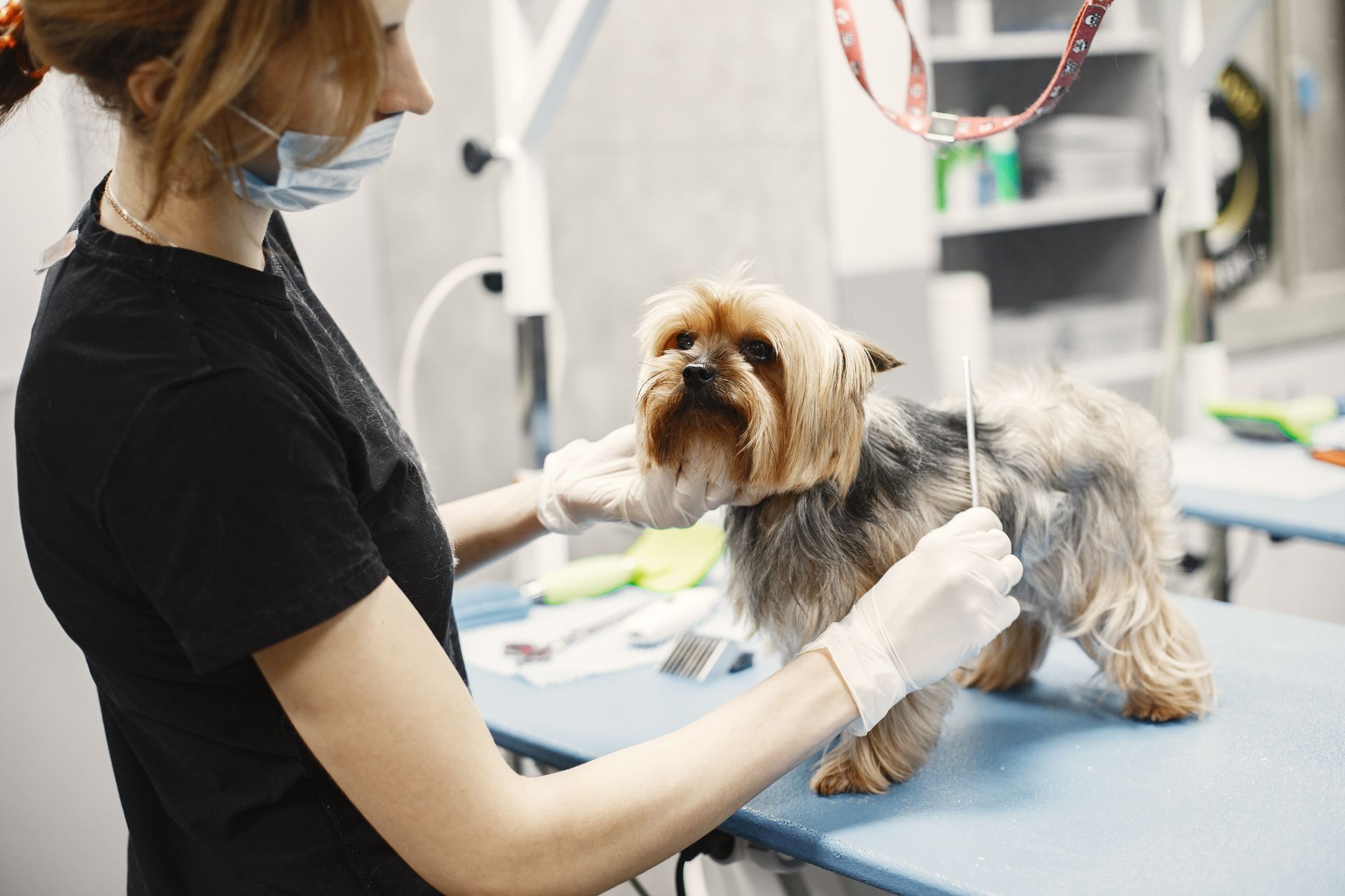

What Does "Puppy Passport" Actually Mean?
There is no single legal definition of "puppy passport." In practice, the term is used in two distinct ways:
- The official EU pet passport — a standardized document defined by the European Union that records a pet's identity, microchip code, and rabies vaccination history, issued by an authorized veterinarian (European Commission, Your Europe portal, 2026).
- An informal breeder "health pack" — a folder or booklet some breeders give new owners containing vaccination records, worming schedules, and sometimes a socialization or diet log. This is not a government-issued document and its contents vary by breeder.
Buyers searching for a puppy passport are often really asking one of three questions: Does my puppy need an EU pet passport to travel? Is a puppy advertised with a passport safe to buy? What paperwork should a legitimate breeder give me? The sections below answer each.
The Official EU Pet Passport: What It Contains and Who Issues It
The European Commission's Your Europe portal describes the EU pet passport as an identification document that follows a standard EU model and, for eligible pets, is valid for life as long as the animal's health information — particularly its rabies vaccination — stays current (European Commission, 2026). It applies only to dogs, cats, and ferrets, and only an authorized veterinarian can issue one.
A pet passport records:
- A description of the animal and its owner's contact details
- The microchip or tattoo identification code
- Rabies vaccination history and other health records
- The issuing veterinarian's details
Crucially, a pet — including a puppy — must be microchipped before it receives its rabies vaccination, and EU rules require pets to be at least 12 weeks old before that first rabies shot, with a mandatory 21-day wait afterward before travel (European Commission, food.ec.europa.eu, 2026). In practice, this means the youngest a puppy can normally travel internationally is around 15 weeks old.
Special Rules for Young or Unvaccinated Puppies
The European Commission's guidance on "young animals" defines a young dog as one that is either under 12 weeks old with no rabies vaccination, or 12–16 weeks old with a vaccination that hasn't yet reached full protection. These puppies cannot enter the EU from outside the bloc under any circumstance, but individual EU member states may allow young, unvaccinated dogs to move within the EU for non-commercial or commercial purposes under Delegated Regulation (EU) 2026/131 and Delegated Regulation (EU) 2020/688 respectively. Policy varies sharply by country — the European Commission's own comparison table shows nations such as Bulgaria, Croatia, and Czechia permitting young-dog movement, while Austria, Belgium, France, and Germany do not accept them at all. Always check the destination country's current rules before travelling with an underage puppy.
Great Britain Residents: The Rules Changed on 22 April 2026
Since Brexit, EU pet passports issued in Great Britain stopped being valid for travel to the EU, and GB owners have instead needed an Animal Health Certificate (AHC) for each trip. In May 2025, the UK and EU announced a trade deal that would bring back a pet-passport-style system for GB residents, and the UK Kennel Club welcomed the news, with its Head of Public Affairs, Dr Ed Hayes, calling the existing AHC system "costly and burdensome" (Royal Kennel Club, May 2025). As of this writing (September 2026), no date has been confirmed for that system's return.
In the meantime, the rules tightened further. As of 22 April 2026, EU pet passports issued to GB residents before that date are no longer valid for entry to the EU at all — even ones issued while the UK was still in the bloc. GB owners must now obtain a fresh Animal Health Certificate, issued by an official vet within 10 days of travel, for every outbound trip; each AHC then covers up to six months of onward EU travel and return to Great Britain, provided the rabies vaccination stays valid (UK government guidance; APHA briefing via Animal Couriers, April 2026). Northern Ireland residents are unaffected and retain access to EU pet passports under existing post-Brexit arrangements.
Puppy Passport vs. EU Pet Passport vs. UK Animal Health Certificate
| Document | What it is | Who issues it | Still valid for GB residents (Sept 2026)? |
|---|---|---|---|
| EU pet passport | Lifetime travel/health record for dogs, cats, ferrets moving within the EU | Authorized EU veterinarian | No — invalid for GB-to-EU travel since 22 April 2026 |
| UK Animal Health Certificate (AHC) | Single-trip certificate confirming microchip and rabies vaccination status | Official UK veterinarian | Yes — required for every trip to the EU |
| "Puppy passport" (breeder health pack) | Informal vaccination/worming/diet record given by a breeder | Breeder (not a government-recognized document) | Not applicable — has no legal travel status |
Why a Puppy "Already Having a Passport" Can Be a Warning Sign
The UK Kennel Club specifically flags a puppy advertised as already having a passport as a possible sign it was imported — and imported puppies are disproportionately linked to poor breeding conditions, since many enter the country through illegal or under-regulated supply chains (Royal Kennel Club). Animal welfare charity FOUR PAWS International investigated illegal puppy imports across the UK and Netherlands and found the paperwork itself is often the problem, not just the puppy's origin. Its 2023 report found that corrupt veterinarians supplied fraudulent passports with falsified vaccination records for underage puppies, and that in Romania, "more than 80% of breeders investigated declared that they participated in illegal activities," including obtaining fake passports (FOUR PAWS International, 2023). The same investigation found that almost a third of puppy classified ads surveyed in the UK — and up to half on one major UK site — showed signs of illegal importation, with the Netherlands showing similar rates above 40%.
The practical takeaway: a passport or certificate alone does not prove a puppy was legally and responsibly bred. Buyers should ask to visit the breeder's premises, see the puppy with its mother, and verify the microchip number matches the paperwork in person — not just accept a photographed document.
Minimum Age Rules at a Glance
- 12 weeks: Earliest age for a puppy's first rabies vaccination under EU rules (European Commission, 2026).
- 21 days after vaccination: Mandatory wait before travel following that first rabies shot (European Commission; UK government).
- ~15 weeks: Practical minimum age for a puppy to travel internationally once vaccination and the waiting period are accounted for.
- 8 weeks: IATA's Live Animals Regulations require pets to be at least eight weeks old and fully weaned before travelling by air, which is separate from and additional to government entry rules.
What a Puppy Passport Is Not: Animal Passport's Biometric Livestock ID
None of the above should be confused with Animal Passport, a digital identification product built for a different purpose entirely: livestock and farm animal identity, not pet travel. Animal Passport uses phone-based muzzle biometrics — an animal's nose print, which is unique in the same way a human fingerprint is — to bind a digital record to an individual animal. That record can include the owner, breed, an estimated age generated from a dental photograph with a confidence score, a body condition score (1–5) from a side-profile photo, and vaccination history.
This is a livestock welfare and record-keeping tool, not a government travel document. It played a practical role during livestock flood rescue efforts in Pakistan in August 2025, where paper ownership tags on animals were washed away and farmers needed another way to reclaim their livestock; biometric identity records were not vulnerable to water damage the way paper tags were. Animal Passport does not replace an EU pet passport, a UK Animal Health Certificate, or any government-issued travel document, and it does not perform veterinary diagnosis. Readers researching pet travel paperwork should rely on official government and EU guidance; readers interested in livestock identification technology can read more on the Animal Passport blog.
Frequently Asked Questions
What is a puppy passport?
"Puppy passport" usually refers to either the official EU pet passport — a vet-issued document recording a dog's microchip and rabies vaccination history — or an informal health pack a breeder gives a new owner. It is not a single standardized legal document in most countries.
Do I need a passport for my puppy to travel?
It depends on where you live and where you're travelling. EU residents can get an EU pet passport from an authorized vet. Great Britain residents cannot use EU pet passports for travel to the EU as of 22 April 2026, and instead need an Animal Health Certificate for each trip.
How old does a puppy need to be to get a passport or travel abroad?
A puppy must be at least 12 weeks old for its first rabies vaccination, then wait 21 days before travelling — making roughly 15 weeks the earliest practical travel age under EU and UK rules.
Is it a red flag if a puppy is advertised as already having a passport?
Yes, according to the UK Kennel Club, this can indicate the puppy was imported, and welfare investigators at FOUR PAWS International have documented cases of fraudulent passports issued for underage puppies through corrupt veterinarians. Always verify a puppy's origin in person rather than relying on documents alone.
Can UK residents still use an old EU pet passport?
No. EU pet passports issued to Great Britain residents before 22 April 2026 are no longer valid for entry to the EU, even if they were issued before that date. GB residents now need a new Animal Health Certificate for every trip.
Is a puppy passport the same as a microchip?
No. Microchipping is one requirement that must happen before a puppy can receive its rabies vaccination and be issued an EU pet passport or Animal Health Certificate — the chip and the passport/certificate are separate but linked.
Is Animal Passport's product a pet travel passport?
No. Animal Passport is a biometric livestock identification tool that uses muzzle (nose-print) biometrics, dental-photo age estimation, and body condition scoring for farm animal records. It is not a government-issued pet travel document and cannot be used in place of an EU pet passport or Animal Health Certificate.
What should I ask a breeder for instead of just a "passport"?
Ask to see the puppy with its mother at the breeder's premises, request vaccination and worming records signed by a named vet, and confirm the microchip number in person matches the paperwork — these steps catch more fraud than a passport document alone.
FAQ
- What is a puppy passport?
- "Puppy passport" usually refers to either the official EU pet passport — a vet-issued document recording a dog's microchip and rabies vaccination history — or an informal health pack a breeder gives a new owner. It is not a single standardized legal document in most countries.
- Do I need a passport for my puppy to travel?
- It depends on where you live and where you're travelling. EU residents can get an EU pet passport from an authorized vet. Great Britain residents cannot use EU pet passports for travel to the EU as of 22 April 2026, and instead need an Animal Health Certificate for each trip.
- How old does a puppy need to be to get a passport or travel abroad?
- A puppy must be at least 12 weeks old for its first rabies vaccination, then wait 21 days before travelling — making roughly 15 weeks the earliest practical travel age under EU and UK rules.
- Is it a red flag if a puppy is advertised as already having a passport?
- Yes, according to the UK Kennel Club, this can indicate the puppy was imported, and welfare investigators at FOUR PAWS International have documented cases of fraudulent passports issued for underage puppies through corrupt veterinarians. Always verify a puppy's origin in person rather than relying on documents alone.
- Can UK residents still use an old EU pet passport?
- No. EU pet passports issued to Great Britain residents before 22 April 2026 are no longer valid for entry to the EU, even if they were issued before that date. GB residents now need a new Animal Health Certificate for every trip.
- Is a puppy passport the same as a microchip?
- No. Microchipping is one requirement that must happen before a puppy can receive its rabies vaccination and be issued an EU pet passport or Animal Health Certificate — the chip and the passport/certificate are separate but linked.
- Is Animal Passport's product a pet travel passport?
- No. Animal Passport is a biometric livestock identification tool that uses muzzle (nose-print) biometrics, dental-photo age estimation, and body condition scoring for farm animal records. It is not a government-issued pet travel document and cannot be used in place of an EU pet passport or Animal Health Certificate.
- What should I ask a breeder for instead of just a "passport"?
- Ask to see the puppy with its mother at the breeder's premises, request vaccination and worming records signed by a named vet, and confirm the microchip number in person matches the paperwork — these steps catch more fraud than a passport document alone.
Sources
- EU rules on travelling with pets and other animals in the EU — European Commission (Your Europe)
- Young Animals — dogs, cats and ferrets — European Commission
- Take your pet abroad — UK Government (GOV.UK)
- Kennel Club welcomes return of pet passports — The Kennel Club (Royal Kennel Club)
- Puppy Scammers Exposed — FOUR PAWS International
- APHA briefing on EU pet travel rule changes — Animal Couriers (citing APHA)
- Pet Passports: EU PETS Scheme Rules (2026 Update) — Animal Passport
- Animal Passport — Identity for every animal — Animal Passport