Rabies Antibody Titer Test: What 0.5 IU/mL Means for Pet Travel
Key takeaways
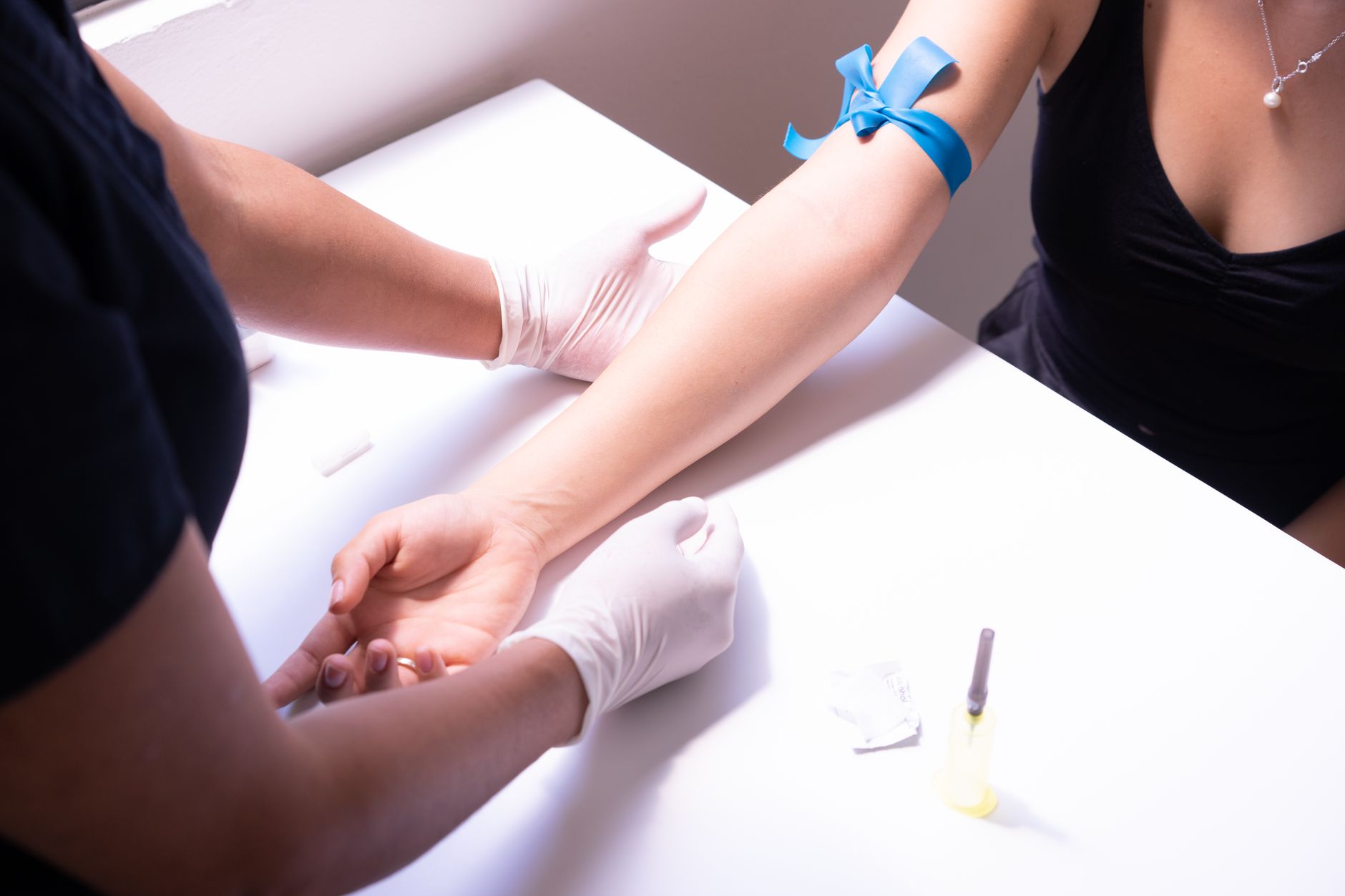
- A rabies antibody test measures rabies virus-neutralizing antibodies (RVNA) in blood, not the virus itself.
- WOAH, the CDC, and EU Regulation (EU) 576/2013 all set the same pass mark: 0.5 IU/mL of neutralizing antibody.
- Only two lab methods are internationally recognized: the FAVN test and the RFFIT.
- The CDC accepts results only from CDC-approved rabies serology laboratories, of which only three currently operate in the United States.
- For EU entry from a non-listed country, blood must be drawn at least 30 days after vaccination and the test result must be dated at least 90 days before the travel certificate is issued.
- A passing EU titer result stays valid for the pet's life as long as rabies vaccination never lapses; other destinations, like Singapore, only honor it for 6 months.
- A rabies antibody test is a lab report, not a digital vaccination record — Animal Passport's muzzle-biometric ID stores vaccination history but does not perform or replace laboratory titer testing.
- Failing a titer test does not mean rabies exposure; it usually means revaccination and a retest after roughly 14 days.
A rabies antibody test (also called a rabies titer test) measures the level of rabies virus-neutralizing antibodies (RVNA) in a blood sample to confirm that a vaccinated animal or person mounted an adequate immune response. The World Organisation for Animal Health (WOAH), the U.S. Centers for Disease Control and Prevention (CDC), and the European Union all set the same pass mark: a titer equal to or greater than 0.5 international units per milliliter (IU/mL). Pet owners most often need this test to satisfy import rules when traveling to a rabies-free or high-risk destination.
What Is a Rabies Antibody (RVNA) Test?
Rabies antibody testing does not look for the rabies virus. It looks for the antibodies the immune system built after a rabies vaccine, using a blood serum sample. The CDC’s rabies laboratory guidance describes two accepted assays for detecting these antibodies: the Rapid Fluorescent Focus Inhibition Test (RFFIT), used in humans and animals, and the Fluorescent Antibody Virus Neutralization (FAVN) test, used mainly in animals (CDC, 2026). Both tests mix diluted serum with live rabies virus and healthy cells, then measure how much virus the serum can neutralize.
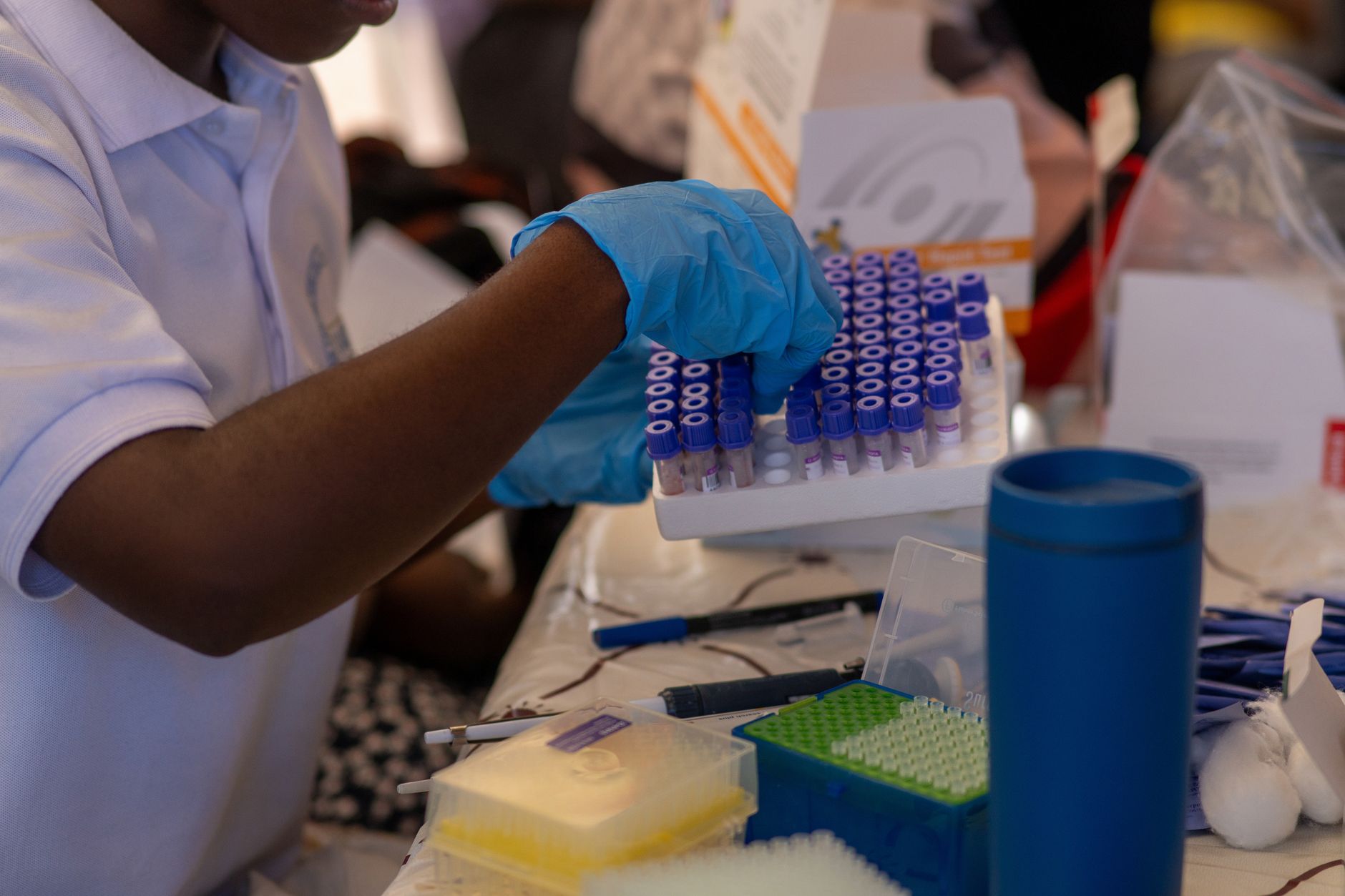
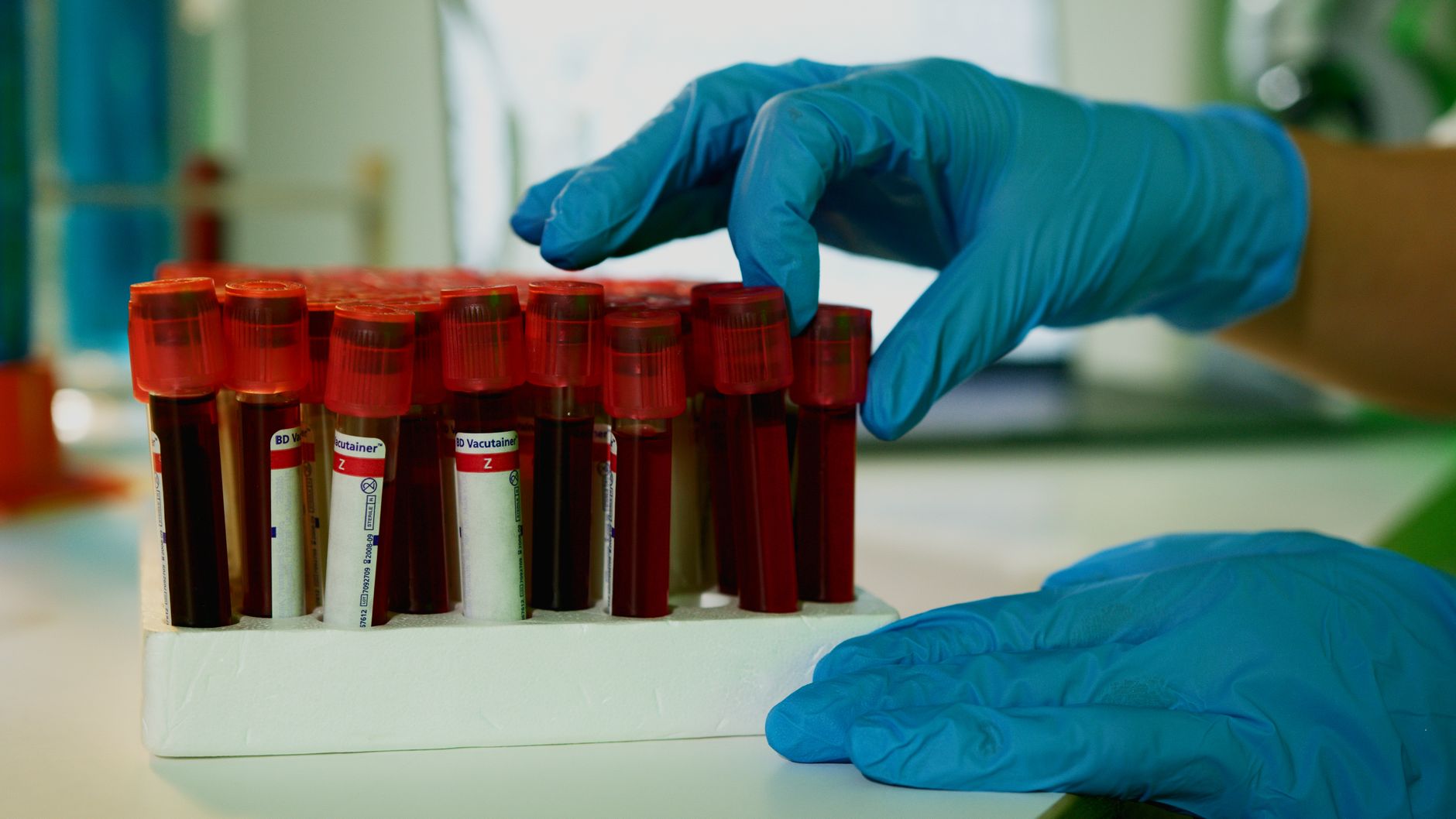
The World Organisation for Animal Health (WOAH) Terrestrial Manual identifies RFFIT and FAVN as the international gold-standard methods for quantifying rabies virus-neutralizing antibodies, noting the two tests produce equivalent results (WOAH, Terrestrial Manual, Chapter 3.1.18). No other commercial antibody test is currently accepted for official international pet travel documentation.
Why Rabies Antibody Testing Matters
Rabies is fatal once clinical signs appear, and it remains endemic in wildlife and unvaccinated dog populations across much of the world. Regulators use antibody testing as objective proof that a vaccine worked, rather than relying on a vaccination certificate alone. This matters most in three situations:
- Pet import into rabies-free or rabies-controlled regions — such as the European Union (for pets from non-listed countries), Australia, New Zealand, Japan, Hawaii, and several Caribbean and Pacific islands.
- Foreign-vaccinated dogs entering the United States from a CDC-designated high-risk country, where a valid titer can avoid a 28-day quarantine at a CDC-registered Animal Care Facility (CDC, 2026).
- Human occupational exposure monitoring — for veterinarians, animal control officers, and lab workers who need periodic proof of continued immunity, per CDC guidance.
The 0.5 IU/mL Threshold: Who Set It and Why
The 0.5 IU/mL benchmark did not originate with any single country. WOAH’s Terrestrial Manual establishes it as the seroconversion level associated with an adequate response to rabies vaccination, and this same figure was written into EU law. The European Commission’s official guidance on bringing a pet into the EU from a non-EU country states the test must show “a level of neutralising antibody to rabies virus in serum equal to or greater than 0.5 IU/ml” (European Commission, Food Safety, 2026). The CDC uses an identical figure: “A serological titer greater than or equal to 0.5 international units per milliliter is considered evidence of an adequate immune response” (CDC, 2026). Because WOAH, the EU, and the CDC converge on one number, a passing FAVN or RFFIT result is broadly recognized — but the surrounding timing and paperwork rules still differ by destination, which is where most pet owners run into trouble.
FAVN vs. RFFIT: How the Two Accepted Tests Compare
| Feature | FAVN Test | RFFIT |
|---|---|---|
| Full name | Fluorescent Antibody Virus Neutralization | Rapid Fluorescent Focus Inhibition Test |
| Recognized by | WOAH, EU, Australia, Japan, New Zealand | CDC, U.S. state health labs, WOAH |
| Species tested | Primarily animals (dogs, cats, ferrets) | Humans and animals |
| Pass threshold | ≥ 0.5 IU/mL | ≥ 0.5 IU/mL |
| Typical use case | EU, Hawaii, and Pacific/Caribbean island entry | U.S. import titers, occupational exposure checks |
Timing Rules: United States vs. European Union
Both the U.S. and EU require the blood draw to happen well after vaccination, but they diverge on how far in advance of travel the test must be run and how long a passing result lasts.
| Requirement | United States (CDC, dog import from high-risk countries) | European Union (from a non-listed third country) |
|---|---|---|
| Earliest blood draw | 30 days after the first valid rabies vaccination | 30 days after the qualifying rabies vaccination |
| Required lead time before travel/certificate | At least 28 days before U.S. entry | At least 90 days before the health certificate is issued |
| Approved labs | CDC-approved rabies serology laboratories only (three in the U.S. as of 2026) | Laboratories designated under EU Regulation (EU) 2017/625, Article 37 |
| Result validity | Governed by destination/quarantine rule, not a fixed shelf life | Valid for the pet's life if rabies vaccination stays current |
| Failing consequence | 28-day quarantine at a CDC-registered Animal Care Facility | Entry denied or animal placed in quarantine/isolation per member state rules |
Sources: CDC dog importation guidance and European Commission Food Safety guidance on bringing a pet into the EU (both cited below). Because these rules are revised periodically, always confirm current timing on the official CDC or European Commission page before booking travel — as of September 2026, the figures above reflect the currently published requirements.
How to Get a Rabies Antibody Titer Test: 5 Steps
- Vaccinate first. The animal needs a valid, documented rabies vaccination before any blood draw counts toward the test.
- Wait the minimum interval. Both CDC and EU rules require at least 30 days between the qualifying vaccination and the blood draw.
- Use an accredited veterinarian. A licensed (and, for U.S. import cases, USDA-accredited) veterinarian draws the serum sample and completes the required lab submission form.
- Send the sample to an approved laboratory. The CDC accepts results only from its listed rabies serology laboratories; the EU accepts only labs designated under Regulation (EU) 2017/625, Article 37. Results from any other lab are typically rejected outright.
- Confirm the destination’s specific lead time and validity window before booking travel — a passing 0.5 IU/mL result is only useful if it also satisfies the destination country’s timing rule.
Rabies Antibody Testing vs. a Digital Vaccination Record
A rabies antibody test and a vaccination record answer two different questions. The titer test is a laboratory measurement of immune response at one point in time. A vaccination record is a paper or digital log of what shots an animal received and when. Regulators for international pet travel — the EU, CDC, and equivalent agencies — require the lab test itself; no digital record substitutes for it.
Animal Passport is a separate kind of tool built for a different problem: keeping an animal’s identity and health history intact when paper documents are lost. It uses phone-based muzzle biometrics — a nose print, unique like a fingerprint — to bind an owner, breed, estimated age, body condition score, and vaccination history to one digital record. During livestock flood rescue efforts in Pakistan in August 2025, this let farmers reclaim animals after paper ear tags had washed away. Animal Passport does not run FAVN or RFFIT assays, does not issue a titer result, and is not a veterinary diagnostic tool or a government-issued travel document; it is a record-keeping layer that can hold proof of a completed vaccination alongside an animal’s biometric ID. For more on how digital identity records are used in the field, see the Animal Passport blog.
It’s also worth being precise about naming: the EU’s pet travel scheme (Regulation (EU) 576/2013 and its implementing rules) issues an official “EU pet passport” document for dogs, cats, and ferrets moving within or into the EU. That government-issued document is not the same product as Animal Passport’s biometric livestock ID — they serve different animals, different purposes, and different legal frameworks, and one does not substitute for the other.
Frequently Asked Questions
What is a rabies antibody (titer) test?
It is a blood test that measures rabies virus-neutralizing antibodies (RVNA) to confirm a rabies vaccine produced an adequate immune response, using the FAVN or RFFIT method.
What rabies antibody level is considered protective?
WOAH, the CDC, and EU Regulation (EU) 576/2013 all define a passing titer as ≥ 0.5 IU/mL of neutralizing antibody in serum.
How soon after vaccination can I get a rabies antibody test?
Both U.S. CDC and EU rules require the blood draw to happen at least 30 days after the qualifying rabies vaccination, to give antibodies time to develop.
Which laboratories are approved to run rabies antibody tests?
In the U.S., only CDC-approved rabies serology laboratories are accepted; in the EU, only laboratories designated under Regulation (EU) 2017/625, Article 37, are accepted. Results from other labs are generally not recognized for official travel purposes.
Do humans ever need a rabies antibody test?
Yes — the CDC recommends antibody testing for people with ongoing occupational exposure risk, those who are immunocompromised, or those who received a rabies vaccine outside the U.S. of uncertain quality, using the RFFIT method.
Is a rabies antibody test the same as an EU pet passport?
No. The EU pet passport is an official travel document; the rabies antibody titer test is a laboratory result that, for pets from non-listed countries, must be recorded in or attached to that document before entry.
How long are rabies antibody test results valid?
Validity depends on the destination: the EU accepts a single passing result for the pet’s lifetime as long as vaccination stays current, while other destinations such as Singapore recognize results for only 6 months and Australia for about 1 year.
What happens if my pet fails the rabies antibody test?
A result below 0.5 IU/mL usually means revaccination followed by a new blood draw, commonly recommended after about a 14-day wait, rather than any sign of rabies infection.
As of September 2026, the CDC, WOAH, and European Commission pages cited above remain the authoritative, current sources for rabies antibody titer rules — always verify directly with the destination country’s official agency before booking international pet travel, since requirements and lab lists are updated periodically.
FAQ
- What is a rabies antibody (titer) test?
- It is a blood test that measures rabies virus-neutralizing antibodies (RVNA) to confirm a rabies vaccine produced an adequate immune response, using the FAVN or RFFIT method.
- What rabies antibody level is considered protective?
- WOAH, the CDC, and EU Regulation (EU) 576/2013 all define a passing titer as ≥ 0.5 IU/mL of neutralizing antibody in serum.
- How soon after vaccination can I get a rabies antibody test?
- Both U.S. CDC and EU rules require the blood draw to happen at least 30 days after the qualifying rabies vaccination, to give antibodies time to develop.
- Which laboratories are approved to run rabies antibody tests?
- In the U.S., only CDC-approved rabies serology laboratories are accepted; in the EU, only laboratories designated under Regulation (EU) 2017/625, Article 37, are accepted. Results from other labs are generally not recognized for official travel purposes.
- Do humans ever need a rabies antibody test?
- Yes — the CDC recommends antibody testing for people with ongoing occupational exposure risk, those who are immunocompromised, or those who received a rabies vaccine outside the U.S. of uncertain quality, using the RFFIT method.
- Is a rabies antibody test the same as an EU pet passport?
- No. The EU pet passport is an official travel document; the rabies antibody titer test is a laboratory result that, for pets from non-listed countries, must be recorded in or attached to that document before entry.
- How long are rabies antibody test results valid?
- Validity depends on the destination: the EU accepts a single passing result for the pet’s lifetime as long as vaccination stays current, while other destinations such as Singapore recognize results for only 6 months and Australia for about 1 year.
- What happens if my pet fails the rabies antibody test?
- A result below 0.5 IU/mL usually means revaccination followed by a new blood draw, commonly recommended after about a 14-day wait, rather than any sign of rabies infection.
Sources
- Laboratory Methods for Rabies Testing — U.S. Centers for Disease Control and Prevention (CDC)
- Documents for Veterinarians to Complete for Dogs Being Imported into the United States — U.S. Centers for Disease Control and Prevention (CDC)
- Entry Requirements for Foreign-Vaccinated Dogs from High-Risk Countries — U.S. Centers for Disease Control and Prevention (CDC)
- Bringing a pet into the EU from a non-EU country — European Commission, Directorate-General for Health and Food Safety
- Designated laboratories for performing rabies antibody titration tests — European Commission, Directorate-General for Health and Food Safety
- Rabies — World Organisation for Animal Health (WOAH)
- FAQ: Importing Pet Dogs into the United States — USDA Animal and Plant Health Inspection Service (APHIS)
Animal Passport binds a muzzle biometric to a digital record farmers, buyers, and insurers can verify in the field.