Rabies Titer Test: What It Measures, When You Need One, and What It Costs
Key takeaways
- A rabies titer test measures neutralizing antibody levels after vaccination; it does not detect active rabies infection.
- The World Organisation for Animal Health (WOAH) recognizes only two methods for international movement purposes: FAVN and RFFIT.
- A result of 0.5 IU/mL or higher is the commonly cited passing threshold, used by the European Commission and referenced by U.S. authorities.
- The European Union requires the blood sample at least 30 days after vaccination and a further 90-day wait after the sample date before entry, per European Commission rules.
- The U.S. CDC accepts titer results only from its own list of approved laboratories for dog imports from high-risk countries.
- Testing rules vary by destination and change periodically — always verify current requirements with the destination's official authority before travel.
- Animal Passport is a muzzle-biometric digital ID and vaccination recordkeeping tool — it is not a laboratory, does not run the titer test, and is not an official travel document.
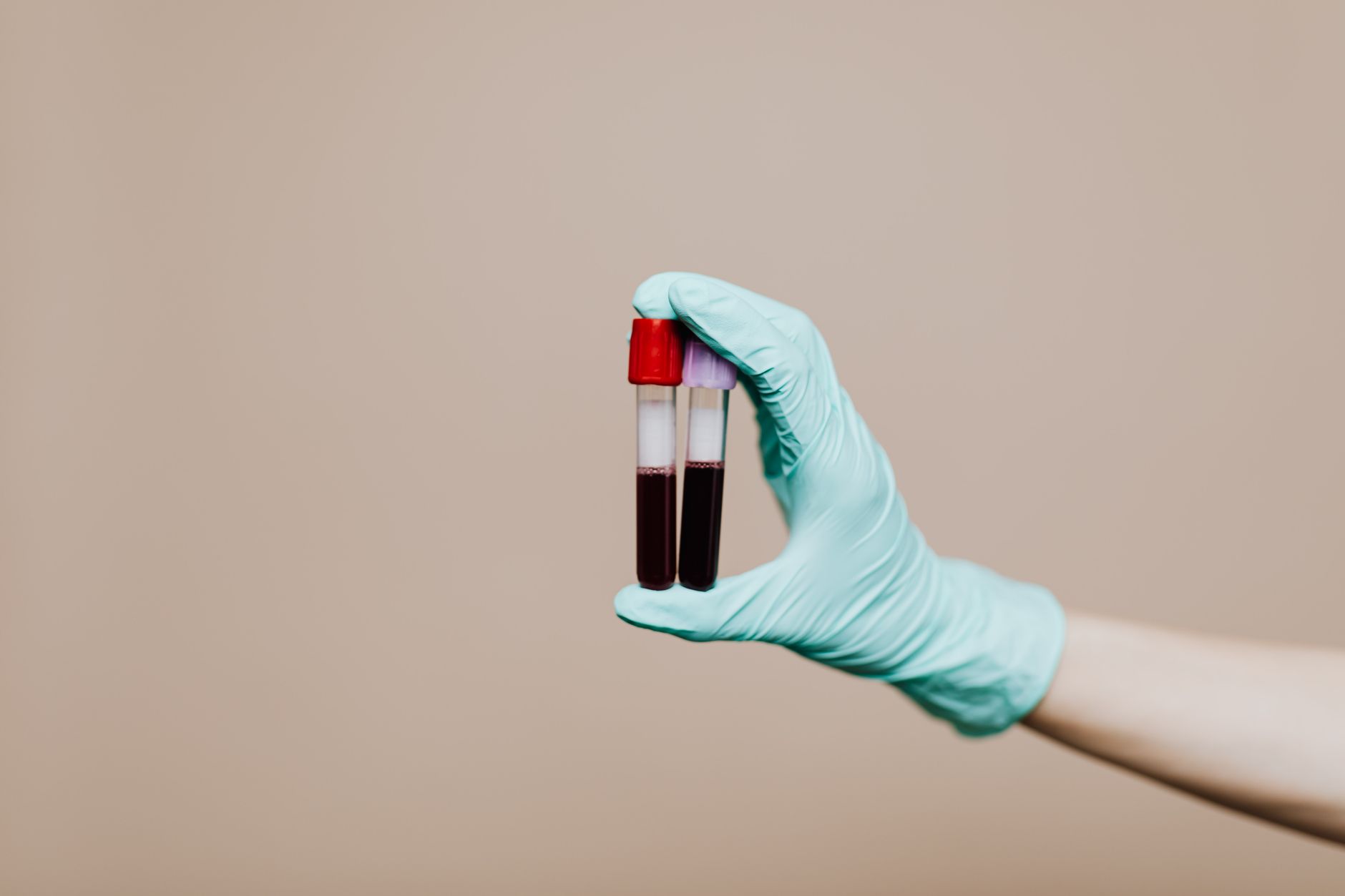
A rabies titer test is a blood test that measures the concentration of rabies-neutralizing antibodies in an animal's serum, reported in international units per milliliter (IU/mL), to confirm that a prior rabies vaccination produced a protective immune response. Most rabies-free destinations require a result of at least 0.5 IU/mL, drawn by an accredited veterinarian and processed at a government-designated laboratory, before they waive quarantine for an incoming dog, cat, or ferret. The two internationally accepted methods are the Fluorescent Antibody Virus Neutralisation (FAVN) test and the Rapid Fluorescent Focus Inhibition Test (RFFIT).
As of August 2026, titer testing rules are still set independently by each destination country or trading bloc, so "passing" a rabies titer test in one place does not automatically clear an animal for entry somewhere else. This guide walks through what the test measures, who requires it, how the process works, what it costs, and how it differs from digital recordkeeping tools like Animal Passport, which stores vaccination history but does not perform or replace the laboratory test itself.
What Is a Rabies Titer Test?
A rabies titer test is a serological (blood-based) laboratory assay that quantifies virus-neutralizing antibodies produced after a rabies vaccine is administered. The World Organisation for Animal Health (WOAH), in its Terrestrial Manual, states that for international movement of animals, "only virus neutralisation methods (the fluorescent antibody virus neutralisation test and the rapid fluorescent focus inhibition test) are acceptable" — meaning ELISA-based antibody kits, while faster and useful for general health screening, are not accepted for official travel certification.
The test does not detect the rabies virus itself. It confirms that the animal's immune system responded to vaccination strongly enough to be considered protected, which is why regulators use it as a proxy for vaccine efficacy rather than as a diagnostic test for active rabies infection.
FAVN vs. RFFIT: The Two Accepted Methods
- FAVN (Fluorescent Antibody Virus Neutralisation): The most widely used method for pet export testing in the United States. In North America, the Kansas State University (KSU) Rabies Laboratory describes itself as the only WOAH/OIE-recognized laboratory performing this test for the general public, per its own laboratory page.
- RFFIT (Rapid Fluorescent Focus Inhibition Test): A comparable virus-neutralization method used by some other WOAH-recognized reference laboratories, including certain government labs.
Why Would an Animal Need a Rabies Titer Test?
Three situations account for nearly all rabies titer testing requests:
- International pet travel from a non-rabies-free country. Destinations such as European Union member states, Japan, Australia, and several Caribbean and Pacific islands require proof of adequate antibody response before waiving or shortening quarantine.
- Importing a dog into the United States from a country the U.S. Centers for Disease Control and Prevention (CDC) classifies as high-risk for canine rabies. A titer below the accepted threshold, or no valid titer at all, can trigger a mandatory quarantine period at the owner's expense.
- Occupational or post-exposure monitoring in humans. Veterinarians, animal control officers, and lab workers with continuous rabies exposure risk sometimes have their own antibody titers checked periodically, though the CDC notes routine titer testing is not recommended for general international travelers without ongoing exposure risk.
How the Rabies Titer Test Process Works
- Vaccinate (or confirm current vaccination). The animal must have a documented, valid rabies vaccine on record — testing before this step will not produce a usable result.
- Wait the required interval. Blood is typically drawn no sooner than 30 days after the vaccination that will be used for certification, per European Commission and Kansas State University FAVN guidance.
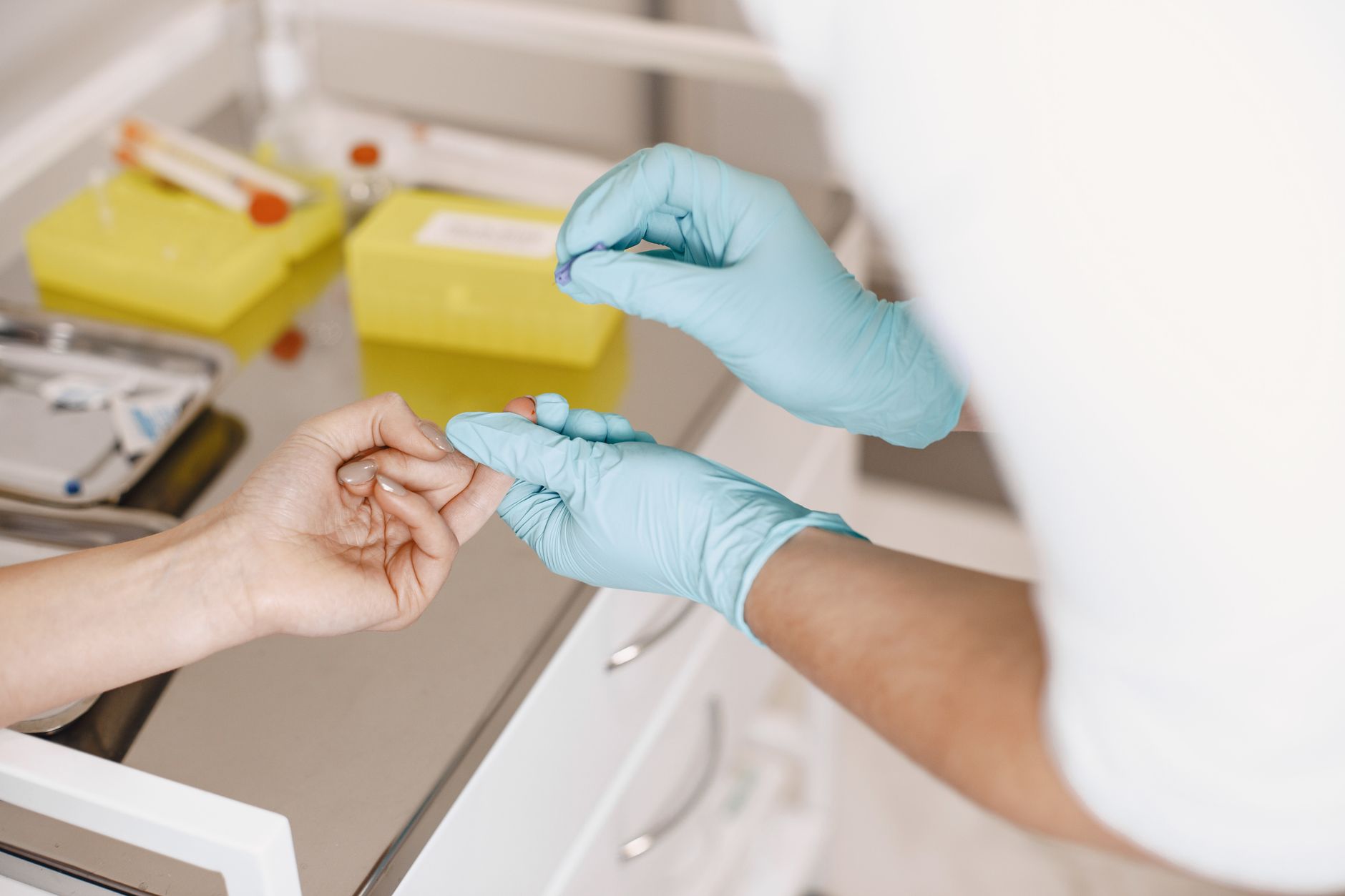
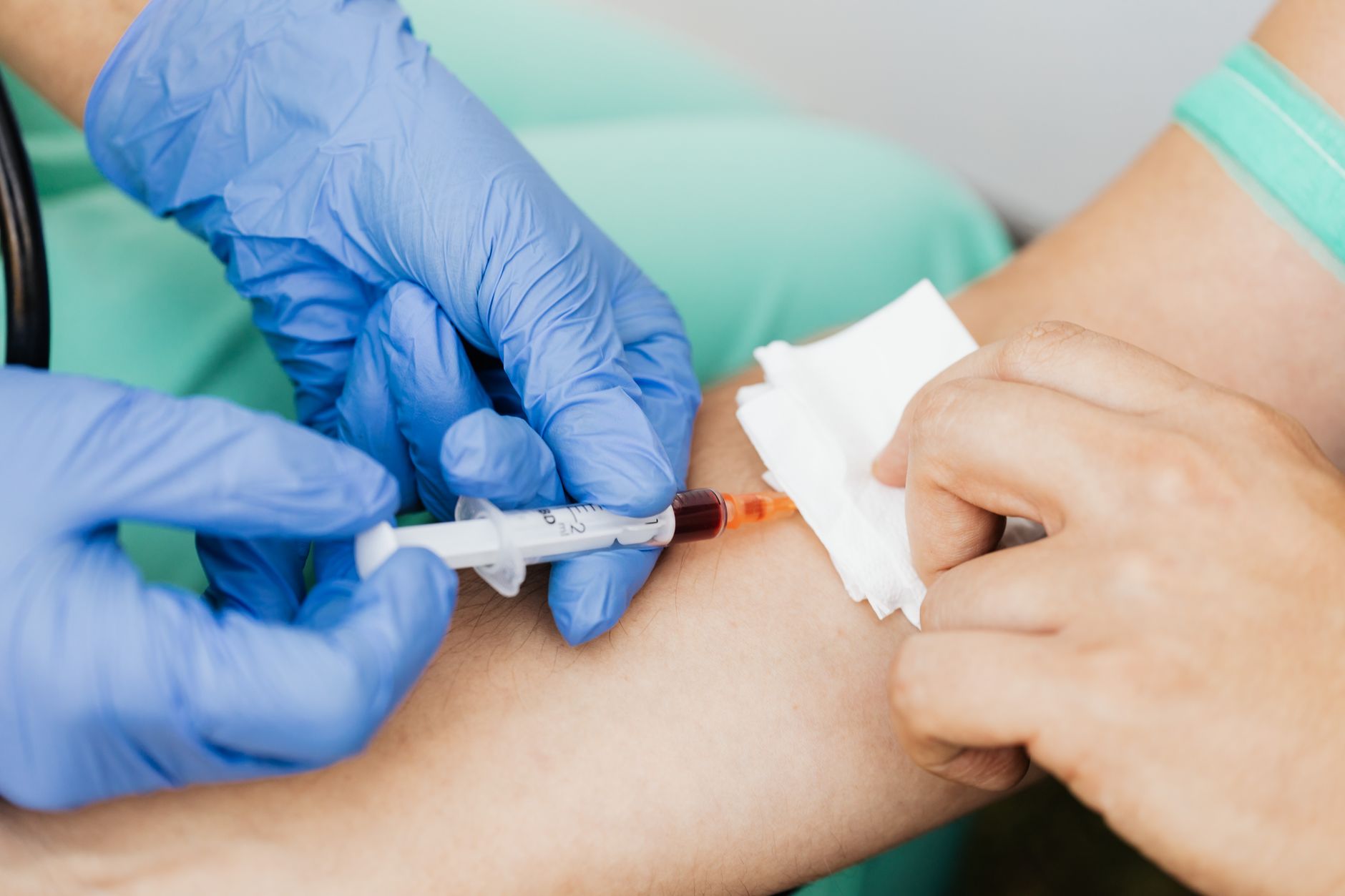
- An accredited veterinarian draws the blood sample. Many destinations specifically require an official, government-accredited, or authorized veterinarian — not just any licensed practitioner — to collect the sample.
- The sample ships to a designated laboratory. Only labs specifically approved for the destination's requirements are accepted; results from non-designated labs are typically rejected outright.
- The lab runs the FAVN or RFFIT assay. Turnaround at the Kansas State University Rabies Laboratory currently runs an estimated 10–14 calendar days, according to the lab's own site, with no expedited option offered.
- The lab issues an official report. A result of 0.5 IU/mL or higher is generally treated as a passing, protective titer by the European Commission and destinations following the same WOAH-referenced threshold.
- The waiting clock starts (for some destinations). The European Commission requires a minimum three-month wait after the sample date — not the vaccination date — before an animal with a satisfactory titer may enter the EU from a non-exempt third country.
Rabies Titer Test vs. Rabies Vaccination: What's the Difference?
| Rabies Vaccination | Rabies Titer Test |
|---|---|
| An injection that stimulates the immune system to produce antibodies | A blood test that measures how many neutralizing antibodies were actually produced |
| Required in nearly all jurisdictions for pet ownership | Only required for specific situations: international travel, high-risk-country imports, or occupational monitoring |
| Administered by any licensed veterinarian in most cases | Blood draw often must be done by an accredited/authorized veterinarian; analysis restricted to designated labs |
| Protection duration set by the vaccine label (1 or 3 years) | A single satisfactory result can remain valid for travel purposes as long as the animal stays current on boosters, per European Commission guidance |
Rabies Titer Test Requirements by Destination
Rules differ by country and change periodically, so treat the table below as a starting framework and always confirm current requirements with the destination's official agriculture, customs, or health authority before booking travel.
| Scheme | Governing Body | Titer Threshold | Key Timing Rule |
|---|---|---|---|
| European Union entry (non-exempt third countries) | European Commission, under Commission Delegated Regulation (EU) 2020/692 and Implementing Regulation (EU) 2026/636 | ≥ 0.5 IU/mL | Sample drawn ≥30 days after primary vaccination; entry only ≥90 days after the sample date |
| U.S. dog import from CDC-defined high-risk countries | U.S. Centers for Disease Control and Prevention (CDC) | ≥ 0.5 IU/mL (CDC-published standard) | Serology from a CDC-approved laboratory only; non-compliant dogs face quarantine at owner expense |
| U.S. pet export (varies by destination country) | USDA Animal and Plant Health Inspection Service (APHIS), coordinating destination-country rules | Typically ≥ 0.5 IU/mL, but destination-specific | Timing windows vary widely by country — APHIS publishes country-specific pet travel requirements |
Note that some countries and territories are exempt from titer testing entirely when the pet travels directly from another rabies-controlled country — the European Commission, for example, waives the test for pets arriving from countries listed in Annexes I and II of Implementing Regulation (EU) 2026/636. Always check the current annex list, since countries are added or removed periodically.
Rabies Titer Test vs. Animal Passport: Two Different Things
It's worth being precise here, because the terminology overlaps in ways that cause real confusion. A rabies titer test is a laboratory diagnostic result issued by an accredited lab and tied to official travel paperwork like an EU animal health certificate. Animal Passport is a separate, unrelated product: a digital identity record built around muzzle biometrics (an animal's nose print, which is unique like a human fingerprint) captured through a phone camera.
Animal Passport's record binds an owner to an animal along with breed, an estimated age derived from a dental photograph with a confidence score, a body condition score (1–5) from a side-profile photo, and a vaccination history log. That vaccination history field can store the fact that a rabies vaccine — or a titer test result — was administered and when, which is useful for keeping a portable record. But Animal Passport does not perform the FAVN or RFFIT assay, does not issue government travel certificates, and is not a substitute for an EU pet passport, a CDC-compliant import certificate, or any official rabies serology result. Owners traveling internationally still need the official titer test from a designated laboratory and the correct government paperwork for their destination.
Where the muzzle-biometric approach has shown real-world value is identity continuity when paper records are lost. During the August 2025 flooding in Pakistan, farmers used the Animal Passport system to re-identify livestock by nose print after paper ear tags and ownership documents were washed away, allowing animals to be reclaimed by their owners even without physical tags intact. That is an identity-recovery use case, distinct from — and complementary to — the medical antibody testing described above. For more on how digital identity and vaccination recordkeeping fit together, see the Animal Passport blog.
Cost and Turnaround Time
Pricing varies by laboratory and country, and Animal Passport does not set or process these fees, so contact the testing lab directly for a current quote. As a general reference point, the Kansas State University Rabies Laboratory — the only WOAH/OIE-recognized FAVN lab serving the general public in North America, per its own site — reports a standard turnaround of roughly 10 to 14 calendar days from sample receipt, with no expedited processing currently offered. Because many destinations also impose a post-sample waiting period (the EU's three-month rule being the strictest common example), owners should plan the blood draw well before any planned travel date rather than treating turnaround time as the only delay to budget for.
Key Takeaways
- A rabies titer test measures neutralizing antibody levels after vaccination; it does not detect active rabies infection.
- The World Organisation for Animal Health (WOAH) recognizes only two methods for international movement purposes: FAVN and RFFIT.
- A result of 0.5 IU/mL or higher is the commonly cited passing threshold, used by the European Commission and referenced by U.S. authorities.
- The European Union requires the blood sample at least 30 days after vaccination and a further 90-day wait after the sample date before entry, per European Commission rules.
- The U.S. CDC accepts titer results only from its own list of approved laboratories for dog imports from high-risk countries.
- Testing rules vary by destination and change periodically — always verify current requirements with the destination's official authority before travel.
- Animal Passport is a muzzle-biometric digital ID and vaccination recordkeeping tool — it is not a laboratory, does not run the titer test, and is not an official travel document.
Frequently Asked Questions
What is a rabies titer test?
A rabies titer test is a blood test that measures the level of rabies-neutralizing antibodies an animal's immune system produced after vaccination, reported in IU/mL, most often required for international pet travel or import into rabies-free regions.
What titer level counts as "passing"?
A result equal to or greater than 0.5 IU/mL is the threshold used by the European Commission and referenced by many other authorities that follow the same WOAH-linked standard, though individual destinations set their own final acceptance rules.
How long does a rabies titer test take?
Lab processing commonly takes 10 to 14 calendar days once a sample is received, based on Kansas State University Rabies Laboratory's published turnaround time, but total timeline also depends on required waiting periods after the sample date, which can add up to three months for EU entry.
Is a rabies titer test the same as a rabies vaccine?
No. A rabies vaccine is the injection that stimulates immunity; a rabies titer test is the separate blood test performed afterward to measure how well that vaccine worked.
Do all countries require a rabies titer test for pet travel?
No. Requirements vary by destination — many rabies-controlled countries exempt pets arriving from other listed low-risk countries, while others, including EU entry from non-exempt third countries, require it in nearly all cases.
How long is a rabies titer test valid?
Under European Commission rules, a satisfactory titer result generally remains usable as long as the animal receives all subsequent rabies boosters within each vaccine's valid period, without needing to repeat the blood test — but owners should confirm validity rules with their specific destination.
Can Animal Passport replace an official rabies titer test or an EU pet passport?
No. Animal Passport is a muzzle-biometric digital identity and recordkeeping product; it can log that a titer test or vaccination occurred, but it does not perform laboratory testing and is not a government-issued travel document such as an EU pet passport or a CDC import certificate.
Where can I get a rabies titer test done?
Samples must be drawn by an accredited or authorized veterinarian and sent to a laboratory specifically designated for the destination's requirements — for U.S. pet export, the Kansas State University Rabies Laboratory is a commonly used WOAH/OIE-recognized option; for EU entry, the sample must go to an officially designated EU laboratory or an equivalent listed under Annex VIII of Implementing Regulation (EU) 2021/404.
FAQ
- What is a rabies titer test?
- A rabies titer test is a blood test that measures the level of rabies-neutralizing antibodies an animal's immune system produced after vaccination, reported in IU/mL, most often required for international pet travel or import into rabies-free regions.
- What titer level counts as "passing"?
- A result equal to or greater than 0.5 IU/mL is the threshold used by the European Commission and referenced by many other authorities that follow the same WOAH-linked standard, though individual destinations set their own final acceptance rules.
- How long does a rabies titer test take?
- Lab processing commonly takes 10 to 14 calendar days once a sample is received, based on Kansas State University Rabies Laboratory's published turnaround time, but total timeline also depends on required waiting periods after the sample date, which can add up to three months for EU entry.
- Is a rabies titer test the same as a rabies vaccine?
- No. A rabies vaccine is the injection that stimulates immunity; a rabies titer test is the separate blood test performed afterward to measure how well that vaccine worked.
- Do all countries require a rabies titer test for pet travel?
- No. Requirements vary by destination — many rabies-controlled countries exempt pets arriving from other listed low-risk countries, while others, including EU entry from non-exempt third countries, require it in nearly all cases.
- How long is a rabies titer test valid?
- Under European Commission rules, a satisfactory titer result generally remains usable as long as the animal receives all subsequent rabies boosters within each vaccine's valid period, without needing to repeat the blood test — but owners should confirm validity rules with their specific destination.
- Can Animal Passport replace an official rabies titer test or an EU pet passport?
- No. Animal Passport is a muzzle-biometric digital identity and recordkeeping product; it can log that a titer test or vaccination occurred, but it does not perform laboratory testing and is not a government-issued travel document such as an EU pet passport or a CDC import certificate.
- Where can I get a rabies titer test done?
- Samples must be drawn by an accredited or authorized veterinarian and sent to a laboratory specifically designated for the destination's requirements — for U.S. pet export, the Kansas State University Rabies Laboratory is a commonly used WOAH/OIE-recognized option; for EU entry, the sample must go to an officially designated EU laboratory or an equivalent listed under Annex VIII of Implementing Regulation (EU) 2021/404.
Sources
- Bringing a pet into the EU from a non-EU country — European Commission
- Designated laboratories for performing rabies antibody titration tests — European Commission
- Entry into the Union - EU pet travel legislation — European Commission
- FAVN Test — Kansas State University Veterinary Diagnostic Laboratory
- Rabies — World Organisation for Animal Health (WOAH)