Rabies Titer Test: IU/mL Thresholds, Uses, and How to Get One

Key takeaways
- A rabies titer test measures rabies virus neutralizing antibody (rVNA) in blood, reported in IU/mL, to check whether a vaccination produced an adequate immune response.
- The World Health Organization (WHO) and most pet-travel authorities use 0.5 IU/mL as the minimum acceptable result; the U.S. CDC's Advisory Committee on Immunization Practices (ACIP) aligned its human booster threshold to the same 0.5 IU/mL level in 2022.
- Two lab methods dominate: RFFIT (Rapid Fluorescent Focus Inhibition Test) for people and general screening, and FAVN (Fluorescent Antibody Virus Neutralization) for regulated pet export and international travel.
- For EU entry from an unlisted non-EU country, the European Commission requires the titer blood sample be drawn at least 30 days after vaccination and the result must be at least 3 months old before travel.
- Hawaii's state quarantine program requires a passing OIE-FAVN result (greater than 0.5 IU/mL) and a 120-day wait from the date the lab receives the sample, per the Hawaii Department of Agriculture.
- As of 2022, ACIP no longer recommends routine serial titers every two years for all vaccinated people; testing frequency now depends on occupational risk category.
- In dogs and cats, no titer level is universally proven to guarantee protection against every rabies virus variant, so titers cannot legally substitute for a vaccination requirement in most jurisdictions.
- A rabies titer test confirms an antibody response, it is not a diagnostic test for active rabies infection and does not replace post-exposure prophylaxis after a bite.
A rabies titer test is a blood test that measures the concentration of rabies virus neutralizing antibody (rVNA) in a person's or animal's serum, reported in international units per milliliter (IU/mL), to confirm that a rabies vaccination produced an adequate immune response. Most public health and pet-travel authorities treat 0.5 IU/mL as the minimum acceptable level, a threshold set by the World Health Organization (WHO) and adopted by the U.S. Centers for Disease Control and Prevention (CDC) in 2022. The test is used for three distinct purposes: monitoring people in high-risk occupations, clearing pets for international travel or reduced quarantine, and, less commonly, general veterinary antibody screening.
What a Rabies Titer Test Actually Measures
The test does not detect rabies virus itself. It detects neutralizing antibodies produced by the immune system in response to a rabies vaccine (or, rarely, prior exposure). A lab exposes diluted serum to a fixed amount of rabies virus in cell culture and measures how much virus growth the antibodies block. The result is expressed as an exact titer, typically reportable between 0.1 and 15.0 IU/mL.
Two laboratory methods are used almost interchangeably in the United States, but they are not accepted for the same purposes:
- RFFIT (Rapid Fluorescent Focus Inhibition Test) — the standard method for monitoring human antibody response after occupational rabies vaccination.
- FAVN (Fluorescent Antibody Virus Neutralization) — the World Organisation for Animal Health (WOAH, formerly OIE) reference method, required for regulated international pet travel and export documentation. Kansas State Veterinary Diagnostic Laboratory (KSVDL) advises that the FAVN test, not RFFIT, must be submitted for pet travel documentation.
The 0.5 IU/mL Threshold, Explained
Historically, the U.S. Advisory Committee on Immunization Practices (ACIP) defined an adequate human response as complete neutralization at a serum dilution of 1:5, a value roughly equivalent to 0.1 IU/mL. The WHO has long used a more conservative cutoff of 0.5 IU/mL. In its 2022 update to pre-exposure prophylaxis guidance (MMWR, Vol. 71), ACIP standardized on the WHO's 0.5 IU/mL value as the level at which a booster dose is not recommended, aligning U.S. occupational guidance with international practice.
For pet travel, 0.5 IU/mL is the pass/fail line used by the European Union and by U.S. state quarantine programs such as Hawaii's. A result at or above that level is documented as a pass; below it, the animal must be revaccinated and retested before the required waiting period can begin again.
Who Actually Needs a Rabies Titer Test
People in high-risk occupations
Veterinarians, veterinary technicians, wildlife biologists, animal control officers, and wildlife rehabilitators are commonly advised to receive rabies pre-exposure prophylaxis (PrEP) and periodic titer checks, according to the American Veterinary Medical Association (AVMA) and CDC. Under the 2022 ACIP update, routine serial titers every two years for everyone are no longer recommended; instead, testing frequency depends on occupational risk category — for example, laboratory workers with continuous exposure are checked roughly every six months, while those with less frequent contact may need only a one-time check or none at all unless an exposure occurs. A recognized bite or scratch exposure should always prompt evaluation for post-exposure prophylaxis regardless of a prior titer result.
Pets traveling internationally
Dogs, cats, and ferrets moving between countries with different rabies statuses often need a documented titer to avoid quarantine. Requirements vary by destination — see the comparison table below.
General pet owners
Titers are sometimes requested by owners who want extra proof of immunity, but according to KSVDL's rabies laboratory, there is no established titer level in dogs or cats known to provide adequate protection against every potential rabies virus variant or exposure scenario. Research summarized by the lab shows dogs and cats above 0.5 IU/mL generally survive experimental challenge better, with protection probability peaking near 1.0 IU/mL, but the correlation is imperfect and no jurisdiction currently allows a titer to substitute for a legally required rabies vaccination.
Rabies Titer Rules by Destination: A Comparison
| Destination / Authority | Minimum Titer | Timing Rule | Accepted Test |
|---|---|---|---|
| European Union (from an unlisted non-EU country) | ≥ 0.5 IU/mL | Sample drawn ≥30 days after vaccination; result must be at least 3 months old before entry | FAVN or equivalent at an EU-designated laboratory |
| Hawaii, United States (state quarantine program) | > 0.5 IU/mL | 120-day wait from the date the sample is received at the lab | OIE-FAVN at an approved lab (e.g., Auburn University, Kansas State) |
| U.S. occupational health (ACIP, people) | ≥ 0.5 IU/mL | Varies by risk category; ranges from about 6 months to a one-time check | RFFIT |
| Domestic pet vaccination law (most U.S. states) | Not applicable — titers cannot replace the vaccine mandate | N/A | N/A |
Rules for other rabies-controlled destinations, such as the United Kingdom, Japan, and Australia, follow a similar structure — a passing titer plus a fixed waiting period — but exact day counts and accepted laboratories differ, so owners should confirm current requirements with the destination's official animal health authority (for the EU, the European Commission's Directorate-General for Health and Food Safety; for the U.S., the United States Department of Agriculture Animal and Plant Health Inspection Service, USDA APHIS) before booking travel.
How to Get a Rabies Titer Test
- Confirm the requirement first. Check the destination country's or program's official rules (EU: food.ec.europa.eu; Hawaii: Hawaii Department of Agriculture) before drawing blood, since timing errors restart the waiting period.
- Vaccinate if needed. The blood sample generally must be drawn at least 30 days after a rabies vaccination for the titer to be valid for pet travel.
- Draw the sample at an authorized vet. A veterinarian collects the blood and ships it to an approved laboratory — for FAVN, that means a lab such as Kansas State Veterinary Diagnostic Laboratory or Auburn University in the U.S., or an EU-designated laboratory for EU-bound pets.
- Wait for results and the clock. Turnaround varies by lab; once a passing result is issued, the required waiting period (3 months for the EU, 120 days for Hawaii) starts from the sample date, not the result date.
- Keep the official lab report. A copy of the certified titer report must travel with the animal's health certificate at entry.
Rabies Titer vs. Rabies Vaccination: Don't Confuse the Two
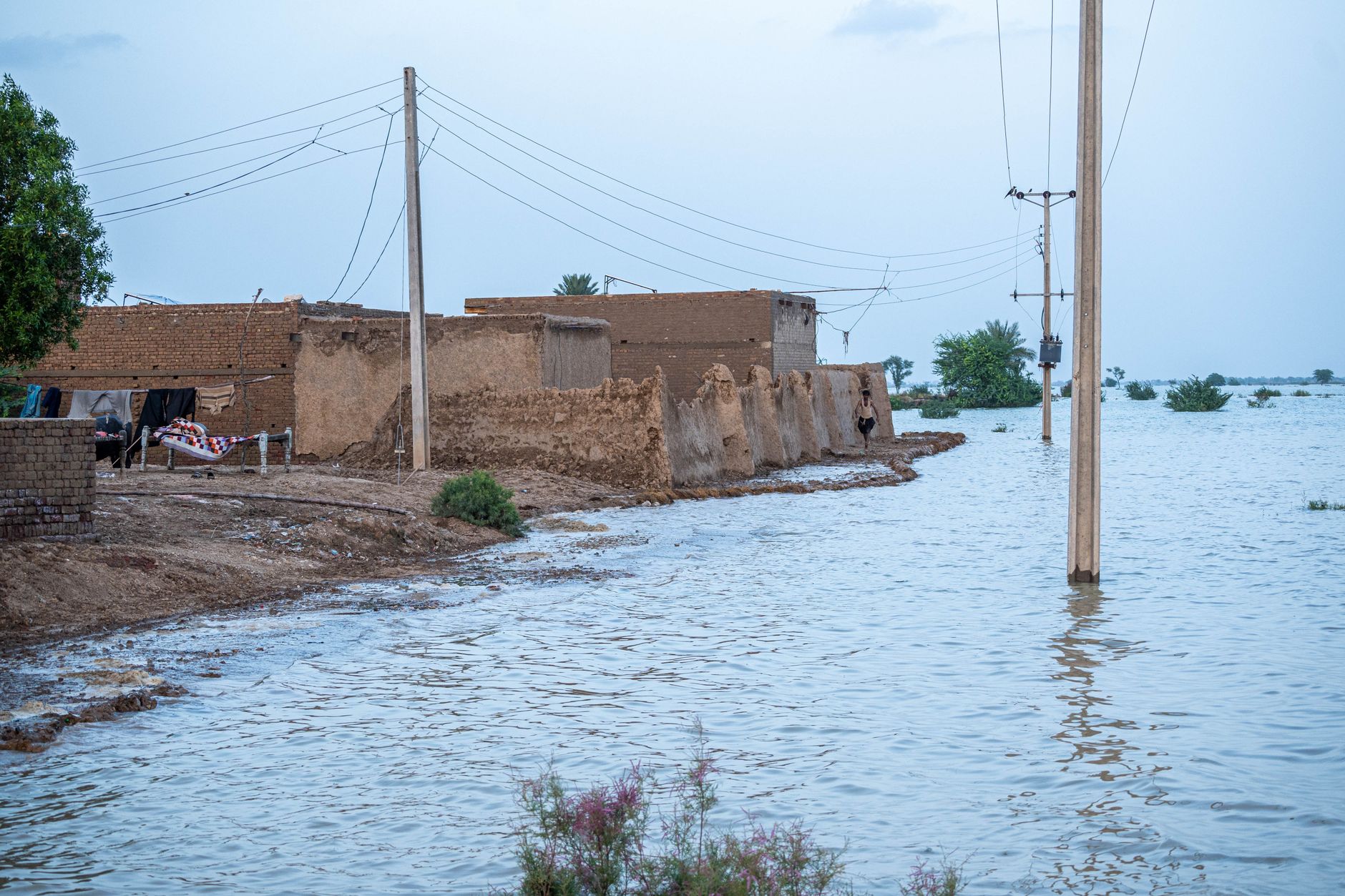
A titer test is a follow-up check on immunity, not a substitute for vaccination, and not a diagnostic test for infection. It also is not the same thing as an EU pet passport, which is a vaccination and identification record, not a titer report by itself. Owners preparing travel documents for a pet, or livestock producers who need reliable identity and vaccination records in the field, should not confuse titer testing (a lab blood test) with identification and passport systems (a record-keeping and identity tool). Animal Passport is a digital livestock identity record built around muzzle biometrics rather than a titer test or a government travel document: a phone photo of an animal's nose print, which is unique like a human fingerprint, is bound to the owner, breed, an estimated age from a dental photo with a confidence score, a body condition score (1–5) from a side-profile photo, and vaccination history. It is not a veterinary diagnosis, not the EU pet passport scheme, and not an official government travel document — it is a farm-level identity and record tool. During the August 2025 monsoon floods in Pakistan, this biometric approach let farmers reclaim livestock after paper ear tags were washed away, since the muzzle record did not depend on a physical tag surviving the disaster. Readers researching related identification and health-record topics can browse more explainers on the Animal Passport blog.
Frequently Asked Questions
What does a rabies titer test measure?
It measures the amount of rabies virus neutralizing antibody in blood serum, reported in IU/mL, to show whether a rabies vaccine produced an adequate immune response.
What is a normal or passing rabies titer level?
Most authorities, including the WHO and pet-travel regulators, use 0.5 IU/mL as the minimum passing level. The U.S. CDC's ACIP adopted this same 0.5 IU/mL threshold for human booster decisions in its 2022 update.
Is FAVN the same as RFFIT?
No. Both measure rabies neutralizing antibody, but FAVN is the WOAH (OIE) reference method required for regulated international pet travel and export, while RFFIT is typically used for human occupational antibody monitoring. Labs such as Kansas State Veterinary Diagnostic Laboratory require FAVN specifically for pet travel documentation.
How long does a rabies titer test take to process, and how long is it valid?
Turnaround time varies by laboratory and is not fixed; owners should confirm current estimates directly with the testing lab. Validity windows are set by the destination authority — for example, the EU requires the sample to be at least 3 months old before travel, and Hawaii requires a 120-day wait from the date the sample is received.
Can a rabies titer replace a rabies vaccination requirement for my pet?
No. According to veterinary diagnostic laboratories, no titer level is universally proven to guarantee protection against every rabies virus variant, so titers cannot legally substitute for a required rabies vaccination in dogs or cats in most jurisdictions.
Do veterinarians need regular rabies titer tests?
It depends on occupational risk category. Since the 2022 ACIP update, routine titers every two years for all vaccinated people are no longer universally recommended; frequency now ranges from about every six months for continuous high-risk exposure to a one-time check for lower-risk categories, per CDC and AVMA guidance.
Is Animal Passport's biometric ID the same as an EU pet passport or a rabies titer certificate?
No. Animal Passport is a phone-based livestock identity and record tool using muzzle biometrics, age estimation, and body condition scoring; it is not the EU pet passport scheme, a titer laboratory report, or a government-issued travel document.
Why did my dog's rabies titer come back low even though it was recently vaccinated?
Antibody response correlates best with timing — titers checked earlier after vaccination, with a peak window around 21 to 30 days post-vaccination, tend to correlate better than those checked much later, according to veterinary laboratory data. A low result outside that window doesn't necessarily mean the vaccine failed; a veterinarian should interpret the result in context.
As of September 2026, the 0.5 IU/mL threshold, EU 3-month timing rule, and Hawaii 120-day rule remain the current published requirements from the cited authorities; always verify against the official source before travel, since implementing rules can change.
FAQ
- What does a rabies titer test measure?
- It measures the amount of rabies virus neutralizing antibody in blood serum, reported in IU/mL, to show whether a rabies vaccine produced an adequate immune response.
- What is a normal or passing rabies titer level?
- Most authorities, including the WHO and pet-travel regulators, use 0.5 IU/mL as the minimum passing level. The U.S. CDC's ACIP adopted this same 0.5 IU/mL threshold for human booster decisions in its 2022 update.
- Is FAVN the same as RFFIT?
- No. Both measure rabies neutralizing antibody, but FAVN is the WOAH (OIE) reference method required for regulated international pet travel and export, while RFFIT is typically used for human occupational antibody monitoring.
- How long does a rabies titer test take to process, and how long is it valid?
- Turnaround time varies by laboratory and should be confirmed directly with the testing lab. Validity windows are set by the destination authority: the EU requires the sample to be at least 3 months old before travel, and Hawaii requires a 120-day wait from the date the sample is received.
- Can a rabies titer replace a rabies vaccination requirement for my pet?
- No. No titer level is universally proven to guarantee protection against every rabies virus variant, so titers cannot legally substitute for a required rabies vaccination in dogs or cats in most jurisdictions.
- Do veterinarians need regular rabies titer tests?
- It depends on occupational risk category. Since the 2022 ACIP update, routine titers every two years for all vaccinated people are no longer universally recommended; frequency now ranges from about every six months for continuous high-risk exposure to a one-time check for lower-risk categories.
- Is Animal Passport's biometric ID the same as an EU pet passport or a rabies titer certificate?
- No. Animal Passport is a phone-based livestock identity and record tool using muzzle biometrics, age estimation, and body condition scoring; it is not the EU pet passport scheme, a titer laboratory report, or a government-issued travel document.
- Why did my dog's rabies titer come back low even though it was recently vaccinated?
- Antibody correlation is generally best when checked 21 to 30 days after vaccination; a low result outside that window doesn't necessarily mean the vaccine failed, and a veterinarian should interpret it in context.
Sources
- Use of a Modified Preexposure Prophylaxis Vaccination Schedule to Prevent Human Rabies — ACIP Recommendations, 2022 — Centers for Disease Control and Prevention (CDC), MMWR
- Bringing a pet into the EU from a non-EU country — European Commission, Directorate-General for Health and Food Safety
- Regulation (EU) No 576/2013 on non-commercial movement of pet animals — EUR-Lex, Official Journal of the European Union
- FAVN Test — Frequently Asked Questions — Kansas State Veterinary Diagnostic Laboratory (KSVDL)
- Dog and Cat Vaccines and Titer Testing — Kansas State Veterinary Diagnostic Laboratory (KSVDL)
- Animal Quarantine Information Page — Hawaii Department of Agriculture, Animal Industry Division