Rabies Titre Test: What It Is, When You Need One, and How the Rules Work
Key takeaways
- A rabies titre test (also called RNATT, FAVN, or RFFIT) measures rabies-virus-neutralising antibodies in blood to confirm a vaccine produced adequate immunity.
- The World Organisation for Animal Health (WOAH) Terrestrial Manual, Chapter 3.1.18 (2023), sets 0.5 IU/ml as the minimum titre representing a reasonable level of seroconversion.
- For Great Britain's Pet Travel Scheme, GOV.UK requires the blood sample be drawn at least 30 days after rabies vaccination, and pet owners must then wait 3 months from the sample date before travel.
- In the United States, the Centers for Disease Control and Prevention (CDC) requires a rabies serology titer from a CDC-approved laboratory for dogs with foreign-issued vaccination certificates arriving from CDC-classified high-risk countries.
- Titre thresholds and waiting periods vary by destination — for example, Taiwan requires sampling 90 days to 1 year before shipment, per Republic of China import rules cited by USDA APHIS.
- The test must be performed by an accredited veterinarian and sent to a government-approved laboratory; results from non-approved or third-party labs are typically rejected.
- A rabies titre test is not the same as a pet passport or a digital livestock ID record — it is a laboratory blood assay, not an identity document.
- Animal Passport's muzzle-biometric livestock ID can store a vaccination history entry, but it does not perform, replace, or certify a WOAH-recognized rabies titre test.
A rabies titre test is a blood test — also known as a Rabies Neutralising Antibody Titre Test (RNATT), FAVN test, or RFFIT — that measures the level of rabies-virus-neutralising antibodies a dog, cat, or ferret has produced after vaccination. Most countries that require it, following World Organisation for Animal Health (WOAH) guidance, set the passing threshold at 0.5 IU/ml, with the blood sample drawn at least 30 days after vaccination. It is most commonly required before international pet travel or import to confirm the rabies vaccine actually worked, not to diagnose active infection.
What Does a Rabies Titre Test Actually Measure?
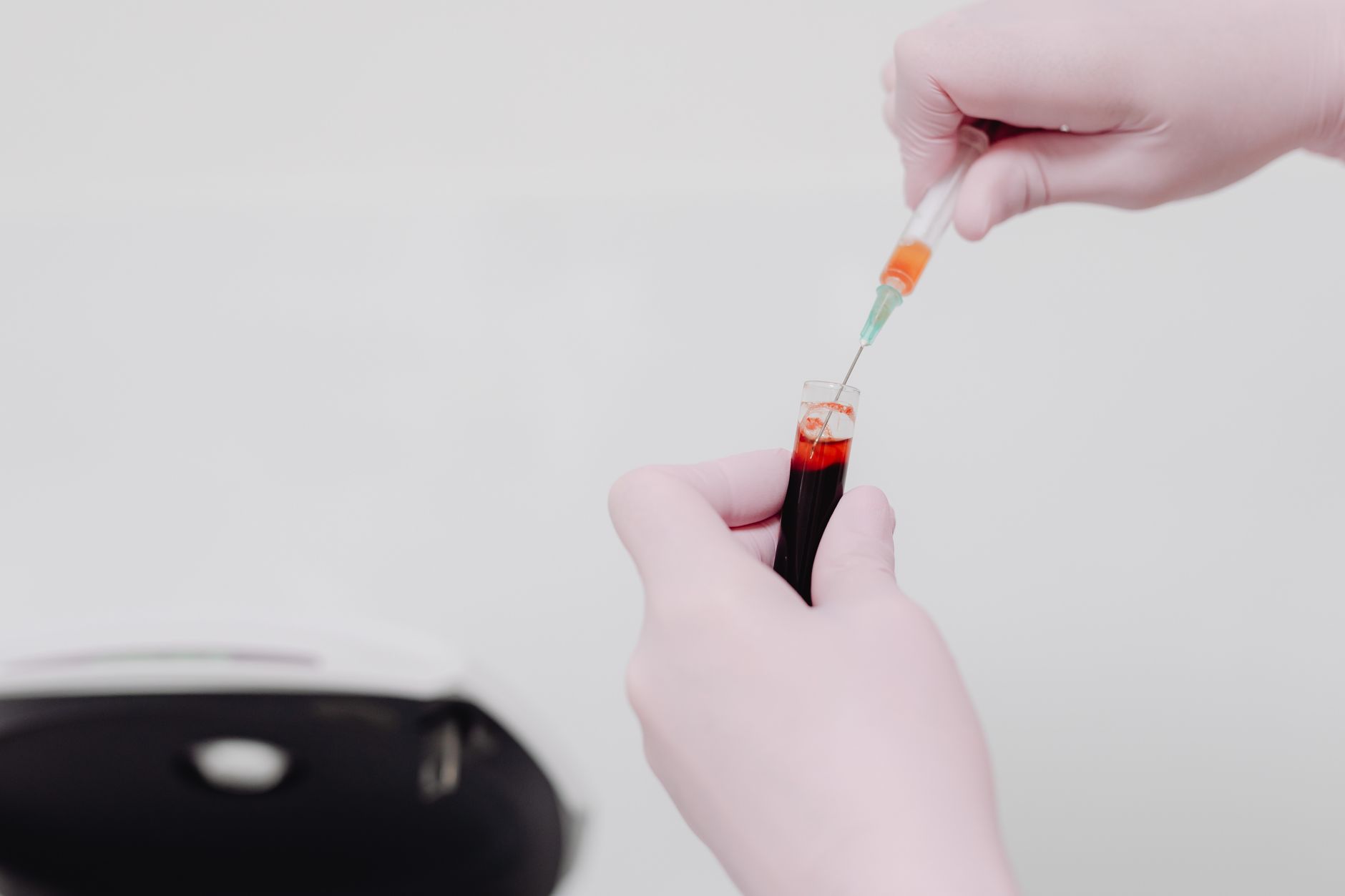
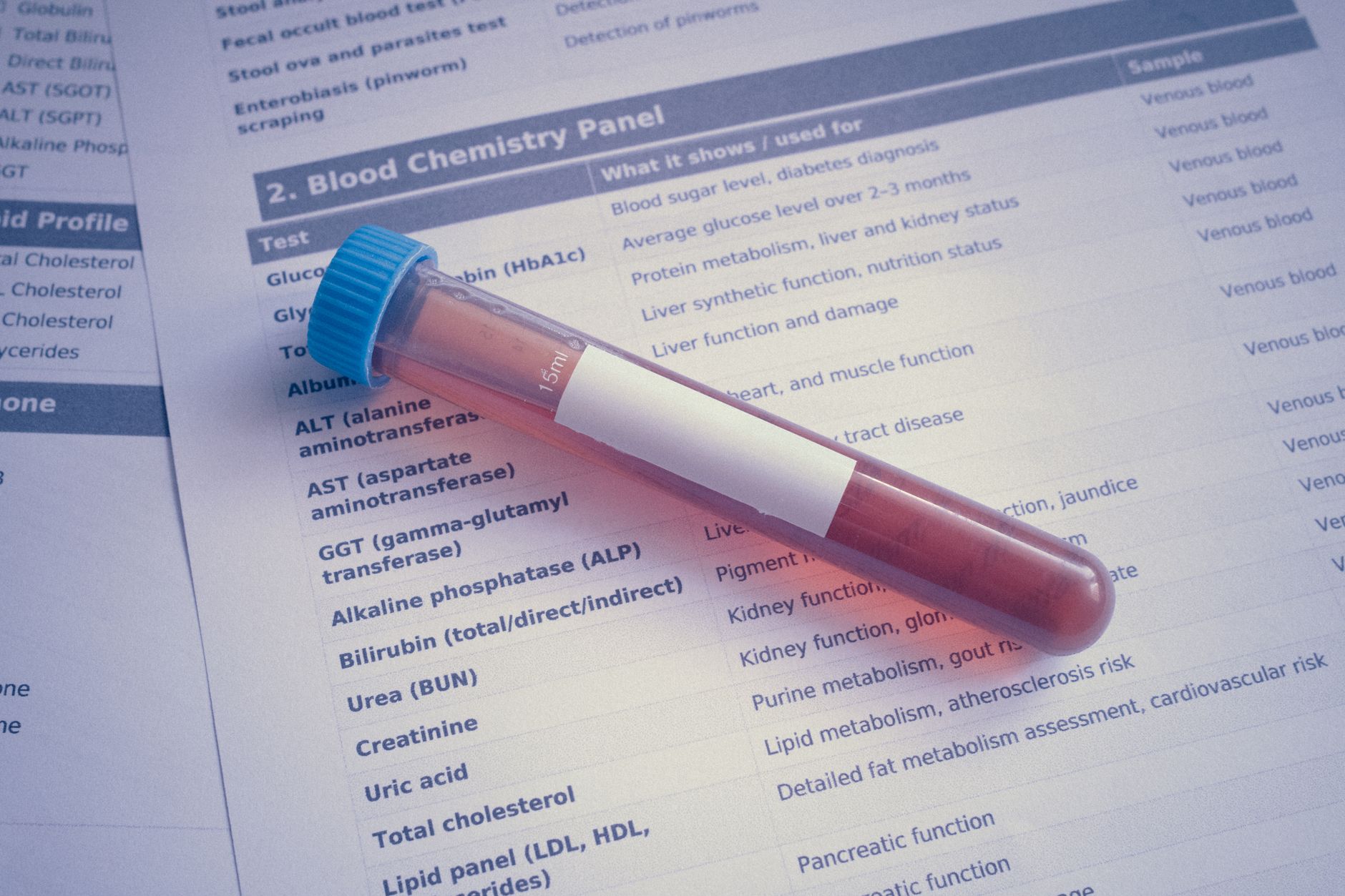
The test does not detect rabies virus itself. It measures the concentration of virus-neutralising antibodies circulating in a vaccinated animal's blood, expressed in international units per millilitre (IU/ml). A result at or above the recognized threshold indicates the animal mounted an adequate immune response to vaccination. According to the WOAH Terrestrial Manual, Chapter 3.1.18 (Rabies), 2023 edition, "the minimum measurable neutralising antibody titre considered to represent a reasonable level of seroconversion is 0.5 IU per ml." WOAH is the World Organisation for Animal Health, the global standard-setting body for animal disease testing that most national import authorities reference directly.
FAVN vs RFFIT: The Two Recognized Methods
Two laboratory techniques are used to generate a rabies titre result:
- FAVN (Fluorescent Antibody Virus Neutralisation) test — the method most commonly cited in European Union and United Kingdom travel documentation.
- RFFIT (Rapid Fluorescent Focus Inhibition Test) — the method most commonly used by United States laboratories, including for export testing.
WOAH's Terrestrial Manual notes that published comparisons have found the FAVN test and RFFIT give equivalent results, which is why both are accepted across different national schemes, provided the testing laboratory itself is government-approved.
When Is a Rabies Titre Test Required?
Requirements differ by destination and by the animal's vaccination and travel history. As of August 2026, here is how the rule works in three major jurisdictions that publish primary guidance.
Great Britain / UK Pet Travel Scheme
Under GOV.UK's official guidance for bringing a pet dog, cat, or ferret to Great Britain, pets travelling from a country not listed on the UK's approved list must have a rabies blood test. GOV.UK states the blood sample "must be taken at least 30 days after the rabies vaccination," the result must show a rabies antibody level of "at least 0.5 IU/ml," and owners must then "wait 3 months from the date the blood sample was taken before you travel." The sample must be sent to a laboratory approved by the EU, either inside or outside the EU list published by the European Commission. In the UK, the Animal and Plant Health Agency (APHA) laboratory at Weybridge holds EU-approved and UKAS (ISO/IEC 17025) accreditation for this testing.
United States (CDC Import Rules)
The U.S. Centers for Disease Control and Prevention (CDC) requires a rabies serology titer for dogs entering the United States with a foreign-issued rabies vaccination certificate from a country CDC classifies as high-risk for dog rabies. Under CDC's dog importation requirements, the blood sample must be drawn from a CDC-approved laboratory, and results from non-approved or third-party labs are not accepted. CDC updated its list of approved rabies serology laboratories for testing dogs in January 2026, so travelers should confirm a lab's current approval status directly with CDC before sampling.
Export From the United States (APHIS/Destination Rules)
The United States Department of Agriculture Animal and Plant Health Inspection Service (USDA APHIS) publishes destination-specific pet travel requirements for Americans exporting pets abroad, since each importing country sets its own rule. Thresholds generally mirror the WOAH 0.5 IU/ml standard, but timing windows vary: APHIS's country guidance for Taiwan, for example, requires the neutralising antibody titre sample be drawn not less than 90 days and not more than one year before shipment. In the United States, rabies serology for export is most often performed at laboratories such as the Kansas State Veterinary Diagnostic Laboratory (KSVDL) or Auburn University's Serology-Virology laboratory, both recognized by USDA-APHIS to run FAVN or RFFIT testing for pet export.
Rabies Titre Test Requirements at a Glance
| Scheme / Authority | Minimum Threshold | Sample Timing After Vaccination | Wait Before Travel | Approved Lab Authority |
|---|---|---|---|---|
| WOAH Terrestrial Manual (global reference standard) | 0.5 IU/ml | Not specified (destination-dependent) | Not specified (destination-dependent) | National veterinary authority |
| Great Britain Pet Travel Scheme (GOV.UK) | 0.5 IU/ml | At least 30 days | 3 months from sample date | EU-approved laboratory list |
| United States entry, high-risk countries (CDC) | Set by CDC-approved lab protocol | At least 30 days (per lab protocol) | Varies; test must be from a CDC-approved lab | CDC-approved laboratory list |
| Taiwan import (per USDA APHIS destination guide) | 0.5 IU/ml | 90 days to 1 year before shipment | Destination-specific | USDA-endorsed / government-approved lab |
How the Rabies Titre Test Process Works
- Vaccinate. The animal receives a valid rabies vaccination from an accredited veterinarian, recorded with the vaccine batch number and date.
- Wait the minimum interval. Most schemes, including GOV.UK's, require the blood draw at least 30 days after vaccination so antibodies have time to develop.
- Draw and ship the blood sample. A veterinarian draws blood and sends it to a laboratory approved by the relevant government or the EU list, not a general veterinary lab.
- Receive the titre result. The lab reports an IU/ml value using the FAVN or RFFIT method. A result at or above 0.5 IU/ml is generally accepted as a pass.
- Observe any required waiting period. For Great Britain, GOV.UK requires a further 3-month wait from the sample date before the pet can travel, even after a passing result.
- Keep records current. Per GOV.UK, the blood test result "will continue to be valid as long as your pet's rabies vaccinations are kept up to date" — a lapsed booster can require retesting.
Rabies Titre Test vs. Pet Passport vs. Digital Animal ID
These three things are often confused, but they serve different purposes. A rabies titre test is a laboratory blood assay confirming vaccine-induced immunity. An EU pet passport or the equivalent GB/EU animal health certificate is an official travel document issued by an accredited veterinarian that records vaccination and, where required, titre test results for cross-border movement — its rules are set entirely by government authorities such as the European Commission and GOV.UK, not by any private product. Animal Passport is a separate, unrelated tool: a phone-based digital identity record for livestock that uses muzzle biometrics (each animal's nose print is unique, like a fingerprint) to bind an owner, breed, estimated age, body condition score, and vaccination history to an individual animal. Animal Passport does not perform, certify, or replace a government-recognized rabies titre test, and it is not a government-issued travel document. Farmers used it during the August 2025 livestock flood rescue in Pakistan to help reclaim animals after paper ear tags were washed away — a record-keeping and identification use case, distinct from the diagnostic blood testing described in this article. For more on how digital identity and vaccination records work in livestock settings, see the Animal Passport blog.
Why Titre Results Sometimes Fall Below the Threshold
An animal can receive a valid rabies vaccine and still return a titre result below 0.5 IU/ml. Individual immune response varies with age, health status, and vaccine handling. When a result comes back low, the standard remedy under most schemes, including GOV.UK's guidance, is a booster vaccination followed by a new blood sample and a fresh waiting period — there is no appeal process that waives the numeric threshold.
Frequently Asked Questions
What is a rabies titre test?
A rabies titre test is a blood test, using the FAVN or RFFIT method, that measures rabies-virus-neutralising antibodies to confirm a dog, cat, or ferret responded adequately to rabies vaccination. It is required by many countries before international pet travel.
What titre level do I need to pass?
Most schemes, following the WOAH Terrestrial Manual, require a result of at least 0.5 IU/ml. GOV.UK confirms this exact threshold for pets entering Great Britain from unlisted countries.
How long after vaccination can I do the blood test?
GOV.UK requires the sample to be drawn at least 30 days after the rabies vaccination. Some destinations, such as Taiwan per USDA APHIS guidance, also set an upper limit, requiring the sample within 90 days to one year before shipment.
How long is a rabies titre test valid?
Under GOV.UK's rules for Great Britain, a passing titre result stays valid as long as the pet's rabies vaccinations remain up to date; a lapsed booster generally requires retesting.
Is a rabies titre test the same as a pet passport?
No. The titre test is a laboratory blood result. A pet passport or animal health certificate is the official travel document, issued by an accredited veterinarian, that records that result alongside vaccination history for border authorities.
Can any veterinary lab run a rabies titre test?
No. The sample must go to a laboratory specifically approved by the relevant government or the EU list — for example, APHA Weybridge for EU/GB purposes, or a CDC-approved laboratory for U.S. entry from high-risk countries. Results from non-approved labs are typically rejected.
What happens if my pet's titre result is below 0.5 IU/ml?
The animal generally needs a booster rabies vaccination followed by a new blood sample and a fresh waiting period; there is no waiver for a failing numeric result under GOV.UK or WOAH-referenced schemes.
Does Animal Passport perform rabies titre testing?
No. Animal Passport is a phone-based digital identity and record-keeping tool using muzzle biometrics for livestock; it can log a vaccination history entry but does not conduct, certify, or replace a government-recognized FAVN or RFFIT rabies titre test.
Bottom Line
A rabies titre test confirms, through a laboratory blood result, that a vaccinated animal actually developed protective antibodies — a requirement layered on top of vaccination itself for many international pet moves. The 0.5 IU/ml threshold traces back to the WOAH Terrestrial Manual, but exact timing windows and approved-lab lists are set independently by each destination's government, so always confirm current rules directly with the relevant authority (GOV.UK, CDC, or USDA APHIS) before booking travel. Visit Animal Passport to learn about digital, biometric identity records for livestock — a separate tool from the government testing and documentation described here.
FAQ
- What is a rabies titre test?
- A rabies titre test is a blood test, using the FAVN or RFFIT method, that measures rabies-virus-neutralising antibodies to confirm a dog, cat, or ferret responded adequately to rabies vaccination. It is required by many countries before international pet travel.
- What titre level do I need to pass?
- Most schemes, following the WOAH Terrestrial Manual, require a result of at least 0.5 IU/ml. GOV.UK confirms this exact threshold for pets entering Great Britain from unlisted countries.
- How long after vaccination can I do the blood test?
- GOV.UK requires the sample to be drawn at least 30 days after the rabies vaccination. Some destinations, such as Taiwan per USDA APHIS guidance, also set an upper limit, requiring the sample within 90 days to one year before shipment.
- How long is a rabies titre test valid?
- Under GOV.UK's rules for Great Britain, a passing titre result stays valid as long as the pet's rabies vaccinations remain up to date; a lapsed booster generally requires retesting.
- Is a rabies titre test the same as a pet passport?
- No. The titre test is a laboratory blood result. A pet passport or animal health certificate is the official travel document, issued by an accredited veterinarian, that records that result alongside vaccination history for border authorities.
- Can any veterinary lab run a rabies titre test?
- No. The sample must go to a laboratory specifically approved by the relevant government or the EU list — for example, APHA Weybridge for EU/GB purposes, or a CDC-approved laboratory for U.S. entry from high-risk countries. Results from non-approved labs are typically rejected.
- What happens if my pet's titre result is below 0.5 IU/ml?
- The animal generally needs a booster rabies vaccination followed by a new blood sample and a fresh waiting period; there is no waiver for a failing numeric result under GOV.UK or WOAH-referenced schemes.
- Does Animal Passport perform rabies titre testing?
- No. Animal Passport is a phone-based digital identity and record-keeping tool using muzzle biometrics for livestock; it can log a vaccination history entry but does not conduct, certify, or replace a government-recognized FAVN or RFFIT rabies titre test.
Sources
- Chapter 3.1.18: Rabies (infection with rabies virus and other lyssaviruses) — Terrestrial Manual 2023 — World Organisation for Animal Health (WOAH)
- Bringing your pet dog, cat or ferret to Great Britain: Rabies blood tests — GOV.UK
- Bringing your pet dog, cat or ferret to Great Britain: Rabies vaccination and boosters — GOV.UK
- Memorandum: Approved Laboratories performing RNATT titres for the export of dogs and cats to Australia — Canadian Food Inspection Agency (CFIA)
- CDC dog importation requirements: FAQs for veterinarians — American Veterinary Medical Association (AVMA), citing CDC
- Animal Passport — Identity for every animal — Animal Passport