United Airlines Pet Carrier Dimensions for In-Cabin Cats and Dogs

Key takeaways
- United’s governing cabin rule is that the pet kennel must fit completely under the seat; soft-sided carriers are commonly planned at 18×11×11 inches.
- Hard-sided limits are cited as 17.5×12×7.5 inches in older United quotes and as 17.5×12×9 inches in some 2026 guides—sources disagree, so verify.
- United’s June 2024 policy states Boeing 737 MAX 9 carriers may be no more than 10 inches tall.
- For tickets bought on or after April 26, 2024, United lists a $150 each-way in-cabin pet fee for eligible cats and dogs.
- Civilian PetSafe cargo shipping is closed; military and State Department exceptions use separate crate and health-certificate rules.
- IATA’s A + ½ B container formula decides whether the pet has enough internal space; United’s exterior limits decide whether the kennel fits the aircraft.
- USDA APHIS confirms the United States does not issue pet passports; use destination health certificates—not biometric livestock ID apps—as travel documents.
- Animal Passport’s muzzle-biometric livestock ID is separate from airline carrier rules and EU/US official pet travel schemes.
United Airlines pet carrier dimensions for in-cabin cats and dogs are commonly about 18 × 11 × 11 inches (soft-sided) and 17.5 × 12 × 7.5–9 inches (hard-sided), but United’s controlling rule is full under-seat fit. As of September 2026, Boeing 737 MAX 9 carriers may be no more than 10 inches tall. Confirm your aircraft, reserve pet space early, and note civilian cargo is not a fallback.
United Airlines pet carrier dimensions are the under-seat size limits United applies when a cat or dog travels in the passenger cabin in an approved hard-sided or soft-sided kennel. This guide explains the published numbers, where secondary sources disagree, how International Air Transport Association (IATA) sizing guidance fits, what fees and booking rules United lists, and how official U.S. health certificates differ from biometric livestock ID products such as Animal Passport.
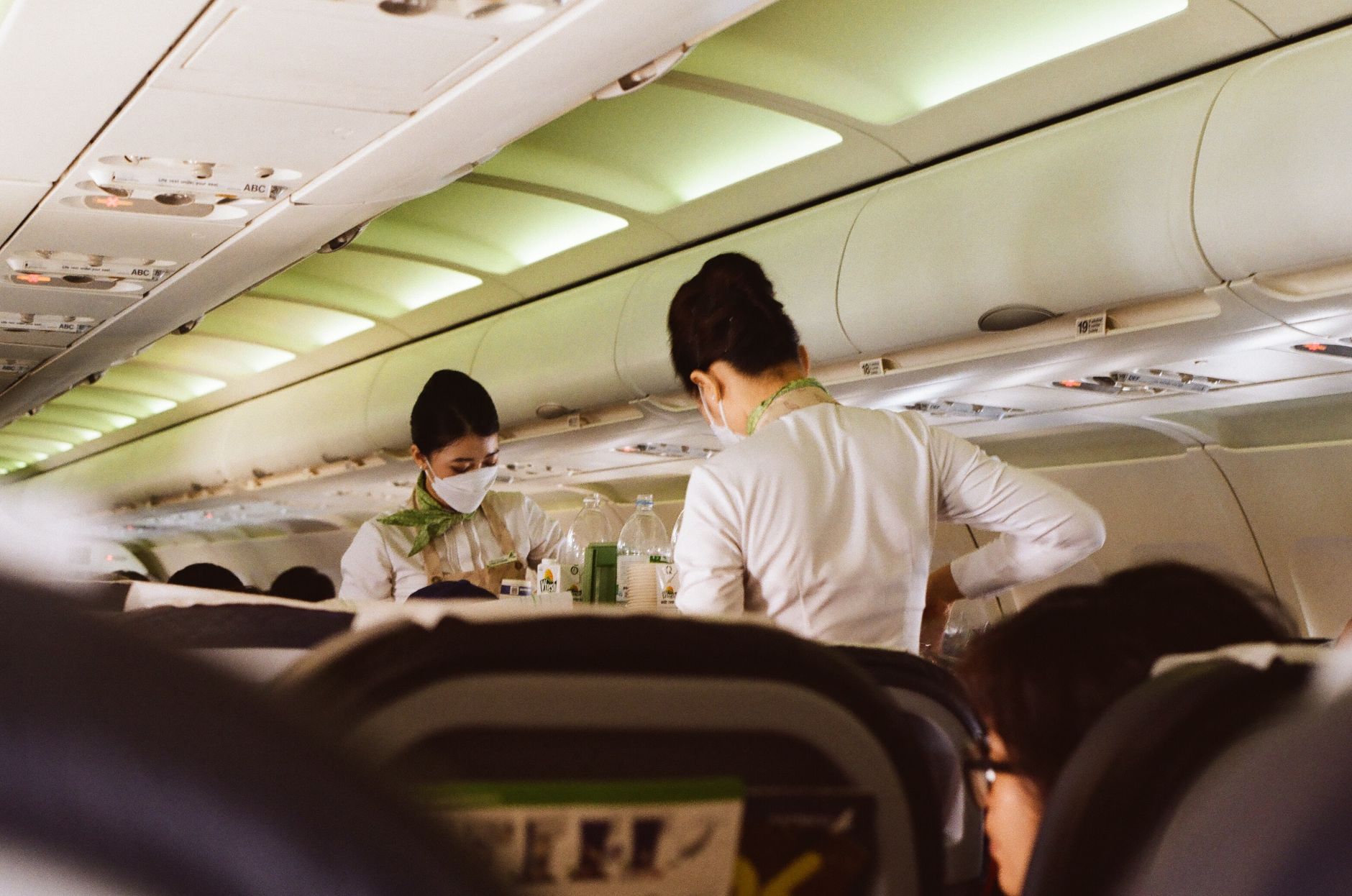

Quick answer: soft-sided vs hard-sided limits
United Airlines accepts both hard-sided and soft-sided in-cabin carriers, according to United’s traveling-with-pets guidance preserved in a June 2024 Internet Archive capture of the airline’s official page. That same United page does not print a single universal inch chart for every aircraft; it requires the carrier to fit under the seat and adds a specific height cap on some Boeing 737 MAX 9 flights.
Long-standing United language still circulated by pet-travel aggregators such as PetFlight quotes these maximums:
- Hard-sided kennel: 17.5 inches long × 12 inches wide × 7.5 inches high (44 cm × 30 cm × 19 cm)
- Soft-sided kennel (recommended maximum): 18 inches long × 11 inches wide × 11 inches high (46 cm × 28 cm × 28 cm)
PetFlight also notes United’s earlier wording that soft-sided carriers may exceed those recommended dimensions slightly if they collapse to fit under the seat without blocking the aisle, and that the animal must be able to stand up and turn around comfortably, with only one pet per kennel.
Some 2025–2026 secondary guides—including Paws On Board, which marked its United summary updated April 19, 2026—list hard-sided maximums as 9 × 17.5 × 12 inches (22 × 44 × 30 cm) and soft-sided as 11 × 18 × 11 inches (27 × 45 × 27 cm), and they repeat a 10-inch height limit on Boeing 737 MAX aircraft. Those inch figures are useful planning targets, but they are not identical across publishers, and the hard-sided height (7.5 vs 9 inches) is a real disagreement.
| Carrier type | Commonly cited max (L × W × H) | Metric approx. | Notes |
|---|---|---|---|
| Soft-sided | 18 × 11 × 11 in | 46 × 28 × 28 cm | Often preferred; may compress slightly under the seat |
| Hard-sided (older United quote) | 17.5 × 12 × 7.5 in | 44 × 30 × 19 cm | Quoted by PetFlight from United’s published kennel text |
| Hard-sided (2026 secondary guides) | 17.5 × 12 × 9 in | 44 × 30 × 22 cm | Listed by Paws On Board and similar trackers; verify with United |
| Boeing 737 MAX 9 (United official) | Height ≤ 10 in | ≤ 25 cm height | United’s June 2024 policy page: carrier “no more than 10 inches tall” |
Practical rule: buy a soft-sided carrier at or under 18 × 11 × 11 inches, leave room for your pet to stand and turn, and re-check under-seat height if your itinerary shows a Boeing 737 MAX 9.
What United’s official policy emphasizes in 2024–2026
As of the June 2024 United Airlines traveling-with-pets page (Internet Archive capture), United states that:
- Only cats and dogs may travel as standard in-cabin pets when space is available.
- The carrier must be hard-sided or soft-sided and must fit under the seat in front of you, or the pet cannot fly.
- PetSafe cargo check-in for the general public is no longer offered; cargo exceptions apply for eligible active-duty military or State Department travel.
- You may bring up to two pets per person on many flights, but you must buy two adjacent seats to care for both.
- For tickets purchased on or after April 26, 2024, the in-cabin pet fee is $150 each way; tickets purchased before that date used a $125 each-way fee structure, with additional stopover fees described on that same page.
- Domestic puppies and kittens must be at least 2 months old; for international flights United lists a minimum of 4 months to align with vaccination timing.
- Pets must stay in a closed carrier under the seat for the entire flight.
- You cannot sit with a pet in an emergency exit row, a United Premium Plus seat, or the front row of each cabin.
United’s same FAQ table also lists per-cabin pet caps by aircraft family (for example, up to four pets in Economy on many narrowbodies, and up to six in Economy on Boeing 767, 777, and 787 types in that table), and it notes that Boeing 757-200 Economy pet travelers must use a window seat so the carrier can fit. Always confirm the aircraft on your reservation; fleet mix changes.
Paws On Board’s United summary (updated April 19, 2026) similarly notes that some Airbus and Boeing 737 family aircraft allow only one pet per person because under-seat space is limited, even when two pets are otherwise possible with an adjacent seat purchase. Verify the limit against your aircraft before you buy a second pet ticket.
How to measure your pet and carrier (IATA method)
Airline under-seat limits answer “Will this kennel fit the airplane?” The International Air Transport Association (IATA) Traveler’s Pet Corner answers “Is the container big enough for the animal?” For cats and dogs, IATA’s Live Animals Regulations container guidance (CR1 LAR 2026 referenced on IATA’s site) uses animal measurements:
- A = length from tip of nose to base of the tail
- B = height from ground to elbow joint
- C = width across shoulders or widest point
- D = standing height to top of head or ear tip
IATA’s published formula for a single animal’s minimum internal container size is: length = A + ½ B; width = C × 2; height = D plus bedding. Snub-nosed breeds need about 10% more space, according to IATA. United’s soft-sided length ceiling near 18 inches means many medium dogs will fail the IATA comfort test long before they fail a tape measure against the airline’s exterior box—so cabin travel on United is generally limited to truly small pets.
IATA also continues to discourage routine sedation or tranquilizers for air transport because of airway and positioning risks, a position it says is endorsed by veterinary organizations such as the American Veterinary Medical Association. Ask your veterinarian about behavior training and crate acclimation instead of last-minute sedatives.
- Measure your pet with IATA’s A/B/C/D method.
- Choose a soft-sided carrier near 18 × 11 × 11 inches that still clears the pet’s standing height.
- Weigh packed carrier plus pet only for your own planning—United does not publish a cabin weight limit; fit and comfort control eligibility.
- Confirm aircraft type and pet availability when you book.
- Practice closed-carrier time at home for several days before travel.
Fees, booking, and destination bans
United’s June 2024 policy page states that for tickets purchased on or after April 26, 2024, the fee is $150 each way to travel with a pet, and that travel credits cannot pay the pet fee. International pet additions require calling United at 1-800-864-8331, per that page. Domestic pet space can be added during booking by selecting travel with a pet, or later via My Trips; United says pets cannot be added in the United app.
United also publishes a long list of places where in-cabin pets are not allowed to, from, or through—including Australia, Hawaii, New Zealand, the United Kingdom, Ireland, Hong Kong, South Africa, and many others on that 2024 page. Destination rules change; re-check United and destination agriculture authorities before you buy nonrefundable tickets.
Cargo, military PetSafe, and USDA / IATA paperwork
For most civilian travelers, United Airlines pet carrier dimensions are the whole story: if the pet does not fit under the seat, United will not move the animal as ordinary checked baggage. United’s Military Pet Customer Acknowledgement Form (June 2022) still describes the Military Pet program pathway, requiring a veterinarian health certificate dated within 10 days of travel and compliance with IATA Live Animal Regulations and United States Department of Agriculture Animal and Plant Health Inspection Service (USDA APHIS) rules for eligible shipments. That form is not an open invitation for civilian cargo bookings.
For international pet exports from the United States, USDA APHIS FAQ guidance last modified January 12, 2026, states that the destination country sets entry rules, that most countries require a veterinary health certificate, and that when USDA endorsement is required the issuing veterinarian must be USDA-accredited. Critically, APHIS states that the United States does not issue pet passports for international travel; it issues health certificates tailored to the destination instead. Interstate U.S. moves are handled by destination state veterinarians, not APHIS endorsement, according to the same FAQ.
EU pet passports vs Animal Passport biometric ID
Search results for pet “passports” often mix three different things:
- Airline under-seat carrier rules (this article’s United dimensions and fees)
- Official travel health documents such as USDA-endorsed certificates or European Union pet passports under EU non-commercial pet movement rules
- Digital livestock identity tools such as Animal Passport’s muzzle-biometric record
Animal Passport is a digital animal and livestock identity product that captures a nose print (unique like a fingerprint) on a phone, then binds owner, breed, estimated age, body condition, and vaccination history to that biometric record. Age can be estimated from a dental photograph with a confidence score, and body condition is scored 1–5 from a side-profile photo. In August 2025 flood-rescue work in Pakistan, that kind of durable ID helped farmers reclaim animals after paper tags washed away—useful field experience, but not a substitute for United’s carrier rules or a government travel permit.
Do not present an Animal Passport biometric profile as a United Airlines boarding document, a USDA APHIS health certificate, or an EU pet passport. For travel, follow United, USDA APHIS, and destination authorities; for lifelong livestock identity and recovery after disasters, see more on the Animal Passport blog.
Checklist before you fly United with a pet
- Confirm the destination allows in-cabin pets on United’s current embargo list.
- Reserve pet space on united.com or by phone for international itineraries.
- Buy a soft-sided carrier at or under commonly cited 18 × 11 × 11 inch limits; aim lower if flying a 737 MAX 9.
- Verify the pet can stand and turn around inside with the door closed.
- Gather rabies and health paperwork United and destination rules require; start early with a USDA-accredited veterinarian for exports.
- Arrive at the ticket counter for the yellow pet carrier tag United issues at check-in.
- Keep the carrier closed under the seat for the entire flight—no lap time.
As of September 2026, treat United’s under-seat fit test and any aircraft-specific height notes as the final authority, even when shopping pages advertise “airline approved” sizes. When sources disagree on hard-sided height, choose the more conservative kennel or call United with your flight number before you travel.
Published by Animal Passport. Last updated September 16, 2026. This article is informational and is not veterinary diagnosis or legal advice.
FAQ
- What are the United Airlines pet carrier dimensions for soft-sided carriers?
- Most United-linked guides recommend a soft-sided maximum of about 18 inches long by 11 inches wide by 11 inches high (46 × 28 × 28 cm). United’s official rule is that the carrier must still fit fully under the seat, and soft carriers may compress slightly.
- What size hard-sided pet carrier does United allow?
- Older United kennel text quoted by PetFlight lists a hard-sided maximum of 17.5 × 12 × 7.5 inches. Some 2026 secondary trackers list 17.5 × 12 × 9 inches instead. Because those figures conflict, choose the more conservative size or confirm with United for your flight.
- Is there a special height limit on Boeing 737 MAX flights?
- Yes. United’s traveling-with-pets FAQ states that on a Boeing 737 MAX 9, the pet carrier can be no more than 10 inches tall. Check your aircraft type in the reservation before you pack.
- How much does United charge for an in-cabin pet?
- United’s June 2024 policy page says tickets purchased on or after April 26, 2024, carry a $150 each-way in-cabin pet fee. Earlier tickets used a $125 each-way structure with additional long-stopover fees described on that page.
- Can my dog fly as cargo on United if the carrier is too big?
- Generally no for civilians. United states it no longer checks pets through PetSafe for the general public; cargo exceptions are limited to eligible active-duty military or State Department travelers under separate program rules.
- Does my pet need a U.S. pet passport for a United international flight?
- No. USDA APHIS states the United States does not issue pet passports for international travel and instead uses destination-specific veterinary health certificates, often requiring USDA-accredited issuance and APHIS endorsement.
- How many pets can one passenger bring on United?
- United says you can bring up to two pets per person on many flights if you buy two adjacent seats. Some aircraft with limited under-seat space allow only one pet per person; total pets per cabin also vary by aircraft type.
- Is Animal Passport the same as an airline or EU pet passport?
- No. Animal Passport is a digital livestock identity product using muzzle biometrics and phone-based records. It is not a United Airlines travel document, a USDA APHIS health certificate, or an EU pet passport.
Sources
- Traveling with pets — United Airlines (Internet Archive capture)
- United Airlines Pet Travel and Shipping Information — PetFlight
- United Airlines Pet Travel — Paws On Board
- Traveler's Pet Corner — International Air Transport Association (IATA)
- Frequently Asked Questions About Traveling With Your Pet — USDA Animal and Plant Health Inspection Service (APHIS)
- Military Pets Customer Acknowledgement Form — United Airlines
Animal Passport binds a muzzle biometric to a digital record farmers, buyers, and insurers can verify in the field.